
The Civil War Years on the Northern Plains
By Brad Tennant · Originally published November-December 2026 · pp. 38–43
In 2011, as part of the 150th-anniversary commemoration of the Civil War, the National Endowment for the Humanities and the American Library Association’s Public Programs Office announced reading and discussion programs in numerous states and the District of Columbia on the theme “Making Sense of the American Civil War.” Award-winning author and historian of the American South Edward L. Ayers selected three books that became the focus of the “Making Sense of the American Civil War” discussion programs. The reading materials he chose included March by Geraldine Brooks, Crossroads of Freedom: Antietam by James McPherson, and America’s War: Talking About the Civil War and Emancipation on Their 150th Anniversaries, edited by Ayers.1 Although these served as the basis for community conversations throughout the country, many states also included topics related to events closer to home during the Civil War years. Such was the case with the South Dakota Humanities Council and its programs scheduled for 2013. While the first two sessions focused on the main readings, the third session examined events that took place on the Northern Plains during the Civil War years.2 President James Buchanan signed the Organic Act creating Dakota Territory on March 2, 1861, signifying an important step in the westward settlement of the United States, yet it came at a time when the nation would soon be embroiled in the Civil War. The United States Senate passed the bill creating the Dakota Territory on February 26, and the House of Representatives approved it on March 1, 1861. The following day, President Buchanan signed the act, and Abraham Lincoln’s inauguration as the 16th president took place two days later on March 4.3 Lincoln soon began appointing territorial officials, including a
President James Buchanan. (Library of Congress)
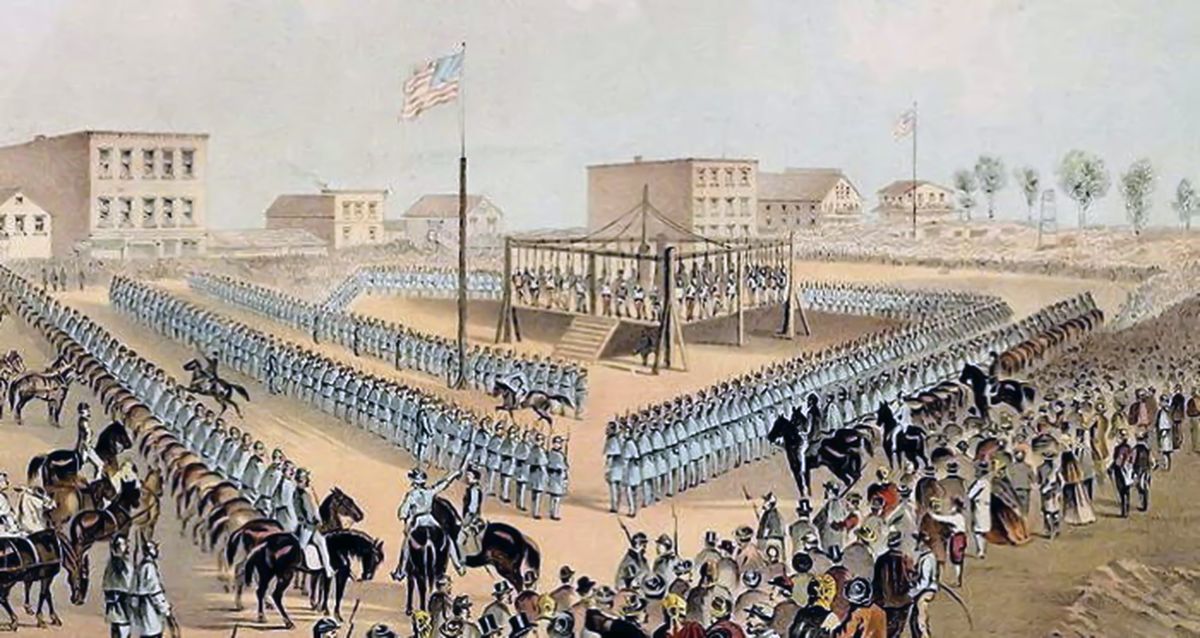
Mankato, Minnesota public hangings of 38 Dakota men, December 26, 1862 remain the largest public mass execution in United States history. Illustration by W. H. Childs, December 26, 1862.
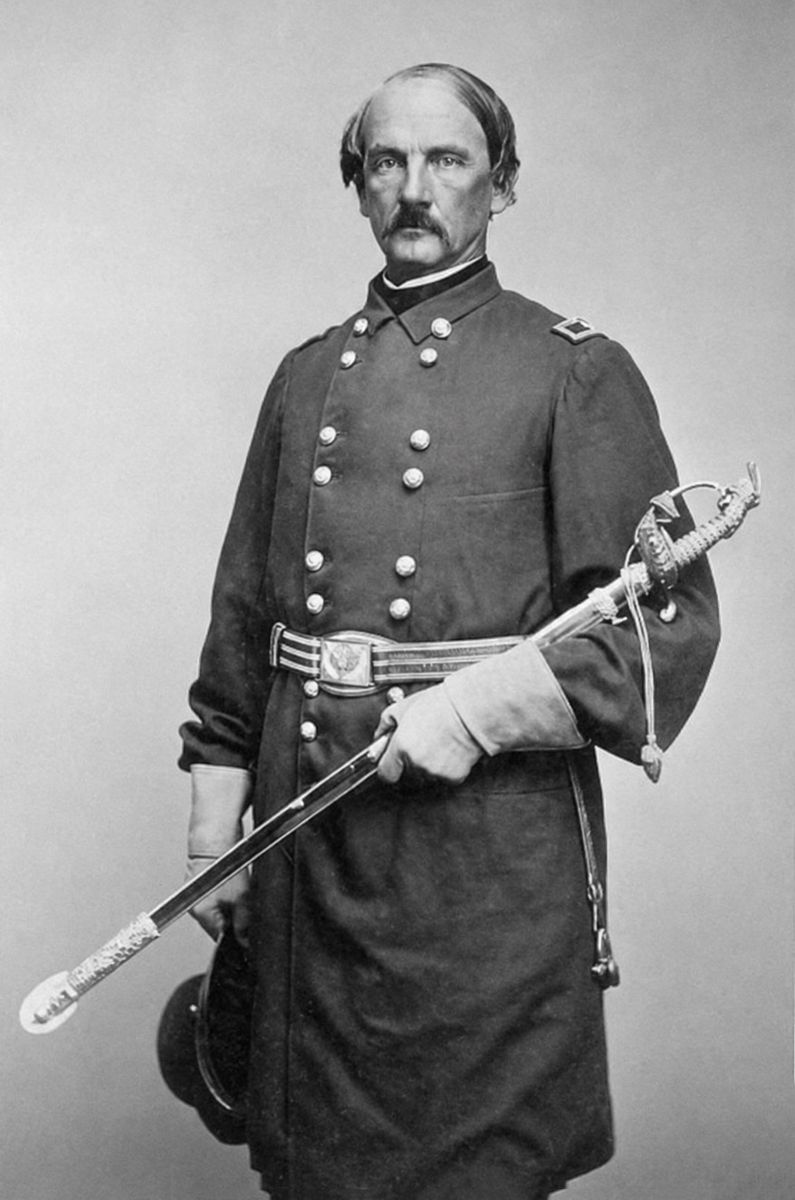
territorial governor who also served as the superintendent of Indian affairs, a territorial secretary, three federal judges, and a surveyor general. Of these, Dr. William Jayne, who served as the territory’s first governor, became the most noteworthy of Lincoln’s initial appointees. Jayne, who also lived in Springfield, Illinois, knew Lincoln as both a close friend and his personal physician.4 As governor, Jayne oversaw the political organization of the territorial government, as well as paying attention to the growing hostilities in neighboring Minnesota. On March 19, 1862, Governor Jayne had his secretary read a letter on his behalf to the members of the first territorial legislature in which he stated his views on slavery. Jayne wrote,
“The slavery question has been an exciting and distracting subject of dispute, of late years, in the territories. I hope we may be free from it. I would recommend to your body that you pass a law prohibiting, for all time to come, in this territory, slavery or involuntary servitude except for crime. I should hope to see such a law passed without a dissenting voice. I hope that the free air of Dakota may never be polluted, or her fair virgin soil pressed, by the footprint of a slave.”
Referring to the war between the states already underway, Jayne further added,
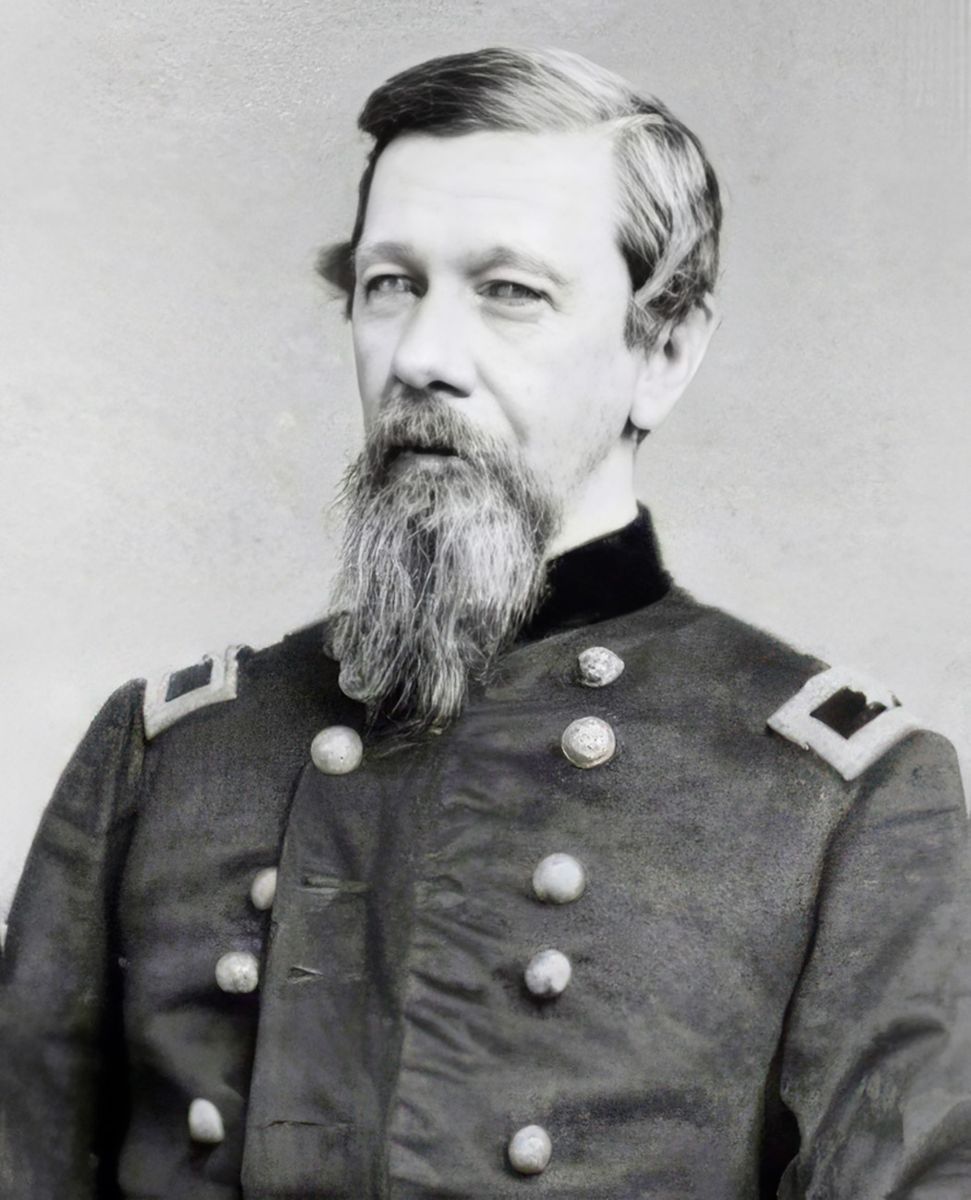
“If slavery stands in the way of a successful subjugation of this hellish rebellion, let slavery die. If in the providence of God it should come to pass, that through the efforts for the preservation of constitutional liberty, the institution of human slavery should be blotted out of existence, no lover of humanity, civilization, and Christianity, will drop a tear over its grave.” Despite Governor Jayne’s call to prohibit slavery in Dakota Territory, the Council Committee of the Whole recommended “That the council take no action on the governor’s recommendation on the abolishment of slavery.” Similarly, the House of Representatives indefinitely postponed file no. 70, “An Act to prohibit slavery, and involuntary servitude in the Territory of Dakota.” Although Governor Jayne’s request to prohibit slavery did not pass, it is interesting to note that Council bill no. 33, “A bill for an act to prevent persons of color residing in Dakota,” passed the Council before the House voted against it by a narrow margin. Had this bill passed, “persons of color” found dwelling in the territory would have 20 days to leave the territory or face being jailed.5 The fact that the territorial legislature did not prohibit slavery while trying to ban blacks from the territory reflected the political differences that existed between the governor and many of the legislators. Historically, new territories typically meant a rush of settlers; however, this would not be the case for the newly created Dakota Territory. The lack of initial settlers in the territory could certainly be attributed in part to the war occurring in the eastern United States, but the principal reason focused on what became known as the Minnesota Uprising.6 Tensions over long-ignored treaty promises created volatile conditions that set the stage for the August 17, 1862, killing of five settlers in Meeker County, Minnesota. On that day, four young members of the Wahpeton band of the Santee Dakota (Sioux) took out their frustrations on a pioneer family, thus triggering approximately five weeks of conflict. Under the leadership of Chief Little Crow and others, the Santee Dakota began a raiding spree that affected settlements in Minnesota and Dakota Territory. By the time the uprising ended, initial estimates placed the number of whites killed as high as 800, while some 40,000 settlers retreated to the east. As order was slowly restored, many of the Dakota, whether hostile or not, fled westward into Dakota Territory in fear of military reprisals. For those who stayed, the military, under the command of Colonel Henry Hastings Sibley, imprisoned hundreds of Dakota, with 38 eventually hanged on December 26, 1862, in Mankato, Minnesota, in what remains the largest public mass execution in United States history.7 Ironically, this execution occurred by order of President Lincoln just one week before he issued the Emancipation Proclamation. In September 1862, during the early stages of bloodshed in Minnesota, Lincoln created the Department of the Northwest and appointed General John Pope as commanding officer.8 The Department of the Northwest included the District of Wisconsin, the District of Minnesota, and the District of Iowa and Dakota Territory and had the twofold responsibility of controlling Indian activities and protecting white settlers who lived along the western frontier of the Northern Plains. As commander of the District of Iowa and Dakota Territory, Brigadier General Alfred Sully received the assignment of pursuing hostiles who fled Minnesota.9 General Pope spent the 1862–1863 winter at the Department of the Northwest’s military headquarters in Milwaukee, Wisconsin, planning a summer campaign aimed at the Santee Dakota who escaped into Dakota Territory. The campaign involved two military forces designed to trap the hostiles. According to the plan, recently promoted General Henry H. Sibley, from the Minnesota District, would travel northwest from Fort Ridgely and enter Dakota Territory in the vicinity of Big Stone Lake, in present-day northeastern South Dakota. Upon confronting any hostiles, Sibley intended to engage in battle or drive them toward the Missouri River. Meanwhile, General Sully and a large cavalry force were to move up the Missouri River from Iowa into central Dakota Territory in an attempt to intercept those fleeing Sibley’s command.10 The campaign did not go as planned. First of all, Sully did not assume command of his troops until June 1, 1863, which was later than originally intended. His biggest challenge, however, involved the low water level of the Missouri River, which slowed the steamboats that carried his supplies. Consequently, Sully’s troops did not reach their position as scheduled to intercept those forced west to avoid Sibley’s troops. As it happened, Sibley’s command engaged in a few minor battles before returning to Minnesota on August 1, 1863. Having arrived too late to meet Sibley, Sully decided to leave the Missouri River on August 21, heading east to see if he could find any Dakota.11 This decision would culminate in the massacre at Whitestone Hill in what is now Dickey County, North Dakota.
Eager to engage in battle, Sully sent scouting parties out daily in search of the Dakota. Then, on September 3, 1863, scouts located a large encampment at Whitestone Hill that Sully estimated at over 400 lodges and as many as 1,200 warriors. Others placed the number as high as 1,500. The encampment consisted of Santee and Yanktonai Dakota, some Blackfeet, and Hunkpapa Lakota, with the latter two typically found west of the Missouri River. The confrontation that ensued is considered a Union victory and reflects the role of United States troops during the early 1860s, although they were not involved in Civil War actions. Evidence eventually located at the encampment showed that the Hunkpapa Lakota had belongings from Sibley’s troops with whom they had fought in July.12
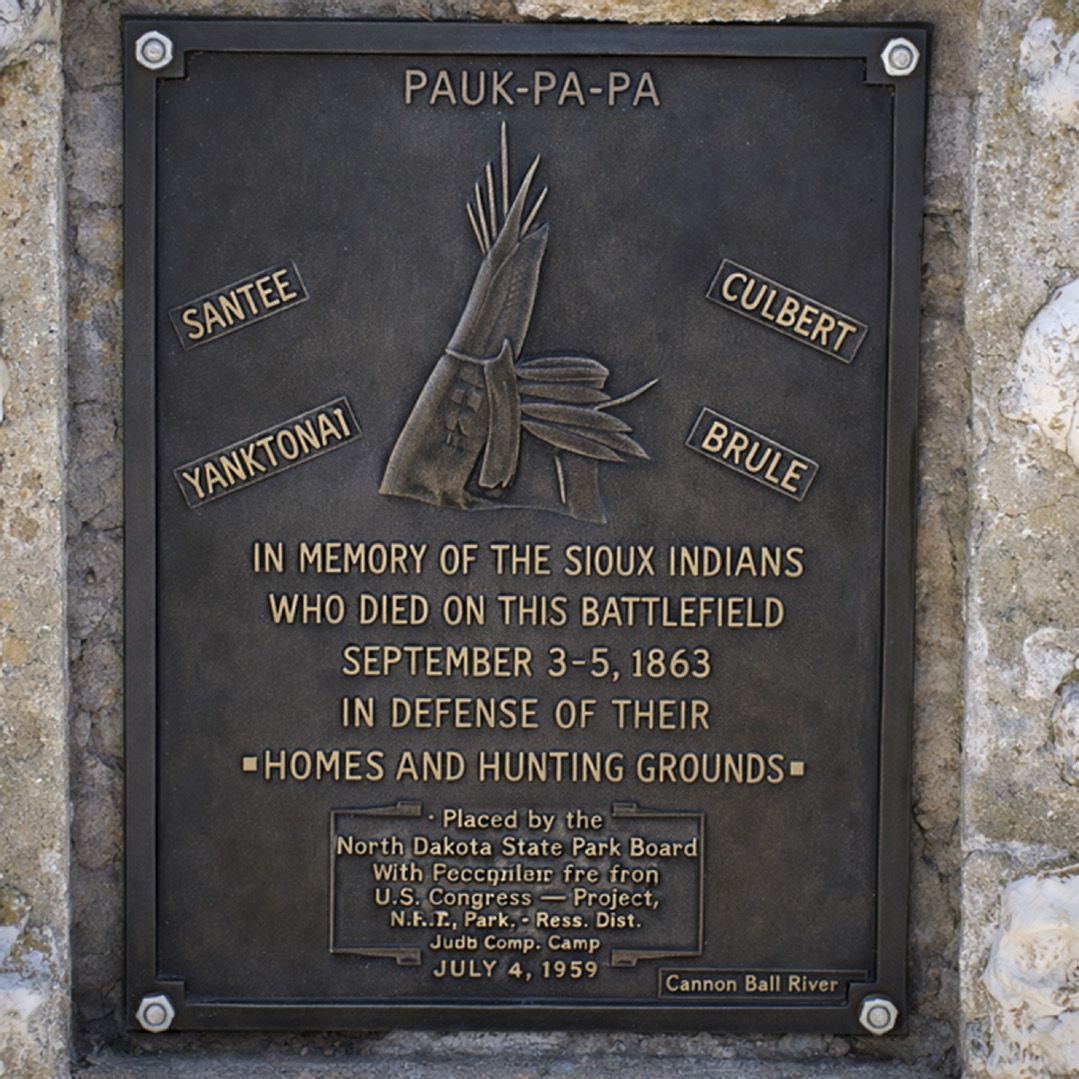
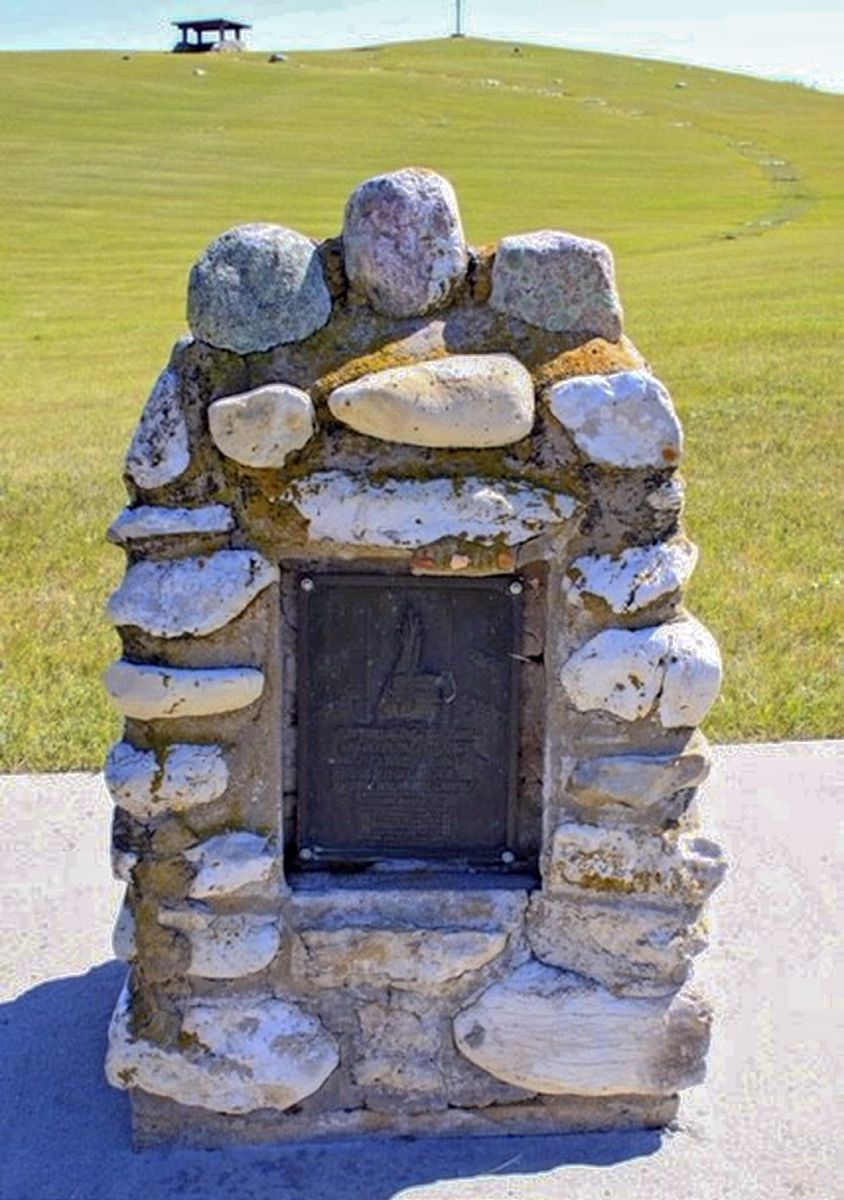
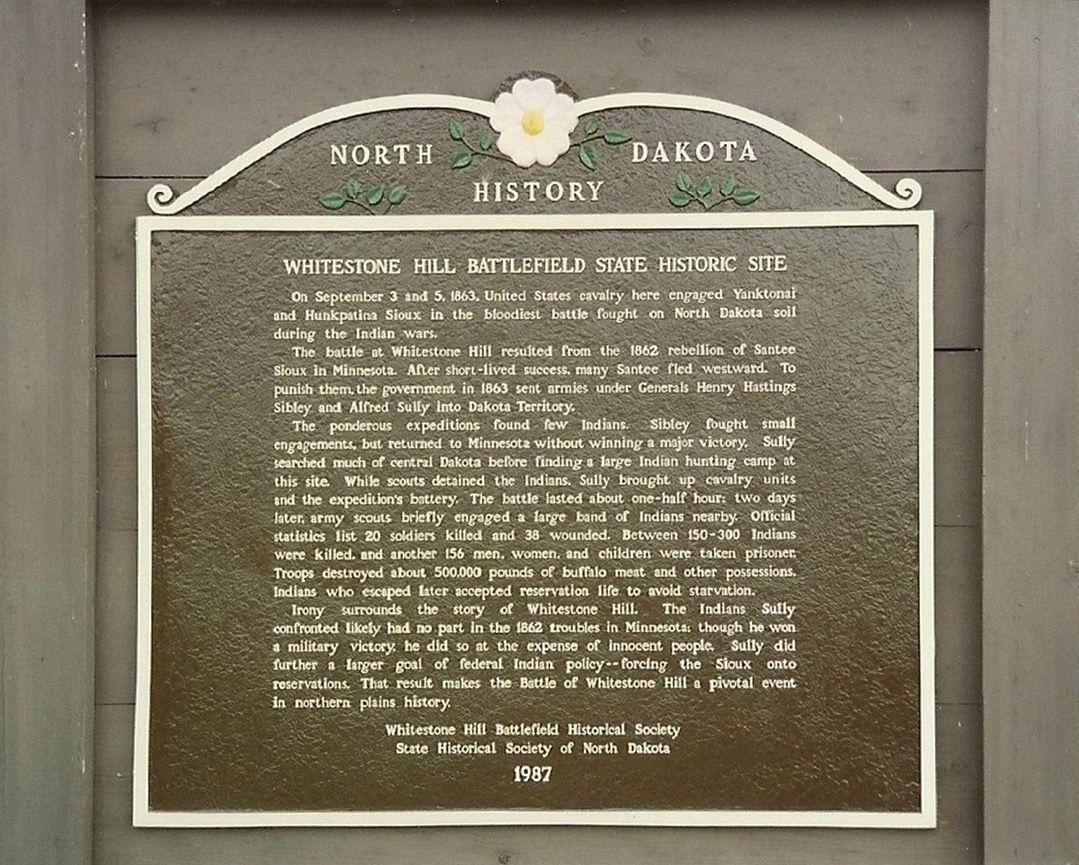
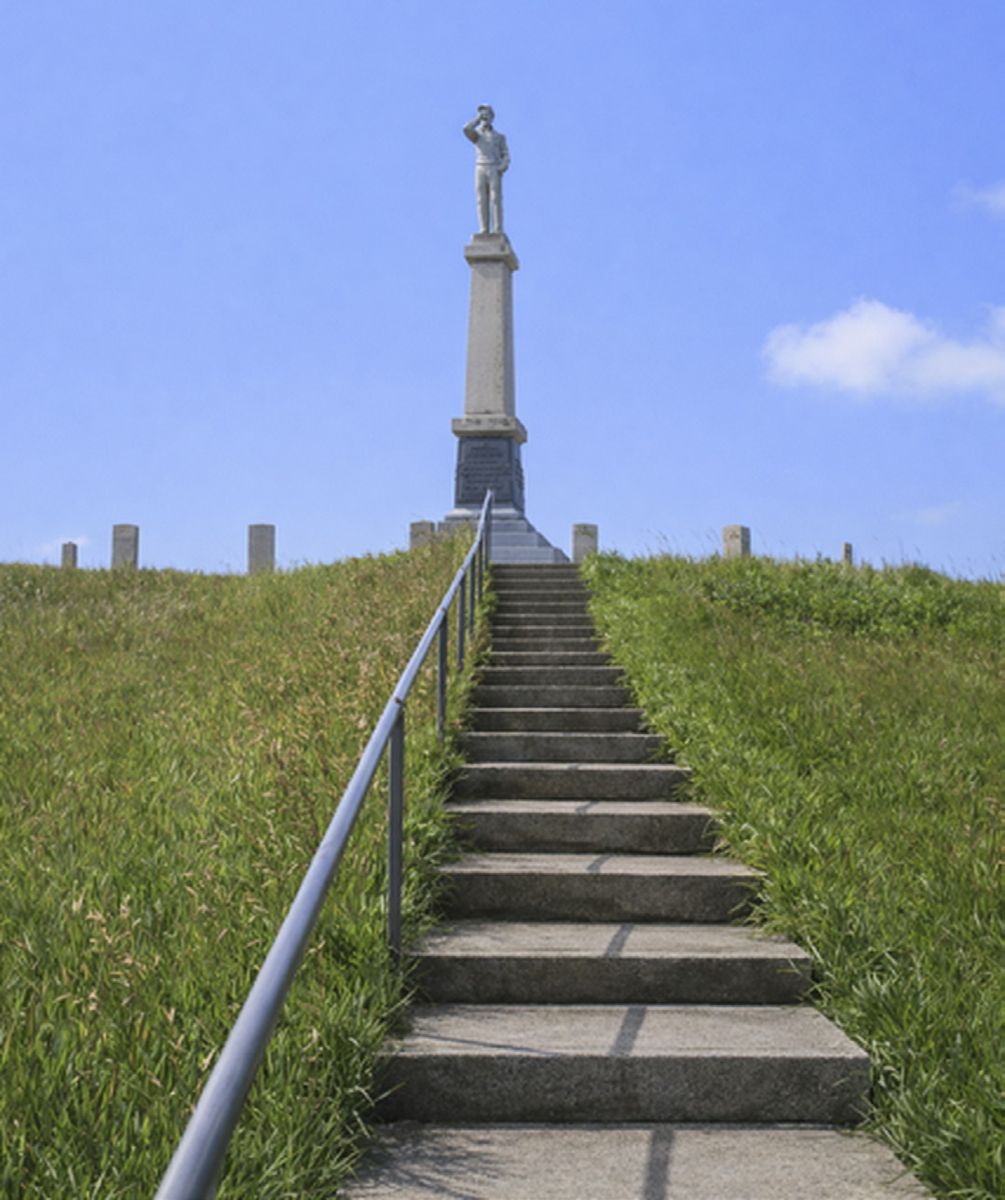
While Sully took pride in the success at Whitestone Hill, controversy has since focused on whether it was a battle or a massacre. A historical marker at the site states that the battle lasted about one-half hour and that “Official statistics list 20 soldiers killed and 38 wounded. Between 150-300 Indians were killed, and another 156 men, women, and children were taken prisoner. Troops destroyed about 500,000 pounds of buffalo meat and other possessions.” The marker further states that “Irony surrounds the story of Whitestone Hill. The Indians Sully confronted likely had no part in the 1862 troubles in Minnesota; though he won a military victory, he did so at the expense of innocent people.”13 Today, an impressive monument exists at the top of Whitestone Hill, surrounded by the 20 grave markers of the soldiers who died. In contrast, a small plaque on a rock cairn at the bottom of the hill reads, “In memory of the Sioux Indians who died on this battlefield Sept. 3-5, 1863 in defense of their homes and hunting grounds.”14 Many of them died as they fled across the countryside.
After his 1863 military campaign, General Alfred Sully led two subsequent expeditions up the Missouri River in 1864 and 1865, during which he engaged with groups of Dakota, Lakota, and other tribal nations as tensions resulting from westward movement and settlement continued. While the Civil War raged in the eastern United States, there is indeed a lot to note about the Civil War years on the Northern Plains.
Endnotes:
-
Paula Wasley, “NEH and ALA award ‘Let’s Talk About It: Making Sense of the Civil War’ grants to 65 public, academic, and community college libraries,” National Endowment for the Humanities, June 7, 2011, https://www.neh.gov/news/press-release/2011-06-07.
-
Brad Tennant, Making Sense of the American Civil War Discussion Guide (Brookings, SD: South Dakota Humanities Council, 2012), 3.
-
Norman Thomas, “John Blair Smith Todd, First Dakota Delegate to Congress,” South Dakota Historical Collections 24 (1949): 189.
-
Herbert S. Schell, History of South Dakota, 4th ed., rev. John E. Miller (Pierre: South Dakota State Historical Society Press, 2004), 93.
-
“Excerpts from Gov. William Jayne’s message to the First Territorial Legislature as read by Gov. Jayne’s personal secretary March 19, 1862” in the Council Journal of the Legislative Assembly of the Territory of Dakota (Yankton, Dakota Territory: Josiah C. Trask, Public Printer, “Dakotian” Office, 1862), https://archive.org/stream/esrp1262993130/1862.030_djvu.txt; Howard R. Lamar, Dakota Territory, 1861–1889: A Study of Frontier Politics (New Haven, CT: Yale University Press, 1956), 86–87. The first territorial legislature had nine members of the Assembly, or Council, and thirteen members of the House of Representatives. Due to its small numbers, many referred to it as the “pony Congress.”
-
Just as the Civil War has been referred to by different names, so too has the Minnesota Uprising. Among the names commonly used are the Santee Sioux Uprising, Dakota Uprising, Sioux Outbreak of 1862, Little Crow’s War, 1862 Dakota War, and U.S.-Dakota War.
-
Clair Jacobson, Whitestone Hill: The Indians and the Battle (La Crosse, WI: Pine Tree Publishing, 1991), 67–68.
-
Merriam Company, Webster’s American Military Biographies (Springfield, MA: G. & C. Merriam Company, 1978), 327–28. John Pope graduated from West Point and served as surveyor with the topographical engineers. He led a variety of military surveying parties over a nearly twenty-year period, and at the beginning of the Civil War, he received his promotion to general. Pope’s Union forces suffered a major defeat against Robert E. Lee’s Confederate army at the Second Battle of Bull Run (Manassas) in late August 1862. After this defeat, Lincoln assigned Pope to head the Department of the Northwest.
-
Harold H. Schuler, Fort Sully: Guns at Sunset (Vermillion: The University of South Dakota Press, 1992), 5.
-
Jacobson, Whitestone Hill, 71–72; George W. Kingsbury, History of Dakota Territory, vol. 1 (Chicago: The S. J. Clarke Publishing Company, 1915), 276.
-
Jacobson, Whitestone Hill, 77–78, 81–82.
-
United States War Department, “Excerpts from the Report of Brigadier General Alfred Sully Regarding Whitestone Hill, Sept. 3–5, 1863,” in The War of the Rebellion: A Compilation of the Official Records of the Union and Confederate Armies. Series 1, Volume 22, In Two Parts. Part 1, Reports. Washington: Government Printing Office, 1888; “The Battle of Whitestone Hill,” The American Civil War, https://www.mycivilwar.com/battles/630903.html.
-
“Whitestone Hill Battlefield State Historic Site” historical marker, Whitestone Hill Battlefield Historical Society and State Historical Society of North Dakota, 1987.
-
Whitestone Hill memorial cairn, North Dakota State Park Board, July 4, 1959.
Brad Tennant is a professor emeritus and longtime historian/humanities scholar whose research, writing, and presentations focus on South Dakota and Northern Plains history. He grew up in Potter County, South Dakota, which includes the townships of Gettysburg, Appomattox, and Lincoln, where nearly 200 Civil War veterans settled in the 1880s. He currently lives in Mitchell, South Dakota.