
Spared & Shared
1863: John Emory Bryant to Thomas Wentworth Higginson
By William Griffing · Originally published November-December 2026 · pp. 50–53
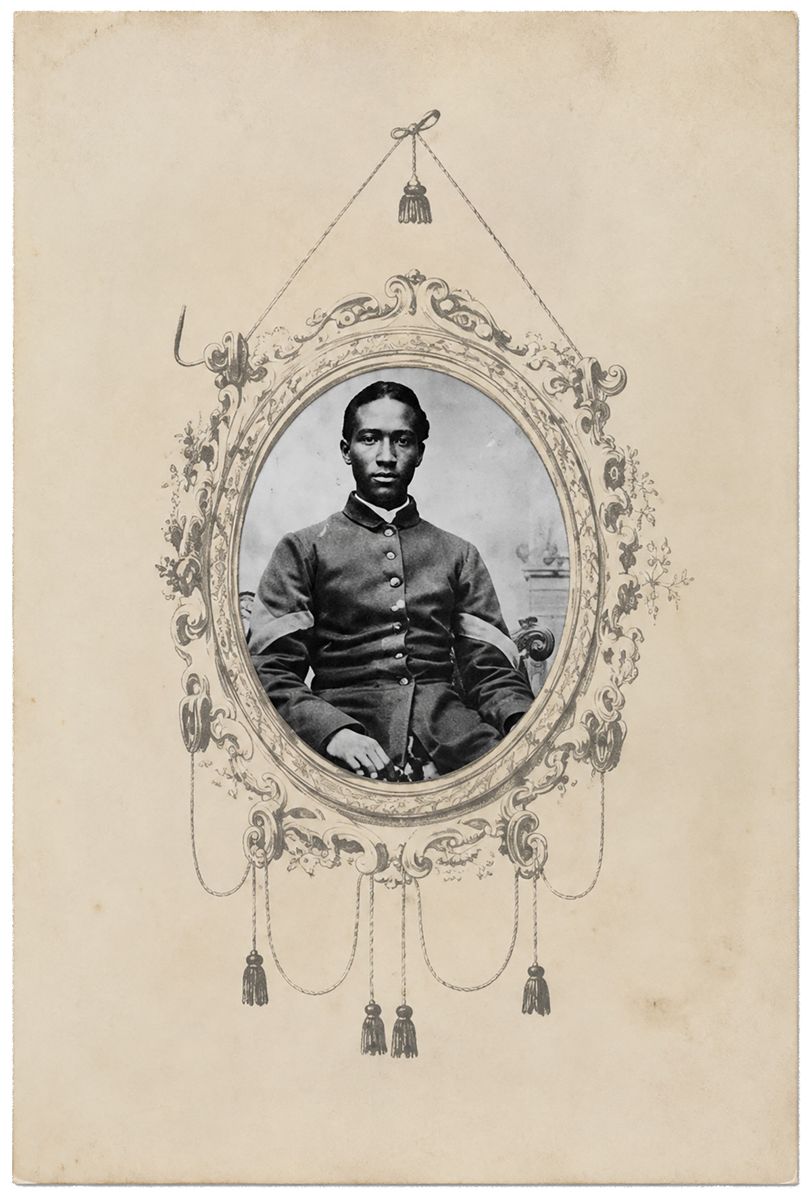
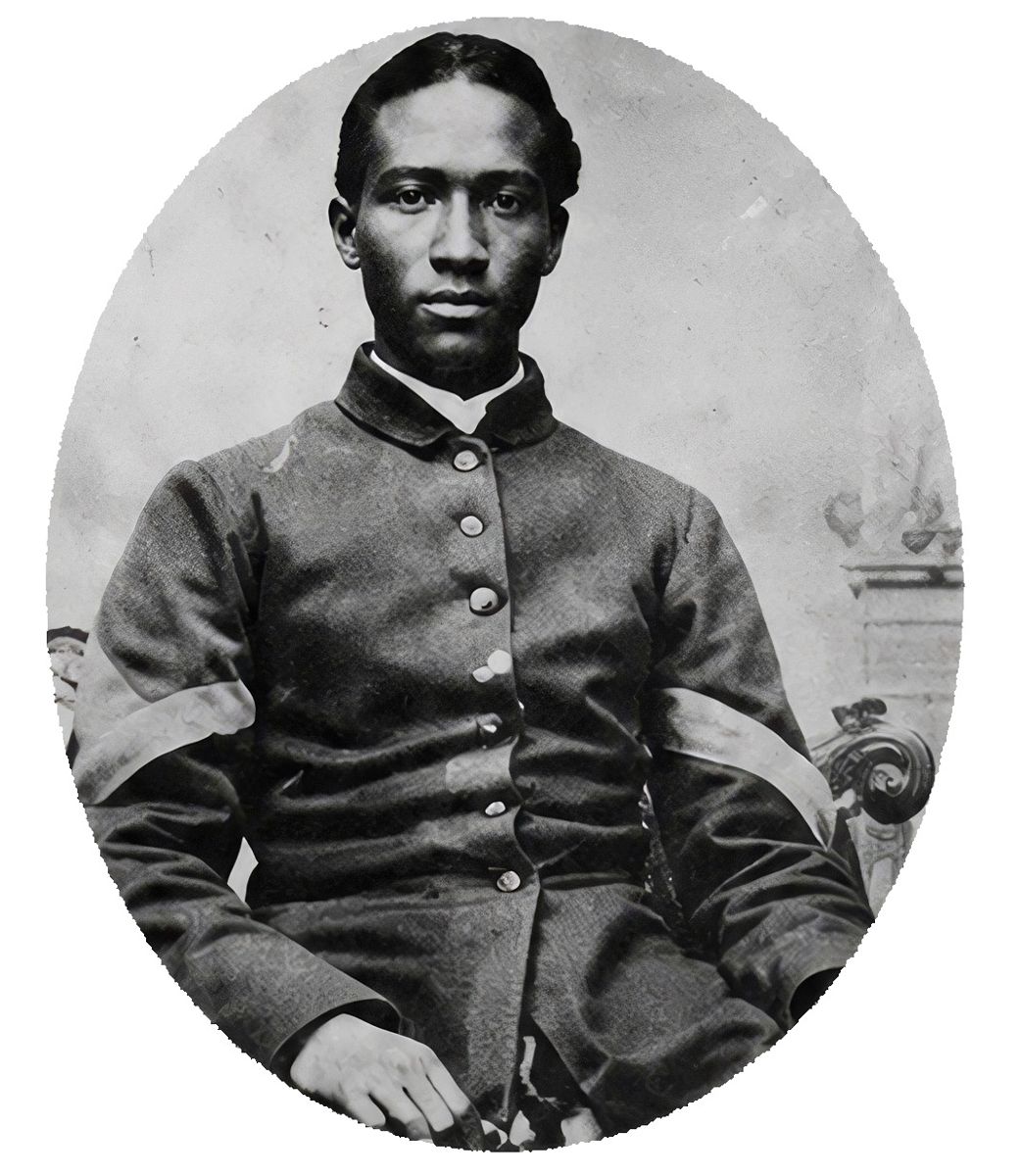
By November 1863, Capt. John Emory Bryant of Co. C, 8th Maine Infantry had established a reputation as a scout in the swamps and marshes of South Carolina, making him the perfect choice to lead a force of sixty men from the 1st South Carolina Infantry (33rd USCT) on an expedition to liberate 30 slaves in the vicinity of Pocotaligo, S.C. Their raid began by way of ship up the Pocotaligo River and then by smaller boats or flats through the marshes to a landing where they would continue their journey by foot. Along the way, they had to capture a known Confederate picket post to keep the movement secret. Bryant’s account lavishes praise on his fellow white officers who assisted him in carrying out this raid but we learn that it was a Black soldier—Sergeant Harry Williams of Co. K—who bravely volunteered to lead a small party to capture the two Confederate pickets and their horses, and then liberate 27 slaves from the Heyward Plantation “six miles in advance and within 4 miles of the enemy’s headquarters.” While shepherding the slaves to freedom, the squad from the Black regiment were subsequently attacked by 25 troopers from Rutledge’s Cavalry led by Captain J. T. Foster who were hunting down the runaway slaves and their Black liberators by using bloodhounds. The events that transpired that day motivated him to write the following letter of the raid.
Headquarters Picket Station Barnwell Island, S. C. November 27th 1863 T. W. Higginson Colonel Commanding 1st S. C. Vols. Colonel,
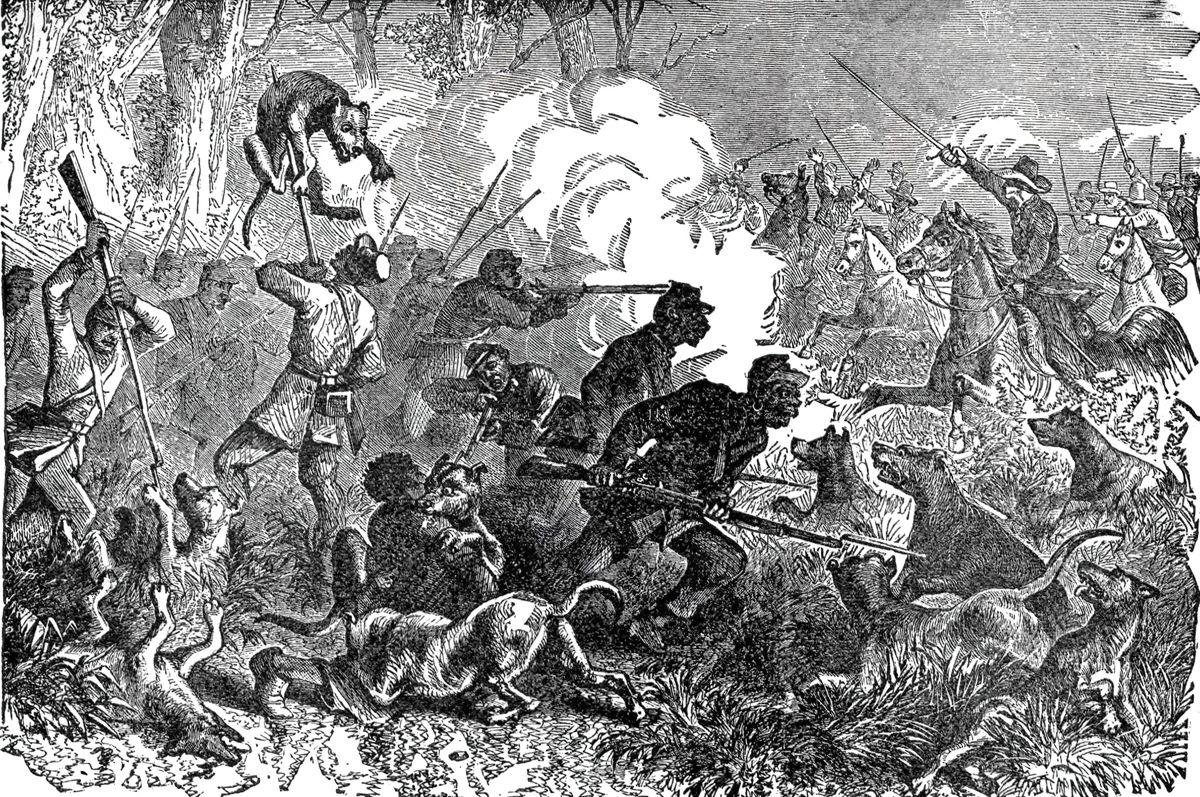
I have the honor to report that I have carried out the plan approved by yourself and the General commanding for capturing the Rebel Pickets doing duty on the main land opposite this island. Monday morning before daylight, Capt. Heasley, Co. E, 1st S. C. Vols. with thirty men from his company, and thirty men under Capt. Whitney, Co. K, same regiment, proceeded to Hall Island. I crossed to that island Monday afternoon. Immediately after dark a rowboat was carried across the island in which I crossed to the main land accompanied by Captains Heasley and Whitney with forty men, and Sergt. Harry Williams with four men of Co. K who had volunteered to go with him to a point about four miles from Pocotaligo, and six miles from where we landed and rouse the colored people on the Heyward plantation and conduct them to the place where I intended to capture the pickets. I concealed the remainder of my force in the woods until four A. M. this Tuesday morning. At that hour I moved the force near the post where I intended to capture the pickets and halted. Capt. Heasley with ten men was directed to capture the pickets. I instructed him to proceed without noise, as near to the post as he could undiscovered, and the instant he was discovered to rush upon and capture them. Captain Whitney with ten men was instructed to capture the horses at the same time. Each officer performed the part assigned to him with energy and skill so that the pickets were captured without accident and without noise. Lieut. Cass of Co. A, 2nd S. C. Vols. had been instructed to move three flats up the river which runs between this island and the main land, as near to the picket post as he could undiscovered, and remain until a torch should be waved as a signal for him to approach the landing. The signal was given as soon as the pickets were captured, and repeated at intervals for two hours but owing to the thick fog was undiscovered by Lieut. Cass. About an hour after the pickets were captured, Sergeant Williams returned with twenty-seven colored people who had belonged to Mr. Heyward and lived within four miles of Pocotaligo. An hour later a company of the enemy’s force preceded by a pack of five blood hounds attacked Captain Heasley who was guarding the road leading to the landing with a few men. I immediately ordered Captain Whitney to support him. The enemy attacked Captain Heasley with great fury, urging the dogs on in advance. They were allowed to approach within a few feet of the men when they charged on them killing three. At the same time a well directed volley checked the advance of the enemy and threw them into disorder. Before the enemy could rally, Capt. Whitney arrived with reinforcements and with his assistance, Capt. Healey was able to hold the enemy in check. The colored people who had escaped from Mr. Heyward, the pickets who had been captured, five horses and three mules, were on a point guarded by a few men waiting for the flats which had not made their appearance. The enemy were in front and it was reported with artillery. Our only means of escape was through the woods and over the marsh to our right. I therefore ordered the guard to move with the colored people and prisoners to the house held by Capt. Heasley and went there immediately myself. The main force of the enemy appeared to be in our front. I directed Capt. Whitney with ten men to move to the right of the enemy and hold a piece of woods through which we must retreat. Soon after we arrived there a force of the enemy—at least a company—attempted to pass along a path which lead through the woods, evidently intending to flank us on our left. The captain’s force fired on them, killing among others one of the remaining blood hounds and the commanding officer of the force. As soon as the guard arrived with the prisoners and colored people, I moved to the left through the woods and supported Captain Whitney. The whole force then moved along the shore a mile to the point where we had landed on the main and crossed without accident to Hall Island, and thence to camp. When near the landing on the rebel shore, the last of the pack of blood hounds was killed. I have sent it to you as a trophy of when alive, one of the worst enemies of the colored man. My loss was two enlisted men—one belonging to Co. E, 1st Regt. S. C. Vols., and the other to Co. K, same regiment, who were drowned while attempting to escape without orders. Eight men were wounded, none seriously. The loss of the enemy must have been heavy. A Rebel Captain and five enlisted men are known to have been killed. We were attacked by two companies, one on our right, and the other on our left, and both were repulsed. One of the rebel prisoners was accidentally killed by their own men. I know that it is unnecessary to call your attention, particularly to Captain Heasley and Whitney (for in those short but desperate contests with the enemy, which astonished the people of this country, gave to your regiment a name and fame which will live as long as our history is known, and decided the War Department to allow colored men to handle a Government musket and learn the manual of arms) you discovered their bravery and learned their valor. But I feel it is a duty and it gives me great pleasure to do so. Heasley and his little band of ten black heroes, who seeing a pack of five blood hounds that they had learned to dread, by the knowledge which they had of their ferocity, approach followed by a company of Cavalry, allowed them to advance until the dogs were upon the bayonets of their rifles, and until the Captain ordered them to charge on the dogs, and fire upon the Cavalry. Instant death seemed to be before them and yet they did not flinch. Seven of their number were wounded but I am happy to learn none seriously and all will recover. Are they not veterans? Yet all were a few months ago Slaves, Cattle, Mules, having no rights which white men were bound to respect. I feel proud that I was allowed by yourself and the General Commanding to command a band of such heroes and I can truly say that it was the proudest day of my life and that I am more than repaid for the month of exposure, toil and absence from home and friends by this one day, and the opportunity I had of witnessing the bravery of these black men. Again, Captain Whitney when directed to go to and hold the woods, although but ten men could be spared him and although instant death seemed to stare him in the face, yet he started at the head of his men and at a double quick, went to the woods. And when he saw a company at least of the enemy approach, did not hesitate to fire upon them. Fortunately but one of his men was wounded. The men retreated as cooly as though they were going to a dress parade. I take great pleasure in calling your attention to Lieut. Robbins of Co. K, although the part he performed was not as conspicuous as that of the other officers, yet it was as important. He was left in command of the men who remained on Hall Island with instructions not to leave until ordered away. The boat in which we crossed returned to that shore but when he heard firing which convinced him that we were approaching the point where we had landed on the main, although his instructions did not cover such a contingency, yet with the instinct of a true soldier, he immediately crossed with his boat and when I arrived at the landing I found him ready to convey the men to Hall Island. When that had been done, he asked permission to go with Capt. Heasley and look for some men who were supposed to be in the marsh above. I gave him permission and he went fearlessly to a point directly under the bluff where we captured the pickets and within thirty feet of the shore, found and brought away seven men while the enemy in force stood on the shore above. His escape was almost miraculous. The part performed by Lieut. Cass, Co. A. 2nd S. C. Vols. who is more immediately under my command, was equally daring. He approached the landing when the enemy were in sight above, and brought away the Colored people and wounded man who was unable to follow the retreat with the rest of the party. Why was no man killed by the enemy and none taken prisoners? The wounded men all got away and will recover. The men who were drowned were not wounded and if they had not left the main force, could have returned as well as others. Is not the hand of God clearly seen in this? How could we have escaped without His assistance?
Grateful for the protecting care of divine Providence, I have the honor to be, Colonel, Very Respectfully Your Obedient Servant signed J. E. Bryant Capt. 8th Maine Vols Comdg. Expedition
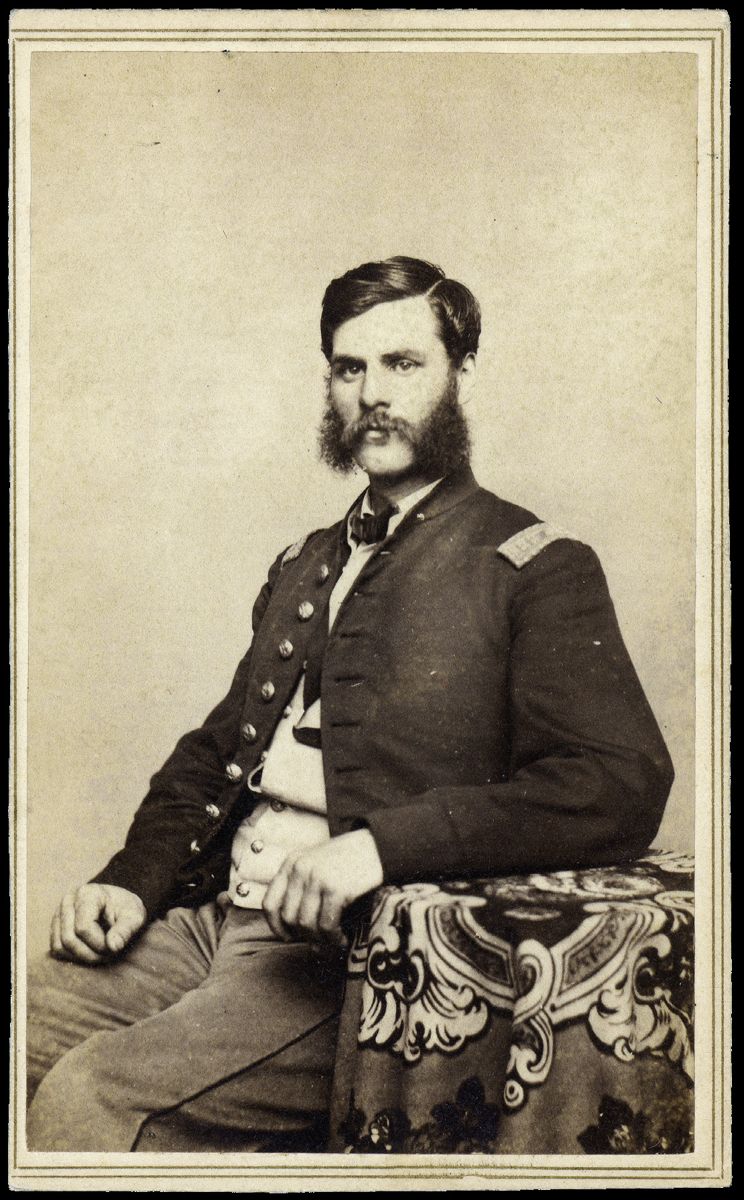
Capt. Alexander Heasley, Co. E, 1st S.C. Vols. (Find a Grave) Entitled “A Negro Regiment Attacked by Rebels & Bloodhounds” was a sketch by artist W. T. Crane that appeared in Leslie’s Illustrated (March 5, 1864) loosely based on the story of this raid then circulating in the North. It seems Crane exaggerated the number of bloodhounds and didn’t have a very good understanding of what bloodhounds looked like.
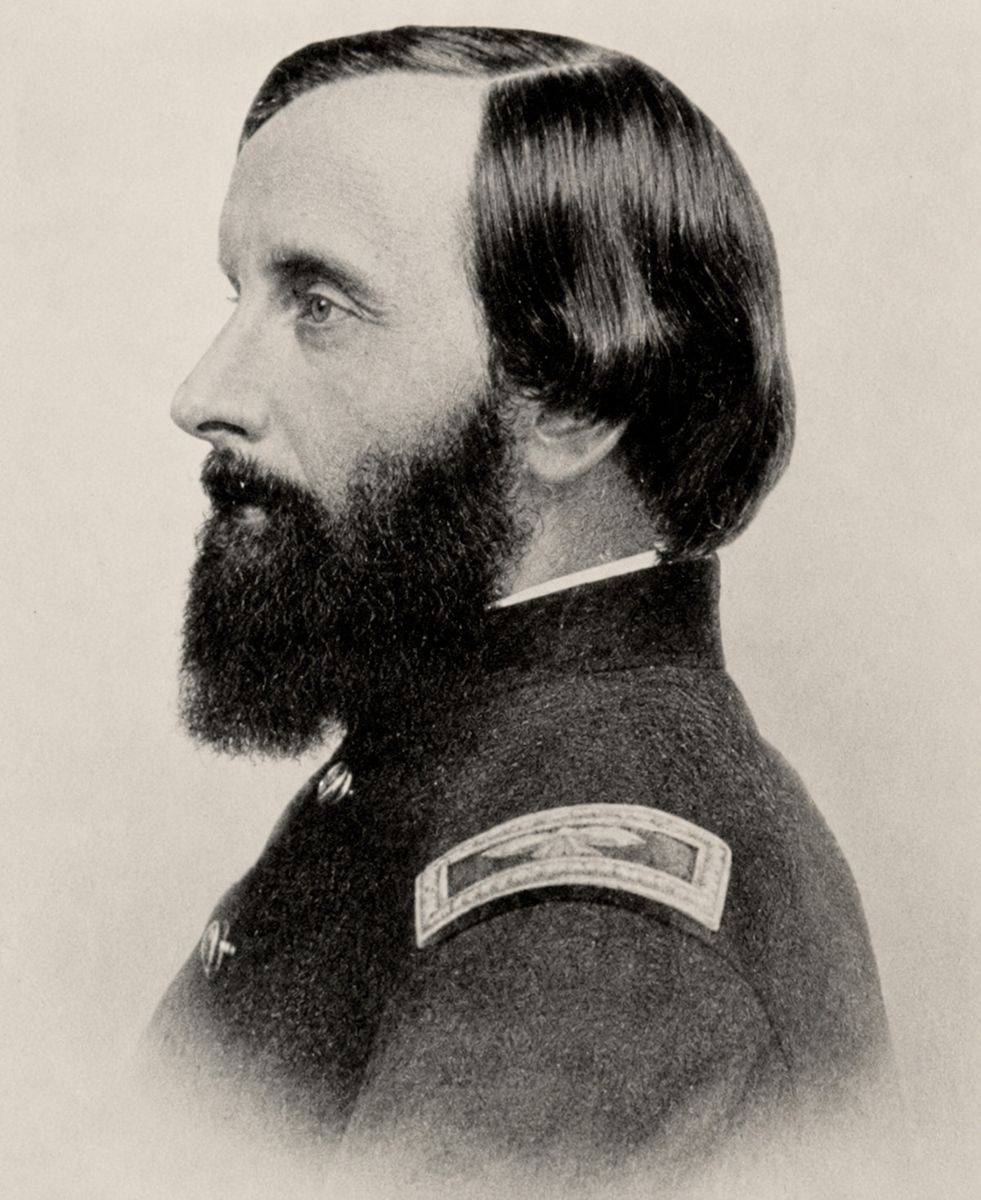
Col. Thomas Wentworth Higginson. (Public Domain)
William J. Griffing has worked at the Department of Labor and the Department of Energy, and later as the ES&H Director at the National Renewable Energy Laboratory and Fermi National Accelerator Laboratory. Since his retirement in 2010, he has focused on preserving American history, mainly Civil War letters and diaries that remain unpublished in private collections. His transcribed Civil War soldier and sailor letters are found at: https://tinyurl.com/sparedshared. Updates on newly transcribed letters are available at: facebook.com/Griff.CWLetters. In 2024, he coedited a book titled A Great and Good Man with Jonathan A. White, which includes rare first-hand accounts of Abraham Lincoln, drawn primarily from about 15,000 letters he has transcribed since retiring.