
Chicora Cemetery Honors
Originally published May-June 2026 · pp. 56–61
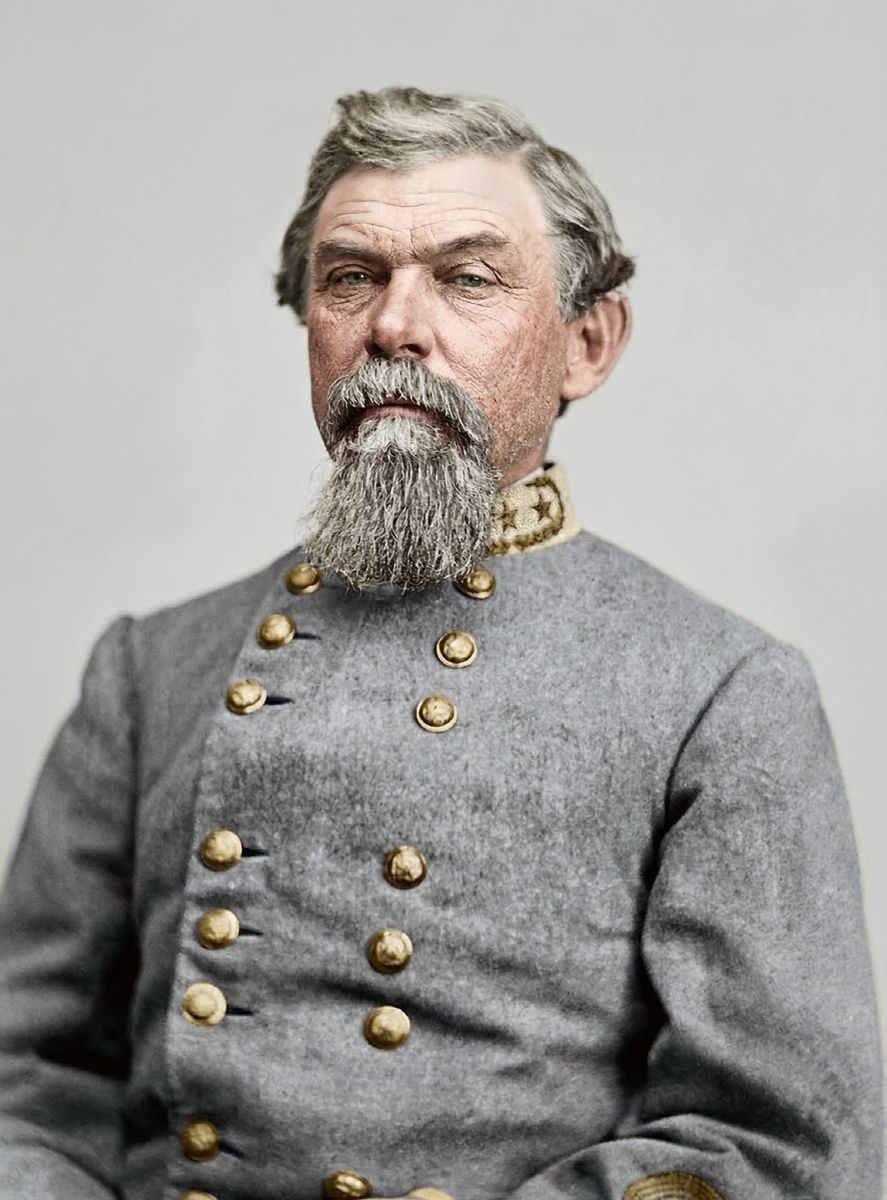
From the book, Trials and triumphs - the record of the Fifty-Fifth Ohio Volunteer Infantry (1904). Melton Jr.)
Fifty-four unidentified Confederate dead are buried in eight plots at Chicora Civil War Cemetery. (All photos by Bob Ruegsegger) Chicora’s Confederate dead rest within an iron fence surrounding their final resting place. Lafayette McLaws, succeeded in temporarily delaying the much larger Federal force, which eventually pushed the Confederates back to their third line of defense. As more Union troops arrived, Hardee feared his men would be flanked. Leaving the campfires burning, he ordered a nighttime withdrawal.
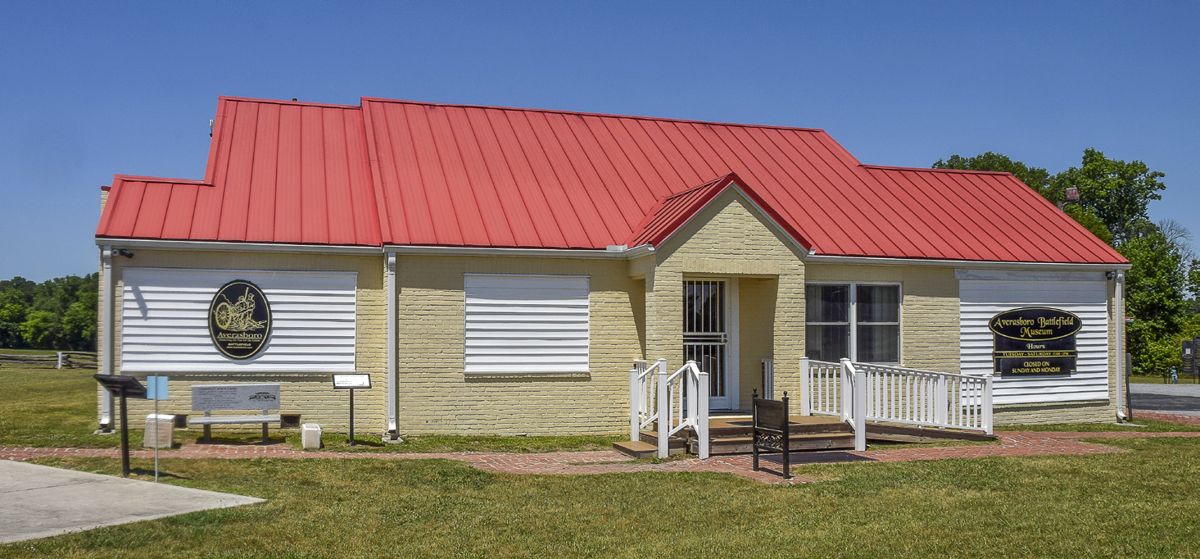
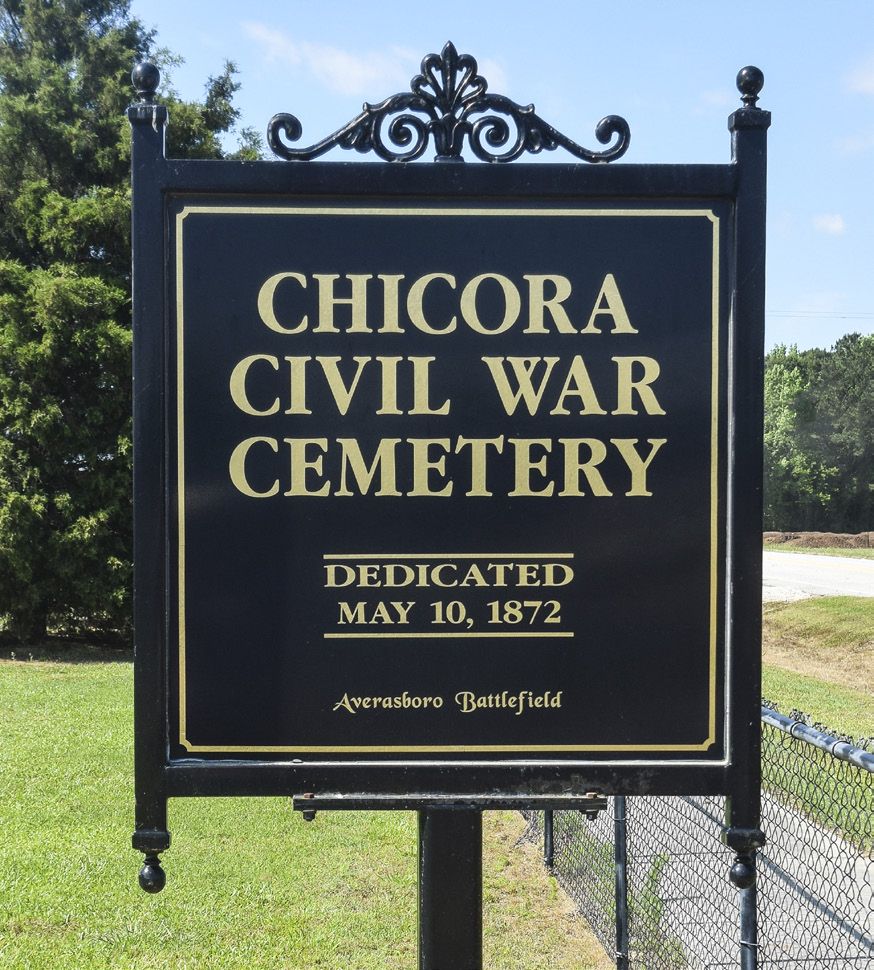
Chicora Cemetery on the Averasboro battlefield site is, like all battleground burial grounds, a place of sadness and remembrance, where the fallen are honored for their sacrifice. The Battle of Averasboro took place on the Smith Plantation along the Cape Fear River, about 20 miles northeast of Fayetteville, during the Carolinas Campaign. General William T. Sherman’s campaign carried his 60,000-man Union army north from Savannah following the destructive March to the Sea. His ultimate objective was to unite with General Ulysses S. Grant in Virginia and help destroy General Robert E. Lee’s Army of Northern Virginia. “This battle took place on March 15, 1865. It was a slowdown tactic. General Hardee had been ordered to slow General Sherman down at Averasboro,” said Joe Edwards, a volunteer guide at the Averasboro Civil War Museum. “General Sherman and the Union army were headed to Fayetteville from Columbia to destroy the Fayetteville Arsenal. They came, and it was completely destroyed.” Scattered Confederate troops assembled in North Carolina, one of the Confederacy’s last important logistical lifelines, to resist Sherman’s advance. General Joseph E. Johnston ordered Lieutenant General William J. Hardee to engage the advancing Federals with a force of about 6,000 Confederate soldiers. Hardee established three lines of defense to delay the progress of the 25,000-man left wing of the Union army under General Henry Slocum. Advance units of Slocum’s wing clashed with Hardee’s skirmishers south of Averasboro, and the battle began. Hardee’s two divisions, led by General William Taliaferro and General
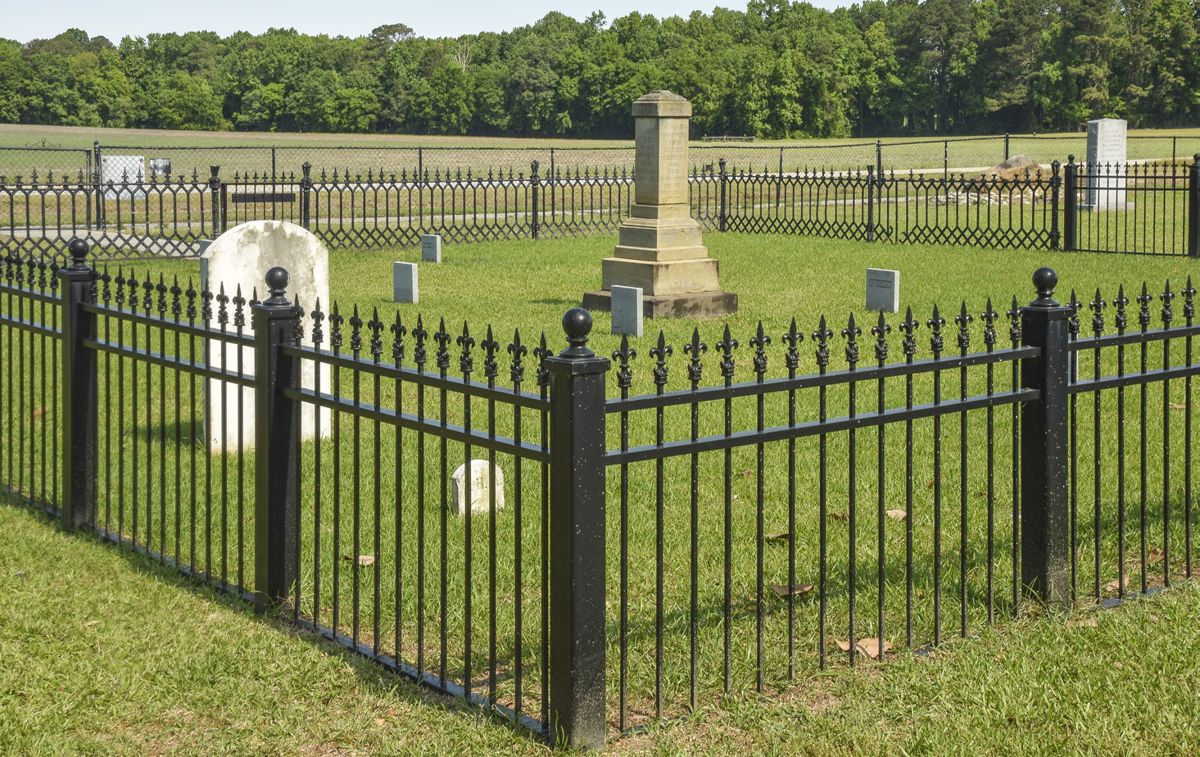
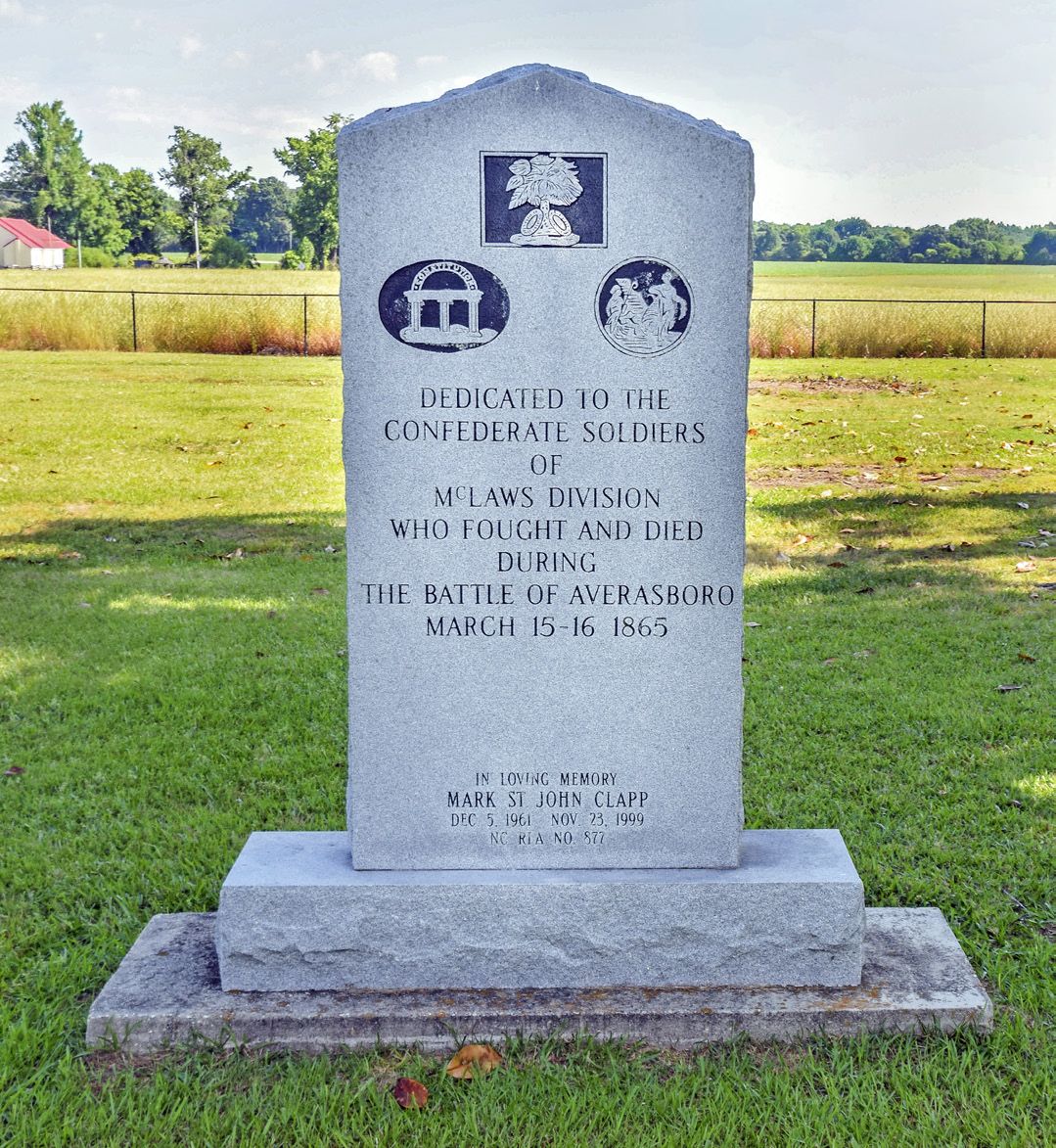
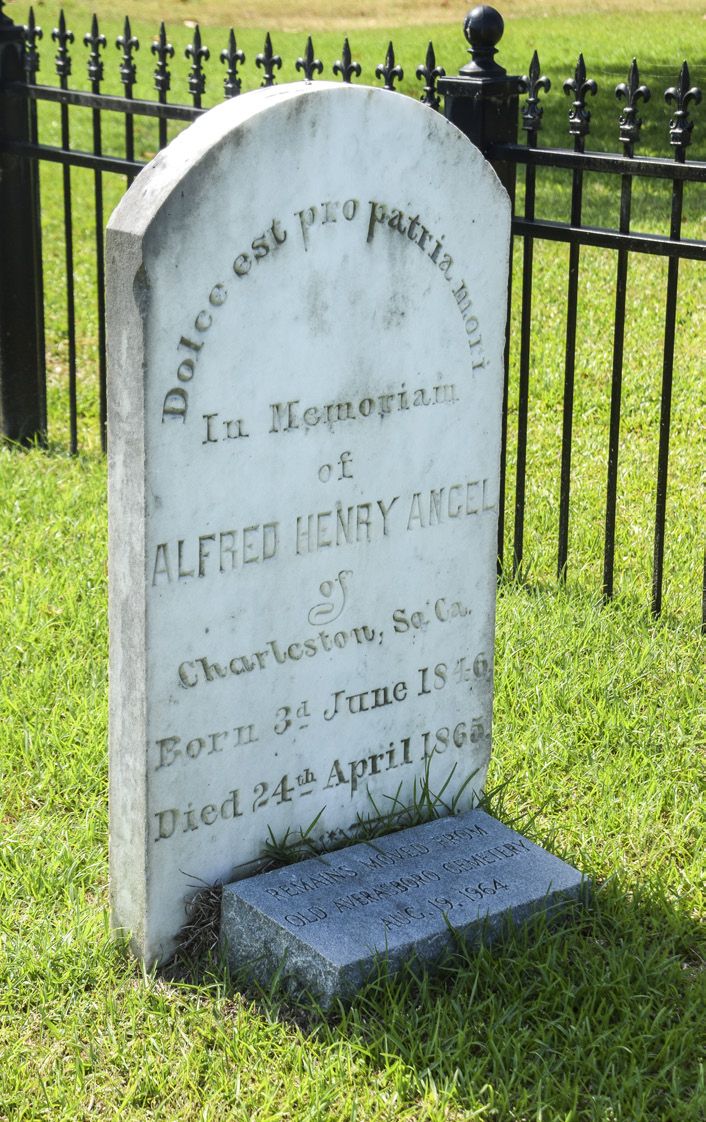
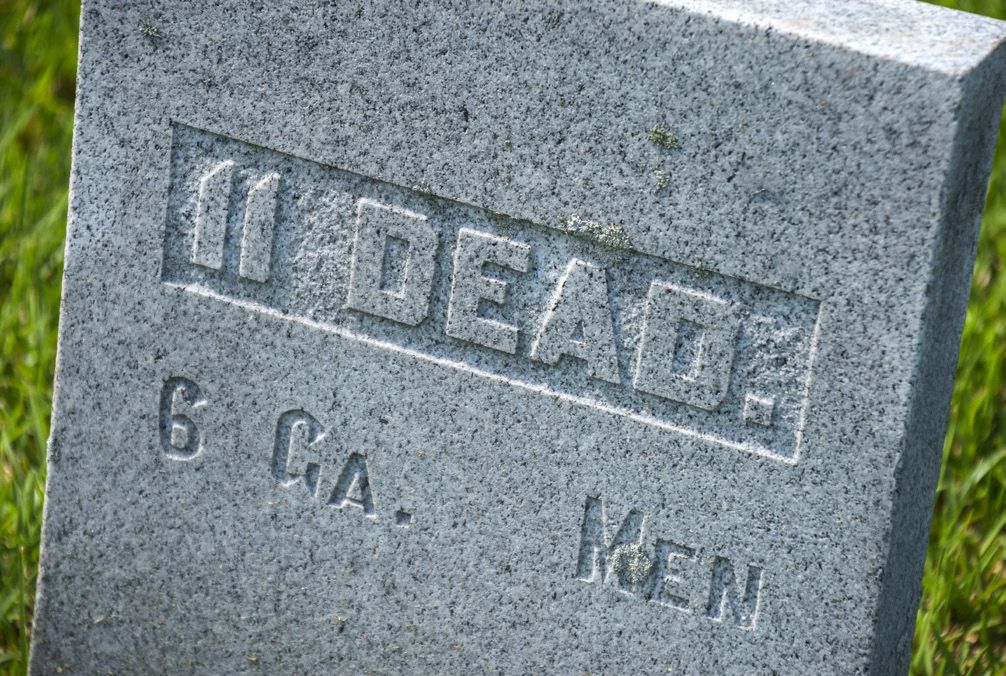
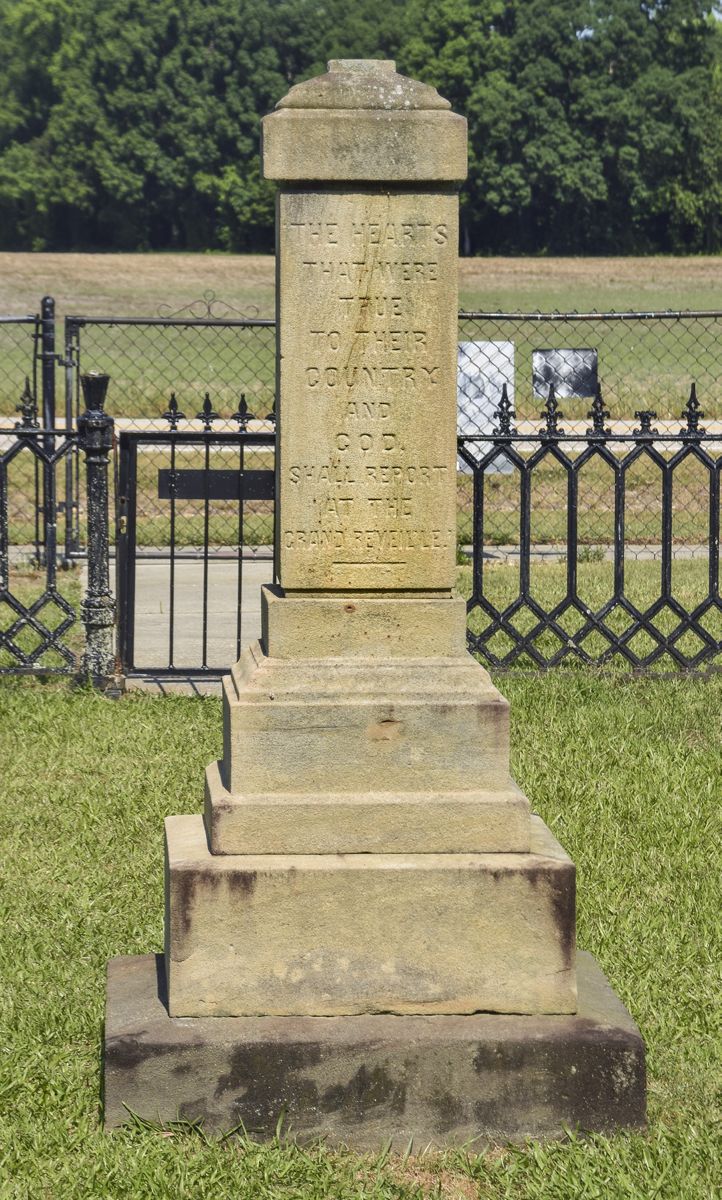
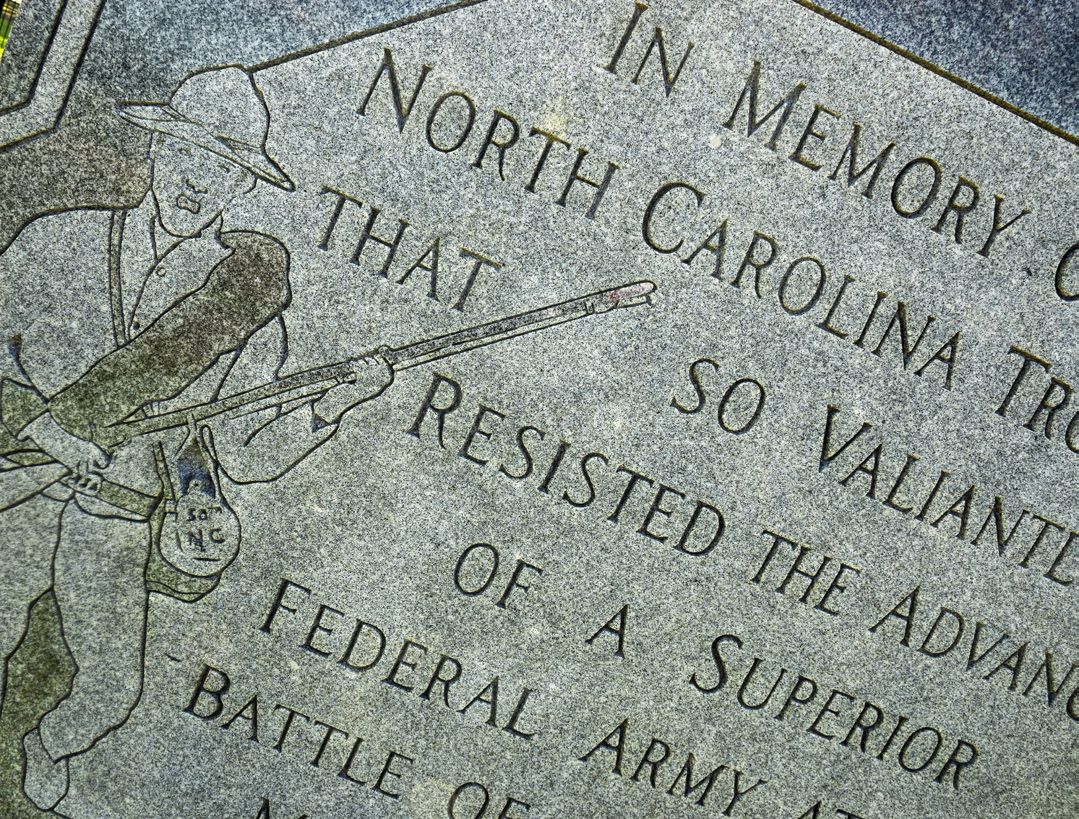
Today, Chicora Cemetery on the Averasboro battlefield marks the final resting place of 54 unidentified Confederate dead buried in eight plots. Two interments are identified. Four monuments have been erected there. The Confederate memorial, installed in 1872, is a simple stone column honoring the mostly unidentified dead enclosed within the cemetery’s iron fence. The stone memorial bears the inscription: “The Hearts That Were True to Their Country and God Shall Report at the Grand Reveille.” Nearby stands the tombstone of Alfred Henry Angel, which bears the Latin inscription, Dulce et decorum est pro patria mori—“It is sweet and fitting to die for one’s country.” Angel died on April 24, 1865, only two days before the effective end of major Confederate military resistance in North Carolina. Private Angel was just 18 years old. His remains were removed from the old Averasboro Cemetery and reinterred at Chicora Cemetery in 1964. “Private Angel was wounded on the 16th. A family in Averasboro took care of him. When he died, they buried him in Averasboro Cemetery,” Edwards noted. “Private Angel was from South Carolina.” The Battle of Averasboro has often been described as the first deliberate tactical resistance to Sherman’s march through the Carolinas. Three days later, at Bentonville, General Johnston launched his last major offensive effort against Sherman. After three days of fighting, the Confederates, outnumbered and suffering heavy casualties, withdrew during the night. On April 26, 1865, Johnston recognized the futility of further resistance and surrendered his army to Sherman at Bennett Place near Durham Station. Johnston’s surrender ended the war for more than 89,000 soldiers from North Carolina, South Carolina, Georgia, and Florida. Within sight of Chicora Cemetery, on the opposite side of North Carolina Route 82, volunteer guides at the Averasboro Battlefield Museum tell the story of the battle. The private museum offers Civil War exhibits and a collection of battlefield artifacts. Admission is free, though donations are welcome. Joe Edwards has served as a volunteer guide at the museum for 19 years. “I love it,” said Edwards. “I do it every week.” According to Edwards, the Averasboro Museum was established in the 1990s. “A gentleman by the name of Bob Bryan was a Civil War historian and wanted this area to be known,” Edwards said. “He was able to get a group of men together to get a loan and buy this house. That’s when the museum started here. Mr. Bryan was very well respected. We have part of his collection in our artifacts.” A museum brochure provides visitors with a driving-tour map outlining local points of interest connected with the Battle of Averasboro, including historical highway markers, old Bluff Church, and the site of the Clarendon Bridge, which Confederates burned to hinder Sherman’s crossing of the Cape Fear River. Chicora Cemetery and its monuments preserve both the sorrow and the unanswered questions surrounding what took place at Averasboro on March 15–16, 1865. The 54 unknown soldiers interred there rest in eight plots identified only by state. Their names are lost, and their markers cannot tell their stories. Together with the historical markers along NC Route 82 and the nearby Averasboro Battlefield Museum, the memory of Hardee’s stand with the divisions of Taliaferro and McLaws against a vastly superior invading force has been preserved and passed down.
Bob Ruegsegger’s assignments frequently take him to historic sites throughout Virginia, the Mid-Atlantic, and the Southeast. His favorite haunts include sites within
Virginia’s Historic Triangle—Jamestown, Yorktown, and Williamsburg. Bob served briefly in the U.S. Navy. He is a retired educator and has been an active newspaper journalist for over 30 years.
Larry J. Daniel to Receive Atlanta Round Table Award
The Atlanta Civil War Round Table is pleased to announce that it has chosen Larry J. Daniel as the winner of its 2026 Richard Barksdale Harwell Award for his Richmond Views the West: Politics and Perceptions in the Confederate Capital. The Round Table presents the Harwell Award annually for the best book on a Civil War subject published in the previous year. Named for Atlanta Civil War Round Table’s founder and first president, a nationally recognized librarian, bibliographer, and historian, the award consists of a monetary prize and an engraved plaque and has been awarded each year since 1989. Mr. Daniel will address the Round Table at its November 2026 meeting. The awardwinning book was published by the University Press of Kansas.
The Atlanta Civil War Round Table is now accepting nominations for books published in 2026. See the website for submission guidelines: https://atlantacwrt.org/bookawards.htm
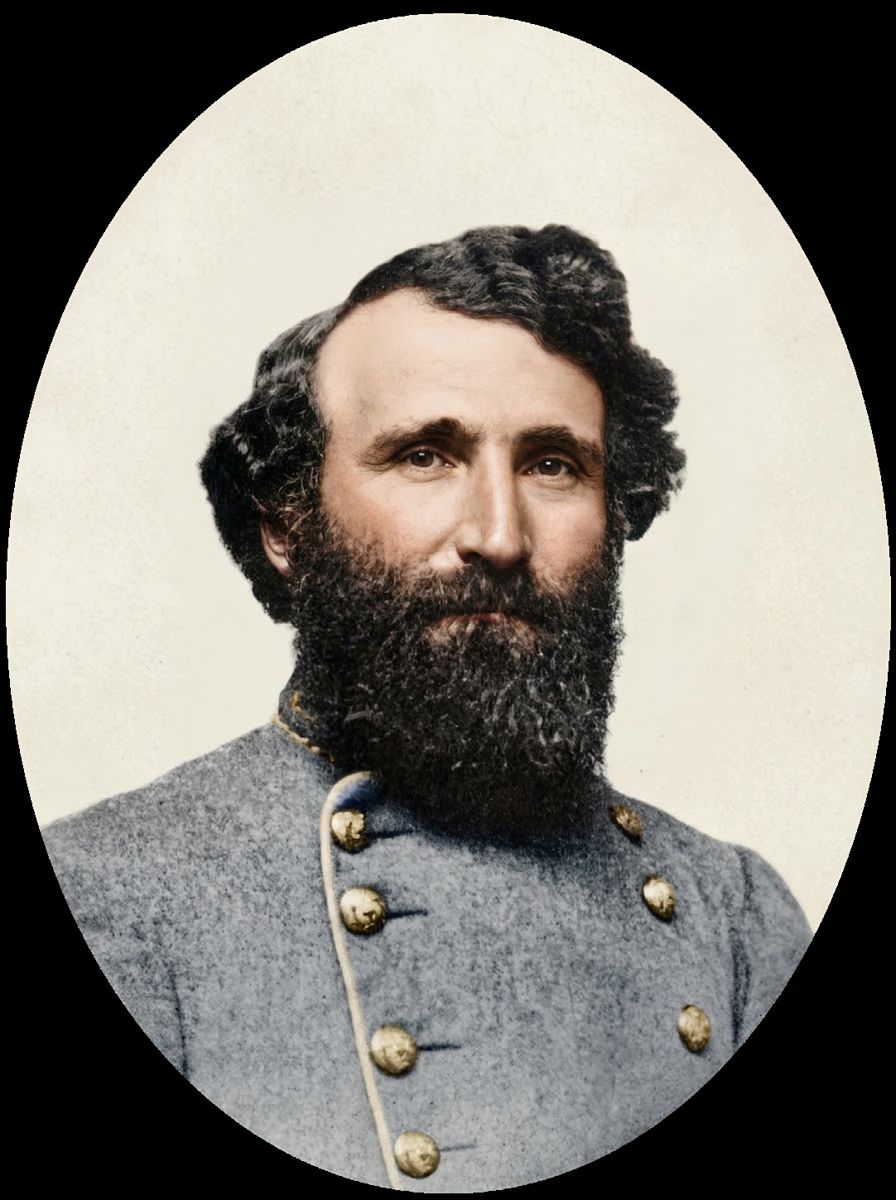
“Richmond Views the West is a book that brings a new focus on the intersection of politics and Confederate strategy,” said Robert Fugate, chairman of the Round Table’s Harwell Award Committee. In the book’s Preface, the author states his aim of plotting a fresh research agenda, and he succeeds by focusing on how Confederate leaders in the Davis Administration, Congressmen, and Richmond newspapers influenced strategy and events in the Western theaters. Daniel shows us how the misunderstandings, personal agendas, colorful political and military personalities, and the delay in getting accurate information about critical events all played a role in shaping Confederate strategy, and ultimately failure, in the West.”
48 th Southeastern Civil War & Antique Gun Show
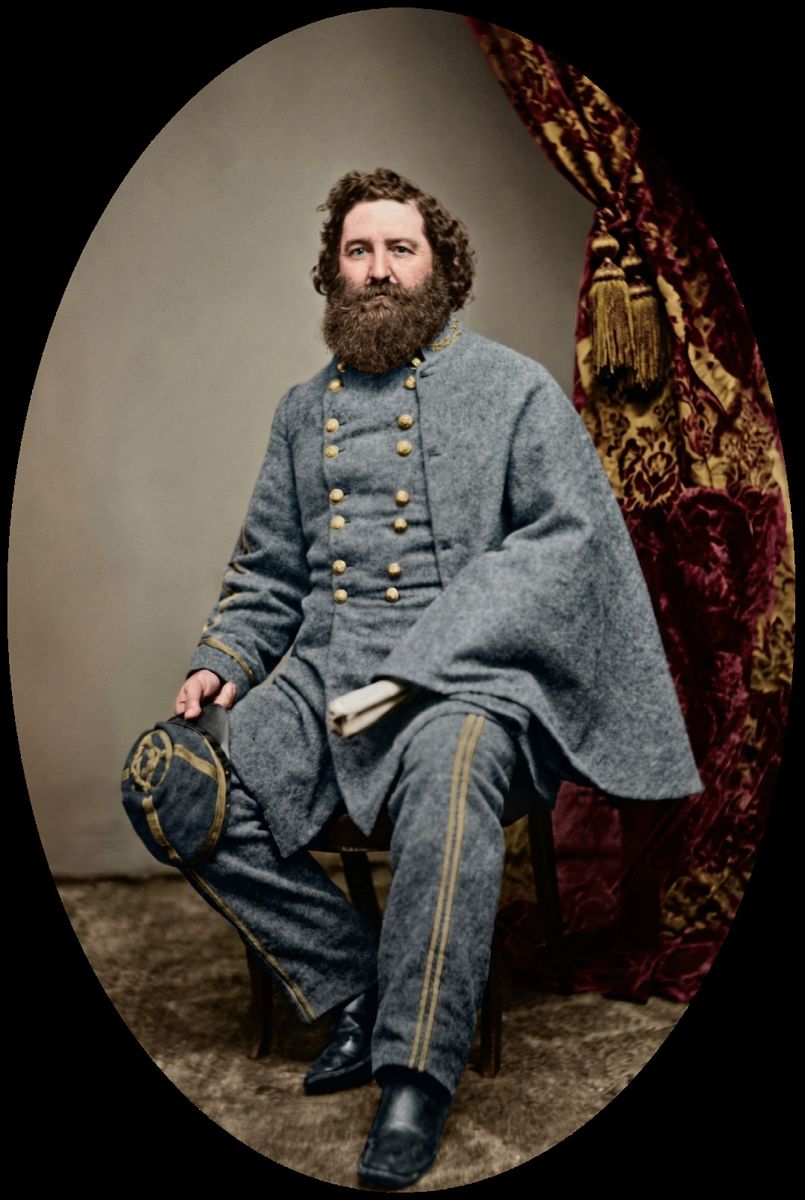
Antique Firearms up to WWII Cobb County Civic Center 548 S. Marietta Parkway, S.E., Marietta, GA 30060
Aug. 8 & 9, 2026 Saturday 9–5 • Sunday 9–3
• • • • •
Annual
Free Parking! Inquires:
Daniel is the author of numerous books and articles primarily focusing on the Western Theater of the Civil War, including Conquered: Why the Army of Tennessee Failed and Days of Glory: The Army of the Cumberland, 1861– 1865, which previously won the Harwell Award in 2005.
NGRHA For table reservations Email: Jim Hammonds at [email protected]
Metal Detectors Admission: Artillery Items $8 for Adults Currency Veterans & Children under 10 Free Belt Buckles Bullets and Cartridges