
Moment of Mercy and Reflection Cooling Down
By Richard H. Holloway · Originally published September-October 2025 · pp. 12–15
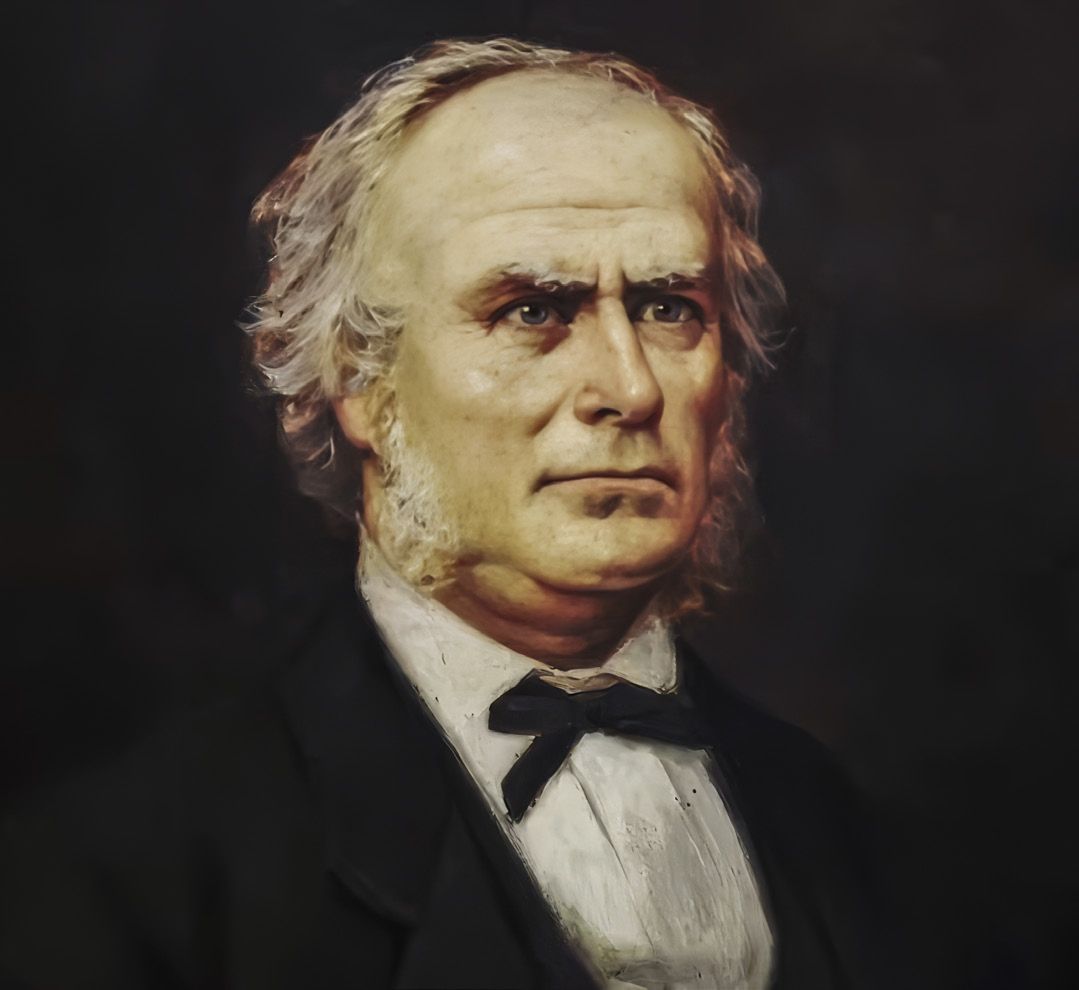
USS Ice Boat at Washington Navy Yard, May 23, 1861. (Library of Congress)
Cooling Down Ice in the Civil War South By Richard H. Holloway
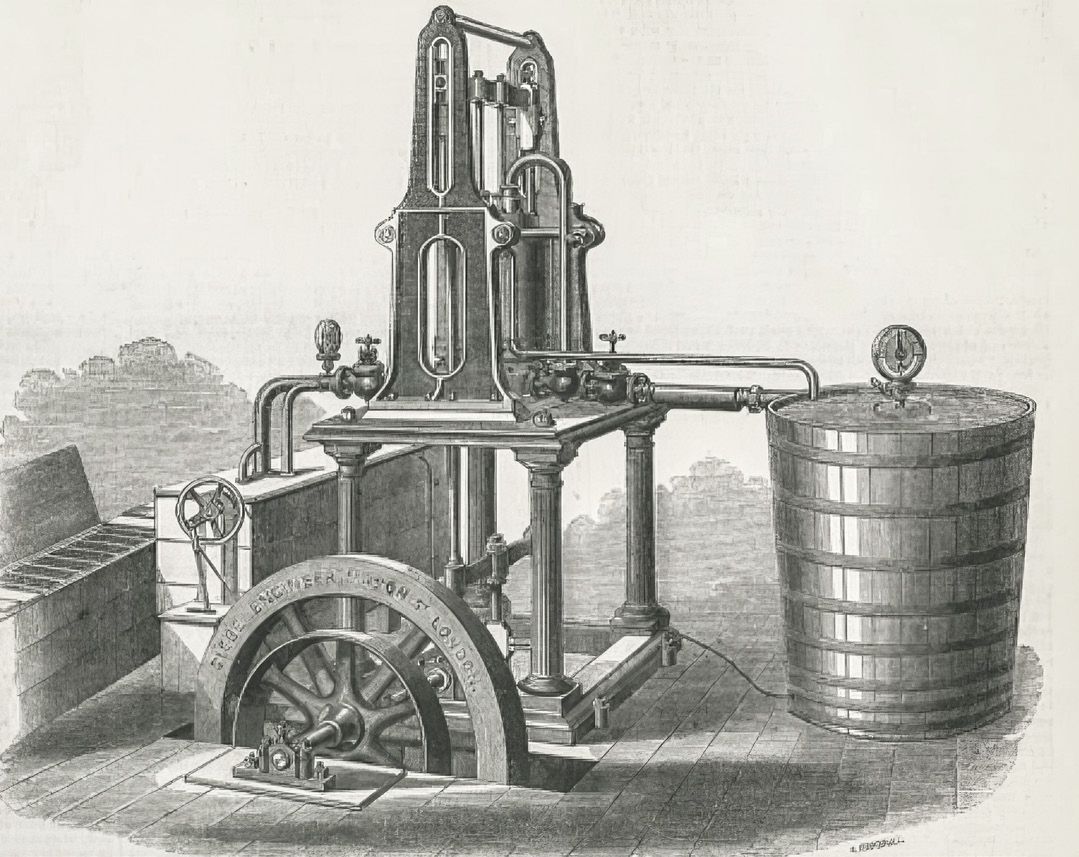
Frozen water or ice, as it is more commonly referred to, is something not taken for granted in the humid South. This was especially true during the Civil War. While commonwealths like Virginia and Kentucky regularly saw accumulations of snow that caused icy ponds and lakes, the shoreline portion of Southern states bordering the Gulf of Mexico seldom had that luxury. When the Yankee armies moved southward, they realized their dilemma of not having access to ice. Major innovations were being made to the simple collection of ice from frozen waterways. In 1862, it was announced worldwide that a new product had been shown off at the International Exhibition in London, England. It was an ice machine patented by D. Slebe. The news claimed that the machine was already in use in India and Peru, both countries known for their exhaustive heat conditions. The cost was cited to be between two and a half and six dollars per ton to manufacture. The Placer Herald of Auburn, California, reported,
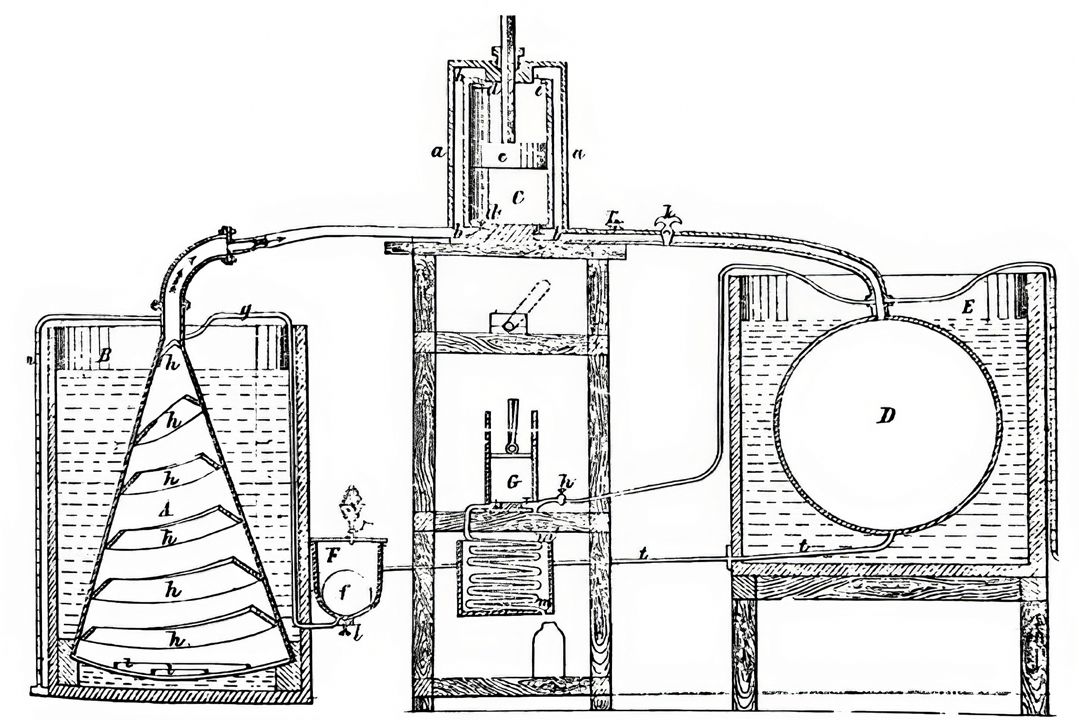
“The principle upon which the machine is constructed is an application of the well-known natural law, by the evaporating fluids of the caloric contained therein passes off with the vapor, thereby reducing the temperature of the evaporating body… In the progress of the war, this may be very desirable. The machinery for making a ton of ice at a time might be carried on a large wagon.” The ice business on the Federal side ramped up quite a bit when the U.S. government started doling out contracts to Northern ice companies. One Boston ice dealer signed up to deliver tons of ice to hospitals in the Union-occupied areas across the South. Several ice machines were delivered to New Orleans, La., and made available to the suffering in the city’s hospitals. Their Southern counterparts found a harder time acquiring ice due to the Union blockade of
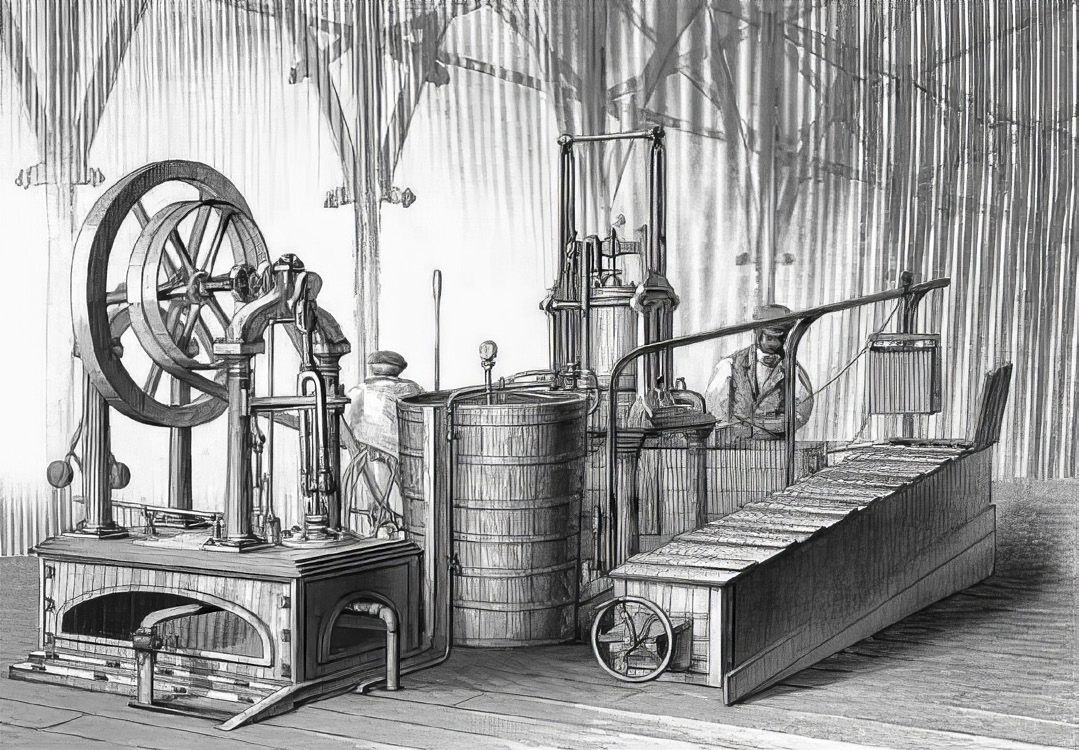
Early ice machine.
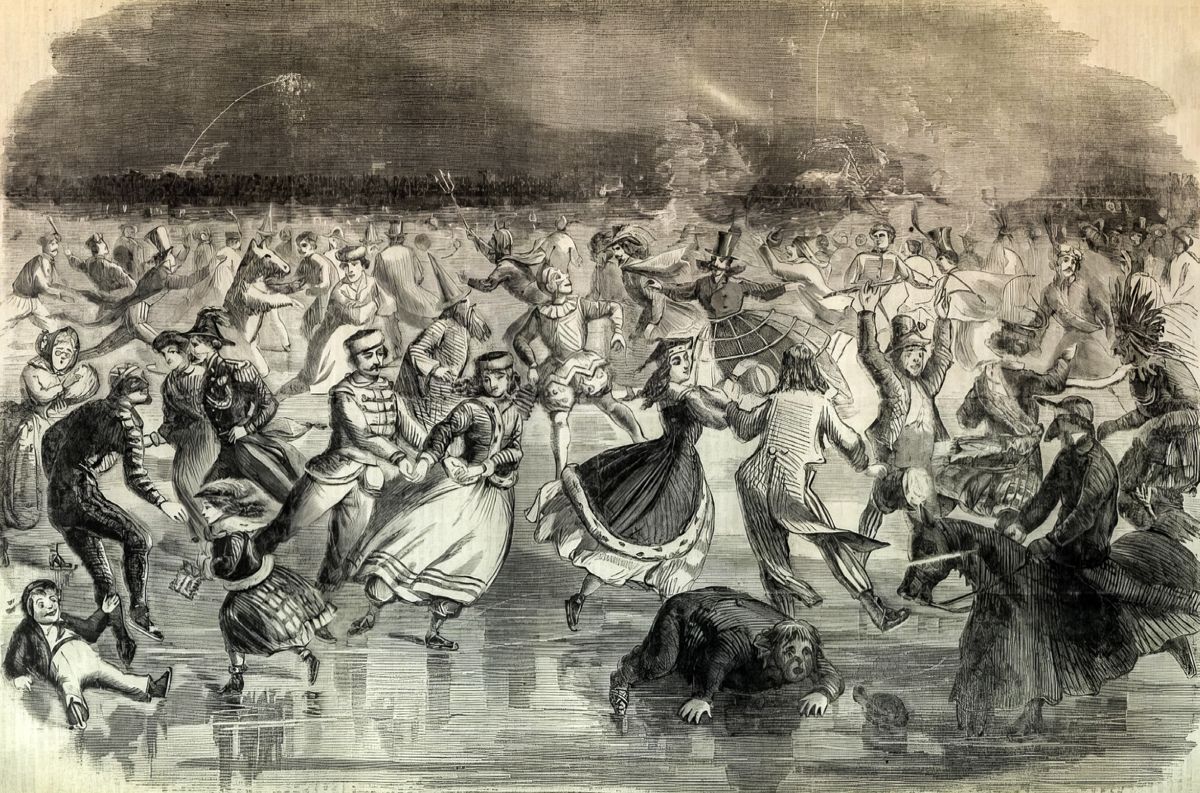
Ice carnival in Brooklyn, N.Y. (Harper’s Weekly, Feb. 10, 1862)
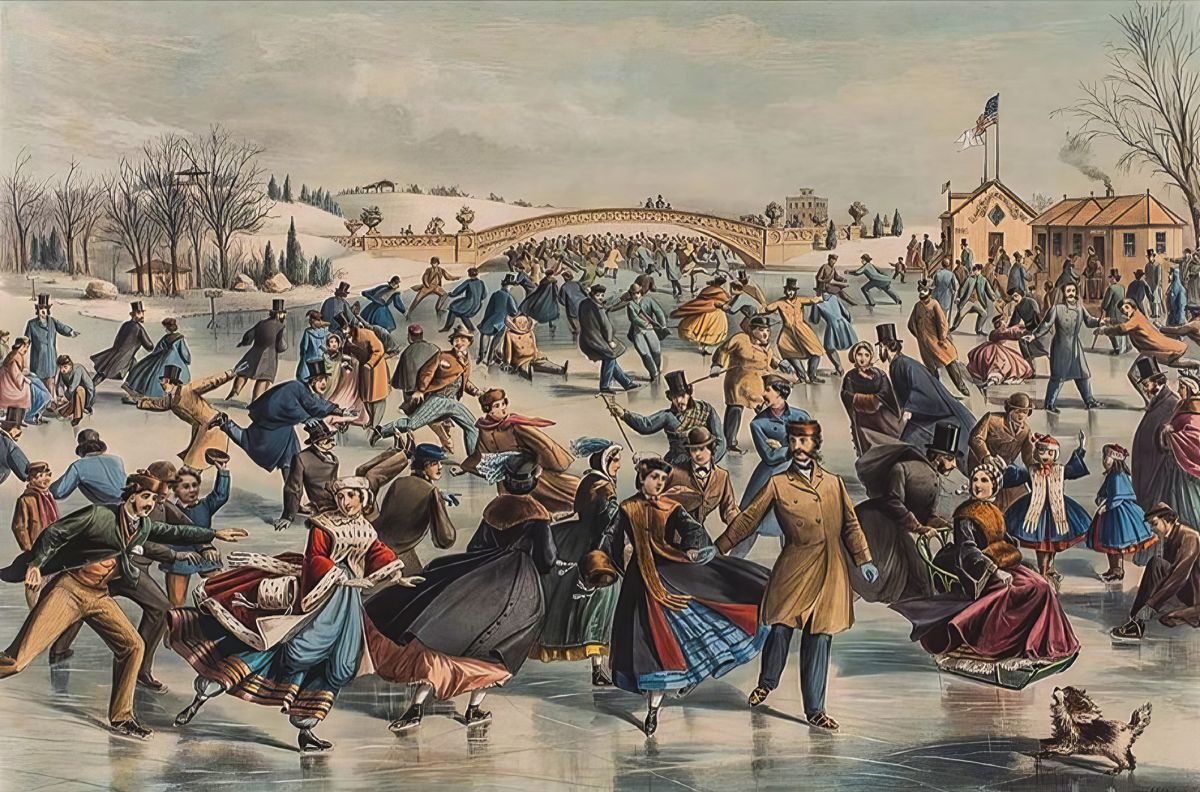
Central Park ice skating circa 1862.
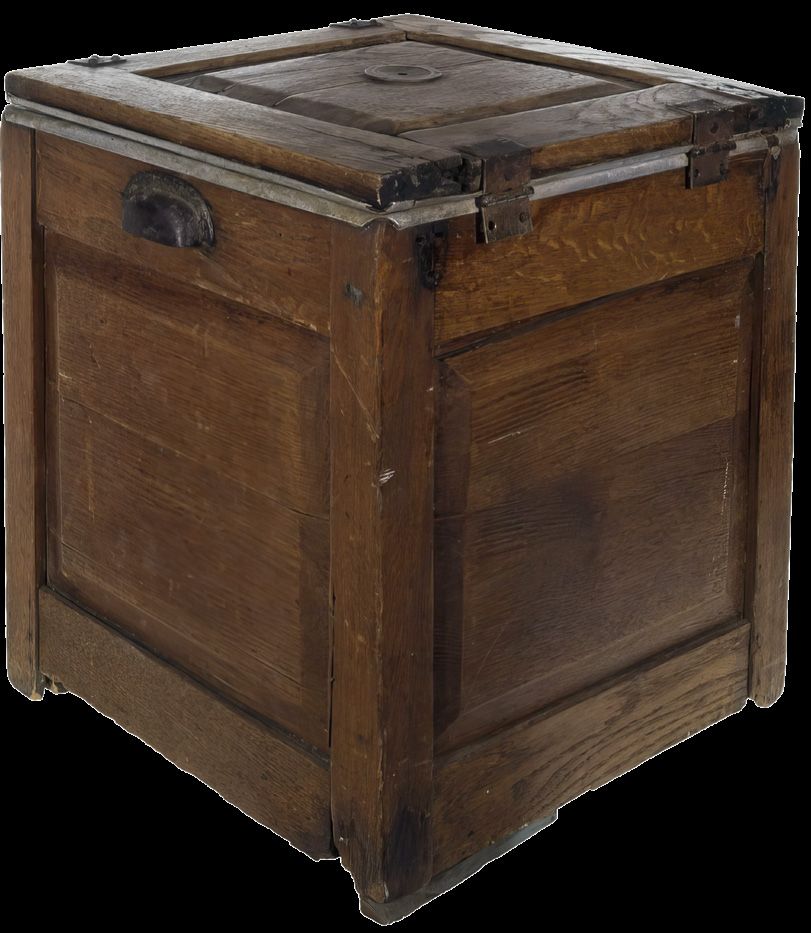
Confederate port cities. One enterprising man managed to buy two ice machines from France and had them delivered to the South by blockade runner. Both machines found a home in Augusta, Ga., and once they were assembled, each one produced 500 pounds of ice daily. Some towns like Alexandria, La., had the facilities to store ice already set up before the war, the most popular being the Alexandria Ice House Hotel. It had been serving customers from the ice storage areas behind the building. Unfortunately, the hotel and other buildings were burned down during the Federal occupation during the 1864 Red River Campaign. The invention of the refrigerator before the Civil War helped bring ice into the household. Also referred to as the “ice box,” refrigerators could accommodate smaller blocks of ice to assist in food preservation. All through the war, advertisements for the sale of refrigerators filled newspapers across the United States. If you already owned one and it was broken, repairmen could fix it for you. One ad touted the “North Pole Refrigerator. Patented April 6, 1858. Will keep Ice longer than any heretofore used, and will keep all provision entirely pure and free from smell and taste of each other, being so constructed as to give it proper ventilation.” In addition to having an ice machine on hand, the Northerners shipped ice to their troops in the South via barges and boats down the nation’s waterways. This was made especially easier once the Mississippi River became unvexed to the sea on July 9, 1863. Ice was cut from ponds and streams and then stored in ice houses before being moved by ship or barge to its final destination in the South. The frozen water was then transported via wagon to locations where it was needed. During the journey, the ice had to be covered in wood shavings to slow the melting as the boats approached the warmer climate.
1860s ice box.
Richard H. Holloway, a Louisiana native, formerly a Senior Editor for America’s Civil War and Civil War Times magazines. In addition to numerous articles, he wrote biographies of Richard Taylor, Hamilton Bee, and William R. Boggs for Confederate Generals of the Trans-Mississippi (Univ. of Tennessee Press) as well as essays for Vicksburg Besieged and Forts Henry and Donelson (Univ. of Southern Illinois Press). Holloway is a member of the Western Theater Historians Association. He was previously an archivist for the Louisiana State Archives and a curator for the Louisiana National Guard. Holloway can be contacted by email at [email protected].
Interestingly, on April 23, 1861, the City of Philadelphia loaned one of its ice-transporting vessels to the U.S. Navy, which was officially named the USS Ice Boat (also known as the Refrigerator and Release). Temporarily relieved of its ice-hauling services, the armed boat was deployed to Annapolis, Md., to encourage the state’s adherence to the Union while making itself available as part of the defenses of Washington, D.C. It engaged in occasional actions with Confederate batteries off Aquia Creek in her efforts to stop trade across the Potomac River between Virginia and Maryland. The ship briefly returned to Washington, D.C., as a protective force following the Union defeat at First Manassas. When her services were no longer required, the boat was returned to Philadelphia in November 1861. City Ice Boat No. 2, collected by Samuel W. Stanton.