
“Behold A Pale Horse” Captain Winston J.T. Stephens and the St. Johns
By William J. Stier · Originally published March-April 2025 · pp. 56–65
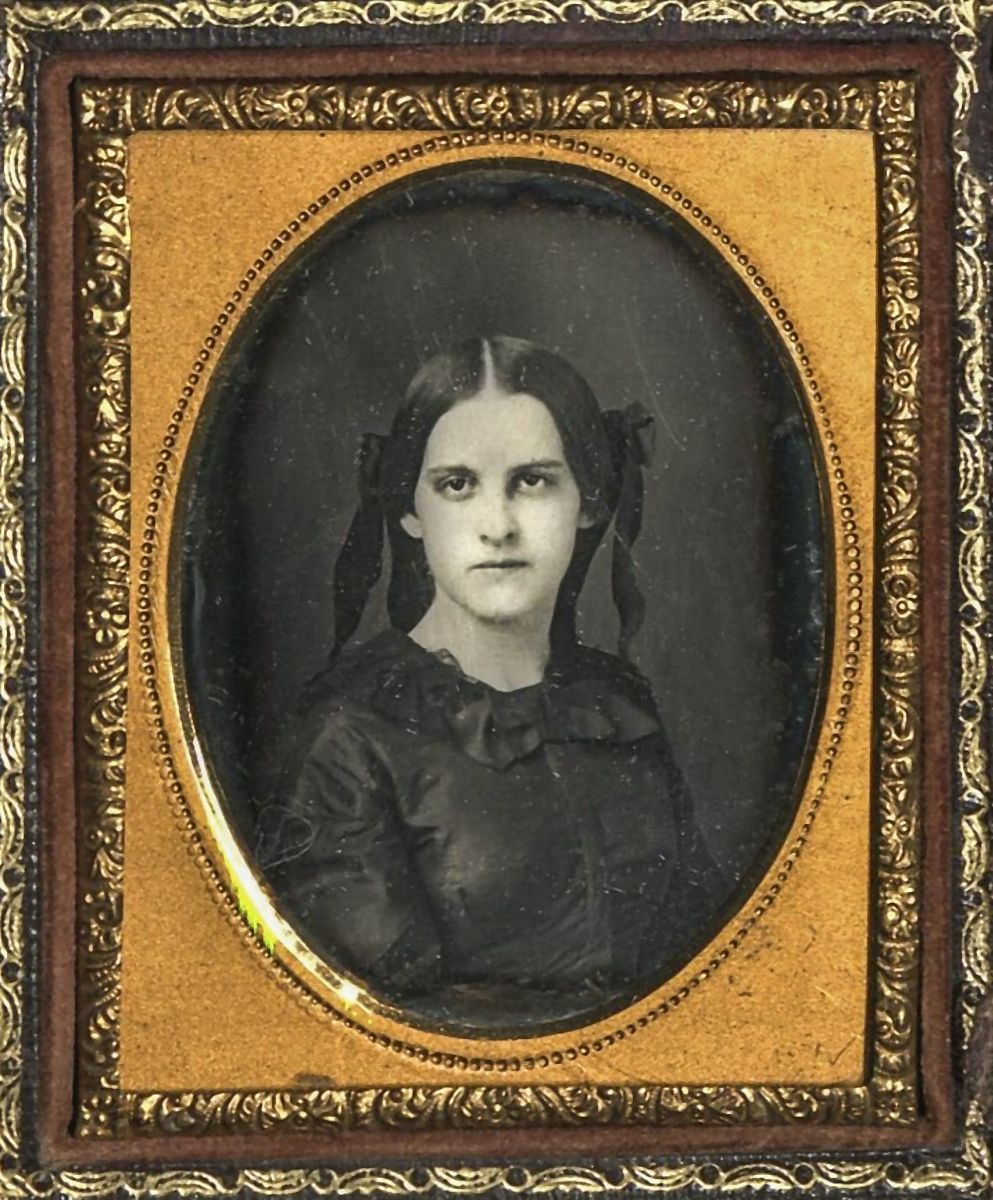
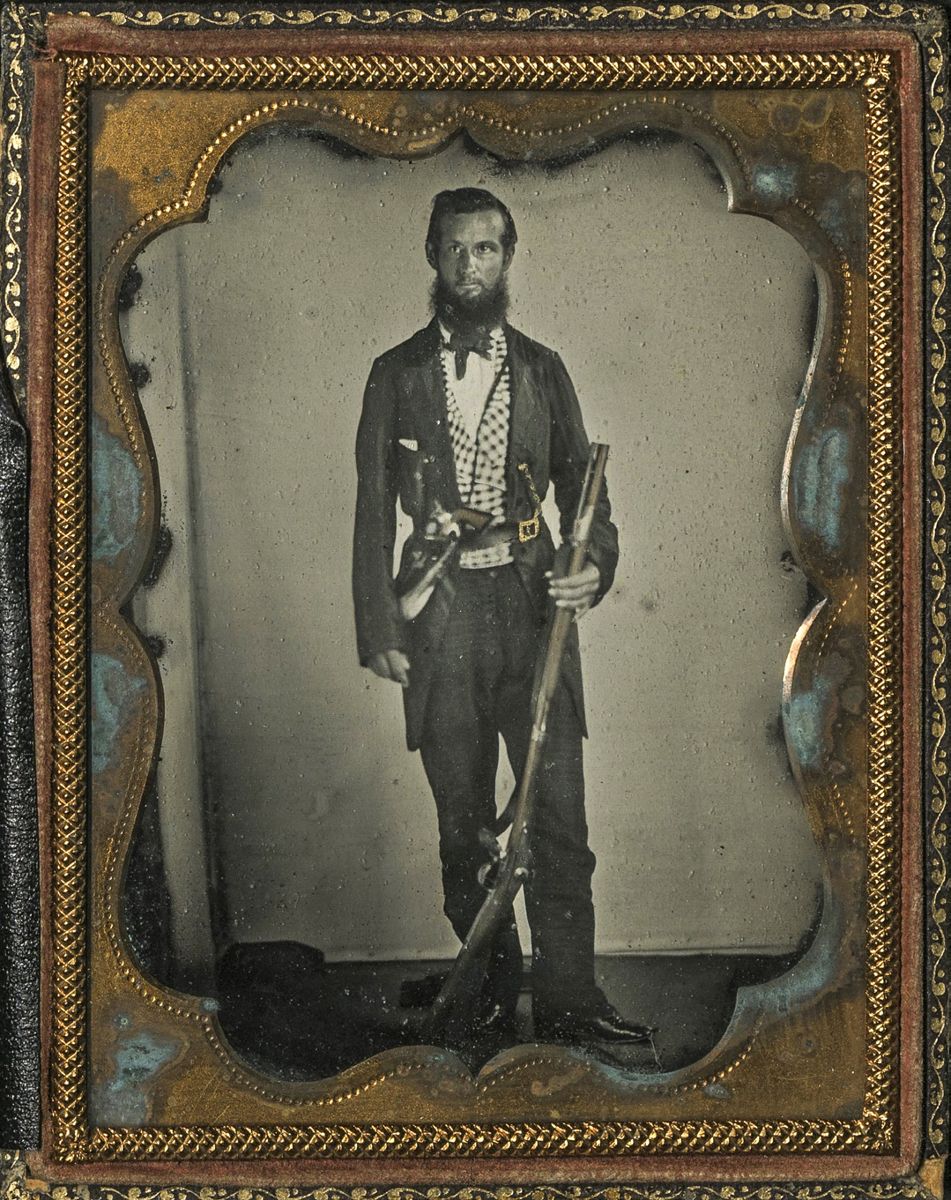
“Ithink if any Yankees sleep to night on the west side of Cedar Creek, it will be in their last sleep,” Confederate Captain Winston J.T. Stephens confidentially wrote on February 27, 1864, to his wife, “Tivie,” from his cavalry picket post in Jacksonville, Fla., “I would not be surprised at any time to be thrown in the midst of battle with all grandure & at the same time with all dangers.” Regrettably, for Captain Stephens, his prophetic assessment of an impending clash with the enemy would ultimately prove to be a dark foreshadowing of things to come. The son of Thomas P.G. Stephens, a prominent physician, and his wife, Mary Ann J. (Taylor), Winston John Thomas Stephens was born in Oglethorpe County, Ga., July 17, 1828. Following his father’s accidental death in 1836 and his mother’s subsequent remarriage to Lewis C. Gaines, Stephens and his relatives relocated to Welaka, Fla. in 1856, during the turbulent period of the Third Seminole War. Deeming it his patriotic duty to join the Florida State Militia in defending his homeland, Stephens was elected second lieutenant in Captain William G. Moseley’s Independent Company of Mounted Florida Volunteers at Palatka in December. Promoted to captain six months later, Stephens actively recruited a separate company for enrollment in the First Regiment of Mounted Florida Volunteers. With his younger brothers, M. Richard G. and Swepston B.W. Stephens, functioning as the unit’s second lieutenant and Captain Winston J.T. Stephens, circa 1856.
sergeant, respectively, Captain Stephens’ horsemen were sworn into service on July 27, 1857. Having established a sterling reputation as an intrepid combat officer, Captain Stephens was officially credited with capturing nineteen Indians in the Everglades during one expedition. On January 28, 1858, Captain Stephens and his brothers were honorably mustered out of service at Fort Brooke, Fla. After returning to his livelihood as a gentleman planter at his estate, “Rose Cottage,” in Welaka, Stephens married Octavia Louisa Bryant on November 1, 1859. Their blissful marital union would ultimately produce three children; two girls (Rosalie B. and Isabella G.) and a boy (Winston). For several decades spanning the course of the midnineteenth century, Americans sparred over their diverse stance on political issues such as the legitimacy of states’ rights and slavery. The surging turmoil surrounding the ethical tenets of this sectional crisis effectively led Florida’s legislators to preemptively secede from the Union on January 10, 1861. Set in motion by the Fort Sumter bombardment in Charleston the following April, the tumult of war was unleashed between the Southern and Northern states, and the ensuing whirlwind tore the country asunder. From the very outset of this factional conflict, Stephens, an Episcopalian and old-line Whig, had publicly advocated moderation before voicing his advocacy of the government representing the new Confederacy. Casting his allegiance with his brothers-in-arms, Stephens enlisted in Captain Benjamin Hopkins’ Florida State Militia cavalry company, the “St. Johns Rangers,” upon its organization in September
“Behold A Pale Horse” Confederate Captain Winston J.T. Stephens and the St. Johns Rangers in Northeast Florida By William J. Stier
- Inspiring his colleagues with his innate martial our enemy will be polite enough to wait for us. It is difficult attributes, Stephens was summarily commissioned first to get our people to realize their position.” lieutenant of that unit. The second lieutenant’s position was Despite the constant threat of Union gunboats entering admirably filled by the inclusion of thirty-four-year-old the harbor, General Lee’s calm dignified presence Palatka boat operator and entrepreneur Henry A. Gray. This produced a favorable impression upon the Florida soldiers. distinguished cadre of officers was further augmented by the Unwaveringly supportive of General Lee, Lieutenant selection of Peter Peterman, Stephens nevertheless a Palatka merchant, as third vented his frustration with lieutenant. Captain Hopkins and his Booted and spurred, frequent absences from Lieutenant Stephens camp in a January 14, “ … WE ENCOUNTERED boldly rode off to battle 1862, letter to his wife from MR. REB. in full force, seeing atop his prized golden Fernandina, a SQUADRON of CAVALRY in palomino mare, “Pet.” advance I ordered a SHELL Formally mustered into I am in Command THROWN, when we unmasked the Confederate Army on as usual and find our GUN and the TWO most November 15, 1861, the it rather tedious, St. Johns Rangers were SPLENDID SHOTS were fired but the men provisionally attached to by LT. LEAHY, the second the Fourth Florida Infantry are generally DROPPING right in their midst Regiment and thereafter a good set and and such a SCATTERING garrisoned Fernandina on less troublesome of HORSE and RIDERS and Amelia Island. Confederate than any HORSES without riders I never General Robert E. Lee, Company in the newly appointed commander before WITNESSED.” of the “Department of Regiment – We South Carolina, Georgia, went out on and Florida,” traveled Battalion drill to Fernandina in midthis morning for November to personally inspect Fort Clinch and the other the 2nd time and we were highly complimented coastal bastions along the seaboard. The youngest son of renowned Continental cavalry chieftain, Lieutenant Colonel for our soldierly appearance and prompt action Henry “Light-Horse Harry” Lee, and an outstanding military – Yesterday Genl Lee reviewed the Troops on the engineer in his own right, General Lee made a tremendous Island – and this Regiment (the 4th) received the impact on those with whom he came in contact. While his best praise as they were the best drilled and our primary focus was to secure the port of Savannah, Ga., from Company received praise from Genl Lee for our a potential Federal incursion, Lee felt it was imperative that improved ramparts be built and adequate cannon emplaced to safeguard Amelia Island as well. On November 22nd, General Lee wrote to his daughters, Anne and Agnes, from Savannah and briefly described the conditions he encountered: “I have been down the Coast as far as Amelia Isd to examine the defences. They are poor indeed & I have laid off work enough to employ our people a month. I hope
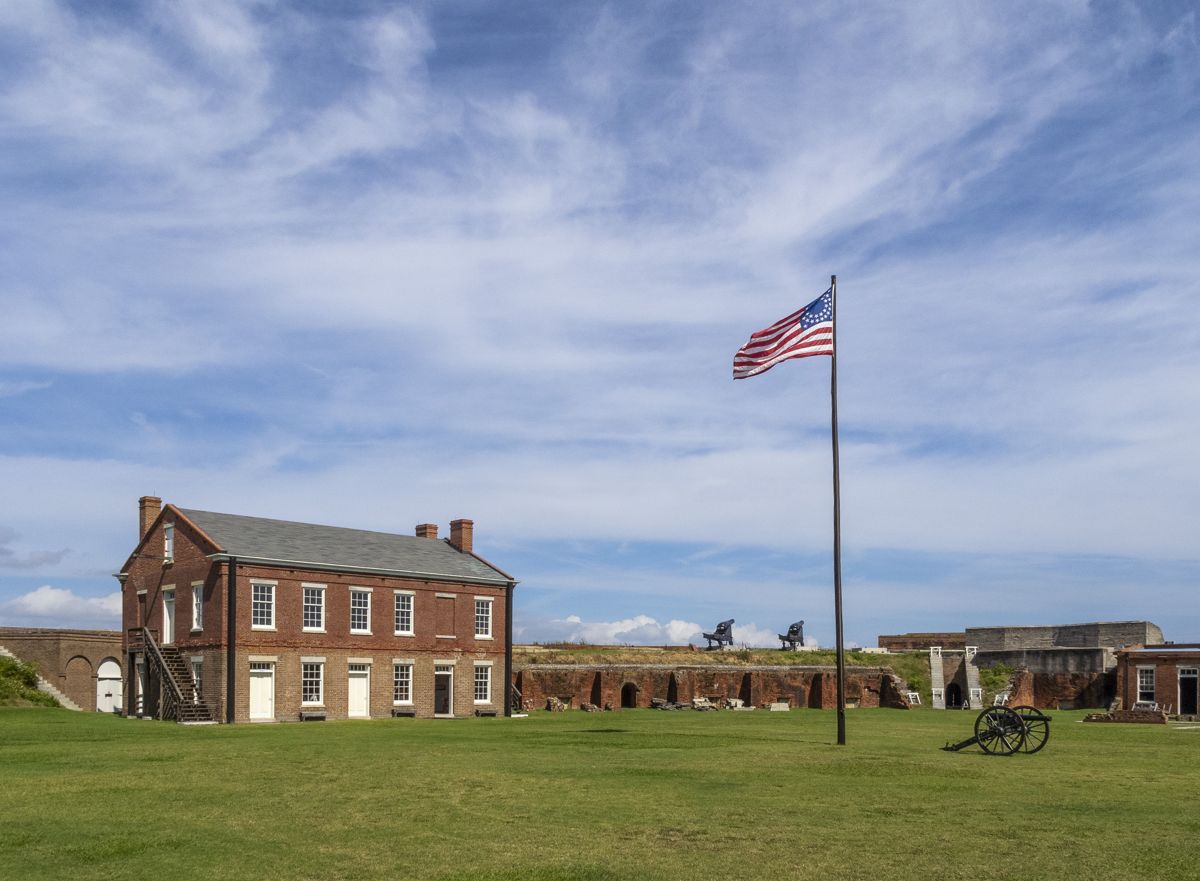
Interior of Fort Clinch on the St. Mary’s River, Fernandina Beach, Fla. (Jack W. Melton Jr.)
… we encountered Mr. Reb. in full force, seeing a squadron of Cavalry in advance I ordered a shell thrown, when we unmasked our gun and the two most splendid shots were fired by Lt. Leahy, the second dropping right in their midst and such a scattering of horses and riders and horses without riders I never before witnessed.” Lieutenant Leahy concurred, “I brought my piece into battery and opened with shell and case-shot, the enemy slowly driving our force.
proficiency in drill considering the short time we have drilled and I would be better satisfied here but some of the men are clamerous [sic] about leaving their horses and they take the pains to come to me with all their grivances [sic] as they think I can redress them. This makes my position unpleasant and when the Capt comes I am going to explain to him and he must become responsable [sic] for his own acts, as it was him and not me that offered their services here. Our Company has not improved in health but they are complaining generally of colds, some fever etc, no measles etc yet but they are in the adjoining camps and I don’t see how we are to miss … . Following Hopkins’ sudden death from fever on February 21st, Stephens succeeded him as captain of the troop. During February, Confederate General Albert Sidney Johnston and his Army of Central Kentucky sustained calamitous reversals in Middle Tennessee when Forts Henry and Donelson fell to Federal forces. Due to a severe disparity in aggregate numbers resulting from the capture of those vital military installations, General Lee had no other viable alternative but to dispatch a much-needed reinforcement from Florida to Tennessee. Consequently, the order to evacuate Amelia Island was issued on February 25. Compliant with that directive, a large percentage of the civilian populace were safely conveyed by train out of harm’s way while the vast majority of existing artillery pieces and their munitions were transported farther inland. Subsequent to the extraction of all Southern personnel from Fernandina and the arrival of Union troops, Captain Stephens began operating independently with his small contingent of dragoons. In accordance with Special Order #1487, Captain Stephens’ force was designated Company B, 2nd Florida Cavalry Regiment on December 4, 1862. While conducting various reconnaissance missions in the North Florida region all through 1863, Captain Stephens routinely scrapped with Union landing parties. At the February 20, 1864, Battle of Olustee, or Ocean Pond, fought in Baker County, Fla., Captain Stephens proved to be equally adept at maneuvering with a Confederate Army as he and his troopers fought on foot alongside veteran infantrymen to break the advancing Federal alignment. Forewarned of the enemy’s objective to seize the Florida capital at Tallahassee, Confederate Brigadier Generals Joseph R. Finegan and Alfred H. Colquitt judiciously made emergency troop dispositions that led to the overwhelming defeat of Union Brigadier General Truman Seymour and his mixed force of white and black servicemen. Clinching the victory, Captain Stephens swung into the saddle and continued to harass the demoralized Northern soldiers as they retreated to Jacksonville. Witnessing firsthand the horrors of war, Captain Stephens expressed his feelings in a letter to his wife the day following the engagement,
Men never fought better than our men did and God seemed to shield them in a great measure from Destruction as the los on our side is comparatively light … . The enemy pressed us quite hard but our artilery [sic] and infantry opened and the boys yelled and went to work as men can only work who are in earnest, then the scene was grand and exciting. I felt like I could wade through my weight in wild cats … . We got the Yanks provisions and fared first rate. I [got] several things of Value, a blanket, tent, 2 oil cloths, Haversack of Provisions, and 2 flannel shirts, 1 pr Drawers, 1 pr Gauntletts, 3 canteens, and I have got a fine sword from one of my men that got it on the field. The old Georgia troops say they never have seen better fighting done any where but say our boys did better than any men they ever saw. They say they thought Fla boys would not fight here but now they say they will go even further than they will go, the fact is men cannot fight better than ours did … . I went over the battle ground this morning on my way to camp and never in all my life have I seen such a destressing [sic] sight, some men with their legs carried off, others with their brains out and mangled in every concievable [sic] way and then our men commenced stripping them of their clothing and left their bodies naked. I never want to see another battle or go on the field after it is over. I could stand and count 20 or 30 dead yankees at one sight and I counted 12 fine horses killed in 20 steps of each other … . Tell the negroes if they could have seen how the negroes were treated I think it would cure them of all desire to go. One of the Yankee negroes offered to shake hands with one of the negroes in camp and the one in camp killed the other, telling him not to offer to speak to him. Ten days later, on March 1, while working closely alongside Colonel Charles T. Zachry of the 27th Georgia Infantry Regiment, then stationed at Camp Milton on the outskirts of Jacksonville, Captain Stephens led a cavalry patrol toward the city probing the Union fortifications. Loaded for bear, Captain Stephens and his troopers came with a wide-ranging arsenal of weapons that included pistols, British Enfield Pattern 1853 Rifle muskets, Model 1841 Mississippi Rifles, Massachusetts Arms Company Maynard Patent breech-loading carbines, and various models of Springfield muskets. Operating in his capacity as Chief of Vedettes, Major George W. Scott, commander of the 5th Florida Cavalry, entrusted his subordinate, C Company’s First Lieutenant Edwin A. Hart, to take twenty
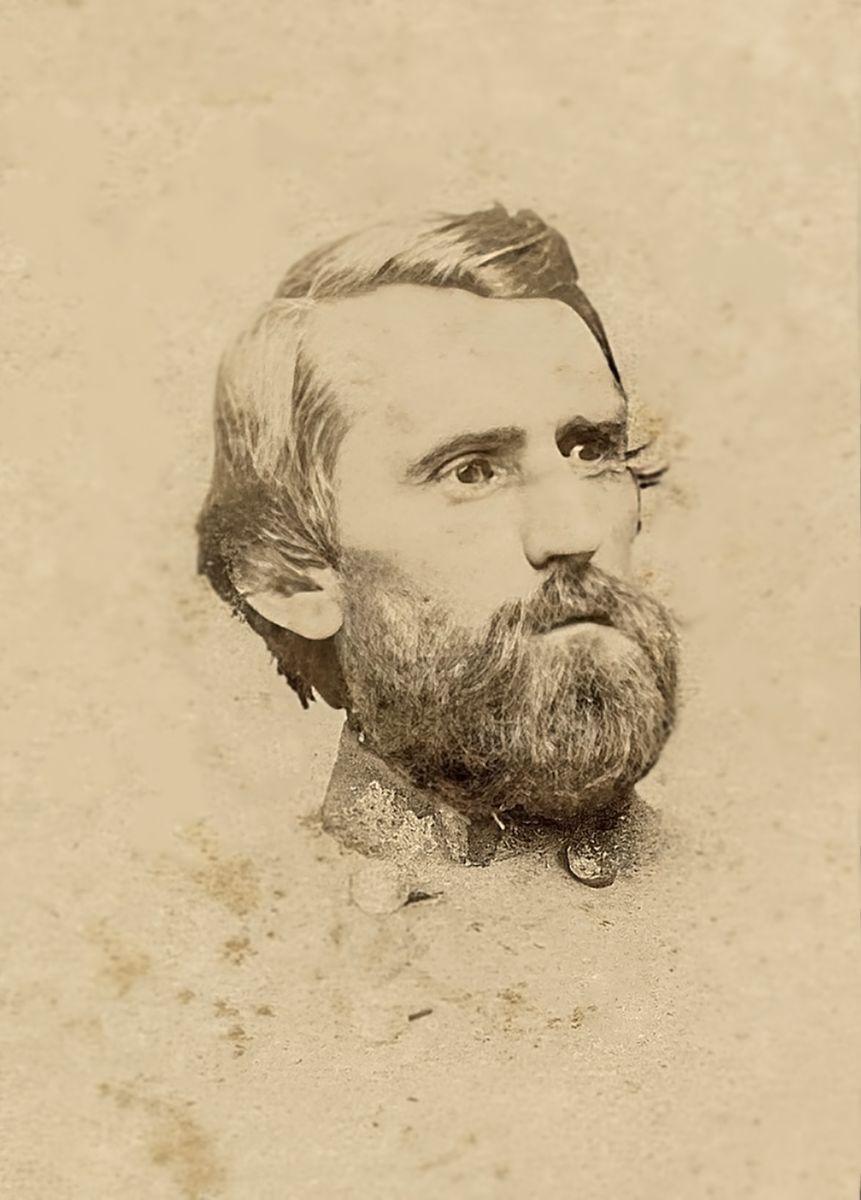
An original carte de visite of Confederate Major George Washington Scott, commander of the Fifth Florida Cavalry Battalion. This wartime uniformed pose of Scott shows him later in the War after he had been promoted to the rank of lieutenant colonel. (William J. Stier Collection)
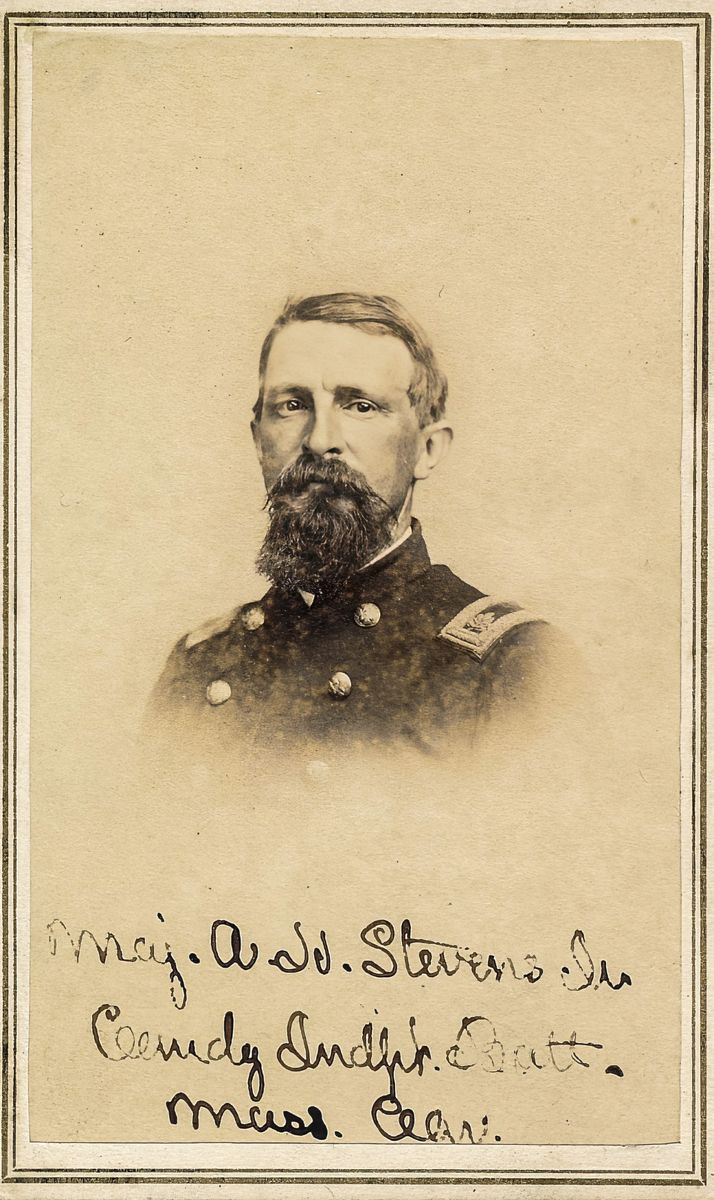
An original autographed carte de visite of Union Major Atherton Haugh Stevens, Jr. Major Stevens was Captain Stephens’ chief nemesis at the Skirmish at Cedar Creek. (Richard J. Ferry Collection) Colonel Henry commanded the Federal Cavalry Brigade at the Battle of Olustee. He also participated in the Skirmish at Cedar Creek. (Richard J. Ferry Collection.)
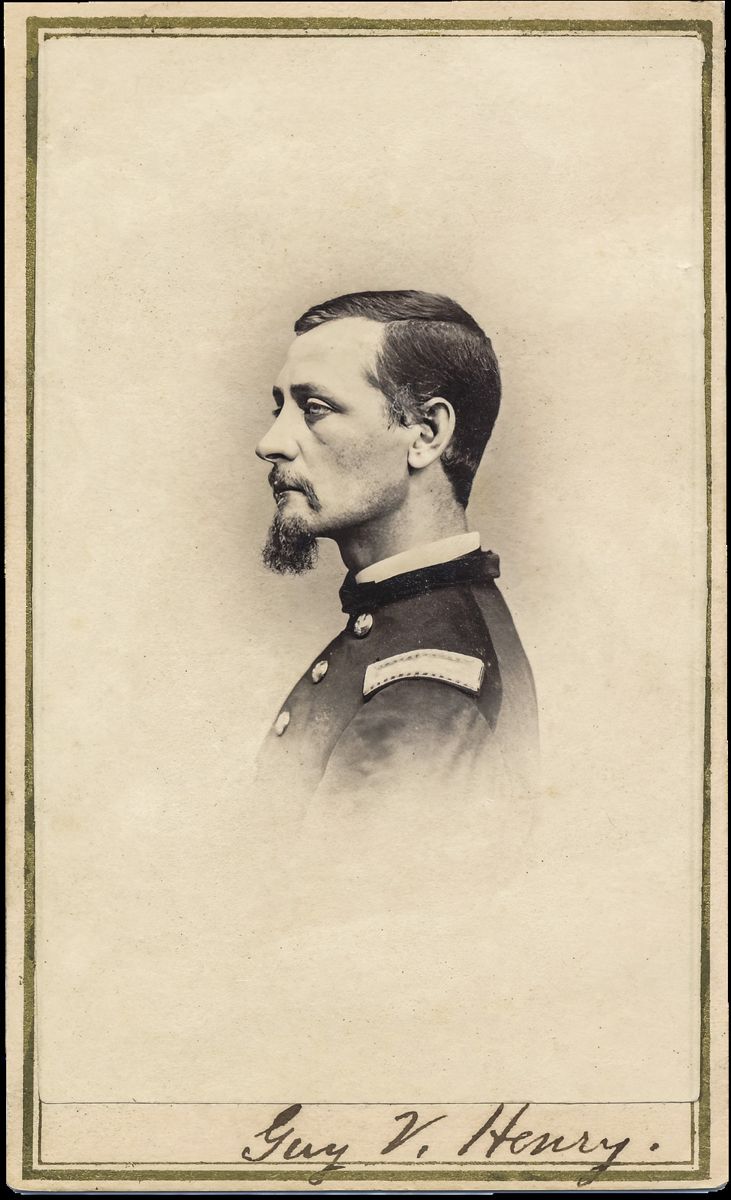
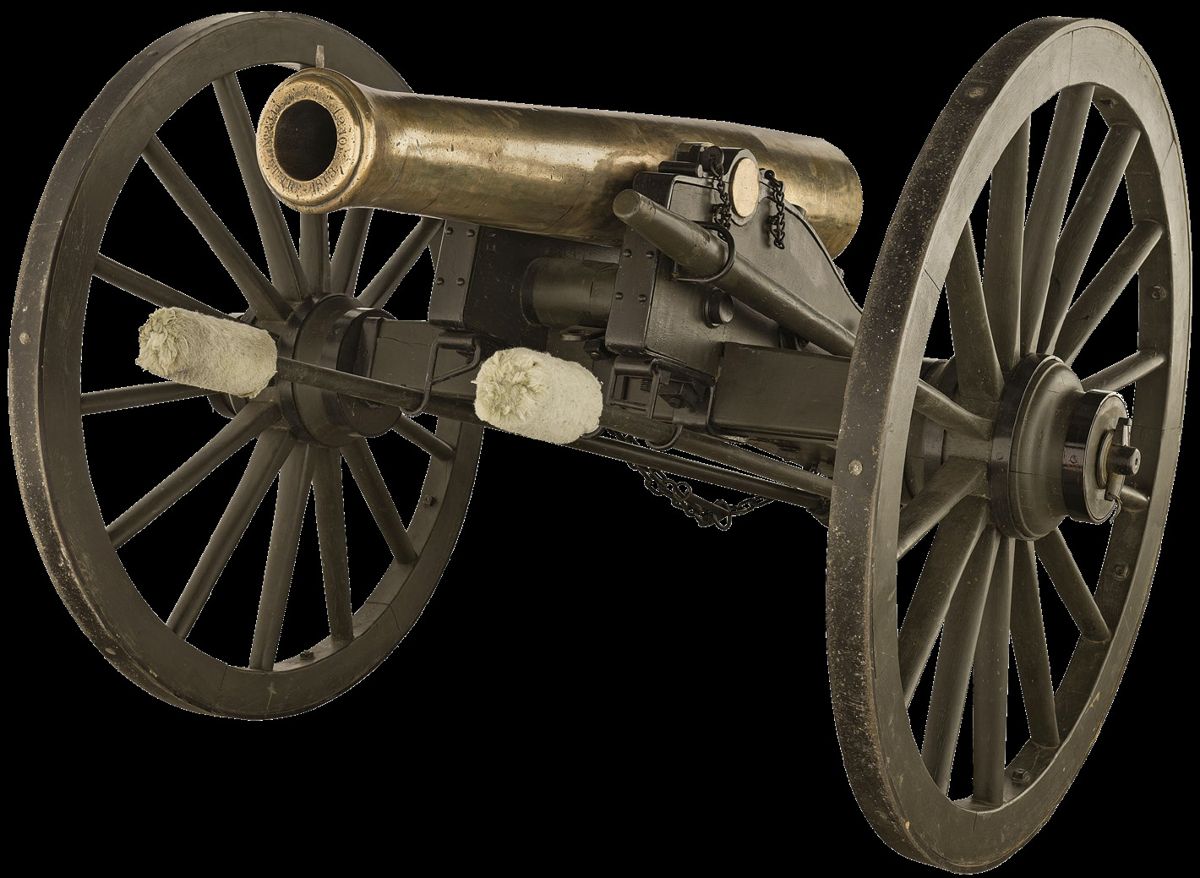
handpicked men equipped with Model 1860 Spencer rifles and move forward as a vanguard. Colonel Zachry delegated the responsibility of providing backup for Captain Stephens to the 5th Georgia Cavalry’s Colonel Robert H. Anderson. At nine o’clock that morning, Federal Colonel Guy V. Henry of the 40th Massachusetts Mounted Infantry Regiment also dispatched scouts from his Light Brigade, under the command of Major Atherton H. Stevens Jr., to ascertain the Southerners’ true intentions. Accompanied by Second Lieutenant Michael Leahy with one U.S. 3-inch ordnance rifle from Captain Samuel S. Elder’s Horse Battery B, First United States Artillery, Major Stevens’ expeditionary party consisted of elements of his own Independent Battalion Massachusetts Cavalry and a squadron from the 40th Massachusetts Mounted Infantry Regiment. Major Stevens would unabashedly confess to his wife, Emily, in a private letter dated March 3, 1864, that he was directed “not to bring on a General Engagement but we opened a hornets nest I assure you.” Venturing cautiously through the forest, well beyond Cedar Creek, Major Stevens proceeded unmolested about three miles before his skirmishers met with resistance from Lieutenant Hart’s vedettes. Falling back before their opponents, the Floridians were vigorously pursued for roughly one mile and a half before they united with a 5th Georgia Cavalry detachment and Captain John F. Wheaton’s Chatham Artillery and their section of Model 1857 Napoleon 12-pounder smoothbores near McGirt’s Creek. With the veterans from both factions facing one another, an explosive collision occurred at approximately 10 a.m. Major Stevens recounted the volatile showdown with Captain Stephens and his Rangers,
U.S. Model 1860 Spencer rifle designed by Christopher Spencer. This rifle held seven .56.56 rimfire cartridges in the butt stock and capable of firing a round about every 18 seconds. (Jack W. Melton Jr.)
U.S. Model 1857 12-pounder Napoleon smoothbore cannon. (Courtesy Rock Island Auction Company)
Trailing directly behind Captain Stephens’ troop were the doughty horsemen of the 5th Georgia Cavalry Regiment. A native of Savannah and a proud member of the elite “Georgia Hussars” (Company A), Orderly Sergeant John H. Ash II keenly remembered the warm reception he and his colleagues received at the hands of those Union artillerists,
Having advanced about two miles, our advance guard came up with the Yankee pickets. Soon a brisk fire began and I could see our men skirmishing with the enemy. We of the Cavalry were then marched to the right so as to present our left flank as we marched by twos to the enemy and not give them an opportunity of firing upon us with their cannon, while we were marching along the road. Very soon, and sure enough a fieldpiece opened fire upon our column. One or two shell were fired far over us and then a shot passed just over the heads of the Fla. Batt ahead of us. The next shot struck the ground about 5 ft in front of the head of our column and about 10 ft immediately in front of me. Startled by that barrage on his eastern flank, Colonel Anderson marshaled the 27th Georgia Infantry together with Colonel F. Hay Gantt’s Eleventh South Carolina and swept forward into action. Fearful of being overrun, Major Stevens instructed First Lieutenant Orson A. Baxter to dismount B Company in tandem with a company of the 40th Massachusetts to cover the withdrawal. From his vantage point, Stevens soon discovered that Captain Stephens had rallied his men and they were now reformed and preparing to strike. The major then summoned Captain Moses F. Webster with Company C and a platoon of Captain Lucius H. Morrill’s D Company to counter the Confederates,
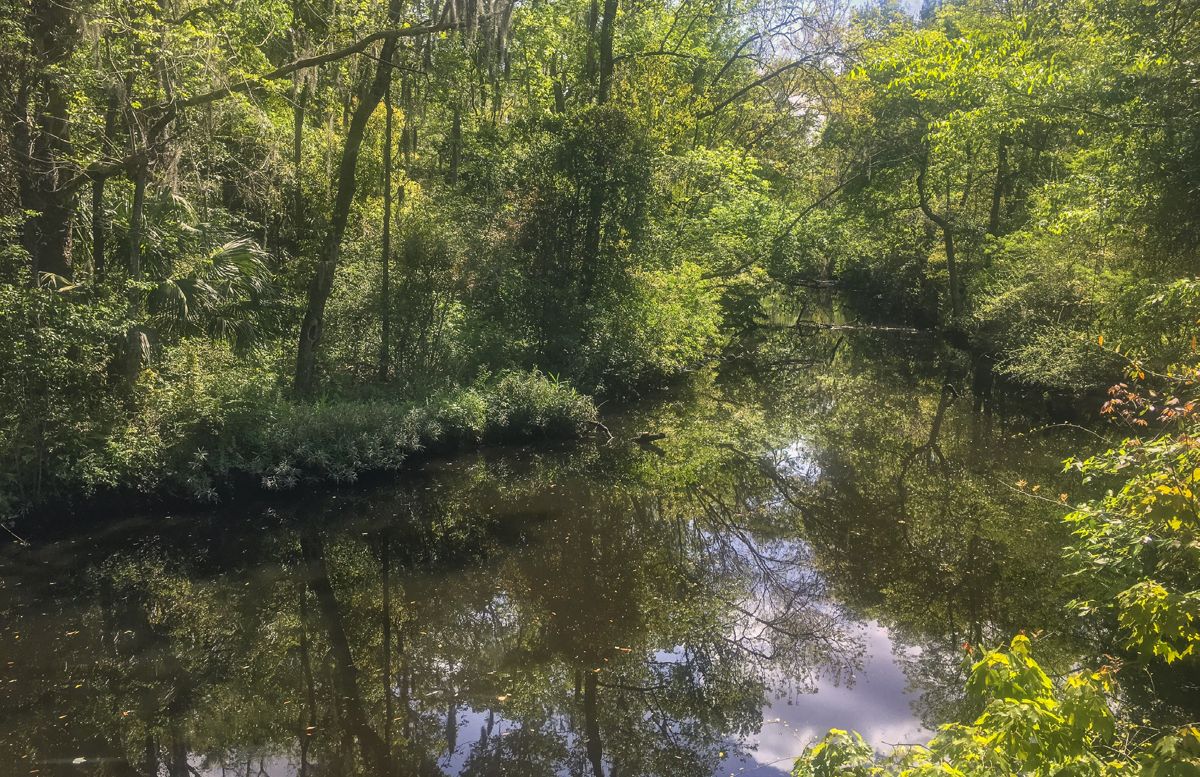
At one time their cavalry (apparently a full battalion) formed for a charge. I immediately got the remainder of the cavalry battalion (numbering not more than 50 men) ready to meet the charge. The enemy at the time were on a brisk trot, but they immediately slackened their pace and came to a halt. At this critical juncture, Colonel Anderson and two infantry regiments emerged from the brush at a doublequick just as the Chatham Artillery wheeled their two Napoleons into position and unleashed a lethal covering fire. Reinforced by their supporting infantry, Captain Stephens’ horsemen drove the enemy back across Cedar Creek near present-day Lenox and Lane Avenues. While Major Stevens obstinately contested the Southerners’ onslaught, a branch of his dismounted force attempted to impede the pursuit by removing planks from the bridge that spanned the creek. Exploiting the natural defenses of the thick scrub pineland and the marshy terrain, the Northerners dug in and waited for the Confederates to make their appearance. Captain Stephens forged ahead with his cavalry in columns of four. Accompanied by his brother, Swepston, first sergeant in Company B, 2nd Florida Cavalry, Captain Stephens swiftly negotiated the creek amid a blazing tempest of canister from Lieutenant Leahy’s 3-inch ordnance rifle. Veering east of the stream, Stephens courageously led his warriors into the woods where the Union rear guard lay in ambush. A conspicuous figure astride his dapple grey charger, Captain Stephens paused briefly to adjust his troop formation only to be singled out by a Federal sniper who mortally shot him through the back. One of the captain’s most staunch advocates, Private Jeremiah Griffis of the St. Johns Rangers, was also caught unawares and fatally shot down. On point, Major Scott later reported, “As I advanced into the Cedar Creek swamp the head of my column was met by a severe fire from the enemy who was in ambush just beyond the creek. I therefore turned to the right — dismounted my men crossed the creek and formed my line on the right of the Infantry which position I held … .”
Mindful of the fact that he “may be ushered into Eternity” at any given moment, Sergeant Ash gamely pushed ahead to the relief of Captain Stephens’ Rangers. Consequently, he revealed the critical aspects of that desperate encounter with the Federal riflemen,
In the first of the firing Capt. [Richard F.] Akin Actg Aid to Col. Anderson was shot in the foot, he being about 20 yds in advance of where I was. Immediately after this occurred we were marched to the right and rear to give way for the fire of the Artillery. Our Regl color bearer, Sgt. [Russell F.] Walthour, had his coat on the pommel of his saddle shot through by a bullet. Several other bullets passed over our column, but did us no damage. The Fla. Cav. stood fire very well, having two men killed and several wounded … . Although Captain Stephens’ personal identity was unknown to his adversaries at that point, the sight of his stalwart form on horseback in the line of fire had compelled Union Second Lieutenant Charles A. Currier from Company H of the 40th Massachusetts Mounted Infantry Regiment to respectfully concede that he was “the ‘Sheridan’ of the enemy’s forces in Florida.” Present when Stephens was slain, Lieutenant Currier expounded on the circumstances surrounding his demise:
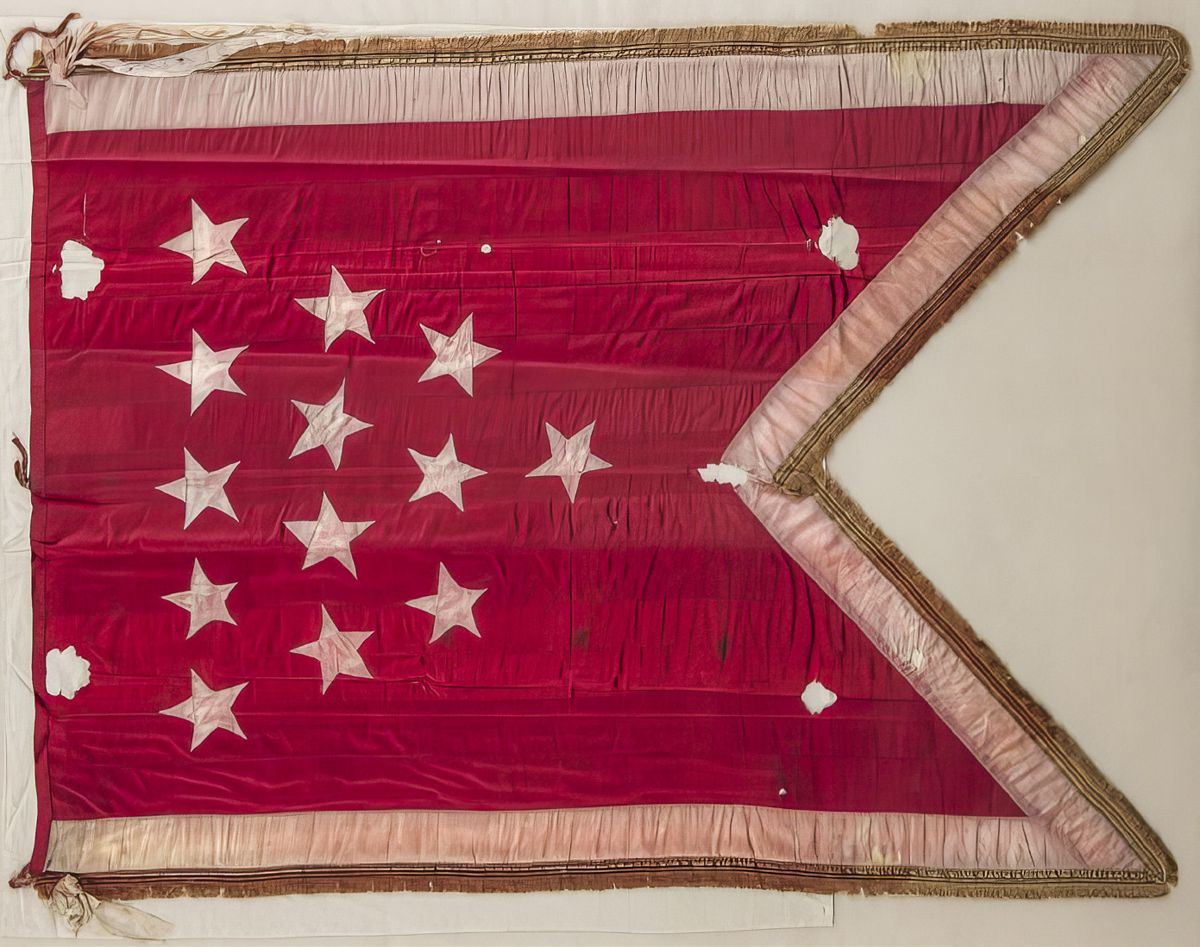
Throughout the entire campaign, whenever a force of the enemy were encountered, there had always been seen dashing about among them, an officer who road a cream colored horse. He was a gallant fellow, and much ammunition had been expended in attempts to unseat him. During the action of March 1st, a soldier of Stevens’ command … was tumbled out of his saddle, whereupon his horse dashed over among the enemy, upon which they set up their peculiar ‘yell.’ This riled his comrades, who, determined to have satisfaction, and shortly after, one of them succeeded in bringing down the rider of the cream colored horse: the shock of his death was so great, as to cause a temporary cessation of their fire, whereupon our men set up a wild cheer.
Momentarily taken aback by Captain Stephens’ untimely demise, his troopers promptly recovered and stormed through the timber. Gunfire erupted as the fighting soon became general. Alarmed at the uproar in the distance, Colonel Henry quickly forwarded Companies I and K along with a second 3-inch ordnance rifle from Elder’s Horse Battery to Major Stevens’ relief so as to avert potential disaster. Shortly thereafter, Colonel Henry rode to the front and personally assumed control of his besieged battle group. Subjected to the Southern dragoons’ relentless ferocity, Colonel Henry struggled to maintain some semblance of stability. The colonel would subsequently report:
The enemy charged upon my command, but were bogged, losing a number of men and horses. They then dismounted and fought on foot. Their firing was very hot, and my men resisted every inch of ground with great bravery. The Fortieth were dismounted, the battalion of cavalry being mounted, forming a reserve.” Confirming Colonel Henry’s statement with regard to the Confederates’ dogged resolve, First Sergeant Andrew J. Clement from Company D of the Independent Battalion Massachusetts Cavalry testified that “they really tried to force us back. Bolstered by the sudden arrival of fresh men from the Chatham Artillery with an extra 12-pounder Napoleon, the officers and men of Colonel Anderson’s task force fearlessly plunged over the hastily rebuilt bridge and through the entangling undergrowth to reach the combat zone. One illustrious member of that ensemble, Captain Joseph J. Wescoat, commanding Company B (St. Paul’s Rifles) of the 11th South Carolina Infantry Regiment, had recently been graciously entertained by the patriotic citizenry of Madison, Fla., during a lull in the army’s operations. Captain Wescoat vividly recalled assailing the opposition with his companions once they burst into the clearing, “Our Reg[iment] entered the field with ‘The Ladies of Madison’ as their battle cry.” Within minutes, a number of Captain Wescoat’s associates in the 11th South Carolina were mowed down by a hail of bullets. Amongst those ill-fated Carolinians who suffered grievous injuries were Third Sergeant Jonathan Platt (Company B), Privates William J. Carter, J.B. Fields, and William S. Godley of K Company (Round O Guards), and Privates Daniel Hiott and John M. Simmons of Company I (Colleton Guard). Fanning out, the Southern infantry leveled their muskets and poured a galling convergent fire into the Federal ranks. Still reeling from the withering fusillade, Colonel Henry unexpectedly found himself in danger of being trampled underfoot as some 5th Georgia Cavalrymen enveloped his right flank. Recognizing the futility of any further resistance on his part, Colonel Henry ordered his troops to retire to their trenches at Three-Mile Run (now called McCoys Creek). In an attempt to retrieve their horses and elude their attackers, Third Sergeant John D. Sanford and Privates Edmund Crosby, Jonathan Gifford, Seth L. Randall and George W. Washburne, all from Company A, 40th Massachusetts, were encircled by Confederates and taken prisoner. Confederate Surgeon, Major Horatio N. Hollifield, fought valiantly with the 5th Florida Cavalry Battalion during the clash. He fondly remembered:
U.S. Coast Survey Office 1864 map of northern Florida and southern Georgia. (Library of Congress)
I captured that day a yankee horse and got me a splendid McClellan Saddle with a good bridle halter and blanket. The horse was wounded and I think died from the wound. Joe Branch was with me and behaved very handsomely. He got a good pair of yankee boots, a Sharpe’s Carbine and army pistol. Defiant to the last, Major Stevens would later boast of a Northern triumph notwithstanding the collateral damage incurred on both sides,
… their loss was heavy as we plainly saw a large number of their saddles emptied and many of their skirmishers fall – our casualties were – John C. Lamont of Co. B shot through the head – Sergt. L. R. Horn Co. B slight – Michael Powers Co. C slight – Henry Poor of 40th Mass through hips mortally – many others slightly and several horses wounded – three men of Elders Battery were slightly wounded – and many Officers and men having hair breadths escape. I rec’d a shot through the top of my old Kossuth Hat nearly taking the whole of the crown off and that is nearer than I want to have their in future as they are cussed careless with their shots. By 3 p.m., the Confederates disengaged and the contest was over. The Federals reported one man killed, four wounded and five captured. In direct contrast to the official statement issued by the United States Army, a correspondent with The Savannah Republican newspaper in Georgia, circulated the following information in that publication’s March 5, 1864 edition: “They abandoned their dead and wounded, who fell into the hands of the Confederates. About thirty Federal prisoners arrived at Lake City on Wednesday night last, and have been sent to Tallahassee.” Seven Southerners were killed and twelve wounded. Among those fatalities was Captain George J. Redmond who had been mortally shot through the bowels. A native Irishman and a former member of the celebrated First Maryland Infantry Regiment, Captain Redmond was, at that time, acting as voluntary Aide-de-camp on the staff of Brigadier General William B. Taliaferro, commander of the Eastern District of Florida. Private Francis Marion Hail of the “Zachry Rangers” (Company H), 27th Georgia Infantry Regiment also fell. Three of Private Hail’s colleagues in Company H, Privates George M. Chaffin, James W. Harper and Daniel R. Lewis testified under oath that he “was Shot, Minnie ball entering the Side cutting through the cartridge belt and passing entirely through the body and coming out on the other side, killing him – almost instantly. He living only a few minutes after being shot.” The skirmish at Cedar Creek culminated as the bloodiest one-day action in Duval County throughout the course of the War Between the States. Devastated by his personal misfortune, Sergeant Stephens subsequently wrote to his brother’s widow and described the captain’s final moments:
You know not the anguish of my heart when he was shot. We were side by side and tho’ I was not looking at him when the fatal ball pierced him I heard it and turned and asked him if he was hurt. He turned and looked the reply but could not speak and just at that time my spur was cut off and consequently he fell before I could reach him. I dismounted and took him up and sit him on my horse and got up behind him and took him out in that way leaning back against me. That look, the last look was full of love. His lips moved but no word escaped. I see that look now and ever will … . In the aftermath of the Cedar Creek encounter, Davis H. Bryant escorted Captain Stephens’ body as it was transported to the Lake City Cemetery for burial beside the Confederate casualties from the Olustee Battle. The older brother of Stephens’ widow, Bryant had previously served under the captain as a private in B Company, but by then, he was sergeant major in the 2nd Florida Cavalry Regiment. Among the effects found on Captain Stephens’ person was a notebook which contained his handwritten entry for March 1, 1864. It simply read “on picket.” Broken in spirit by the passing of their beloved chieftain, Stephens’ loyal troopers nevertheless stayed true to the Cause and pressed on. Though Stephens was irreplaceable in the hearts of his countrymen, Lieutenant Gray, elevated to the rank of captain, proved to be a worthy successor as commander of the St. Johns Rangers for the duration of the conflict. With financial assistance from the state, Captain Stephens was reinterred in the Westview Cemetery in Palatka in 1888. Having never remarried, Octavia Stephens remained devoted to the memory of her husband until her death on September 6, 1908. During a private ceremony, Captain Stephens’ earthly remains were deferentially moved to the Stephens family plot at Oakwood Cemetery in Welaka in the year 2000.
A native of Louisville, Kentucky, and an Honorable Kentucky Colonel, Mr. Stier is a longtime member of the Sons of Confederate Veterans Association. His greatgreat grandfather, Confederate Third Sergeant William L. Howard, proudly served under Lieutenant General Nathan Bedford Forrest in Company B of the Eighth Kentucky Mounted Infantry Regiment during the War Between the States. Since 1994, he has written a number of articles for such historical publications as Civil War Times Illustrated, Military Images, North South Trader’s Civil War, Confederate Veteran, and The American Philatelist. He has also contributed material from his personal collection to Blue & Gray magazine and the book, Suppliers to the Confederacy Volume Four. Some of his published works have been posted online by the editors of the HistoryNet.