
This & That Lincoln’s Cabinet
Originally published January-February 2025 · pp. 26–29
& O
Lincoln’s Cabinet:
This & That
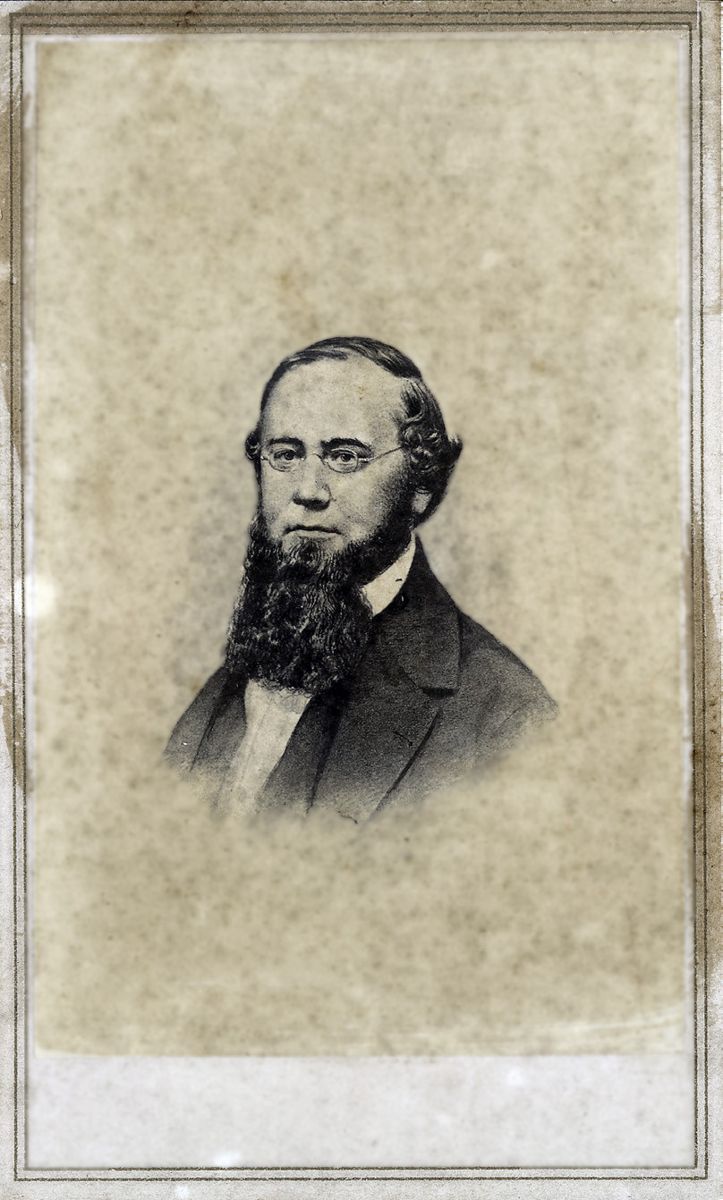
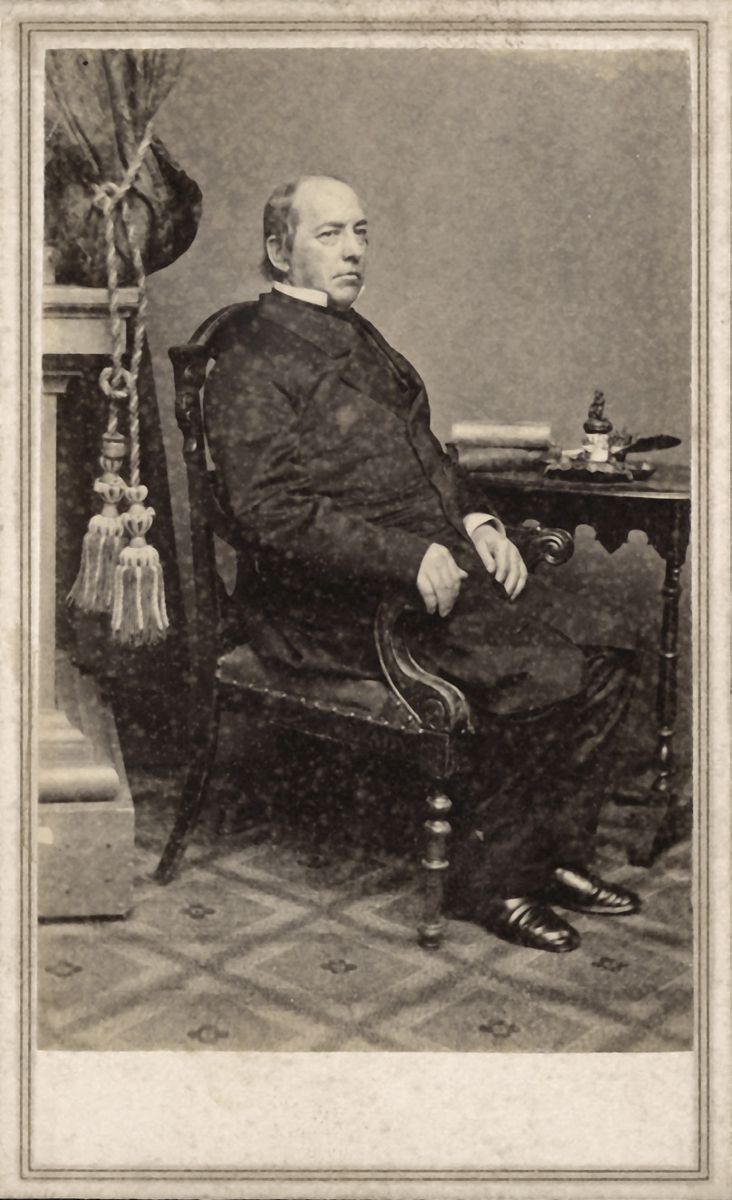
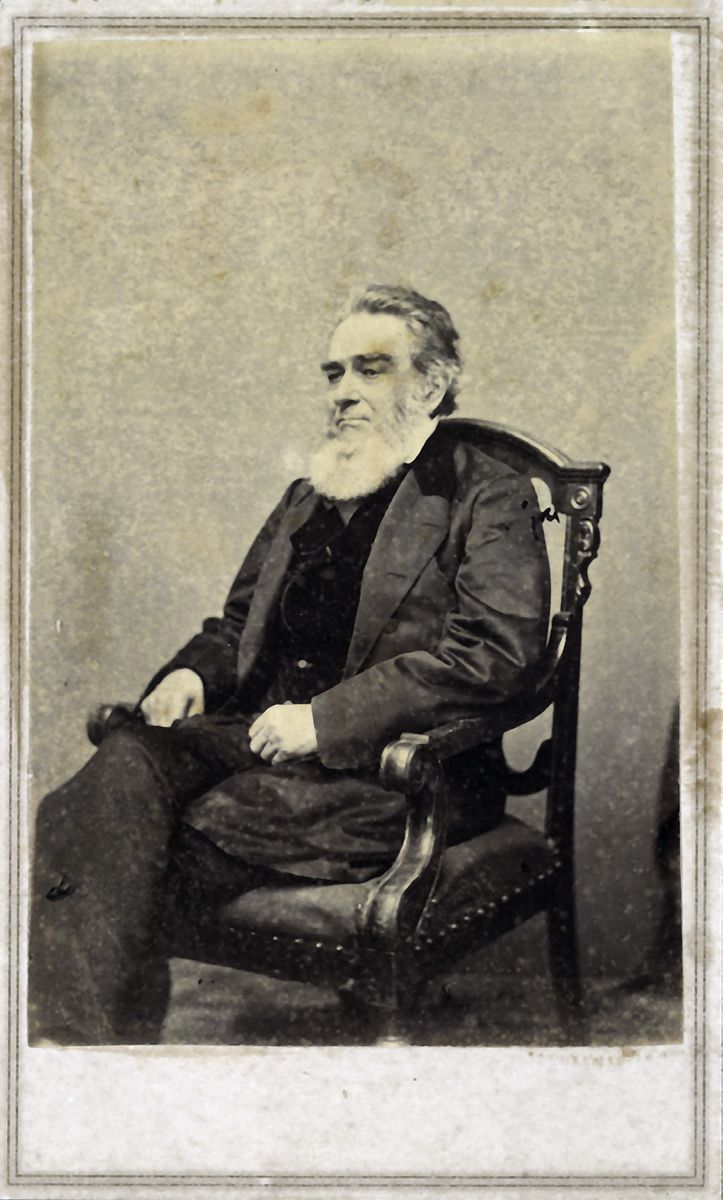
A Team Pursued by Death ne of my great grandfathers died in the 1930s from an infection which developed after he suffered a minor cut. A great-great grandfather was twice widowed while he was relatively young. His third wife was a widow who outlived several of her children. One of Grandpa Stephen’s sons died young and his oldest daughter lost her husband while she was in her twenties. One of my grandmothers lost both parents before she was old enough to vote. Advances in medical science have made such sad events rare, but until recent times death struck far more indiscriminately than today. Nearly every family, rich, poor or in between, was vulnerable to diseases that no longer threaten us. Recently I won Dorothy Kearns Goodwin’s Team of Rivals as a door prize. Had I not held the lucky ticket I never would have read the book. It was a pretty good read. To me the most interesting parts were the accounts of the pre-Civil War lives and careers of Salmon Chase, Edwin Stanton, Edward Bates, Gideon Welles and William Seward. I was struck by the myriad personal losses these men and their families endured. As I said, death routinely stalked every family in those days, but Lincoln’s cabinet members suffered far more than average. I will start with Salmon Chase who, with Lincoln, Bates, and Seward sought the Republican nomination in 1860. Chase married his first wife, Kitty, in 1833. Kitty died in childbirth in 1835. The grief-stricken future Secretary of the Treasury, a devout Christian, was especially haunted by Kitty’s death, as she had not fully embraced the faith when she died. Chase suffered another blow when the child, Catherine, died at the age of five. Chase remarried. His second wife, Eliza, gave birth to a daughter, who died in infancy. Poor Eliza herself died at the age of 25, a victim of tuberculosis. Chase’s third wife was Sarah Belle. The couple soon had two daughters, one of whom died within a year. Two years later Sarah Belle died. Chase never married again, but he lost another loved one. His sister died of a heart attack while dining at Chase’s home.
By Gould Hagler
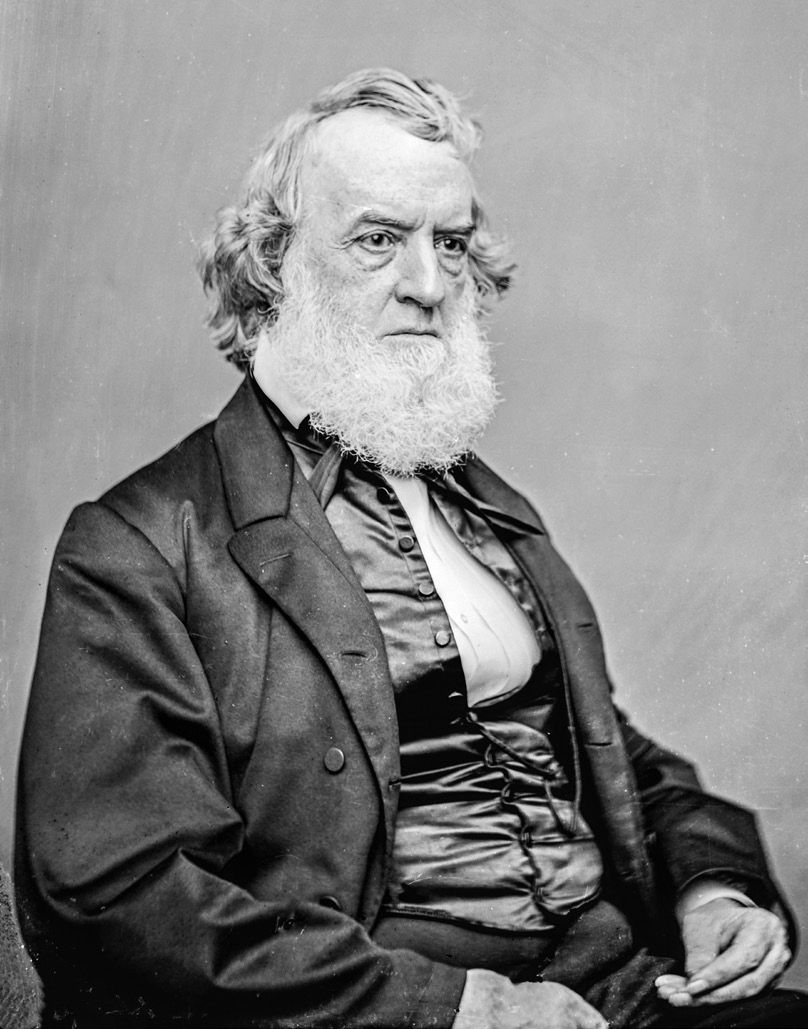
“Death has pursued me incessantly ever since I was twenty-five,” Chase wrote. Edwin Stanton, as CWN readers know, was Lincoln’s second Secretary of War, who replaced the problematic and ineffectual Simon Cameron in 1862 and served through the war and beyond. Stanton and his wife Mary had two children, Edwin Jr. and Lucy. Lucy died of scarlet fever in 1843. Two years later Mary died of a bilious fever at the age of 29. Stanton was devastated. His grief nearly drove him mad. He was unable to work for months. His sister, who stayed with him after Mary’s death, was horrified at his behavior, as he wandered the house throughout the night, lamp in hand, sobbing “Where is Mary?” The deaths of Lucy and Mary were not the first of Stanton’s misfortunes nor were they the last. His father died at 40, when Edwin was 13. The elder Stanton was a prominent physician, but he died with debts and left his family in a very poor financial condition. To help support his mother and younger siblings, Edwin left school and went to work as a bookseller’s apprentice. He later read law and eventually prospered as an attorney. Able then to provide substantial monetary aid to his family, Stanton financed his brother Darwin’s medical education. Darwin later suffered serious brain damage because of a high fever. He committed suicide in 1846. The gruesome sight of his dead brother, covered with blood, one more trauma on top of all the others, had a permanent effect on Stanton’s personality. He recovered, but the cheerful, friendly Edwin Stanton was no more, replaced by the aggressive, brusque, impatient, and irascible Stanton known to students of the Civil War. Stanton eventually remarried, in 1856, but his second wife took some convincing. Ellen Hutchinson knew the new Edwin Stanton, not the old one, and this one was not easy to love. In 1862 came yet another dreadful blow. The Stantons’ infant son died of smallpox when a vaccination administered to protect the child caused a severe case of the disease. James suffered for six months and died in July.
Gideon Welles.
Secretary of State William Henry Seward.
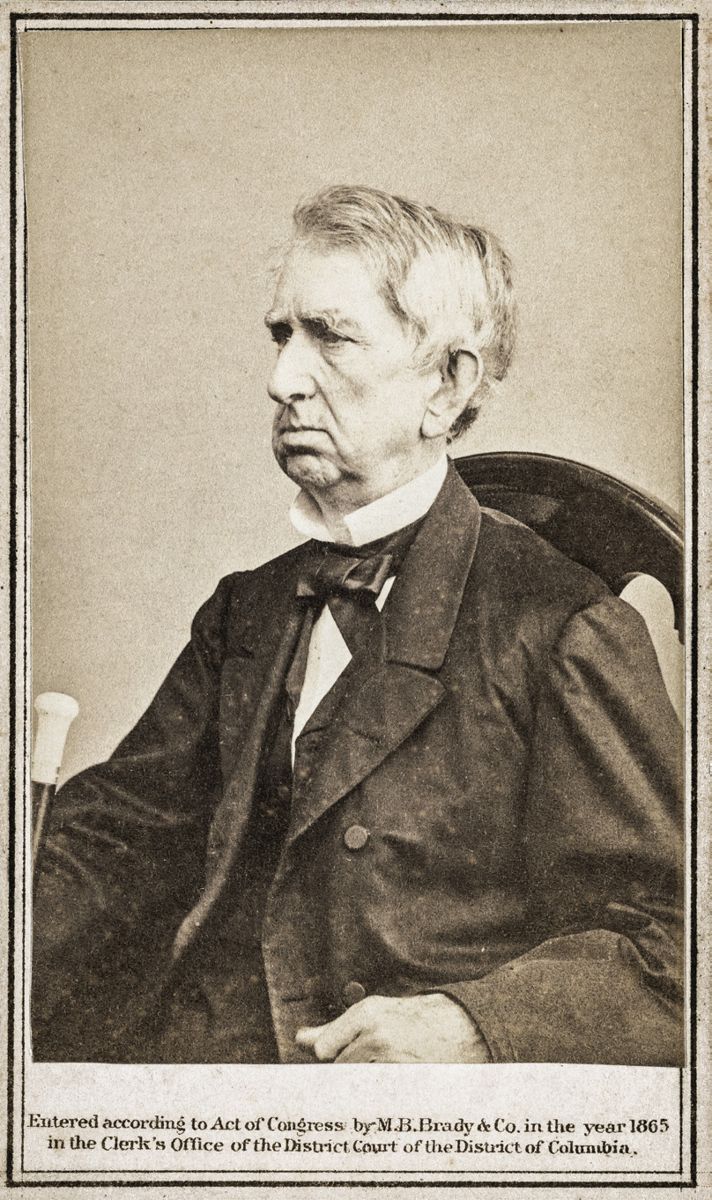
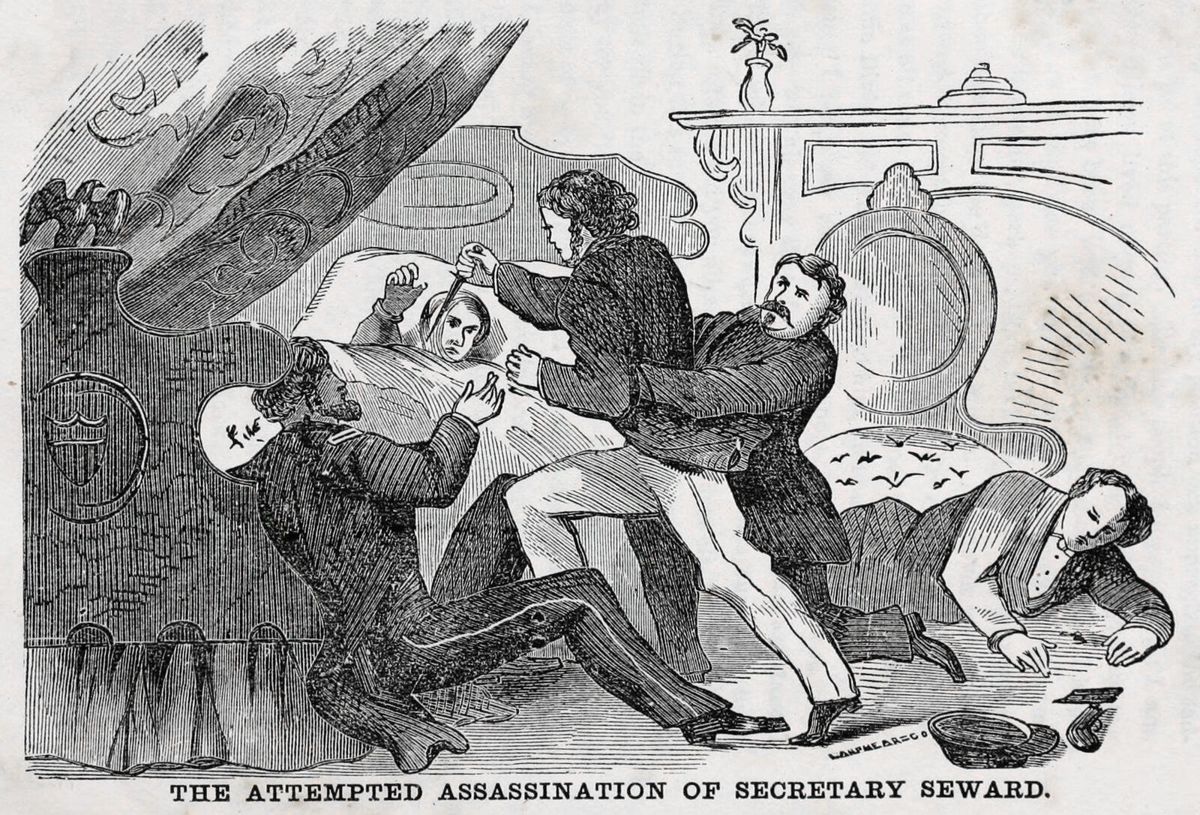
The family lives of two other cabinet members, Attorney cases, be successfully treated today with modern medicine. General Edward Bates and Navy Secretary Gideon Welles, It is ironic that those so seriously wounded in Powell’s were also marked by multiple grievous losses. attack all survived, even though the state of medical care Aged 67 when the 1860 election was held, Bates had was far inferior to what is available today. enjoyed a long and successful career in law and politics. Students of the Civil War are certainly aware that the In the main, however, he was a homebody. He described president in whose cabinet these men served was also no himself as “a very domestic, home, man” and was reluctant stranger to grief. Lincoln’s mother died when he was nine. to entertain any offer to serve in Lincoln’s administration The death of his first love, Ann Rutledge, also caused a because of his “settled domestic habits.” His home life was deep and lasting wound. Long before the war he lost a indeed a very full one, a life in which he and his wife Julia sister and a brother. Abraham and Mary Lincoln lost two experienced much joy and much sadness. The joy: Julia sons: Edward died in 1850 of tuberculosis before his fourth gave birth to 17 children. The sadness: eight died in infancy birthday; Willie died of typhoid fever in 1862 at the age of and a ninth lived only to the age of five. 11. The story of Mr. and Mrs. Welles is a similar one. They Those of us who read about the Civil War—or read of had a total of nine children but saw only three reach history from any time—know that deaths of these sorts were adulthood. Six died between the ages of one year and 16. far more common in the past than now. CWN readers are For most of their lives William Seward and his wife Frances had largely evaded the calamities that had saddened and disrupted the lives of his colleagues’ families. One of their five children died in infancy, but the other four lived to adulthood. This good fortune and stability suffered a horrendous shock on April 14, 1865. At home, resting and recovering from serious injuries received in a carriage accident, Seward was attacked by the knife-wielding Lewis Powell. Powell forced his way past Seward’s son Fred, striking him in the head with a pistol and landing a blow so fierce that it broke the pistol and crushed Fred’s skull in two places. The assailant slashed a bodyguard with a knife, knocking him to the ground. Powell then rushed to attack the bedridden Secretary of State as daughter Fanny begged him not to kill her father. Another son, Gus, and the injured bodyguard pulled certainly aware that Jefferson Davis suffered an experience the attacker away from Seward. Powell hacked at them with similar to Lincoln’s when his young son Joseph died after the knife, but fled as Gus reached for his pistol. a fall at the Confederate White House. Lee and Sherman The deadly attack on Lincoln that same night is one of both received news of a child’s death while they were the best-known episodes in American history. The attack away waging war. The list could go on and on. However, at Seward’s home is less well-known, but certainly no less the experience of Lincoln’s cabinet members was all but ghastly, and perhaps more so. singular. What Chase wrote about his own laments would Seward, Fred, Gus and the bodyguard all survived the apply to the others: death pursued them relentlessly. assault, as did a State Department messenger whom Powell stabbed as he bolted down the stairs. However, more trouble lay ahead. Six weeks later Frances Seward, traumatized by the horror her family had endured that night, died suddenly. Less than two years after that, daughter Fanny succumbed to tuberculosis and died before reaching the age of 22. With the exception of Fanny’s illness, the Sewards’ afflictions were the result of human deeds, not the random Gould Hagler is a retired lobbyist living in Dunwoody, onslaught of disease. The maladies suffered by members of Ga. He has been a regular contributor to CWN since the Stanton, Bates, Welles and Chase families could, in most 2016. He can be reached at [email protected].
“The Magazine Like No Other: Where History Isn’t Just Studied, It’s Collected.” Hey there, history aficionados and collectors! Allow me to introduce Military Antique Collector, your must-have bimonthly magazine. Printed on top-notch paper with vivid, high-res color photos, each issue is a treasure trove for both expert collectors and newcomers. Now, you might be thinking, “Is this magazine for me?” Whether you’re a seasoned collector with a room full of treasures or a newbie just dipping your toes into the fascinating world of military antiques, we’ve got you covered. Each issue is jam-packed with articles that are not just informative but downright captivating. And who’s behind these articles? Only the best in the business—renowned authors, museum curators, and auction experts who really know their stuff. We spotlight rare and unique military artifacts, from early American and European pieces to select post-1898 gems, all tied to historical figures you’ve read about. Ready to make history come alive in your hands?