
Vision and Valor: The War Through Women’s eyes
By Jonathan W. White · Originally published September-October 2024 · pp. 52–53
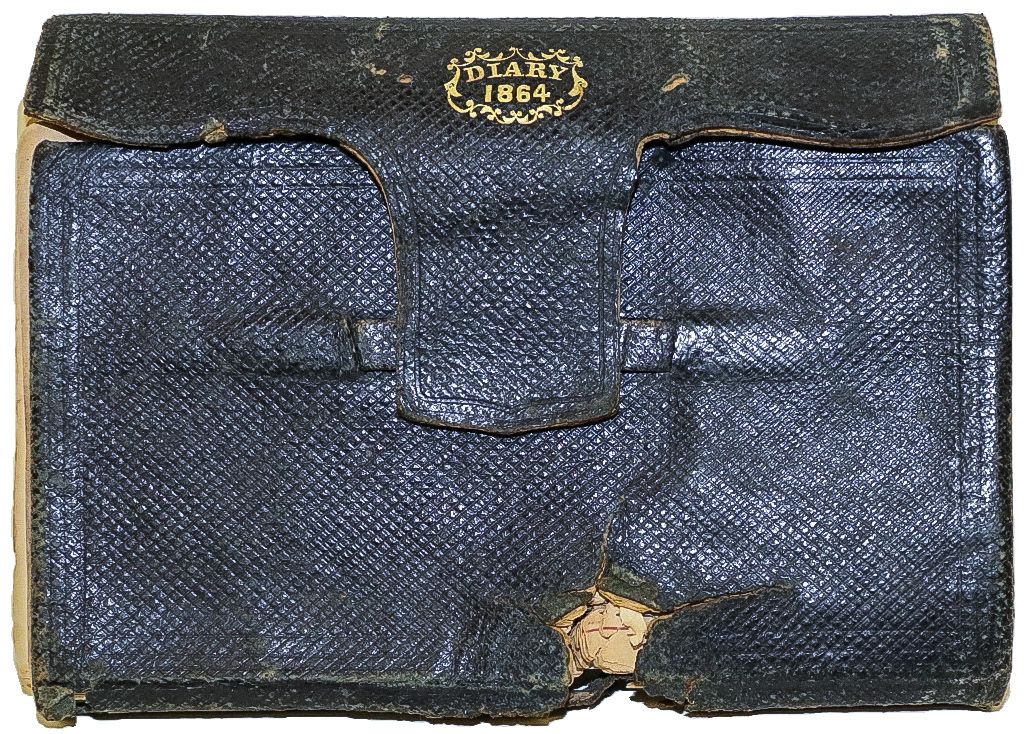
A Poignant Reminder Of The Tragedy Of The War By Jonathan W. White
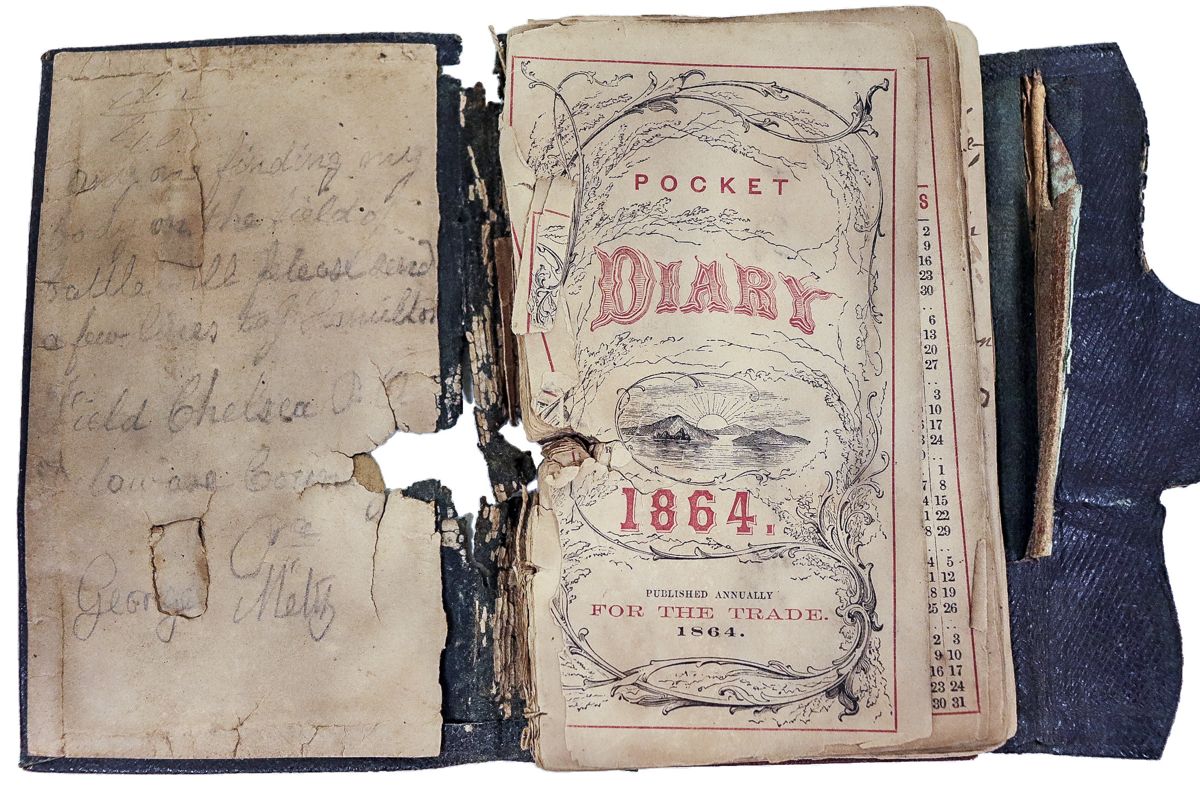
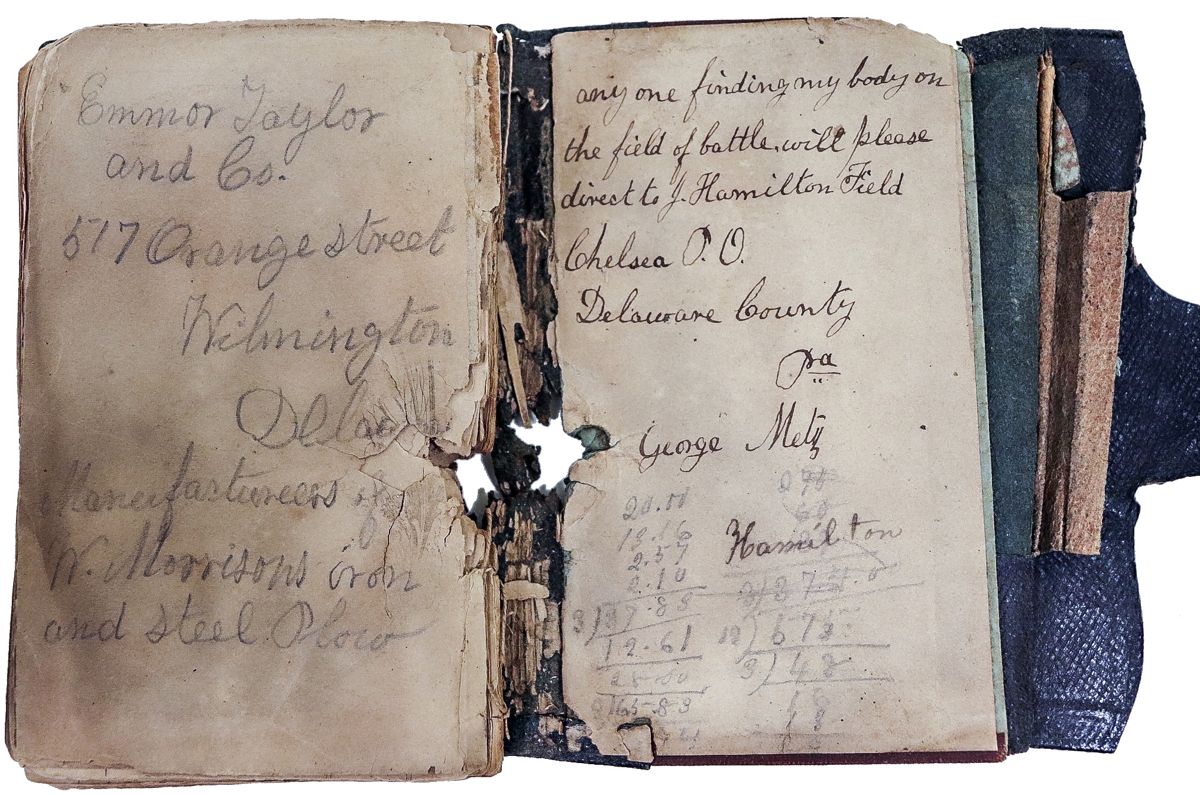
On February 5, 1864, George Metz of Delaware County, Pennsylvania, noted in his diary that he was reading “the life of Lincoln.” He must have enjoyed it, for he finished the book two days later, on February 7. Before the month was out, the 33-year-old millworker enlisted in the 2nd Pennsylvania Heavy Artillery and found himself bound for the battlefields of Virginia. Taking his pocket diary with him, Metz continued keeping a daily account of his life. Conscious of the ever-present threat of death in the Civil War, he scrawled on the inside of the front cover: “anyone finding my body on the field of battle will please send a few lines to J Hamilton Field, Chelsea P.O. Delaware County Pa.” He added similar instructions inside the back cover.
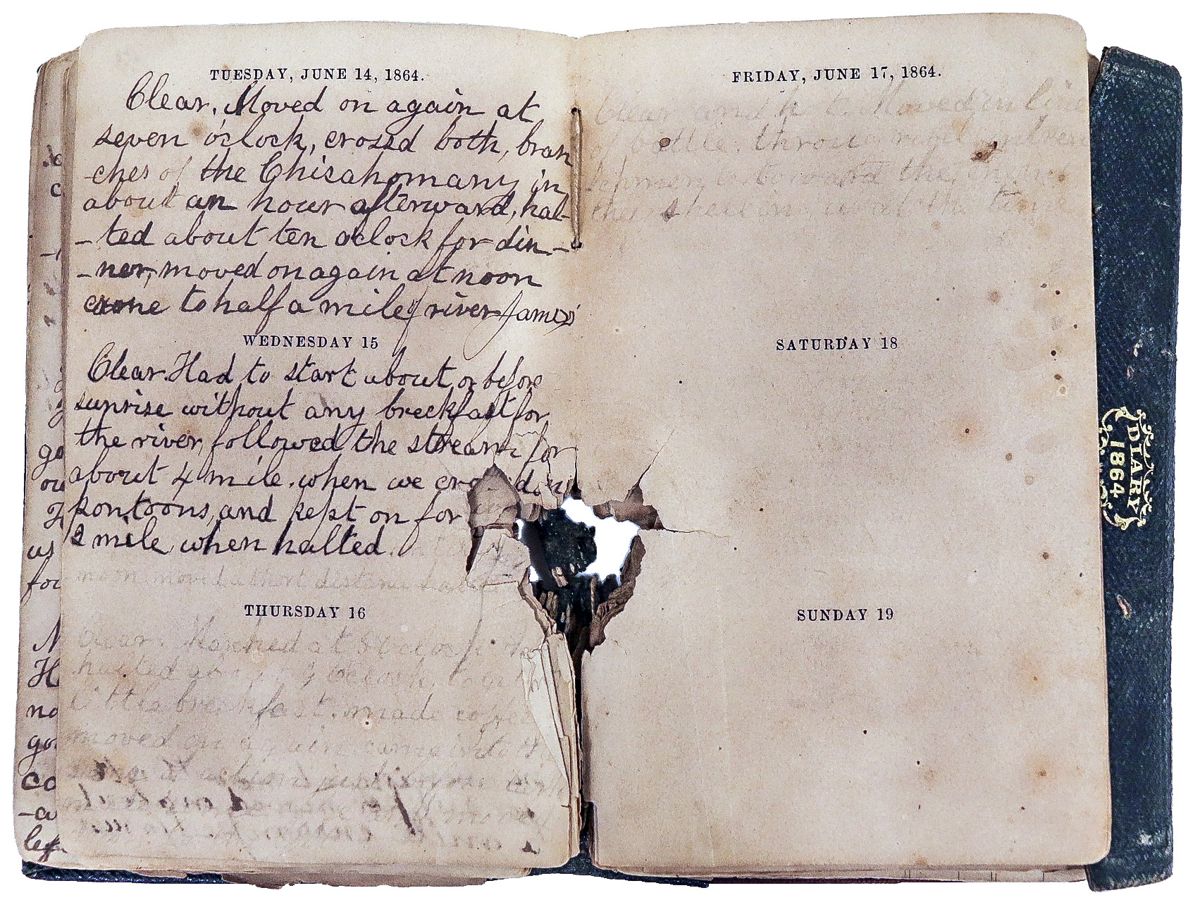
On June 16, Metz briefly described his activities during the first day of the Second Battle of Petersburg, which included making coffee and marching “into the scene of action just before dark.” The next day he recorded his final entry: “Moved in line of battle through rebel intrenchments toward the enemy they shelling us at the time.” Soon after putting down his pen Metz was killed in action, and the shrapnel that took his life appears to have ripped through the spine of his diary. He was buried at Poplar Grove National
Cemetery in Petersburg. His tattered diary is a reminder of the sacrifices made by “those who here gave their lives that that nation might live.” Jonathan W. White is the author or editor of 19 books about the Civil War, including A Great and Good Man:
Rare First-Hand Accounts and Observations of Abraham Lincoln (2024), which he co-edited with William J. Griffing.