Emerging Civil War A Trip to New Orleans
By Chris Mackowski · Originally published November-December 2024 · pp. 40–41
By 8 a.m., the French Quarter feels more like a French bakery, although the smells aren’t nearly so aromatic. It’s New Orleans in July, after all. Here and there, shops are baking beignets—those delectable fried doughnuty treats—but something garbagey festers in the undercurrents. Neil Chatelain and I are here as part the American Battlefield Trust’s annual Teacher Institute, and on this Saturday morning, we have set out to lead a group of thirty teachers on a Civil War walking tour of the Quarter. Despite our 7 a.m. departure time to beat the heat, the heat is already beating us. Even bronze Andrew Jackson atop his rearing bronze horse looks like he wants to sweat. He’s out in the full sun, in the middle of Jackson Square, taking the full bright brunt of the day.
“History happens in the shade,” my mentor, Greg Mertz, once told me. It’s a rule I stringently stick to. But on a morning as humid as this, when the air is thick enough to swim through, shade can only do so much. Even standing still makes me sweat. There’s no fine point to put on that. Here, though, the history happens all around us—not just Civil War history but so many layers and levels and crazy interwoven stories, all set to a mostly jazz soundtrack and served with side of red beans and rice. I know enough of the stories well enough to share them, peppered with some insights of my own, but this is a new landscape for me to interpret. One of my steadfast rules is to never give a tour of ground I’m unfamiliar with. Neil is a New Orleans native, though, and has mapped out the stops. There: Admiral David Farragut anchored his fleet after fighting his way past forts Jackson and St. Philip and sailing up the Mississippi to force the surrender of the Confederacy’s largest city.
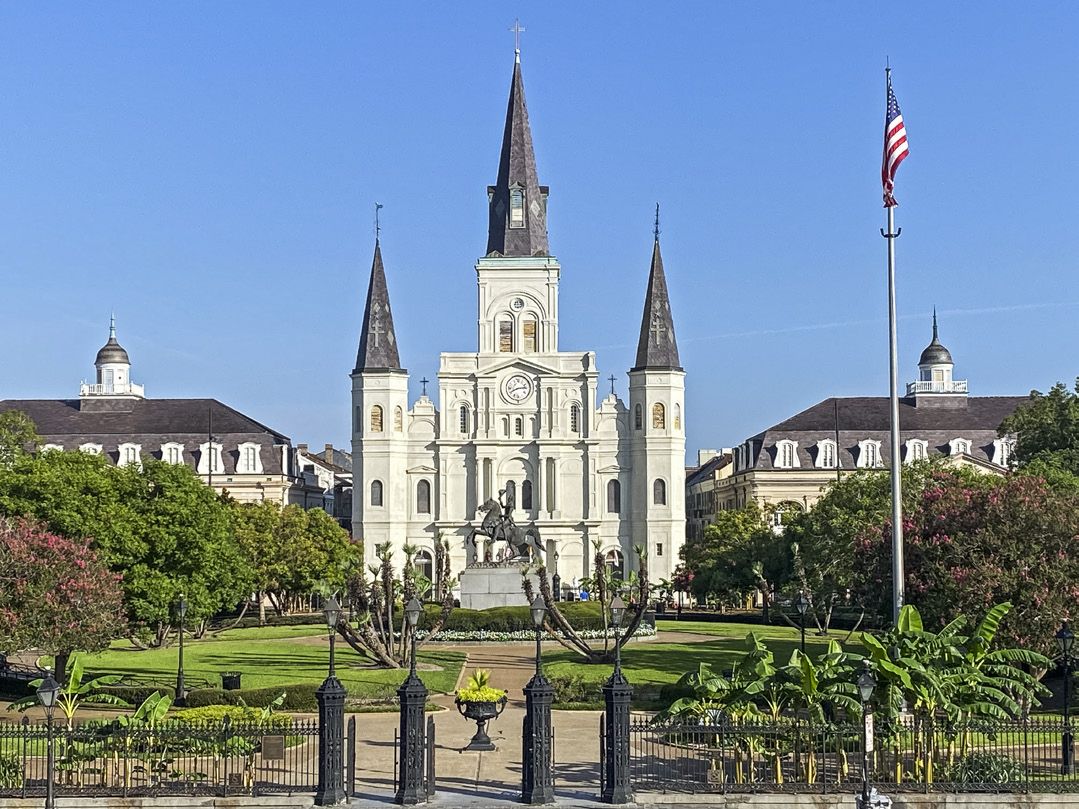
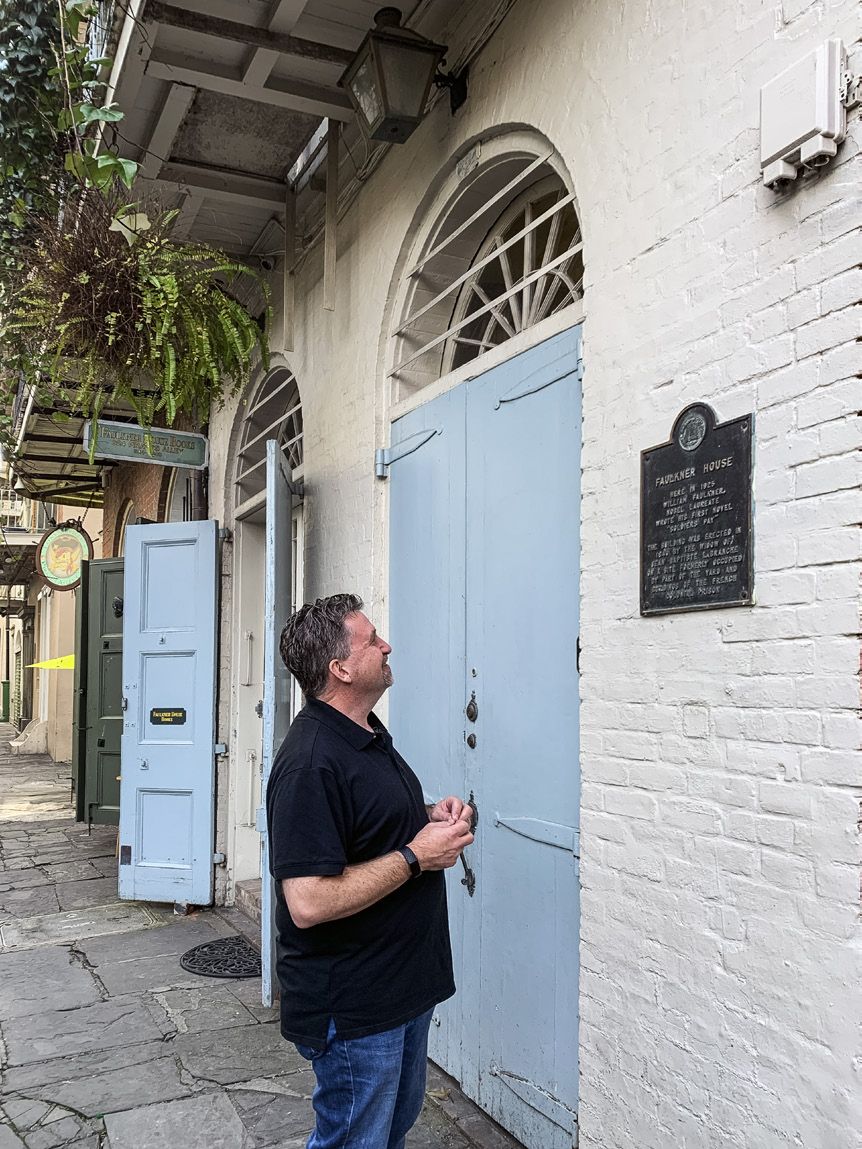
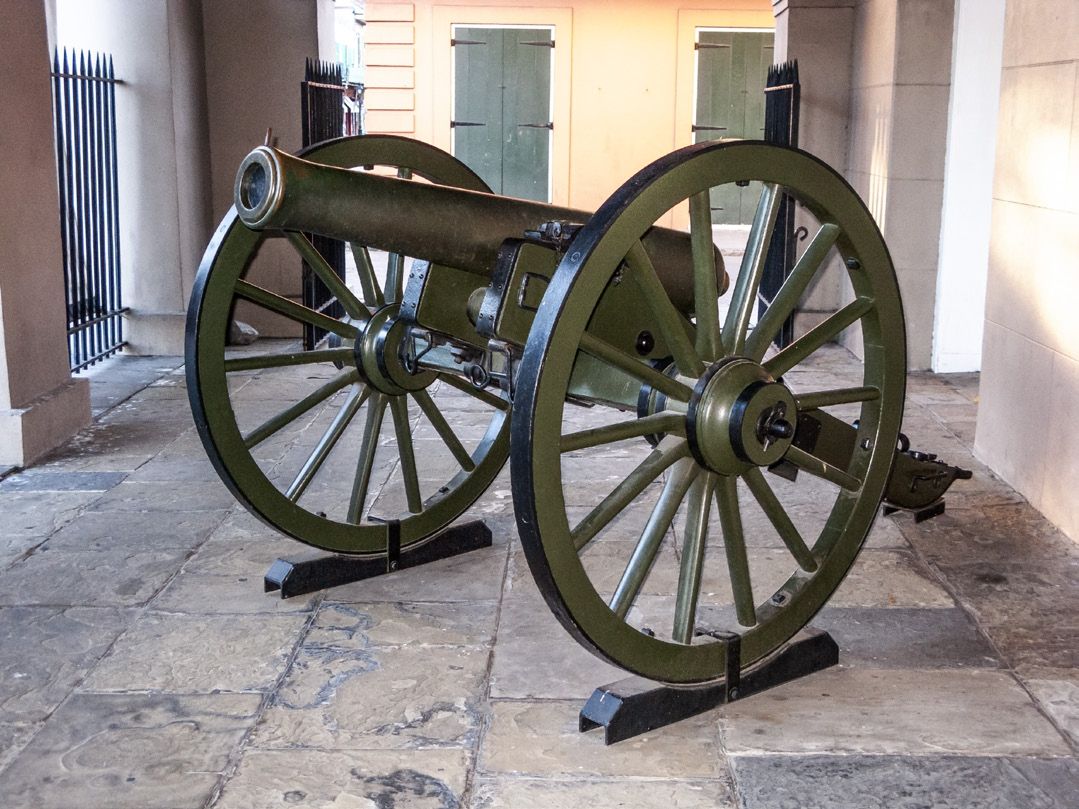
Here: Andrew Jackson’s statue proclaims, “The Federal Union, It Must and Shall Be Preserved.” The statue dates from 1856, and the words were Jackson’s, spoken in 1832 during the Nullification Crisis—but the quote was added to the statue’s pedestal by Union General Benjamin Butler in 1862 as he oversaw the occupation of the city. Butler was not going for subtlety. Here: William Faulkner lived for six months before a sojourn to Paris. He would one day write about the dreams of 14-year-old boys who put themselves on the before-edge of Pickett’s Charge and wonder what the future could hold. There: Ben Butler hung resident William Munford for tearing an American flag from the U.S. Mint. Munford claimed innocence, but a trial convicted him anyway, and Butler hung him outside the Mint “as near as possible to the spot where the crime was committed.” Again, he wasn’t going for subtlety. Now: Oscar Dunn Park, named in honor of America’s first black lieutenant governor, elected in 1868 as part of the Republican wave that brought U.S. Grant to the White House. He died of mysterious circumstances, although a whirl of controversy beleaguered state government at the time. Then: Washington Artillery Park, named in honor of the elite artillerists who came from the city and whose legacy continues on today as the 141st Field Artillery of the Louisiana National Guard. Their monument, once in a park across from Jackson Square, now stands at the 141st’s base at Jackson Barracks. This side of the square: a cannon from the battle of Liberty Place, a September 1874 insurrection that overthrew, for three days, the duly elected Reconstruction government of Louisiana. Former Confederate General James Longstreet, in charge of the state militia, met defeat and disgrace at the hands of the numerically superior White League. They later donated a cannon captured for Longstreet to the state museum for display as a trophy.
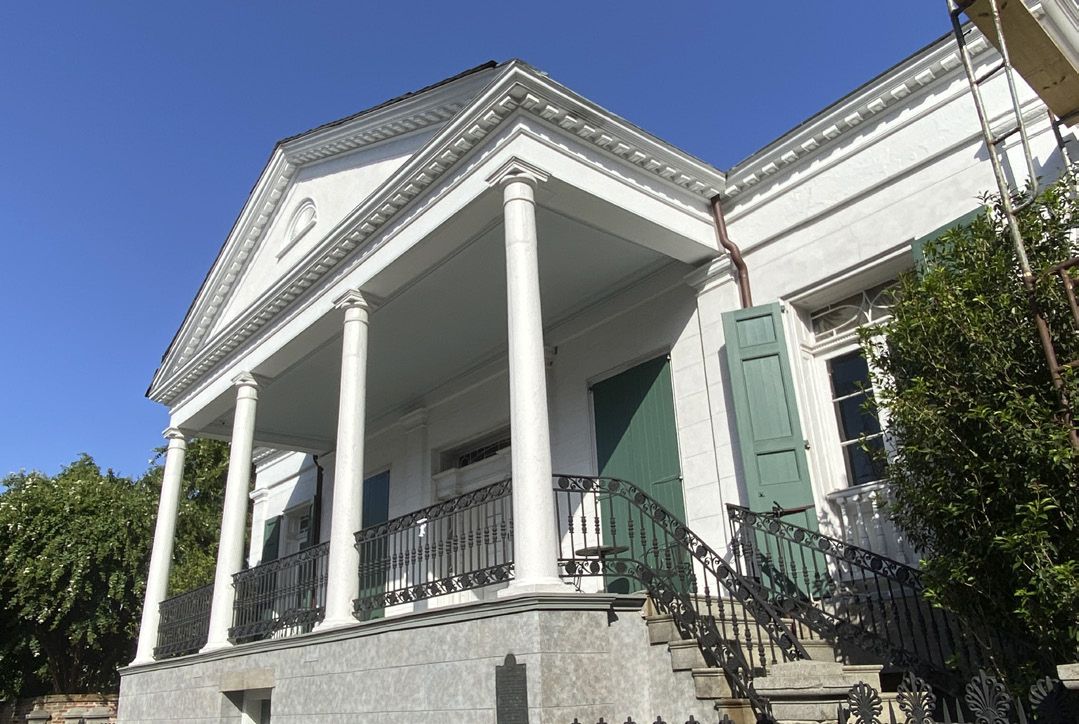
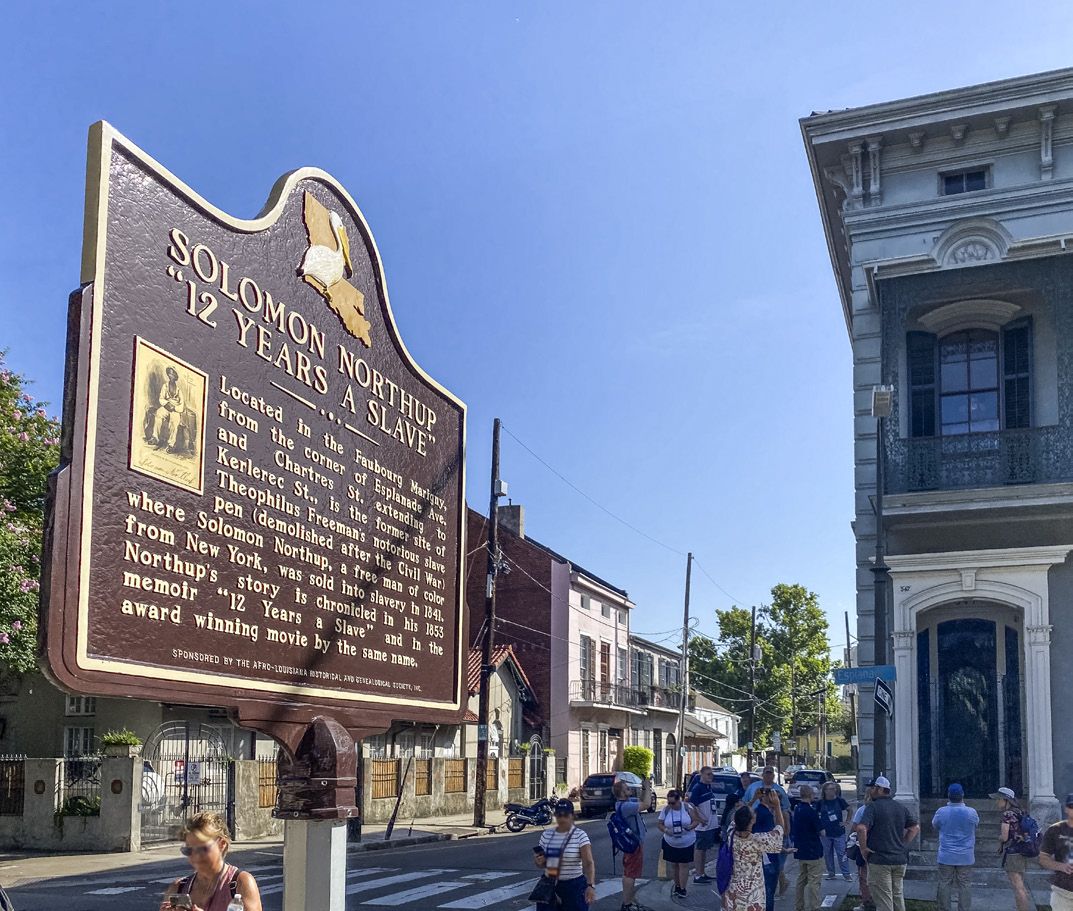
That side of the street: an antebellum home, a courtyard, and a smaller brick building where the enslaved servants lived near the outdoor kitchen. A few houses down: P.G.T. Beauregard’s home, later owned by author Frances Parkinson Keyes, who wrote a novel about Beauregard living in the home, Madame Castel’s Lodger. Life imitates art imitates Beauregard. On the far side of the Quarter, we come to an intersection where a new pair of signs stand sentinel on a median strip of lawn and trees. They are guarding a memory that had been long forgotten but recently rediscovered. The city’s largest slave market once occupied the area. Solomon Northrup, a black man from New York who had been kidnapped into slavery, lived for a short time in one of the houses that stands on one of the intersection’s corners. Northup’s memoir, Twelve Years a Slave, became a movie, which resurrected the lost memories here.
What other stories have we passed, unknown, untold, forgotten or misremembered? What secrets does the Quarter keep? And how about the river, itself a secret, flowing by as plain as day yet harboring depths most observers can’t fathom. The Father of Waters may flow unvexed to the sea, but the Mississippi is vexing unto itself, and powerful, and able to wipe away entire landscapes when the mood strikes it, despite man’s best attempts to levee the river into submission. We reach our bus and its blessed air conditioning by 9:20, a little behind schedule. More adventures await us—the day is still young, after all, despite our early start. But as much as I’ve shared on this morning’s walk, I’m leaving the French Quarter with more unsaid than said. The narrow streets brim with stories and secrets, and they have draped themselves around my neck like Mardi Gras beads, waiting for me to look closer and admire them.