
William G. Shepardson – ‘all-in’ Confederate War Correspondent
By Joan Wenner, J.D. · Originally published March 2024 · pp. 12–13
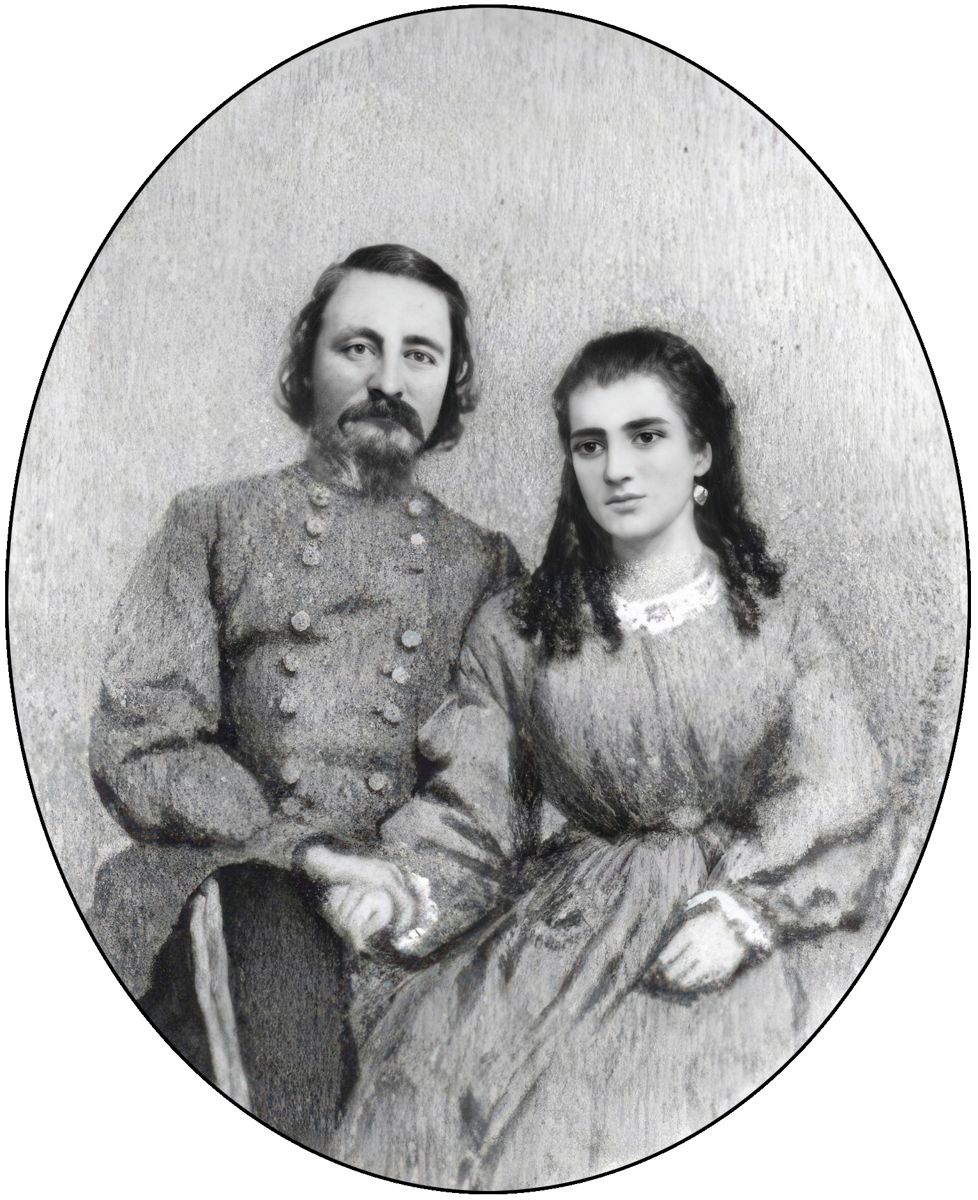
It’s been written that much weighed on the mind of Confederate Major General George Pickett’s mind a few months after Gettysburg, the disaster where one reporter observed he “seemed to lose his snap,” a recent marriage, one of several, plus the responsibility of the North Carolina Department’s independent command. Many in the South were convinced that 1864 was an election year so the North would be open to a negotiated peace including independence for the Confederacy. Thus, in the spring of 1864, efforts to break the Union blockade was a strategic war aim, with the South renewing its struggle to destroy the Federal bases earlier established on the North Carolina coast. Now trusted to lead the New Bern, North Carolina, expedition where U.S. Brigadier General Innis Newton Palmer commanded Federal defenses, Pickett’s men had been holding the woods in front of Fort Totten, the largest of the five Federal forts covering New Bern’s western face. There was uncertainty in the complicated operation; it seemed to be in jeopardy, according to one observer, as he “listened anxiously for the sound of his guns, expecting every moment to hear [Brigadier General Seth Barton] open upon the town in the rear; but the day wore away, and nothing was heard from him. “Great disappointment” was also expressed. Enter veteran Confederate field reporter Dr. William G. Shepardson, who had joined Pickett that evening. He mainly wrote for the Richmond Daily Dispatch under the pen name “Bohemian,” as in the sometimes referenced Bohemian Brigade. An Alabama native noted in Hampton Newsome’s The Fight for the Old North State, January-May 1864, Shepardson traveled extensively in Europe and “routinely placed himself at the scene of danger to gather war news for his eager readers. “A fervent southern nationalist, he reportedly enjoyed cigars, history, and Shakespeare. First as a physician with the Confederacy, he filed stories from many battlefields beginning with Manassas; his last dispatch from the Confederate army came on January 3, 1862, as they went into winter quarters. In The South Reports the Civil War, “Bohemian,” referred to some correspondents who styled themselves the Bohemian Brigade for their profiteering tactics in the demanding low wage job. Shepardson may have had other reasons. As an aside, it was estimated that fewer than 10 of those 500 outlasted the whole war. He next reported on the fighting at sea, spending considerable time on the ‘notorious’ cruiser Tallahassee and its seizure of numerous U.S. Navy vessels in 1864. In the early summer of 1864, the self-labeled ‘swashbuckling’ journalist accompanied Commander John Taylor Wood, formerly a lieutenant on the CSS Virginia, on naval commerce raiding, blockade-running, and highly successful expeditions aboard the English-made, highspeed twin-screw steamer Atlanta, a vessel later purchased by the Confederacy and renamed CSS Tallahassee. There he set aside his pen to employ his surgeon’s skills on Wood’s wounded sailors as necessary.
Arrival at General Pickett’s Headquarters Traveling south on an evening outside New Bern, he navigated down the Neuse River from Kingston, whereupon, leaving the ship, he somehow made his way to Pickett’s headquarters. He was struck by Pickett’s anxiety waiting for news and described him “standing under a tree; In full sight of the town and its fortifications…looking anxiously towards the Trent, twirling his sword knot.” Once the day was over, Shepardson noted, “the General looked more perplexed than ever and twisting his sword knot more rapidly…” After subsequently disposing of the troops for the night, he again wrote his twentyyear-old wife LaSalle “Sallie” Corbell Pickett, whom he married two months after Gettysburg, of the ‘unbearable torture’ and ‘impatience’ with still no guns sounding. Later in his official report, he complained about other parties failing to attack and complaining we were making the fight single-handed. Rumors swirled around the state. Later, Shepardson was back with Wood. The subsequent battle with the Union’s Underwriter was said to be, in Shepardson’s estimation, hotter than he had witnessed during the war. He received a slight head wound as he boarded the Underwriter and later reported on its capture and destruction. As for William Shepardson, in a report to his Richmond newspaper, he commented that at least there was the “cutting out of a gunboat under Yankee batteries” as one bright spot in the South’s struggle at New Bern. Various other newspapers picked up portions of his Richmond Dispatch reports, such as the The New South in Port Royal, South Carolina, since the Dispatch was the Confederacy’s most prominent newspaper and located near the scenes of many major battles. Despite reports of North Carolinian ‘unhappiness,’ Shepardson declared after returning from the New Bern expedition that wherever he went, the people were loyal and true to the Confederacy and noted there were too many ‘false tales circulating about growing dissatisfaction. ‘However, it was remembered that the Federal missteps at New Bern were reported as minor by the Union press compared with “the rebel failures.” The fact remained that Pickett’s actions were hampered, he believed by Barton. who complained that the “press and common rumor have been kept busy in casting censure upon my course.” Barton requested a court of inquiry. After reading Pickett’s damning report and a request for an investigation, Barton again demanded an opportunity to clear
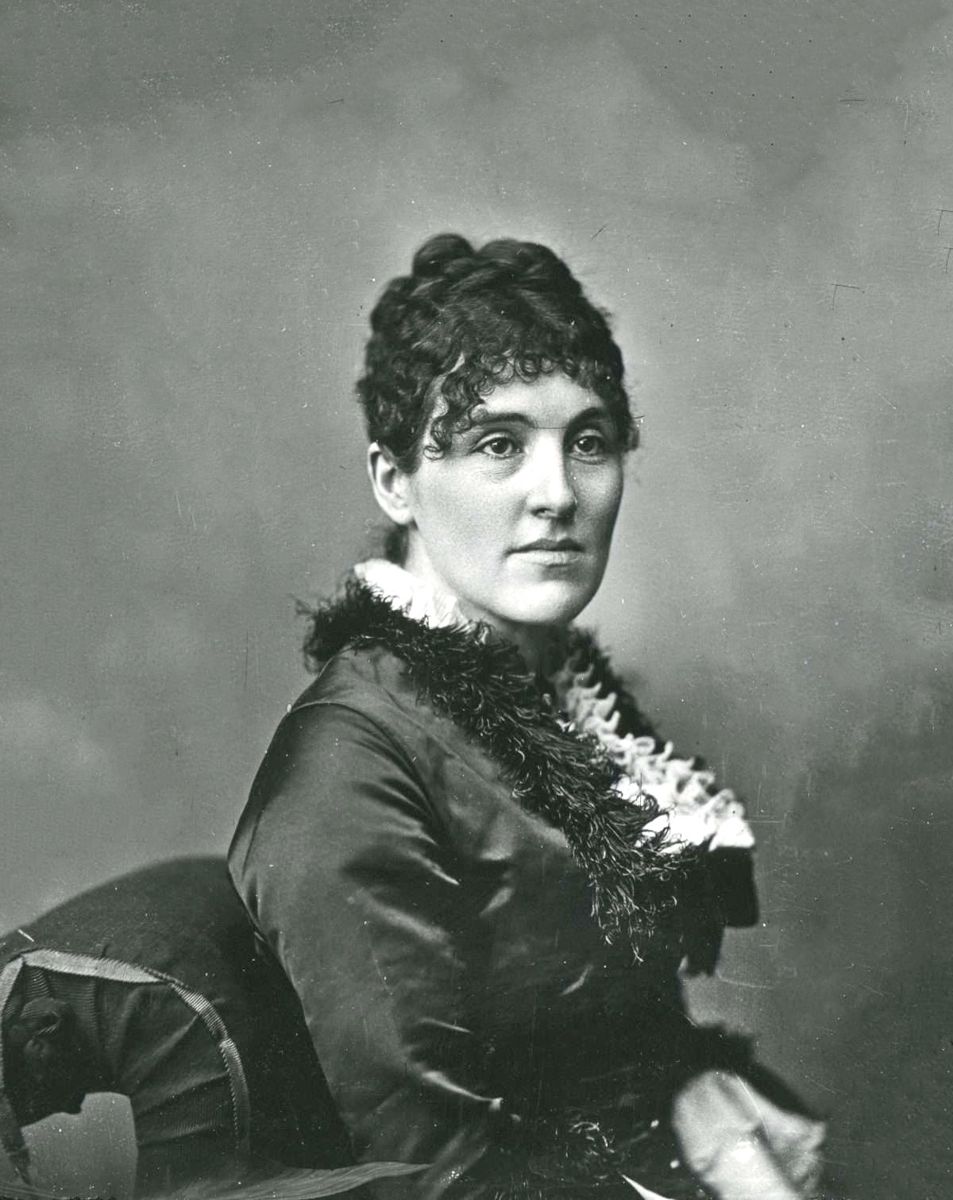
Unlike most newspapers throughout the North, those in the South were constantly under threat of Union occupation with editors and reporters taken as prisoners when Federal troops seized large chunks of territory. Reporters on both sides largely depended upon officers be it on land or sea, for necessities. Frequent displeasure by those in overall command did not, as a rule, stop reporters from war coverage. One reporter from London echoed many, saying, “People have become so accustomed to believing everything that is stated in American papers that all confidence in us is destroyed.” Nonetheless, with vendors commonplace, and practically every fighter anxious to read the latest news, the sale of popular newspapers was very profitable. Even in the South, news found its way to the most isolated settlements, although taking a few weeks. Historians agree that much “news” was unreliable, exaggerated, misrepresented, or simply wrong. Stories were sometimes censored when they might cast an unflattering light on the government, leading some to exclaim some were ‘epic masterpieces of fiction. ‘Victories were greatly highlighted and retreats were usually characterized as a “retrograde movements.” Operating with small staffs, Southern newspaper pages mixed news, opinion, speeches, political arguments, propaganda, civic announcements, and commercial advertisements. Editors to whom dispatches were sent had to be ‘Jack of all trades’ in the business of publishing and then dealing with newsprint and ink becoming more and more scarce. After many editors and reporters had to sign a loyalty oath to “faithfully defend” the U.S. Constitution, it was on to another tumultuous period, Reconstruction. Some commentators observed that the most honest war correspondents did not ignore problems within the military or the when they became apparent. William G. Shepardson was one. While some of Shepardson’s post-War activities may be lost to history, his words as noted in Bruce Catton’s Never Call Retreat, Vol. 3, “…the right of the people to criticize firmly and fearlessly the acts of those charged with the administration of the Government, also those of all their civil and military subordinates…: “the right of free speech has not passed away…and have, then, still a free press.”
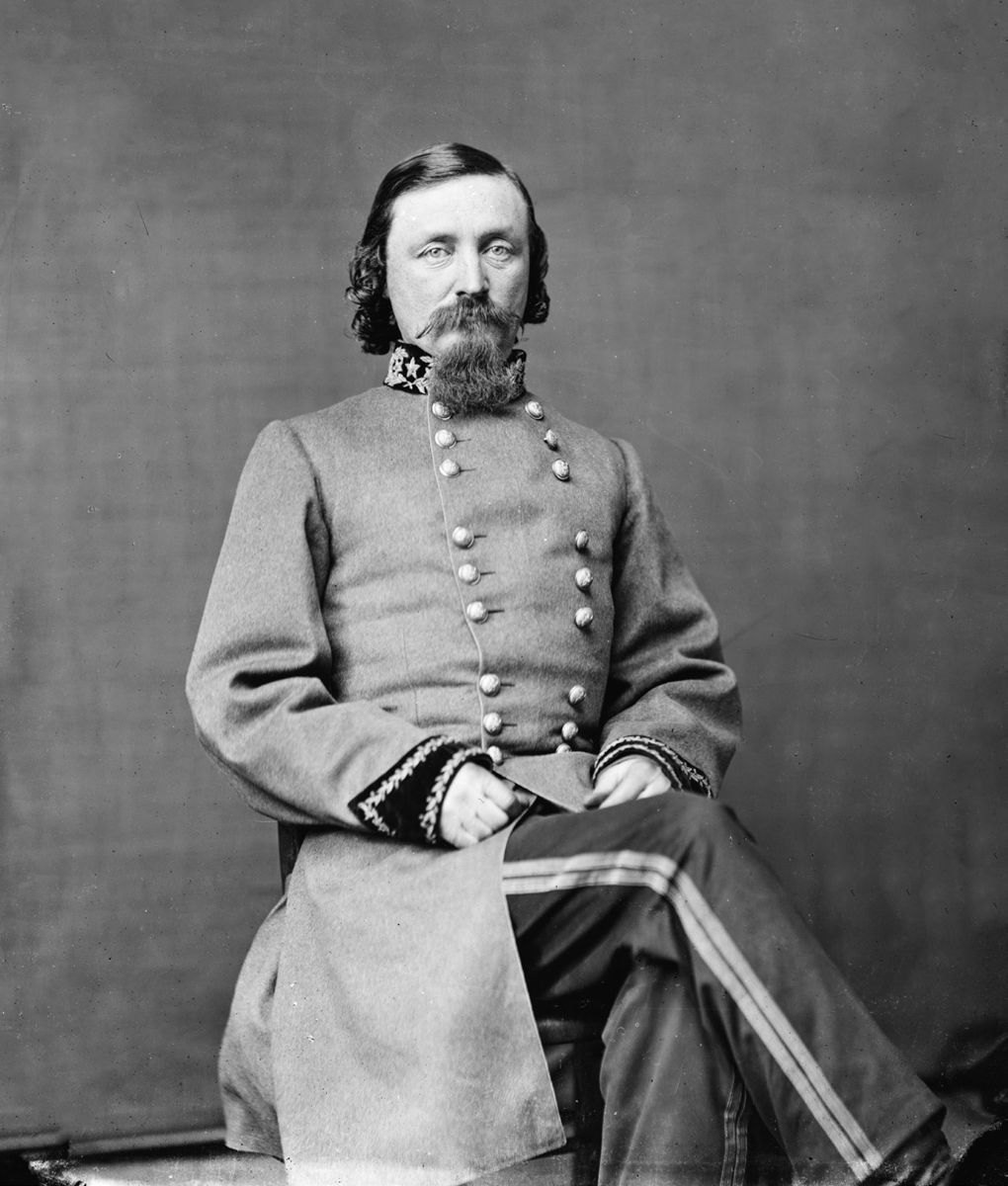
CivilWarNews.com his name, and a court-martial was convened. For some reason, the War Department canceled the inquiry, although, after the war, the general opinion was that his performance at New Bern was a failure. Pickett again wrote “Sallie” of his acute displeasure with Shepardson’s reporting of the sword knot twirling and nail-biting with the Northern newspapers piling on. On April 15, 1864, an order from Richmond removed Pickett and replaced him with P.G.T. Beauregard.
Joan Wenner, J.D. has a law degree and is a longtime contributor having a special interest in Civil War maritime topics and researching historical figures. A native New Yorker, she is based in eastern North Carolina. Comments are welcomed at joan_writer@ yahoo.com.