
Critic’s Corner
John McElroy’s Andersonville Memoir (1879)
By Stephen Davis · Originally published March 2024 · pp. 18–21
During one of the intensely hot days of last week, more than three hundred sick and wounded Yankees died at Andersonville. We thank Heaven for such blessings. A curious calculation has passed through our mind, based on this information. We find that this would make 1800 feet, equal to 600 yards, or more than a quarter of a mile of dead Yankees. A procession of wagons, one to each man, reckoning 20 feet to the wagon, would make a line 6000 feet or more than a mile long. To bury them side by side, would require a trench 600 feet long, equal to 200 yards, 7 feet wide and five feet deep. It would require 120 men to dig the graves. 200 carpenters to make boxes. 25 drivers to the wagons. 25 assistants to bury them. 25 wagons to haul them. 40 mules to pull them.
It would require 6 good steam saw mills constantly running, to furnish sufficient lumber to make the coffins, reckoning the work of each mill at 2500 feet per day. At 50 feet to each coffin the sum total would be 15,000 feet. To the funeral cortege we will allow for charity’s sake, 00000000 mourners.1
Thus did the Atlanta Daily Intelligencer on August 19, 1864, celebrate the horrendous mortality among Union prisoners confined at Camp Sumter, the Confederate prison facility near Andersonville, a hundred miles southwest of Atlanta. It thus cannot be said that wartime Southerners were unaware of what was going on at one of the conflict’s deadliest prisons. Indeed, amidst the intense passions prevalent in the war’s now-third year, celebrating dead enemy soldiers could be understandable, if today morally reprehensible. The war was not even over when prisoners of war of both sides began writing lurid accounts of fiendish mistreatment at the hands of their captors.2 If the South had Andersonville, the North had Elmira, whose 24 per cent death rate exceeded that of Camp Sumter.3 To Americans riled with wartime hatred of the enemy, reading about shocking prison conditions stoked intense passions anew. Yet newspapers such as the New York Times and Richmond Dispatch accused their governments of coddling enemy POWs.4 Vengeful partisans could even take satisfaction that so many enemy soldiers died in confinement. (Historians count 30,000 Northern, 26,000 Southern.5) Thus the literary stage was set for ex-Rebels and former Yankees to tell harrowing stories of their captivity. Decimus et Ultimus Barziza (one of the war’s great names) wrote of his stay at Johnson’s Island in 1865.6 Willard Glazier’s The Capture, the Prison Pen, and the Escape came out the next year, relating how, after his escape from a South Carolina encampment, blacks helped guide him to safety.7 The Andersonville bookshelf starts with Eugene Forbes, Diary of a Soldier (1865) and includes the memoir by Warren Lee
Goss of the 2nd Massachusetts Heavy Artillery (1867).8 The Southern Side: or Andersonville Prison (1876), by R. Randolph Stevenson, shows that just a decade after Appomattox, Northerners and Southerners were arguing about Andersonville mortality and who was to blame; Stevenson was in charge of the prison hospital in August 1864.9 In steps John McElroy’s Andersonville.10 McElroy was born in Kentucky in 1846. He was living in St. Louis working as a printer’s apprentice when the war broke out. Though just sixteen in 1863, he enlisted as a private in the 16th Illinois Cavalry. In a skirmish in southwestern Virginia, January 1864, he was captured, sent to Richmond, and for a short while was imprisoned there. In February he was one of the first Union captives to be transferred to the brand-new Rebel stockade near Andersonville. He suffered through the terrible summer of 1864, committing to memory the harrowing captivity he would later write about. McElroy was transferred that October to a new Rebel prison in southeast Georgia, then to several others before the war ended. Afterward he moved to Chicago and resumed printing work before resettling in Toledo, Ohio, where he became an editor of the Toledo Blade. In 1884 he moved his wife and family to Washington. There he became managing editor, then proprietor of the National Tribune, the weekly paper dedicated to publishing Union soldiers’ recollections.11 As a writer John McElroy was quite eclectic. A novel, The
Red Acorn (1883), follows the Army of the Cumberland’s First Division, Fourteenth Corps through Stones River.12 In 1896 McElroy’s History of Slavery in the U.S. explained that cotton was languishing in the South when Eli Whitney invented his cotton gin, whereupon “Southerners became ravenous for slaves and cotton lands.”13 The novelist and historian turned sociologist with The Economic Functions of Vice (1908). Chronic alcoholism, he argued, was actually good for society, as it killed off its “misfits, defectives, and rejects.” Moreover, without vice to thin the numbers of even ambitious, driven men, society’s upper strata would become so crowded that the middle and lower classes would cease striving to get there; then would “stagnation follow, and society perish from congestion.”14 McElroy also wrote The Struggle for Missouri, which his National Tribune Company published in 1913. It chronicles the war in Missouri from Nathaniel Lyon’s capture of Camp Jackson outside of St. Louis to the Federal victory at Pea
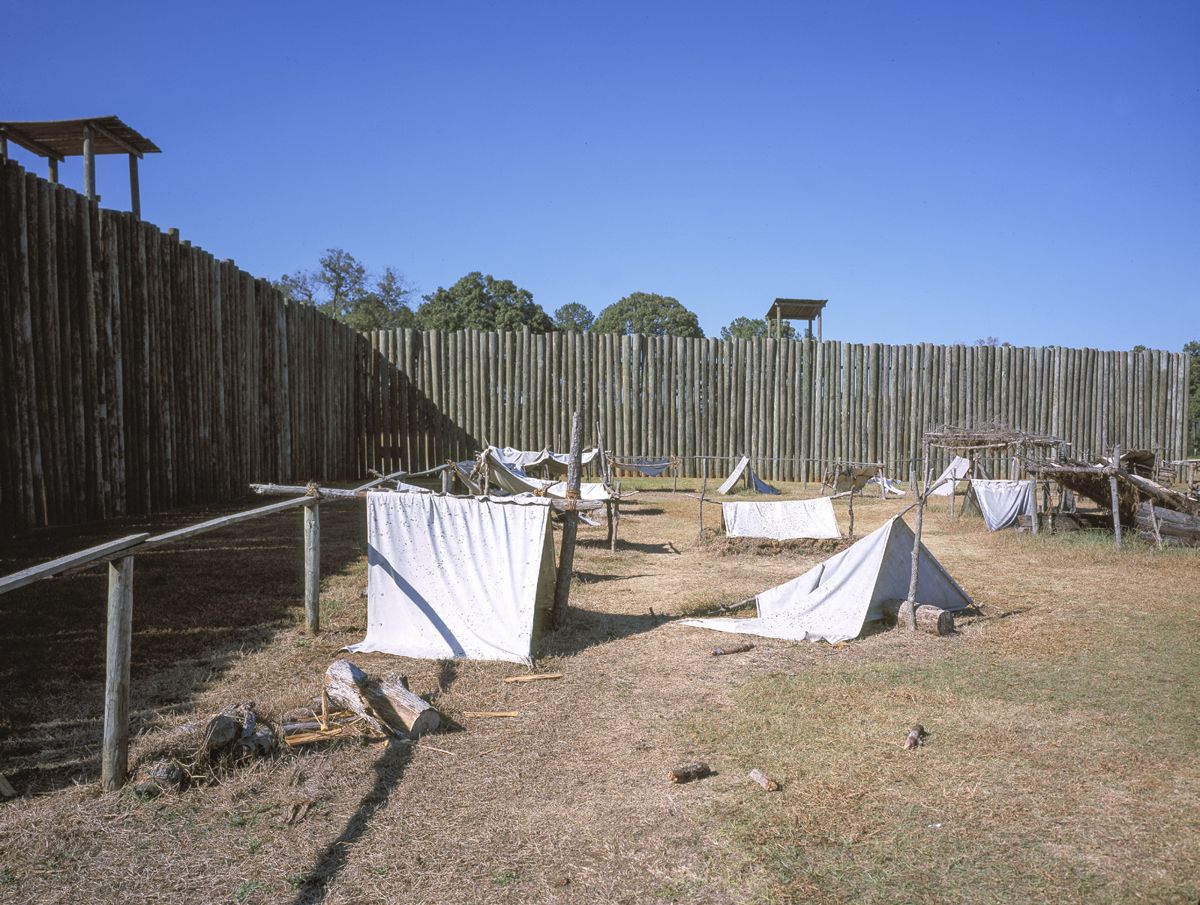
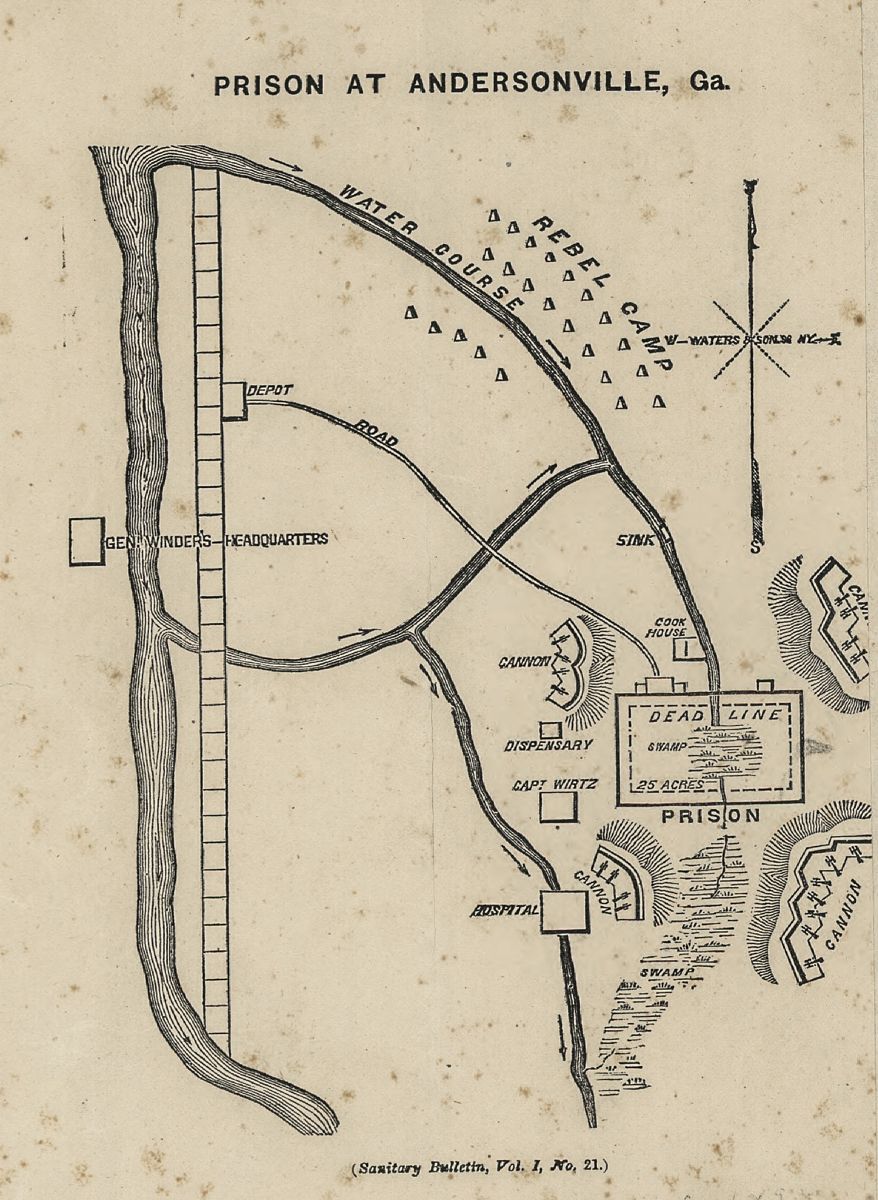
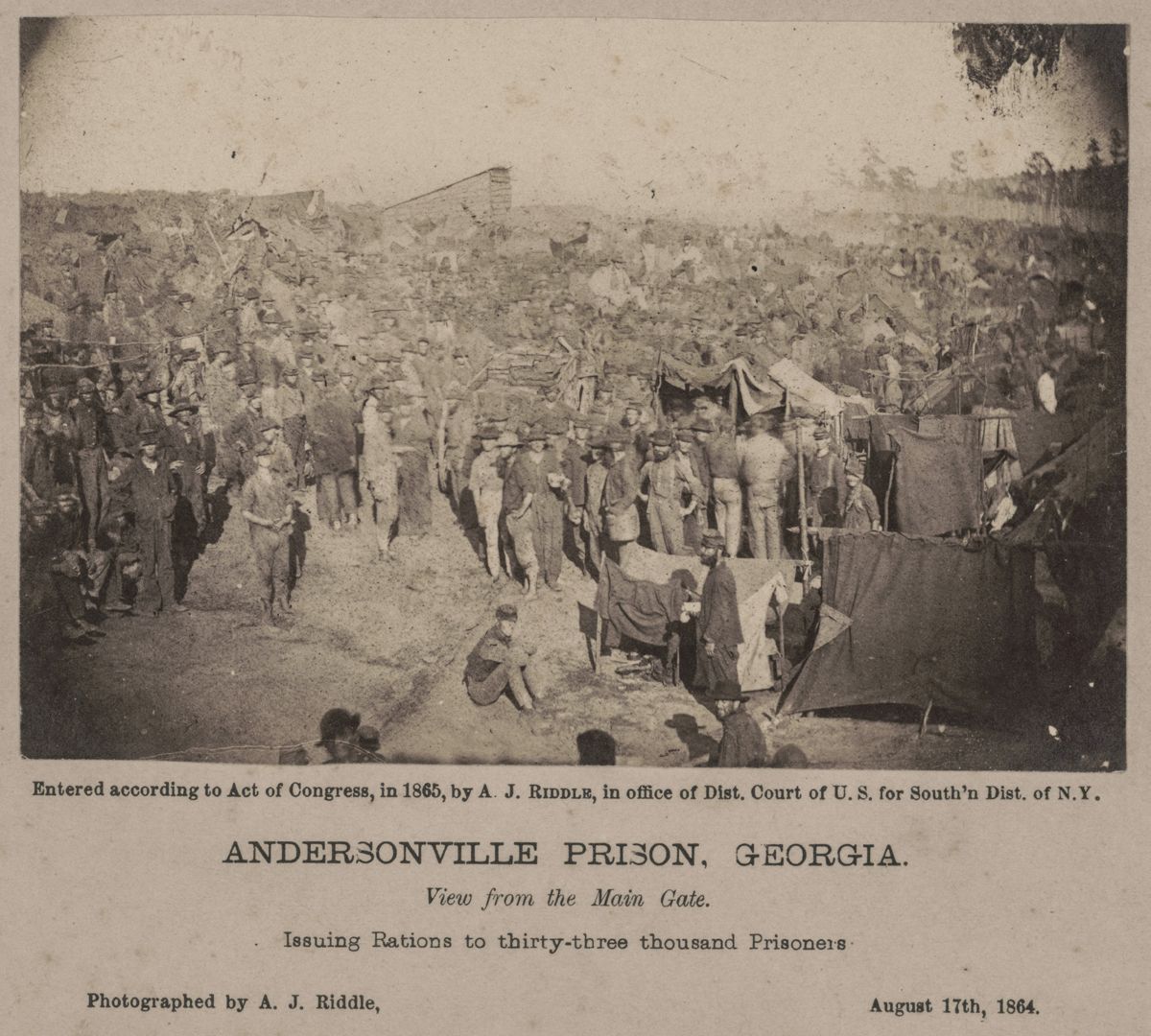
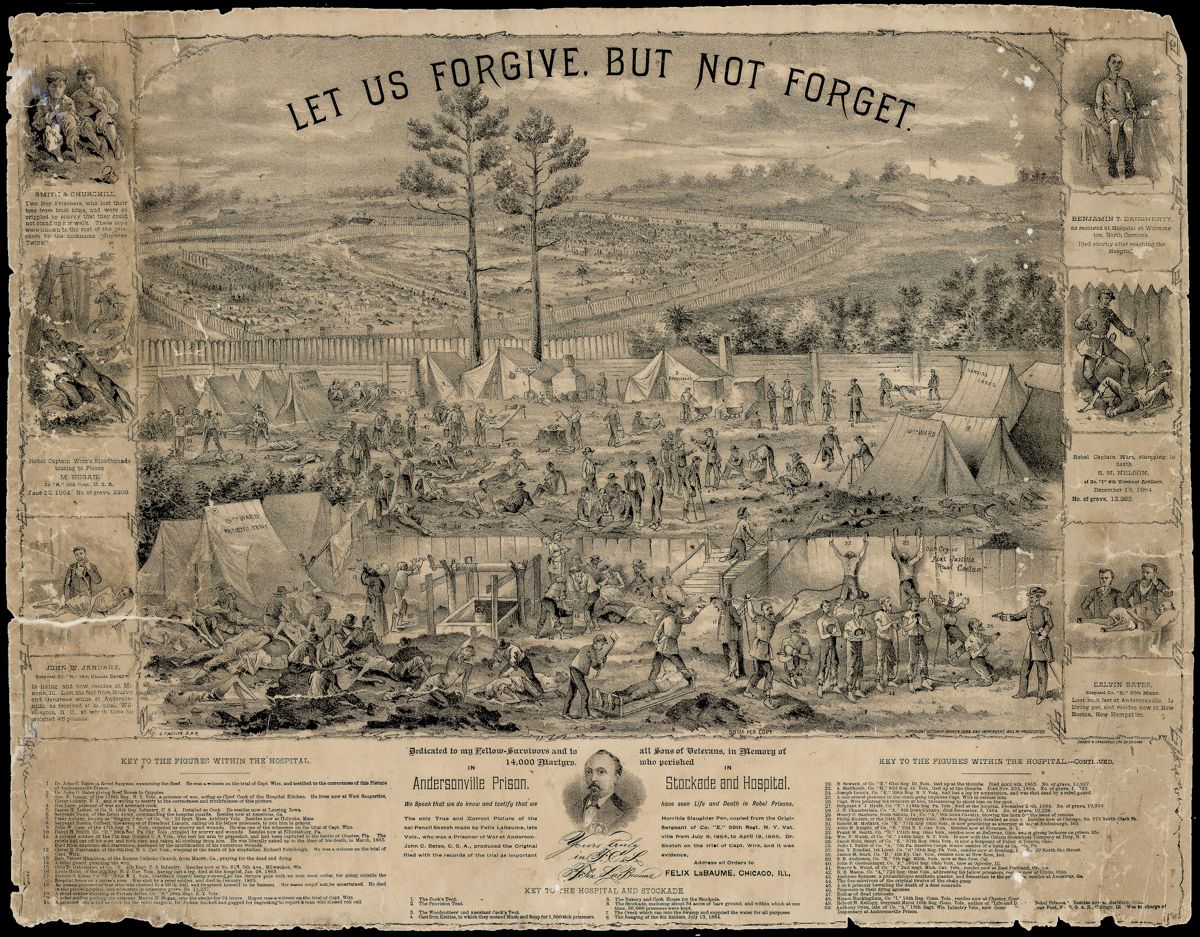
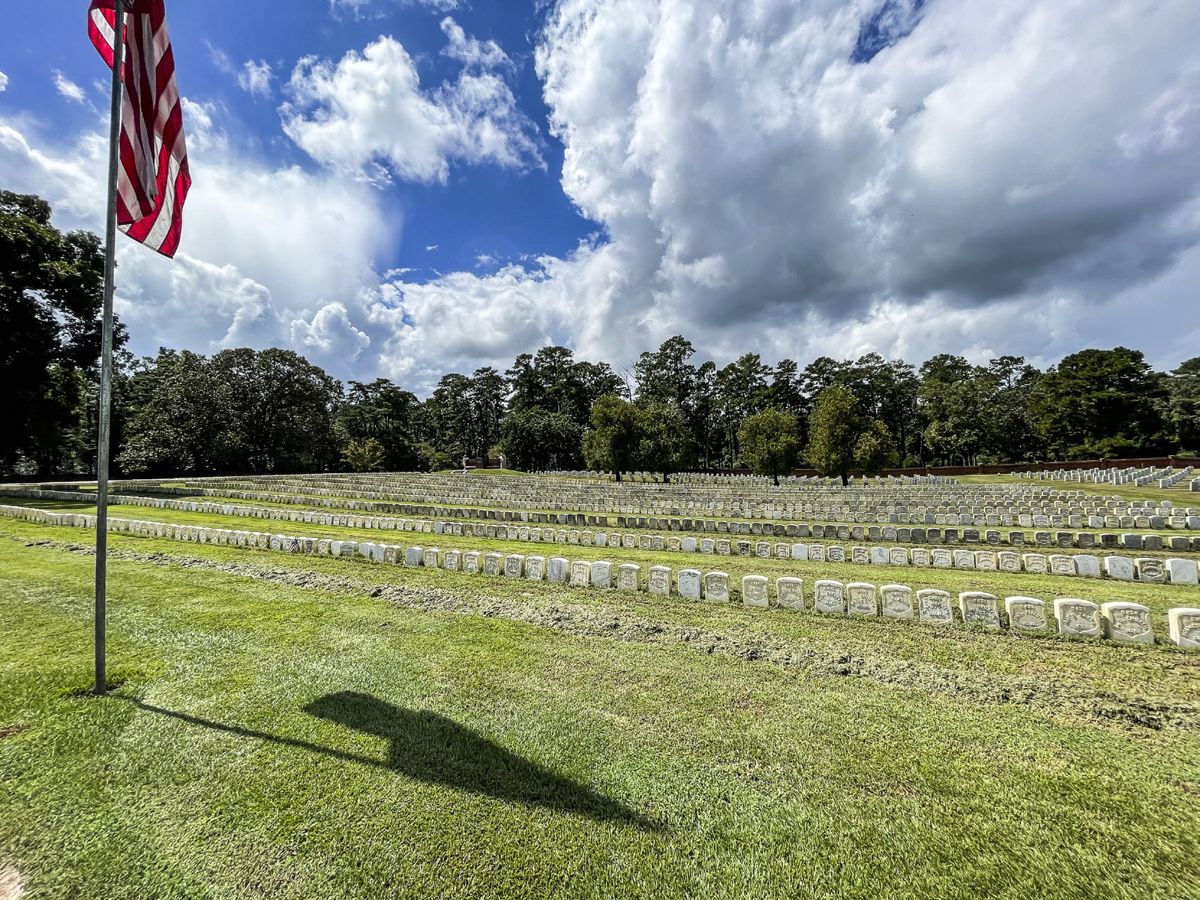
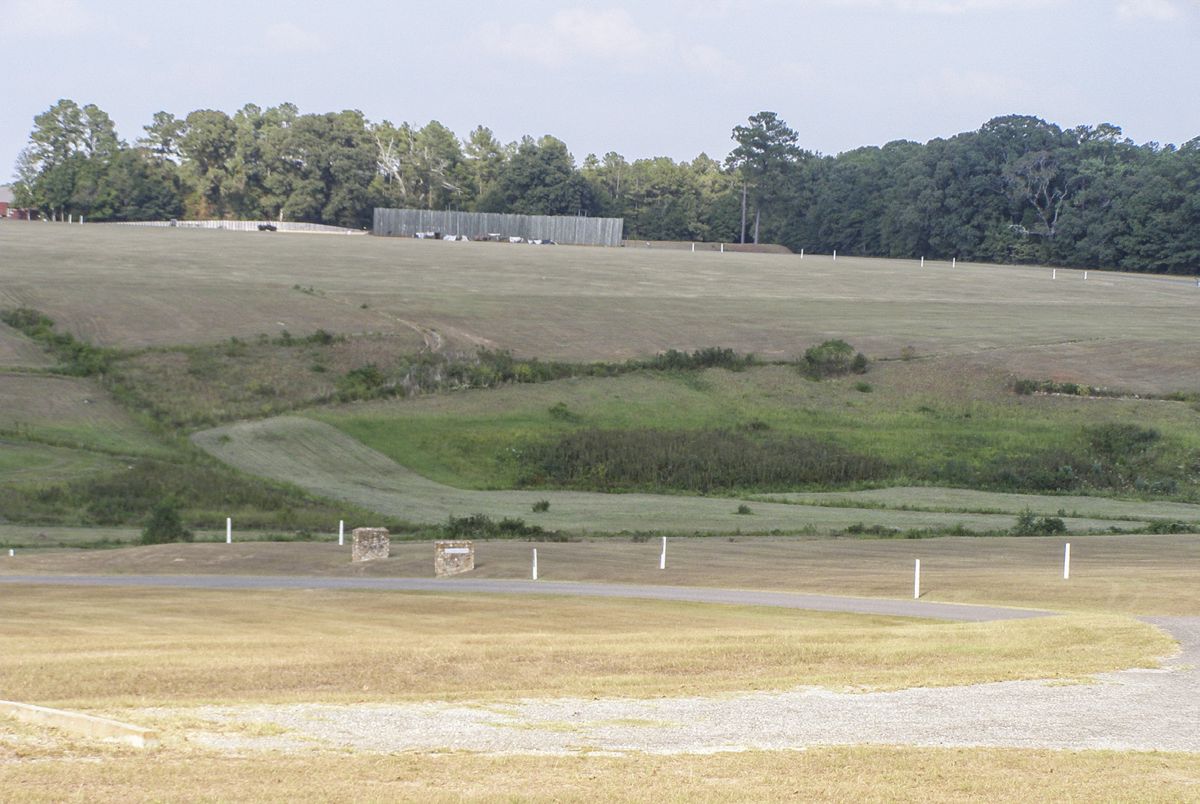
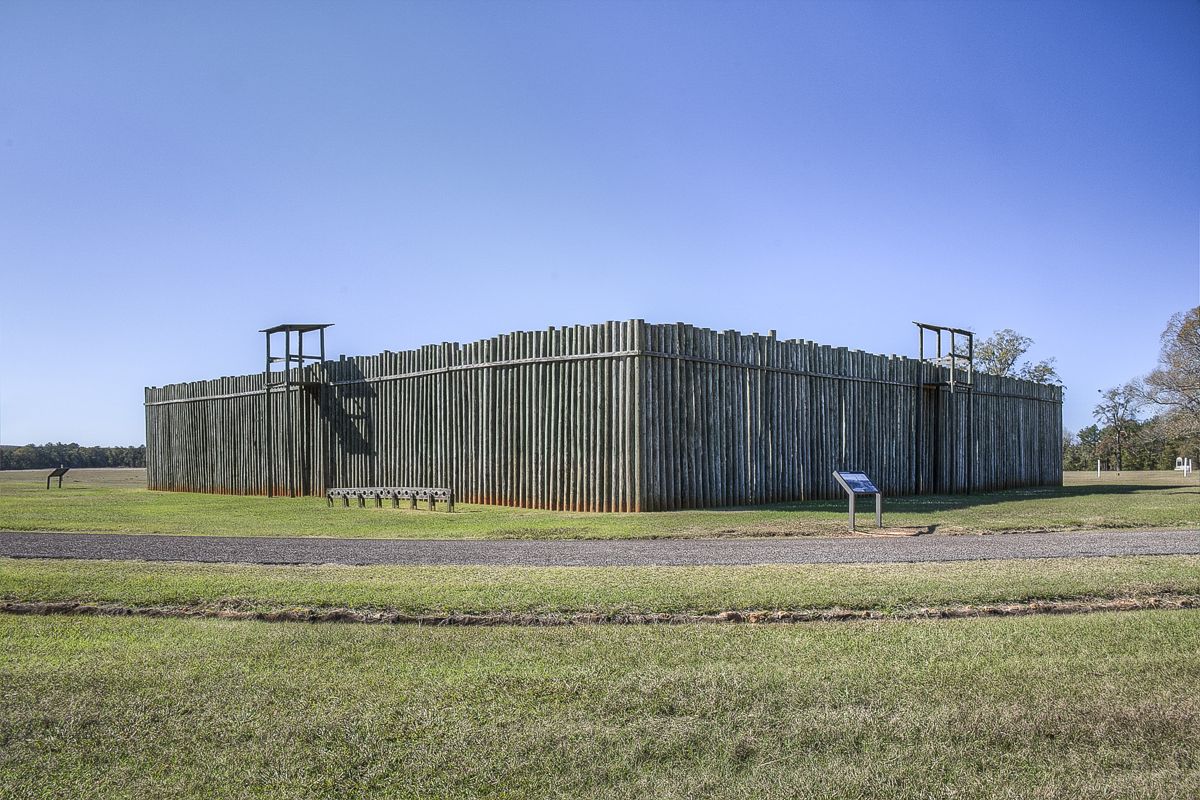
CivilWarNews.com Ridge. My copy has several fullcolor illustrations, a considerable publisher’s expense, showing McElroy’s dedication to his work.15 John McElroy died in 1929 at the age of eighty-three, but it is for his Andersonville memoir that he is best remembered today. It was reprinted by the National Tribune’s Washington publishing company in 1899.16 A more recent edition is Roy Meredith, ed., This Was Andersonville (New York: McDowell, Obolensky, 1957). In 1962, during the Centennial, Fawcett Publications turned out another edition, this one abridged by Philip Van Doren Stern, which is the text I have read.17 It must be noted that the judicious William Marvel, author of Andersonville: The Last Depot (1994), doesn’t think much of McElroy’s work. Though he terms McElroy “the poet laureate of the prison,” Marvel judges McElroy’s text “a generally unreliable source.” To be sure, the former prison inmate exaggerated for dramatic effect in his book, but Stern (1900– 1984), author of works on Civil War soldier life and other topics, regards McElroy’s memoir as a “reasonably accurate… record of things seen and observed at first hand.”18 Besides, I find it to be a good read. McElroy writes about prisoners’ “monotonous, objectless routine,” the daily repetition of drawing and cooking rations, scrounging for wood, reporting for roll call and picking lice—a dreary process that he calls “torturing,” with the implication that it was literally deadening as well. He is astute in describing the scanty rations of bad food; relating the diarrhea, bronchitis, pneumonia and other killers; chronicling the pitiful descent of new inmates (“fresh fish”) into depression, disease and, for many, death. Writing with both Victorian modesty and eyewitness detail, he tells us how the prisoners’ only water source, a stream entering the stockade from the west, had already been fouled by the guards’ excrement. More often than not, sick soldiers reported to the prison hospital to wither and die. And he does it all in a style at once sophisticated, readable… and blood-curdling. He writes here of “a handsome young sergeant of an Illinois Infantry Regiment captured at Kennesaw”: His left arm had been amputated between the shoulder and elbow, and he was turned into the Stockade with the stump all undressed, save the ligating of the arteries. Of course, he had not been inside an hour until the maggot flies had laid eggs in the open wound, and before the day was gone the worms were hatched out, and rioting amid the inflamed and supersensitive nerves, where their every motion was agony. Accustomed as we were to misery, we found a still lower depth in his misfortune, and I would be happier could I forget his pale, drawn face, as he wandered uncomplainingly to and fro, holding his maimed limb with his right hand, occasionally stopping to squeeze it, as one does a boil, and press from it a stream of maggots and pus. I do not think he ate or slept for a week before he died. I used to read this passage to my high school students back when I taught. Immediately and collectively they would respond with a loud “EWWWWW!!!” Come to think of it, I bet that John McElroy would be pretty pleased knowing that his memoir could still elicit such a visceral response. Andersonville Prison Today (Library of Congress) Andersonville Prison entrance.
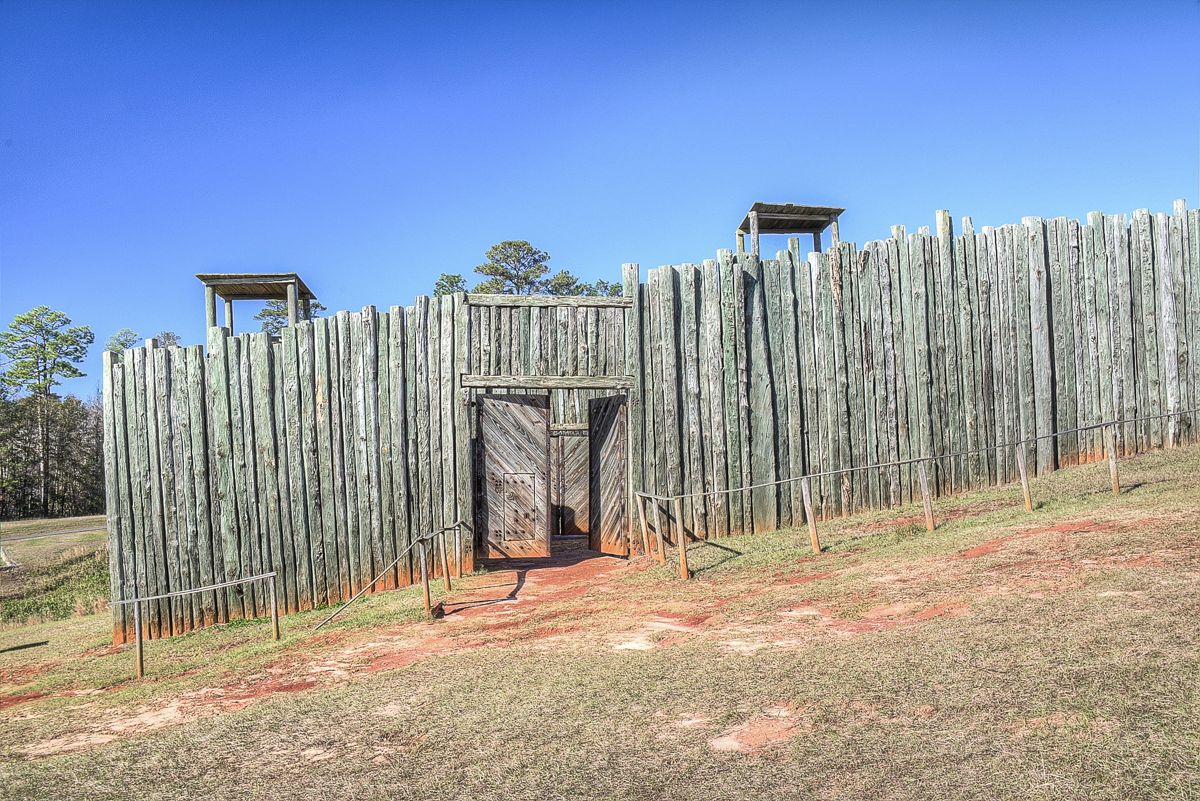
Andersonville Prison site.
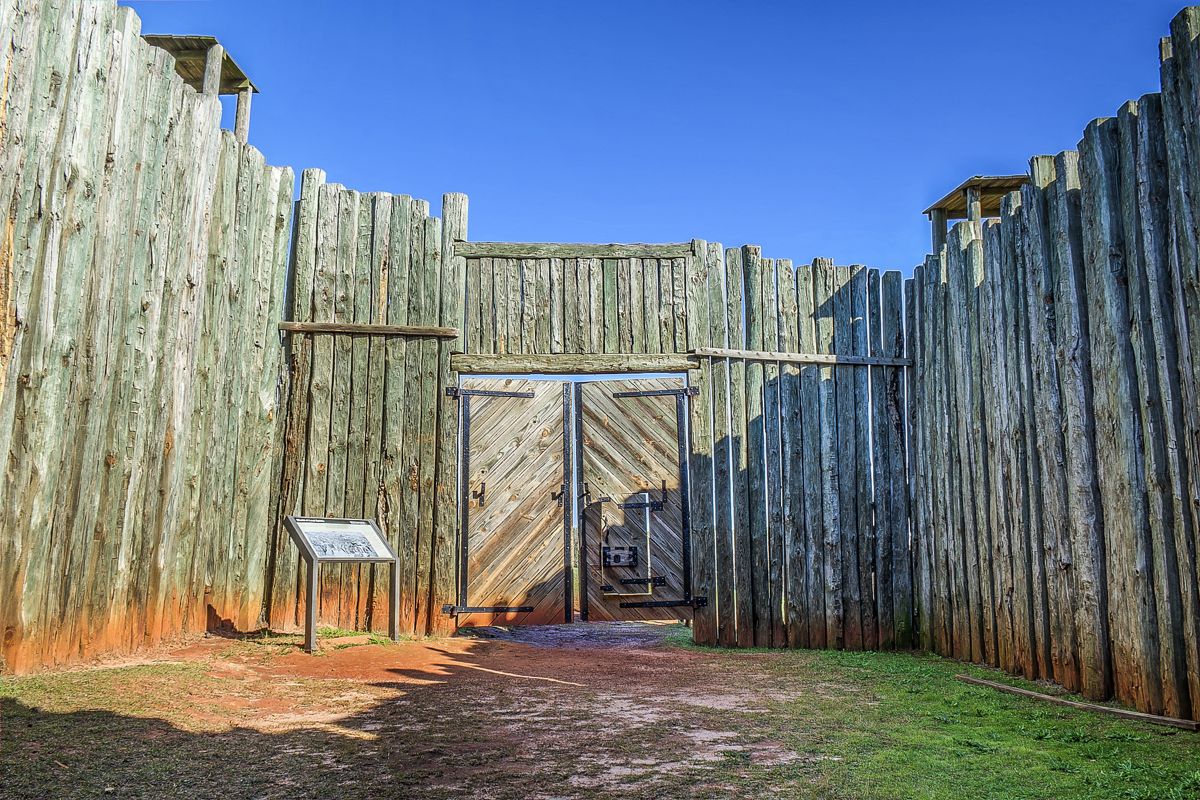
Andersonville Prison Stockade.
Endnotes 1.
“DEAD YANKEES AT ANDERSONVILLE,” Atlanta Daily Intelligencer, Aug. 19, 1864 (front page). William B. Hesseltine, “Civil War Prisons—Introduction” in Hesseltine, ed., Civil War Prisons (Kent: Kent State University Press, 1962), 5. James I. Robertson, Jr. “The Scourge of Elmira” in Hesseltine, ed., Civil War Prisons, 80. Lonnie R. Speer, Portals to Hell: Military Prisons of the Civil War (Mechanicsburg PA: Stackpole Books, 1997), xviii-xix. Robertson, “The Scourge of Elmira,” 80. Decimus et Ultimus Barziza, The Adventures of a Prisoner of War, 1863–1864 (Austin: University of Texas Press, 1964 [1865]); Speer, Portals to Hell, 143. Speer, Portals to Hell, 233. Eugene Forbes, Diary of a Soldier and Prisoner of War in the Rebel Prisons (Trenton NJ: Murphy & Bechtel, 1865); Warren Lee Goss, The Soldier’s Story of His Captivity at Andersonville, Belle Isle, and Other Rebel Prisons (Boston: Lee and Shepard, 1867). Ovid L. Futch, History
CivilWarNews.com of Andersonville Prison (Gainesville: University of Florida Press, 1968), 101. 10. John McElroy, A Story of Rebel Prisons, Fifteen Months a Guest of the So-called Southern Confederacy. A Private Soldier’s Experience in Richmond, Andersonville, Savannah, Millen, Blackshear and Florence (Toledo: D. R. Locke, 1879). 11. Richard A. Sauers, “Introduction” in The National Tribune Civil War Index: A Guide to the Weekly Newspaper Dedicated to Civil War Veterans, 1877–1943, 3 vols. (El Dorado Hills CA: Savas Beatie, 2018), vol. 1, viii. 12. John McElroy, The Red Acorn: A Romance of the War (Washington: National Tribune Co., 1883). 13. John McElroy, History of Slavery in the U.S. (Washington: National Tribune Co., 1896), 8. 14. John McElroy, The Economic Functions of Vice (Washington: National Tribune Co., 1908), 30-31. 15. John McElroy, The Struggle for Missouri (Washington: National Tribune Co., 1913). 16. William Marvel, Andersonville: The Last Depot (Chapel Hill: University of North Carolina Press, 1994), 319.
- Philip Van Doren Stern, ed., Andersonville: A Story of Rebel Military Prisons (Greenwich CT: Fawcett Publications, 1962). 18. Marvel, Andersonville, 256; Stern, ed., Andersonville, ix. Stephen Davis writes from Cumming, Ga. As undergraduate at Emory he took the Civil War class taught by the late, great Bell Irvin Wiley. He still remembers how Dr. Wiley, standing at the lectern, jingled the coins in his pocket as he addressed the always-packed classroom. Once Wiley mentioned Faulkner’s acclaimed Southern novels and asked who knew the fictional setting of them in north Mississippi. Sitting in the back corner, he raised his hand: “Yoknapatawpha County.” “Can you spell it?’ asked the professor. Steve’s ability to do so drew applause from the class. Dr. Davis’ latest book, written with longtime Atlanta newspaperman Bill Hendrick, is The Atlanta Daily Intelligencer Covers the Civil War (University of Tennessee Press, 2022). The work has received the Fletcher Pratt Award given by the Civil War Round Table of New York, as well as the Richard Barksdale Harwell Book Award of the Atlanta Civil War round Table.