
“An Exciting and Brilliant Affair:” The Third Crossing at Fredericksburg
By Tim Talbott · Originally published March 2024 · pp. 24–25
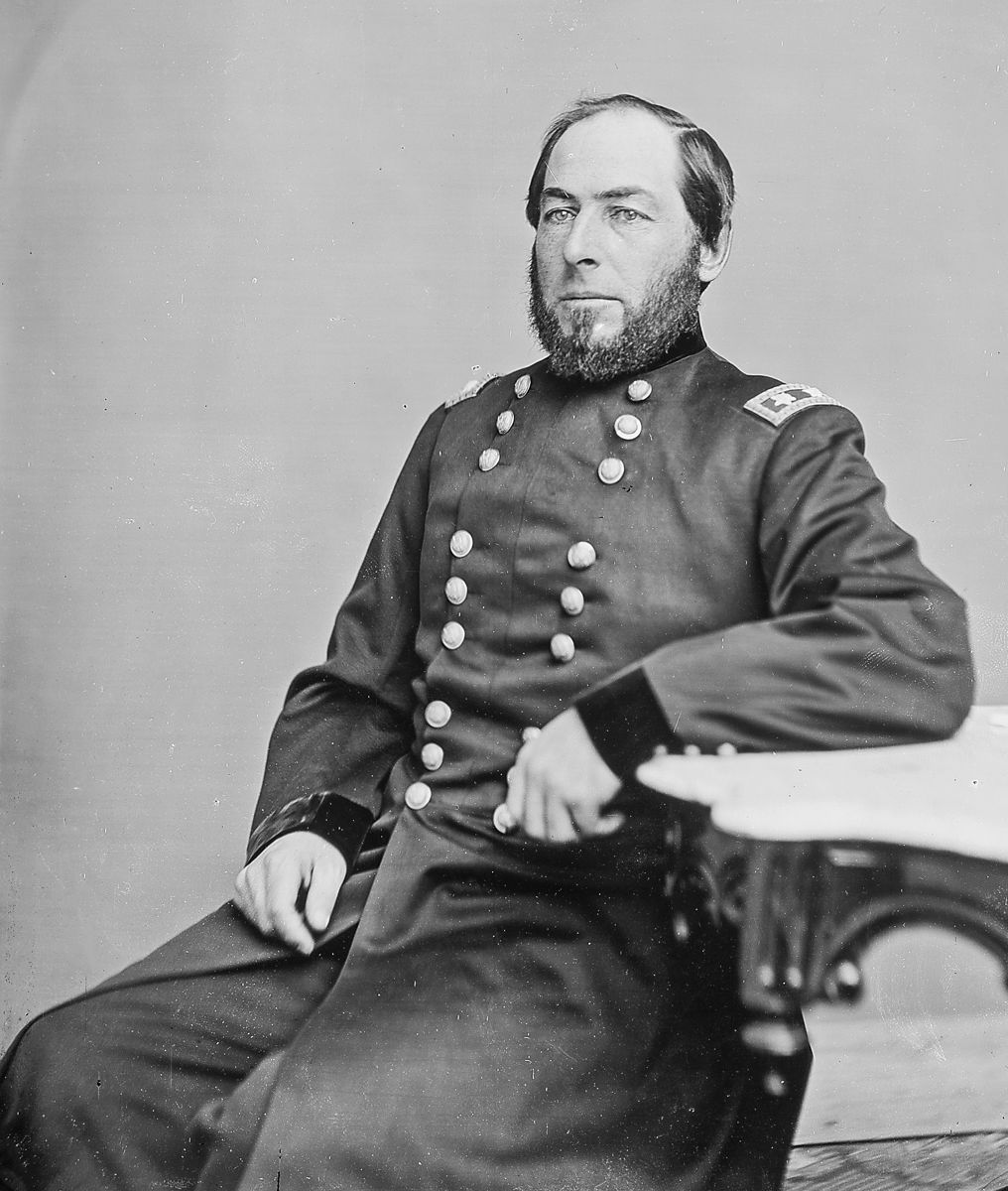
“An Exciting and Brilliant Affair:” The Third Crossing at Fredericksburg By mid-June 1863, the Army of the Potomac’s VI Corps had about enough of the pontoon bridges at Franklin’s Crossing and the south end of the Fredericksburg battlefield. Although not that heavily engaged, (except for a couple of brigades, during the December 1862 fighting, the corps saw heavy service on May 3, 1863, as they battled to gain the ridges west of the Rappahannock River. Yet another probe across the floating bridges and onto the familiar plains came in early June 1863, once again costing lives and creating wounds with little if any decisive gains. Learning on June 4, 1863, that the Army of Northern Virginia “had broken up a few of his camps and abandoned them … in the vicinity of Hamilton’s Crossing,” the Army of the Potomac’s commander, Maj. Gen. Joseph Hooker, wired President Lincoln the following day at 11:30 a.m. claiming that “I am of the opinion that it is my duty to pitch into his rear… .” But, if Hooker did, he realized “in doing so the head of his column may reach Warrenton before I can return.” Knowing Lincoln’s desire to protect Washington and Harpers Ferry, Hooker sought higher approval. “Will it be within the spirit of my instructions to do so?,” he asked the president. Lincoln provided a few suggestions, including offering a folksy analogy: “I would not take any risk of being entangled upon the river, like an ox, jumped half over a fence and liable to be torn by dogs front and rear, without a fair chance to gore one way or kick the other.” However, the president referred him to General-in-Chief, Maj. Gen. Henry Halleck. Halleck cautioned Hooker about the possibility “that Lee will seek to hold you in check with his main force, while a strong force will be detached for a raid into Maryland and Pennsylvania.” Halleck then continued, “Lee will probably move light and rapidly. Your moveable force should be prepared to do the same.” Hooker had apparently already made up his mind to make the move across the river as his chief of staff, Gen. Daniel Butterfield, instructed VI Corps commander Maj. Gen. John Sedgwick at 7 a.m. to “hold your command in readiness to march at short notice” and to “furnish any assistance required … in throwing a bridge across the Rappahannock.” Butterfield also notified II Corps’ Maj. Gen. Winfield S. Hancock at 11:15 a.m. that “A bridge is now being laid at Franklin’s crossing,” 15 minutes before Hooker sought any advice from Lincoln. Regardless of the order of events, a movement across was in the making. That night, Hooker informed Lincoln that “I concluded to make a demonstration on the enemy” by crossing. “As soon as we got to work, they began to assemble in great numbers from all quarters, and the more remote are still arriving,” Hooker included. Spearheading the effort were the 15th and 50th New York Engineers, who received the unenviable pontoon bridge building assignment. Assisting was the 77th New York Infantry from Col. Daniel Bidwell’s VI Corps brigade. The 77th New York’s surgeon, George T. Stevens remembered that “At length the engineers drew the pontoons to edge of the river, the Seventyseventh being detailed to assist in unloading. The rebels betook themselves to the rifle pits, and opened a brisk fire; but presently they were glad to draw their heads behind the earthworks, for five of our batteries … were run out upon the plain, and opened a fierce fire.” An engineer in the 50th New York wrote home that his regiment lost 11 wounded and one killed. Initial Confederate opposition came largely from the Second Florida Infantry. In a report to Jefferson Davis, Gen. Robert E. Lee informed Davis on June 7 that “After driving back our sharpshooters, under a furious cannonade from their batteries, by a force of skirmishers, they crossed a small body of troops, and occupied the bank of the river.” Surgeon Stevens explained that due to the heavy artillery fire “The rebels could only load, and thrust their guns above the earthworks, firing at random, for no man could raise his head without coming in the way of the fiery messengers of death, which filled the air.” Many of the assaulting Lewis A. Grant’s Brigade. Written the following day, Grant’s report called the action “an exciting and brilliant affair,” but minimized the damage inflicted on the earthworks by Federal artillery. He wrote that his two regiments “rushed gallantly down the bank, and, with the assistance of the engineers, and under a galling fire … they rowed across, and landed upon the south bank. But a few companies of the Fifth had crossed when they sprang up the bank and with shouts charged the rifle-pits, driving the enemy from them in great confusion, taking many of them prisoners.” Grant estimated his men took between 100 and 200 Confederate prisoners. Hooker noted 50 prisoners in his update to Lincoln. Two days later, on June 8, Col. Grant provided additional details about June 5. After turning over the prisoners, two companies of the 5th Vermont served as skirmishers “and drove those [Confederates] who sought safety in flight across the plain into the woods.” Other companies were delayed shuttling over in the pontoon boats before the bridges were completed. Grant thought it amusing to see “our men crowding the boats, and with cheers rowing for the other side of the river, while at the same time boats returning with rebel prisoners.” June brought heavy skirmishing and more VI Corps regiments, including the 122nd
New York Infantry. A soldier in that regiment wrote to the Syracuse Journal noting that on June 6, “the long heavy columns of grey backs, with nothing shining but their muskets, moved over the hills and into their works, and a heavy picket line on our front showed them on the [alert].” Col. Grant explained that “the Sixth Vermont was skirmishing nearly all day.” In the fighting, the 6th Vermont lost 4 killed and 13 wounded. The Fifth Vermont had 7 wounded, and the 26th New Jersey lost 2 killed and 17 wounded. The casualties confirm one soldier’s claim that the Confederates “are as waspish as a nest of bumble-bees after we mowed over their nest in the old meadow back home.” Over the next several days thing quieted. Surgeon Stevens of the 77th New York recalled that “by mutual consent, the pickets of each army watched the movements of their opponents without molesting them.” Trading stuck up along the picket line. Newspapers, sugar, coffee, and tobacco changed hands as soldiers expressed their wants and had their needs met. Col. Grant reported that his brigade recrossed the river to the Stafford County side on the evening of June 7. Surgeon Stevens remembered his division crossed on the evening of June 8, “our place being taken by the Third Division” of the VI Corps. On June 10, Hooker telegraphed Lincoln reporting the Battle of Brandy Station the previous day and included a proposal to send a larger force across the Rappahannock. Hooker believed doing so “would leave nothing behind to interpose any serious obstacle to my rapid advance on Richmond.” Hooker thought this would deal the “rebellion a mortal blow.” Lincoln advised against it. “I think Lee’s army, and not Richmond, is your sure objective,” the president wired back. Lincoln added, “If he comes toward the Upper Potomac, follow on his flank and on his inside track… . Fight him, too, when opportunity offers. If he stays where he is, fret him and fret him.” By June 13, all VI Corps regiments that had crossed the river were back in Stafford County. Soon they were heading north, toward Pennsylvania, leaving behind their comrades who were killed and wounded during the third crossing. CVBT has helped save over 400 acres of Fredericksburg battlefield land. Tim Talbott is the Chief Administrative Officer with the Central Virginia Battlefields Trust. The mission of CVBT is to preserve land associated with the four major campaigns of: Fredericksburg, Chancellorsville, Mine Run, and the Overland Campaign, including the Wilderness, and Spotsylvania Court House. To learn more about this grassroots preservation non-profit, which has saved over 1,700 acres of hallowed ground, please visit: www.cvbt.org.
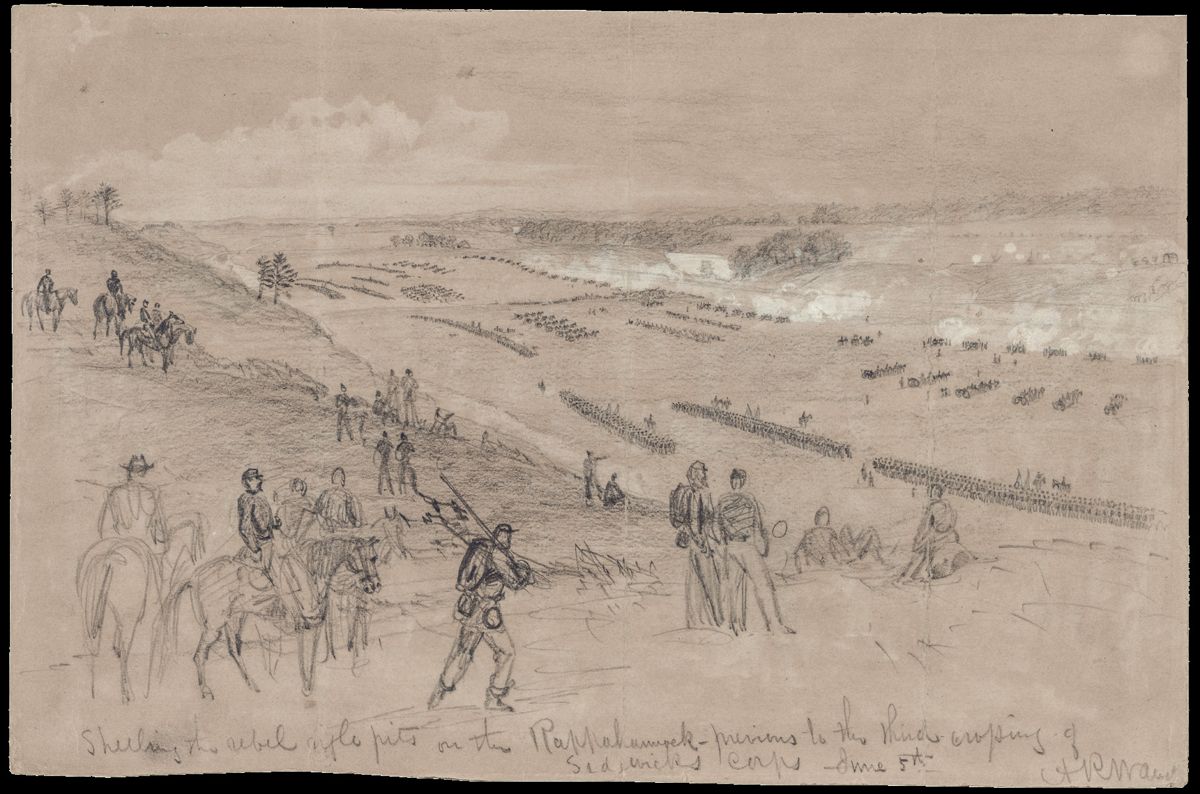
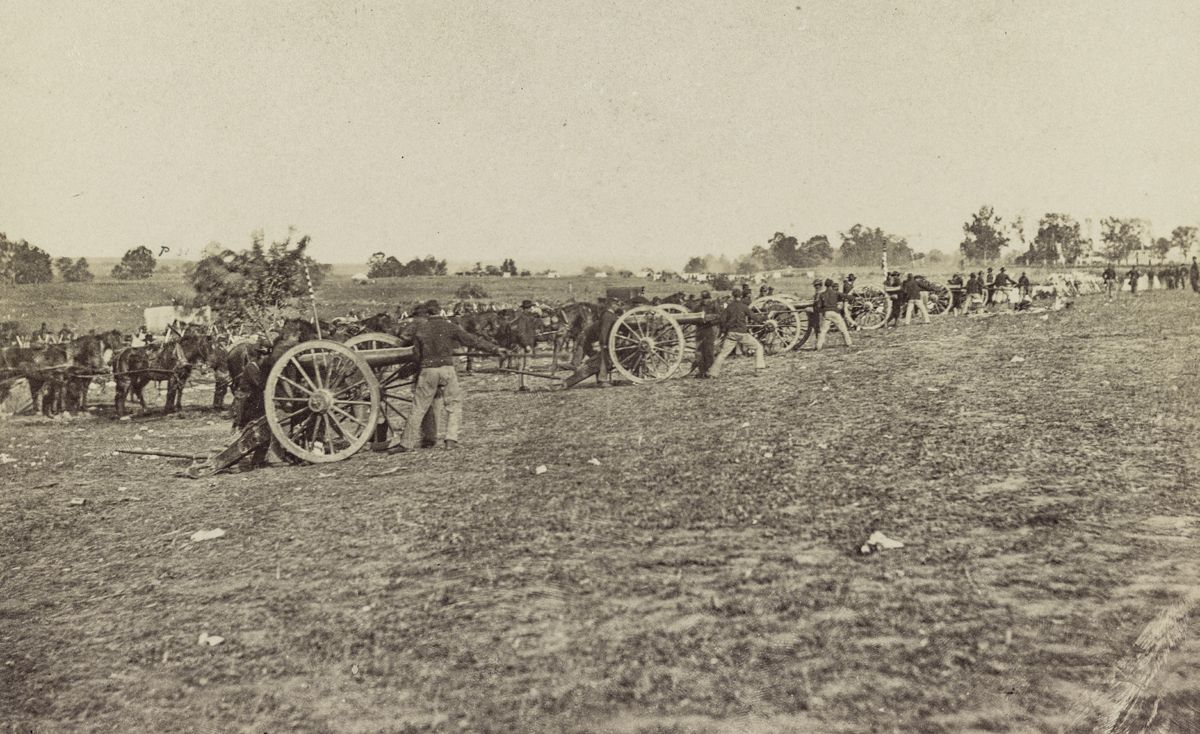
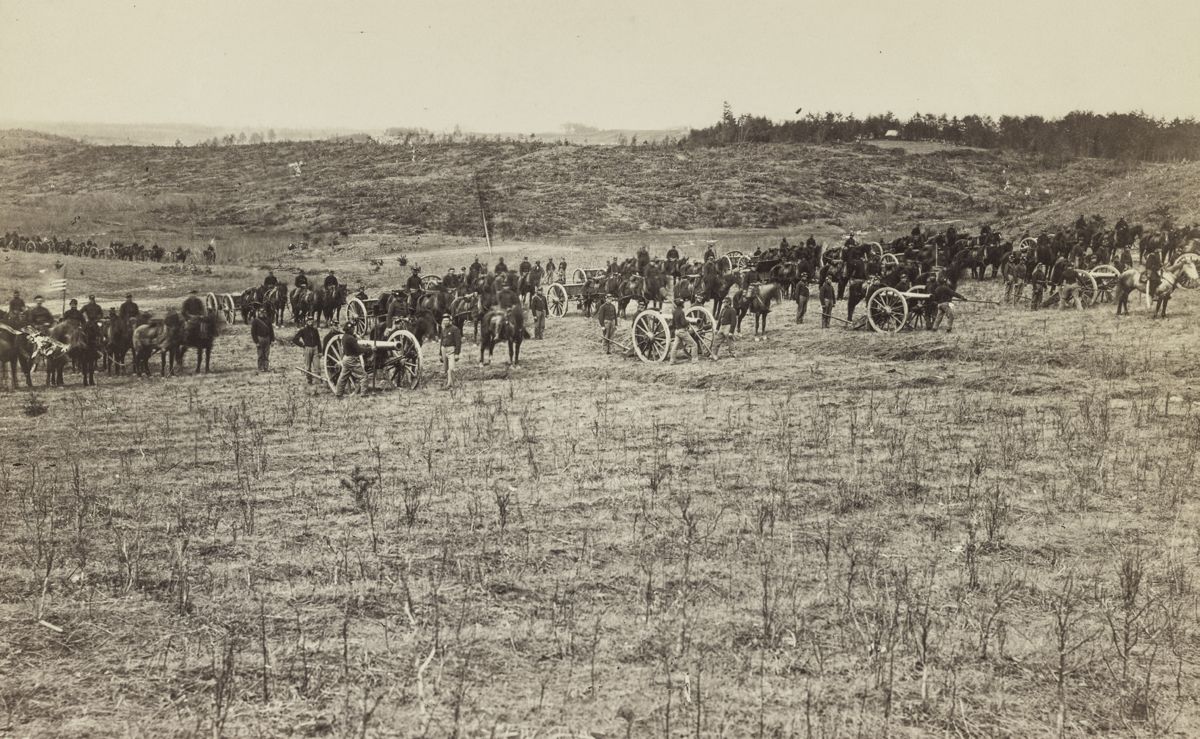
![In this sketch Alfred R. Waud depicts the “Effects of shells upon the enemy rifle pits at the crossing over the Rappahannock – June 5” [1863]. (Library of Congress)](/article-images/cwn-2024-march/cwn-2024-march-an-exciting-and-brilliant-affair-the-thi-07.jpg)