
Vision and Valor
They died in the service of their country
The War Through Women’s Eyes
By Juanita Leisch Jensen · Originally published July-August 2024 · pp. 12–15
There are few things an army and its soldiers need more than arms and ammunition.
“For the infantry, men must first be fed, next armed, and even clothing must follow these; for if they are fed and have arms and ammunition they can fight.”2 – Jefferson Davis
The men and women who manufactured arms and ammunition deserve special recognition. While manufacturing arms remained the realm of male employees, manufacturing ammunition, particularly paper cartridges for small arms, was a different story. This article will focus on the women, who risked, and sometimes lost, their lives helping to manufacture ammunition during the Civil War.
Incidents at Arsenals
The following is a sampling of incidents at arsenals involving fatalities during the Civil War:
September 17, 1862 (Same day as the Battle of Sharpsburg) – Allegheny Arsenal, Lawrenceville (Pittsburgh), Penn.: 73 women and six men died as a result of three explosions. It was theorized that a spark from a wagon wheel ignited gunpowder that had either been swept into the street or had leaked from re-used powder casks with ill-fitting lids.
About one hundred and fifty girls were in the building at the time. The explosion occurred at about three o’clock on the afternoon of the 17th. The building was blown to atoms and the bodies of the inmates carried high into the air. The greater number, however, perished by fire while lying under the ruins of the shattered buildings…3
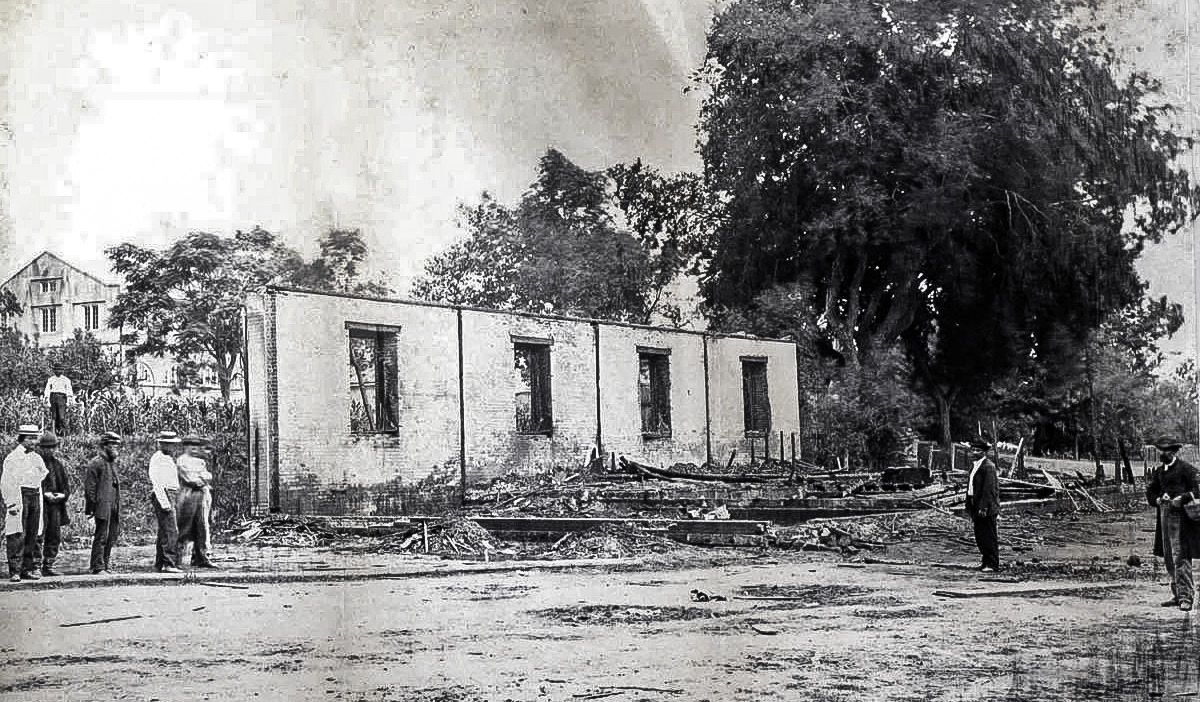
March 13, 1863 – Confederate States government laboratory on Brown’s Island, Richmond, Va.: 47 women and three men died in an explosion. Josiah Gorgas, Chief of Ordnance for the Confederacy noted “The explosion was sparked when Mary Ryan, an 18-year old employee tapped friction primers against a table.”4
To-day a great calamity occurred in this city. In a large room of one of the government laboratories an explosion took place, killing instantly five or six persons, and wounding, it is feared fatally, some thirty others. Most of them were indigent girls!5
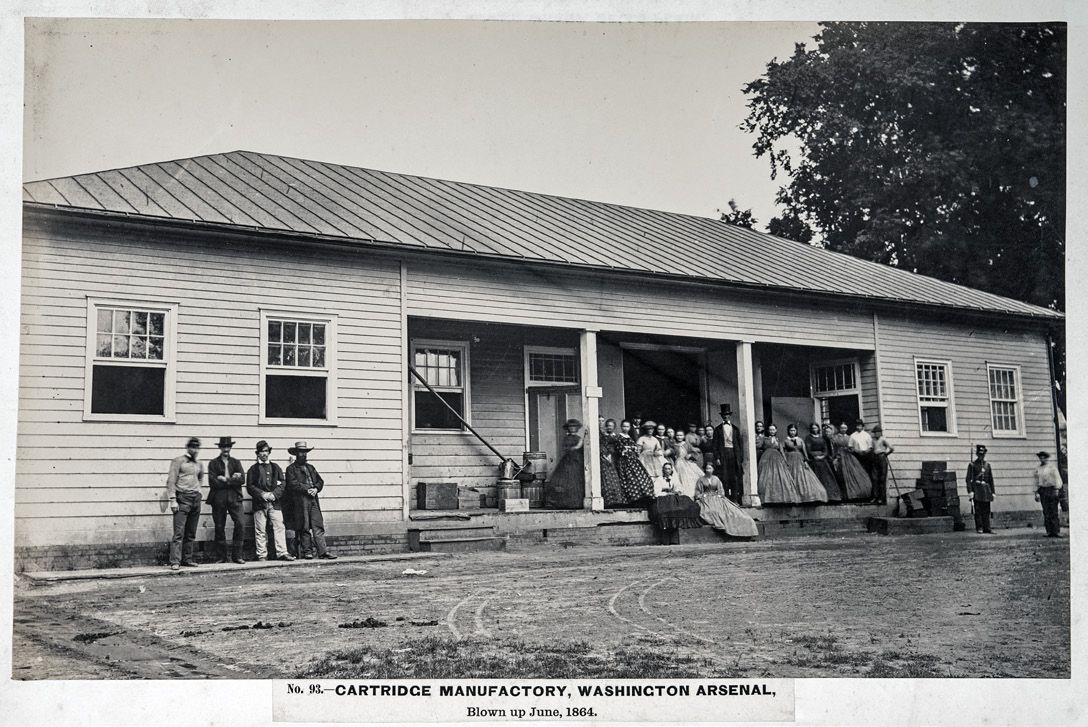
June 17, 1864 – Washington Arsenal in Washington, D.C.: Seventeen young women died when an explosion resulted from the spontaneous combustion of fireworks drying in copper pans baking in the summer sun.
Those girls who were employed in the east rooms of the laboratory, mostly escaped by jumping from the windows and running through the doors pell mell; but those in the room fronting on the east did not fare so well, and it is feared that nearly all of them were killed by the explosion or burnt to death.6
There was a fourth explosion with significant loss of life which occurred in November 1862 in Jackson, Miss. An estimated 80 individuals were killed. Records of and reports on the incident were largely lost, and nearly a third of the names on the fatality list include only a last name and first initial. It is theorized that this explosion was caused when a pan of wax used to waterproof cartridges, which had granules of powder stuck to it was placed over a candle to melt the wax.7
Women Manufacturing Ammunition
Pop culture may imply that, ‘Rosie the Rivetter’ and the WWII involvement of women in war production was a new concept. In truth, women’s involvement in the production of ammunition goes back much further. The following incident relates to gifts collected for soldiers during the Civil War:
One old lady from Chester, N.H., sent a package containing this note:
These socks were spun and knit by Mrs. Zeruah Clapp, 96 years old, whose hands in youth were engaged in moulding [sic] bullets in the Revolutionary War. Keep the toes of these socks toward the rebels.8
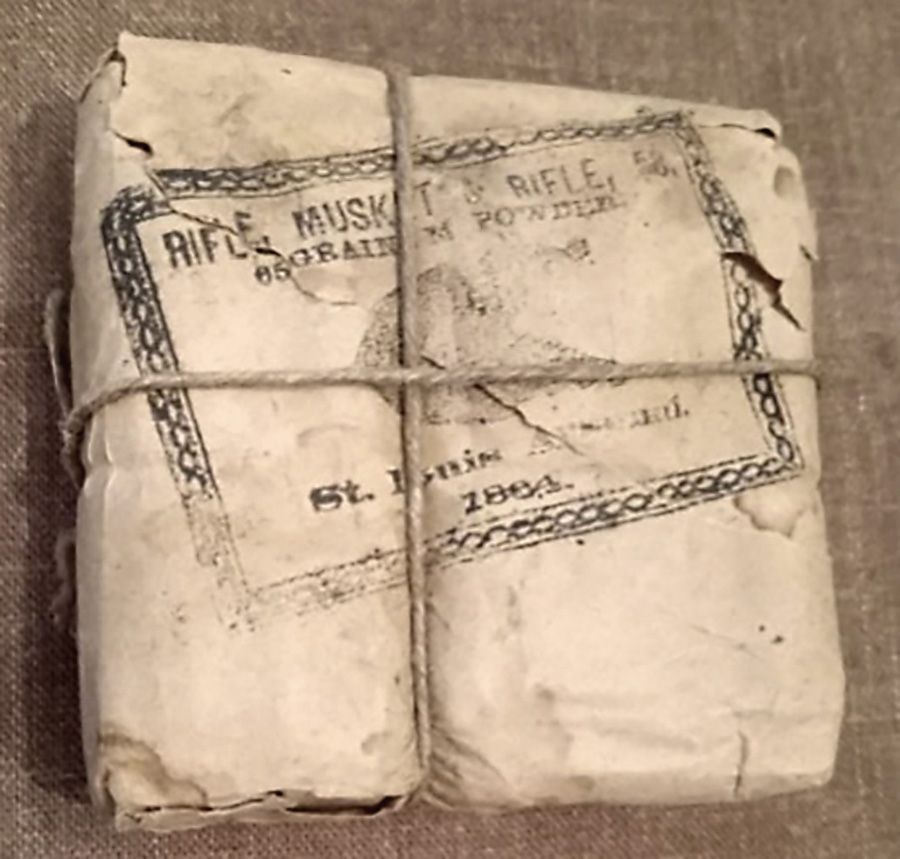
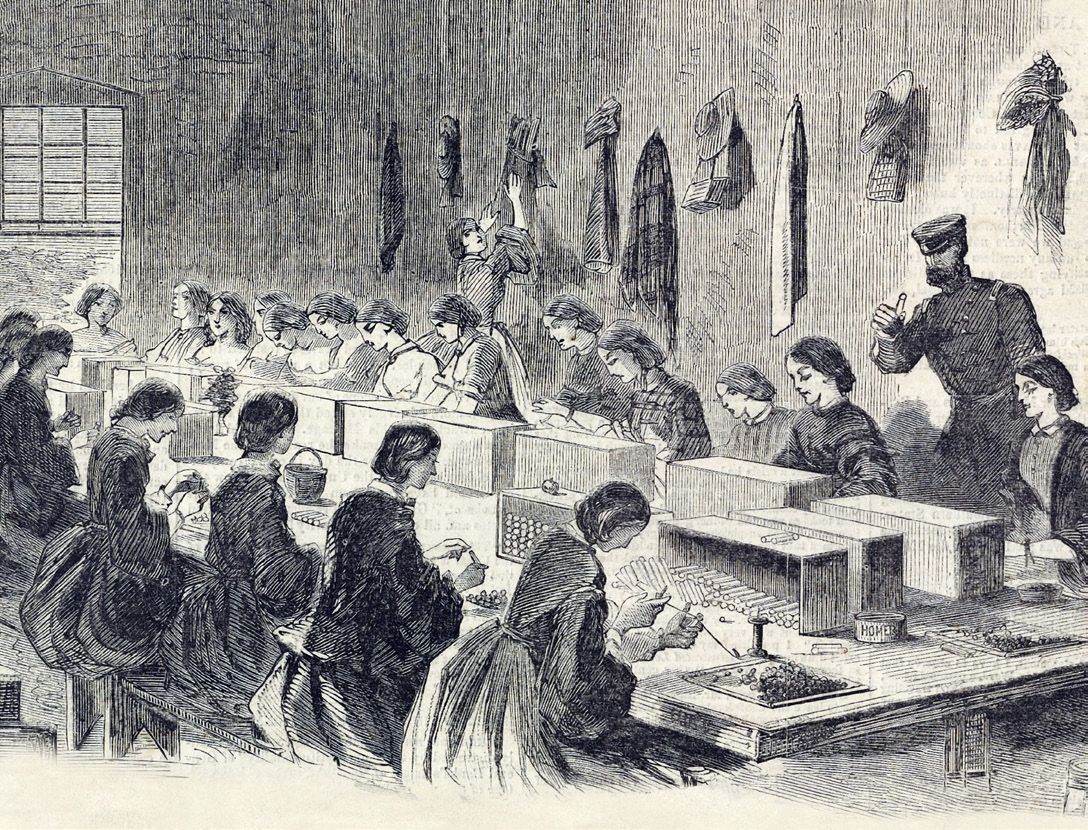
While this woman mentions moulding bullets, rolling and packaging cartridges is the activity most often mentioned for women producing ammunition in the Civil War. As such, they produced individual paper cartridges, wrapping them in packages of ten cartridges and twelve percussion caps, and tying the packages with a fine cord.
Women in Arsenals
A perfect storm of circumstances led to a significant surge in the employment of women, and girls, in the production of small arms ammunition during the Civil War:
Worker Shortage: During the Civil War, arsenal superintendents who needed to massively increase production, and expand their workforce, instead encountered a severe worker shortage as thousands of civilian men enlisted or were drafted into the military.
Availability: At the same time, thousands of women sought paid positions to counter reduced circumstances caused by men being absent from home. The idea that women did not work outside the home, or only worked as teachers and governesses applied only to ladies in the upper classes. Women in modest circumstances through all American history have worked in and outside the home, in all sorts of industries and endeavors, with little worry of social stigma, even in jobs with inherent danger.
Economics: Women were paid less than men, so arsenal superintendents could minimize costs despite expanding their workforce by employing women. Having secure employment, even at the subsistence wages, was an attractive proposition to many families with teen-age girls, particularly given the inflation that devalued the U.S. dollar and Confederate currency. Allegheny Arsenal payroll records confirm this, as the lowest paid workers were young, often female, cartridge makers earning 50¢ a day while daily wages were higher for every other category of worker.
Quality: The sewing and needlework skills practiced by many girls from an early age ensured they had excellent eye-hand coordination and manual dexterity; skills useful in making paper cartridges and other tasks in manufacturing small arms ammunition.
Safety: Superintendents and general society shared an assumption that women were less likely to be smokers, and therefore to bring, use, or leave matches in the workspace. This assumption led to a women-only hiring spree at the Allegheny Arsenal:
In October 1861, after finding matches left in a room with gun powder, Major Symington followed through on threats he made after two earlier incidents.
The third discovery of matches … has induced the commander of the Arsenal, Major Symington to discharge all of the boys heretofore employed in the place, numbering above two hundred. As the work at which these lads were engaged is indispensable under existing conditions, their places are being filled by girls as rapidly as possible.9
If Symington hoped that employing women would solve all safety issues, he was disastrously mistaken. In the three incidents at Allegheny, Brown’s Island and Washington Arsenal, more than 95% of the individuals killed were females: In total, 150 women and seven men died as a result of these three events.10
Girls in Arsenals
Taking the workers killed in the Allegheny, Richmond, and Washington incidents as a snapshot of the workforce involved in making small arms ammunition, the median age of the women was 15, which seems extraordinarily young. The youngest person known to have been killed in any of the three incidents was ten-year-old Eliza Willis, a worker at the Confederate States laboratory at Brown’s Island. However, she may not have been the youngest worker. An article printed in Confederate Veteran magazine quoted an account of even younger workers:11
Mary and I were employees of the Confederate government at the age of about nine and seven years. It must have been at the very last of the war that hands were so badly needed that many ladies volunteered and worked there regularly. Finally Miss Mary Jones closed her school and took us all to the arsenal to work making cartridges and cylinders. These last were made of little squares of thick brown paper, two or three inches across, rolled on a shot stick the size of a man’s finger, folded down tight over the stick at one end. We grew very expert at making the cylinders, making hundreds of them at home, and finally we were promoted to cartridge-making, each having a seat and a little table. Each cartridge was made of white tissue paper and had a cylinder inclosed with a bullet, or perhaps a minie ball, in the end and was tied with a white string, cut loose by a little knife set in the edge of the table. These cartridges were set in boxes and sent to another department for rigid inspection and finish, and each Saturday we were paid off, the money being donated to the use of our hospital at the head of Alabama Street.12
Burials and Memorials
Newspapers that reported on the explosions also reported on efforts to collect funds for relief of devastated families.13 Funerals and burials were planned and held. Some were buried in family plots in Protestant or Catholic cemeteries, while the remains of others were consigned to a mass graves. In Washington, D.C., Abraham Lincoln attended the funeral of the Washington Arsenal victims. In addition to organizing the funeral procession, workers in that city also raised funds and erected a monument in the Congressional Cemetery, where it towers over memorials to many who, during their lifetimes, held far more prominent positions than the girls who lost their lives at the arsenal.
Endnotes
- Inscription on monument erected by Sons of the Union Veterans of the Civil War and their Ladies’ Auxiliary in 1928 to honor those killed in Allegheny Arsenal explosion in 1862. Quoted in Pittsburgh’s Forgotten Allegheny Arsenal by James Wudarczyk, p. 78.
- Josiah Gorgas, “Ordnance of the Confederacy,” p. 287. Quoted in Vandiver, pp. 73-74.
- The News-Chronicle Sept. 27, 1862, p. 1.
- Josiah Gorgas, “Ordnance of the Confederacy,” p. 287. Quoted in Vandiver, p. 180.
- A Rebel War Clerk’s Diary at the Confederate States Capital. By John Beauchamp Jones. Phila: J. B. Lippincott & Co., 1866.
- Evening Star Fri., Jun 17, 1864, p. 2.
- “The Most Appalling Disaster: Jackson, Mississippi Arsenal Explosion” by H. Grady Howell Jr., published on www.unexplainedcases.com, copyright 2001.
- Portsmouth Journal of Literature and Politics, October 11, 1862, quoted in: “Constructing Munitions of War” The Portsmouth Navy Yard Confronts the Confederacy, 1861–1865. By Richard E. Winslow III. Portsmouth, NH: Portsmouth Marine Society, 1995, pp. 148-149.
- The Daily Pittsburgh Gazette, October 3, 1861, quoted in Pittsburgh’s Forgotten Allegheny Arsenal by James Wudarzyk, Apollo, PA: Closson Press, 2009, p. 27-28.
- The explosion in Jackson is excluded from this analysis because so many of the workers are unidentified. Only one-third to one-half those killed in the explosion at Jackson, Miss., can be identified as females.
- The author has been unable to locate a copy of the original article in the Selma Times but was able to find multiple items in 1861–1863 Selma newspapers referencing “Miss Mary Jones’ school.
- The quote was taken from a special edition of the Selma (Ala.) Times, having been contributed to that paper in response to a request for an account of the work done by the women and children of Selma in the Confederate arsenal there. The article is signed “Nellie V. Baker.”
- In his excellent book, The Washington Arsenal Explosion: Civil War Disaster in the Capital, Brian Bergin details the collection, provision, and allocation of relief funds regarding the Washington Arsenal explosion.
Juanita Leisch Jensen is a nationally known speaker, writer, researcher (and avid collector) of subjects related to civilians and the Civil War. She is currently serving as Chairman of the N-SSA 150th Civilian Events Task Force planning special events at the fall, 2024 national skirmish. She is a member, fellow, and former Governor of the Company of Military Historians. She is also a member and former President of the Society for Women and the Civil War. She authored two books: Who Wore What: Women’s Clothing, 1861-65, and an Introduction to Civil War Civilians. Juanita and her husband, military historian Les Jensen split their time between homes in Orange County, N.Y., and Shenandoah County, Va.