Gettysburg Film Festival
By Leon Reed · Originally published July-August 2024 · pp. 4–7
Draws 4,000
his time the leading attractions weren’t George Pickett (Stephen Lang) and James Longstreet (Tom Berenger) but instead were President Lincoln (Sam Waterston) and Robert E. Lee (Martin Sheen). Or, if you prefer, prosecutor Jack McCoy (Waterston) and President Jed Bartlet (Sheen). Gettysburg’s second Ken Burns Film Festival (now renamed Gettysburg Film Festival) and third major celebration of historical films in little more than a year drew over 4,000 people to events the first weekend of April. Burns stressed the central role of Gettysburg in his videos and in American history. “Jefferson’s Declaration gave us our initial operating system, our 1.0,” said Burns. “But Lincoln gave us our 2.0 and we are still operating under that system.” Burns also described the importance of the place to him personally. Burns had a taxing trek getting to Gettysburg, dealing with weather, traffic, and an earthquake in New York, “but when I turned onto [Route] 15, that feeling came over me again. This town and its history transformed my life. On each visit I’m struck by the depths of its history.” Burns said he has visited Gettysburg more than 30 times and continues to return regularly. He has brought his children and grandchildren and this time brought his youngest daughter, Willa. Like every father who’s brought a young child, he was looking forward to a chance to scramble over Little Round Top. Burns addressed the importance of historical documentaries. “We’re telling a more complex story. Democracy has to be reinvented and saved by every generation.” Documentaries can also fill the gap created by the cutback in civics education. “Our education focuses on STEM [Science, Technology, Engineering, Math] and testing. We’ve lost history and maybe, more importantly, civics. The absence of a civics background will be the death of democracy. It makes you susceptible to authoritarian rule.”
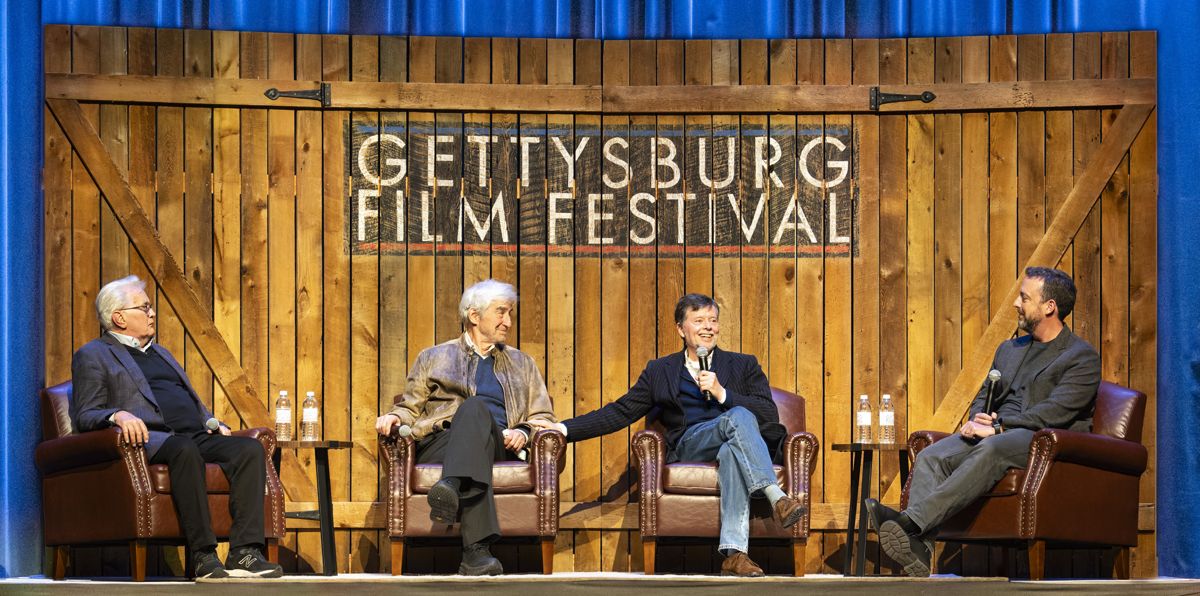
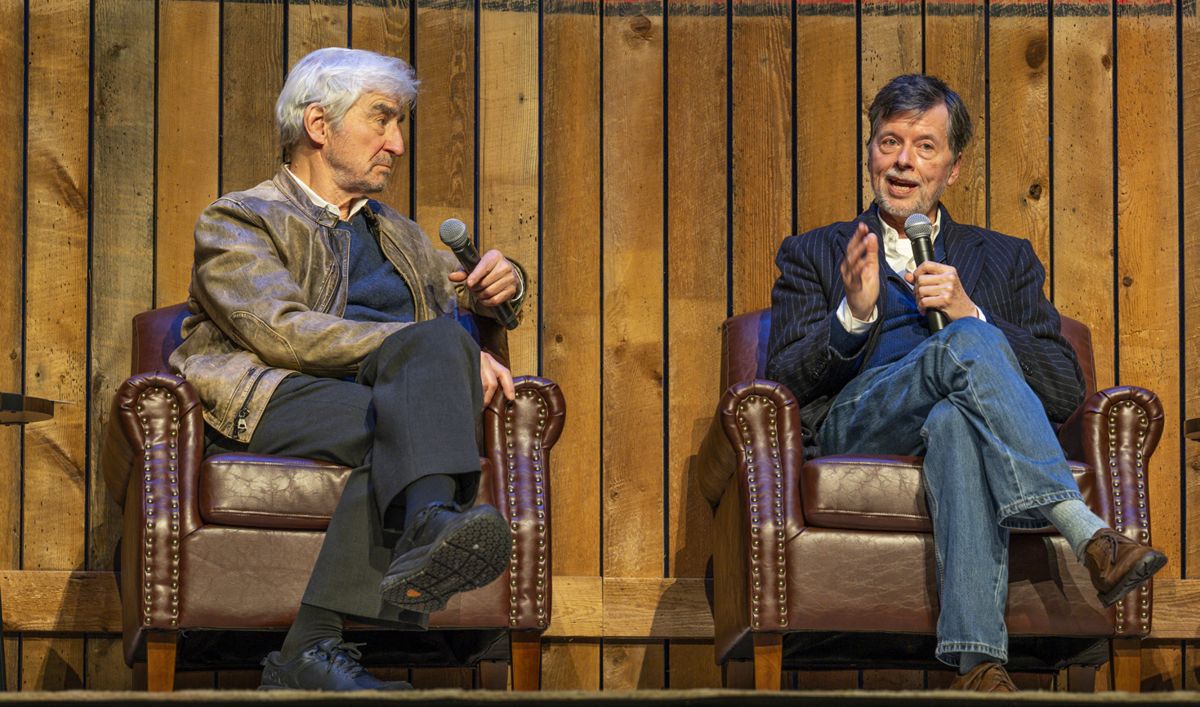
T Martin Sheen, Sam Waterston, Ken Burns, and Jake Boritt. (Courtesy Dave Johnson/Adams County Historical Society)
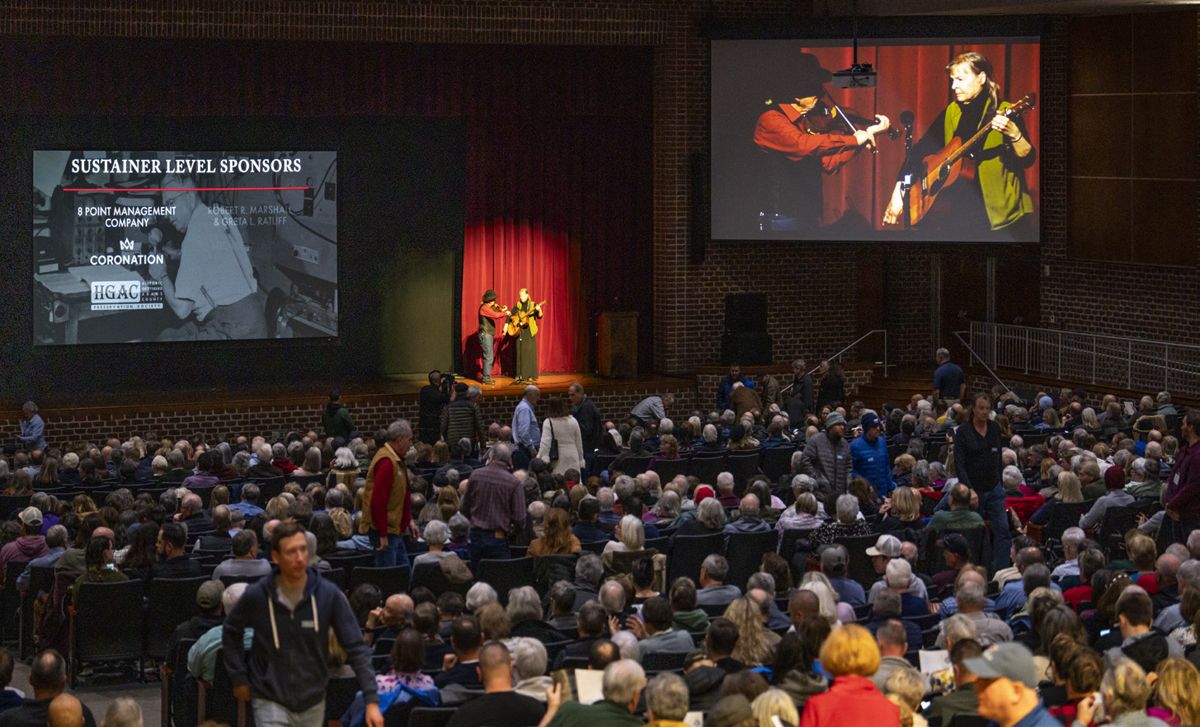
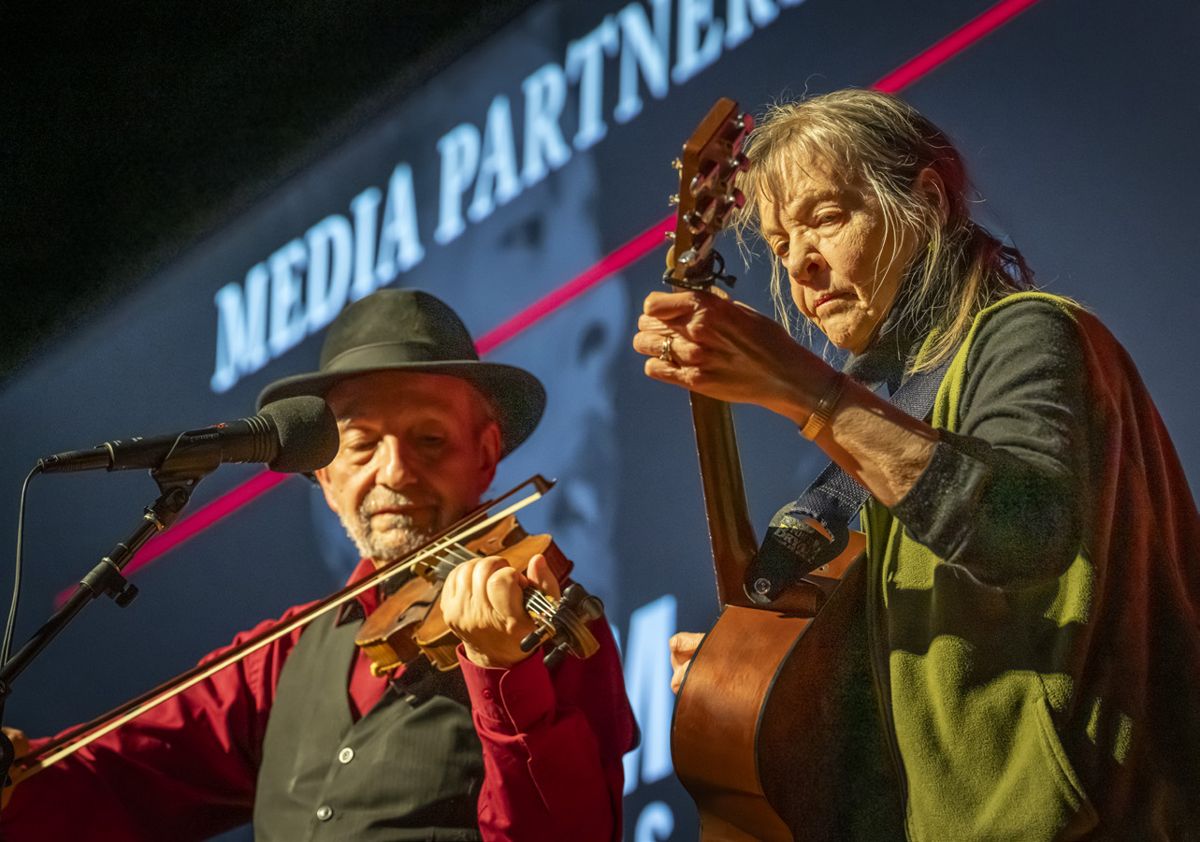
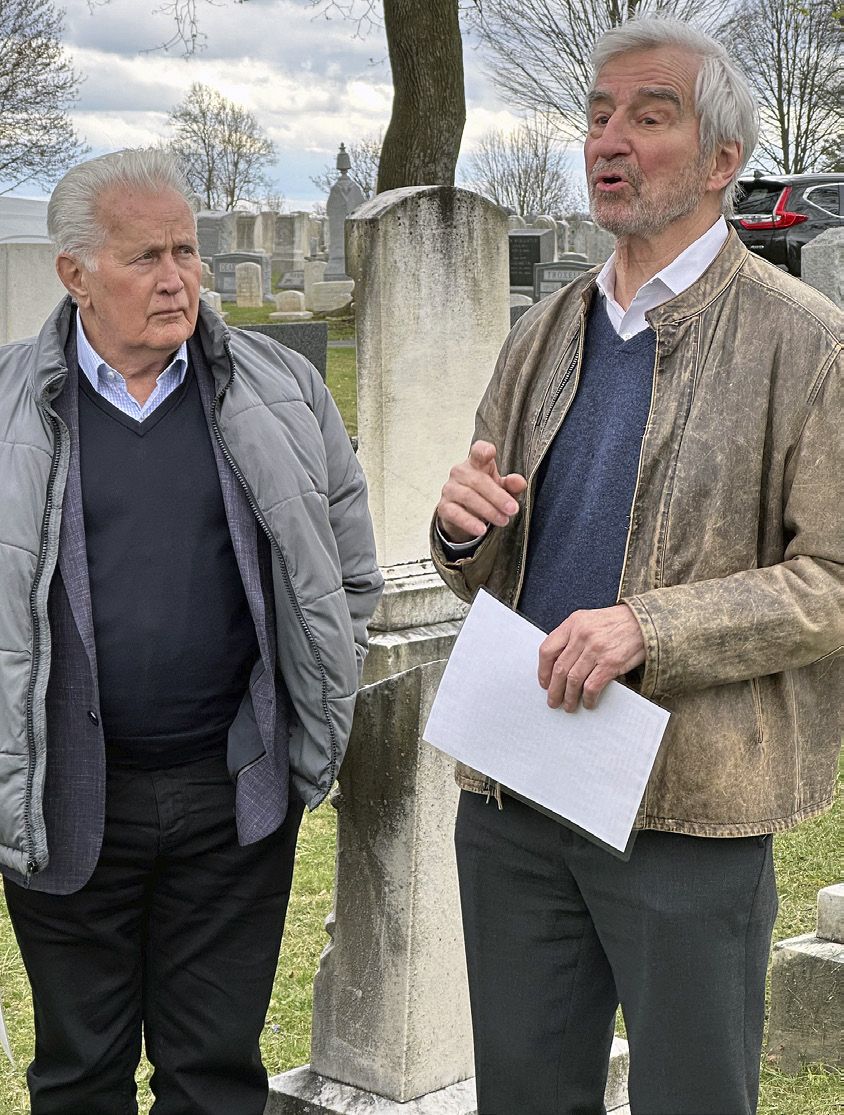
The most attended event of the Festival was a conversation on Lincoln between Burns, Sheen, and Waterston, moderated by Boritt. Sheen lamented Lincoln’s loss and praised Burns for “giving us a chance to mourn him.” Waterston, who voiced Lincoln in Burns’ The Civil War, described the overpowering feeling of visiting the Lincoln Memorial. “If you want to feel all the hairs on your body stand up, go there after dark.” After the first day, the festival included sessions on “Our Democracy Challenged,” a discussion with Burns co-producer Sarah Botstein, and “Consequential Elections,” with a discussion with Susan Eisenhower; musical performances by Jay Ungar and Sam Waterston and Ken Burns answer questions from the audience. Molly Mason, who created the haunting (Courtesy Dave Johnson/Adams County Historical Society) “Ashokan Farewell” for Burns’ The Civil War; a discussion led by Lincoln scholar Harold Holzer Giroux and Jay Patel, described a pioneering disease with Waterston and Sheen; and a discussion moderated by researcher and the pervasiveness and impact of segregated local social studies teacher and Borough Council member swimming pools. Alisha Sanders with history content creators J.D. Huitt Holzer, who chaired the conversation with Sheen and (History Underground) and Chris Mowery (Vlogging Waterston, commented that “these actors have brought through History). characters from history back to life so brilliantly, so it was “Our Democracy Challenged” pointed out the many an honor to engage them in remembering men like JFK, occasions: secession, Louisiana demagogue Huey P. Long, Lincoln, Eddie Slovik, and J. Robert Oppenheimer.” Both Charles Lindbergh, and other Nazi sympathizers and actors emphasized that preparing to play an important authoritarians in the 1930s, and the civil rights movement of historical figure like Lincoln or Lee involves far more than the 1960s, when democracy faced serious challenges. Every learning lines. Waterston described visiting the Library of generation faces its own challenge and must fight to keep Congress before he first played Lincoln. “They mustered democracy. a small battalion of specialists to pour information into The program included screenings of two winners of me. This letter, that speech, their collection and staff are Next Generation Angels Awards (NGAA) from the Burnsincredible.” affiliated Better Angels Society. The films, by Abigail During a break, Waterston led a group to Evergreen Cemetery, where historian Tim Smith gave a short description of the original event to set the scene for Waterston reading the Gettysburg Address at the spot identified as the location where Lincoln delivered the Address. The Majestic Theater screened several documentaries about key moments when democracy was challenged or affirmed, including films on women’s rights leaders Elizabeth Cady Stanton and Susan B. Anthony, the Statue of Liberty, America and the Holocaust, and Huey P. Long. Local resident Bill Serfass attended several events and described his takeaway as: “Arguing with people won’t change minds, but telling a good story might.” Holzer had high compliments for the event. “Ken Burns’s documentary on the Civil War has brought together historians Musical performance by Jay Ungar and Molly Mason, who created and aficionados in useful and inspiring the haunting “Ashokan Farewell” for Burns’ The Civil War, seen on dialogue for 34 years. It is no surprise that stage to a sold out crowd. (Courtesy Dave Johnson/Adams County Jake Boritt and Andrew Dalton teased an Historical Society)
entire film festival out of this and other Ken Burns classics.” Festival producer Andrew Dalton was pleased with the effort and stated he intends to continue with the festival as an annual event. The author thanks Harold Holzer, Alisha Sanders, Bill Serfass, and Michaela Shaffer for their assistance with this article. We’d also like to thank Dave Johnson of Gettysburg Images for his photography of the Gettysburg Film Festival. He can be reached at [email protected], website is gettysburgimages.com.
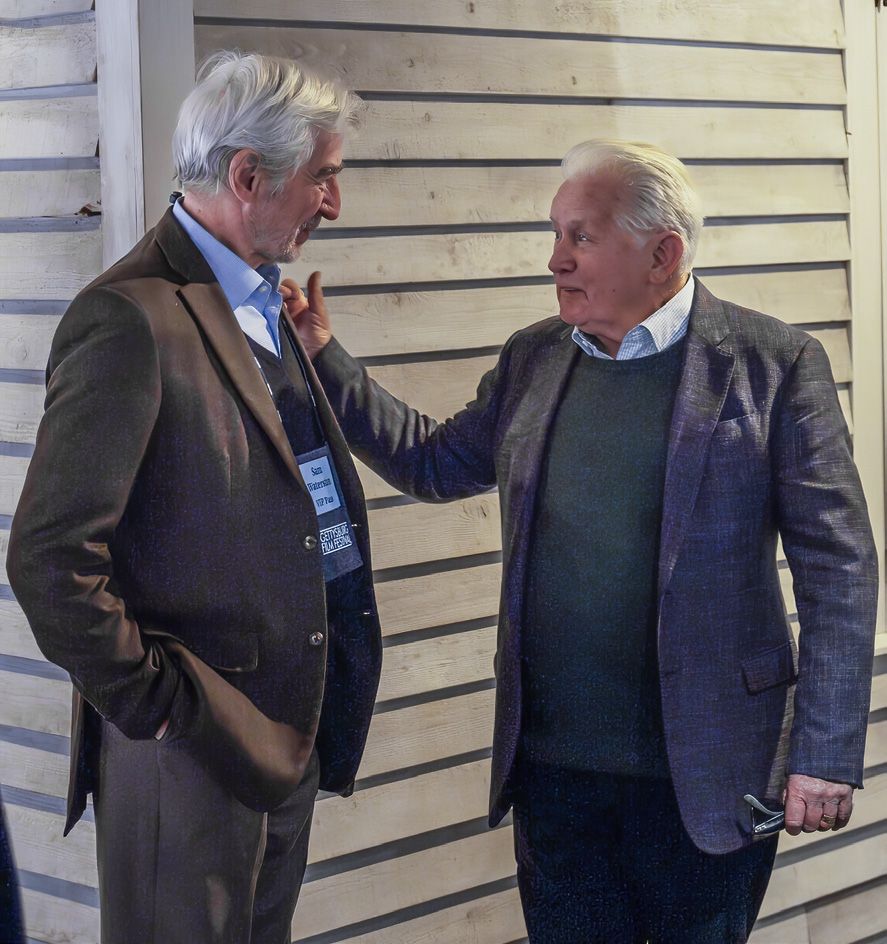
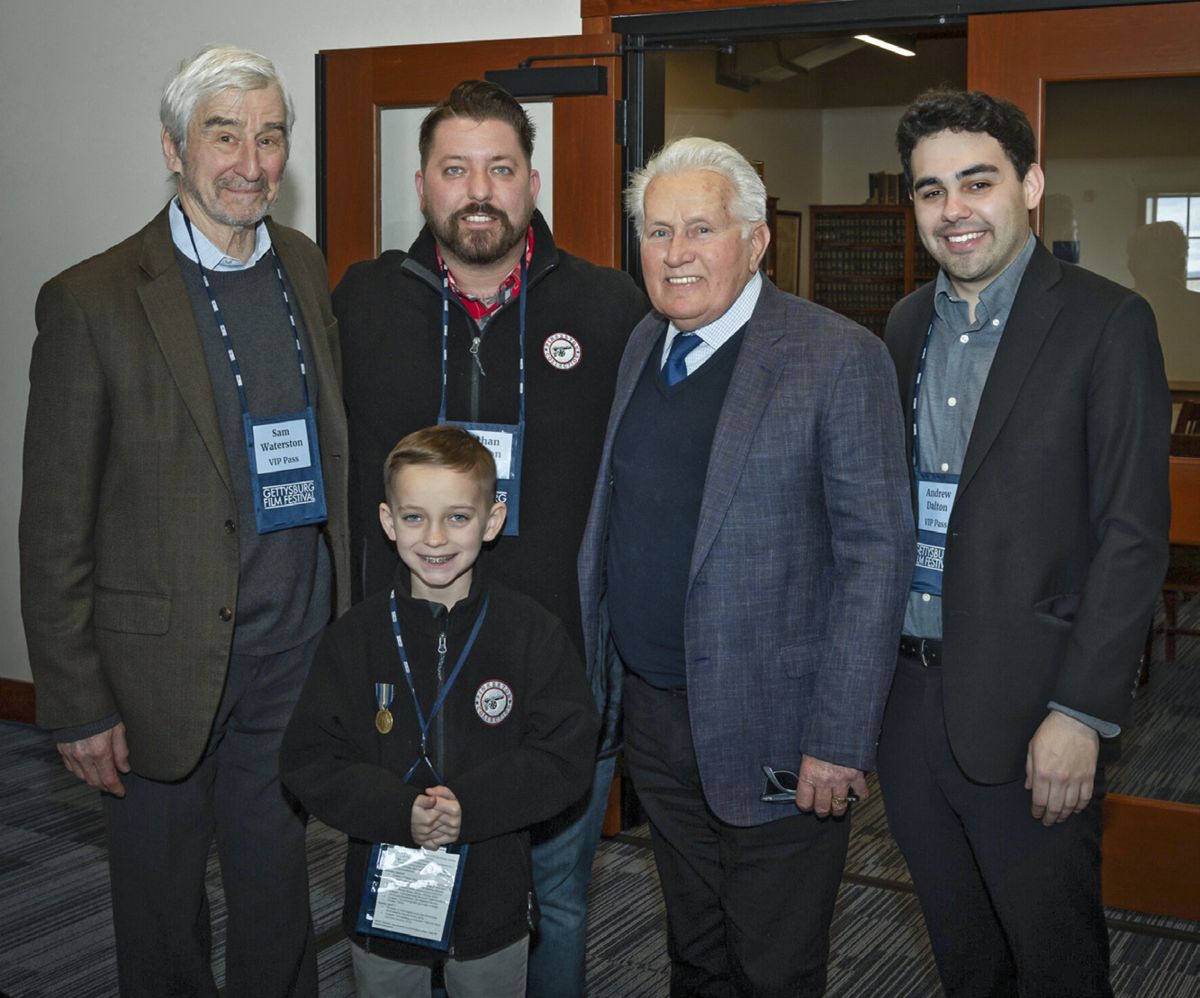
Waterston and Sheen in Gettysburg Beyond the Battle Museum. (Courtesy Dave Johnson/Adams County Historical Society)
Leon Reed is a former U.S. Senate aide and U.S. History teacher and lives in Gettysburg. He is the author
Stories the Monuments Tell: A Photo Tour of Gettysburg, Told by its Monuments and the forthcoming Fort Sumter’s Long Shadow: President L incoln C alls for an A rmy , the Northern States Mobilization, and the Upper South States Rethink Secession. of