“Under a Terrific Fire from the Enemy”: Ward’s Brigade at Fredericksburg
By Tim Talbott · Originally published February 2024 · pp. 24–25
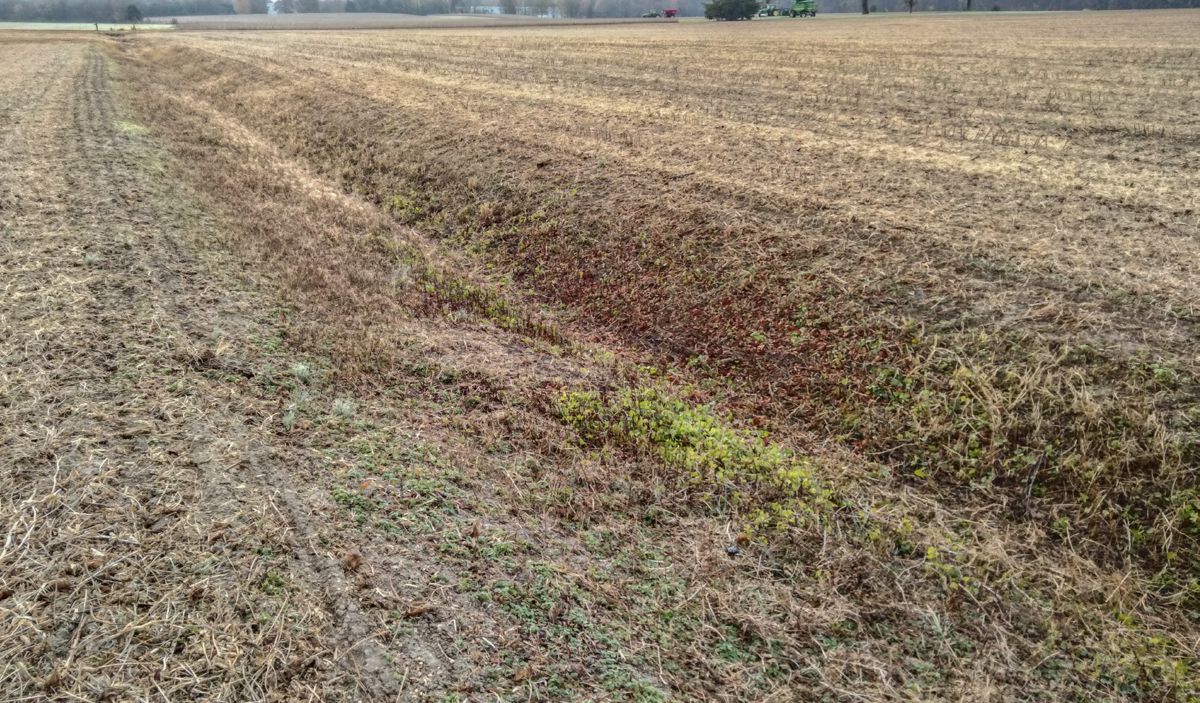
The quiet solitude of the present-day Slaughter Pen Farm battlefield at Fredericksburg belies the scene of horror it presented to those who fought there on December 13, 1862. Among the Federal brigades that battled over this hallowed ground, Brig. Gen. John H. Hobart Ward’s III Corps Maine, New York, and Pennsylvania regiments experienced just how terrible war could be. As part of Brig. Gen. David Bell Birney’s Division, that also included Brig. Gen. John C. Robinson’s Brigade, Ward’s
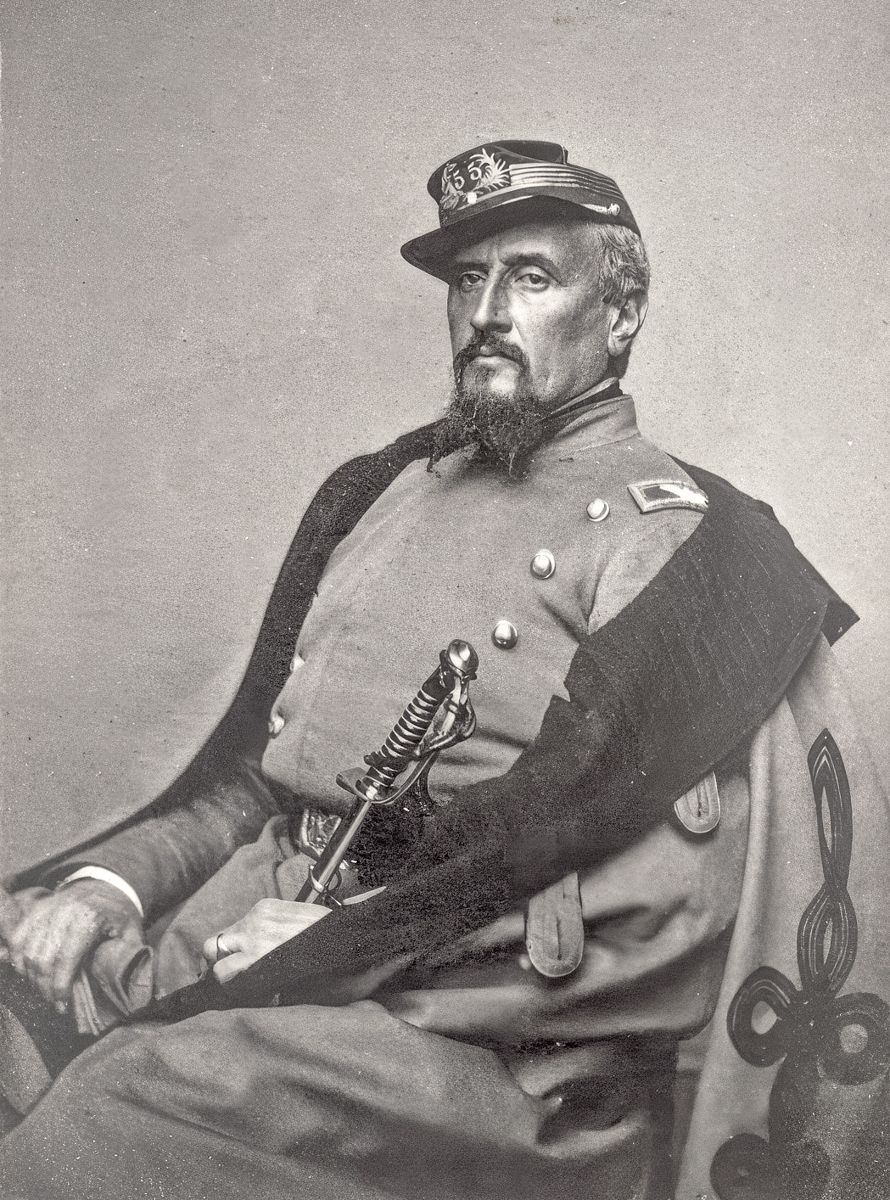
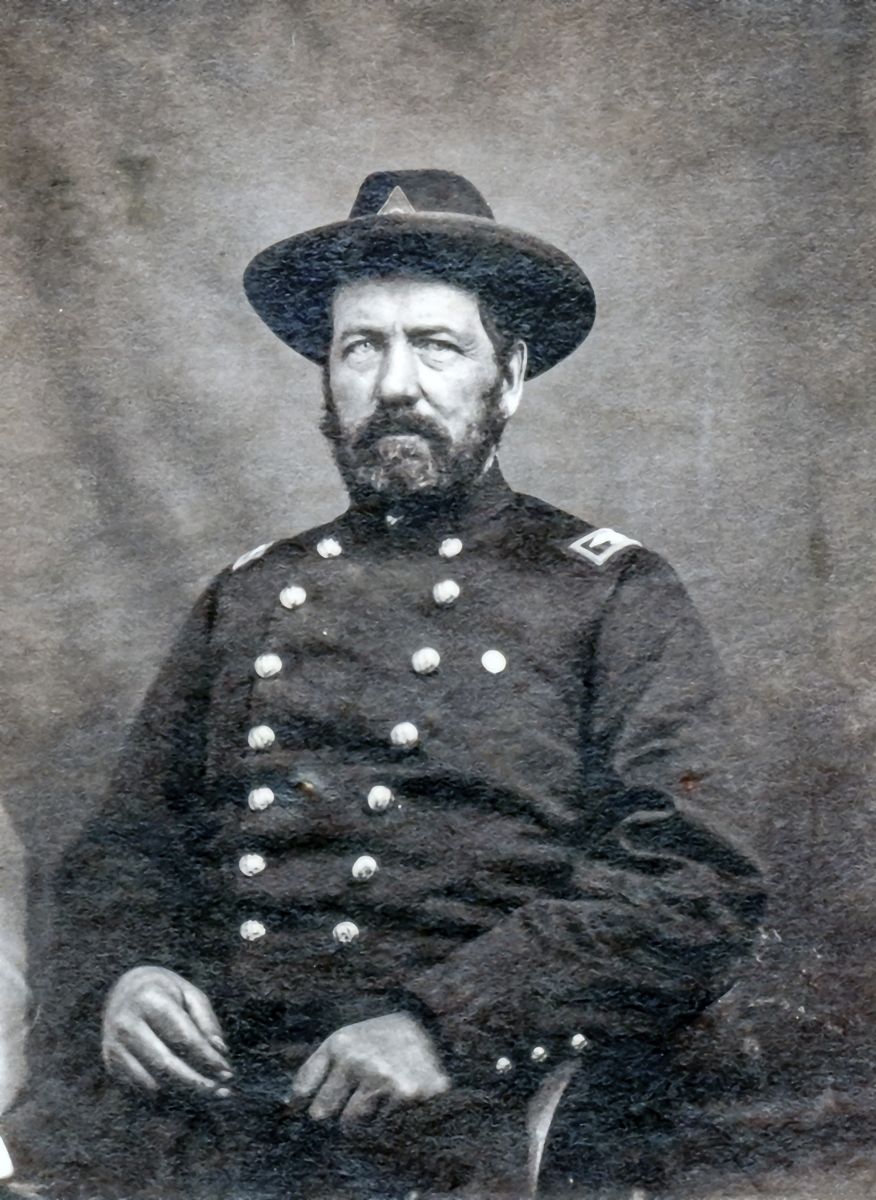
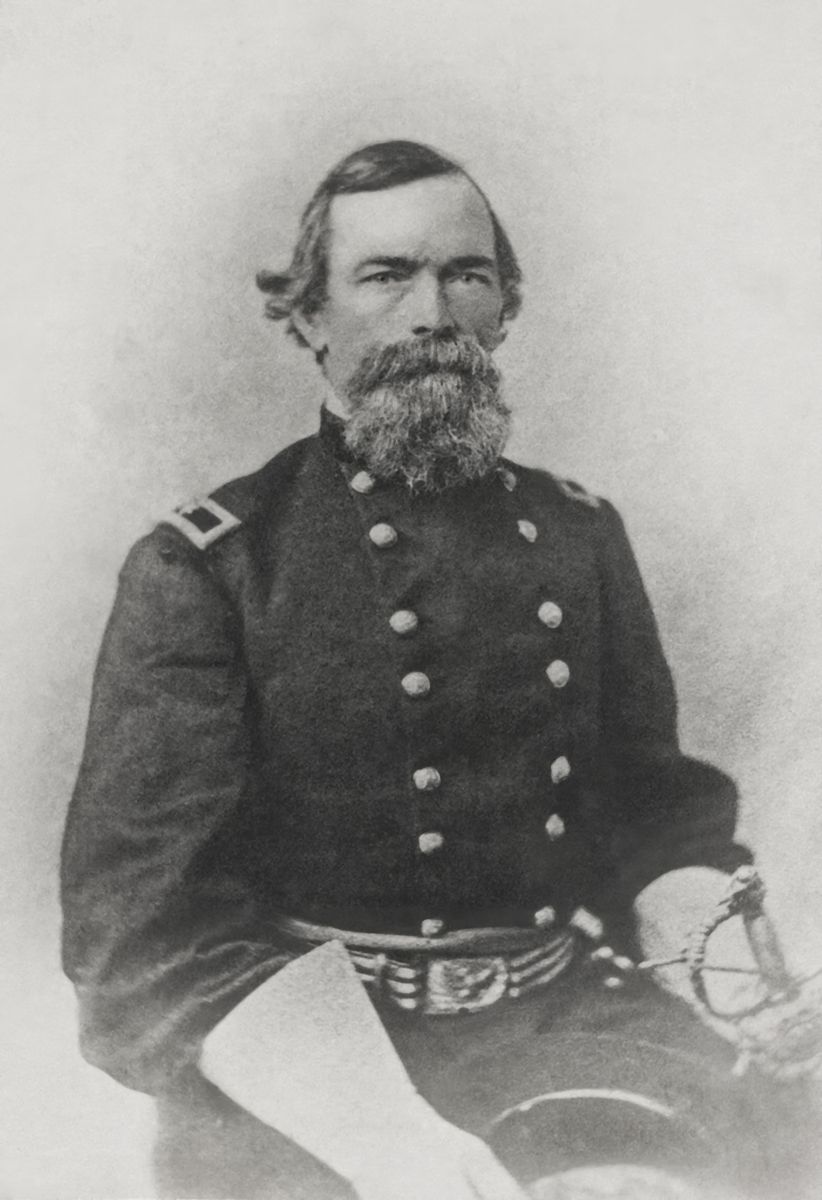
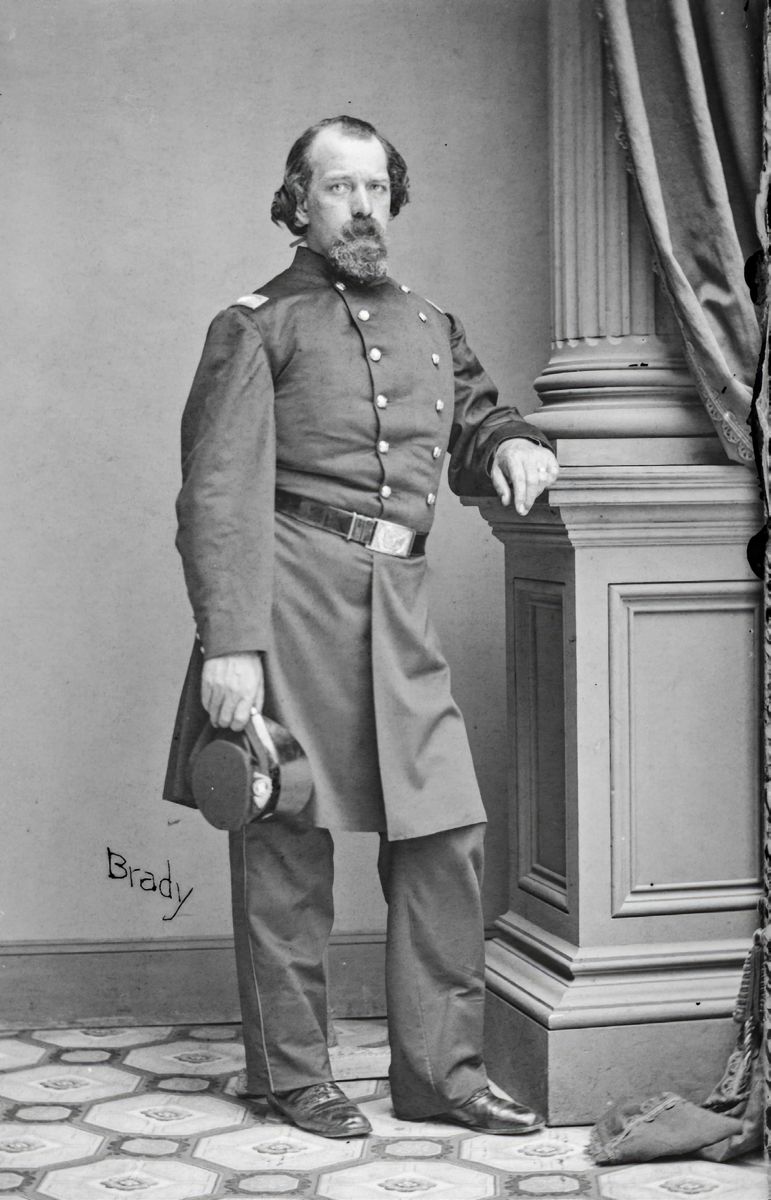
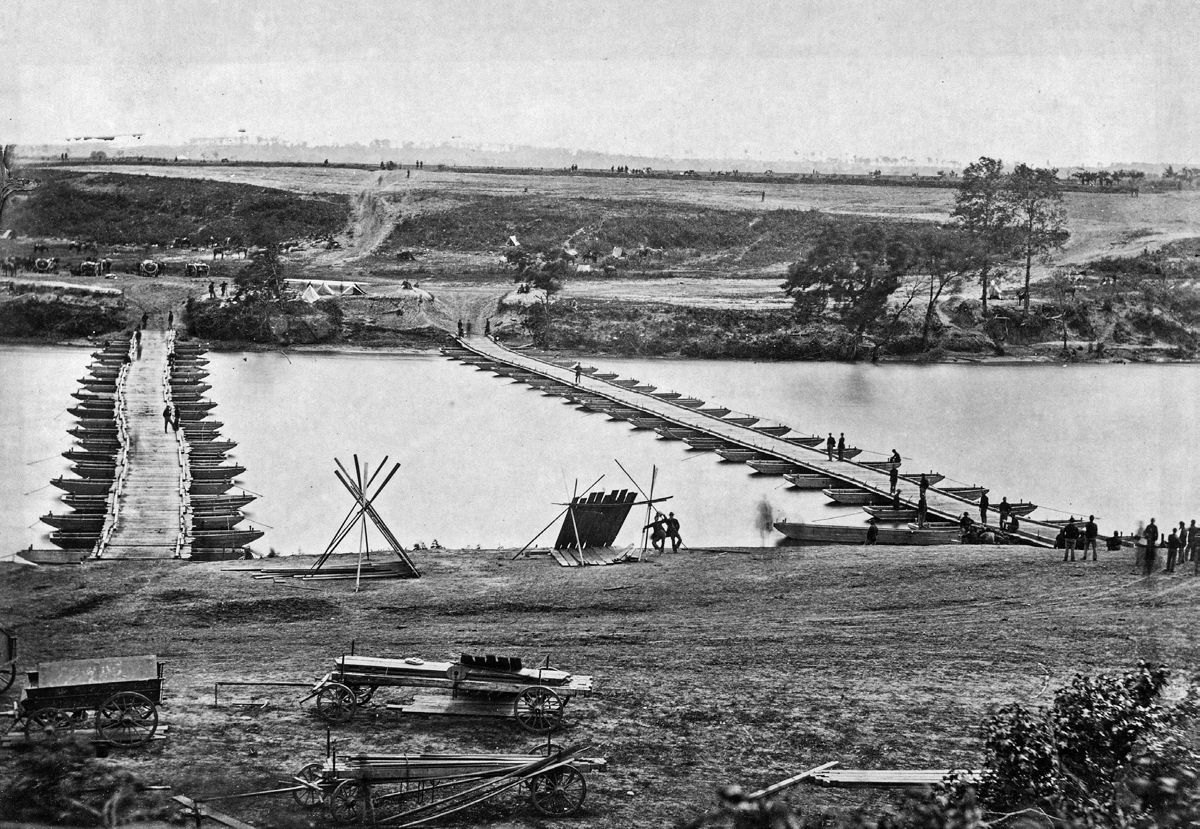
Brigade consisted of the 3rd and 4th Maine; the 38th, 40th, and 55th New York; and the 57th and 99th Pennsylvania Infantry regiments. Earlier in the war Birney commanded the nucleus of what would become Ward’s Brigade. Ward received promotion to lead the brigade in October 1862, after serving as the 38th New York’s colonel. A hulking man for the time, standing at an estimated six-feet three-inches tall and weighing in at about 240 pounds, Ward presented the ideal picture of a Civil War general. However, behind his outward martial appearance, Ward was moody, petty, and prickly. Later, after an inglorious start to the Overland Campaign, Maj. Gen. Winfield Hancock relieved Ward of his divisional command for improper behavior and intoxication during the May 12, 1864, fighting at Spotsylvania. At Fredericksburg though, Ward’s brigade fought hard and lost more men than any other brigade in the III Corps. In fact, they had the third most losses out of the brigades that fought on the south end of the battlefield. After crossing the Rappahannock River over the lower pontoon bridges on December 13, 1862, at about 11 a.m., Ward’s brigade moved toward the scene of action brewing on the plain between the Bowling Green Road and the Richmond, Fredericksburg, and Potomac Railroad (RFPRR). Getting into a fighting position proved troublesome due to heavy fire coming from Confederate artillery on the ridgeline ahead. As Ward reported after the battle, “In consequence of the severity of the fire, the brigade was ordered to take position in the field to the rear, with the exception of the Fifty-seventh and Ninety-ninth Pennsylvania, which were directed to support [Capt. George E.] Randolph’s [Rhode Island and U.S. Artillery] battery.” The hectic nature of the fighting comes through in Ward’s report where he stated that after receiving orders to advance, he was also instructed to support the 2nd Maine Battery. Relieving the 99th Pennsylvania from Randolph’s support, Ward sent it along with the 3rd Maine and 55th New York to help protect the Maine gunners. In essence, before they advanced, all of Ward’s regiments were supporting Federal artillery. Col. Elijah Walker, 4th Maine Infantry, noted in his report that “we found ourselves in a place where shot and shell were falling thick and fast. Here the men relived themselves of their knapsacks.” While there for about a half an hour, Col. Walker lost “two men killed by the explosion of a shell in our ranks from a rebel gun.” Ward sent the 38th and 40th New York to advance toward the RFPRR to cover the retreat of Brig. Gen. Meade’s Division of Pennsylvania Reserves, who had earlier scored a temporary breakthrough before being counterattacked and pushed back toward the railroad. To get to the railroad, as the Lt. Col. of the 38th New York, William Birney, older brother of division commander David Birney, noted, they navigated “two parallel ditch drains from 5 to 6 feet deep, with steep sides and at many points almost impassible.” These ditch fences caused the “partial disorder” of his line. The 4th Maine soon joined the two New York regiments on their right. However, while partly in the woods, and unfortunately maneuvering themselves nearly perpendicular to the foe, things (Public Domain) began to unravel. Opposing Ward’s Brigade was Col. Edmond Atkinson’s Georgia brigade. Fueled from their successful push of Meade’s troops, they stormed against Ward’s men near the railroad. The disorder caused by Meade’s retreating regiments did not help the situation. Ward noted that Meade’s “officers, instead of attempting to rally them, endeavored to create a panic among my troops, holding up their hands and exclaiming, ‘Go back!
CivilWarNews.com go back!’” Lt. Col. Birney stated that at this point: “We were now under a heavy fire from the fields and woods on the left and front.” Some of Ward’s men moved over the railroad and encountered Atkinson’s Confederates “posted in great strength in several lines on the slope beyond the railroad, and not ceasing to pour in upon us a deadly and unbroken fire.” The 38th tried to continue advancing, but after taking casualties including “9 of its officers and 79 of its men … wounded and 14 killed,” they and the 40th New York retreated. Both Lt. Col. Birney and Lt. Col. Nelson Gesner (40th) received wounds but each refused to leave the field. Col. Walker’s 4th Maine also became discombobulated. With the 38th and 40th New York retreating, the Confederates easily flanked the 4th Maine. The regiment’s major, William L. Pitcher, was killed in the fighting. Ward estimated that he lost 300 out of 800 men “in less than five minutes” near the railroad tracks. Claiming the capture of 200 Confederates, Ward explained that “Many of them were taken in consequence of their being unable to escape the impetuosity of our charge, and others were taken beyond the railroad from their rifle pits… .” While the three regiments were retreating, the 57th Pennsylvania came to their support. Meeting Atkinson’s Confederates, the 57th “repulsed them most gallantly.” Ellis Strouse of the 57th recalled that they “marched by the flank, until we cleared a battery of ours in front, when Colonel [Charles T.] Campbell gave the command, ‘By company into line,’ and then, ‘Forward into line on first company,’ which was executed, in beautiful order, under a murderous fire of the enemy, who had by this time had driven some of our troops from the woods, and were coming upon us, yelling, as they advanced, like savages. Our men soon got into position in a ditch, but we could not return his fire for fear of shooting our own men.” In doing so, the 57th lost Col. Campbell, who received “a severe wound in the arm and side” and 52 soldiers became prisoners. Col. Asher Leidy’s 99th Pennsylvania received orders from Birney to rally the retreating Pennsylvania Reserves but failed to stem the withdrawing tide. They then assisted Col. Regis De Trobriand’s 55th New York. Like Col. Campbell, Col. Leidy also received a severe wound. As Ward’s brigade attempted to reconstitute itself, brigades led by Gen. John C. Robinson and Gen. Hiram Berry, along with several artillery batteries kept the Confederates in check until darkness fell over the terrible scene of suffering. Not surprisingly, losses for Ward’s regiments were rather lopsided depending on what orders they received. The 57th Pennsylvania led the brigade in casualties with 150, one-third of them prisoners. William Birney’s 38th New York suffered 133 casualties, and the 40th New York, which fought beside them had 123. The other regiment on the front lines, the 4th Maine, lost
120 men. Ward’s regiments that provided support for retreating infantry or artillery included the 99th Pennsylvania, 66 casualties; the 3rd Maine, 29; and 55th New York, 8. To date, CVBT has helped save over 400 acres of Fredericksburg battlefield land. Tim Talbott is the Chief Administrative Officer with the Central Virginia Battlefields Trust. The mission of CVBT is to preserve land associated with the four major campaigns of: Fredericksburg, Chancellorsville, Mine Run, and the Overland Campaign, including the Wilderness, and Spotsylvania Court House. To learn more about this grassroots preservation non-profit, which has saved over 1,700 acres of hallowed ground, please visit: www.cvbt.org.