
The Unfinished Fight
The Pork Ration
By Craig L. Barry · Originally published February 2024 · pp. 16–17
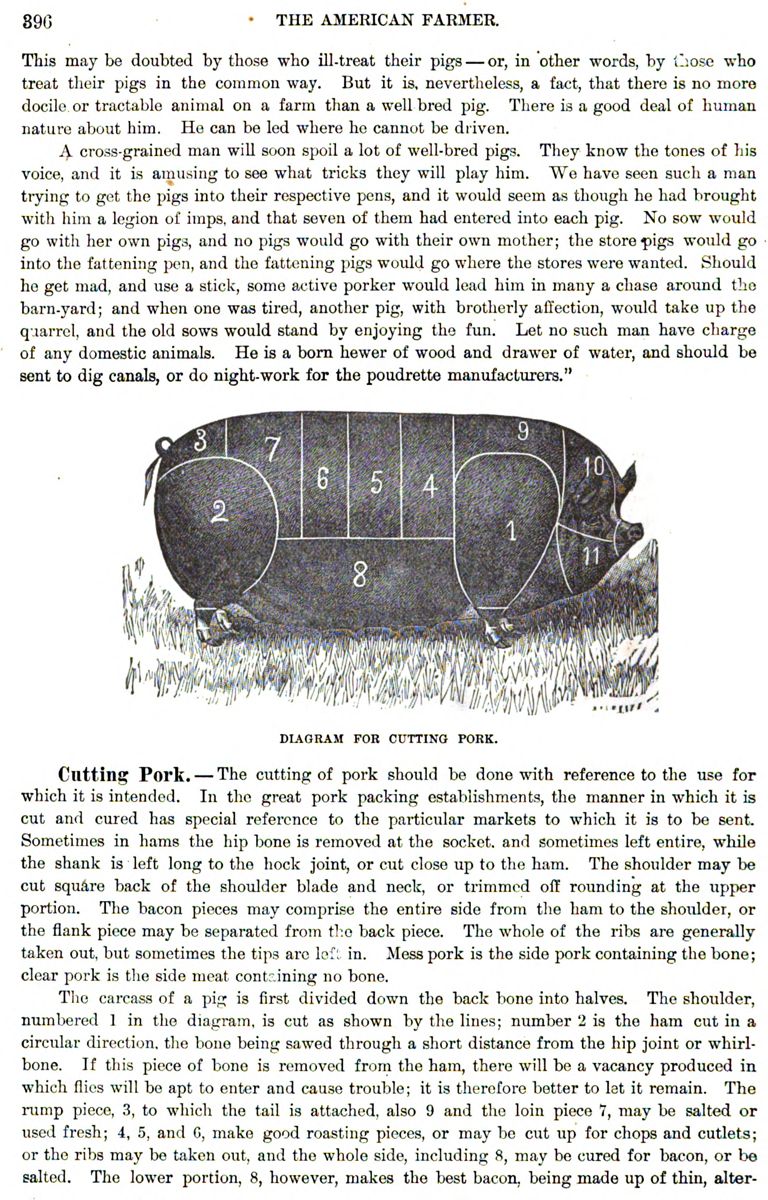
No country in the world was richer in salt deposits than antebellum America. By 1860 the United States used more salt per capita than anywhere else in the known world. Before refrigeration, salt was essential for preserving most meat, especially pork. Pork was the most common meat in the Southern diet, except perhaps among the very wealthy. The antebellum annual consumption in the Southern states was about 160 pounds of pork per capita, 15-20 percent higher than in the North. As a ration common item, if a soldier received the prescribed quantity of 12 ounces of salt pork per day, he would need 275 pounds annually. Hence the military’s immediate demand for huge quantities of pork exceeded the amount available through domestic production by a substantial margin. How was all that pork classified, processed, and packed for issuance to Civil War soldiers? The following, from a mid-1800s agricultural guide by Charles
The American Farmer, page 396.
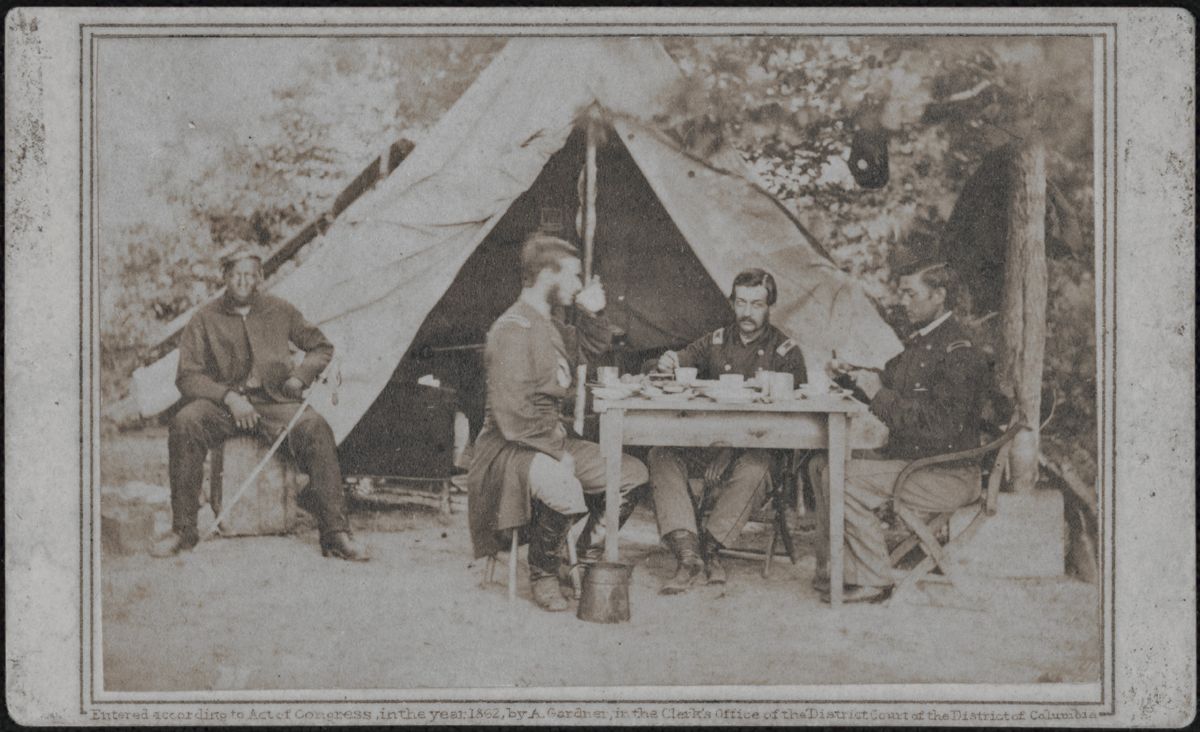
Louis Flint, called The American Farmer, lends considerable insight into the subject.
Cutting Pork “The cutting of pork should be done with reference to the use for which it is intended. In the great pork packing establishments, the manner in which it is cut and cured has special reference to the particular markets to which it is to be sent. Sometimes in hams the hip bone is removed at the socket, and sometimes left entire, while the shank is left long to the hock joint or cut close up to the ham. The shoulder may be cut square back of the shoulder blade and neck or trimmed off rounding at the upper portion. “The bacon pieces may comprise the entire side from the ham to the shoulder, or the flank piece may be separated from the back piece. The whole of the ribs are generally taken out, but at times the tips are left in. Mess pork is the side pork containing the bone; clear pork is the side meat containing no bone. “The carcass of a pig is first divided down the backbone into halves. The shoulder, numbered 1 in the diagram, is cut as shown by the lines; number 2 is the ham cut in a circular direction, the bone being sawed through a short distance from the hip joint or whirl-bone. If this piece of bone is removed from the ham, there will be a vacancy produced in which flies will be apt to enter and cause trouble; it is therefore better to let it remain. The rump piece, 3, to which the tail is attached, also 9 and the loin piece 7, may be salted or used fresh; 4, 5, and 6, make good roasting pieces, or may be cut up for chops and cutlets; or the ribs may be taken out, and the whole side, including 8, may be cured for bacon, or be salted. “The lower portion, labeled 8, however, makes the best bacon, being made up of thin, alternate layers of fat and lean; 4, 5, and 6, are what the packers call “mess” pork; but when exclusively fat or without lean meat, is called “clear mess” pork. When used for bacon, this portion of the carcass is cut in long strips, such being very convenient for smoking; when only salted, to be used as salt pork, it is cut in pieces most convenient for packing. The head should be split down the face, and the jowls, or chops separated. These are generally salted and smoked. The remainder of the head, with the ears and feet, together with the trimmings of the hams, may be boiled and made into head cheese; or the feet, legs, ears, and snout, may be used as pickled souse”
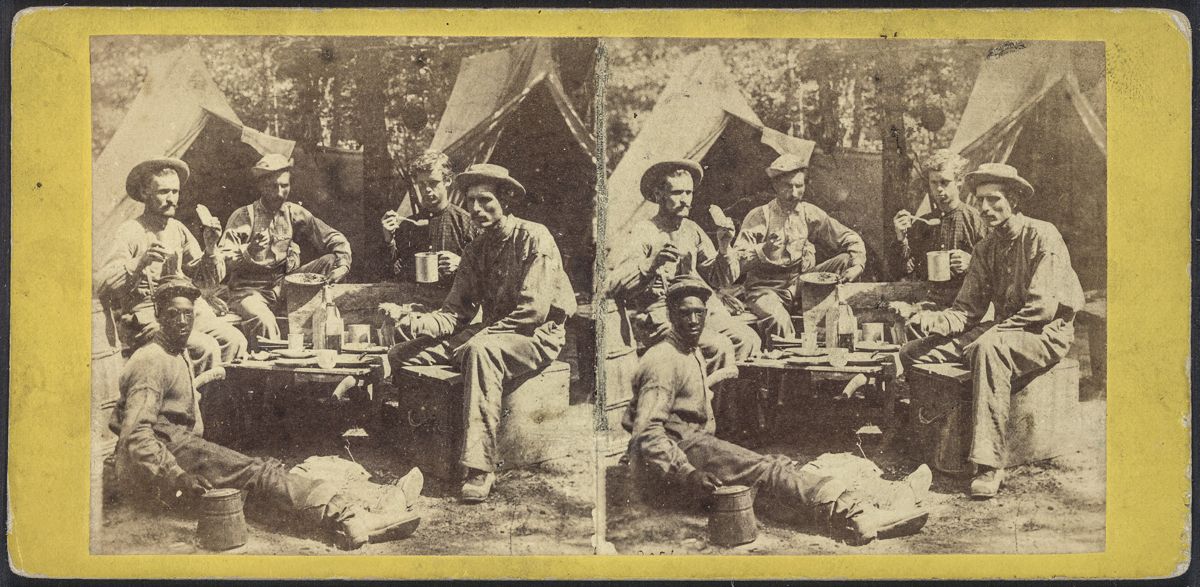
Packing Pork “Clear, fat pork will never become over-salted, no matter how much salt may be used in packing; a certain amount only being taken by the meat, while the surplus, if there be any, will remain undissolved in the brine. A new, clean oak barrel is best for packing pork. Cover the bottom of the barrel with an inch of dry, coarse salt; then pack the pork in even layers, the skin coming in contact with the sides of the barrel in circles; cover each layer with the same quantity of salt, filling all the spaces. “The pieces of pork should be packed as closely and compact as possible. When the barrel is filled, cover the top layer with an inch of salt, to make strong brine and fill the entire barrel so that the meat will be entirely covered with it. Some simply turn water into the barrel and leave the brine to make itself by dissolving the salt, but we think the first method is to be preferred, as the salt then takes effect at once upon the meat. “Never pack pork until it is entirely cold, or until all the animal heat has left it, which will require more time than one would suppose. Brine should also never be put to the meat until
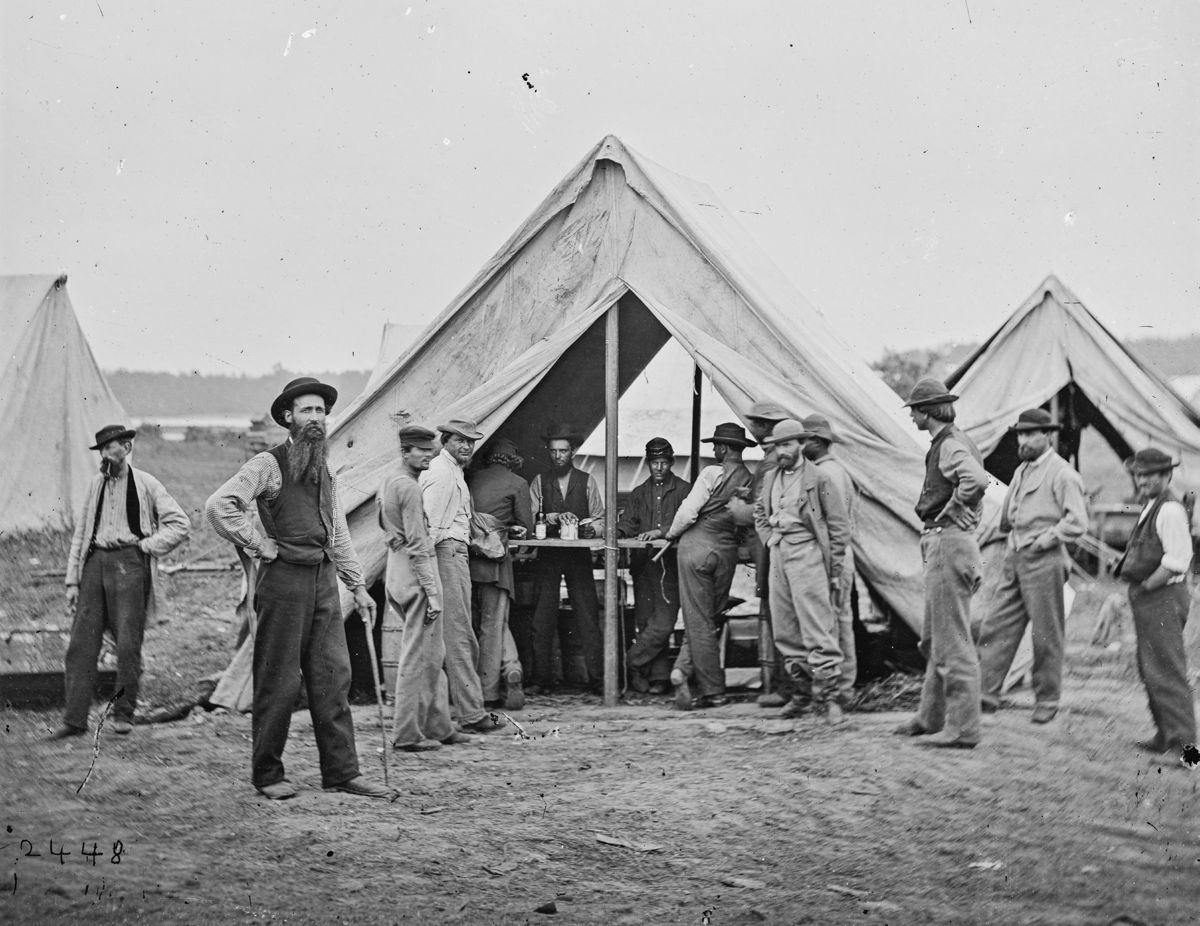
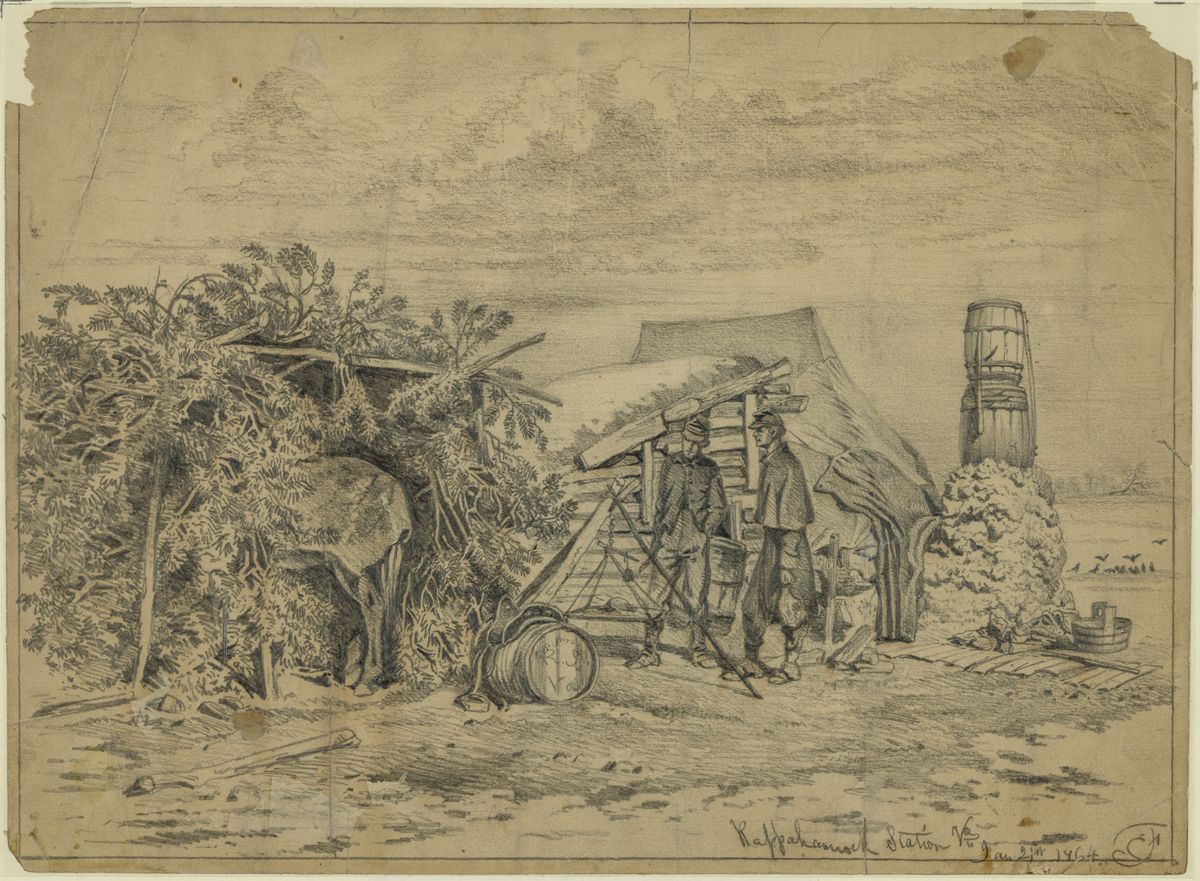
CivilWarNews.com it is as cold as it may be. Pork cured in the above manner will resist spoilage for a considerable time even in hot weather; but the meat had to be kept covered with brine. The salt solution draws out the toxins which led to spoilage. Approximately 40 to 50 pounds of salt was required for one barrel of pork. “Since this was the case, the barrels needed be inspected for leakage. It was noted that carelessness in this respect “… sometimes caused the loss of large quantities of meat to spoilage.” This does not mean it was not issued as soldiers found the meat in their ration at times had a color ranging from blue-green to brown. This is a strong indication it had already spoiled. The cut that was mostcommonly salted, packed, and used for military rations was
“mess pork” or “clear mess pork.” However, if period accounts are to be trusted, some parts of the hog commonly discarded by fussier eaters ended up being issued as rations. A Union soldier noted in a letter published by the New York Illustrated News, dated January 13, 1864, that “No one can without actual experience appreciate the cravings of a man who has subsisted for months on hard bread and salt pork. The moment such a man gets within reach of luxuries, … he rushes to the sutler’s and baker’s and buys what he wants at whatever cost. Fresh beef was by far the preferred meat ration, but it could be weeks or months before any of it was seen by men on the march. As noted in the memoirs of one 16th Maine Volunteers veteran, “…there is nothing like the stern realities of war as exemplified in our rations of hardtack, bacon and salt pork for the development of an I-want-to-go-home feeling.” Source: Flint, Charles Louis. The American Farmer: A Complete Agricultural Library, with Useful Facts for the Household, Devoted to Farming in All Its Departments and Details, Including the Dairy, Orchard, Vineyard, Garden, Domestic Animals, Their Breeding, Management, and Diseases; Bees and Their Management, Fish Culture, Silk Culture, Architectural Designs for Houses and Other Farm Buildings, Improved Sanitary Condition of Country Homes, Etc., Etc. United States: Ralph H. Park & Company, pp. 396-397, 1884. Craig L. Barry was born in Charlottesville, Va. He holds his BA and Masters degrees from UNC (Charlotte). Craig served The Watchdog Civil War Quarterly as Associate Editor and Editor from 2003–2017. The Watchdog published books and columns on 19th-century material. He is the author of several books including The Civil War Musket: A Handbook for Historical Accuracy (2006, 2011), The Unfinished Fight: Essays on Confederate Material Culture Vol. I and II (2012, 2013). He has also published four books in the Suppliers to the Confederacy series on English Arms & Accoutrements, Quartermaster stores and other European imports.