Corps Badges
Originally published February 2024 · p. 14
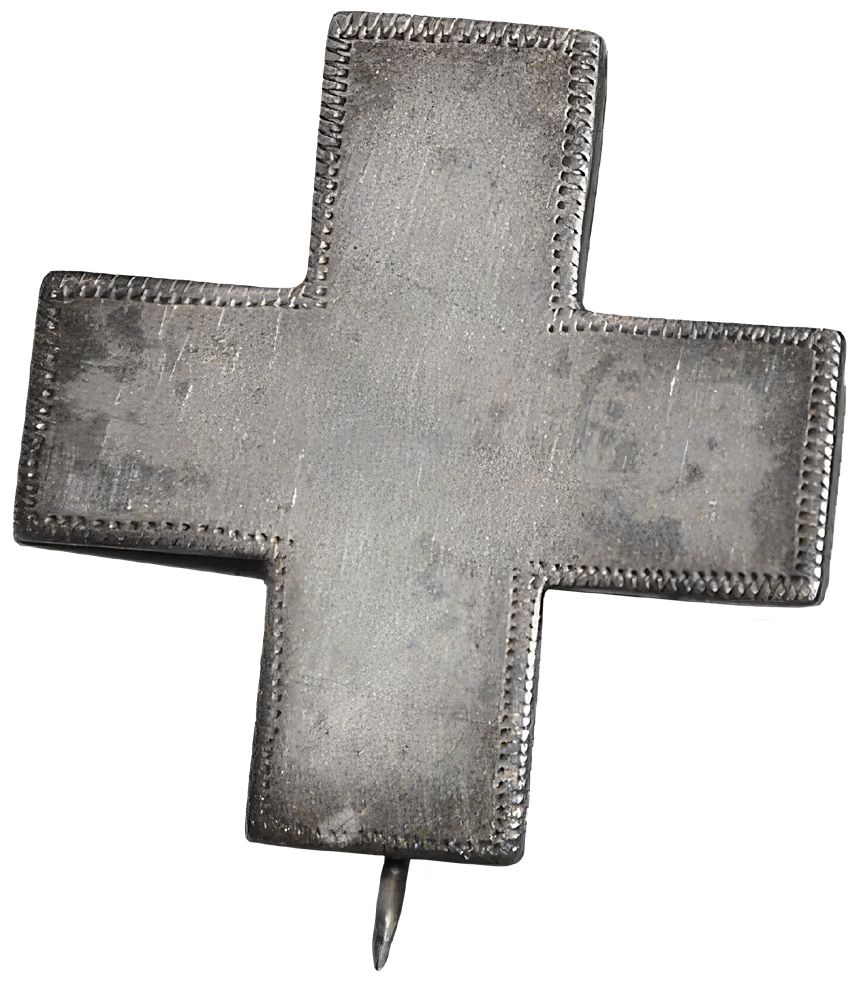
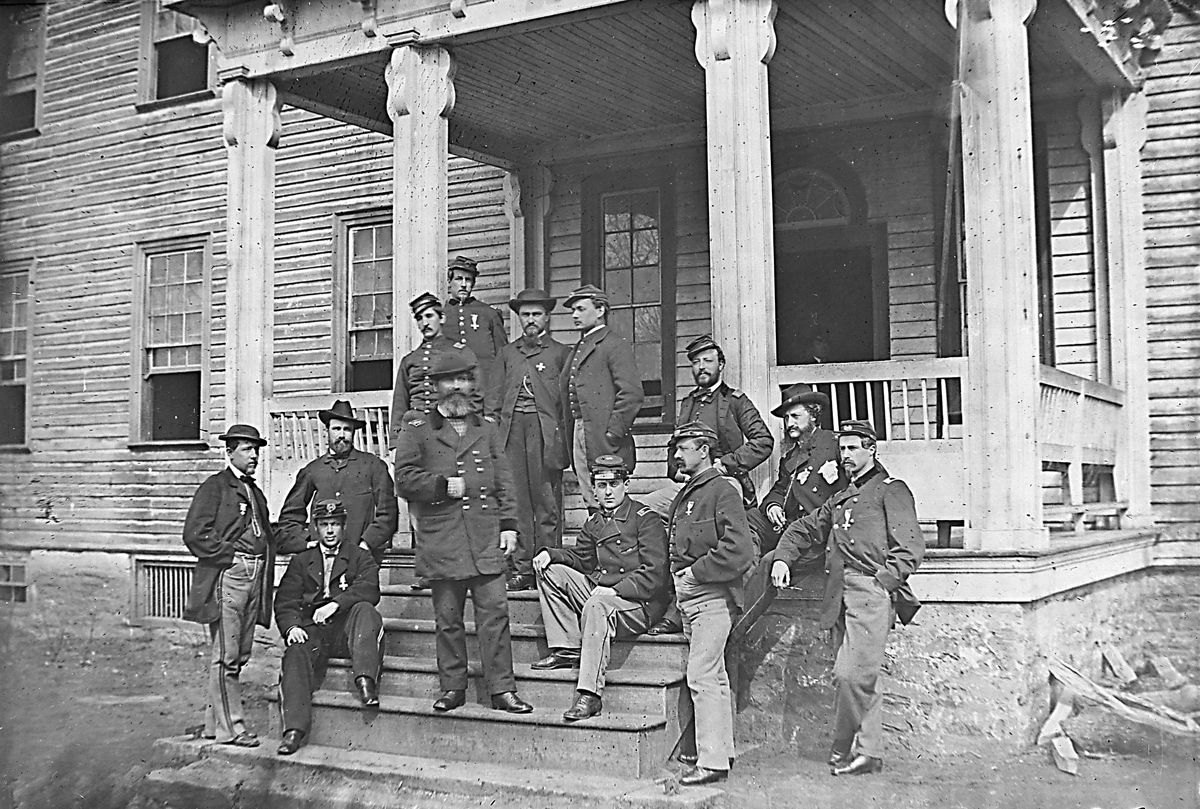
During the American Civil War, Union Army soldiers commonly wore corps badges. These badges were prominently displayed either on the top of their forage cap (kepi), on the left side of their hat, or over the left breast. This practice was initiated by Major General Philip Kearny. To reduce confusion during combat, Kearny instructed his division to attach a twoinch square red cloth to their hats. The square was usually tilted on end to be a diamond and some were elongated to form lozenges. This concept was later embraced by Major General Joseph Hooker when he took over the Army of the Potomac, enabling the identification of soldiers from a distance. The responsibility of creating unique shapes for each corps badge fell to Major General Daniel Butterfield, Hooker’s chief of staff. He further stipulated that each division within a corps should have a variant of the main corps badge, but in a different color. The divisional badges were assigned colors as follows: • Red for the First division of each corps • White for the Second division • Blue for the Third division These color designations were primarily used in the Army of the Potomac, and while other Union Armies adopted similar rules, there were exceptions. For instance, the XIII Corps didn’t have an official badge, and the divisions within the XIX Corps used different colors: red for the first, blue for the second, and white for the third. In corps with more than three divisions, additional colors were used: • Green indicated the Fourth division in the II, III, VI, IX, and XX Corps • Yellow (sometimes Orange) represented the Fourth division in the XV Corps • Multicolor badges were used for Headquarters or artillery units in certain corps Enlisted men’s badges were typically made from colored cloth, while officers often had theirs privately manufactured to higher standards, including metallic versions crafted by jewelers. These badges, personalized for the wearer, eventually became a formal part of Army regulations and a symbol of regimental pride.