
Annie Kyle Learns Sherman Arrives in Fayetteville
By Joan Wenner, J.D. · Originally published February 2024 · pp. 22–23
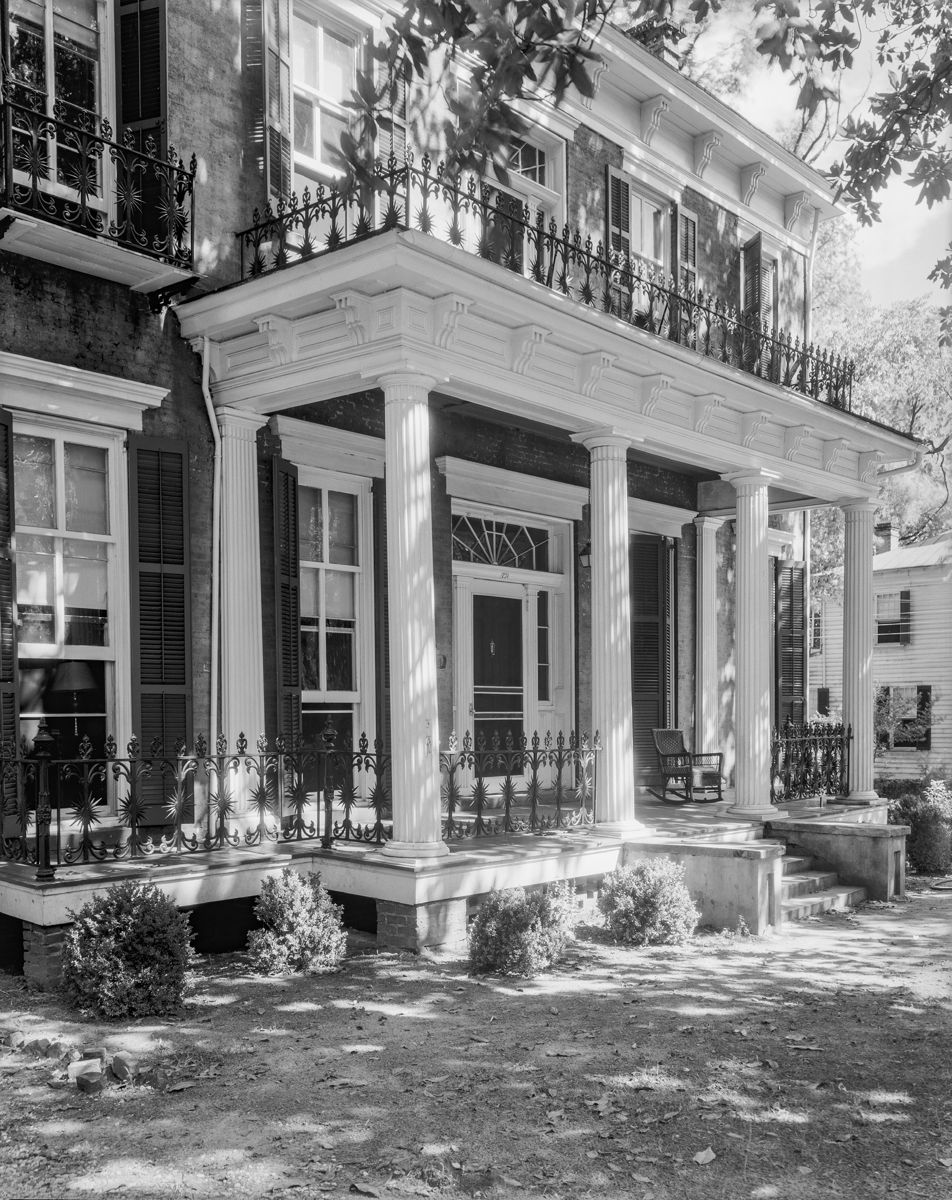
The Fayetteville Observer, led by editor Edward Jones Hale, had the largest circulation in the state of North Carolina, and was such a force for promoting the Cause that Maj. General William T. Sherman, who famously loathes even the Northern press, vowed to burn the Observer down when he reaches the city. Fayetteville Nurse Annie Kyle from her writings: I had been in the hospital only about a half hour when an officer came up the steps and said: “Ladies, if you have a home and children you had better go to them, as Sherman is entering the town. “I finished binding up the arm of a soldier, and when I got to the door, I found the street crowded with men. I said to the officer: “Sir, mount your horse and fly, “but he replied, “I will see you safely across the street. “He was captured by a Yankee just as we got across the street. I made every effort afterwards to find out the brave officer’s name, but was unsuccessful. I had gone only a little distance when I met one of my servants, who begged me to hurry home, saying they were all “frightened to death. “Looking up the street towards the court-house, I saw a Yankee soldier make a man take off his clothing in the street. When I reached my room at home I sank into a chair and felt that I must give up…”In a few moments my cook ran in and said: “O! Miss Annie they have broken open the smoke-house and are carrying everything off. “One of the men came up on the porch and said, “Madam, where is your meat?
We want meat.” After telling him she gave the meat to Hardee’s men yesterday, he replied: “Hardee’s men won’t want meat or anything else long after we catch up with them.” “The elegant house was searched and everything taken that they could carry. Annie’s uncle got her a guard and she felt “greatly relieved.” Mrs. Annie Kyle, the younger of two daughters of Jack Kyle, a prosperous Scottish merchant, was a frail woman, who nonetheless became the head nurse at Fayetteville’s Confederate General Hospital. She was described as having “the…indomitable spirit of a lion, working untiringly from morning till [night] dressing wounds, nursing the sick, soothing and comforting the dying with holy prayers.”
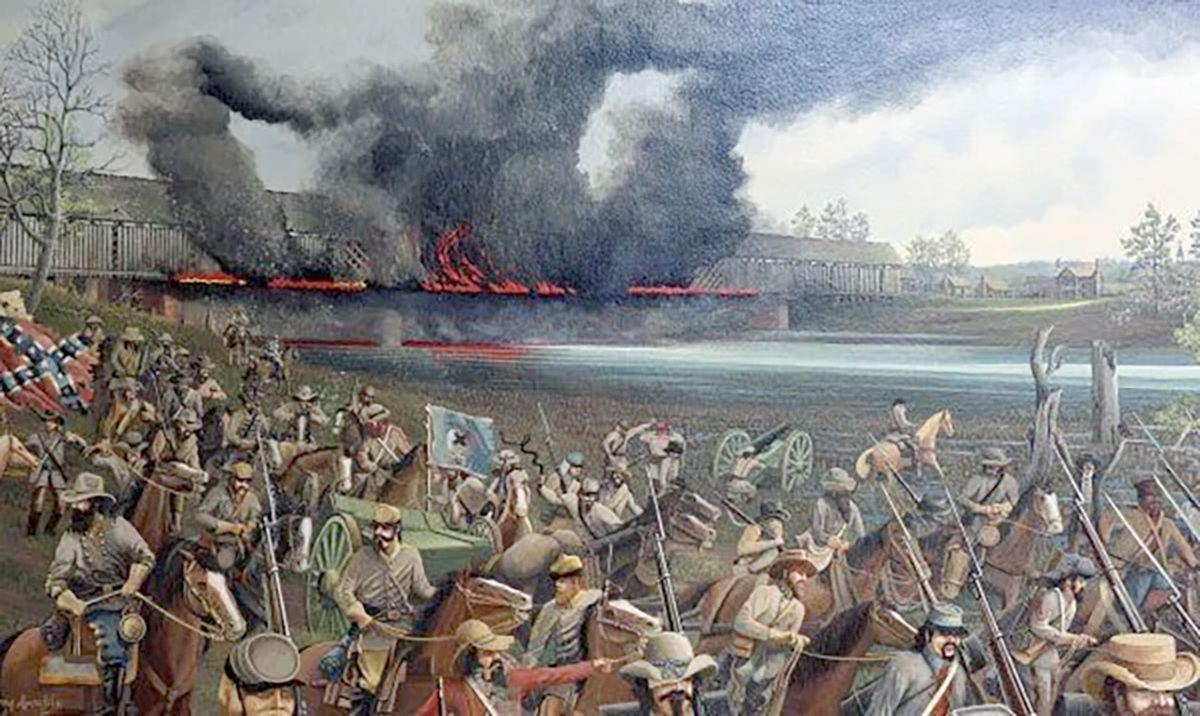
She penned a short memoir of her experience as a Confederate nurse noting wounded were being brought from Fort Fisher, Wilmington, and other places. Fayetteville, already having one hospital, established another. Annie, being of a prominent family, wrote that she went to work every morning at nine o’clock, stayed until one, and returned late in the afternoon to see the wants of patients were attended during the night. Her writings show that she always dressed all the wounds every morning and soon found her grief and sorrow forgotten. Often there were soldiers desperately sick with fever and other diseases with a hospital ‘fitted up’ for them at the time by the Young Ladies Seminary plus those convalescing from typhoid fever along with some wounded. Each of three floors was presided over by four ladies giving medicines, nourishment, and also reading to them and writing their loved ones. Annie noted the hospital was soon so crowded another was ‘fitted up’ which too became full of patients. It was a dreary day in March 1865 when General Sherman arrived in Fayetteville. He was reportedly in a foul mood that did not improve when reports reached him that the Clarendon Bridge, the only structure across the Cape Fear River for miles, had been burned.
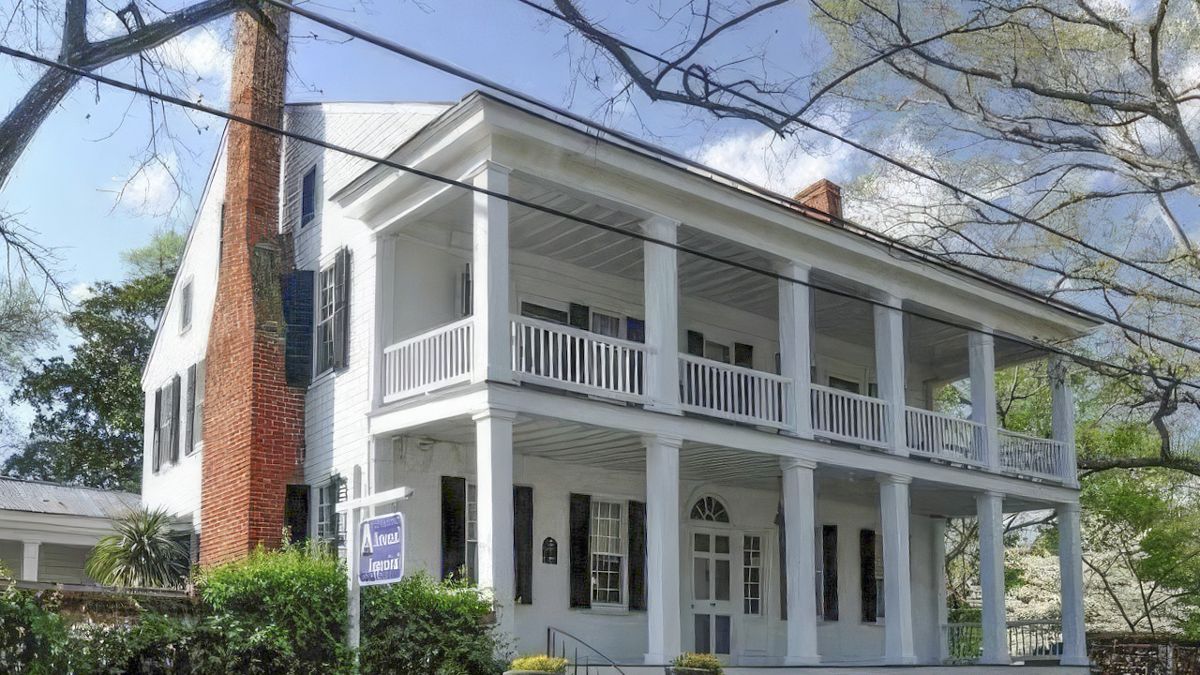
Kyle House Green St. (Fayetteville Observer) for foraging, plundering, and terrorizing civilians, seemingly every yard and house, noted one resident’s letter. The Confederates under General Johnston had crossed the river, burning the bridge behind them. It earned Sherman’s wrath and there was no stopping the Union forces from also foraging among other structures. Sherman issued Field Order 28 there ordering much property, including the Fayetteville Arsenal whose foundations are still visible today, demolished. When Sherman marched north through South Carolina, Johnston had remarked that nobody could make a campaign in that land in winter; he also said there had been no army like Sherman’s seen since the days of Julius Caesar. Sherman’s 60,000+ force was not one of occupation, per historian Leutze, and planned to keep after Johnston’s forces. The destruction of the Arsenal was “business;” destroying the Fayetteville Observer was “personal,” the only newspaper specifically ordered destroyed. He was just…’passing through with rag-tag refugees following.’ The enterprise resumed publication in 1883. In The Fight for the Old North State it’s noted that Sherman delivered the coup de grace for Confederate North Carolina in a series of lopsided engagements. Sherman left the city the evening
General Wade Hampton was reportedly eating breakfast at the Fayetteville Hotel on Hay Street. He rallied a ”spirited defense” as his rear guard poured resin on the Clarendon Bridge and torched it, according to another writer. While a ‘replacement’ was stretched over the rain-swollen waterway as was common for that time of year, Sherman and his army called Fayetteville home for “five woeful days. “The week in the most populated city, and most inland port between Richmond and New Orleans, experienced more than its fair share of violence, explosions, and the smell of burning buildings and more.” North Carolina historian Jim Leutze said, “Sherman stayed in Fayetteville for only a few day…but the effect lingered for decades.” A number of accounts were written by townspeople at the time with some preserved today at the popular Museum of the Cape Fear. Up until his arrival, people were hoping he and his soldiers would head for somewhere between Raleigh and Charlotte, but he kept them guessing by sending out patrols, notes writer Wade Sololosky, in all directions to confuse the Confederate forces. It’s said Sherman did order his troops to “avoid wanton destruction” of civilian property but found it difficult to control some soldiers especially
CivilWarNews.com of March 15, 1865 after doing his best to remove the political and radical forces that had taken root. But of course they would in fact endure. There were thousands of Confederate (and Union) citizens who chose to become nurses for soldiers and sailors, often it’s said, at a great personal sacrifice. In 1862 four Union hospitals were established in coastal North Carolina when part of the coast was Union controlled. The nurses’ presence ended there in May 1865. The Kyle House on Green Street is said to be haunted by Annie’s father. It is conserved by St. John’s Episcopal Church and filled with period antiques. If taking a tour, ask to view a preserved copy of the Fayetteville Observer from the Civil War era. The city’s Heritage Square also provides a further look into the past. Visit distinctlyfayettevillenc.com.
Joan Wenner, J.D. has a law degree and is a longtime contributor to CWN, specializing in researching Civil War maritime topics and individual historical figures. A native New Yorker, she is based in eastern North Carolina. Comments or questions are welcomed at: joan_writer@ yahoo.com.