
The Unfinished Fight
Russia and the U.S. during the Civil War
By Craig L. Barry · Originally published April 2024 · pp. 18–19
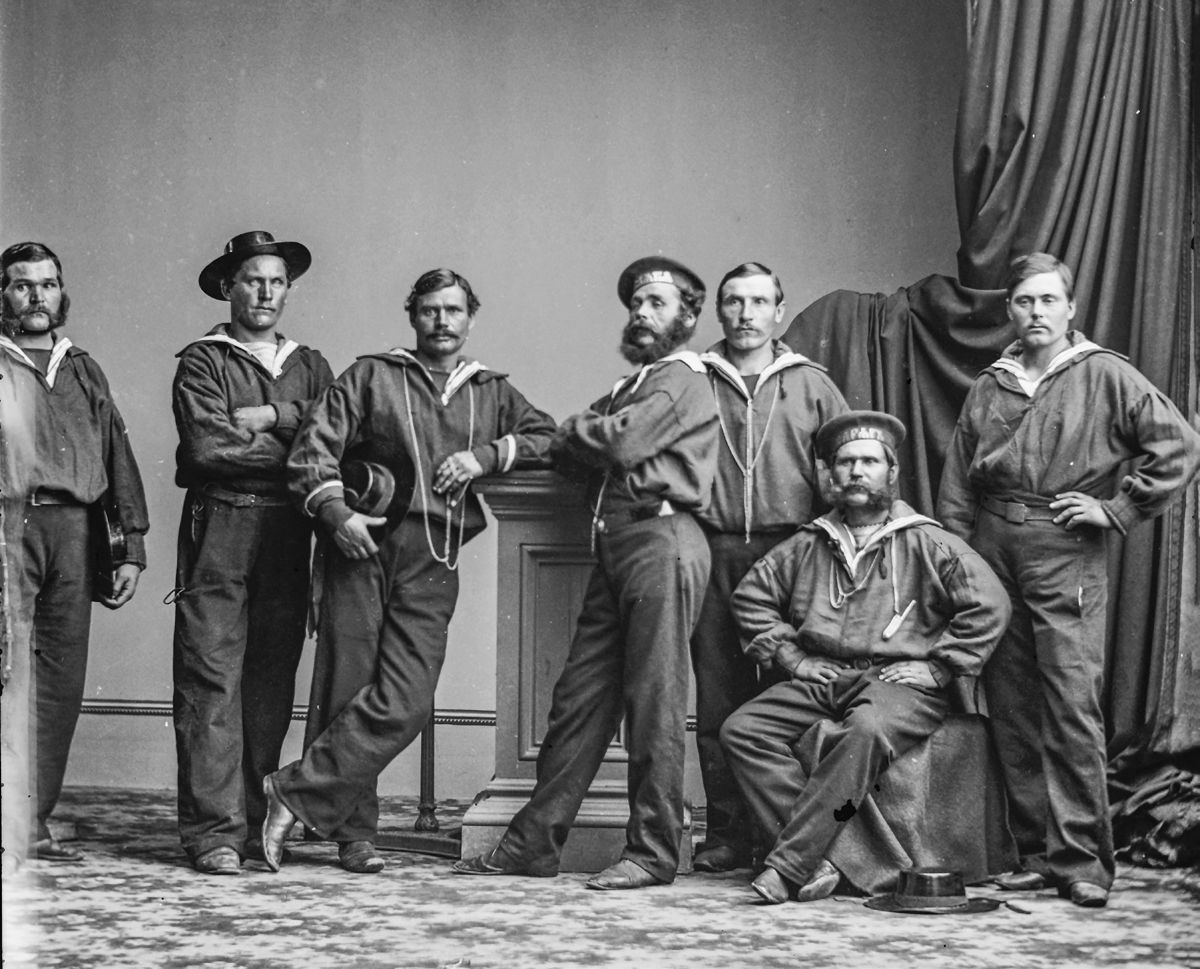
“God Bless the Russians.” – Diary of U.S. Naval Secretary Gideon Welles, October 2, 1863 During the mid-19th century, newspapers were much more widely read than they are in America today. Most major cities in both the Northern and Southern states had several daily newspapers, and many households took multiple subscriptions, at least morning and evening editions. Richmond had four daily newspapers, and a fifth began publishing in 1863. Soldiers on both sides were obviously civilians before the war began and shared an interest in current events. They eagerly awaited any and all news from home. Politics were hotly debated by officers and enlisted men around the campfire. Hence, the extent of Russian involvement with the North merits some brief discussion if for no other reason than the need for background knowledge of world events during the Civil War-era. The American Civil War created some unusual political alliances for an internal conflict, perhaps none as strange as the one between the Union and Tsarist Russia. A cartoon from the satirical London magazine “Punch” depicts Abraham Lincoln shaking hands with Russian Tsar Alexander II. In the background are scenes of carnage from a Civil War battlefield and the violent Russian response to the 1863 revolt in Poland. World politics in the mid19th century were complicated, especially in Europe. Just as the Confederate government sought legitimacy and support from England and France, the Union initiated an alliance with Tsarist Russia. However, the reasons now seem largely lost to history. Perhaps it is because of how things turned out in Russia during the early 20th century after the tsar was overthrown or the tensions of the post-World War II Cold War? It’s hard to say, but this much is known about Russian-American history during the Civil War. In October 1863, a Russian fleet arrived in New York harbor. Harpers Weekly, October 17, 1863, noted that it was “for a goodwill gesture to show the world that Russia was lending support to the liberal government of the United States.” Or perhaps to dock their fleet in a secure harbor that was not ice-locked six months of the year in case war broke out again in Europe, depending on how you look at it. The irony of the situation was not lost on the New York Times where it was noted that Russia, being an absolute monarchy was the only such nation to “openly express sympathy to a Constitutional Government in its hour of trial.” The extravagant New York City reception for the Russians included balls, feasts and a parade down Broadway.
The famous Manhattan restaurant Delmonico’s catered the festivities. Besides the delightful cut of steak still bearing their name, Delmonico’s restaurant was famous for creating such fare as Lobster Newburg, Manhattan clam chowder, Eggs Benedict, and other recipes which have stood the test of time. The broader point here is that nobody in the Lincoln administration was “counting the olives” during what was an extravagant celebration of the Russian visit to New York in 1863. What is not immediately clear is why this alliance was desirable or even necessary. What did Russia have to offer the Union during the Civil War? While many European military officers served on both sides, there were no significant numbers of Russian Army infantry or artillery officers in the Union ranks, at least no one considered noteworthy. The U.S. Ordnance Department certainly did not need to purchase any excess Russian small arms, especially by October 1863; of all the European arms makers, Russia exported fewer muskets to America than any other major military power during the U.S. Civil War. In U.S. and Confederate Arms and Armories during the American Civil War (2002) James Whisker correctly stated that “There is no question that Russian arms were the least common of all imported U.S. Civil War arms.” In fact, Russia imported most of their own small arms from Liege, Belgium, gunmakers. So, what role did Russia play for the Union during the Civil War? One theory that has been advanced to help explain St. Petersburg’s support for the Union cause was the philosophical similarity between Lincoln’s Emancipation Proclamation of Jan. 1, 1863, and the Russian ending of serfdom in 1861. In other words, freeing the serfs in Russia was a reform similar to Lincoln’s declaration of an end to slavery, at least in the South. Hence, politically speaking, the two acts drew the countries together as “a force for human freedom.” This piece of modern mythology probably took hold because most of Western Europe had abandoned both serfdom and slavery well before the mid-19th century, and it sounds good. The facts do not support this theory on many levels. Simply put, the most likely political basis for the Russian/ U.S. alliance was an attempt to keep England and France from recognizing the Confederate government or otherwise entering the fray on behalf of the Southern States. Russia obviously held ill will toward the governments of both France and England due to their military defeat in the Crimean War a bit less than a decade earlier, and in the case of France, perhaps dating back to the Napoleonic Wars. Hence, one needs to look no further; U.S. and Russian interests overlap right there. It is easy to forget how close England in particular came to armed conflict against the US based on animosity and mutual distrust. The Trent Affair in November 1861 led to a British troop build-up in Canada as well as a naval build-up in Bermuda. On Nov. 8, 1861, two Confederate envoys, Mason and Slidell, were taken off the British merchant ship Trent by a US warship during a diplomatic mission to London and Paris; the London press became filled with indignity and rage, while the anti-Union group in the British cabinet saw their chance to start a transatlantic war. It almost happened. Commercial gun-makers and other contractors in London and Birmingham were working around the clock to fill War Department orders for arms and uniforms. The Illustrated London News reported on Dec. 28, 1861, in an article titled Reinforcements for Canada: “The Tower has lately been the scene of great bustle, owing to the preparations for sending military stores to Canada. Night and day, on Sundays as well as other days, men have been engaged packing arms, clothing, and other necessaries to a great amount, which are placed on sailing-barges moored alongside the quays; the stores are taken thence down the river, and shipped on board the transports now off Deptford and Woolwich… Each soldier destined for Canada, on stepping on board of his transport, finds ready for him two pairs of woolen drawers, one jersey, two merino under-vests, two pair of worsted stockings, one comforter, one chamois leather waistcoat, one sealskin cap with ear-mufflers, one

CivilWarNews.com pair of sealskin mittens, one pair of Canadian boots, and one sheepskin coat.” U.S. Secretary of State William Seward threatened to “wrap the world in flames” should the British or French intercede on behalf of the Confederacy. The war of words went back and forth on both sides of the Atlantic with enough correspondence to fill several volumes. Initially, the British were very concerned about US intentions toward
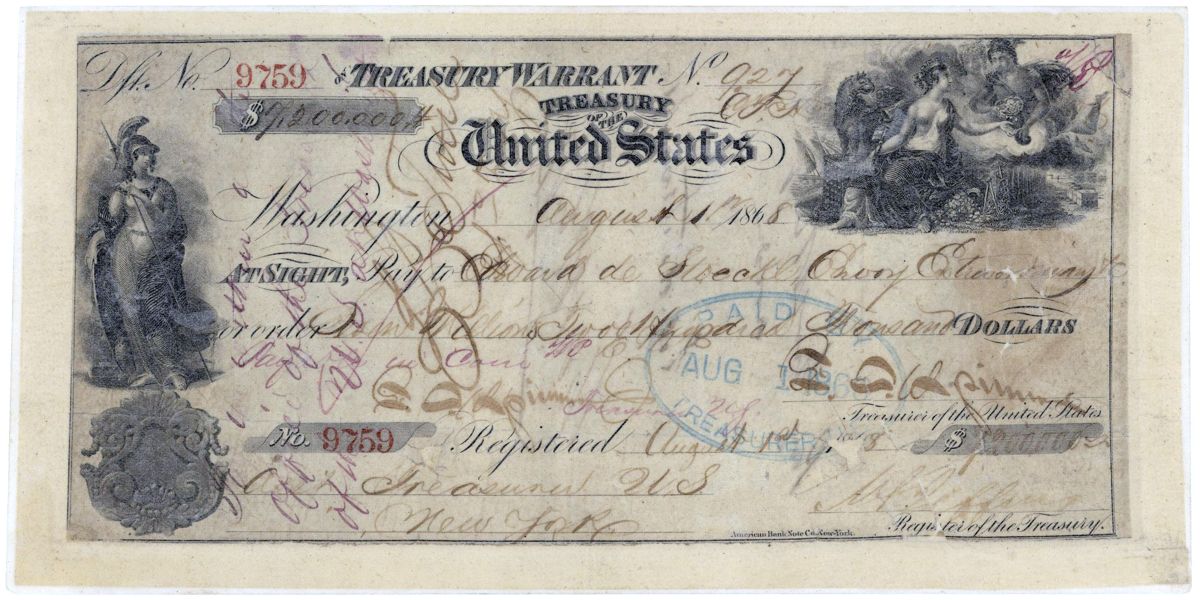
Canada, where their position was almost indefensible due to the small number of troops for the size of the territory. At the time Alaska was Russian territory, so the English colony in Canada was essentially surrounded on all sides by Russia on the Northwest and the United States to the South. The most likely recourse for England in the event of an attack on Canada would have been a naval response from Bermuda against U.S. harbors, and England had already begun the build-up of CivilWarNews.com warships in Bermuda. For their part, the Union was concerned about British government support for the Confederacy, which grew more and more unlikely as the war progressed. However, even as late as October 1862, the British Prime Minister was planning to demand an end to the war in America diplomatically followed by mediation, or else “…take more resolute action if the Northerners remain determined to fight.” This rhetoric may or may not have meant a strictly military response, and there is considerable debate on the topic, but an alliance with Russia from a U.S. perspective ensured the governments in France and England would remain on the sidelines. No more and no less. Therefore, should the subject come up during some late-night conversation around the campfire or while imbibing mint juleps on the front porch, the amicable relationship between the U.S. and the Russians did not cease with the Civil War. When the Tsar found his treasury short on cash and decided to sell something that seemed useless, the U.S. Government purchased Alaska from Russia for around 2¢ per acre in 1867, a transaction known at the time as “Seward’s
Folly.” The Russians had been trying to sell Alaska since the 1850s, but there were no buyers. Aside from the cash intake, the purchase of Alaska looked like a good deal for the Russians as it kept the English from exerting any claims towards territory contiguous with the Yukon region in northwest British Columbia. At the time, this was considered much too generous in favor of the Russians as there were no other buyers in the bidding; it turned out favorably once gold was discovered there thirty years later. Craig L. Barry was born in Charlottesville, Va. He holds his BA and Masters degrees from UNC (Charlotte). Craig served The Watchdog Civil War Quarterly as Associate Editor and Editor from 2003–2017. The Watchdog published books and columns on 19th-century material. He is the author of several books including The Civil War Musket: A Handbook for Historical Accuracy (2006, 2011), The Unfinished Fight: Essays on Confederate Material Culture Vol. I and II (2012, 2013). He has also published four books in the Suppliers to the Confederacy series on English Arms & Accoutrements, Quartermaster stores and other European imports.