Fort Boreman: Defender Of Parkersburg, West Virginia
By Charles H. Bogart · Originally published October 2023 · p. 13
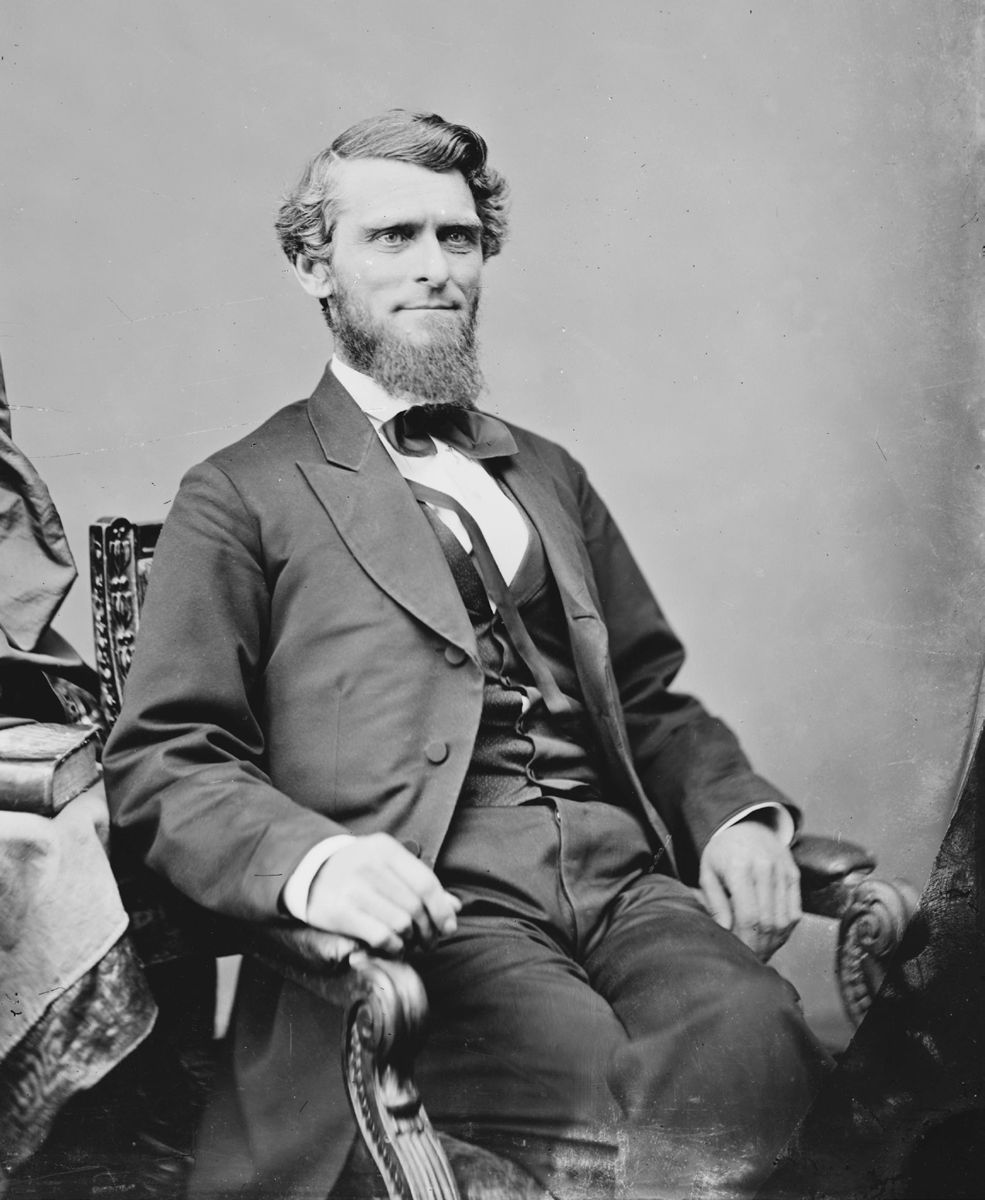
Fort Boreman: Defender Of Parkersburg, West Virginia By Charles H. Bogart Parkersburg, West Virginia, is located at the junction of the Kanawha River with the Ohio River. In 1861, West Virginia seceded from Virginia to form a loyal Union state. On June 20, 1863, West Virginia was admitted into the Union as the 35th state. During July and August 1863, the 11th West Virginia Infantry, under the command of Colonel Daniel Forst, built a fortification on a hill just west of the junction of the two rivers. This site dominated the area around the city of Parkersburg. The 11th West Virginia named this fortification Fort Boreman in honor of West Virginia’s first governor, Arthur Boreman. The purpose of Fort Boreman was to defend the city of Parkersburg from a Confederate attack.
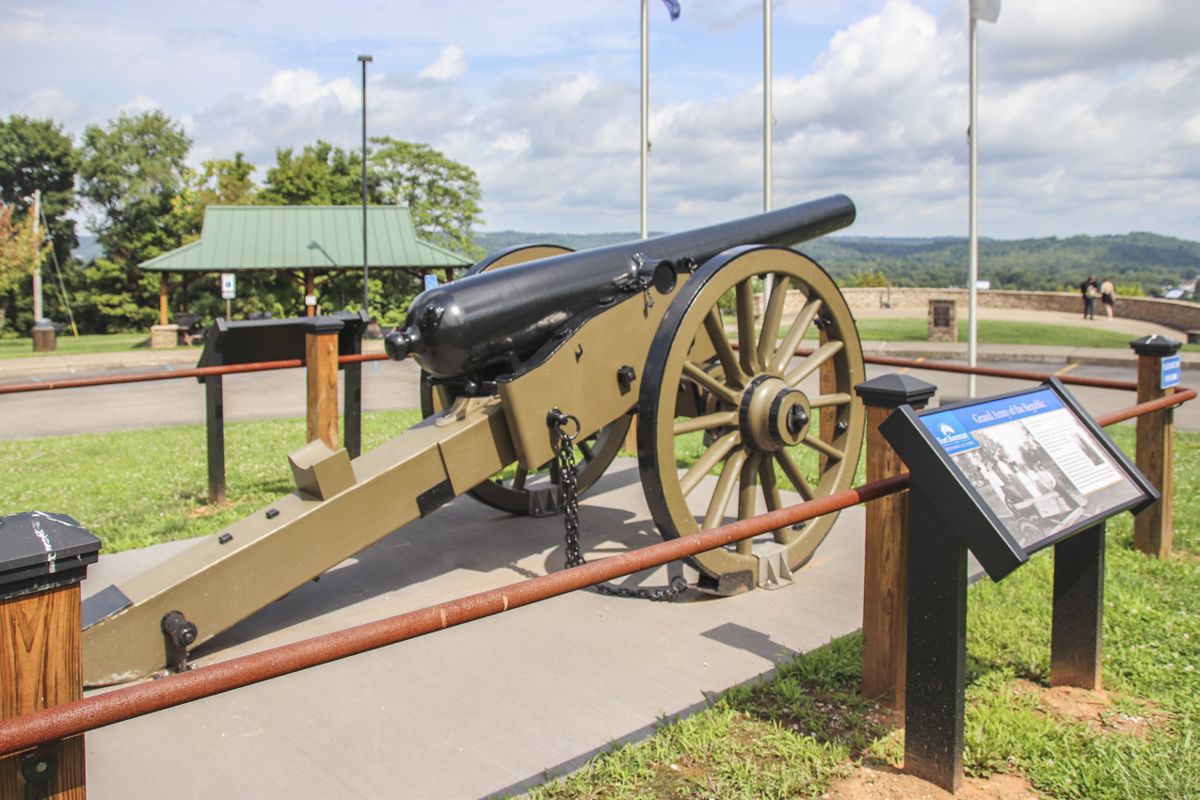
“Long Tom” facing toward the Ohio River. A picnic shelter is in the background with a scenic overlook to the right. (Photos by Charles Bogart)
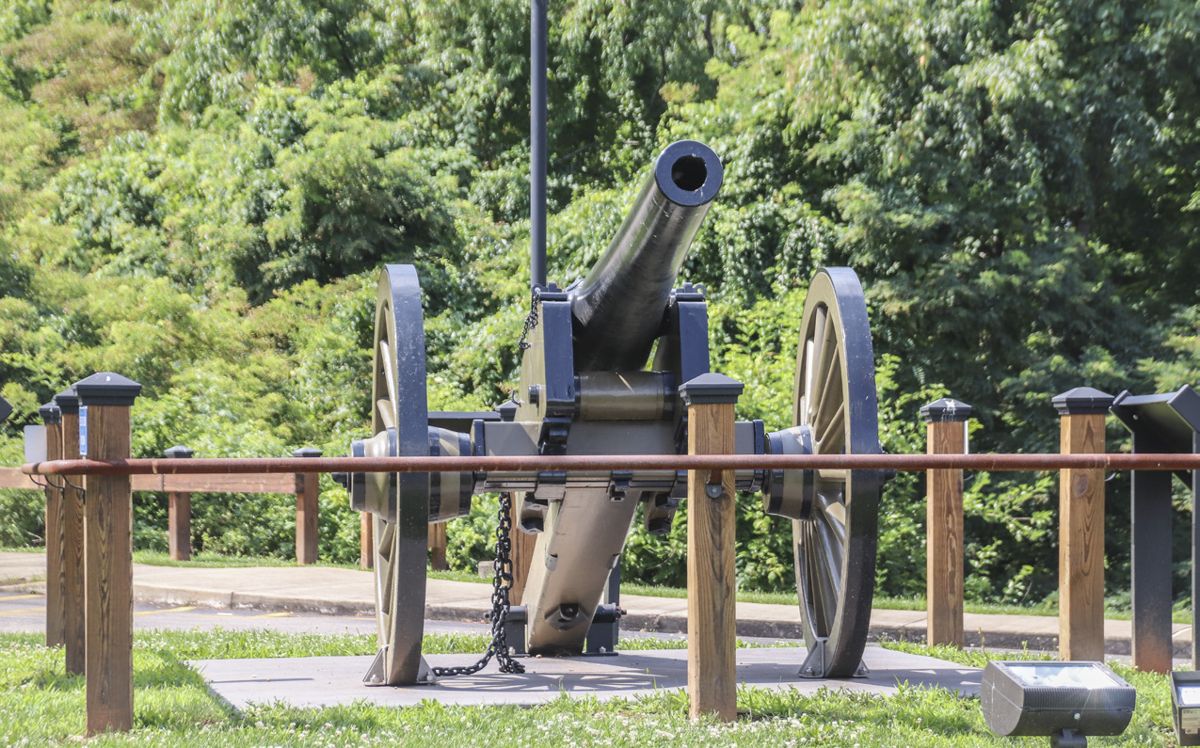
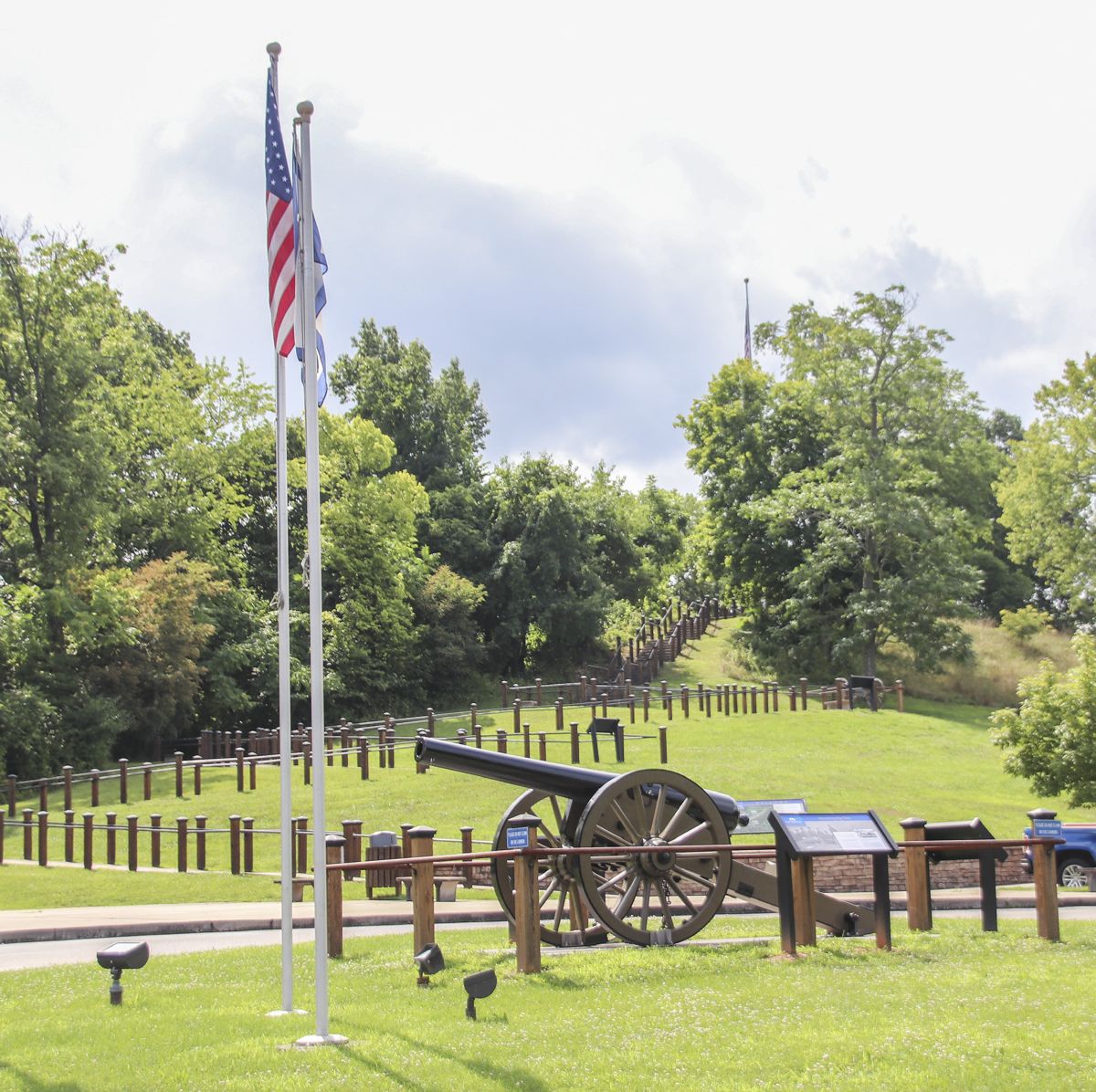
General John Hunt Morgan and his Confederate raiders had recently struck into the heart of Ohio, and other Confederate irregular forces were attacking Federal positions at various points within West Virginia. In 1863, Parkersburg was the southern terminus of the Baltimore & Ohio Railroad, a major supply artery for the Union Army. From Parkersburg, packet boats transported men and supplies up the Kanawha River or down the Ohio River. Within Parkersburg, the Union Army had numerous warehouses and commissary facilities. The city was also home to five hospitals and served as a recruiting camp. During the Civil War, a number of Union units garrisoned Fort Boreman. At the end of the war in 1865, Fort Boreman was abandoned, and nature reclaimed the landscape. In 1898, Parkersburg’s Andrew Mather GAR Post 14, purchased a Civil War-era 4.5-inch cast iron cannon to fire on the 4th of July. The gun had been ordered by the U.S. Army in March 1863 from the Fort Pitt Foundry. It was No. 70 of 113 Model 1861 Ordnance 4.5-inch rifled siege guns produced by the Fort Pitt Foundry, and it was the 1,413 gun produced at Fort Pitt. It is proof marked C.P.K. for the inspector Charles P. Kingsbury. The cannon was fired annually from the site of Fort Boreman by the GAR until 1920 when declining membership and age led to the discontinuation of celebrating the 4th of July by firing the cannon. In 1921, the local Parkersburg Kiwanis Club purchased the cannon, saving it from being sold for melting down. They moved it to the city park and mounted it on a concrete pedestal. In 2019, Wood County, of which Parkersburg is the county seat, began to restore the site of Fort Boreman as a park that had hiking and biking paths, a picnic shelter, and a location from which to watch barge traffic on the Ohio River and CSXT trains moving over ex B&O track. The 4.5-inch cannon, known locally as Long Tom, was transferred by the city to county ownership. The county had the cannon mounted on a reproduction period siege carriage. On November 15, 2021, the cannon was moved back to Fort Boreman. The 4.5-inch siege gun is now the centerpiece of the park and sits in its own private preserve located in the middle of the park’s parking lot. Unfortunately, the gun is no longer fired so one has to imagine how the sound of its firing would reverberate off the nearby Ohio Valley hills. Wood County, however, must be thanked for spending the money to return to public view a part of our nation’s heritage. Fort Boreman Park is open year-round from sunrise to sunset. Charles H. Bogart has a BA from Thomas More University and an MCP from Ohio State University. He is employed as a tour guide at the Fort Boone Civil War Battle Site in Frankfort, Ky., serves as President of the Frankfort Civil War Roundtable, and is a board member of the Kentucky Civil War Roundtable. He has written several books and articles on military and naval history.