
Clifton, Headquarters With A View for Both Sides in 1864
By Carl L. Sell Jr · Originally published October 2023 · pp. 6–7
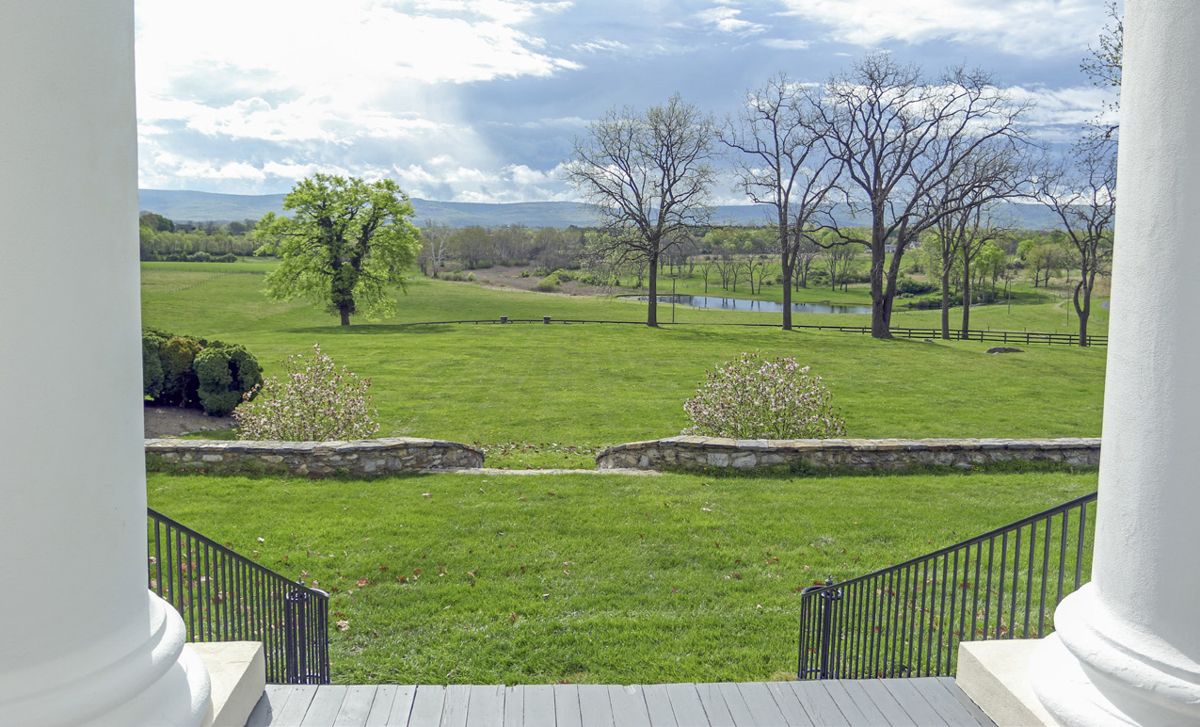
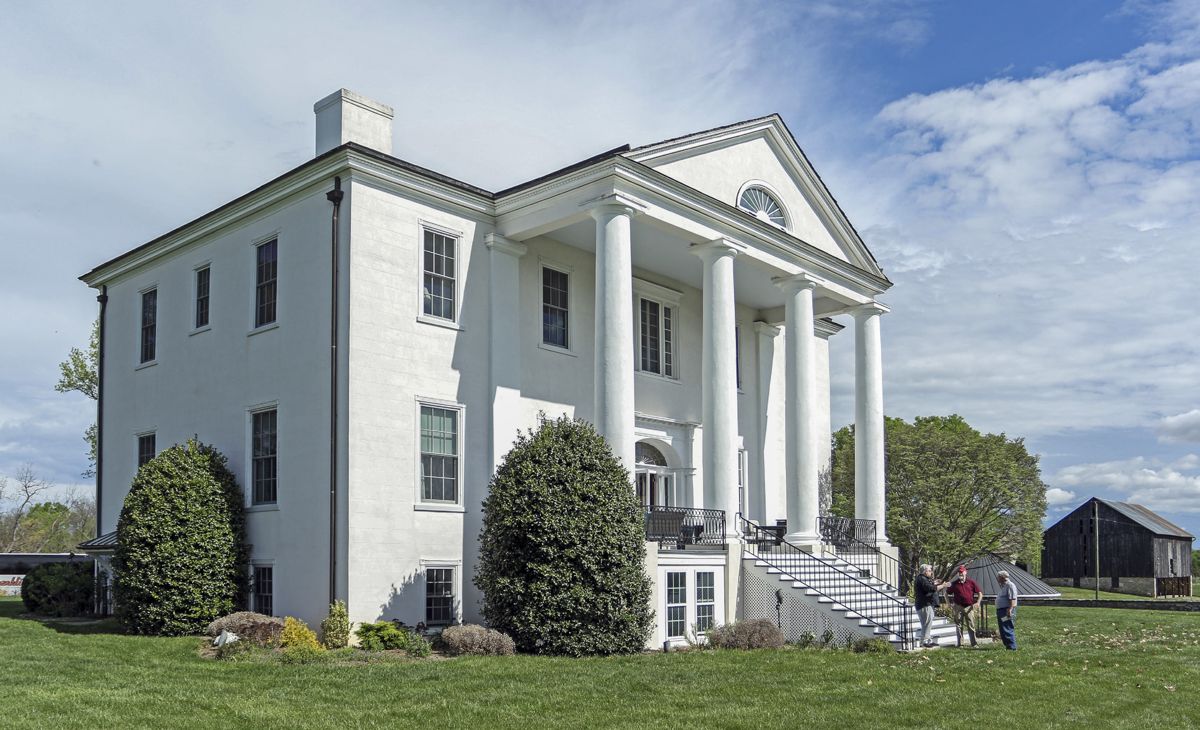
Clifton, Headquarters With A View for Both Sides in 1864 By Carl L. Sell Jr Situated on a knoll in the northern part of the Shenandoah Valley, the Clifton estate was used as a headquarters and observation post by both sides during the Civil War. General Robert E. Lee’s Army of Northern Virginia passed by on the way to Gettysburg in June 1863 and Union Major General Philip Sheridan planned his 1864 campaign to control the valley at Clifton in September 1864. Records show that General Lee and Lieutenant General James Longstreet went to church in Berryville on June 19, 1863. Lee’s headquarters was on Trap Hill, north of town, before he continued on to Maryland on June 24, passing Clifton on the way. Throughout the war, opposing armies and patrols passed by Clifton. Many stopped to set up camp or seek a handout from the Allen family who occupied the house. Surprisingly, there was little actual damage done to the house and its outbuildings. That’s not to say that provisions weren’t liberally appropriated, and the fields weren’t marred by hundreds of soldiers foraging during a long march. When Sheridan’s men left, they took away almost everything they could carry. Construction of the house was completed in 1834 by David Hume Allen, who lived there with his wife, Sarah Griffin Taylor Allen, until he died in 1854 at age 73. They were married in 1808. Sarah died in 1874. The Allens kept a daybook of events involving the estate. It was continued by Edgar Allen, David’s son, who lived at Clifton with his family. The daybook and portions of a diary by Lucy Ellen Allen, daughter of David and Sarah, provided historical information for this article. Clifton remained in the Allen family ownership until 1988. The 411-acre farm straddling the Virginia-West Virginia line north of Berryville, Va., is now held as part of a private trust. There was little direct action in and around Clifton early in the war, but the farm was often visited by soldiers on both sides. That changed in 1862 when Confederate forces under General Thomas (Stonewall) Jackson and Major General A.P. Hill encamped after the bloody battle at Antietam. Jackson’s cavalry guarded the area from West Virginia to Berryville and some riders spent nights in Clifton’s barn. Hill’s Light Division, which saved the day for the Confederates at Antietam, bivouacked along the Shenandoah River, and repelled several Union attacks at Castleman’s Ferry, just south of Clifton. The major Civil War events happened at Clifton in July and September 1864. Confederate Lieutenant General Jubal Early’s force, which had threatened Washington City, arrived on July 17. The Union Army was in hot pursuit and tried to engage Early’s forces at Castleman’s Ferry on the Shenandoah River. Then, in August and September, Lieutenant General Phillip Sheridan’s new Army of the Shenandoah set up headquarters at Clifton as a prelude to his campaign to oust Early and his army from the area which supplied much of the Confederates’ food supply.
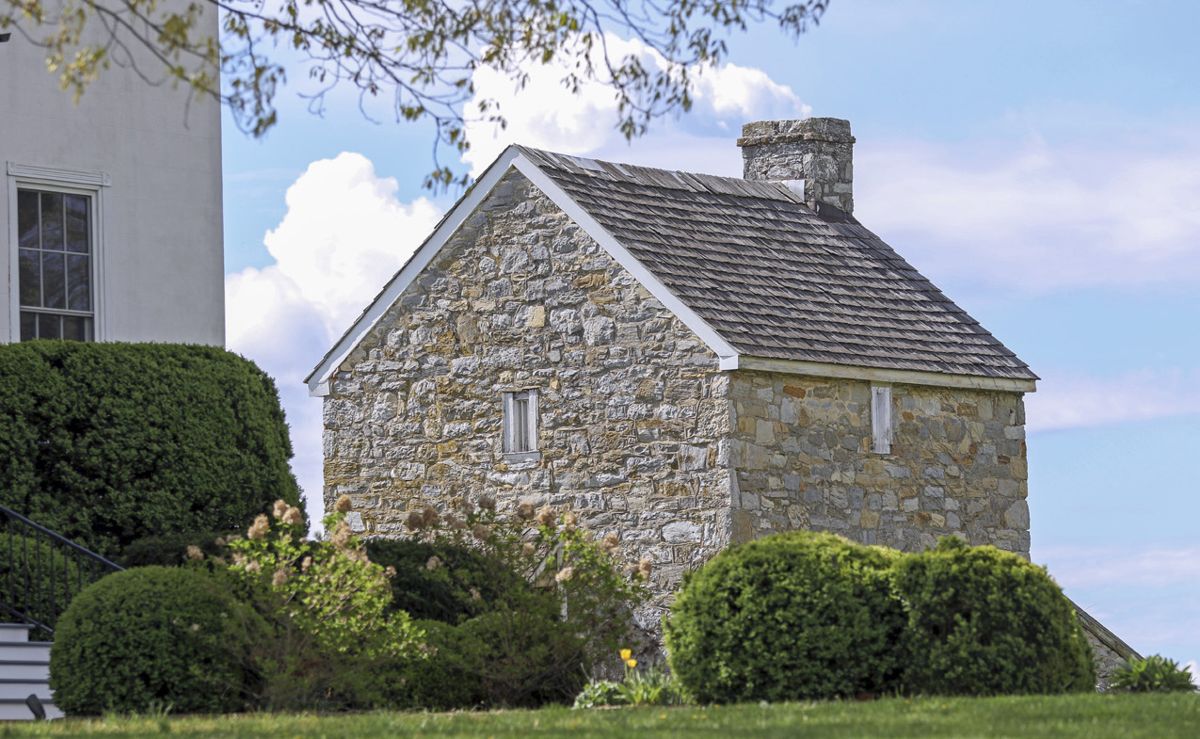
July 18, the Confederates In the foggy early morning They were under observation by thwarted a Union attempt to cross hours of August 13, 1864, a Confederate scouts who were the Shenandoah River, so Colonel long wagon train, some 500 part of Colonel John Singleton Joseph Thoburn moved his wagons, lumbered past Clifton Mosby’s Forty-Third Battalion, cavalry downriver to Cool Spring on the Charles Town-Berryville Virginia Cavalry, a partisan and tried again with infantry Turnpike (today’s U.S. 340). outfit that was wreaking havoc support. This time, the Yankees got across but were driven back by a Confederate counterattack by forces under Brigadier General Robert Rodes whose division had been strung out along the river near Clifton. The Yankees retreated across the Shenandoah and Early soon continued his march toward Winchester and a more permanent camp. The firing of artillery, rifles, and rising smoke could be seen from Clifton, where Early established a temporary headquarters according to the farm’s daybook. According to the record, General Clifton smokehouse side view Early left on July 20. After the Confederates defeated Union Brigadier General George Crook at Second Kernstown on July 24, Early sent Brigadier General John McCausland and 2,800 cavalrymen on a raid into Maryland and Pennsylvania. The raiders burned Chambersburg, Penn., to cinders on July 30, an event that greatly angered General Ulysses S. Grant, the overall Union commander. Sheridan immediately began organizing his new command. He arrived at Clifton and remained until August 18, according to Clifton looking toward the Blue Ridge. the house daybook. The army consisted of the VI Corps under Horatio Wright, the VII Corps under George Crook, and the XIX Corps under William Emory. All were major generals. Wright and Crook were involved at Cool Spring and Crook was the commander at Second Kernstown.
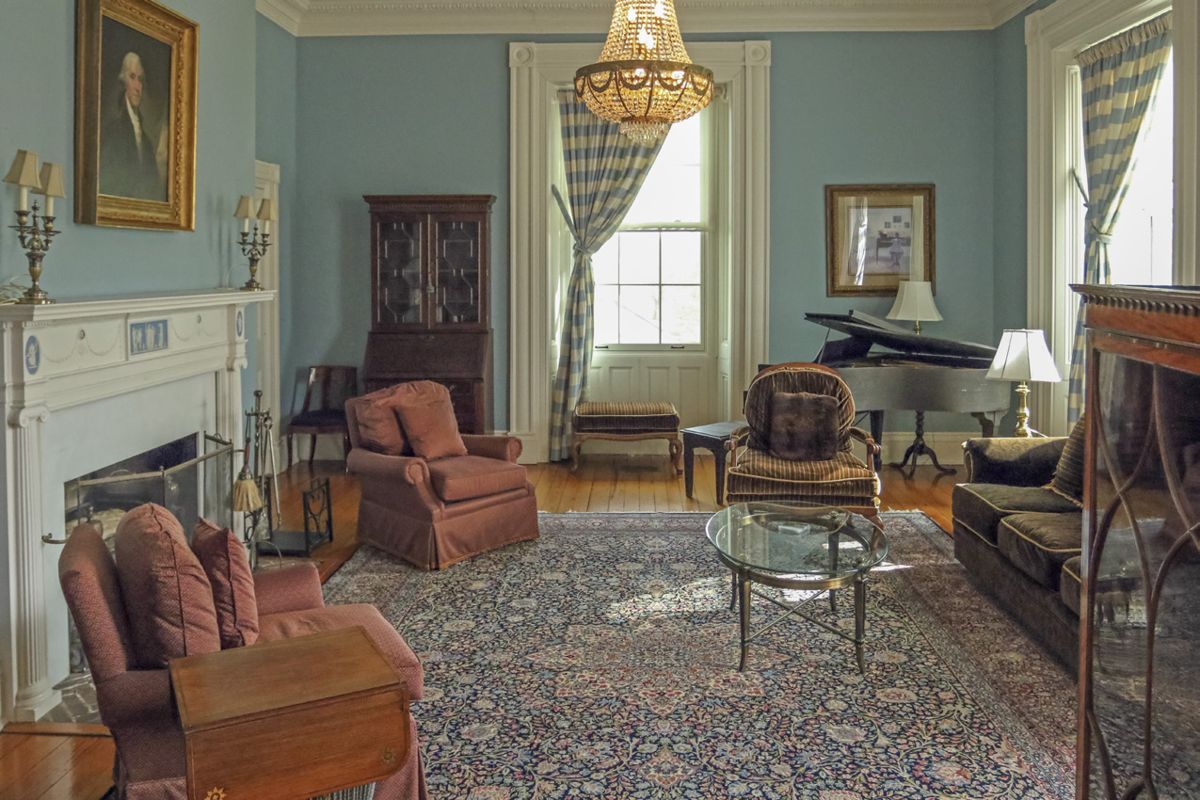
Clifton.
Inside at Clifton on Union troop movements and supplies. The wagon train was loaded with supplies for the Yankees shadowing Early’s Confederates. Mosby himself was not far away at Springfield Farm, east of Berryville. The wagon train halted about a mile north of Berryville to water the horses in Buck Marsh Run, just south of Clifton. The house records indicate Sheridan had his
CivilWarNews.com headquarters there until August 19, although he probably had moved closer to Winchester that morning. Mosby’s men set up their lone howitzer about 200 yards from the turnpike near the point before the wagon road turned west toward Winchester. Unfortunately, the gun was placed in the midst of a hornet’s nest, causing painful stings before it could be relocated.
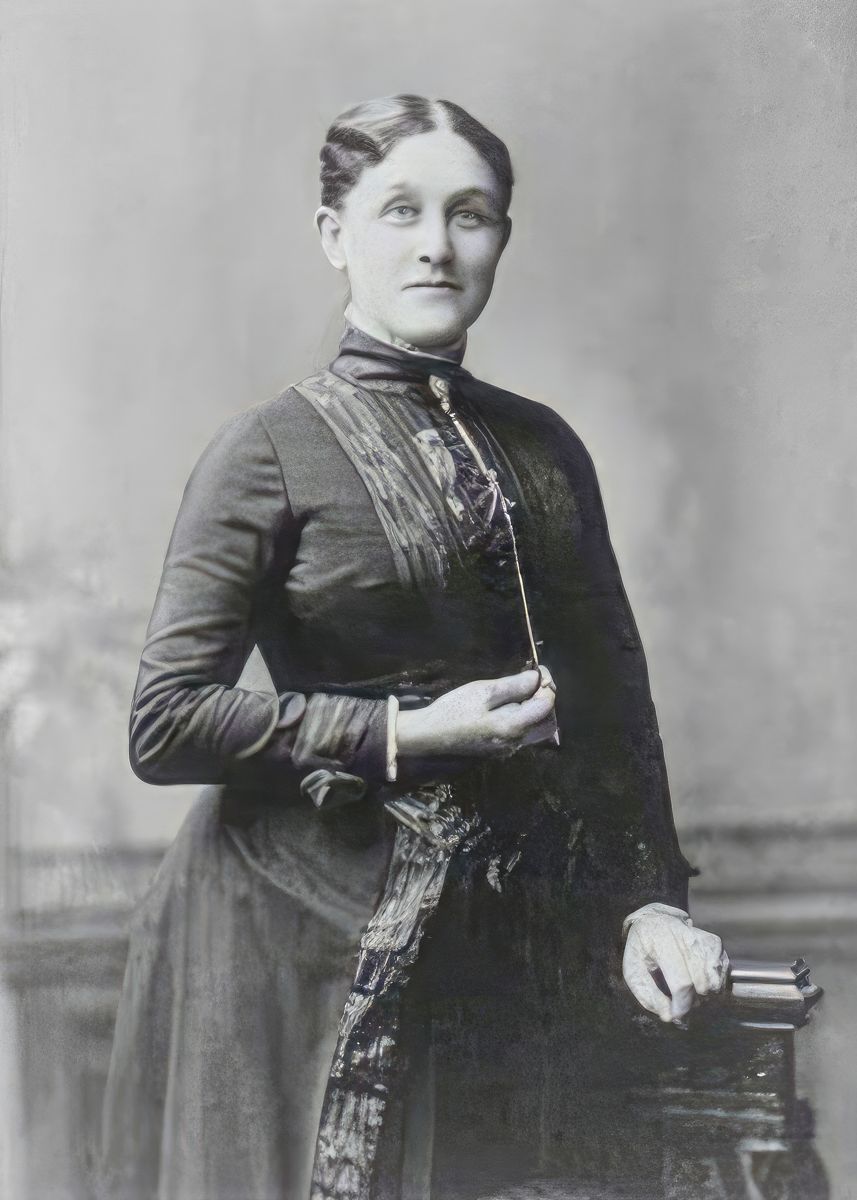
Rebecca Wright.
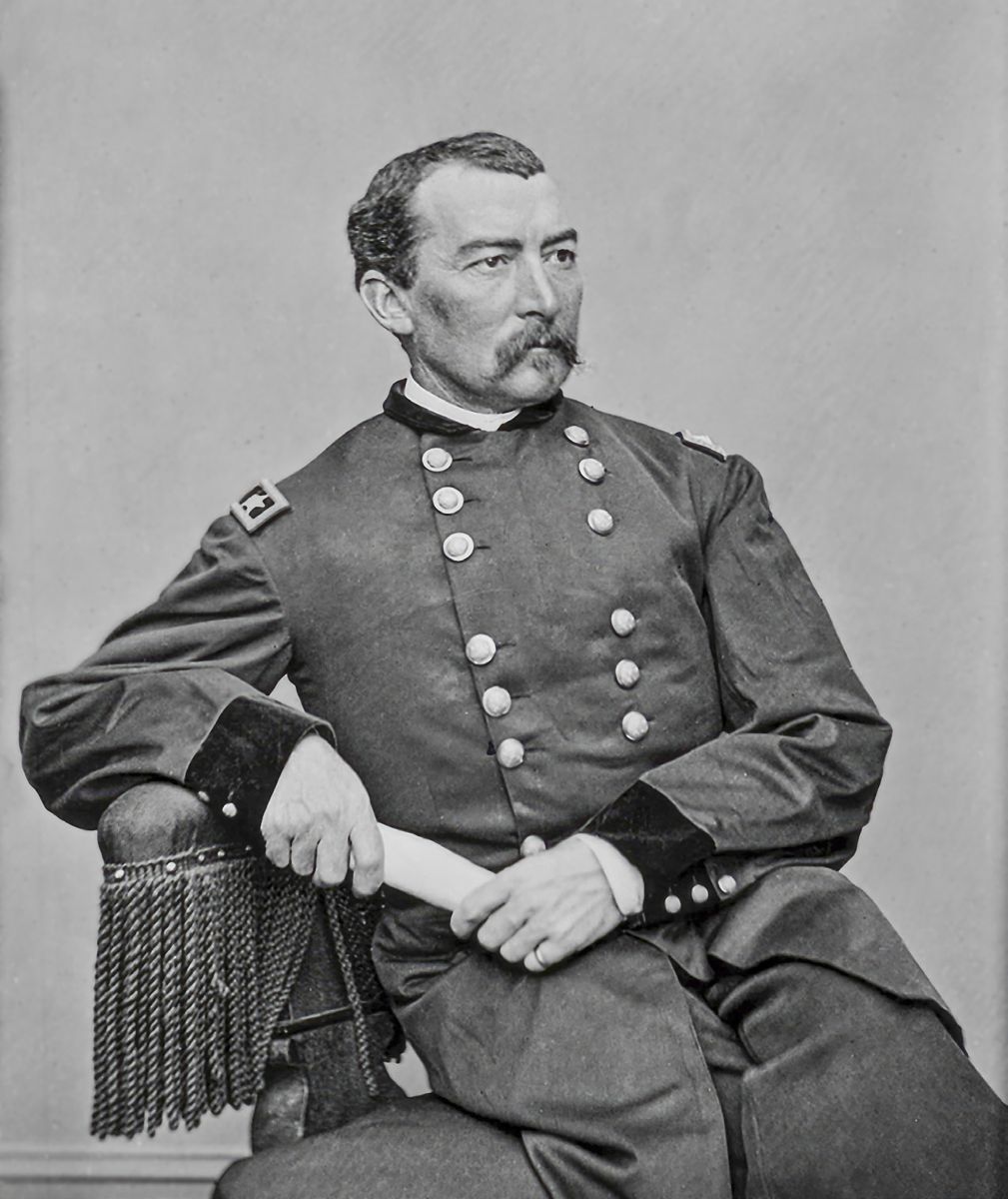
At Mosby’s signal, three rounds were fired at the wagons and hundreds of Confederates descended on their prey. More than 75 wagons were destroyed or given to residents of Berryville as plunder. The Confederates also captured 500 mules and 200 head of cattle. Mosby lost two men killed and three wounded before crossing the Shenandoah and escaping into Fauquier County. Sheridan described the raid as an “annoyance” in a letter to Grant. The Union commander stationed forces at Charles Town and Berryville with orders for constant scouting to keep couriers and trains safe. Grant traveled to Charles Town on September 17 to meet with Sheridan and put the finishing touches on the campaign to defeat Early, who was then ensconced at Winchester. In the meantime, Sheridan had a spy in Winchester who provided important information about a weakened Confederate garrison. The contact in Winchester was Rebecca Wright, a young Quaker schoolteacher who was a Union supporter and operated a private school. Sheridan sent her a note on September 15, the day before he met with Grant, and received her answer with important details on September 17. Sheridan had also learned that a Negro farmer from nearby Millwood named Thomas Laws had a pass from General Early that allowed him to sell produce three days a week in Winchester. He asked General Crook, who had spent time in Winchester earlier in the war, if he knew of anyone who might be able to provide information. General Crook remembered Miss Wright as a Union sympathizer and said she might be able to help. The Negro farmer carried a note wrapped in tinfoil in his mouth to Miss Wright. After careful consideration of the punishment should she and Laws be caught, she decided to tell Sheridan that she had heard that 4,000 men and 12 guns had been ordered back to the Confederate front at Petersburg. Laws carried the note to Sheridan the same way he had brought it. Sheridan attacked the next day, beginning a series of victories that chased the Confederates all the way to Staunton, and put the Shenandoah under Union control. Miss Wright later said Sheridan came to her door in Winchester to thank her and the following year sent her a watch and chain to commemorate her “courageous and patriotic action.” While he was in Winchester, Miss Wright said Sheridan wrote his battle report sitting at her desk. After the war, Sheridan helped Miss Wright get a job with the United States Treasury Department after Grant was elected president in 1868. She subsequently married William Carpenter Bonsal and they had a son who died at a young age. She died in 1914 and is buried in Glenwood Cemetery in Washington, D.C. In April 1863, Lucy Allen’s “intended,” Sergeant Kennedy Grogan, a member of Lige White’s Thirty Fifth Battalion, Virginia Cavalry, was mortally wounded at Greenland Gap near Moorefield, West Virginia. He attended the University of Virginia before the war and is buried in Berryville. Kennedy’s brother, Charles Edward Grogan, was a lieutenant in Company D of Mosby’s FortyThird Battalion. He had been with Major General Isaac Trimble’s staff at Gettysburg, was twice wounded on July 3, captured, and then escaped. He later joined Mosby. He apparently was not on the wagon train raid but was involved in most other Mosby raids before being wounded again in Fauquier County in December 1864.
During May 1863, Lucy Allen wrote in her diary about the mortal wounding of her brother’s son, Algernon Sydney Allen, Jr., and Stonewall Jackson at Chancellorsville. Jackson was a favorite at Clifton, having operated in the area in both 1861 and 1862. Algernon was a second lieutenant in Company F, Twelfth Virginia Infantry. Lucy, who never married, commented in her diary that Union soldiers often arrived at mealtime expecting to be fed. They usually were accommodated, and one group even offered to pay for their supper. She lamented the fact that many servants had left, leaving the family members to fend for themselves. She wrote of having been awakened one morning by Union soldiers who were in the house searching for Confederate soldiers, saying they would burn the house if they found any. It turned out to be a false alarm but the soldiers left with two young men who were soon released. Perhaps one of the more interesting incidents involved Lucy’s sister-in-law, Jane Tidbal Allen, who woke up one morning in May 1863 to find her servants, and some of her clothing gone. Jane and her mother-in-law, Sarah Griffin Taylor Allen, decided to travel to Winchester to retrieve her belongings. There, they asked the Provost Marshall for permission to search for the items but were turned down. Undaunted, they asked to see Major General Robert Milroy, the garrison commander, and ask his help. Surprisingly, after some controversy, Milroy gave her a pass and a guard to look for her belongings. They found the culprits, recovered most of the missing items, and returned to Clifton. The following month, Milroy was chased from Winchester by Confederates under Lieutenant General Richard Ewell on his way to Gettysburg.
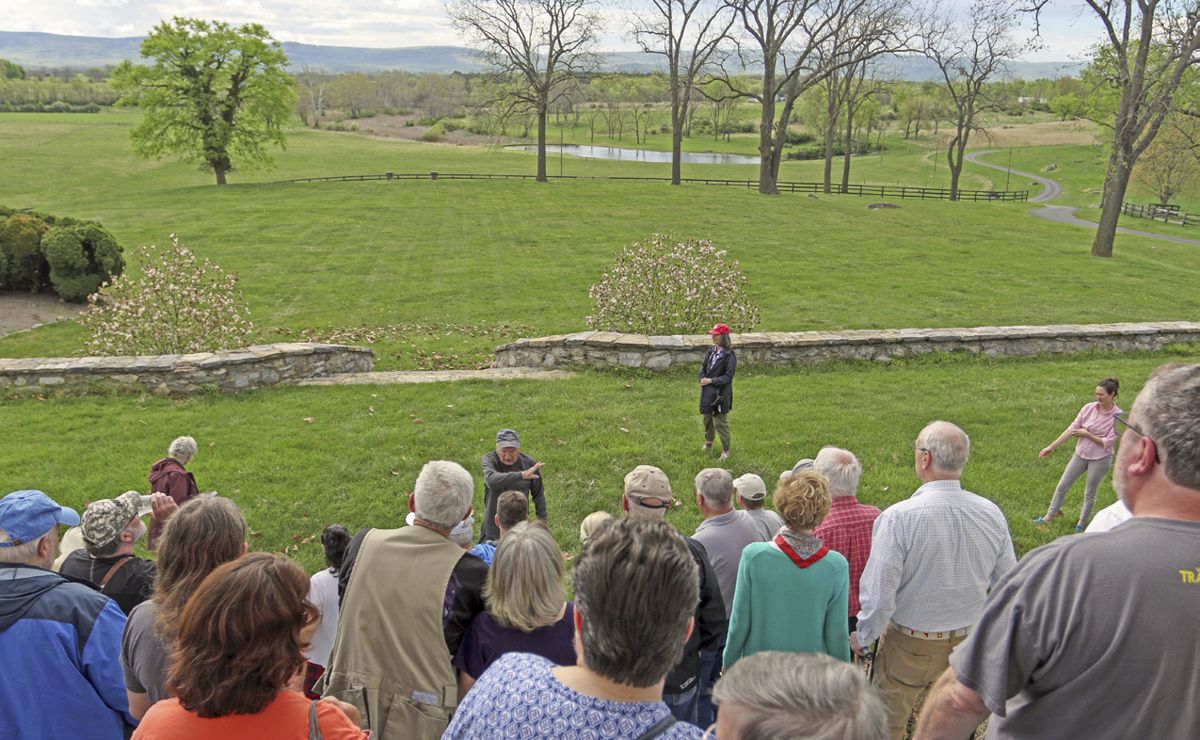
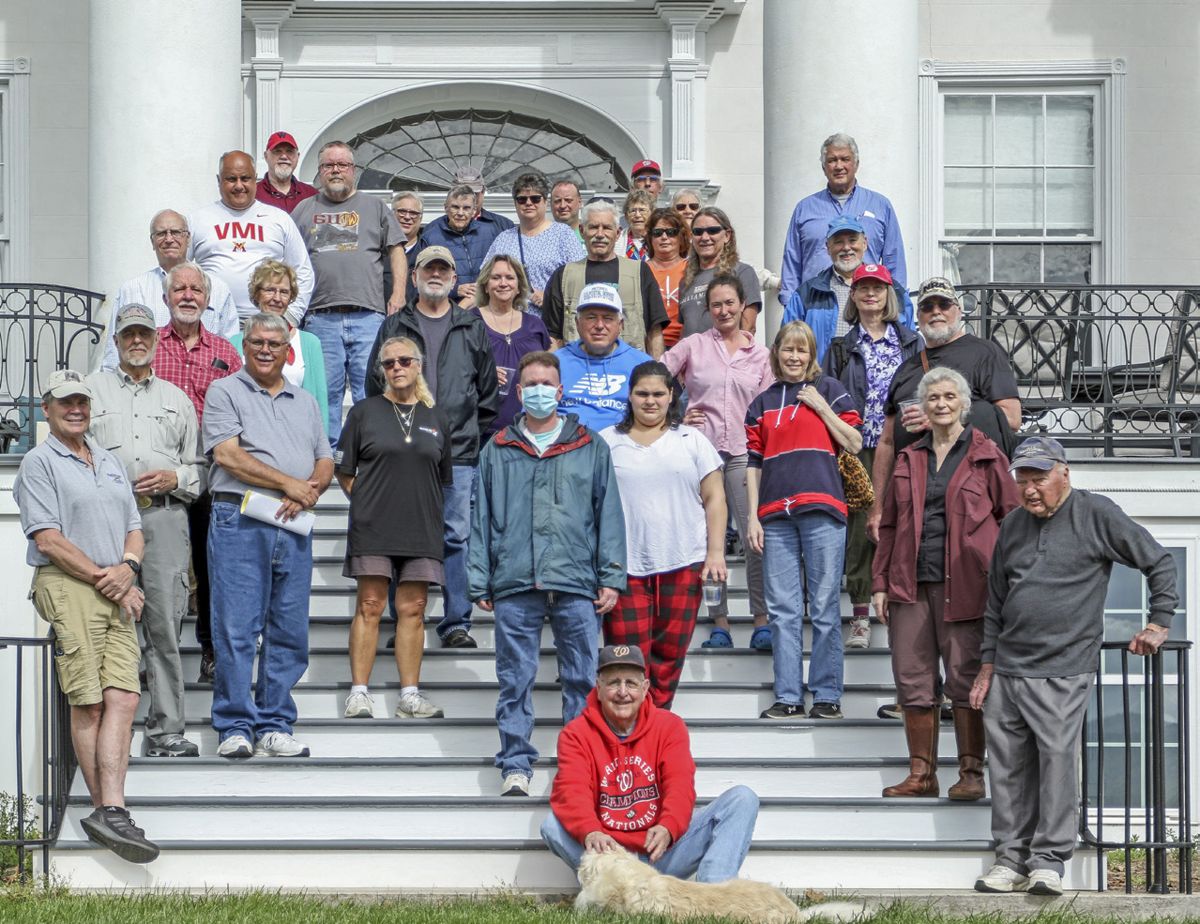
Clifton was a stop on the Spring 2023 Both Sides Tour, a semiannual day-long trip to Civil War sites within reach of Northern Virginia. The tours are conducted by Carl Sell, an occasional contributor to the Civil War News, and fellow historians Ben Trittipoe and Don Hakenson. Trittipoe and Hakenson provide the factchecking for Sell’s articles. Genealogist Karen Conair helped keep the family lineage straight. Photography by Bill Kamenjar. Contact Carl Sell at [email protected] or 703-971-4716.