
Clendennin’s Raid: Forgotten Foray Between Chancellorsville and Gettysburg
By Tim Talbott · Originally published October 2023 · pp. 14–15
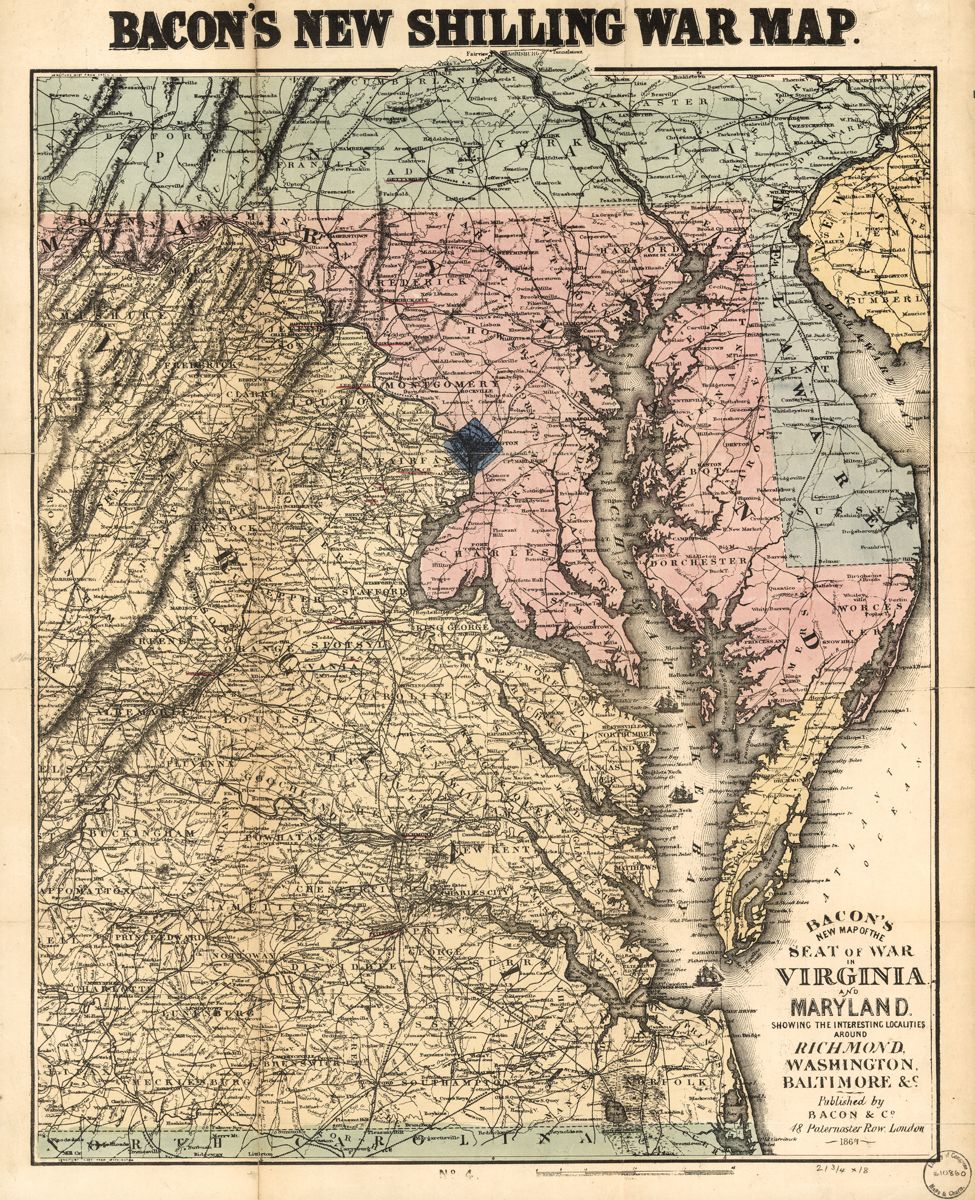
Clendennin’s Raid: Forgotten Foray Between Chancellorsville and Gettysburg By Tim Talbott When one thinks of army operations that happened between the Battles of Chancellorsville and Gettysburg, the Battle of Brandy Station (June 9, 1863) quickly comes to mind, but the Army of the Potomac and the Army of Northern Virginia were both active with other movements during this period, too.
Virginia’s Northern Neck was an area that had long troubled the Federals due to Confederate smuggling operations and guerrilla activity. Following the defeat at Chancellorsville, the Army of the Potomac camped primarily in Stafford County. Stretching to the southeast of those encampments the Northern Neck encompasses the peninsula of land between the Potomac River to the north and the Rappahannock River to the south. The Northern Neck consisted of the counties of King George, Westmoreland, Richmond, Northumberland, and Lancaster. This region was home to many plantations containing thousands of enslaved people, who produced significant amounts of food crops for the Confederacy. Less than two weeks after the Battle of Chancellorsville, the 8th Illinois Cavalry received orders to make a reconnaissance through the Northern Neck. On May 16, 1863, Maj. Gen. Joseph Hooker’s chief of staff, Maj. Gen.
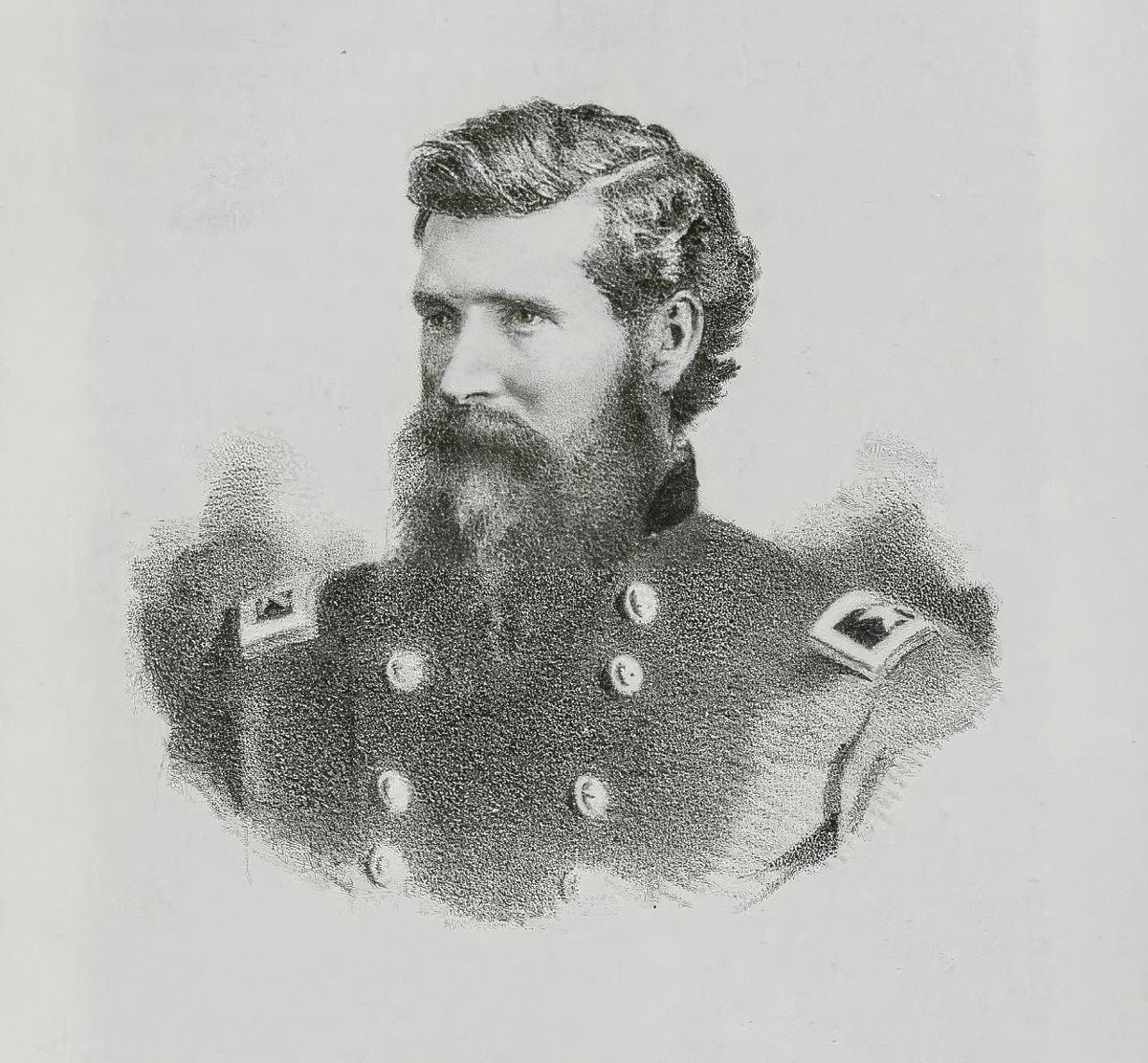
Daniel Butterfield, sent orders to Brig. Gen. Alfred Pleasonton directing him to “send a regiment of cavalry, down the Northern Neck, with instructions to capture and destroy all vessels … used for contraband trade in the Potomac or Rappahannock, and particularly to destroy those used for carrying supplies to the enemy… .” Chosen for the assignment was the 8th Illinois Cavalry. As the historian of the regiment noted, “Nothing could have pleased our men better, for from picketing that country, they knew where to find good living.” The cavalrymen left their camps on May 17 or 18 with about 400 men and four days of rations. Leading the troopers of the 8th Illinois was Lt. Col. David R. Clendennin. When they reached King George Court House, Clendennin divided the regiment into three parts, assigned an officer to each, and instructed them to range down different roads covering the length of the Northern Neck with the goal of “capturing and destroying rebel property without limit.” Apparently, the cavalrymen left no stone unturned and met limited resistance. On May 20, Butterfield sent orders to the I Corps calling for some support for the cavalrymen in case any Confederate infantry crossed the Rappahannock to challenge the 8th Illinois. Drawing the assignment were three infantry regiments from the Iron Brigade: the 19th Indiana, the 6th Wisconsin, and the 24th Michigan. Col. Henry Morrow of the 24th Michigan led the foot soldiers. In addition, the 8th New York Cavalry joined Morrow’s infantry. During the expedition, the cavalrymen located “one hundred sloops, yawls, ferry-boats, &c.” Burning these watercraft also destroyed captured supplies of “salt, oil, whisky, leather, stationery, wool cards, percussion caps, boots, shoes, clothing and many other articles of especial value to the rebels.” In addition, the troopers also destroyed “About twenty thousand pounds of bacon and a large quantity of flour.” In their effort to seek out and ruin as much war material as possible, one group of cavalrymen learned
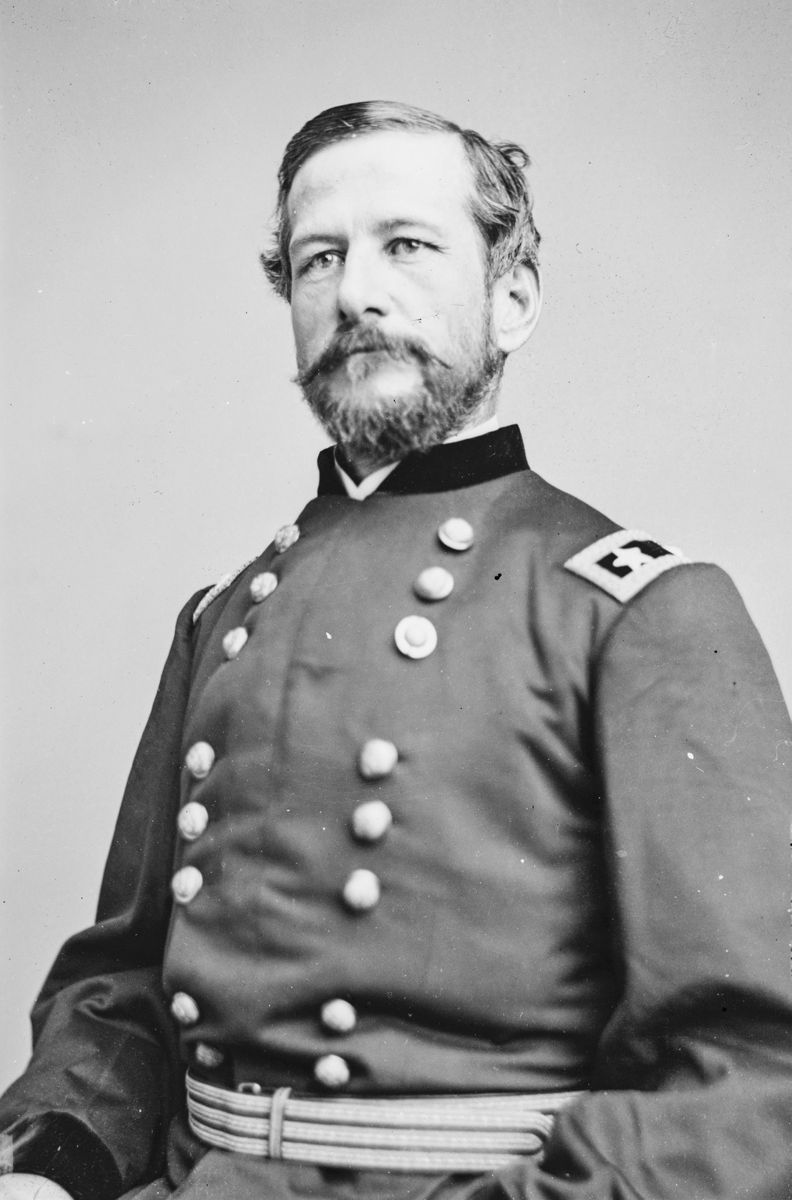
Col. Henry Morrow, 24th Michigan Infantry, led three Iron Brigade regiments as support during Clendennin’s Raid. (Library of Congress)
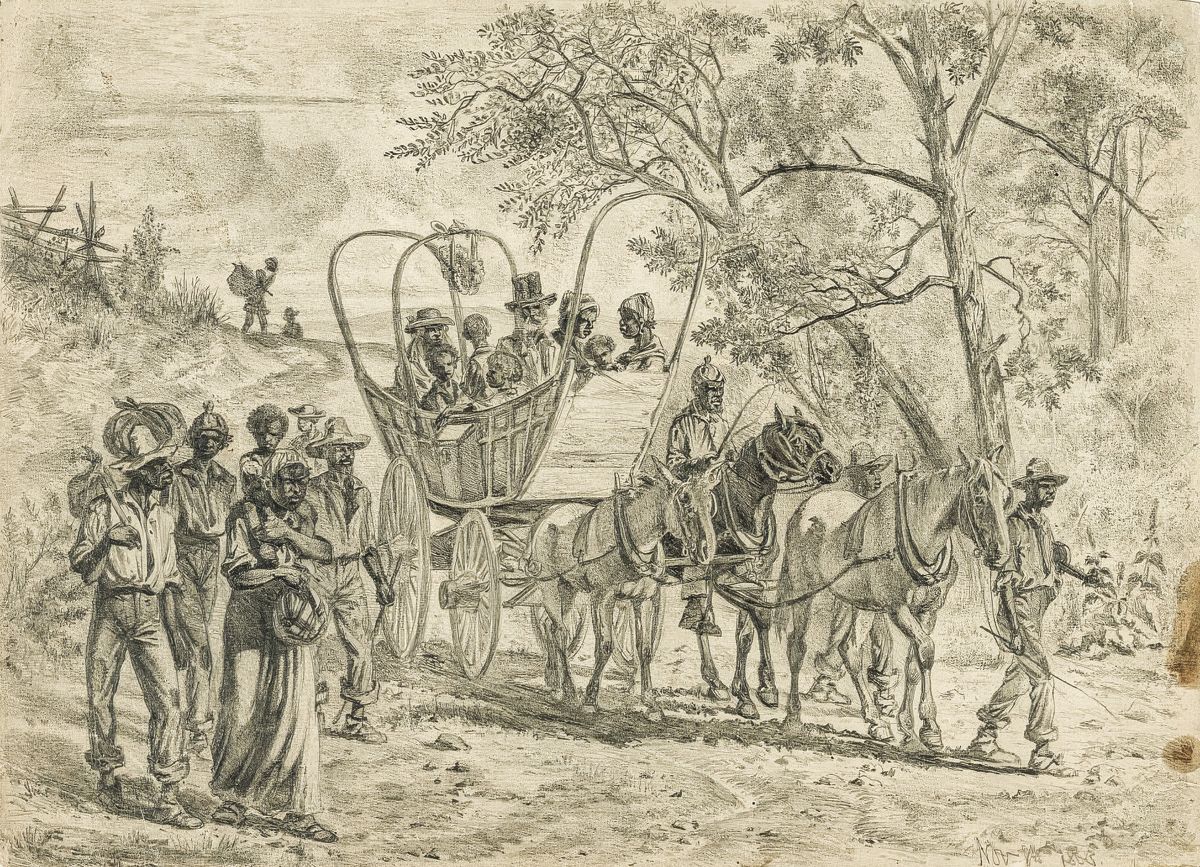
CivilWarNews.com that a ferry boat at Leedstown in Westmoreland County was on the southern bank of the Rappahannock. Incorporating a method of deception to lure the boat to the northern shore, several of the Illinois cavalrymen donned Confederate uniforms and with a couple of previously captured prisoners hailed to the boat to take them across the river. When it arrived on the northern bank they seized the boat, took those on board as prisoners, and burned the boat. Meanwhile, on May 21, the regiments of the Iron Brigade marched to King George Court House. Leaving Lt. Col. Rufus Dawes of the 6th Wisconsin and about 160 soldiers to guard a road intersection, the other infantrymen moved on south toward the Rappahannock River. One small party of the Illinois cavalry did run into some Confederate resistance on May 22. Lt. William C. Hazleton and a Sgt. Martin of Company D received fire from guerrillas while away from their camp. Martin took 15 buckshot, leaving him “severely wounded,” while Hazelton escaped unscathed. The same day, Colonel. Morrow and his infantry contingent learned about Confederate boats on the Rappahannock’s southern shore he hoped to destroy. But on May 23 Morrow’s men were either unable to locate them or the information proved false, as “The attempt was made with every prospect of success, but failed.” Morrow’s men had to be content with firing at some Confederate cavalry across the river, but at too great of distance to do anything but encourage them to ride off. As briefly mentioned earlier, the Northern Neck contained a large number of enslaved people. The five counties that make up the region counted 17,151 bondsmen, women, and children in the 1860 census. On average, the population for the combined five counties was over 51 percent enslaved. During the 8th Illinois Cavalry’s return trip up the Neck, many of these freedom-seeking people took advantage of the Federal cavalry’s presence and “joined the emancipating column.” With the Emancipation Proclamation having gone into effect on January 1, 1863, and knowing that taking laborers away from their enemies helped weaken the Confederacy, Union troopers encouraged the refugees. The regimental historian noted that “Coming in squads from five to twenty … they brought with them all their personal property, horses, mules, carts, clothing, &c., and doubtless some [possessions] that did not legitimately belong to them, but which they had confiscated … from rebel masters… .” In addition, information provided by those just emancipated helped ensure the success of the raid. The historian of the 8th Illinois claimed that the regiment eventually “accumulated fifteen hundred men, women, and children,” but the official report that Gen. Pleasanton filed on May 26 noted the raiding cavalrymen brought away 800 formerly enslaved people. Regardless of the exact figure, the number was significant. Colonel Morrow and his Iron Brigade regiments had not located the Illinois cavalrymen by May 23. However, as they started to move further southeast on the Northern Neck, they encountered the Illinois troopers and their assorted “procession, which was three miles long,” on May 24. After about a week in their saddles, the cavalrymen returned to their camps, “and not a more ludicrous procession was ever seen than this cavalcade of cavalry, negroes, captured horses, mules, carts, wagons, oxen, rebel soldiers, trotting sulkies, top carriages &c. &C,” wrote the historian of the 8th Illinois.
General Pleasonton’s report on May 26 noted that in addition to the freed people, “innumerable mules, horses, &c” and “between 40 and 50 prisoners, including a captain and lieutenant” were all brought back. Pleasonton estimated that, “The amount of damage done the enemy is thought to be nearly $1,000,000.” Apparently, the mission only resulted in three cavalrymen casualties: one “severely wounded and 2 slightly.” The general’s brief report ended by claiming that, “Considering the force engaged and the results obtained, this is the greatest raid of the war.” Perhaps one reason that Clendennin’s Northern Neck raid remains so forgotten is its timing. Sandwiched between Stoneman’s Raid during the Chancellorsville Campaign and the Battle of Brandy Station and the Federal cavalry’s strong performance during much of the Gettysburg Campaign, it simply gets marginalized. However, for the enslaved people who joined in Clendennin’s “emancipating column” it was a life-changing and probably long-remembered milestone. Tim Talbott is the Chief Administrative Officer with the Central Virginia Battlefields Trust.
The mission of CVBT is to preserve land associated with the four major campaigns of: Fredericksburg, Chancellorsville, Mine Run, and the Overland Campaign, including the Wilderness, and Spotsylvania Court House. To learn more about this grassroots preservation non-profit, which has saved over 1,700 acres of hallowed ground, please visit: www.cvbt.org.