
Standing Up For Honor at Chambersburg
By Carl L. Sell Jr. · Originally published November 2023 · pp. 18–19
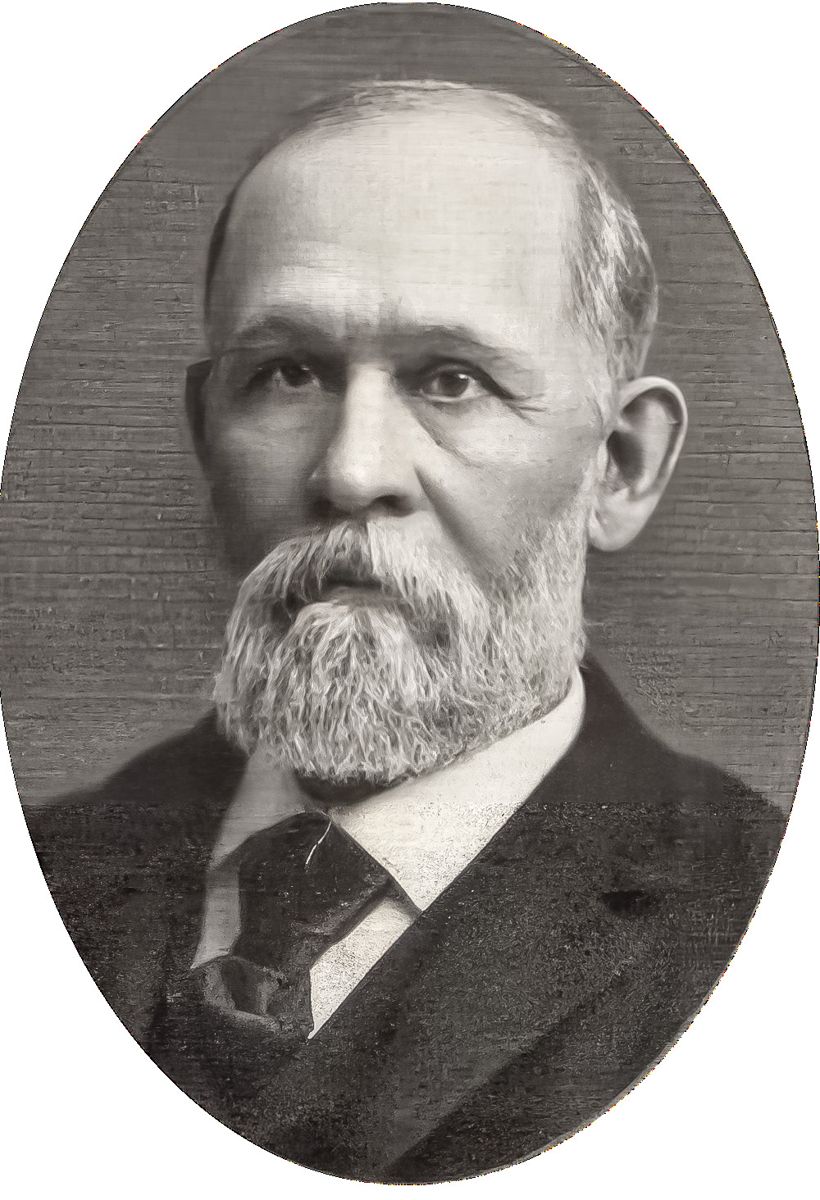
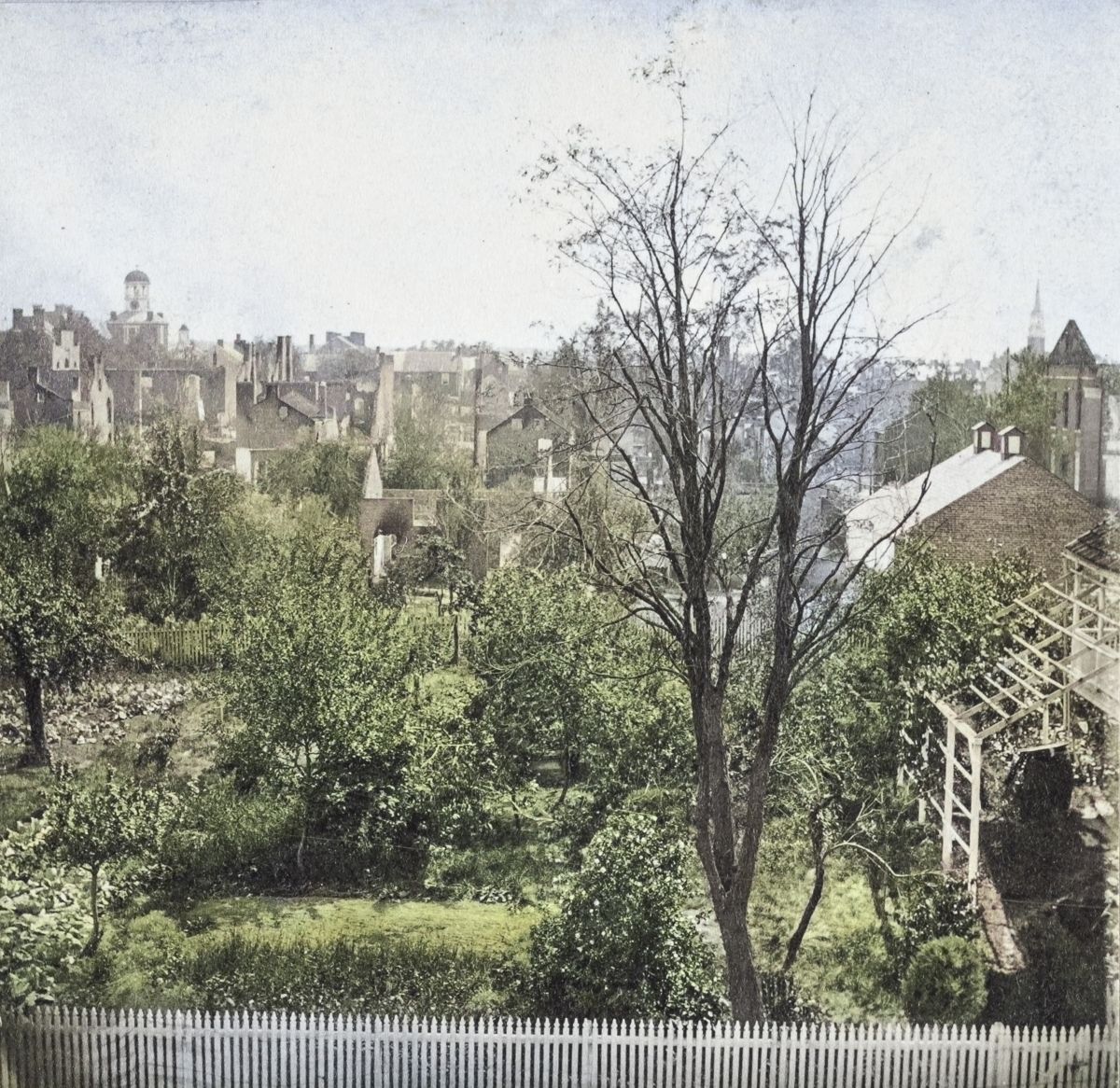
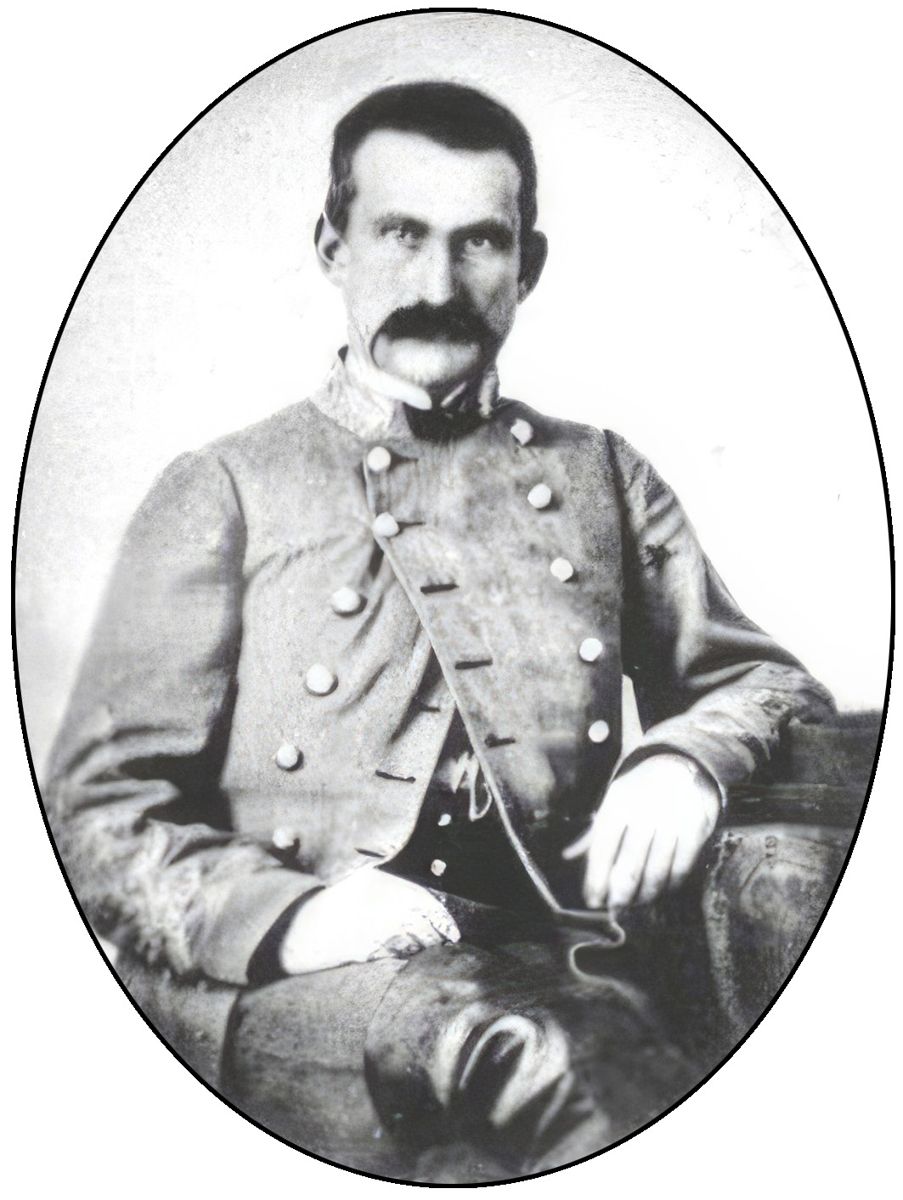
Standing Up For Honor at Chambersburg By Carl L. Sell Jr. A college graduate and teacher before the war, Confederate Lieutenant Colonel William Peters was severely tested regarding his personal morals and those of his men at Chambersburg, Penn., the morning of July 30, 1864, when he refused an order to burn homes of townspeople gathered in the square or on their doorsteps. Peters commanded the TwentyFirst Virginia Cavalry, one of the first units to enter the town as part of a raid headed by Brigadier General John McCausland. The raiders were cavalry attached to Lieutenant General Jubal Early’s expedition sent behind Union lines into Maryland to disrupt communications, ease pressure on the main Confederate army fighting in Virginia, and forage for horses, food, and military equipment in enemy territory. The order to burn the town resulted from a refusal to pay a $100,000 ransom in gold or $500,000 in cash. Townspeople said they didn’t have the money, and if they had it, they would not pay it. With that, McCausland told Peters to begin the burning. Peters asked to see the written order. After reading it, he refused to take part in burning homes of innocent women, children, and the elderly who were left in town when most people fled the Confederate raiders. The Confederate colonel thought of another order issued by General Robert E. Lee near Chambersburg in June 1863. In it, Lee reminded his troops “We cannot take vengeance for the wrongs our people have suffered without lowering ourselves in the eyes of all,” Lee wrote. His order prohibited unnecessary or wanton injury to private property. Remembering Lee’s words, many Chambersburg residents refused to believe the town would be burned, whether they gave the money or not. They also recalled that Major General Jeb Stuart had allowed his cavalrymen to burn only buildings belonging to the Federal government during his raid in October 1862. Peters was ordered to take his command and withdraw to the town’s outskirts, where he was arrested in anticipation of a court martial. The Confederates burned 400 structures and ruined a 10-square block of downtown Chambersburg, including the county courthouse. More than 3,000 were left homeless. Most buildings and homes were sacked of food and clothing. There were no deaths among the Colonel William Peters. Vacant barracks at Virginia Military Institute were burned with looting confined to Lexington’s houses. Their anger would be matched by that of Union cavalrymen who caught up with the Rebels near Moorefield, West Virginia, a week after burning Chambersburg. Written reports and interviews indicated that many Confederates, reportedly including General McCausland, left Chambersburg in an inebriated, gleeful state after finding alcoholic spirits in homes and businesses. Peters was restored to duty by Brigadier General Bradley T. Johnson, commander during the return to Virginia while McCausland was absent. The Confederates hurried to Hancock, where they demanded provisions before crossing the Potomac River at Cumberland into West Virginia. They set up a defensive line with the South Branch of the Potomac at their backs near Moorefield, W.V. The Twenty-First Virginia, again led by Peters, was at the forefront of the defense. Although outnumbered, Brigadier General William Averill’s Second Cavalry Division of the Union Army of West Virginia slammed into the Confederates like a swarm of angry hornets, shouting “Remember Chambersburg” as they rode. The Confederates scattered across the South Branch of the Potomac, many disappearing into the mountains and finding retreat routes back to Early’s headquarters in Winchester, Va. The losses at Moorefield effectively stripped Early of cavalry before facing an attack by the newly formed Union Army of the Shenandoah
Colonel Peters Civil War Trails marker.
Confederate Brig. Gen. John McCausland.
CivilWarNews.com organized by Major General Phil Sheridan near Berryville, Va. The Federals would sweep Early and his Confederates from the Shenandoah with a series of victories beginning at Winchester on September 19. Peters, who had shown honor and respect at Chambersburg, was captured but then escaped before he was shot and left for dead at Moorefield. He displayed bravery, tenacity, and a will to live before finally rejoining his unit in Virginia. One story credited the kindness of General Averill in helping Colonel Peters cling to life. If so, it needs to be authenticated and placed among the accounts of compassion in an otherwise brutal war. Regimental records report that Peters was shot in both lungs at Moorefield but recovered and resumed command in December. He continued fighting until surrendering with Lee’s army at Appomattox four months later. Earlier in the war, Peters served in the same unit as John Singleton Mosby, who went on to become the famed Confederate Partisan Ranger. Peters and Mosby also were classmates at the University of Virginia. In his memoirs, Mosby wrote that Peters “was entitled to a monument to his memory” for refusing the order to burn Chambersburg. “Reprisals in war can only be justified as a deterrent,” Mosby wrote. In this case, Mosby added, Peters thought reprisals for what the Union had done earlier at VMI and Lexington was bad policy and would provoke retaliation. Mosby wrote that he later talked to his friend who expected to be arrested when he returned to Virginia. Peters and Mosby had served together in the First Virginia Cavalry in 1861. From the same far western section of Virginia, they attended the University of Virginia at the same time some years earlier while Peters was doing post-graduate work as he was older than Mosby. After graduating from Emory and Henry College in 1848, Peters taught at the New London
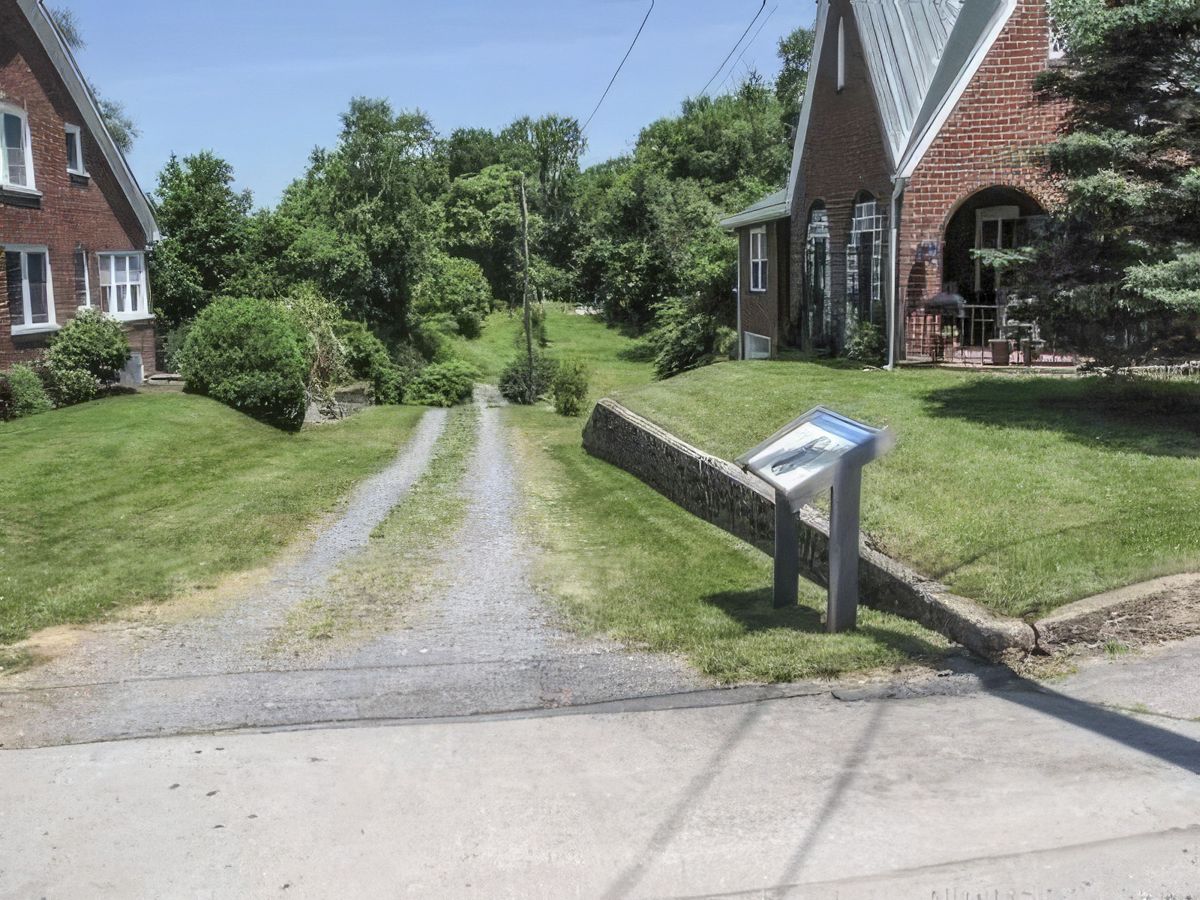
Academy in Lynchburg before enrolling at UVA in 1850. He returned to Emory and Henry to teach Latin and Greek before he took a sabbatical to study at the University of Berlin for two years until the war broke out. Peters enlisted in the Confederate Army on April 17, 1861, as a private in the Eighth Virginia Cavalry. He was elected as a first lieutenant and moved up to colonel in early 1862, but he dropped out due to the reorganization and served as a colonel in the Second Virginia State Line unit. He later recruited and organized the TwentyFirst Virginia Cavalry and was commissioned as its colonel. Wounded in a raid on the Ohio River in 1863, he recovered and then was wounded again at Cumberland Gap. He served as a Virginia state senator from Washington County while recovering, then resigned to return to his unit. As part of McCausland’s cavalry during Early’s Maryland raid in the summer of 1864, he saw action at the Battle of Monocacy near Frederick, Maryland, and occupied Fort Willard in Washington, D.C. After the war, he served as a Professor of Latin at the University of Virginia until 1902. He died in 1906 and a dormitory hall is named for him. While at Virginia, Peters was an advocate of allowing women to attend the university, as well as student health issues. He supported the building of the first gymnasium on campus. He married Margaret Sheffey in 1858 and they had two sons, James White Sheffey Peters in 1864 and William Elisha Peters in 1869. Margaret died that same year and William Peters married her sister, Mary, in 1873. They had a son, Don Preston Peters, in 1877, In World War I, two of Peters’ sons served in the United States Army and are buried in Arlington Cemetery. James, a lawyer who lived in Washington, D.C., served as a captain in the Ordinance Corps, He died in 1938. Don was a Lieutenant Colonel in the Medical Corps during WWI. He had a medical practice in Baltimore and later moved to Lynchburg to start a hospital. He lived until 1943. William Elisha Peters died in 1929 and is buried in Smythe County, Va. Don, the surgeon, was an authority on Confederate history and had one of the world’s largest collections of CSA stamps. The fact that two sons of a Confederate officer, both of whom served as U.S. Army officers, are buried at Arlington provides an ironic note to the current discussion about removing the statue promoting reconciliation! Until recently, Lt. Col. Peters was honored by a Civil War Trails marker outside the Sheffey Family Cemetery, where he is buried in Marion, Virginia. The marker is no longer there as the CWT program has ended except for locations where organizations, communities, and/or individuals pay for continued upkeep. Carl Sell is an occasional contributor to the Civil War News, focusing on events of personal significance. He is the descendant of a Confederate private who survived the war. He appreciates the help from historians Ben Trittipoe and Don Hakenson and genealogist Karen Connair. Carl can be reached at 703-971-4716 or [email protected] with comments and ideas for future stories.