
“The Men Fell on All Sides”: Kershaw’s Brigade at Fredericksburg
By Tim Talbott · Originally published August 2023 · pp. 12–13
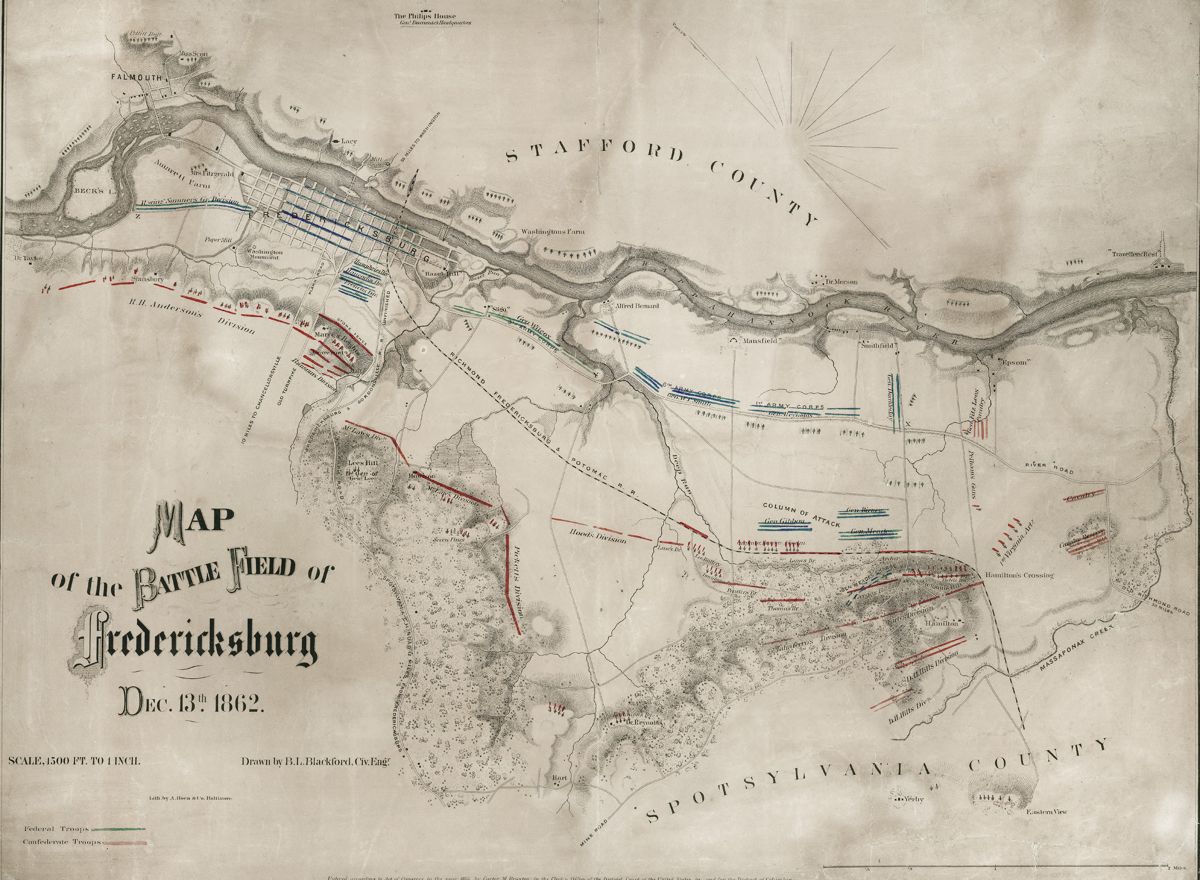
“The Men Fell on All Sides”: Kershaw’s Brigade at Fredericksburg By Tim Talbott At Fredericksburg, South Carolinians battled on both ends of the Confederate line. While Brig. Gen. Maxy Gregg’s South Carolina regiments endured a brief Federal breakthrough at Prospect Hill and lost Gen. Gregg to a mortal wound, Brig. Gen. Joseph Kershaw’s Palmetto State regiments fought on the opposite end of the long defensive line at Marye’s Heights. Joseph Kershaw, a lawyer and Mexican War veteran who served in the South Carolina secession convention, started the war as colonel of the 2nd South Carolina Infantry. He received a promotion to brigadier general in February 1862. At the time of Fredericksburg, most of Kershaw’s brigade were experienced fighters, some having participated in actions as early as First Manassas. The brigade comprised the 2nd, 3rd, 7th, and 8th South Carolina Infantry regiments. The 15th South Carolina Infantry and the 3rd South Carolina Battalion joined the brigade in midNovember 1862. Just before the Battle of Fredericksburg, Kershaw’s Brigade occupied a position in the center of Gen. Lafayette McLaws’ Division. Kershaw’s line stretched from just south of “Braehead,” the Howison family house on Howison Hill, to Hazel Run and the nearby unfinished railroad bed. On December 11 and 12, the newly joined 15th South Carolina served as the brigade’s pickets, helping monitor Federal activity around the lower pontoon bridge crossing. The regiment returned to their position in line
Joseph Kershaw began the war as the colonel of the 2nd South Carolina Infantry. Maj. Gen. Kershaw was taken prisoner at the Battle of Sailor’s Creek on April 6, 1865. (Public domain)
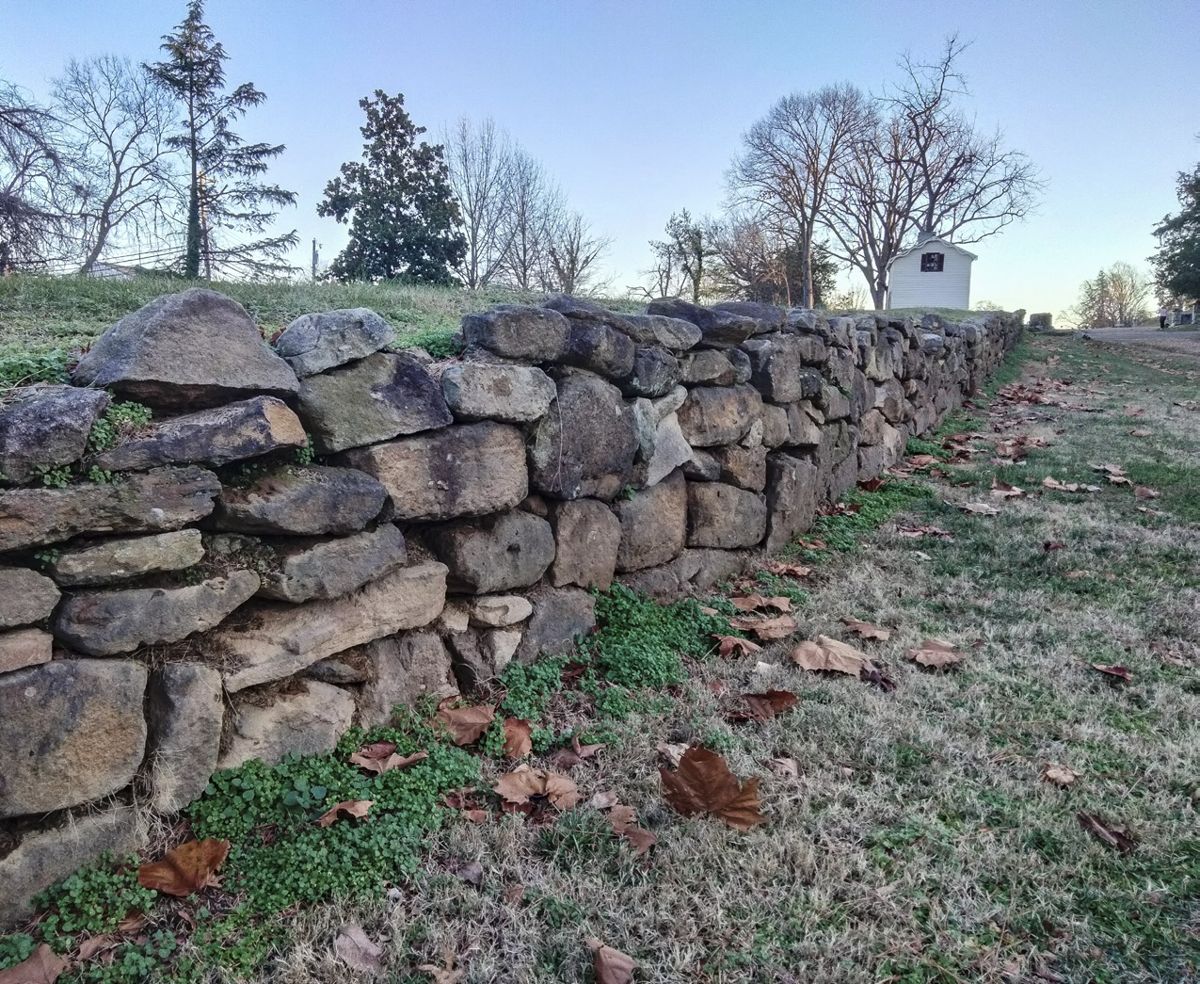
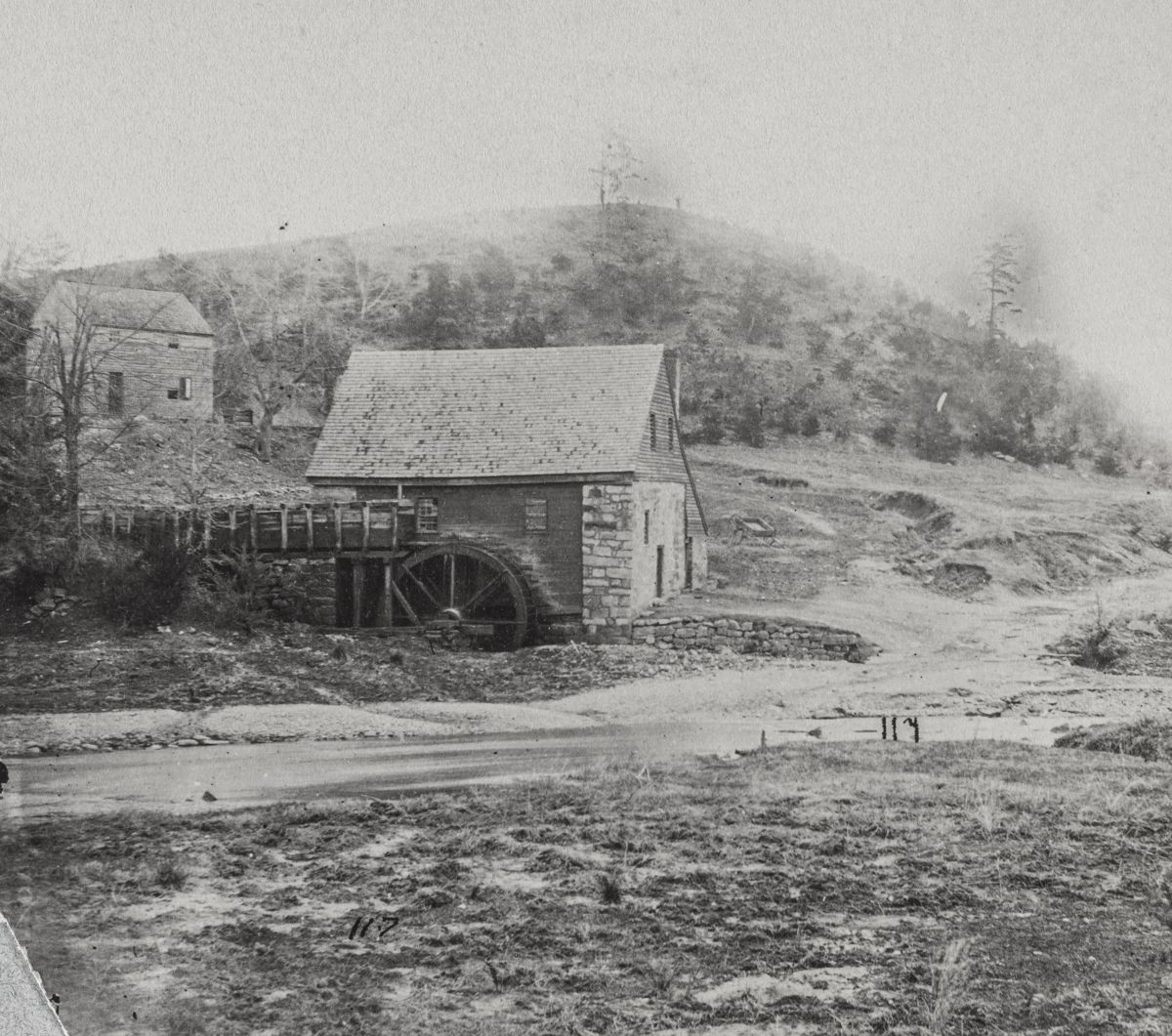
“after a night of such intense cold as to cause the death of one man and disable, temporarily, others.” Kershaw noted the brigade’s other regiments worked “strengthening our defenses nightly without any incident requiring notice until Saturday, the 13th.” About 1 p.m. December 13, Kershaw received orders from McLaws to send two regiments to Marye’s Heights to bolster Brig. Gen. Thomas R.R. Cobb’s brigade in the Sunken Road. Kershaw immediately sent the 2nd and 8th South Carolina; his other regiments were soon ordered to follow. The 3rd South Carolina Battalion was assigned to guard the Howison Mill location along Hazel Run to protect “a gap in the [unfinished] railroad embankment, and prevent its passage by the enemy.” Just after putting his brigade in motion, Kershaw learned from McLaws that Cobb was mortally wounded, and Kershaw was to “take command.” He arrived at the Stephens House at the Sunken Road about the same time the 2nd and 8th South Carolina appeared. Those two regiments took position in the Sunken Road. Writing to his wife several days after the battle to let her know that he was all right, the 2nd South Carolina’s 1st Sgt. Alexander McNeill noted, “Our Brigade occupied a conspicuous place in the engagement, and for the honor of Carolina, I am glad to say that her sons fought as valiantly as ever men did.” McNeill’s company had seven wounded. “I am at a loss to know how we came off so well, and I can but render thanks to an all wise and ever mercifull God for his kind protection in the hour of danger,” he penned. In total, the 2nd South Carolina lost six killed and 56 wounded in the fighting. In his official report, Capt. E.T. Stackhouse of the 8th South Carolina commented that after they occupied the Sunken Road, he received permission from Kershaw to “form my command in four ranks.” Such depth probably helped keep the Federals at a distance. In fact,
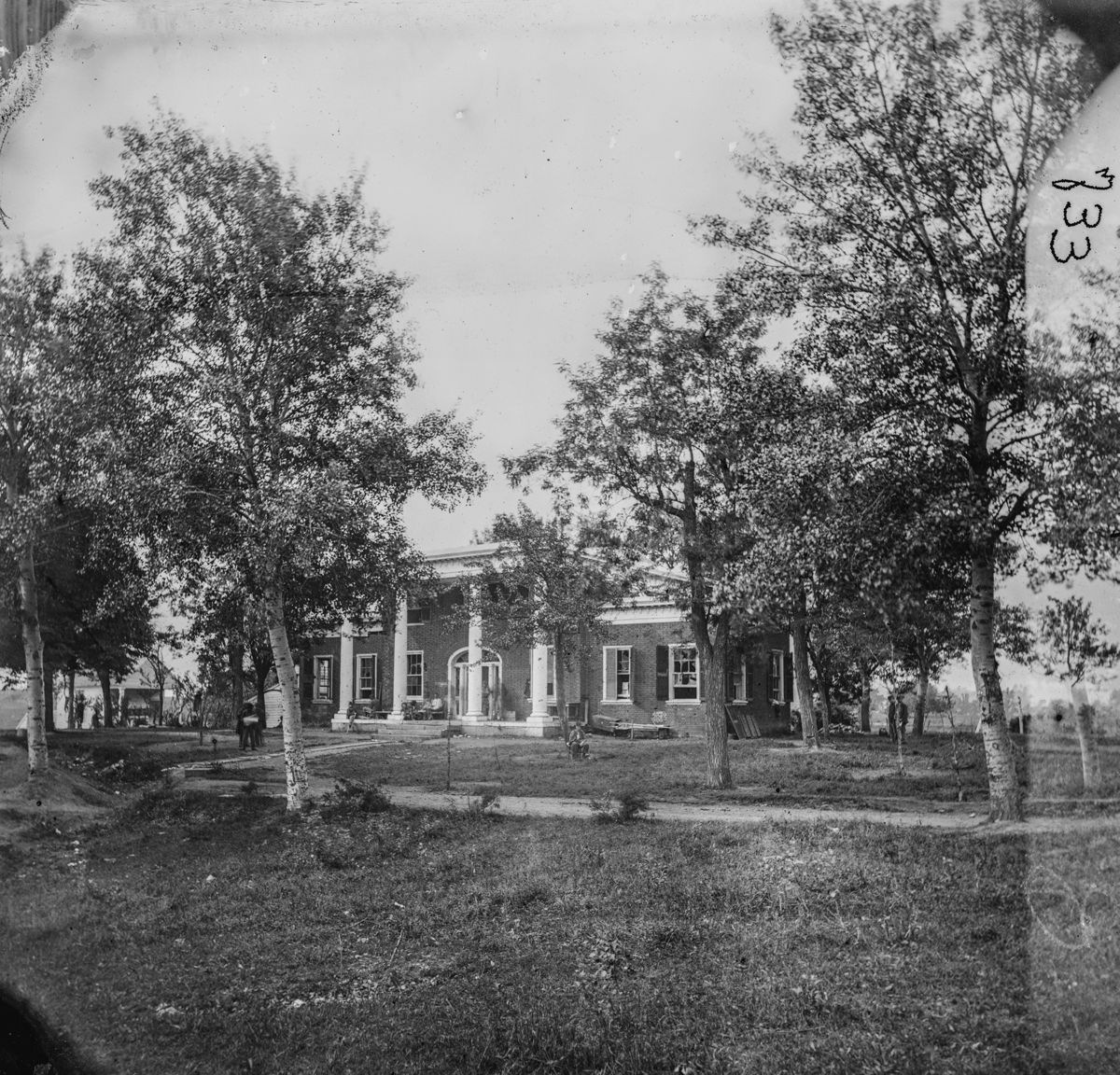
Stackhouse reported that evening “the enemy attempted several times to advance on our position, but succeeded only in reaching a defile 200 yards in front, which concealed them from view from our position.” Stackhouse reported that the 8th lost two killed and 29 wounded; 28 of the casualties occurred while moving to the Sunken Road. Moving to the left along Marye’s Heights, the 15th South Carolina came up behind the Marye House. They soon received orders to shift back to the right, behind the Willis Hill cemetery and support the Washington Artillery of New Orleans. Later, during the evening, the 15th South Carolina moved down into the Sunken Road to support the 2nd South Carolina. The 15th South Carolina lost one killed and 52 wounded. The 3rd South Carolina received further orders to support troops on the north side of “Brompton,” the Marye house. Urged to hurry, Col. James Nance reported that he led forward several companies already formed. On the hill’s crest, they were exposed to Federal infantry and artillery, and Nance noted that “a severe fire was opened upon us.” The regiment’s other companies soon came up in support and also suffered heavy casualties. As Colonel Nance moved along the line, he was hit in the left thigh. He remained as long as he could, but the regiment’s officers were falling in quick succession. Capt. John K.G. Nance, also submitted a report because he led the regiment at the end of the battle, noted Lt. Col. William Rutherford “fell shot through the side, and not long afterward Maj. Robert C. Maffett was disabled with a ball through his arm. Here, too, Capt. Rutherford P. Todd, who was acting as field officer, was disabled by a ball [piercing]
CivilWarNews.com an artery of the right arm.” Captains William Hance, shot in the leg, and John C. Summer, “killed by a grape-shot through the head,” also went down. The chain of command devolved through at least seven officers in the regiment during the fighting. Capt. John K.G. Nance was wounded, too, but remained on the field. Private Taliaferro “Tally” Simpson wrote his aunt five days after the battle explaining, “I was in the hottest part of the fight and was slightly wounded in the shoulder.” Tally also penned that “Our company suffered severely. Our gallant Capt [William Hance] I fear is mortally wounded. His leg has been amputated near the body. Thirty-three of forty-two who were carried into action were killed or wounded.” Noting the fury of the fight, Tally wrote, “The men fell on all sides. The balls came thick as hail, and it is wonderful that every man was not either killed or wounded.” Suffering disproportionate casualties, the 3rd South Carolina lost 25 killed and 138 wounded. As demonstrated above, casualties among the regiment’s officers were particularly heavy. One officer killed was 25-yearold Capt. Lewis Perrin Foster. Capt. Foster wrote his last letter home three days before the battle. In it, he stated, “Everything here is quiet. I am quite well. All my company well.” How quickly things can change in a time of war.
CVBT has helped save over 400 acres of Fredericksburg battlefield land. Tim Talbott is the Chief Administrative Officer with the Central Virginia Battlefields Trust. The mission of CVBT is to preserve land associated with the four major campaigns of: Fredericksburg, Chancellorsville, Mine Run, and the Overland Campaign, including the Wilderness, and Spotsylvania Court House. To learn more about this grassroots preservation non-profit, which has saved over 1,700 acres of hallowed ground, please visit: www.cvbt.org