Miracle at the Battle of First Kernstown
By Carl Sell Jr. · Originally published May 2022 · pp. 30–31
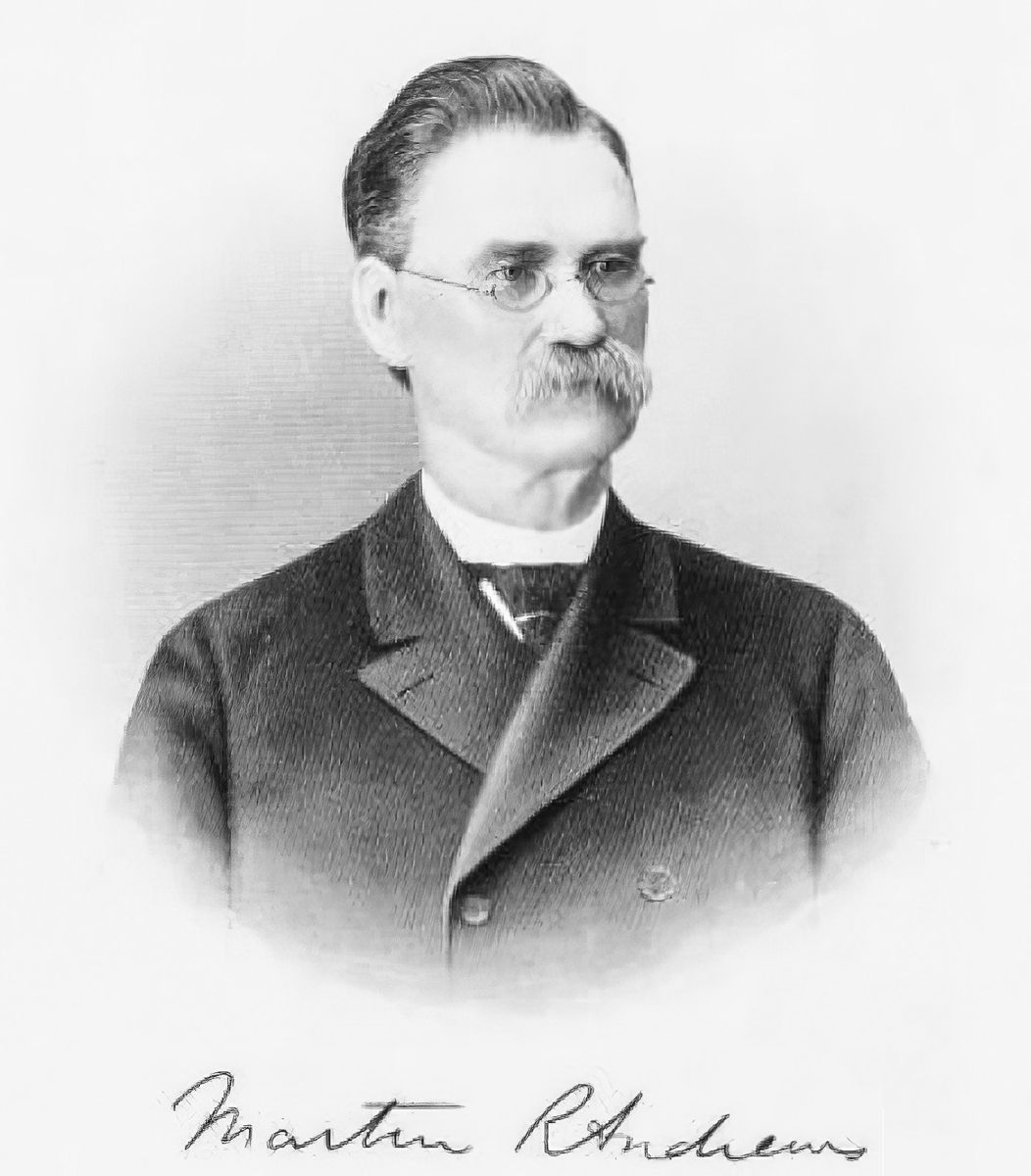
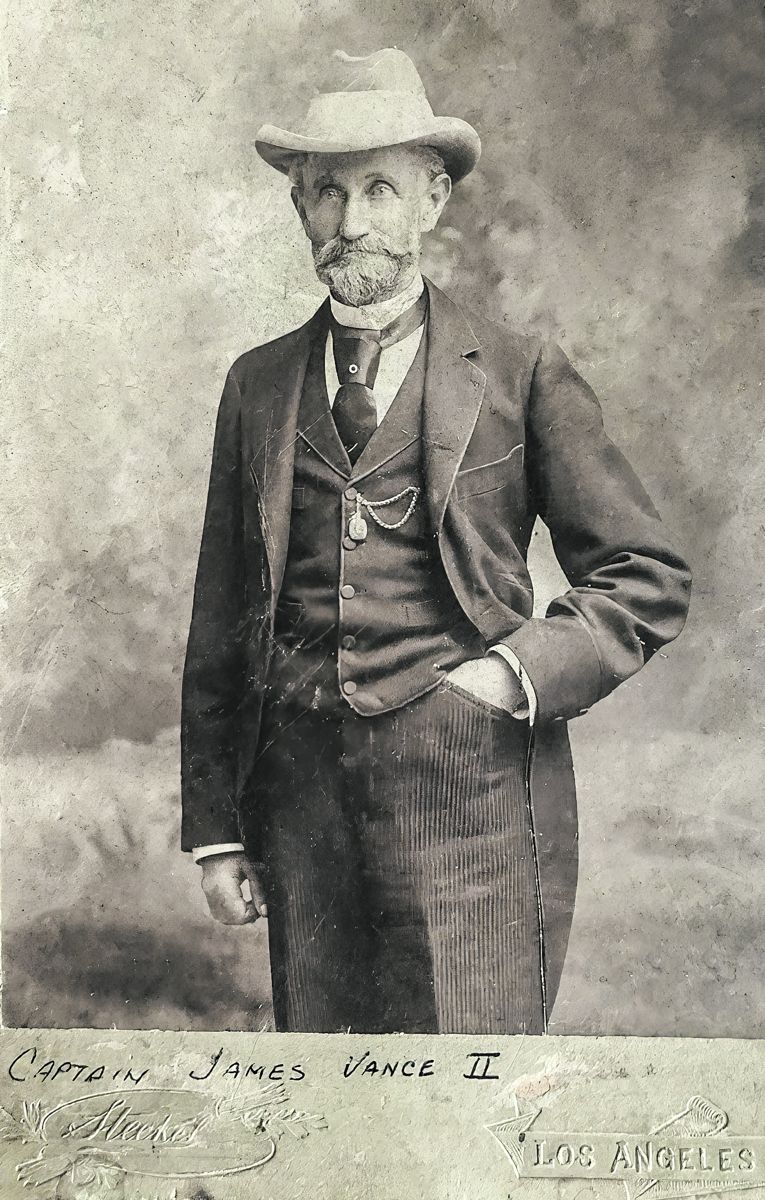
“If You Can Save His Life, You Can Have Him” – She Did! Darkness, despair, and searing pain enveloped wounded Captain James Vance of the ThirtySeventh Virginia Infantry on March 23, 1862, as he lay on the Shenandoah Valley battlefield after First Kernstown just south of Winchester, Va. He could hear the moans and cries for help from both sides. He also could hear the shouts of Union troops as they searched for dead and wounded comrades. He heard no Southern voices doing the same; the Confederates had retreated after a sharp fight in which they ran out of ammunition. There didn’t appear to be much chance he would be rescued. Fortunately, Vance was finally discovered, captured, and taken to a nearby aid station by volunteers from the Sixty-Second Ohio Infantry, including 19-yearold Private Martin R. Andrews. Thirty-three years later, Vance would be contacted by Andrews, the man who found him on the battlefield. Imagine the effort it took to find the name and make the contact in the 1890s without telephones or the Internet. From the aid station, Vance later recalled he was transported by horseback to a Union hospital. There, he was cared for by skilled surgeons and a local girl who would later become his wife. The battle took place at close quarters after two Confederate brigades that included Vance regiment, beat the Yankees to a stone wall separating the combatants. At first, the Confederates had the upper hand, pouring a galling fire into the unprotected Yankee ranks. When the tide turned due to a Confederate ammunition shortage, Brig. Gen. Richard B. Garnett ordered his forces to retreat. The Thirty-Seventh was part of a brigade led by Samuel Vance Fulkerson, a veteran who had served in the Mexican War. Vance, 31, and Fulkerson, 38, were both from Virginia’s Washington County on the North Carolina line. Major General Thomas (Stonewall) Jackson was furious at Garnett for ordering the retreat and ordered his subordinate arrested. Garnett demanded a court martial. That was later rescinded by Confederate commander Gen. Robert E. Lee,
who figured he needed all the experienced officers he could muster in his command. Garnett was transferred to Maj. Gen. George Pickett’s Division and was killed in the famous charge at Gettysburg July 3, 1863. His body was never recovered. At Winchester, Vance was attended by Anna Elizabeth
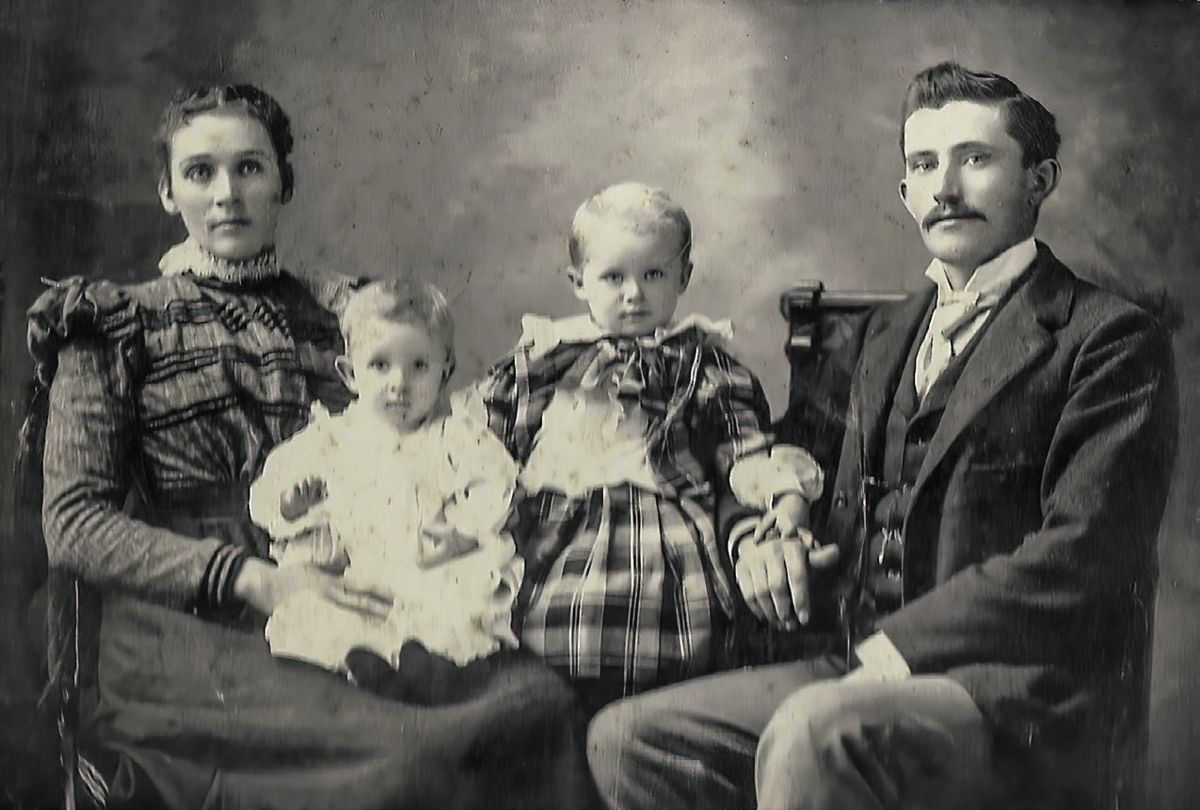
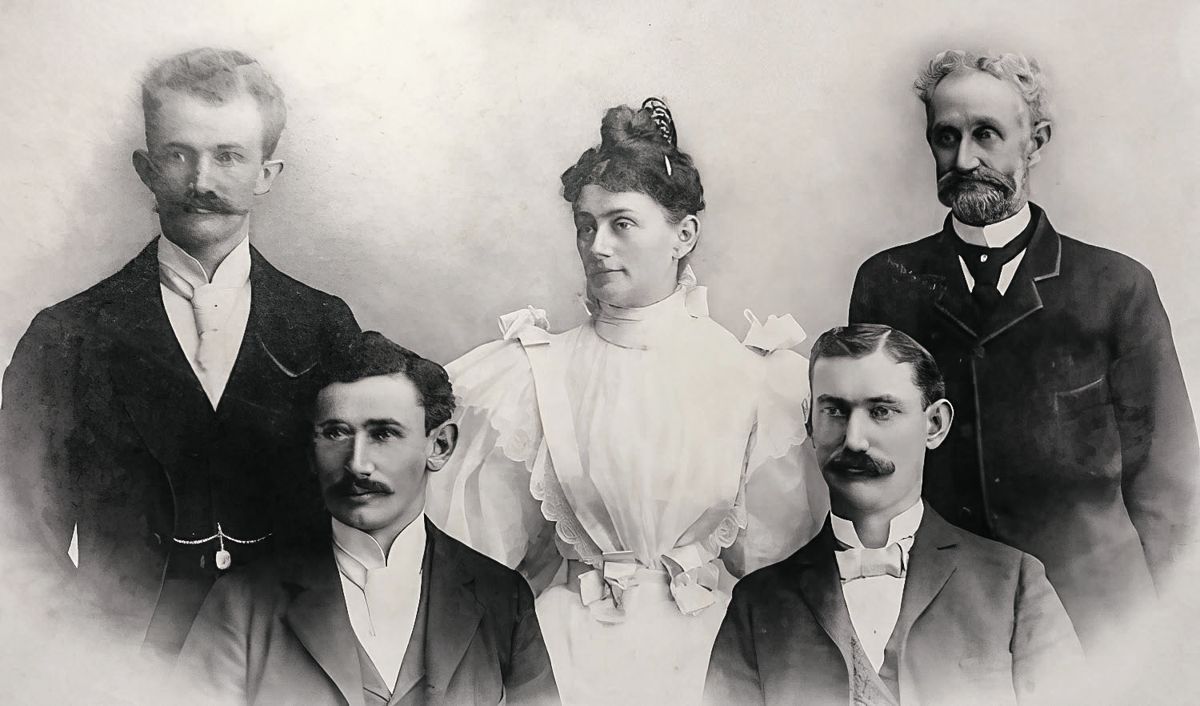
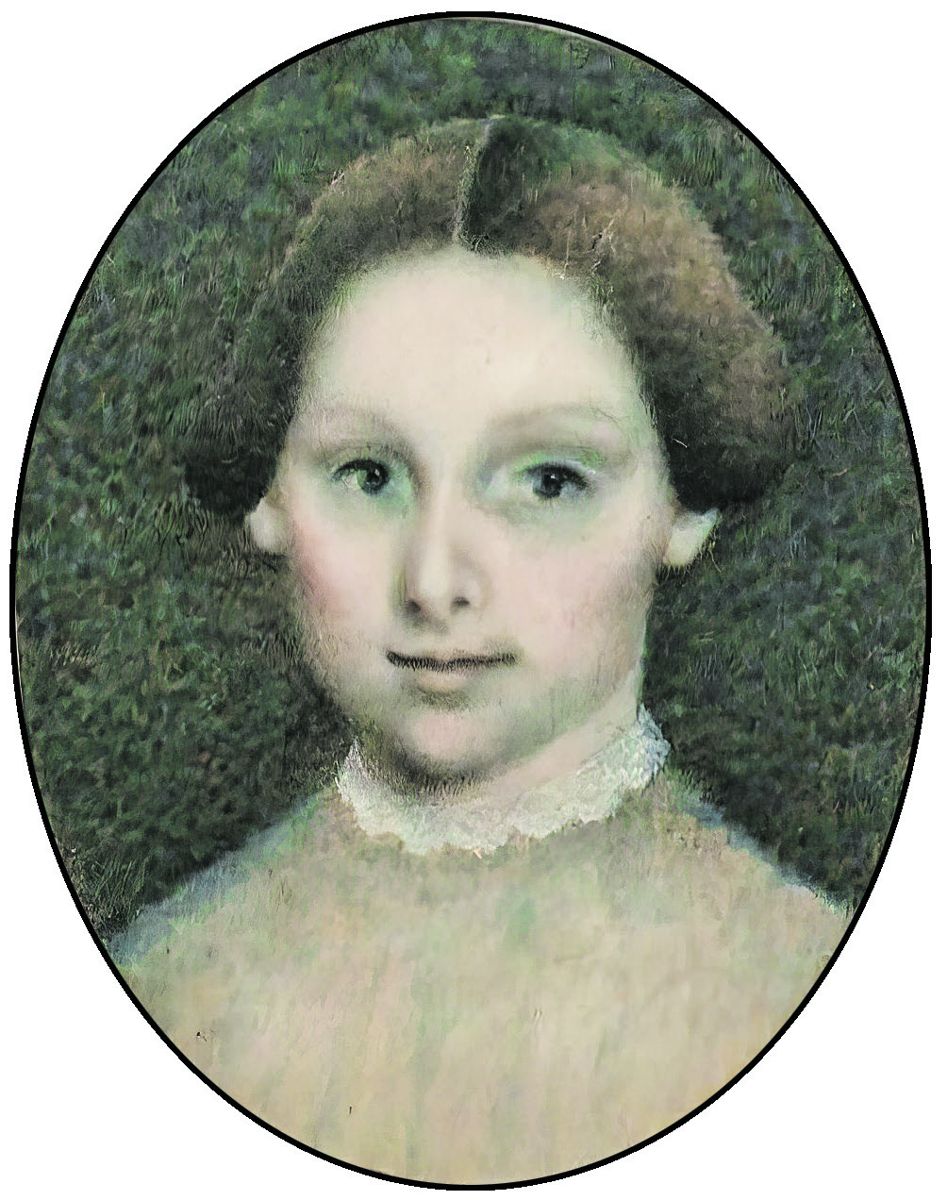
Castleman, whose parents owned North Hill, a house that overlooked a Shenandoah River ferry crossing that bore the family name some 20 miles east of Winchester. The mother and daughter apparently had taken refuge in Winchester because of the constant military activity at Snickers Gap. There, they soon found themselves under Union occupation as Jackson and his Confederates retreated up the valley. The father, James William Castleman, apparently stayed behind to run the ferry. Stonewall wasn’t gone for long, however; two months later Union forces retreated as the Confederates reclaimed control of the Shenandoah Valley. The day after the battle at Kernstown, Anna Elizabeth pleaded with Union surgeons to place Vance in her care so he could recover. “If you can save his life, you can have him,” a Union surgeon told Anna Elizabeth, as related by Vance years later. He was paroled and Anna Elizabeth took him to her mother’s house. Jackson would return, Vance would recover, and the couple was married the following July. “I courted her two months flat on my back,” Vance would recall. Vance tried to return to the Thirty-Seventh and reclaim his job as adjutant. The position had been filled and a subsequent Confederate Medical Board assigned the captain to the Invalid Corps, saying he was no longer able to march, something that was a prerequisite for serving under Jackson, to say the least. As a result, he resigned from the army on November 6, 1862. The bullet that hit Vance at Kernstown entered his left hip. It wasn’t a mortal wound as it didn’t sever any major veins and exited his body without hitting any vital organs. The surgeons also found that he suffered from varicose veins. Vance said he suffered from the wound for the rest of his life. Vance, who attended the University of Virginia for a year, had enlisted as a private for one year at Abingdon on July 24, 1861. He was unanimously elected as captain of Company K in February 1862. After he resigned, recovered, and married Anna Eliza, they moved to Abingdon where Vance operated the family mill and farm. She would bear him five children in 11 years before passing away at age 35 in 1874. Champ Shepherd was born in 1864, followed by Balfour Houston in 1866, James Gibson in 1868, Fanny Patterson in 1867, and Robert Burns in 1870. The family, except for Robert Burns, moved to Los Angeles, California, in the late 1880s. Champ Shepherd became a vice president of the Los Angeles Gas Company, while Balfour was an engineer for the U.S. government before joining his brother at the gas company. Fanny lived with her brother, Balfour, and spent her time helping the poor and distressed. Balfour and Fannie never married. James was a pharmacist and real estate investor. Robert stayed in Virginia managing the family business interests. The Castleman family owned the North Hill estate for more than 100 years. The house dates before 1774, when it was sold to George Mercer. Mercer then sold it to James Warner in 1778, who in turn sold it to Edward Snickers, who operated the ferry across the river. Snickers was an associate of George Washington, who often used the route on his way to map the Shenandoah Valley. North Hill became the property of Charles (King) Carter, who bought it as a wedding present for his son, Charles Jr., who married Elizabeth Lewis, daughter of Fielding Lewis, whose second wife was Betty Washington, sister of George Washington. Elizabeth Washington Carter is buried at North Hill. David Castleman and his partner, Charles McCormick, bought the estate in 1813. David bought out his partner and left the estate to David Jr., who, in turn, left it to his nephews James and William Castleman in 1831. A member of the family would be involved in ownership of North
Andrews lived until 1913. Andrews’ last sentence in his 1895 letter to Vance should be required reading for all who look down on soldiers from the Civil War. “We neither of us have any apology to make for doing our duties as soldiers….and let us join hands before we are mustered out.”
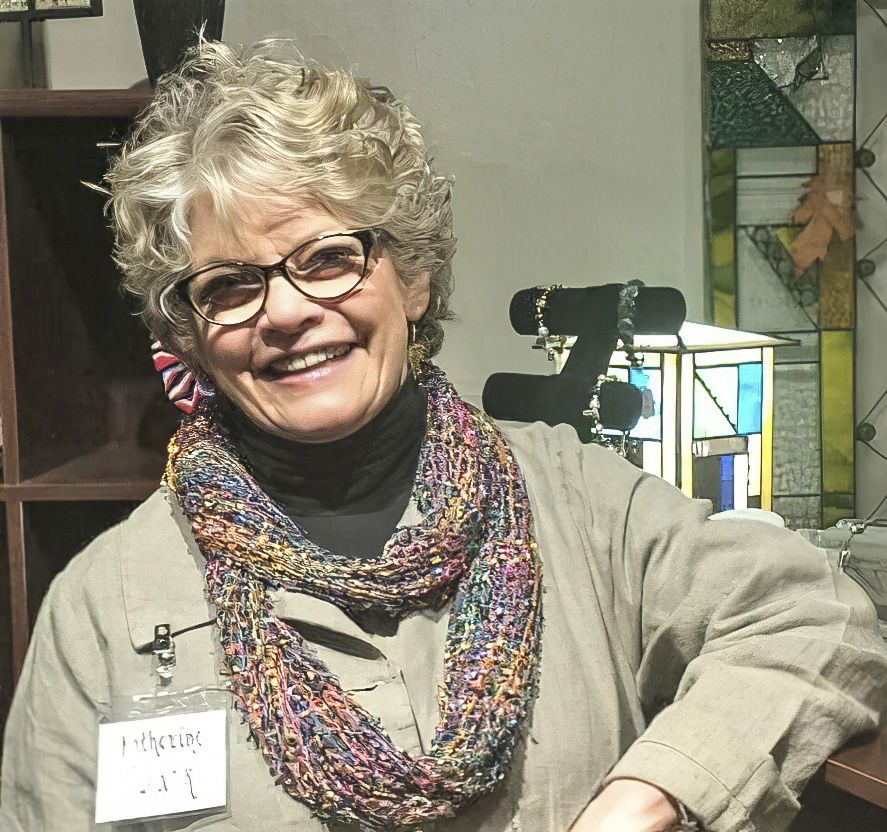
A Team Effort The team that helped the author deserves recognition! Katherine Clark, the greatgreat-granddaughter of Captain Vance and his wife, Anna Eliza Castleman, provided much of the family information and pictures. Genealogist Karen Connair helped with both the Vance family, which had scattered to California, and information on Martin Andrews. Internet master Jim Sapp came up with the picture of Andrews. Don Hakenson’s Civil War library and knowledge provided war information on Vance and Andrews. Ben Trittipoe made sure it all fit together, was grammatically correct, and error free. Clark and her husband, Charlie, live in a restored southwest Virginia home his ancestors built back in the 1700s.She is the great granddaughter of Robert Burns Vance, the last of James and Anna Eliza’s five children. Connair is an Ohioan who earned a degree in History from the University of Dayton and a Master’s in Library Science from George Peabody College of Vanderbilt University. She has served as Archivist for the Ohio Historical Society and a librarian for the Smithsonian Institution, as well as several Department of Defense agencies. Karen and her husband, Stephen, reside in Northern Virginia. Several of her ancestors served with Indiana units during the Civil War. Jim Sapp fled urban Northern Virginia for the Colorado Rockies. He helps his friends back East with Internet and Research issues. Jim is involved in various history projects in Colorado. Don Hakenson and Ben Trittipoe are associated with the author in the popular Both Sides Tours that spawn many ideas for Civil War News stories. Don is a renowned speaker and biographer on the life of John Singleton Mosby. His work with the federal government involved research surrounding Agent Orange, the debilitating chemical that spawned diseases during the Vietnam War. Ben holds a degree in History from Shepherd College He serves several Civil War-orientated organizations and follows his dream as Official Scorekeeper for the Washington Nationals. Both Ben and Don have ancestors who fought for the South, but they also are walking encyclopedias about the Union Army of the Potomac’s activities in the Mid-Atlantic Region. Carl Sell, a former newspaper editor and sportswriter, has written two books about his great-grandfather’s service in the Thirty-Eighth Virginia Infantry. He also has written a book about Maj. Gen. James Ewell Brown Stuart and is a frequent contributor to the Civil War News. He can be reached at sellcarl@ aol.com or 703-971-4716. Hill until 1935. The day after the battle at Kernstown, Andrews and the Sixty-Second Ohio followed the Confederates up the Valley. They marched as far south as Staunton, but didn’t participate in any of the major battles in which Jackson’s forces prevailed and drove the Yankees back toward the Potomac and prevented them from participating in the Peninsula Campaign against Richmond. The Sixty-Second moved northeast out of the Valley, through Warrenton and on to Alexandria, where it boarded ships headed down the Potomac and Chesapeake Bay to Fort Monroe. Instead of joining Major General George McClellan’s illfated march to the outskirts of Richmond, the Ohioans went south to eastern North Carolina in January 1863. Andrews became ill during that time and was discharged on January 13 on a surgeon’s certificate of disability. Martin Andrews returned to his home town of Marietta, Ohio, continued his education, and graduated from Marietta College in 1869. He became a school teacher and Superintendent of Schools in Steubenville, Ohio, and a history professor at Marietta. He married Amanda Stone Laughlin in 1869; they had four children, three of which died in infancy. After Amanda died in 1886, Martin married Susan Kelly Hook. Martin never forgot that 1862 day in the Shenandoah Valley; late in life, he set about trying to find the Confederate he helped from the field at First Kernstown. He wrote to newspapers and veterans organizations, collecting the names of soldiers who had been at Kernstown. On June 20, 1895, Andrews wrote Vance, who had gone to Los Angeles to visit three of his sons and a daughter, asking if he was that soldier. Vance wrote back five days later, confirming that he indeedCHARLESTON was that wounded soldier. IN THE WAR The facts contained in each letter proved to each man that he was corresponding with the person involved. Vance told Andrews of his activities since that day thirtytwo years earlier and closed the letter: “How did you find me?” Andrews wrote back on June 28, telling Vance that his training as a teacher of history helped him trace such things. He also invited Vance to visit him in Marietta, telling him that train service was available at Parkersburg, W.Va., just five miles away. There is no record of the two ever meeting again. Vance returned to Abingdon in October 1895 and died August in 1896.