
The Graphic War
William Sartain’s Civil War
By Salvatore Cilella · Originally published March 2022 · pp. 30–31
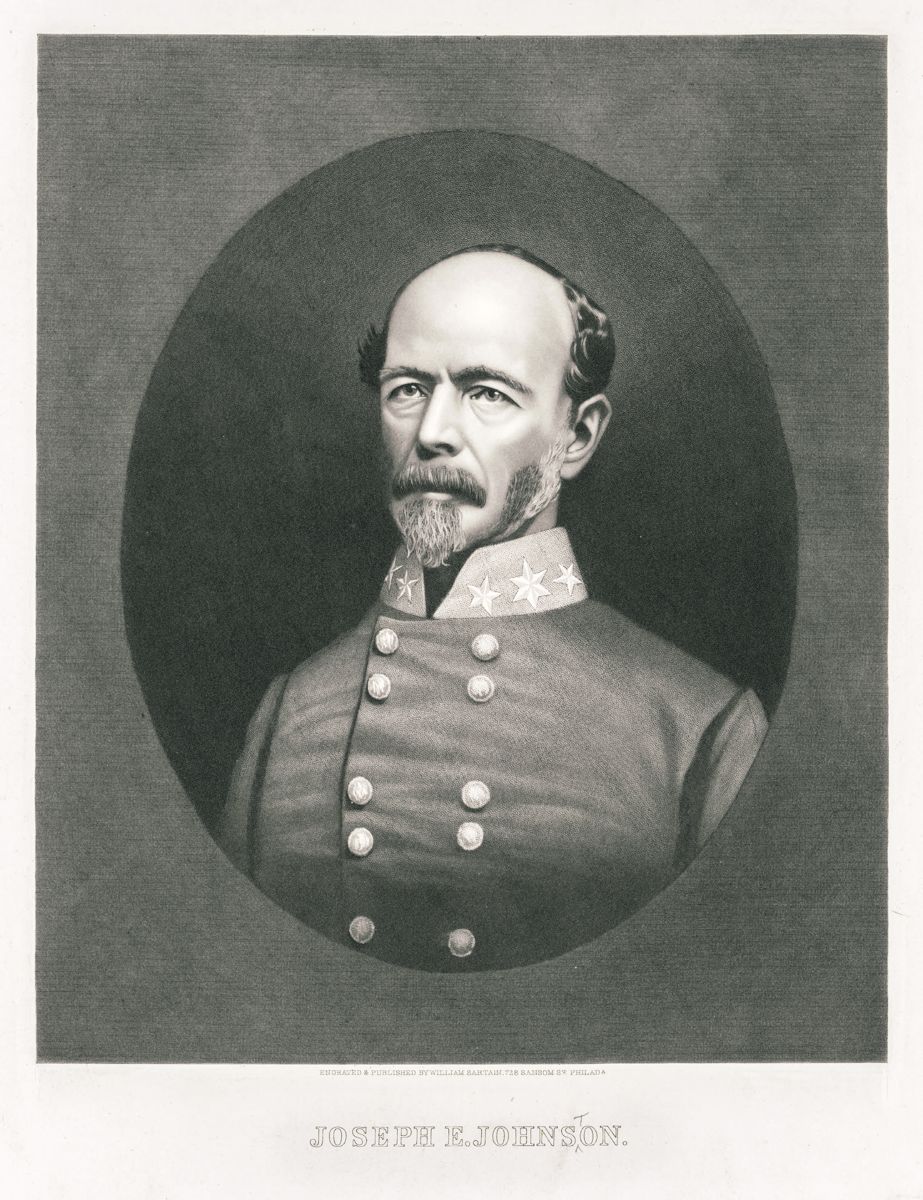
William Sartain’s Civil War The Graphic War highlights prints and printmakers from the Civil War discussing their meaning and the print maker or artist’s goals. Perhaps one of the most important groups of 19th Century printmakers was the Sartain family of Philadelphia.
The tragic narrative of the Civil War provided them with ample opportunities to practice their art and craft of engraving. No subject escaped their purview. After the war, they ramped up their catalog of famous Americans; north and south, it didn’t matter. According to the Library Company of Philadelphia, the Sartain dynasty began with John Sartain (1808–1897) whose life spanned the 19th century. He immigrated to the United
States in 1830 at the age of 22. He was apprenticed with several seasoned artists as he worked in oil and made ivory miniatures. He also dabbled in engraving bank notes and wood cuts for book illustrations. Within ten years he was working in an old tradition of print making; the mezzotint, a method of highlighting dark and light tones dating to the early 17th century. The technique, using black ink and the absence of it, produces luxurious light and dark, silky tones. It was suited to portraits and the entire Sartain family, at one time or other adopted the practice to produce many stunning portraits of famous Americans, living and dead. Sartain became known as a foremost printmaker “receiving prestigious commissions for engraving large prints and illustrations for magazines and books. His artistic children and grandchildren included printmakers Samuel, Emily, and William; printer Henry; painters William, Emily, and Harriet; and art educators Emily and Harriet.”1 Sons William (1843–1924) and Samuel (1830–1906) Sartain fashioned the many portraits most familiar to Civil War students. Both studied under father John, who also produced war hero portraits. William was born in Philadelphia and worked with his father until he was 24. “From 1867 to 1868, he studied under Christian Schussele and at the Pennsylvania Academy. He then went to Paris, where he studied with Leon Bonnat. In 1877, he returned to the United States, settling in New York, where he was elected an associate of the
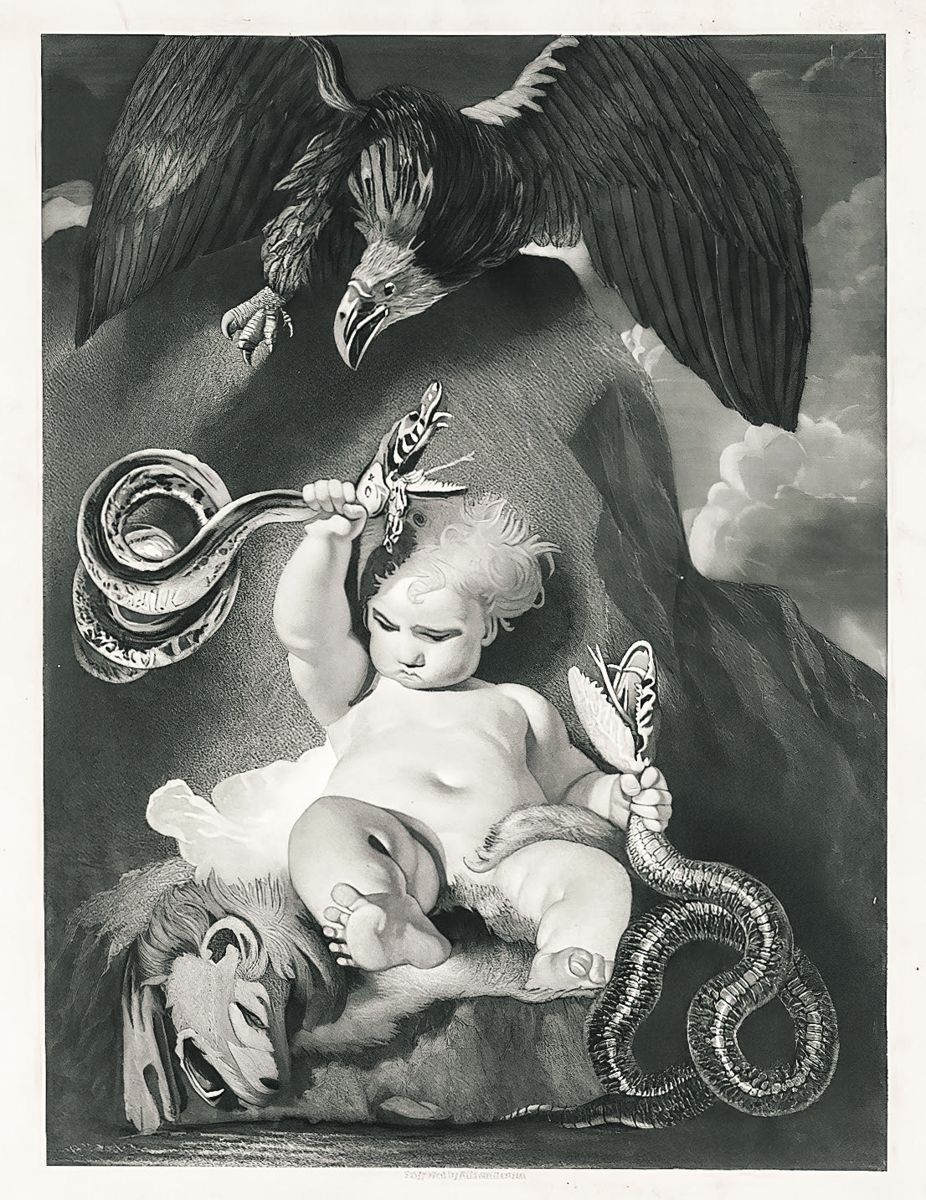
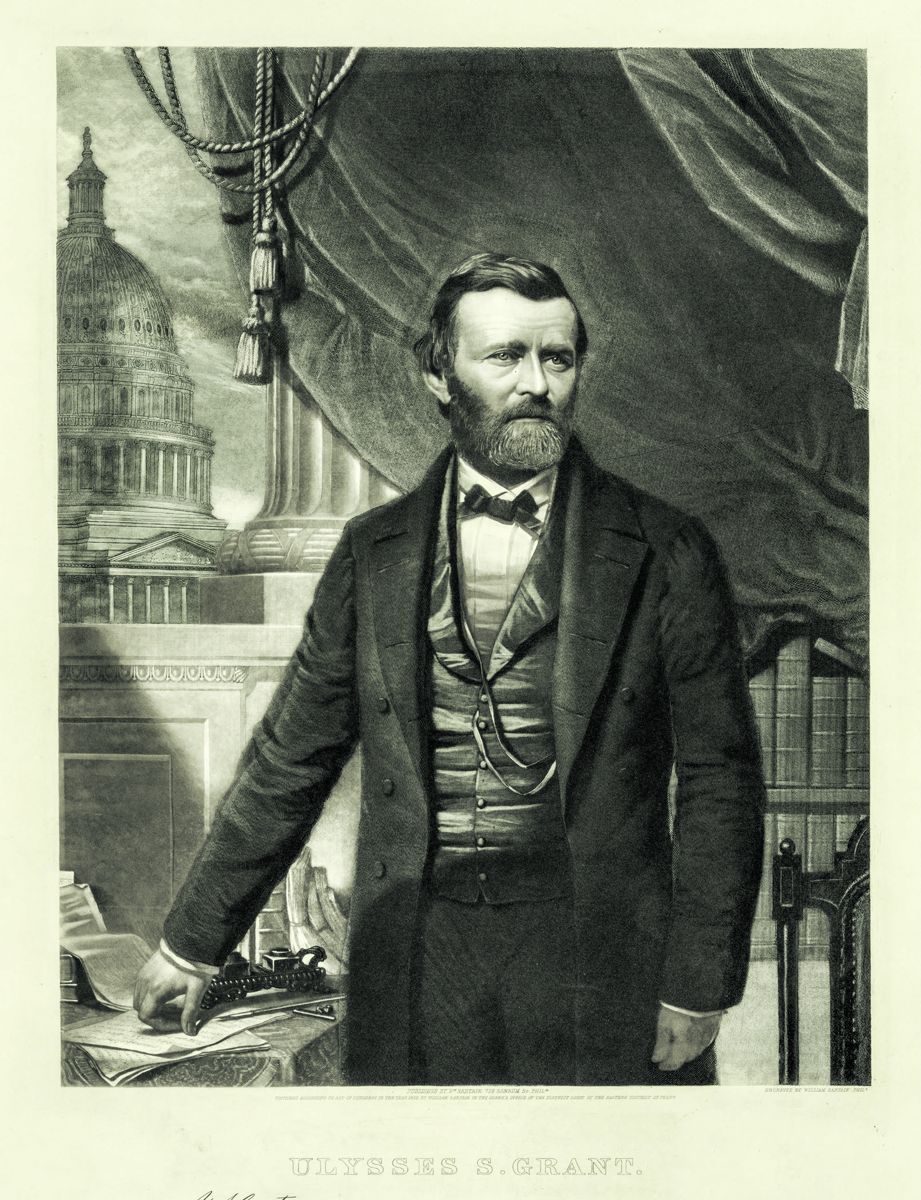
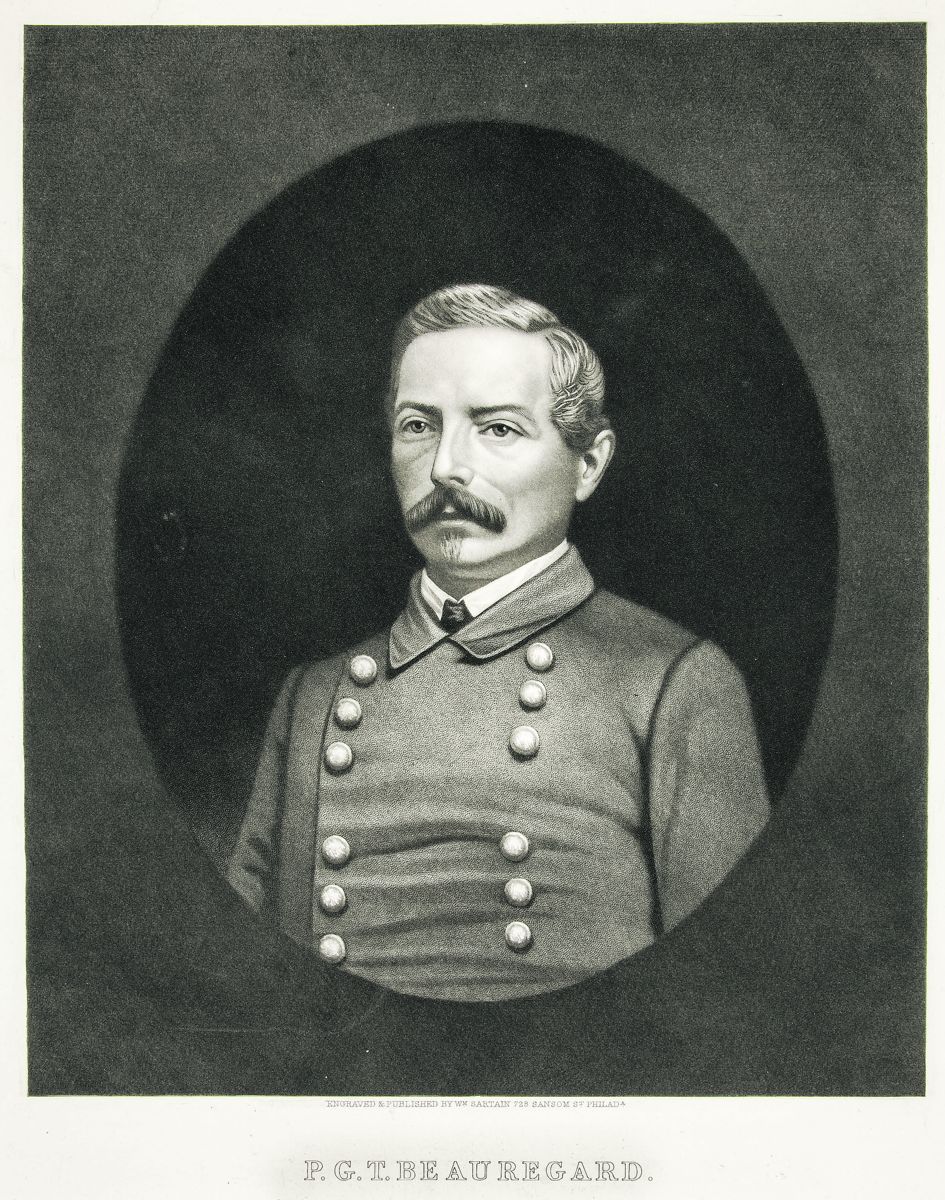
National Academy of Design in 1880. He was one of the founders of the Society of American Artists. He painted both landscape and figure subjects.”2 Both Samuel and William etched Sherman, but several years apart. William also produced portraits of Lincoln, Andrew Jackson, Joseph Johnston, earlier heroes General Edward Braddock and General Thomas Gage, and most of the presidents from Washington to Grant. Samuel left his father’s patronage at age 21 and went into business for himself. The other siblings enjoyed artistic prominence in varying degrees. Ironically few, if any of either Sartains’ subjects sat for their likenesses. Instead, the artists depended on the new-fangled photographic process to produce their portraits. According to the Old Print Shop in New York, following the war, William “executed a series of mezzotint portraits of prominent war heroes which were intended to be sold to both a northern and southern market.” Beauregard’s likeness “is a superb example of this spectacular series, and showcases Sartain’s extraordinary skill as (Library of Congress) an engraver.….William was known for his emotive landscape paintings, but he was also a skilled engraver, and this series of portraits is considered some of his finest work.”3 As historians Harold Holzer, Mark Neely, and Gabor Borritt, point out, “although William served in the Union army, Sartain now portrayed his erstwhile enemies in a series of superb postwar mezzotints whose subjects included Lee, Jackson, Beauregard, and Davis.”4 Possibly the most jarring and provocative, patriotic mezzotint William produced was Young America, ca 1864. Subtitled, Crushing Rebellion and Sedition, the print is a “symbolic vision of the North’s defeat of the Confederacy.” According to the collection notes from the Library of Congress: “Young America or the Union is shown as the infant Hercules strangling two serpents representing rebellion and sedition. According to Greek mythology the serpents were sent by the goddess Hera, who was jealous because during one of his many liaisons her husband Zeus had fathered Hercules. The snakes portrayed here probably also allude to antiwar Democrats …‘Copperheads.’ The infant reclines on his customary lion’s skin on a large rock. Above him perches an eagle, symbol of both Zeus and American might.”5 One can’t imagine a more striking image of America’s tragic era. William Sartain passed away in Philadelphia, October 18, 1924.6 Endnotes: 1. 2.
Library Company of Philadelphia. “John Sartain” Appleton’s Cyclopedia of American Biography, 1900, Wilson and Fiske. As cited in John Sartain (1808-1897) http:// americanartgallery.org/artist/ readmore/id/482. The Old Print Shop, New York.
Holzer, et, al., The Confederate Image, Prints of the Lost Cause, Chapel Hill, University of North Carolina Press, 1987, 101. Collection notes, Library of Congress, https://www.loc.gov/item/2003689254/. Sartain obituary, The Philadelphia Inquirer, October 24, 1924.
After 43 years in the museum field, Cilella devotes his time collecting American prints and maps and writing. His last professional position was President and CEO of the Atlanta History Center. His most recent books are Upton’s Regulars: A History of the 121st New York Volunteers in the Civil War (U. Press Kansas, 2009). His twovolume Correspondence of Major General Emory Upton, (U. of Tennessee Press, 2017), received the 2017–2018 American Civil War Museum’s Founders Award for outstanding editing of primary source materials. His latest book “Till Death Do Us Part,” an edit of Upton’s letters to his wife 1868– 70, was published in 2020 by the Oklahoma University Press.