
Central Virginia Battlefield Trust
Spotsylvania’s Laurel Hill Battlefield
By Tim Talbott · Originally published June 2022 · pp. 34–35
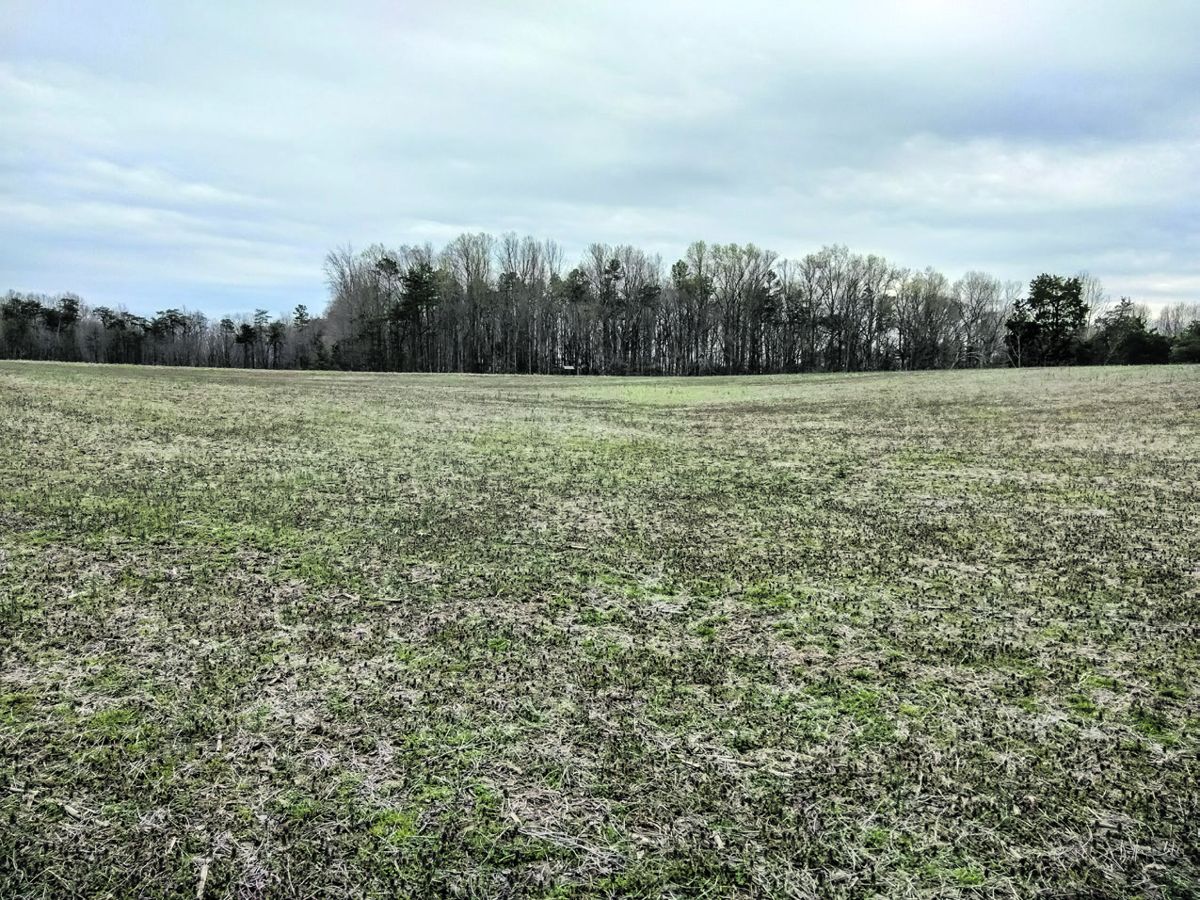
Spotsylvania’s Laurel Hill Battlefield south of Todd’s Tavern, early on May 8, they soon began encountering more Rebel cavalry and Anderson’s rapidly arriving infantry, who were directed into defensive positions just northwest of the court house by J.E.B. Stuart. This first round of two and a half weeks of fighting at Spotsylvania Court House became known as Laurel Hill. While the fighting occurred largely on the Spindle Farm, some early wounded received aid behind Union lines
by Tim Talbott After two days of brutal but ultimately indecisive fighting at the Battle of the Wilderness (May 5-6, 1864), Ulysses S. Grant decided to move the Army of the Potomac around the Army of Northern Virginia’s right flank and drive for Spotsylvania Court House. This route provided the Federals the most efficient road to leave the Wilderness, maneuver into the open, maintain contact with supply lines, and potentially threaten Richmond. While United States cavalrymen battled Confederate horsemen to open Brock Road on May 7 at Todd’s Tavern (a property that CVBT is currently campaigning to save), Federal infantry began moving toward Spotsylvania Court House. Leading the way was the Army of the Potomac’s V Corps, commanded by Gouverneur K. Warren. Unbeknownst to Warren, brigades from the Army of Northern Virginia’s First Corps, now under Richard Herron Anderson, due to James Longstreet’s wounding on May 6, arrived in the Spotsylvania area just before Warren’s men. After the V Corps pushed back Fitzhugh Lee’s Confederate cavalry, thus freeing the road
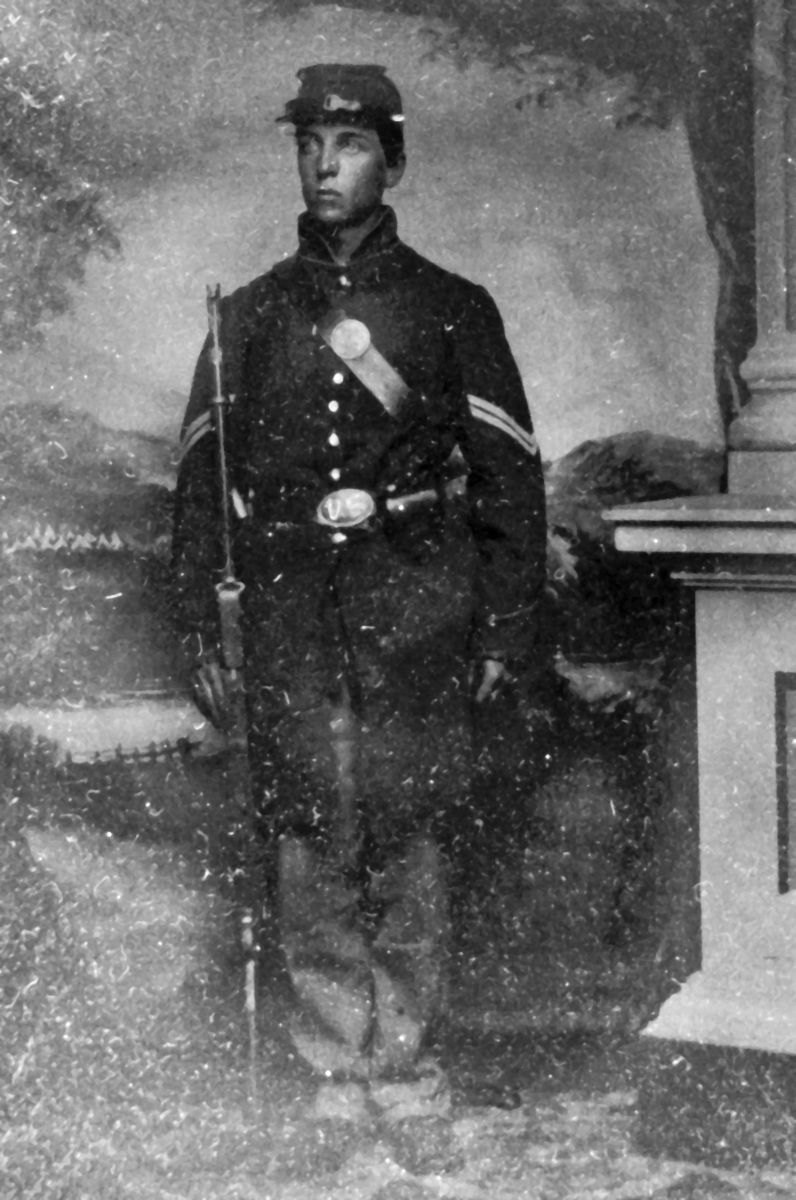
Corporal Charles Hunter.
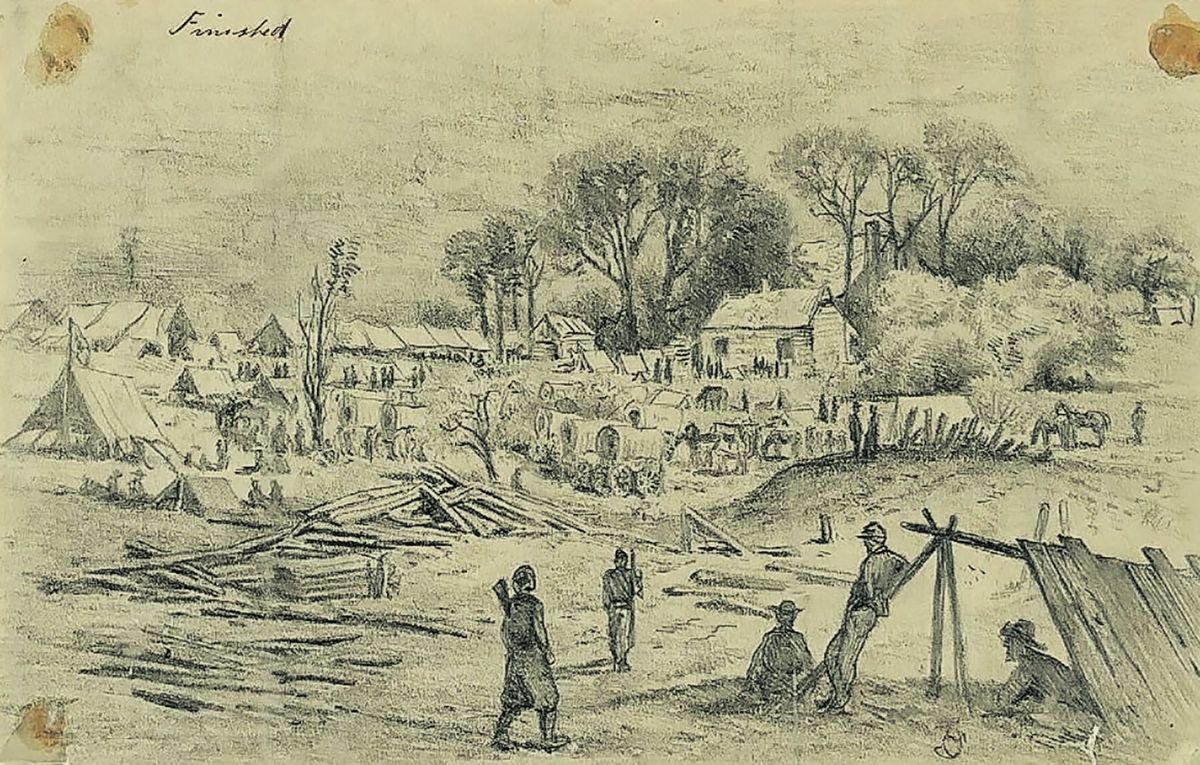
at Laurel Hill, the Couse family home. The house name became confused with the battle’s true location, and the moniker Laurel Hill stuck. This engagement was only a prelude to more desperate slugfests that erupted on May 10, 12, and 18, which would make Spotsylvania one of the most fiercely fought battles of the Civil War. However, Laurel Hill’s tactical importance in denying the Federals easy access to Spotsylvania Court House should not be overlooked.
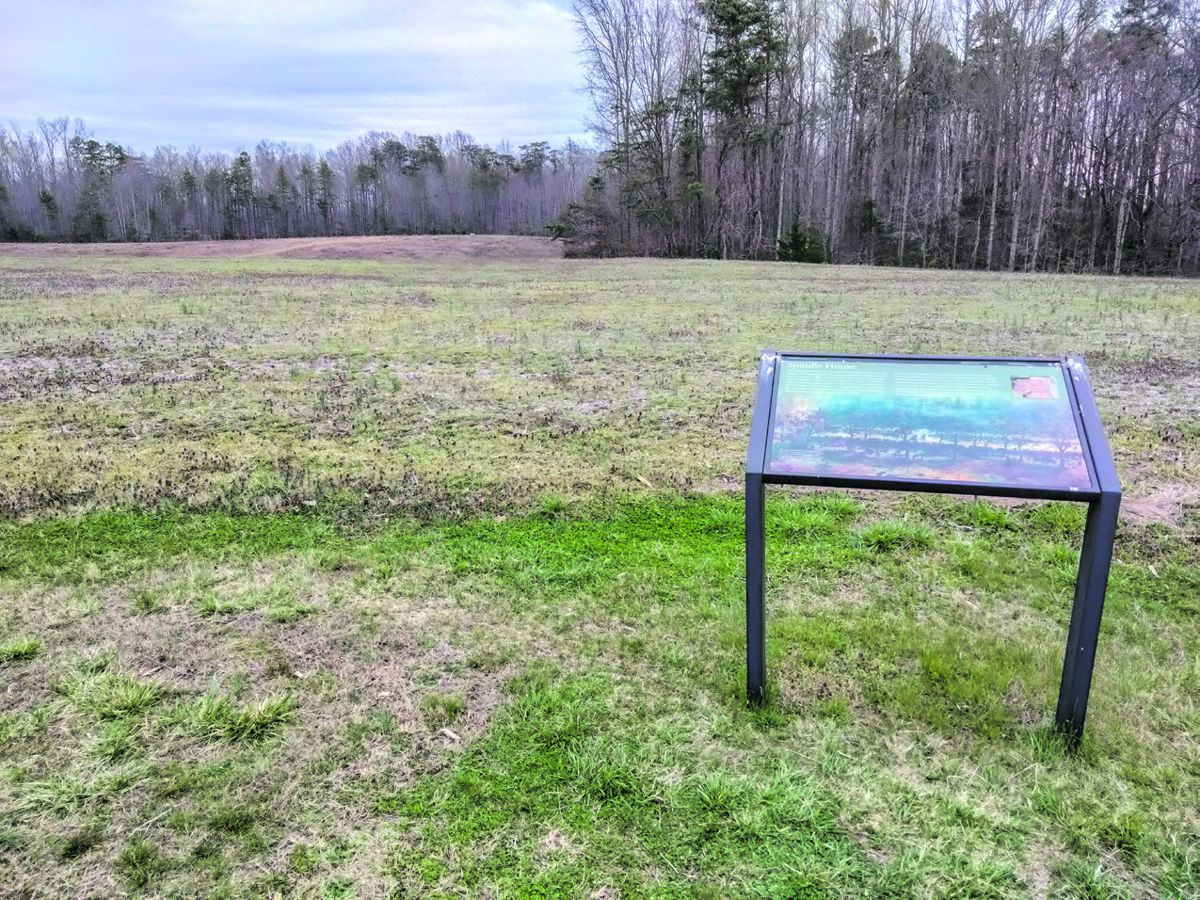
Researching Laurel Hill fighting uncovered a couple of “common folks,” a soldier and a civilian, who had their lives drastically altered by this often-neglected phase of the Spotsylvania fighting. Sgt. Charles Hunter, and Kate Couse, each experienced Laurel Hill from different viewpoints, but learning about their battlefield trials offers a different perspective, one sometimes missed when looking at actions primarily through the Official Records. Charles Hunter was a typical citizen soldier. Hailing from Philadelphia, he enlisted in what would become the 88th Pennsylvania Infantry in August 1861, as a twenty-year-old. As was common of Civil War soldiers, Hunter endured periods of illness, and saw his fair share of combat during his service, but he continued writing home. On the morning of May 8, 1864, Hunter and the 88th, as part of Richard Coulter’s Brigade, John Robinson’s Division, V Corps, were among the soldiers who arrived on the scene and entered the fray against John Henagan’s South Carolinians and Benjamin Humphreys’ Mississippians at Laurel Hill. Pvt. John D. Vautier, who later became the regimental historian of the 88th Pennsylvania, wrote: “The brigade [Col. Coulter’s], supporting some other troops, marched straight across the field, receiving the enemy’s fire when about half way over.” Since the Confederates had arrived first and thrown up improvised works, “they were comparatively safe, while the Union battalions were raked by a severe artillery and musketry fire.” The results were as expected: “the plain being strewn with the disabled, while many of the slightly wounded made their way to the rear,” Vautier explained. Among the injured was Sgt. Charles Hunter, who received a painful gunshot wound to the groin. Evacuated from the field and transported first to Aquia Landing, and then by boat to the Mansion House hospital in Alexandria, Hunter finally received treatment. A physician, writing to Hunter’s father explained that the bullet went all the way through, causing a painful wound. Hunter spent about seven months in Alexandria recovering. He returned to the 88th at Petersburg in December 1864, received a promotion to lieutenant, and then resigned in June 1865 before the regiment mustered out. (CVBT) Spindle Farm house site. (CVBT)
Originally from New Jersey, the Couse family had settled in Spotsylvania County around 1840. When sectionalism tore the country in two, their continued commitment to the United States set them apart from most of their neighbors. By the spring of 1864, only three Couse sisters, Kate, Ann, and Sarah, still lived at their home northwest of the Spindle Farm. When the scene of battle shifted from the Wilderness to Spotsylvania Court House, the Couse sisters and their home were overrun with soldiers from both sides. Kate Couse recorded some of the tumultuous happenings she experienced in the days before and after the fighting at Laurel Hill. On May 7, in a diary-style letter, Kate wrote, “Calmer this morning, we are choked with smoke—from camp fires—and woods fires.” Much of the fuel came from the Couse Farm’s fence rails. She continued that, “the place is alive with waggons moving, the field in front of the house is full of waggons moving to and fro.” As mentioned earlier, their home was used as a hospital for wounded soldiers so Kate and her sisters must have seen terrible things they would never forget. One can almost hear the sadness in her voice when she wrote, “This war, this war.” After the Civil War, Kate’s brother, Peter Couse, applied for compensation for damages to their Spotsylvania farm. Due largely to their unwavering loyalty, they received payment. However, while financial reimbursement certainly helped repair and rebuild, it did not erase the anxiety and sights of suffering she and her sisters endured. Whether in the army carrying a rifle, or on the home place holding a family together, Civil War battlefields intruded on common people’s lives, leaving an uncommonly profound impact.
Two pieces of property associated with the Laurel Hill fighting are preserved by CVBT. More information on the Po River I & II tracts is available at: https://www.cvbt.org/po-river. Tim Talbott is the Chief Administrative Officer with the Central Virginia Battlefields Trust. The mission of CVBT is to preserve land associated with the four major campaigns of: Fredericksburg, Chancellorsville, the Wilderness, and Spotsylvania. To learn more about this grassroots preservation non-profit, which has saved over 1,550 acres of hallowed ground, please visit: www.cvbt.org.