
Florence’s Civil War Legacy and National Cemetery
By Bob Ruegsegger · Originally published January 2022 · pp. 30–31
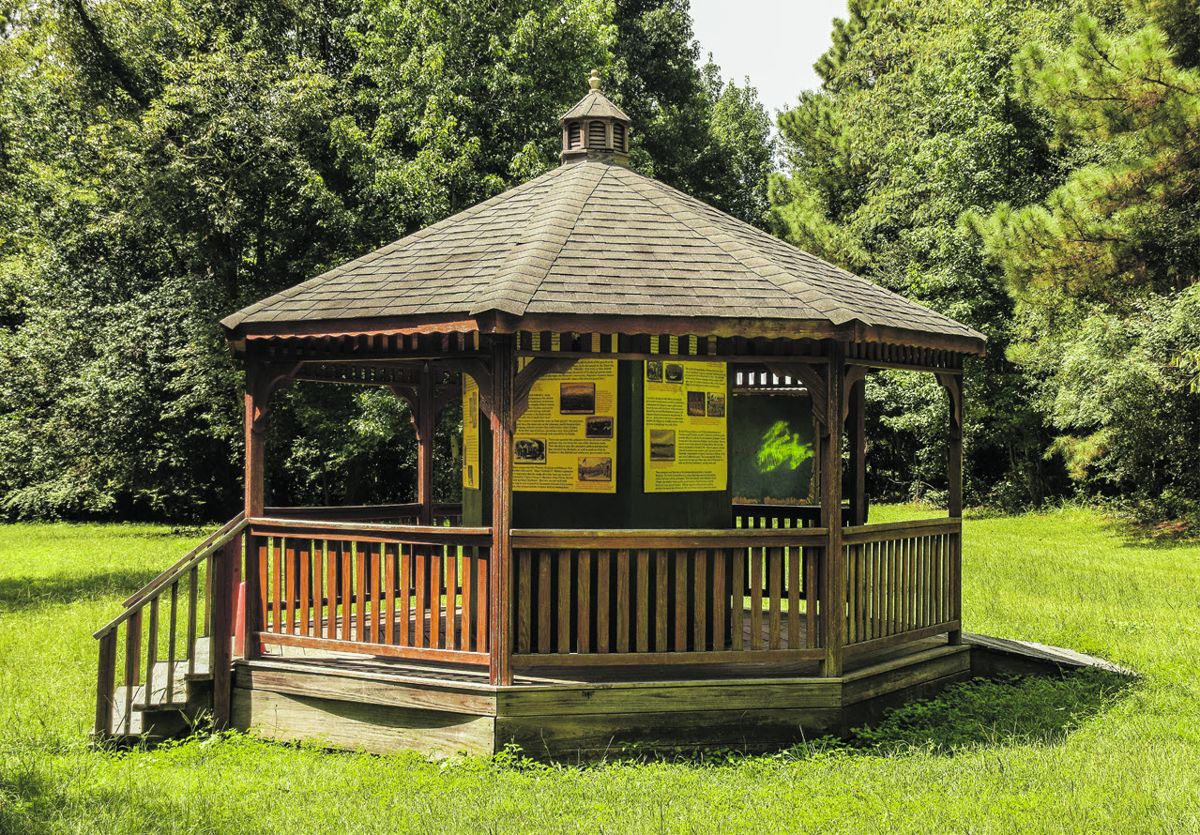
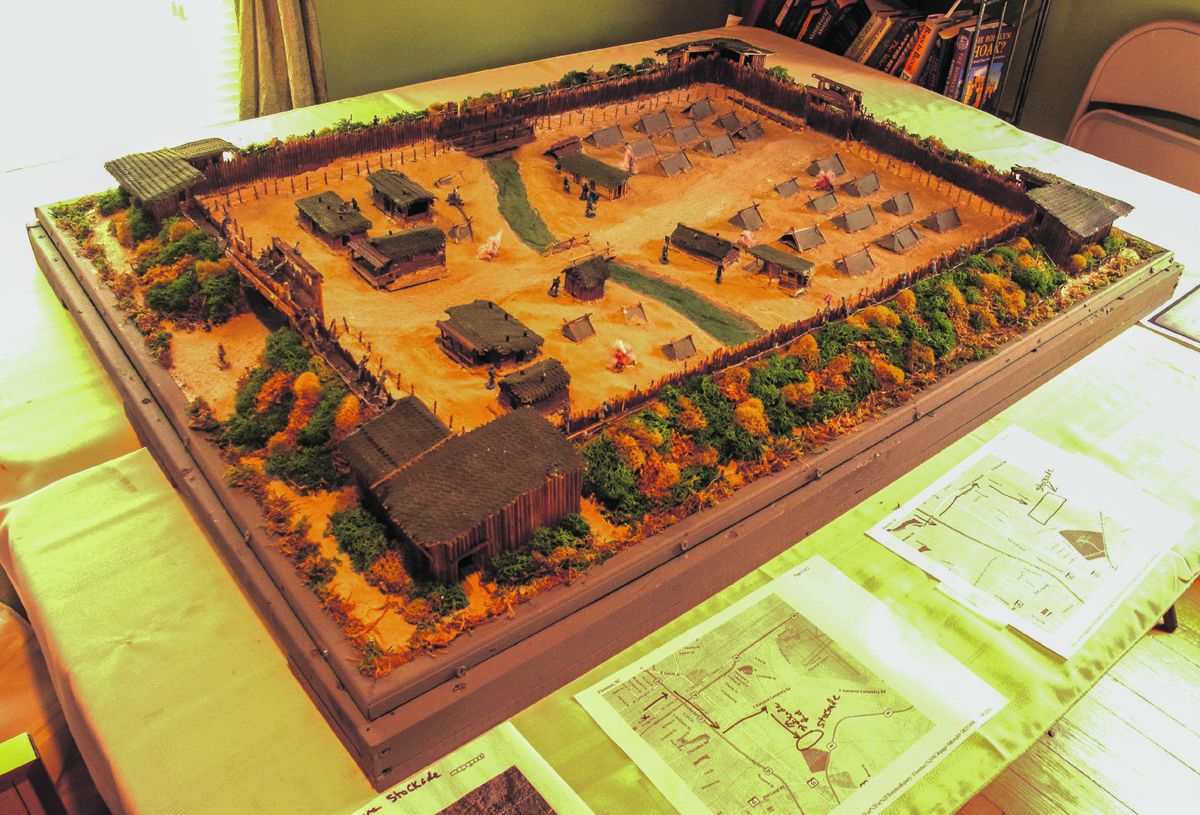
Florence National Cemetery in Florence, S.C., embraces the remains of more than 2,700 Civil War era soldiers, almost exclusively Union prisoners of war, who were buried in 16 rows of trenches not far from the Florence Stockade. During the Civil War three rail lines converged at the railroad terminal in Florence; the Wilmington and Manchester, North Eastern, and Cheraw and Darlington. Throughout the conflict, the tracks were actively engaged in transporting troops, artillery, ammunition, and supplies to Richmond, Savannah, Wilmington, and Charleston. Southern officers feared that the forty-one thousand Union prisoners of war at Andersonville might be liberated and returned to the fighting by General Sherman’s forces as his armies began their now infamous march through Georgia. Union prisoners able to travel were removed from Andersonville via rail to keep them out Sherman’s projected march. The town of Florence was selected for its rail transportation connections and its relative remoteness from the mainstream fighting. Major Frederick F. Warley was ordered to build the Florence Stockade. With the labor of 1,000 enslaved field hands loaned by local planters, Warley began constructing the prisoner of war camp in the early fall of 1864. He hoped to have the camp completed before the 6,500 federal prisoners he was expecting arrived. The stockade site was about a mile southeast of Florence on a fifteen-to-twenty-acre tract bordering an unhealthy swamp. The prison stockade was constructed with the only available materials, local timber, and earth. The completed prison compound measured 725 by 1,400 feet. Impressed field hands cut trees eight to twelve inches in diameter and roughly twenty feet in length. The logs were placed in the trench and used to create a solid un-hewn timber wall fifteen feet tall around the perimeter. The enclosed area embraced 1,015,000 square feet. A stream of clear, cold water ran through the entire prison. A deep ditch surrounded the stockade wall. The dirt from the ditch was heaped high against the timber wall and provided a platform for the guards to walk
This figure of a Confederate soldier at the War Between the States Museum illustrates how an adequately equipped prison guard would have appeared to prisoners. CivilWarNews.com on and supervise the prisoners. A cannon was located on each stockade corner to discourage escape attempts. When the first prisoners arrived by train in September, the stockade had not been completed. Sick prisoners were off-loaded and positioned under the shade of neighboring trees. Other early arriving prisoners were held in the center of a large cornfield. Inside the stockade, boards about two inches wide and two feet high marked the “dead line.” Crossing the dead line meant certain death for any prisoner who stepped beyond the line. Sentinels had orders to shoot at the very moment the prisoner entered the forbidden boundary. The prisoners of war held at Florence Stockade eventually included men from every Northern state. Soldiers from United States Colored Troops, sailors from the Union Navy, and civilians from captured merchant vessels were included among the prisoners. The South Carolina Reserves performed most guard duties. When thousands of Union prisoners arrived by rail in Florence, General James Chestnut assigned his reserves, old men, and young boys as the prison guards. They arrived for guard duty with the clothes on their backs and armed with an array of obsolete weapons. During the first six weeks of their service in Florence, the South Carolina Reserves endured the same living conditions forced on their captives, including meager rations, and sleeping in pits for shelter. On October 2, 1864, the prisoners in Florence were driven into the hastily completed compound where they were soon joined by other Federal prisoners who had been held in the Charleston Fairgrounds.
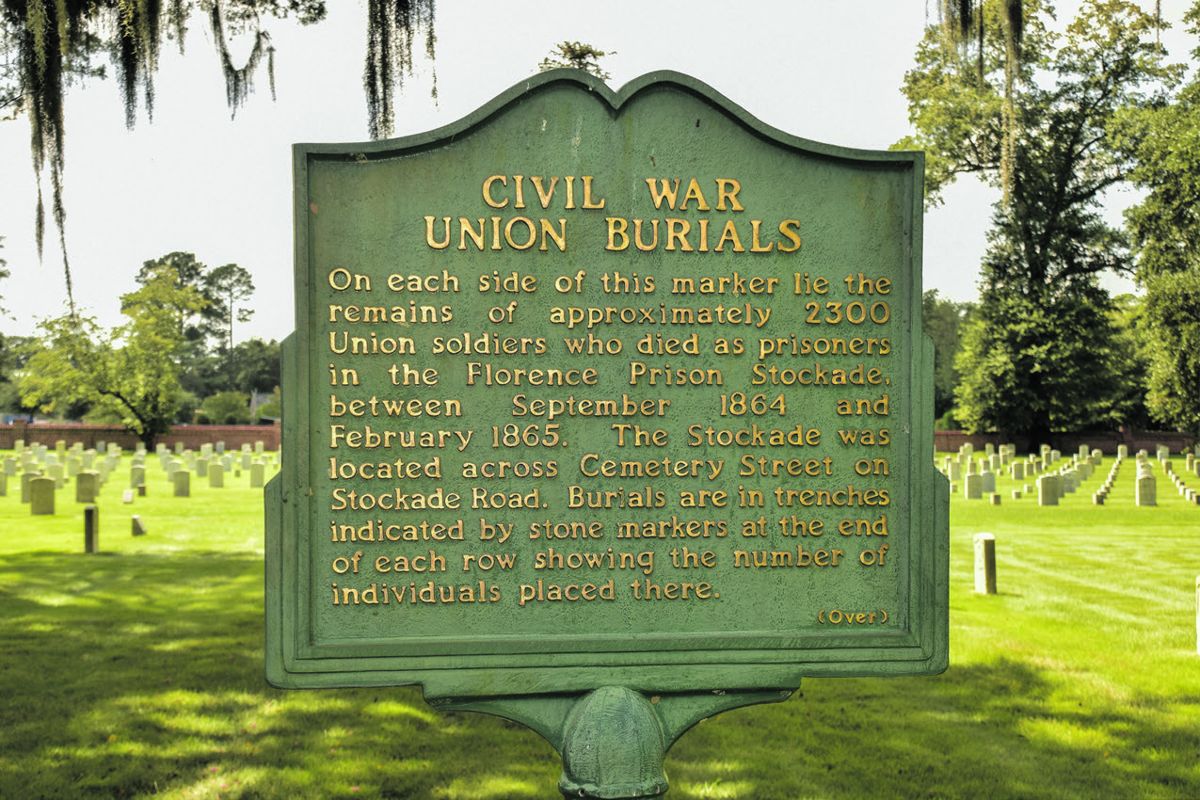
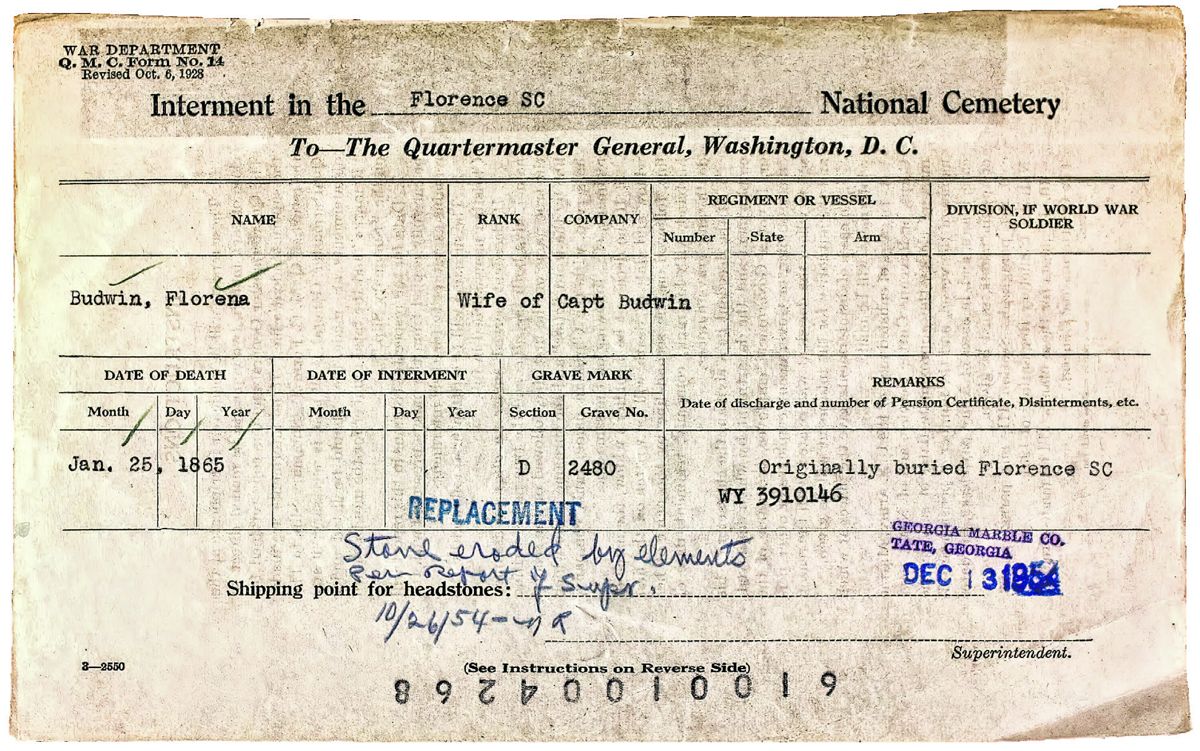
Eventually, over 16,000 men were imprisoned in the Florence Stockade. Prisoners were divided, assigned to groups, and allocated portions of the stockade where they could construct huts. Normally, prisoners would dig a square pit in which a number of men would sleep. Above the pit they would erect a series of poles that met on a ridge in the middle. Scraps of tents were draped across the poles and covered with a layer of pine straw and a thin coating of clay. While the improvised roofs would shed light rain, heavy rain would wash away the clay and the attached clay chimneys, requiring the hut roof to be rebuilt. Rations for prisoners consisted of a pint of corn meal and a tablespoon of dried beans daily. Prisoners had to pool their rations and cook the aggregate over small pine fires. Florence Stockade was no better than Andersonville. Food and medical supplies were scarce. Even after hospital sheds for the sick soldiers were built, living conditions at the camp were terrible. Suffering from his own unhealed wounds, Major Warley requested to be relieved of duty. He was replaced by Colonel G. P. Harrison on September 20, 1864. Harrison proved to be ineffectual and was replaced by Lt. Colonel John F. Iverson, the final commandant. While the hospital sheds offered limited protection from the sun, the pine boughs that initially served as roofs were replaced by wooden shakes that provided better defense from the elements. Inevitably, the Union prisoners were victims of overcrowding, malnutrition, gangrene, respiratory contagion, and a host of debilitating diseases, as well as Florena Budwin disguised herself as a soldier so she could accompany her husband, an army captain, during the Civil War. She was captured by Confederates and imprisoned in the Florence Stockade. After she fell ill and her gender was discovered, she served as a hospital nurse. She died of pneumonia and was interred in the cemetery. their shelters. The only remnant of the stockade is a portion of the earthen embankment where guards walked. One half the stockade site is an empty field. The rest of the site has been retaken by nature, overgrown and inaccessible. One-third of the site, where the hospital and main gate stood, is owned by the City of Florence. The other two-thirds of the property are privately owned. Through efforts of the Florence County Historical Society and the Friends of the Florence Stockade, the site has been designated by the Palmetto Trust as one of the most endangered historical sites in South Carolina. The original burials were carried out at two separate sites; one contains the remains of 416 prisoners. At the other location, approximately 2,322 soldiers were interred. The interments at the larger site were made in trenches. Originally, the land for the burials was appropriated. It was later purchased from Dr. Jarrott’s estate. The site was designated a national cemetery in 1865, and the remains of Union soldiers from the smaller initial site were reinterred on the cemetery grounds. The remains of soldiers from the surrounding area, Darlington, Marion, and Cheraw, were removed and relocated to Florence National Cemetery. Wooden headboards that indicated the original burial trenches were supplanted by sixby-six-inch square marble blocks that marked the graves of over 2,000 unknown soldiers. In 1955, cruel punishments for various infractions. Yellow fever, malaria, scurvy, and diarrhea posed serious issues for the prisoners and the hospital stewards. Limited medical supplies came from Columbia and were kept in the hospital dispensary. Goods received from the U.S. Sanitary Commission, shirts, stockings, and blankets were stored in the dispensary as well. Shipments of milk, coffee, and beef were occasionally received for the benefit of the prisoners. Overcrowded hospital facilities and shortages of medication intensified the number of prisoner deaths. Prisoners were left lying where they died until their deaths were discovered. Prisoners regularly scavenged corpses to secure needed clothing and other items that could be traded. Fights broke out when prisoners laid claim to the same clothing. Daily, the bodies of prisoners who died in the hospital were removed from the compound and stacked outside the stockade gate. The bodies were loaded onto army wagons and driven to a nearby plantation owned by Dr. James Howard Jarrott for interment. In early 1865, one thousand prisoners were paroled and sent to Wilmington and Goldsboro. Others remained behind in the stockade. The prisoners who stayed in the stockade burnt the shelters of those who had been paroled to keep from freezing. News arrived toward the end February that Wilmington had fallen and the Confederacy was coming apart. When the stockade’s officers “disappeared,” prisoners who remained were permitted to go free. The remaining prisoners were loaded onto trains and sent to North Carolina. The stockade was left empty. Today, the stockade wall and the dead line have vanished. There are no traces of the prisoners or
This marble stone marks the end of one trench in which 137 unknown U.S. soldiers were interred.
Sgt. Jacob Kiester served with the 103rd Pennsylvania Regiment. He died in November 1864 as a prisoner of war at the Florence Stockade.
Almon Jolls enlisted in the 5th Michigan Cavalry. He died as a POW on November 25, 1864, and was interred in the cemetery. This memorial headstone was erected in his memory.
the marble blocks were replaced by 32 vertical headstones at each burial trench end. While Civil War era monuments on battlefields and courthouse grounds commemorate duty, heroism, and gallantry, Florence National Cemetery, and other national cemeteries, serve a different purpose. Lined by countless rows of white marble headstones, they serve as grim reminders of the human cost of war and the tragedy of man’s inhumanity to man. Note: Florence National Cemetery was established in 1865. The cemetery serves over 20,000 veterans in South
Carolina. It is situated on 24 acres and accommodates casketed and cremated remains. Over 300 burials are conducted annually. Bob Ruegsegger is an American by birth and a Virginian. His assignments frequently take him to historic sites throughout Virginia, the Mid-Atlantic, and the Southeast. His favorite haunts include sites within Virginia’s Historic Triangle— Jamestown, Yorktown, and Williamsburg. Bob served briefly in the U.S. Navy. He is a retired educator and has been an active newspaper journalist for the last twenty years.