Jackson’s 1861 Railroad Caper Was More Than A Myth!
By Carl L. Sell Jr. · Originally published February 2022 · pp. 28–29
Imagine capturing, destroying, and moving train engines and cars along a 44-mile stretch of the Baltimore & Ohio Railroad in Maryland and Virginia during spring 1861. Not only that, but closing the rail link for 10 months, crippling a vital Union supply line. The caper was hatched in the fertile mind of Thomas Jackson; the Virginia Military Institute professor named a colonel in the Virginia Militia and sent to command the Virginia border from northwestern Loudoun County to just beyond Martinsburg. The first thing Jackson did was reconnoiter and it quickly became apparent that the B&O, which followed the Potomac on the Maryland side before crossing the river into Virginia at Harper’s Ferry, was a major supply route for the Federal government. In a late April visit to Point of Rocks, Md., Jackson began to devise a plan that would cripple the B&O, halt the movement of supplies and troops for the Union army, and provide a source
Jackson’s 1861 Railroad Caper Was More Than A Myth!
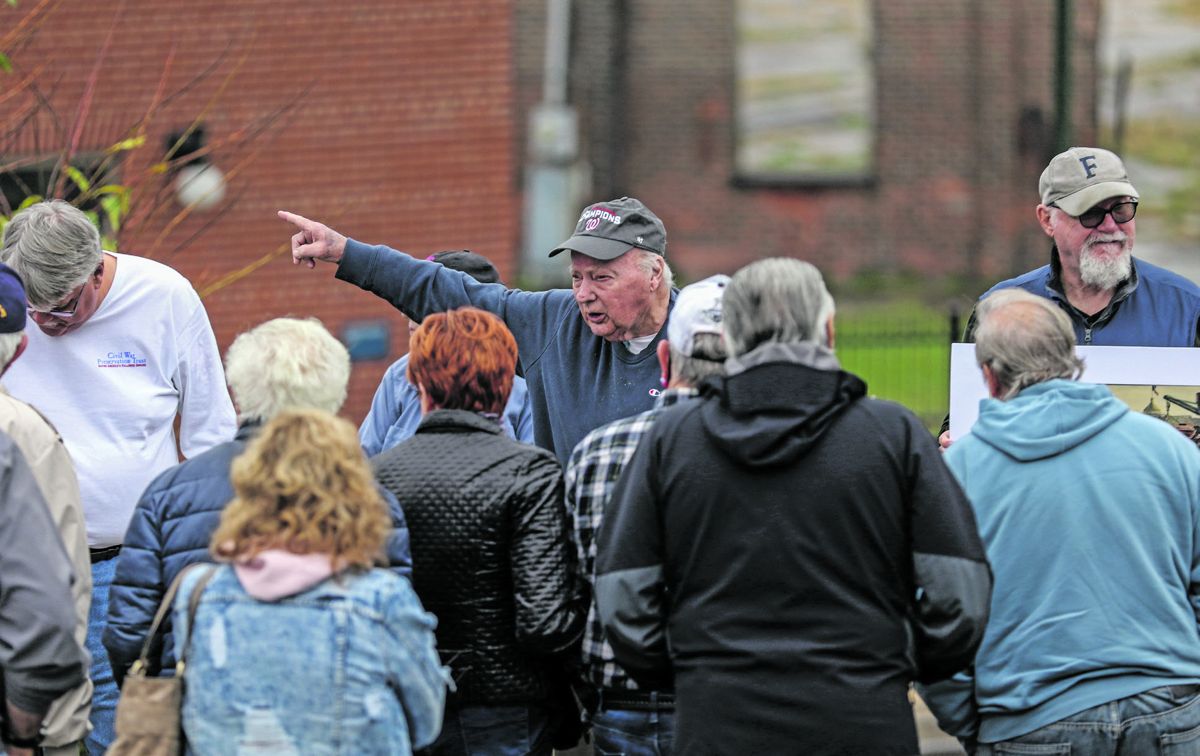
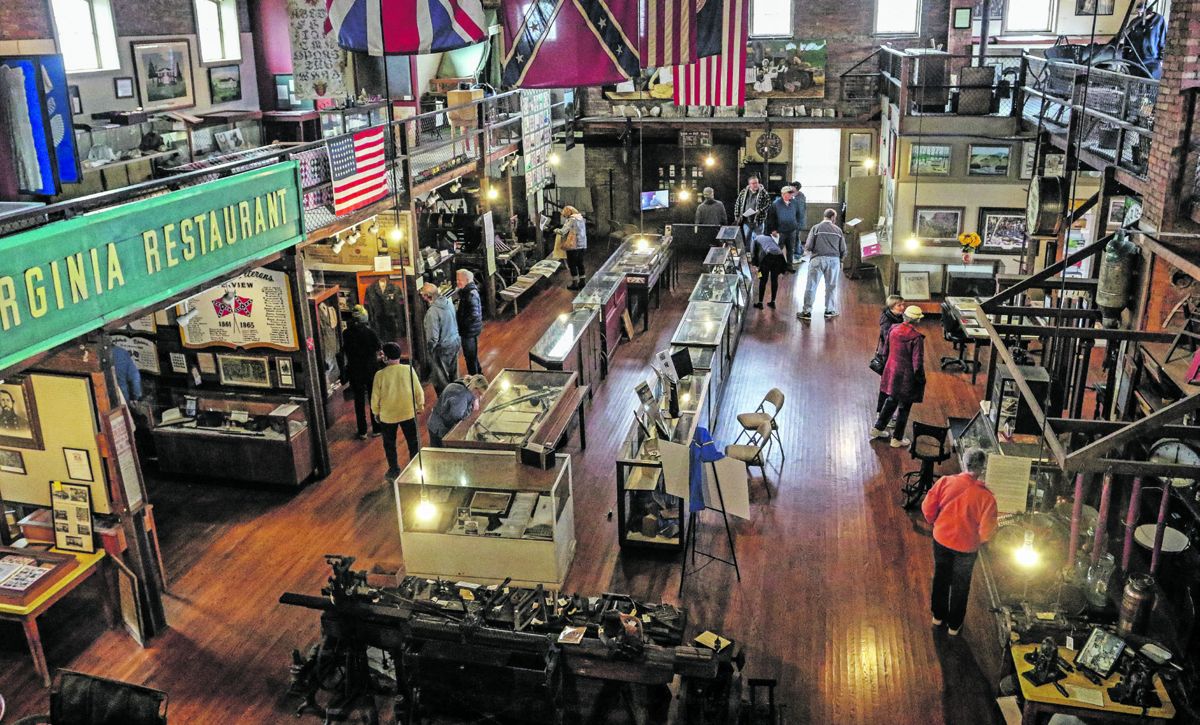
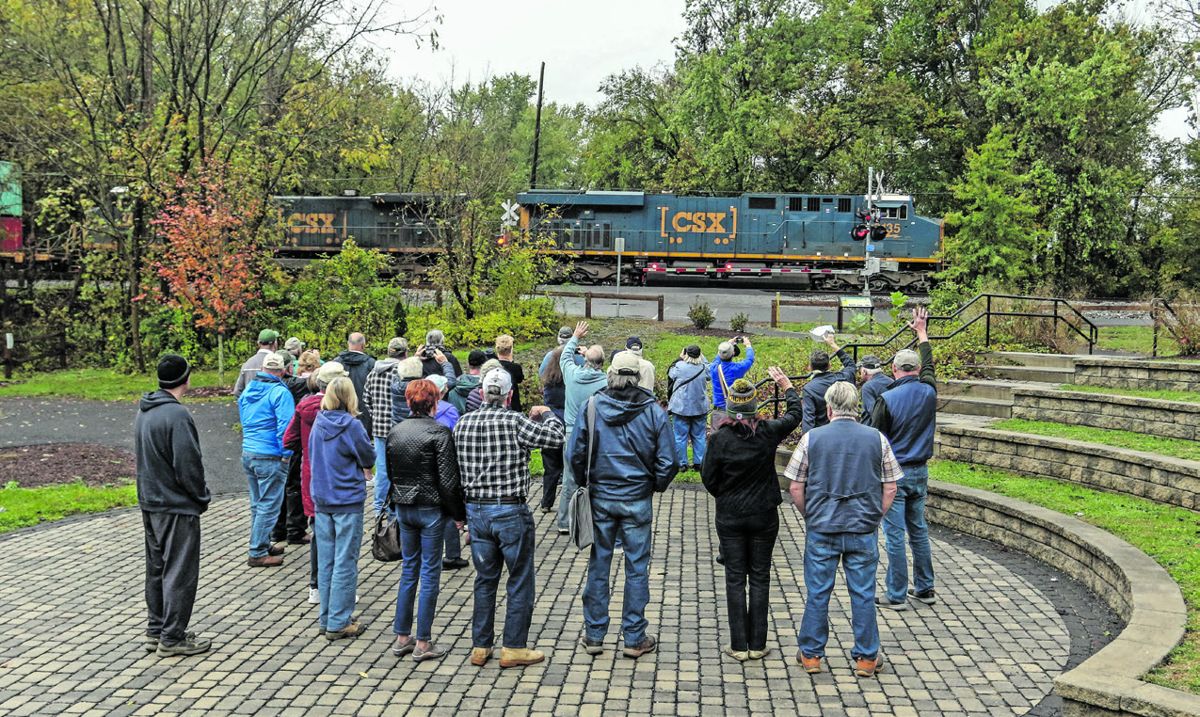
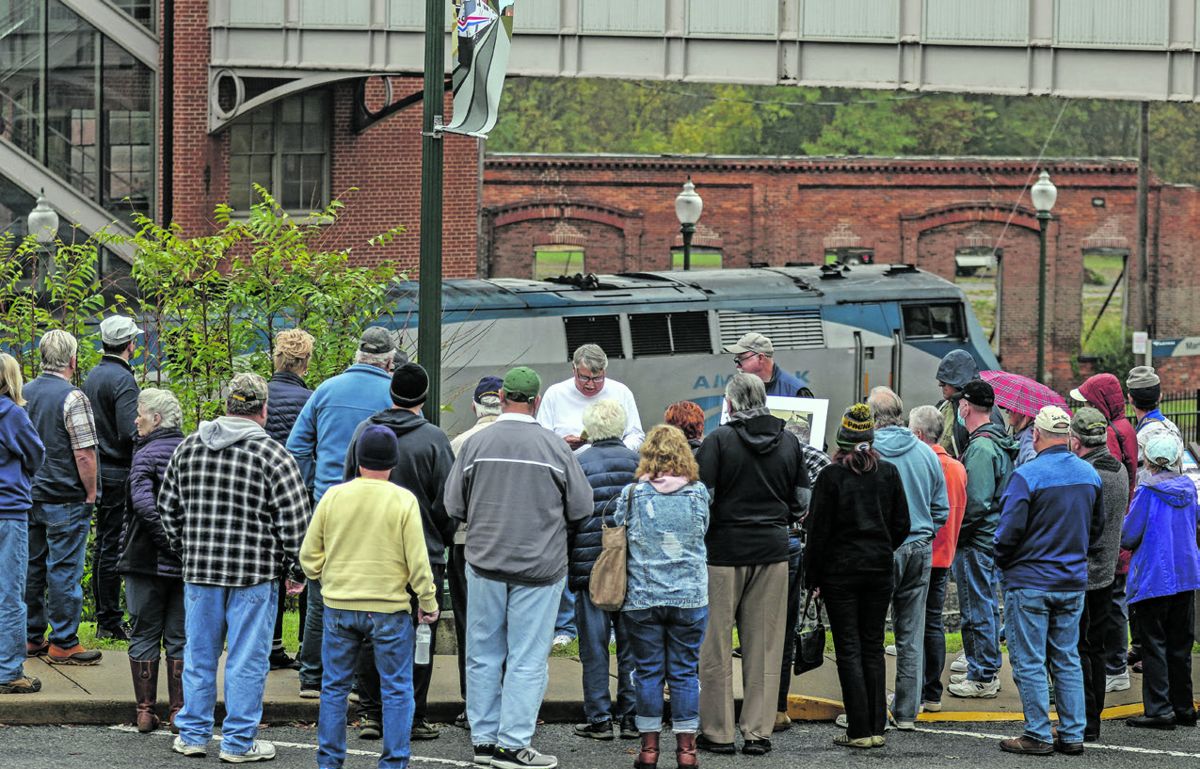
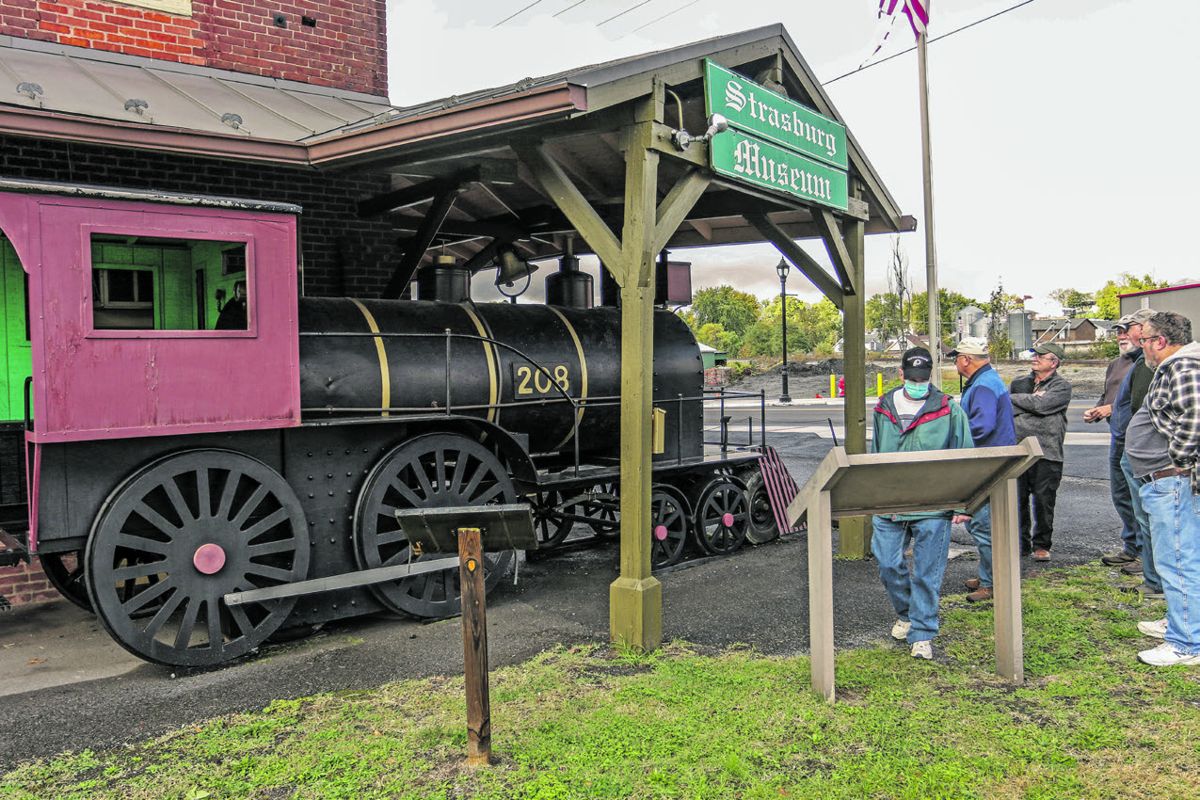
of rolling stock for Virginia railroads. Over the next month, he put together a plan that was implemented May 23, 1861, the day Virginia voted to secede from the Union and join the Confederacy. Those who doubt the veracity of the operation cite the fact that the Official Records, compiled by the Federal government after the war, make no mention of it. However, Confederate records contain an official report by Brigadier General Joseph E. Johnston, dated October 14, 1861, stating that “Colonel Jackson was instructed to destroy such of the rolling stock of the Baltimore & Ohio Railroad as could not be brought off, and to have so much of it as could be made available to our service brought to Winchester.” As was the custom with reports received from field commanders throughout the war, Johnston’s report was printed in the Richmond Daily Dispatch of February 1, 1862. The report also mentions that “LieutenantColonel George Stewart [sic Stuart], with his Maryland battalion, was sent to Harpers Ferry to bring off some public property said to have been left.” The Confederates took weapons and the equipment necessary to produce armaments from the Harpers Ferry Armory and sent them to Richmond and other sites throughout the south. John D. Imboden, then a leader of Virginia Militia forces in the Shenandoah and later a cavalry commander under Johnston and Lee, wrote about the campaign after the war. His accounts have been generally debunked by modern Civil War historians. However, upon further review, it appears the future hero of the Confederate retreat from Gettysburg knew what he was talking about. Armed with General Johnston’s report authenticating Jackson’s railroad operation, the Both Sides Tour, a series of visits to Civil War sites and battlefields involving the Union Army of the Potomac and the Confederate Army of Northern Virginia, set out to expand on the project and visit sites where Jackson and his men obtained the rolling stock. The tour took place in late October 2021. The semiannual tours are sponsored by the Franconia Museum, a small Northern Virginia group that focuses on local history. The Museum is a 501(c)3 charitable organization. The tour started at Point of Rocks, moved on to Martinsburg, Winchester, and Strasburg, the terminus of the Manassas Gap Railroad that connected the Shenandoah Valley to the Orange and Alexandria Railroad at Manassas Junction. The O&A then connected with the Virginia Central Railroad at Gordonsville, providing a link to Richmond. The 1861 trip from Martinsburg to Winchester was fairly easy since the B&O connected with the Winchester and Potomac Railroad at Harper’s Ferry. It was the only direct connection of two different railroad lines in the United States at the time. Only smaller engines that could navigate the Winchester and Potomac were chosen for Jackson’s operation. Even then, the track bed and bridges had to be strengthened to carry the greater weight. Winchester to Strasburg was a different story. The engines were disassembled and hauled in horse-drawn wagons via the Valley Turnpike, a macadamized road. A collection of independent reports provided the authentication necessary for tour leaders Don Hakenson, Ben Trittipoe, and Carl Sell to inform the tour participants how it was done. The railroad part of the tour ended at the Strasburg Railroad Museum, an impressive collection of railroad artifacts and history, including some dealing with Jackson’s amazing feat. The day-long tour ended at the site of the 1864 Battle of Cool Spring, recently preserved and interpreted by Shenandoah University. The battle, which pitted Confederate forces under General Jubal Early, returning to the Valley after a campaign that brought them to the gates of Washington City at Fort Stevens, and pursuing Federal forces.
Cool Spring is located on the Shenandoah River at the western foot of the Blue Ridge Mountains on Route #7. It’s worth a visit, but don’t be confused if you notice the river is flowing northward toward its confluence with the Potomac at Harper’s Ferry! Getting back to Jackson, in early May the militia leader complained to B&O President John Garrett that the large number of trains were interrupting the sleep of Virginia’s troops on the border. Although a Northern sympathizer, Garrett wanted to be seen as neutral because the B&O operated in Virginia and needed state approval. He acquiesced to Jackson’s plan limiting rail traffic in the Harper’s Ferry area between noon and 2 p.m. Most of the trains were laden with coal routed to Baltimore for Union steamships operating on Chesapeake Bay and the Atlantic Ocean. By the time Brigadier General Johnston arrived on the scene in mid-May, Jackson and his militia controlled almost 100 miles of the B&O from Point of Rocks westward to Martinsburg and the Ohio River. Jackson would come under Johnston’s Confederate command on June 8, after Virginia seceded. Federal troops controlled the B&O tracks nearer Baltimore. On May 22, Jackson sent the Fifth Virginia Infantry under Colonel Kenton Harper to Cherry Run, just west of Martinsburg, and Captain Imboden’s cavalry to a spot just west of Point of Rocks. At 11 a.m. on May 23, trains began entering the stretch from
An 1851 B&O engine. Drawing of Julia Chase at her Winchester window. The locomotives were disassembled near Stephenson’s Depot, located just north of Winchester. They then were loaded onto wagons and lorries built by wagoneers Joseph Keeler and his son Charles for the thirty-eight-mile trek down the Valley Turnpike to Strasburg. The operation from Harper’s Ferry to Stephenson’s Depot was overseen by Thomas P. Sharp, chief engineer of the Winchester and Potomac, and Hugh Longust, an engineer from Richmond. They headed a group consisting of soldiers, machinists, teamsters, and laborers who worked through the summer on the project. The trip from Winchester to Strasburg via the open road is the hardest to believe, but the diary of a female Union sympathizer who lived in the town provides a first-hand, bird’s eye view of wagons hauling an engine past her window on two occasions. Julia Chase, a native of Maine, lived on North Loudoun Street in Winchester in 1861. She kept a diary, which has been preserved as part of the Small Collection at the University of Virginia library. On September 2, 1861, Chase wrote: Weather quite warm again. One of the Engines that was thrown in the river at Martinsburg, when the Confederate Army was at Harper’s Ferry, has been brought into town today by 32 horses, to be taken on to Richmond. It was quite a sight as it passed by— looking very much like an iron monster. On September 16, Chase wrote: Another of the Engines was brought from Martinsburg today, besides other things on Saturday. It is said that the U.S. Government does not interfere in this case because the leading Managers of the Balto & Ohio Railroad are secessionists and they let them do as they please. The movement of the engines and cars went on all summer. When General Johnston and Jackson left with most of the Confederate troops in the Shenandoah Valley for Manassas in July, they left Thomas Sharp and his crew in charge of moving the engines and cars to Strasburg. Sharp’s diary says 80 cars were hauled to Strasburg. He was a native of Schuylkill County, Penn., in the heart of the anthracite coal region where his father was the chief engineer for the Danville and Pottsville Railroad. The younger Sharp worked for several Southern railroads before joining the Winchester and Potomac. A newlywed, Sharp and his wife, Gertrude, a native of Lynchburg, Va.; the couple welcomed their first child in January 1862. After securing the railroad materials, Sharpe became the head of Jackson’s quartermaster corps. Jackson went with Johnston to Manassas, where the Confederates defeated the Federals in the first major battle of the Civil War and the former professor earned the sobriquet of “Stonewall” for his stand on Henry Hill. He returned to the Valley after Manassas and set up headquarters in
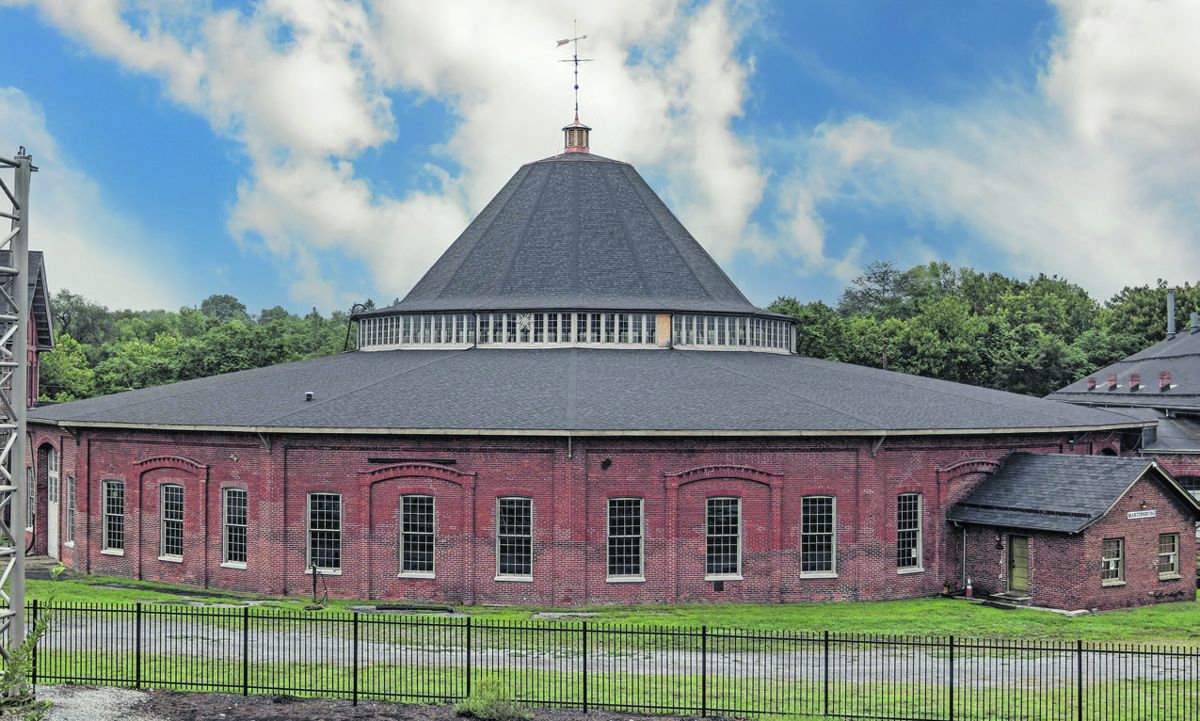
Winchester. Victories in the Valley Campaign of 1862, and his command’s ability to make long marches in a short period of time, made Jackson and his “foot cavalry” a legend. He was killed by friendly fire in one of the Confederates’ major victories at Chancellorsville in May 1863. After one hundred and sixty-one years, Jackson’s first campaign really deserves recognition as one of his finest. Imboden, who covered the retreat from Gettysburg and the standoff at Williamsport, Md., in 1863, should have his veracity restored. Carl Sell is a co-leader of the Both Sides Tours as well as an author and frequent contributor to CWN. He has written books about his great grandfather, James Farthing, in the Civil War as well as a recent update on the life or Major General James Ewell Brown Stuart. Ironically, his great grandfather’s unit, the Thirty-Eighth Virginia, was a day late for Manassas because of a lack of railroad engines and cars to transport Confederate forces from Piedmont Station in the Blue Ridge Mountains to Manassas Junction. Contact Carl at 703-971-4716. both east and west. Harper and Imboden waited an hour, then closed off the 44-mile section at each end, trapping dozens of engines and rolling stock. Jackson’s men then began destroying some engines, freight cars, and coal cars, but impounded others for the trip south to Winchester and Strasburg, from where they would be forwarded on to bolster the Confederate rail system. A large number of rails and other materials necessary to maintain a railroad were taken from the B&O warehouses and roundhouse at Martinsburg and sent along with the engines and freight cars. In all, dozens of engines and scores of freight and coal cars were destroyed. The bridge over the Potomac at Harper’s Ferry was destroyed June 14, effectively shutting down east-west traffic on the B&O until March 30, 1862. There is some confusion about how much rolling stock made it to Strasburg, but one source cited 14 locomotives arrived successfully.