
Ulysses S. Grant’s Birth Weight
By Phyllis Adams, BSN, RN · Originally published April 2022 · pp. 36–38
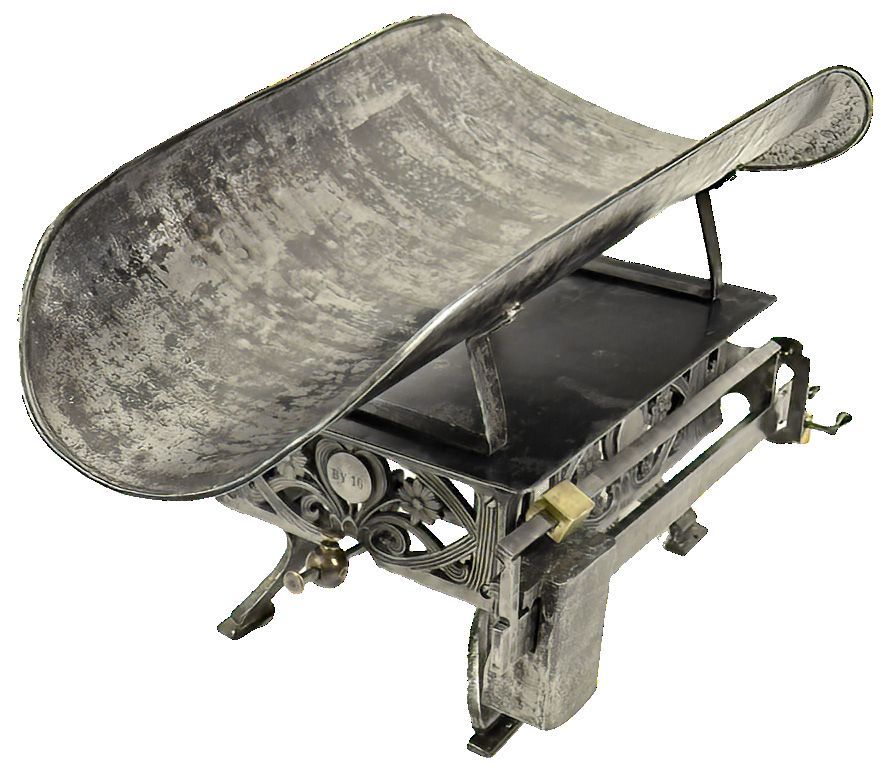
Ulysses S. Grant’s early life is not well known. The accepted narrative regarding his birth weight was penned by Albert Deane Richardson as a gigantic ten- and three-quarter pounds. Can we accept Richardson’s account? Where is the evidence? How does one navigate the medical issues? Is it more likely Grant was a small, low birth weight baby?
Large Birth Weight Issues What is involved with a large birth weight baby? Infants with a birth weight greater than 4,000 grams are considered large babies. Three subdivisions of large birth weight babies are as follows: “Class I birth weight (4,000-4,499 grams), Class II birth weight (4,500-4,999 grams), and Class III birth weight (greater than 5,000 grams)” (Gaudet, et al, p.1; Najahian, p.1). Grant’s alleged birth weight of ten and three-quarter pounds, (ten pounds twelve ounces), amounts to 4,876 grams! This weight in grams fits the Class II category noted above. Morbidity and mortality identified with large birth weight can be divided into categories of maternal, fetal, and newborn. Obesity prior to pregnancy can seriously affect the weight of an unborn infant. Mortality rates are greater in 9.4-pound babies in nondiabetic mothers and 8.8-pound babies in diabetic mothers. Diabetes pre-pregnancy and gestational diabetes are huge factors for women giving birth to large birth weight babies. Maternal complications in giving birth to a large baby include loss of uterine muscle tone, lacerations, uterine rupture, hemorrhage, and Caesarean section (Gaudet, et al, p.11-12; Najahian, p.2). Factors associated with excess fetal growth include duration of gestation, gestational diabetes (also diabetes Type I or Type II), genetics, environment, increased fetal glucose, increased insulin, and an excess of fatty acids (Gaudet, et al, p.12). Large newborns may suffer from shoulder injuries during the birthing process, collar bone fractures, skeletal issues, oxygen deprivation, low blood sugar, and fatalities. Long-term adverse outcomes such as obesity, diabetes, and cardiac issues may result (Gaudet, et, al, p.11). Race and ethnicity are linked to large birth weight babies. Newborns of Hispanic origin have a greater incidence of large birth weight as Hispanic women have a higher incidence of diabetes during their pregnancies. Maternal diabetes is one of the greatest risk factors in giving birth to a large baby, whether diabetes is present prior to pregnancy or presents itself during pregnancy (Najahian, p.2). Gestational diabetes occurs in pregnant women who did not experience diabetes before becoming pregnant. It typically shows up half way through one’s pregnancy. This type of diabetes can cause several problems for mother and baby. Uncontrolled diabetes causes high blood sugar levels in baby; therefore, baby becomes overfed and grows too large. A Caesarian section may be needed for the safety of baby and mother especially if the baby is extremely large such as “ten and three quarter pounds.” Low blood sugar with gestational diabetes is very serious and even fatal in some cases. Sugar levels uncontrolled during pregnancy can cause a baby to develop low blood sugar following birth and must be monitored closely (cdc. gov/pregnancy/diabetes, p.1).
Baby Grant’s Birth Hannah Simpson Grant labored for her first born, late Friday evening, April 26, 1822. Jesse Root Grant, her husband, left shortly before midnight and traveled from Point Pleasant to New Richmond, Ohio, along a well-worn wagon trail approximately six miles. He arrived at the home of Dr. John George Rogers, physician, fellow abolitionist, and friend. Jesse advised, “I think we’re going to need you up at the Point.’’ Dr. Rogers grabbed his medical bag, swiftly saddled his horse, and the two men promptly journeyed to Point Pleasant. Saturday, April 27, 1822, at 5 o’clock in the morning, “a small baby boy” made his debut into the Grant household (Greene, p.36). As Dr. Rogers prepared to depart, he advised the new father, “Jesse, you’d best be especially careful of that little fellow. He’s not so strong but what you may not bring him up if you’re not careful.” An adult grandchild of Dr. Rogers relayed the story to Dr. Greene, the biographer of the delivering physician. Additionally, the grandchild remembered begging the grandfather, “tell me about the time you delivered General Grant” (Ibid, p.36). Richardson’s biography, with the large birth weight of ten- and three-quarter pounds for baby Grant, was published in 1868. That statement has been believed by many authors and historians over the years including recent biographers; however, it is without documentation as to its origin (Richardson, p.49; Chernow, p.3). The small baby delivered by Dr. Rogers is the only known documentation of Grant’s birth. Baby Grant was declared small and weak by Dr. Rogers (Ibid., p.36).
Low Birth Weight Babies What constitutes small and low birth weight babies? Today’s information gives the criterion as “preterm weight of 2,500 grams or less, or five and one-half pounds” (Child Health USA 2014, p.25). Low birth weight babies include those born preterm and small for gestational age. Complications for the baby resulting from low birth weight can include jaundice, respiratory issues, anemia, and infection (ibid., p.25). Preterm birth occurs when a baby arrives too early, before completing weeks of pregnancy. The year 2019 saw
1 in 10 infants in the United States born preterm. The baby’s brain, lungs, and liver are still developing during those final weeks (CDC, preterm birth, p.1).
Infections Maternal issues related to low birth weight or small babies include urinary tract infections, which are common during pregnancy as changes in hormone levels increase the risk for urinary tract infections. It is likely for the infection to spread to the kidneys during pregnancy: therefore, the mother must drink more liquids, especially water. When left unattended, an infection can lead to preterm birth (womenshealth. gov p.1). “Infections that induce premature labor occur very early in pregnancy and are undetected until childbirth” (Giraldo, et al, p.1).
Anemia Anemia during pregnancy is considered a universal issue, and the most common nutritional disorder affecting “40% of pregnancies” (Madendag, et al, p.1). Studies indicate 10% of babies born in the United States are low birth weight, with anemia
CivilWarNews.com a major cause of this issue (Rahmati, et al, p.2). The National Institute of Health defines anemia as “a condition in which your blood has a lower-than-normal amount of red blood cells or hemoglobin.” Hemoglobin is “an iron-rich protein that helps red blood cells carry oxygen from the lungs to the rest of the body” (nhlbi.nih.gov p.1). What are signs and symptoms of anemia? One may have mild or severe anemia. Those with mild anemia may not show any signs or experience any symptoms. Patients with severe cases may experience weakness, tiredness, dizziness, faintness, thirst, and show signs of pale or yellowish skin (nhlbi.nih.gov “Anemia” p.8) During pregnancy a woman needs more iron to take care of her own and the baby’s needs. Many changes transpire in a woman’s body and the blood responds to these changes. The fluid portion (plasma) of one’s blood expands by 50 per cent and red blood cells increase 25 per cent (nhibi.nih. gov “Anemia” p.21). Due to these changes, additional iron is necessary for the baby’s growth, development, and placental support; therefore, additional B vitamins and nutrients are needed for both the mother and developing infant. Iron-deficiency anemia increases the risk for preterm, low birth weight, and fatality for a baby prior to birth or shortly after the birthing process (Ibid., p.21). Iron is found in both animal and plant foods. Animal sources include clams, oysters, sardines, beef liver, lean red meat, and poultry. Plant sources include cooked white beans, chick peas, lentils, kidney beans, and lima beans. Dark green leafy vegetables such as spinach and turnip greens also contain iron. Additional good sources of iron are canned tomatoes, baked potatoes, and dark chocolate (nhlbi.nih.gov/anemia p.23; womenshealth.gov. vitamins and minerals, p.4).
Vitamin D Known as the “sunshine vitamin,” sunlight is a primary source of this vitamin. It is extremely important during pregnancy for both the mother and the baby she is carrying. Significant for fetal growth, vitamin D works in concert with calcium and parathyroid hormone for strong bones. Studies “found a significant correlation between low birth weight and maternal vitamin D deficiency” (Khalessi, et al, p.4). Additional pregnancy compllications due to deficiency or insufficiency of vitamin D have been studied. Low levels of this special vitamin can lead to gestational diabetes, preterm labor, and preterm birth subsequently resulting in low birth weight (Dovnik, et al, p.1; Khalessi, et al, p.2). Eighteen studies investigated the relationship of nutritional status of vitamin D during pregnancy and subsequent birth outcomes. Evidence from the studies connected vitamin D insufficiency with preterm birth (Amegah, et al, p.16). First time pregnancy studies revealed risks for complications of high blood pressure and preterm delivery compared to those having more than one pregnancy. Other risk factors showed a high incidence of vitamin D deficiency and insufficiency in young women of reproductive age (Flood-Nichols, et al, p.11). What sources provide vitamin D in addition to sunlight? Fatty fish such as salmon, tuna, and trout, also beef liver, and egg yolks, as well as foods fortified with this vitamin including milk and some brands of orange juice, yogurts, margarines, and other foods are good sources (ods. od.nih.gov/factsheets). Interestingly, vitamin D was not discovered until the 1920s by scientists at John Hopkins University (McCollum, et al,
XXI, 1922). What was available for Hannah Grant regarding this vitamin? She certainly would not have absorbed sunlight for any length of time as women were virtually covered with their clothing from head to toe circa 1820. Likely, Hannah ate eggs which would have given her some of the precious vitamin and perhaps she partook of oily fish from time to time. She may have had an insufficiency of vitamin D, which could be a cause of a small baby.
Magnesium “Magnesium is the fourth most common mineral in the human body after calcium, sodium, and potassium. It is involved with over 300 enzyme systems and is a requirement for energy production” (Schwalfenberg and Genuis, p.1). During pregnancy, a deficiency of magnesium is common and is a determinant in outcomes of pregnancy and long-term health of the offspring. Magnesium deficiency leads to preterm birth, low birth weight, and small size for gestational age newborns (Schwalfenberg and Genuis p.5). Regarding “long-term health of the offspring,” it is interesting that “A Cochrane review grades magnesium as one of the strongly recommended treatments for migraine headaches” (Ibid., p.5), something Ulysses S. Grant suffered with his entire life. Did Hannah experience migraines and pass the tendency for migraines on to her first-born? Levels of magnesium in the umbilical cord are lowest in preterm and low birth weight babies. Low magnesium levels are an ongoing irregularity in low-birth-weight infants and are a “determinant of insulin resistance in later life” (Takaya and Kaneko, p.1-3). The mineral magnesium is critically important, especially during pregnancy. Today, physicians make sure pregnant women have the proper level, 350-360 milligrams, of the mineral in their blood stream (ods.od.nih.gov/magnesium). Hannah would not have known about the necessity of this precious mineral. What foods may she have consumed that contained magnesium? She may have partaken of boiled spinach, cooked black beans, baked potato with the skin, brown rice, nuts, and perhaps bananas. She would have to eat these types of foods and more each day to reach the safe zone of 350 milligrams during her pregnancy (ods.od.nih.gov/ factsheets/magnesium, p.3-4).
Hannah’s Work Load Hannah Grant, with the quiet, undemonstrative personality she possessed, most likely carried on her household responsibilities without a second thought. In 1820-22, those activities in in the small 16 ½ foot by 19-foot, one room cottage in Point Pleasant, Ohio, included standing, bending, lifting at the fireplace, the only means at the small cottage for cooking and baking. Laundry required a great amount of work. First, she had to carry water from the backyard well, heat it at the fireplace, stand or bend over a washtub, and scrub Jesse’s extremely soiled work clothes from his tannery work. She would then haul the heavy wet work clothes outside, hopefully in a basket, and hang them on a line. Washing Jesse’s work clothes no doubt would take place more than once a week as the small cottage would not have accommodated his odoriferous piles of work clothes. Hauling water from the well would also be necessary for washing dishes, cooking, baking, and scrubbing the wood floor. Perhaps she carried in the wood for the fireplace and carried out the ashes as well. All these tasks entailed a great amount of time along with the bending, lifting, and standing. Physical demands can take their toll during pregnancy with an increased risk of adverse outcomes as in preterm delivery (CDC, Reproductive Health and the Workplace, p.1-2).

Maternal Stress “During pregnancy, moderate to severe life stress and maternal anxiety increase the risk of prematurity and low birth weight” (Lima, Dib, Rodriques, Ferraz, et al, p.2). Accomplishing her daily responsibilities during her pregnancy could have caused her stress and anxiety. Studies have revealed there were more children with low birth weight born from stressed women compared to non-stressed women” (Lima, et al, p.8). As Hannah was an undemonstrative person, she likely internalized her stress.
Wood Smoke Exposure Studies in the United States and other nations have shown exposure to wood smoke during pregnancy contributes to lowbirth-weight. Issues with wood smoke include toxic chemicals, especially carbon monoxide. If an expectant mother inhales some toxic smoke that may also include fine particles along with the carbon dioxide, it contributes to adverse reproductive health outcomes including low birth weight (Siddiqui, et al. p.1-2; cdc. gov, reproductive health, p.1). Hannah worked daily at the fireplace cooking and baking. The fireplace was the heat source for the small (16 ½ by 19 feet), one room cottage during cold and damp weather. Any smoke Hannah inhaled would be passed on to her baby, but in smaller amounts. Smoke exposure was almost certainly an issue that occurred in the small cottage.
Conclusion Infections, anemia, low vitamin D and magnesium levels, long work days for Hannah due to standing, bending, and lifting at the fireplace, stress, and being exposed to wood smoke all can lead to low birth weight, small babies. Specifically, the exposure to wood smoke absolutely contributed to baby Grant’s smallness, noted as “small and not so strong” by the delivering physician, Dr. John George Rogers. All the information presented indicates Ulysses S. Grant was a small, low birth weight baby. The uncited large birth weight of ten and threequarter pounds (Richardson, 49), believed for over 154 years as “hefty, lusty” (White, p.9) and “plump, hefty” (Chernow, p.3) is thus invalidated by the evidence shown.
◆
References ◆
◆ ◆ ◆ ◆ ◆ ◆
◆ ◆
Amegah, A.K., Klevor, M.K., Wagner, C.L. 2017. “Maternal Vitamin D Insufficiency and Risk of Adverse Pregnancy and birth Outcomes: A Systematic Review and Meta-Analysis of Longitudinal Studies.” PLoS One 12, no. 3, pages 1- 22 https://doi.org/10.1371/journalpone.0173605. https://www.cdc.gov/pregnancy/ diabetes https://www.cdc.gov/pretermbirth. https://www.cdc.gov/niosh/topics/repro/smoke.html. https://www.cdc.gov/niosh/topics/repro/workers/html. h t t p s : / / w w w. w o m e n s h e a l t h . gov/pregnancy/yourepregnant-now-what/ pregnancy-complications. Chernow, Ron. 2017. Grant. New York: Penguin Press. Dovnik, Andraz, Faris Mujezinovic. 2018. “The Association of Vitamin D levels with Common Pregnancy Complications.” Nutrients 10, no. 7 (July): 1-17. https://doi.
◆
◆
◆

◆
◆
◆
org/10.3390/nu10070867. Figueiredo, Ana C.M.G., Isaac S. Gomes-Filho, Roberta B. Silva, Priscilla P. S. Pereira, Fabiana A.F. Da Mata, Amanda O. Lyrio, Elivan S. Souza, et al. 2018. “Maternal Anemia and Low Birth Weight: A Systematic Review and Meta-Analysis.” Nutrients 10, no. 5 (May): 1-22. .https://doi.org/10.3390/nu10050601. Flood-Nichols, Shannon K. Deborah Tinnemore, Raywin R. Huang, Peter G. Napolitano, and Danielle L. Ippolito. 2015. “Vitamin D Deficiency in Early Pregnancy.” PLoS One 10, no.4 e0123763. https://doi.org/10.1371/journal.pone.0123763. Giraldo Paulo Cesar, Edilson D. Araujo, Jose Eleuterio Junior, Rose Luce Gomes do Amaral, Mauro R. L. Passos, and Ana Katherine Goncalves 2012. “The Prevalence of Urogenital Infections in Pregnant Women Experiencing Preterm and FullTerm Labor.” Infectious Diseases in Obstetrics and Gynecology. (January 31): 1-7. https://doi.org/10.1155/2012/87841. Greene, P.F. 1963. “John George Rogers, MD: A Biography of the Man Who Delivered President Grant.” The Ohio State Medical Journal 59 (January-February): 36, 38, 142, 144. Khalessi, Nasrin, Majid Kalani, Mehdi Araghi, and Zahra Farahani. 2015. “The Relationship between Maternal Vitamin D Deficiency and Low Birth Weight Neonates.” Journal of Family and Reproductive Health 9, no. 3 (September): 113-117. Lima, Silvana Andrea Molina, Regina Paolucci El Dib, Meline Rosetto Kron Rodrigues, Guilherme Augusto Rago Ferraz, Ana Claudia Molina, Carlos Alberto Pilan Neto, Marcelo Aparecido Ferraz de Lima, Marilza Vleira Cunha Rudge. 2018. “Is the risk of low birth weight or preterm labor greater when maternal stress is experienced during pregnancy? A systematic review and meta-analysis of cohort studies.” PLos One 13, no. 7: e0200594. https://doi.org/10.1371/journal.pone.0200594. Madendag, Ilnur Col, Metkure Erasia Sahin, Yusuf Madendag, Erdem Sahin, Mustafa Bertan Demir, Banu Acmaz, Gokhan Acmaz, et al. 2019. “The Effect of Iron deficiency Anemia Early in the Third Trimester on Small for Gestational Age and Birth Weight:
◆
◆
◆
◆
◆
◆
A Retrospective Cohort Study on Iron Deficiency Anemia and fetal Weight.” BioMed Research International 2019: Article ID 7613868, 4 pages. https://doi.org/10.1155/2019/13868. Panda, M., J. McIntosh, T. Chaudhari, and A. L. Kent. 2019. “Do Maternal Vitamin D Levels Influence Vitamin D Levels in Preterm Neonates?” International Journal of Pediatrics, Article ID 8613414, 7 pages. https://doi.org/10.1155/2019/8613414. Rahmati, Shoboo, Ali Delpishe, Milad Azami, Mohammed Reza Ahmadi, and Kurosh Sayehmiri. 2017. “Maternal Anemia during pregnancy and infant low birth weight: A systematic review and Meta-analysis.” International Journal of Reproductive BioMedicine 15, no. 3 (March): 125-134. Schwalfenberg, Gerry K. and Stephen J. Genuis. 2017. “The Importance of Magnesium in Clinical Healthcare.” Scientifica, Article ID 4179326, 14 pages. https://doi.org/10.1155/2017/4179326. Siddiqui, Amna R. Ellen B. Gold, Xiaowei Yang, Kiyoung Lee, Kenneth H. Brown, and Zulfigar A. Bhutta. 2008. “Prenatal Exposure to Wood Fuel Smoke and Low Birth Weight.” Environmental Health Perspectives 116, no. 4 (April): 543-549. https://doi.org/10.1289/ehp.10782. Takaya, Junji and Kazunari Kaneko. 2011. “Small for Gestational Age and Magnesium in Cord Blood Platelets: Intrauterine Magnesium Deficiency May Induce Metabolic Syndrome Later in Life.” Journal of Pregnancy 2011, Article ID 270474, 5 pages. https://doi.org/10.1155/2011/270474. White, Ronald C. American Ulysses: A Life of Ulysses S. Grant. New York: Random House, 2016.
Phyllis Adams obtained her Bachelor’s of Science in Nursing degree at Saint Joseph’s College of Maine and her Master’s in History degree (with a concentration in America’s Civil War) at American Public University. During her course of studies, she “met” Ulysses S. Grant and Clara Barton. Phyllis has been working on a book about Grant, is a living historian portraying Clara Barton, and is a member of the Ulysses S. Grant Association.