Ask The Appraiser
Confederate Staff and Field Officer’s Sword
By John Sexton · Originally published November 2021 · pp. 32–33
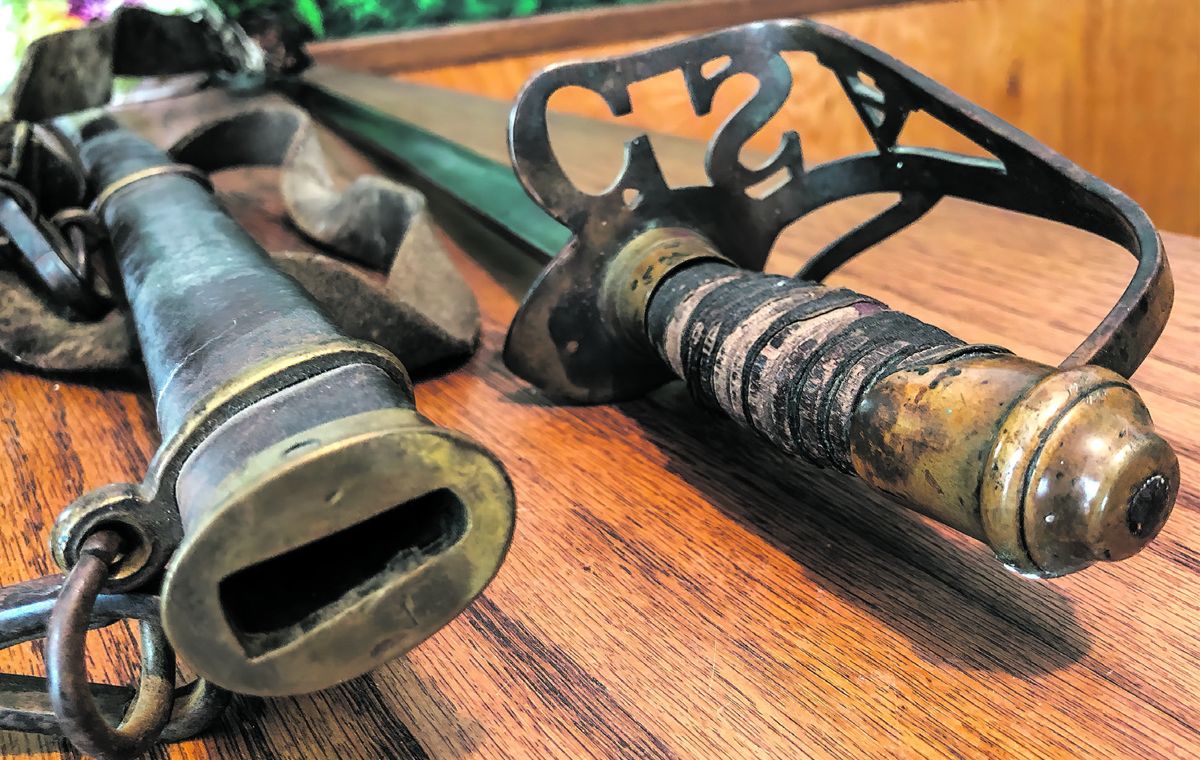
Ask The Appraiser: I have a Civil War sword that I would like to know more about. Not a spectacular story really, it was purchased so long ago from my dad. He bought it in North Carolina from a guy who lived a few houses down from a Civil War veteran’s family back in the 1960’s. I don’t have any names unfortunately. There are letters SHO on the pouch but I don’t know if that’s a name or what that is. I’m basically looking for someone who is smarter than me to learn who made the sword and if there are others like mine. I can’t seem to find any sites that sell Civil War swords like mine. Does that mean it’s rare or nobody is selling? I may decide to sell it one day; perhaps an auction would be best but I’m not sure. What would a summary appraisal report show? Other than who made the sword and how old it is, what else you can say about it? Let me know if you need any more details or if you need better angles of those photos. Steve
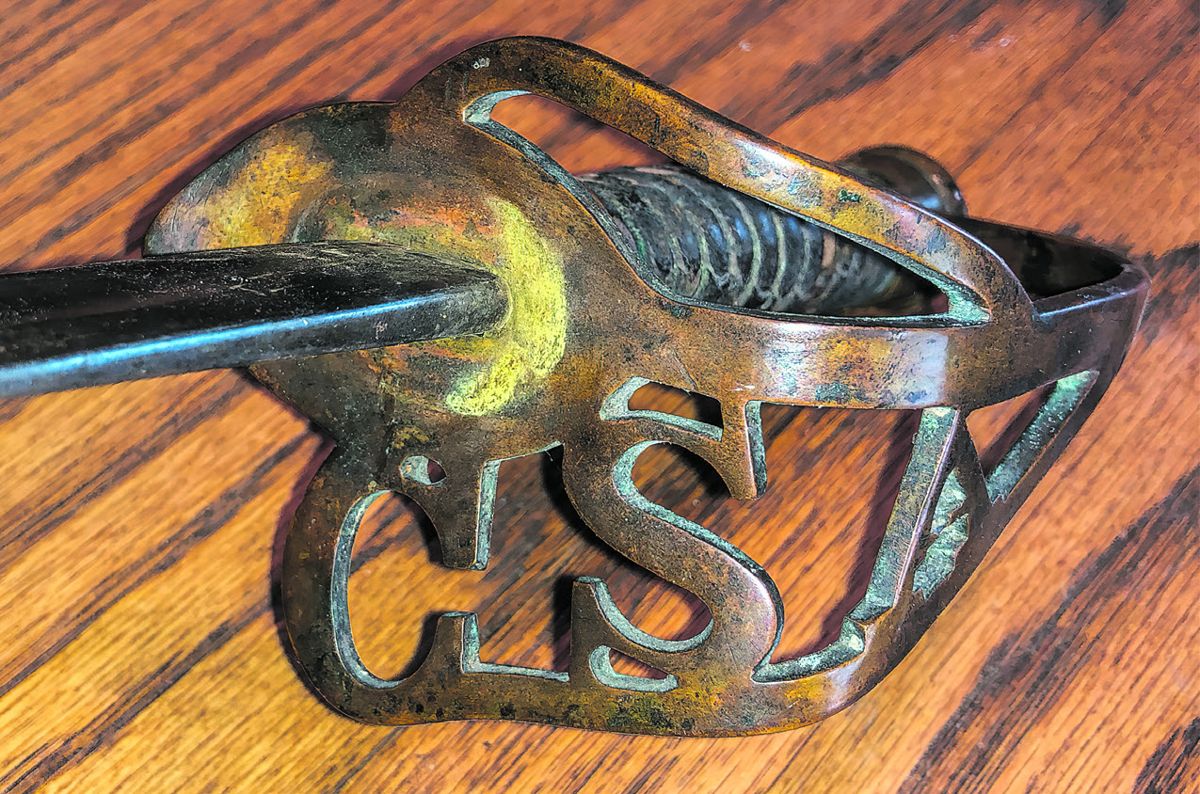
Answer: Your sword is not rare, but this pattern with the hilt cast in form of letters “CSA” is a very popular and valuable Confederate staff and field officer’s sword. There were two almost identical makers of this pattern, Louis Froelich of North Carolina & B. Douglas of South Carolina. Values on either maker are the same for unmarked examples.
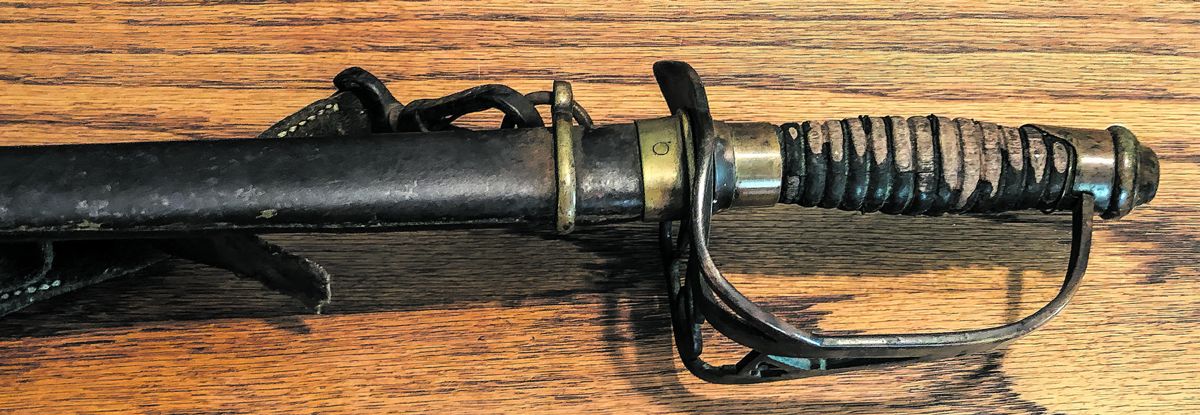
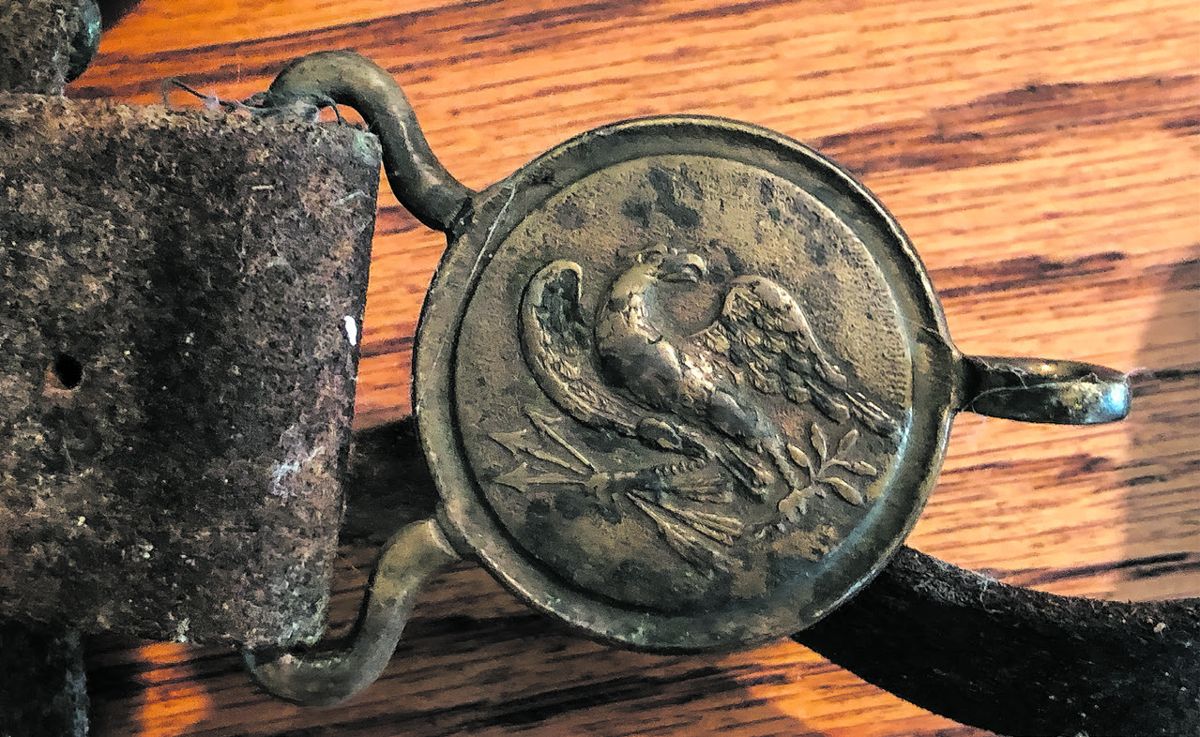
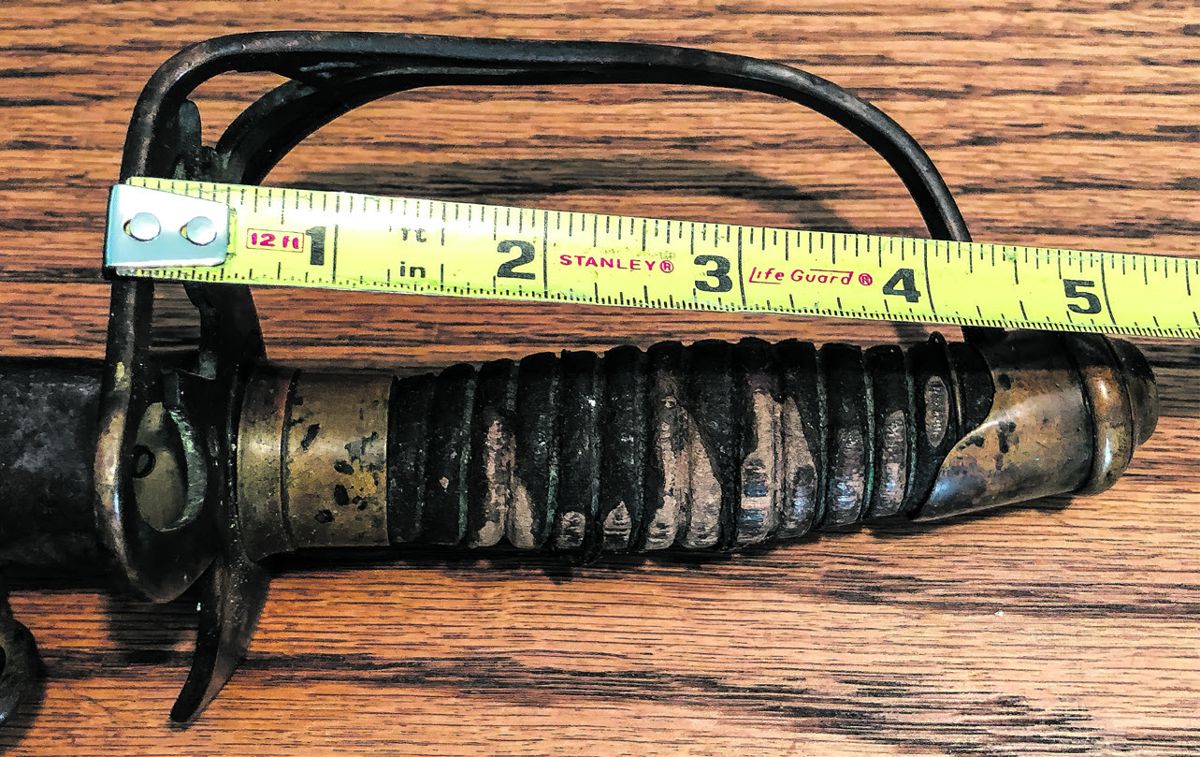
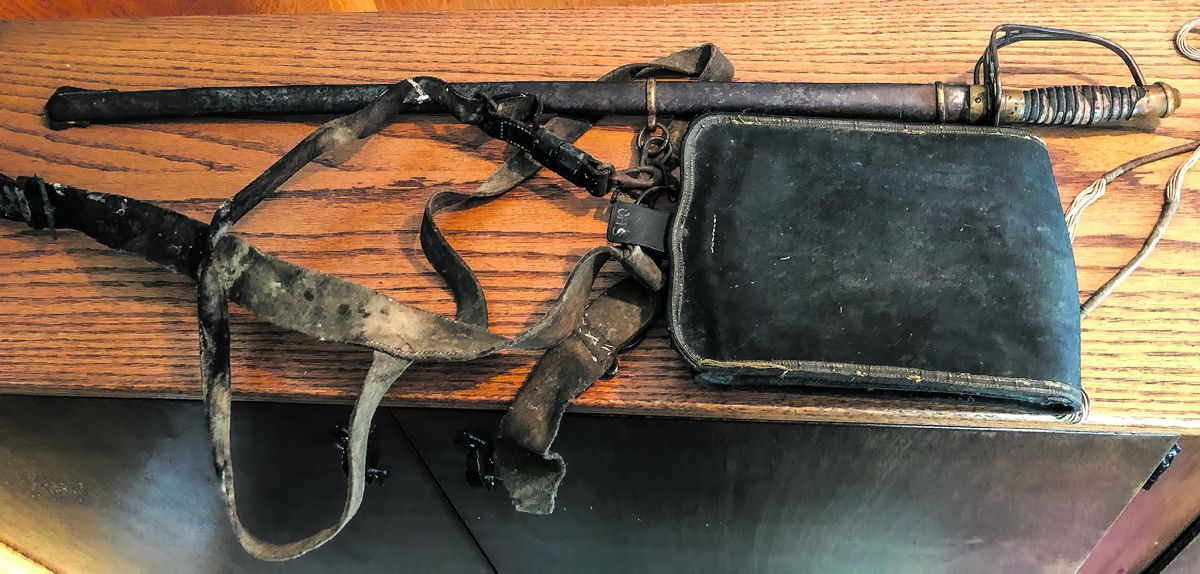
There are subtle differences between the makers; Froelich normally had assembly markings in the form of Roman numerals cut into edge of the guard and top of scabbard throat. The lack of these assembly marks is one reason I believe your sword was made by B. Douglas of Columbia, S.C. Your sword is “as found,” with no restoration or cleaning making it very popular among purist collectors. The attached white buff belt predates the Civil War and may have an old maker’s mark stenciled if you look closely. The buckle is the 1832 artillery pattern. The buckle is unusual in that it has an eagle cast in relief on one side which is typical but other side is plain and smooth. I have not seen lack of device before on other half. It is possible that there was an applied device such as state seal though no solder or attachment marks. The belt on its own sells in auction for around $1,000. The valise is not military but similar items associated with Confederate officers are marketable and initials add a partial identity to a soldier. The sword, though not in best condition, is still a fine survivor complete and authentic. Most grip leather is missing due to poor storage, but the single strand brass wire wrap is intact. Blade and scabbard body have iron patina; the brass hilt and scabbard mounts have mottled chocolate/mustard patina. The finest examples sold in heyday of the sword market for close to $20,000. In auction today, a presale estimate of $7,0009,000 would probably get good participation and could easily sell for more. He authenticates and evaluates other rare and valuable historic items as well. His website is www.civilwardealer.com. He is coauthor of the book Confederate Bowie Knives (2012)
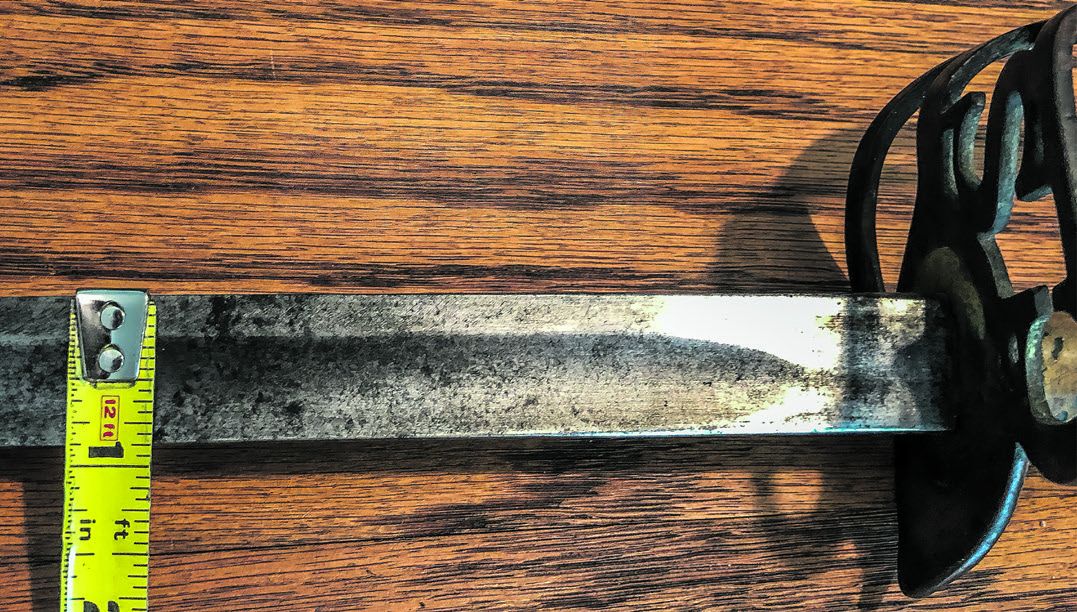
John Sexton is certified appraiser with International Society of Appraisers (ISACAPP) and Accredited senior appraiser with American Society of Appraisers (ASA). Blade showing typical Confederate forging with unstopped fuller.
by Jack Melton, Josh Phillips and John Sexton, that was published by Mowbray Publishing, Inc. Send “Ask The Appraiser” questions and photographs to [email protected].