
Andersonville Shall Not Have Me!
By Joseph F. Wilson · Originally published May 2021 · pp. 28–29
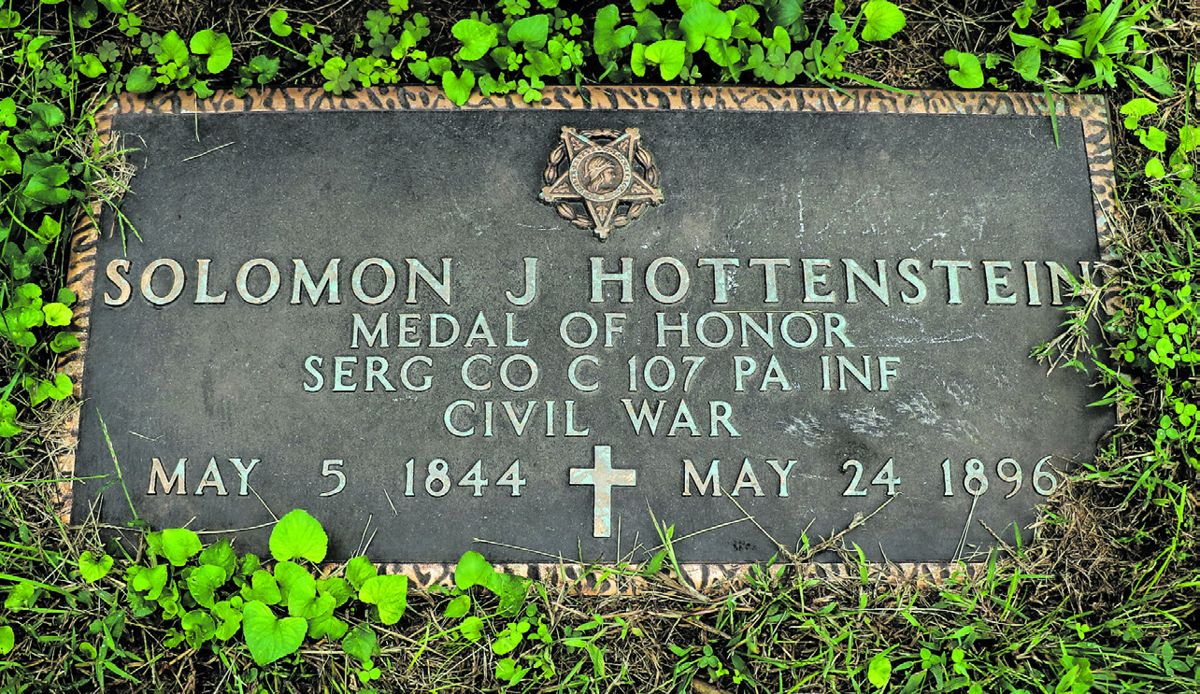
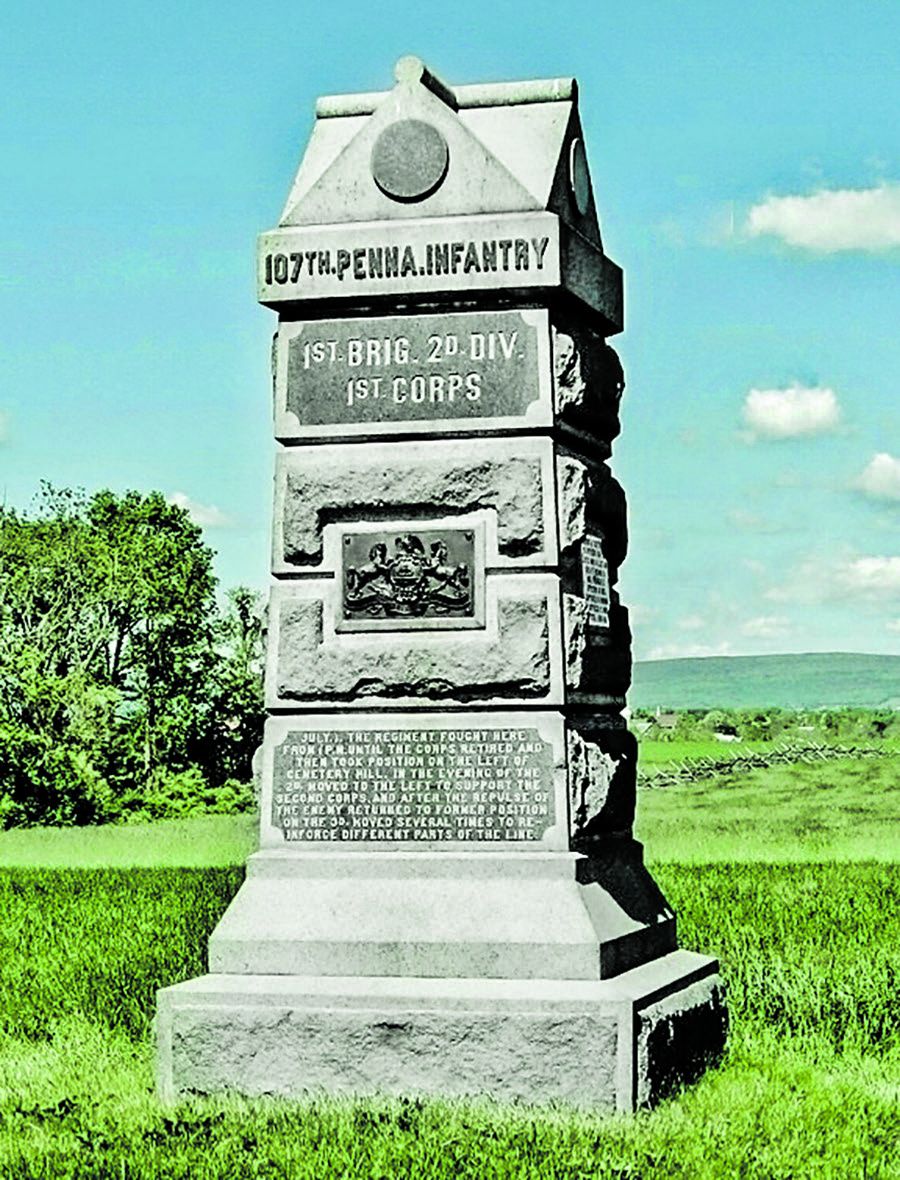
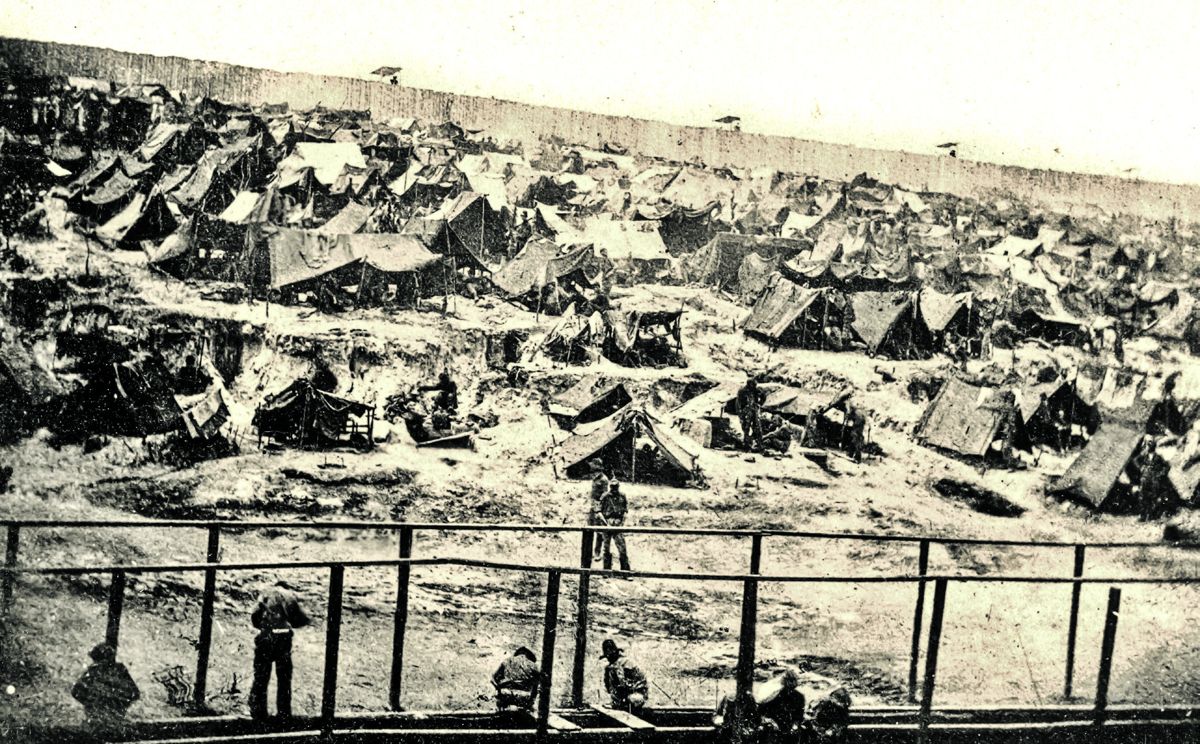
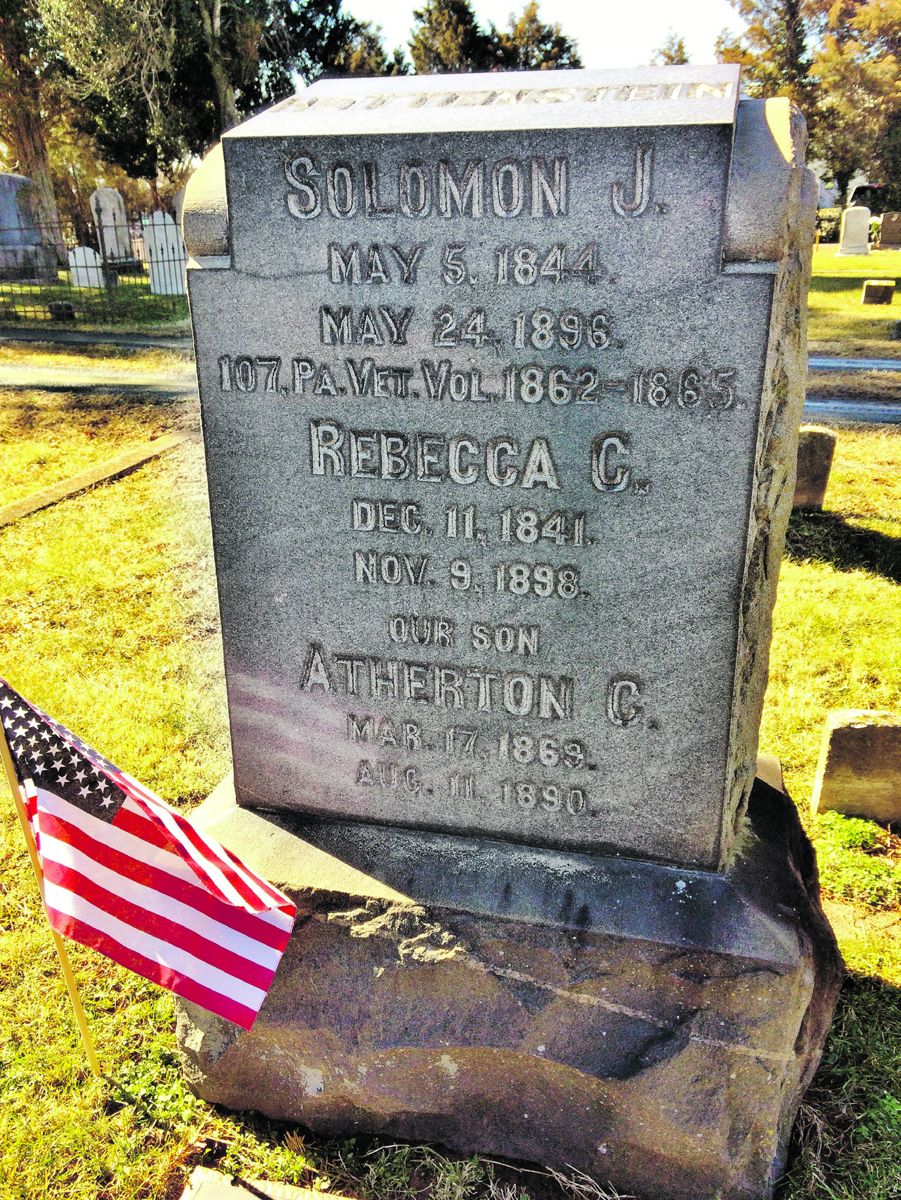
By August 1864, soldiers in the Union army had learned of the horrible conditions prevailing inside the newest Confederate prison. Shocking reports of terrific death tolls sweeping through Andersonville had filtered north. In June, the U.S. Sanitary Commission released photos taken at Camp Parole in Maryland showing some skeletal prisoners released from southern prison camps. Many suffered from severe deprivations at Belle Island in Virginia and Andersonville in Georgia. At the Georgia prison, Confederates held their Union captives despite the lack of food and shelter necessary for survival. Union soldiers knew that, if they were captured, their chance of surviving Andersonville was unlikely. A soldier’s odds of living through an actual battle rated much higher than coming out alive from the foul-smelling stockade. One Pennsylvania soldier captured outside Petersburg had no intention of boarding a crowded rail car for the long trek to notorious Andersonville. The determined Yankee wasn’t ready to pass from this world in a vile prison camp. What he did next earned him the Medal of Honor. Private Solomon J. Hottenstein of the 107th Pennsylvania Volunteers clearly understood the reality of the situation more than his fellow prisoners. He decided to somehow alter the Confederate plan for a Georgia stopover with a proposal of his own. Hottenstein was taken prisoner at the August 19, 1864, Battle of Weldon Railroad, along with six officers and 147 men of his regiment. Union V Corps commander Gen. Gouverneur Warren committed a critical mistake by leaving his right flank exposed, thus allowing Gen. William Mahone’s Division to smash and roll up Gen. Samuel’s Crawford’s Division while also hitting Crawford’s line in front. The 107th Pennsylvania Volunteers saw their position deteriorate quickly as both flanks collapsed. A desperate attempt to fight their way out proved only partially successful. In sum, 2,500 Union prisoners were marched to the rear. Dejected Pennsylvania boys of the 107th marched along under the armed guard of the 18th North Carolina. Along with other prisoners, Hottenstein’s group now numbered approximately 300 captives. The 100 18th North Carolina boys guarding the Yanks kept them at bay with loaded muskets. All the Union soldiers sulked knowing they’d soon be boarding trains bound for Andersonville. But Private Hottenstein wasn’t planning on any train ride. The defiant 20 year old private recognized that a stay in Andersonville equaled death. He had endured heavy action with the 107th Penn. when the regiment took massive casualties at Second Bull Run, Antietam, Fredericksburg, and Gettysburg. Being killed in battle was always present. Fighting and dying for his country was an honor. Solomon gladly took the risk believing it to be his noble and patriotic duty. Rotting to death in Andersonville Prison seemed to lack any such nobility. Solomon Hottenstein grew up in Mauch Chunk, Penn. Today, the town is known as Jim Thorpe. Those who knew him described a youth who always showed a determination for whatever job was at hand. Being diminutive in size, he was called “Little Solly.” Maybe small in stature, young Solly had big ideas. Solomon’s biggest idea came after his capture. First, he had to call on his powers of persuasion. After carefully assessing their predicament, Solly suggested to his fellow prisoners that they should rush their guards and overpower them. The sizable disadvantage presented by 100 muskets didn’t faze Solly. Most thought the scheme the folly of a wayward and imaginative youth. Never one to give up, Hottenstein persisted in talking up the ploy with anyone who listened. He pointed out they had a 3 to 1 advantage. Others noted the loaded muskets. Most suggested such a stunt would surely result in many being killed. They’d die anyway, he argued. If nothing were done, Solly assured his fellow prisoners their fate would be a plot of ground in a Barbara Green.
graveyard outside Andersonville. “Little Solly” was determined not to leave his bones in Georgia; he’d risk escape or die trying. Finally, his persistence paid off. Word started spreading of the plot amongst the Union captives. More prisoners agreed that if they boarded a train heading south they would never see their loved ones again. Now, they had to devise their tactics and looked to their youthful leader. The plan was simple. Hottenstein had a group of 50 prisoners move off to one end of the group. At his signal, the group was to whoop and holler as if Union troops coming to their rescue had suddenly appeared in nearby woods. When the Confederates attention shifted, Solly’s unarmed legion would spring into action. When Solomon gave the word, the faction near the woods started cheering wildly in delight at the approach of the non-existent Union soldiers. The Confederate guards took the bait; the ruse worked. Startled at the loud huzzahs, the Carolina guards locked eyes on the woods looking for the ghost troops advancing to free the Yankee prisoners. In an instant, all hell broke loose. Solly decided to take down the flag bearer of the North Carolina regiment. Besides his freedom, the brash private wanted the rebel flag. Like a coiled a snake, the young leader unleashed his fury and pounced on the unsuspecting flag bearer as both fell to the ground locked in a struggle. Hottenstein succeeded in ripping a pistol from the rebel’s holster. Fighting for his life, the tough pint-sized Yank delivered swift punishment by continually slamming the pistol against the guard’s head. Recognizing defeat, the Carolina soldier surrendered and gave up the colors. Hand to hand combat swirled as the prisoners battled with their armed guards for the coveted muskets. The brawl won’t go down in the history books as a battle, but it was life or death for the unarmed Yankees fearing a one way trip to Andersonville. When the dust settled, the Union boys had won the day. The tide
had turned. Now, the captors were the captives. The prisoners suffered only bumps and bruises. Not only did Solomon’s hastily organized battalion secure their liberty, the boys in blue had 100 stunned North Carolinians staring down the barrels of their own muskets. Indeed, the bottom rail was now on top. Freedom was still not secured. With the contest won, the Union prisoners now had to extricate themselves from deep inside the Confederate lines. Not satisfied with victory, the audacious Hottenstein decided his rebel prisoners would be going with them. Evading the Confederate Army with 100 prisoners in tow wouldn’t be easy. Not knowing if they would reach the Union lines, Solly ripped a star off the Carolina flag and hid it in his shirt. At least, he’d have a souvenir of the adventure.
The young leader prevailed once again. After a long tramp through enemy territory, the stars and stripes finally came into view. Loud cheers erupted at the sight of Old Glory as boys danced gleefully before the demoralized Confederates. Many sought out Solly to offer a much deserved pat on the back. Hottenstein and company escorted the Confederate prisoners back to the Union lines where he presented the colors of the 18th North Carolina to division commander, General Samuel Crawford. The unlikely tale of adventure swept through the Union camp like wildfire as soldiers gathered around the campfire to hear every last detail of how Solly and the boys foiled the
Statue of a Union prisoner Confederates. at Andersonville National Such an act of bravery always Historic site, Ga. NPS.
brings promotion. “Corporal” Solomon Hottenstein now had stripes on his sleeve. Sergeant’s stripes came shortly thereafter. But in February 1865, came the well-earned reward for the courage and gall that went above and beyond the call of duty. Solomon was awarded the Medal of Honor. Lehigh County in Pennsylvania had a new hero. Along with the Medal of Honor came a 30-day furlough. But it wasn’t meant to be. At the Battle of Hatchers Run on February 6, 1865, Hottenstein took a musket ball in the hip. The furlough had to wait. Not until June did he emerge from the hospital. Shortly after his hospital stay,
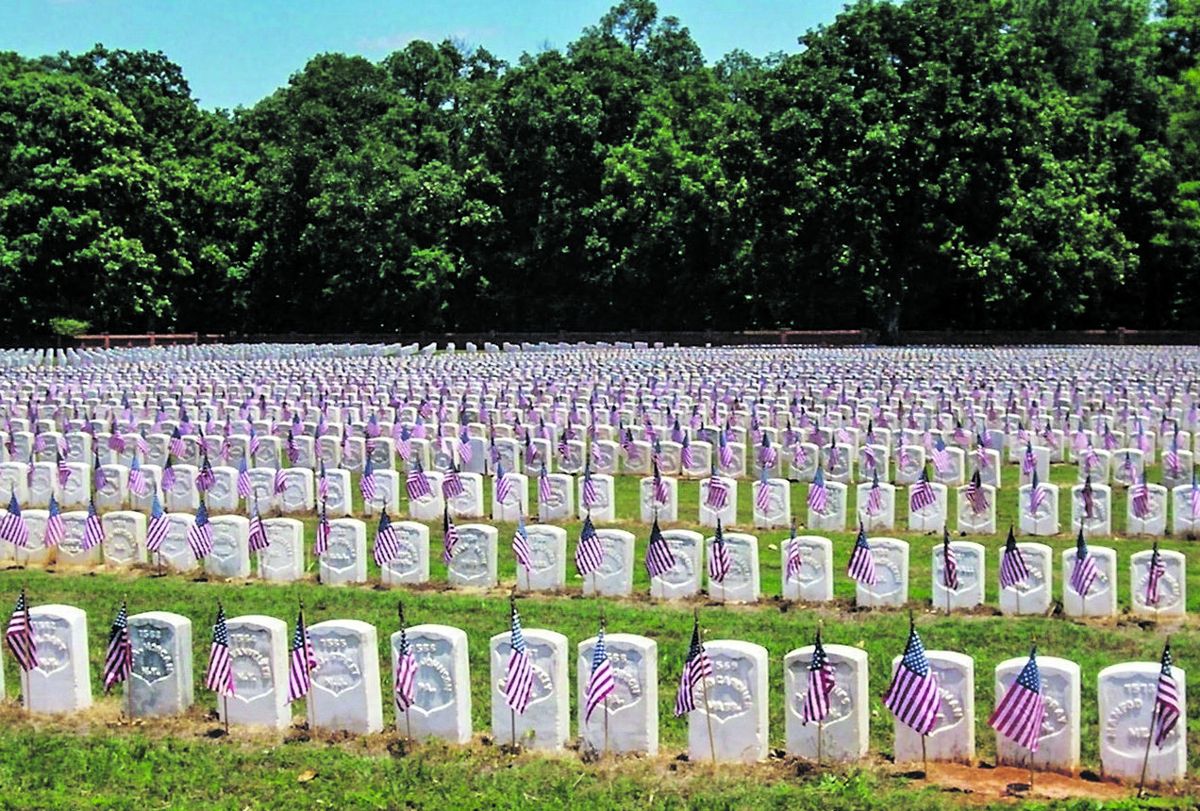
Solly mustered out of the army. After the war he married his sweetheart and fathered seven children. The wound pained him for the rest of his life. In 1896, he died at the young age of 52, but his family tree sprouted many branches that may never have happened had he entered the gates of the Andersonville Stockade. Andersonville Cemetery holds nearly 13,000 Union soldiers who went into their graves naked, without coffins, and with little fanfare or reverence. All perished from starvation, disease, and exposure. The soldiers of the 107th Pennsylvania Volunteers always remembered how a similar fate nearly transpired for them. But one anonymous soldier stepped up to seize the spotlight. Many of Hottenstein’s comrades expressed eternal gratitude for his bravado in saving them from a cemetery plot in Georgia. Without the bravery and leadership of Private Solomon Jefferson Hottenstein,Andersonville would have devoured more Union soldiers whose remains would have moldered into dust far from home like the other helpless stockade victims.
Being dumped unceremoniously in the burial pits outside of the wicked Andersonville Prison wasn’t going to be the final story for “Little Solly.” Of that, he was certain!
Joseph F. Wilson is a member of the General Meade Society and the writer and producer of the new documentary, “Civil War Prisons – An American Tragedy.” The film is available on Amazon. Contact – [email protected].