
Through The Lens
Keep the Champagne!
By Stephanie Hagiwara · Originally published March 2021 · pp. 16–17
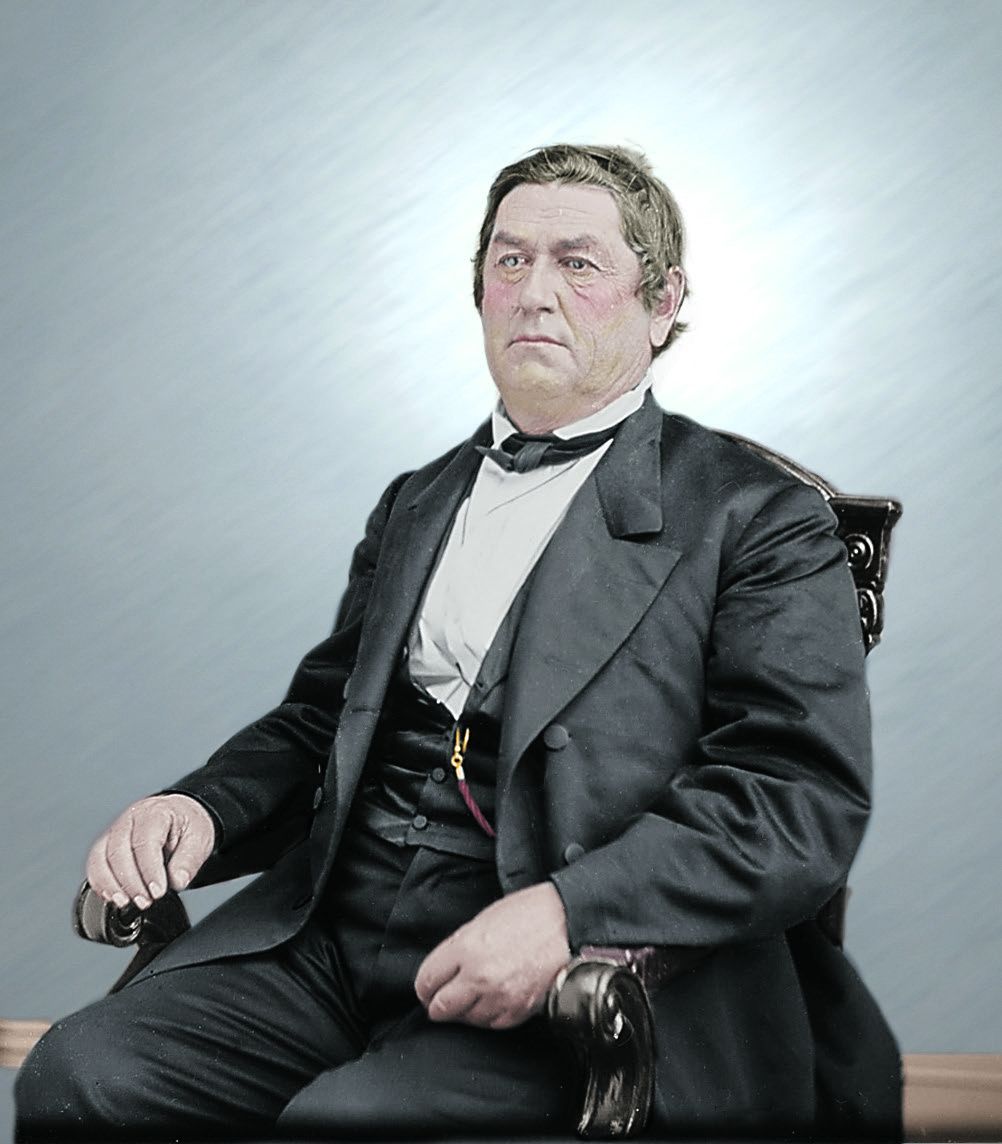
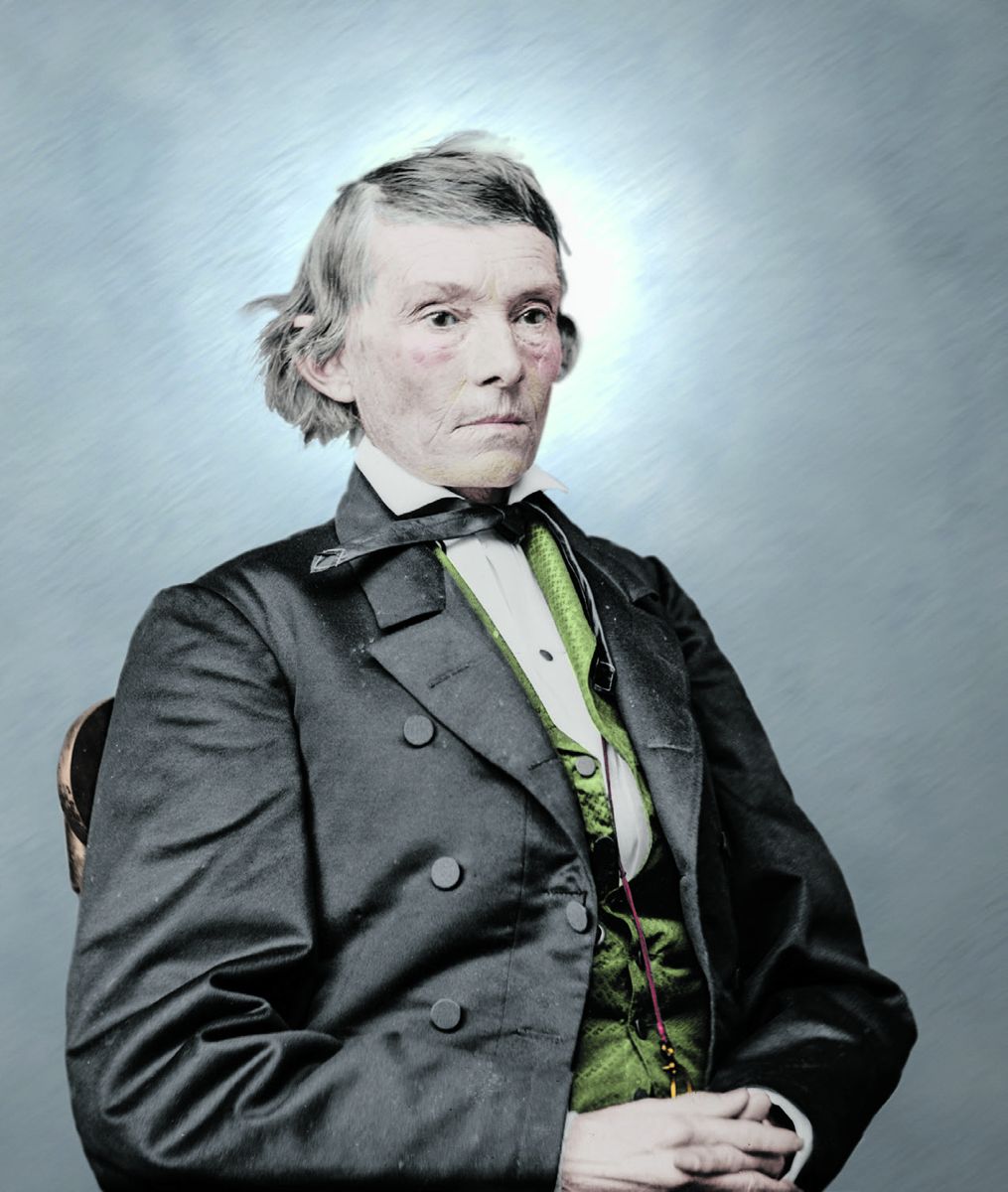
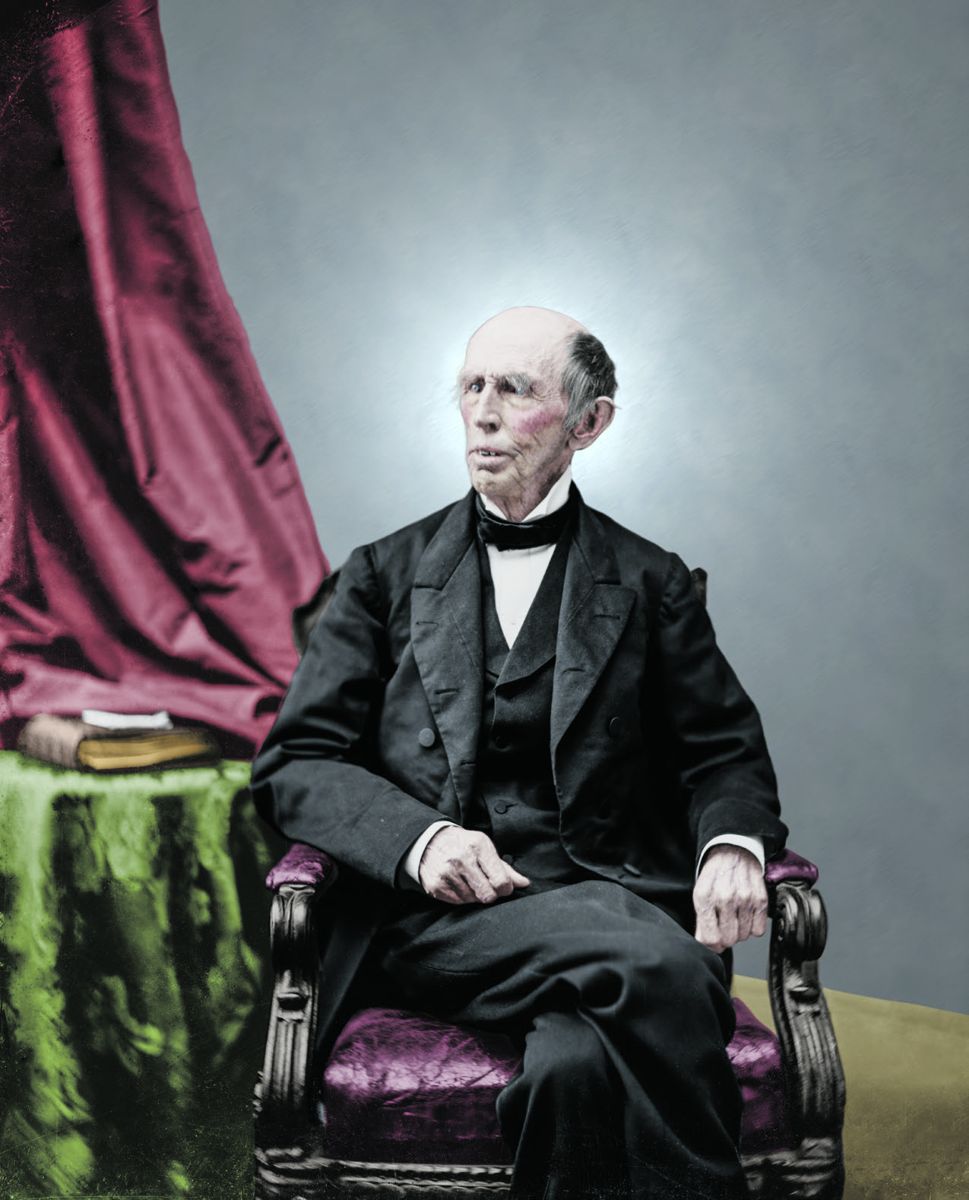
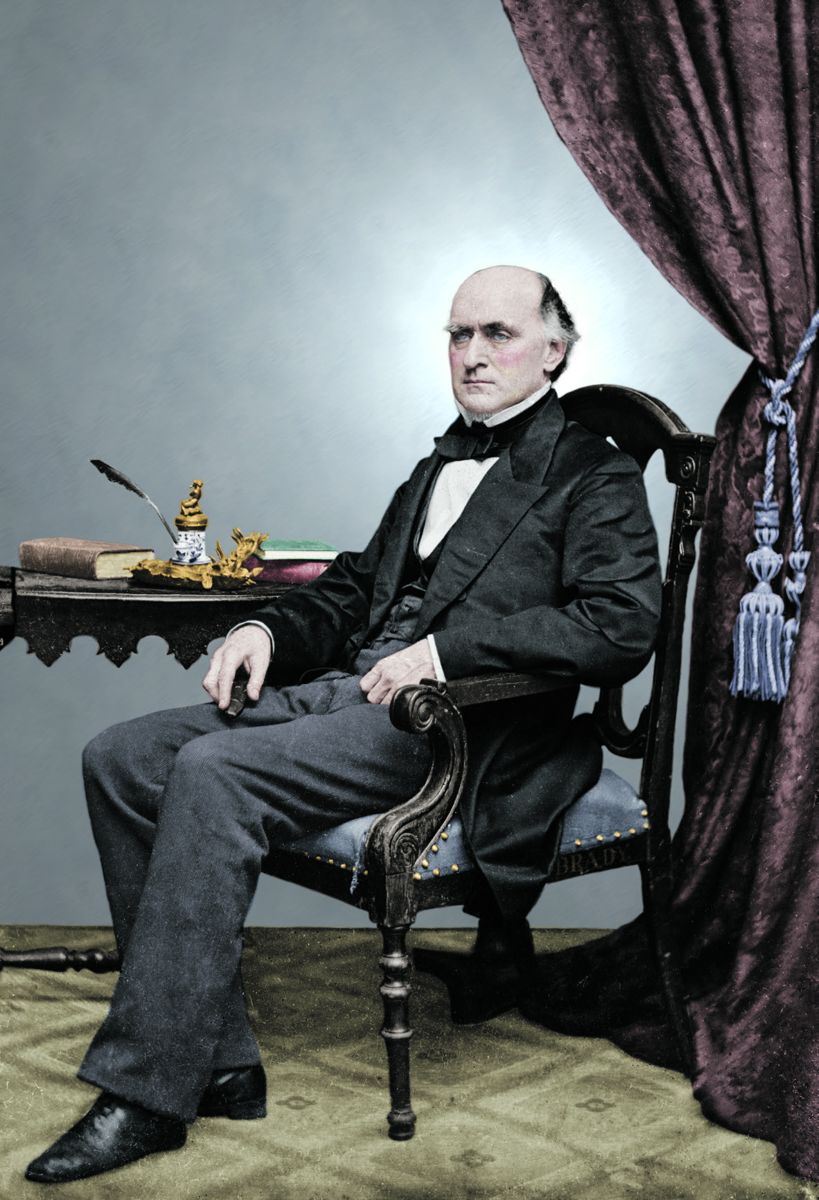
Keep the Champagne! “If I did not know it before, I was destined to learn how necessary it was to have a great man at the head of a government, to serve people in spite of themselves.” – C.S. Sen. Robert M. T. Hunter As 1865 and the end of the War approached, the fate of the South was being contemplated by both sides. Hardliners in the North wanted to cart rebel leaders to the scaffold and govern as vanquishers. Lincoln envisioned the South returning to the Union with all her rights and privileges restored. Various attempts were made to negotiate an end to the war before the South’s total annihilation. Preston Blair was uniquely positioned to join the effort. Blair had been advising U.S. presidents since he was part of Andrew Jackson’s Kitchen Cabinet. While Jefferson Davis was a student at West Point, Blair had taken him under his wing and was a father figure. The wily old man came up with a plan “to restore the Union, emancipate the slaves, and save his native South from defeat and occupation, all at the same time.” On December 28, 1864, Blair proposed to Lincoln that he travel to Richmond, Va., to meet with Davis. Lincoln was dubious, didn’t want to know his plan and specified that, “You will have no authority to speak for me in any way whatsoever.” Lincoln issued the pass and expected the most that would come from the trip would be Blair’s expert read on the mood in the Confederate capital. On January 11, 1865, Blair arrived at the Confederate White House. In a private meeting with Davis, he repeatedly proclaimed that he came as a private citizen. “He wanted to see this War to end. The South could not win it; slavery could not be saved, but the Southern honor could be.” Instead of dickering terms of peace, Blair talked of Mexico. Ignoring the Monroe Doctrine, France had invaded Mexico in reaction to their decision not to pay interest on loans for two years. Blair proposed that both the Confederate and Federal armies intervene. In the process of the joint venture, peace would ensue. Davis was intrigued. He decided to send three men who had already attempted to find a path to peace, Vice President Alexander Stephens, Sen. Robert M.T. Hunter, and Assistant Sec. of War John A. Campbell, as commissioners to the February 3, 1865, Hampton Roads Peace Conference. Stephens was an odd-looking man. He was 5’ 7” and weighed about a hundred pounds. He suffered from chronic ill health, resembling “a boyish invalid escaped from some hospital.” His gift was to energize listeners with ideas. Horace Greeley, famed editor of the New York Tribune, remarked that “you forget you are listening to the most eloquent man in Washington, and only that he is right.” Hunter, a planter aristocrat, had spent close to 30 years in the U.S. Senate and served as the first Sec. of State of the Confederacy. Former U.S. Superior Court Justice Campbell may have been the smartest legal mind of his generation. He had accepted a post in the Confederacy in the hopes of being useful if an opportunity for peace arose. The commissioners waited as Congress was working on the 13th Amendment to abolish slavery in the United States. Lincoln declared that the rumor of peace commissioners heading toWashington were untrue. Once passed, the Commissioners embarked on the Mary Martin to be ferried to Hampton Roads. As he boarded,Stephens heard someone ask, “Which is Stephens? Which is the Vice President? That one, leaning on the arm of the black man. My God! He’s dead now, but he don’t know it.” Lincoln and Sec. of State William Seward hosted the conference on the River Queen. Lincoln was old friends with Stephens, had met Hunter while he served in Congress, and Campbell attended his inauguration. Seward and Hunter were old pals. Stephens and Lincoln swapped stories of old friends before addressing the true purpose of their meeting. Lincoln quickly made clear that he considered Mexico a secondary issue. He had three terms: immediate restoration of the national authority, not taking backward steps on slavery, and the disbanding of the Confederate armies. Davis, on the other hand, limited the commissioners to accepting any “treaty” that did not include reunion. Campbell inquired about the manner of reunion. How would the national authority be restored? Would slaves be freed gradually or immediately? Would the South be punished, and her leaders hanged? The conversation became heated. Lincoln asserted that, “… I might have dangled in the course of this war.” Hunter looking Lincoln in the eye responded, “What you are saying, Mr. President, is that we of the South have committed treason, that we have forfeited our rights, and that we are proper subjects for the hangman. Is that what your words imply?” Lincoln answered, “Yes. You have stated the proposition better than I did. That is about the size of it.” Hunter broke the tension, “Well, Mr. President, we suppose that would necessarily be your view of our case, but we have about concluded that we will not be hanged as long as you are President – so long as we behave ourselves.” Lincoln accepted the compliment as Hunter intended. The conference lasted four hours. Afterwards, all the attendees felt that if they had another opportunity to meet, they might be able to work out an agreement. Gen. Robert E. Lee had already warned Davis that with his supply chain cut, he would lose his base of Richmond and his army. The commissioners urged Davis to accept reunion and the abolishment of slavery, and then return to the negotiation table to takethe best terms the South could get. Instead, Davis held rallies insisting that “we are on the very verge of success.” On April 2, Richmond was evacuated. On April 4, Lincoln with his son Tad entered the city. Campbell had stayed in Richmond on the chance of seeing Lincoln “on the subject peace.” Campbell arrived at the Confederate White House with prominent citizens. He was asked to meet the next morning on the gunboat Malvern. Lincoln agreed to see Campbell, hoping that Davis had left a note for him or given Campbell authority to negotiate, which was not the case. Lincoln wanted the Virginia legislature “to come together and to vote to restore Virginia to the Union, and recall her soldiers from the Confederate army.” After Lee’s April 9 surrender, Lincoln still considered having the Rebel authorities assist in the “business of reorganization.” Campbell was among the voices that argued against it. On April 13, Lincoln ordered U.S. Gen. Weitzell in Richmond to prevent the assembly of the Virginia Legislature. It was Lincoln’s last telegram sent from the War Department. The Hampton Roads Conference itself ended on a more jovial note. As the Mary Martin departed, Seward sent a black man in a rowboat with a basket of champagne and a note. Seward shouted through the boatswain’s trumpet,“Keep the champagne! Return the Negro!”
Civil War era Champagne bottle. Recovered from a Virginia campsite. Courtesy Union Drummer Boy, Gettysburg, Penn.
Sources: •
•
Conroy, James B. Our One Common Country: Lyons Press, 2014 Stephens, Alexander H. Recollections of Alexander H. Stephens: Doubleday, Page &
Company, 1910. Campbell, John A. Reminiscences and Documents Relating to the Civil War During the Year 1865: John Murphy and Company, 1887 Trudeau, Noah Andre. Lincoln’s Greatest Journey: Sixteen Days that Changed a Presidency, March 24–April 8, 1865: Savas Beatie, 2016
Stephanie Hagiwara is the editor for CivilWarinColor.com and CivilWarin3D.com. She also writes a weekly column for HistoryinFullColor.com that covers stories of photographs of historical interest from the 1850’s to the present. Her articles can be found on Facebook and Pinterest.