Inspired for Battlefield Preservation: Lesser Known Stories of Battlefield Medicine
By Paul Scott with Sarah Kay Bierle · Originally published March 2021 · pp. 28–29

Inspired for Battlefield Preservation: Lesser Known Stories of Battlefield Medicine by Paul Scott with Sarah Kay Bierle Medical military service is part of my family’s history, and with National Doctor’s Day (March 30) and National Vietnam Veterans’ Day (March 29) falling in this month, I’m proud to share a little of my past, my connections to the Civil War, and how my heritage influences my work for battlefield preservation. One of my Civil War ancestors, Captain Hugh Stephens Doggett, was badly wounded at the Battle of Antietam. Doggett was an officer in Company B of the 30th
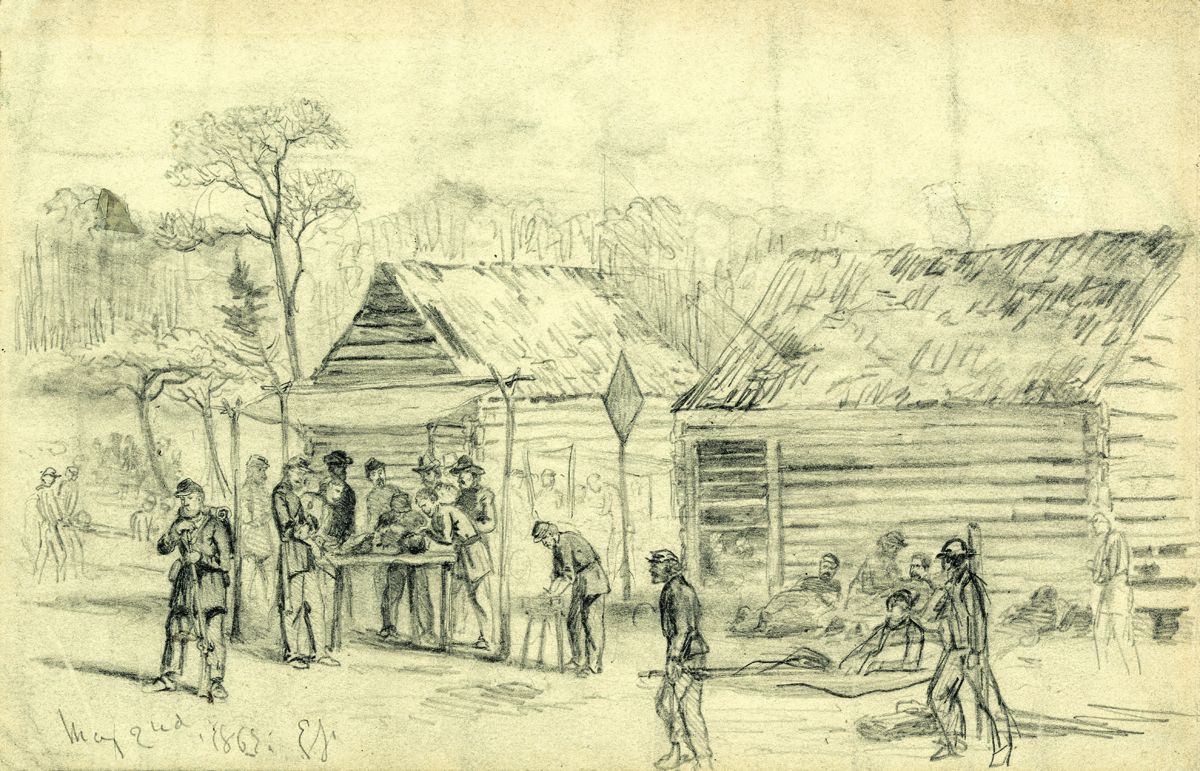
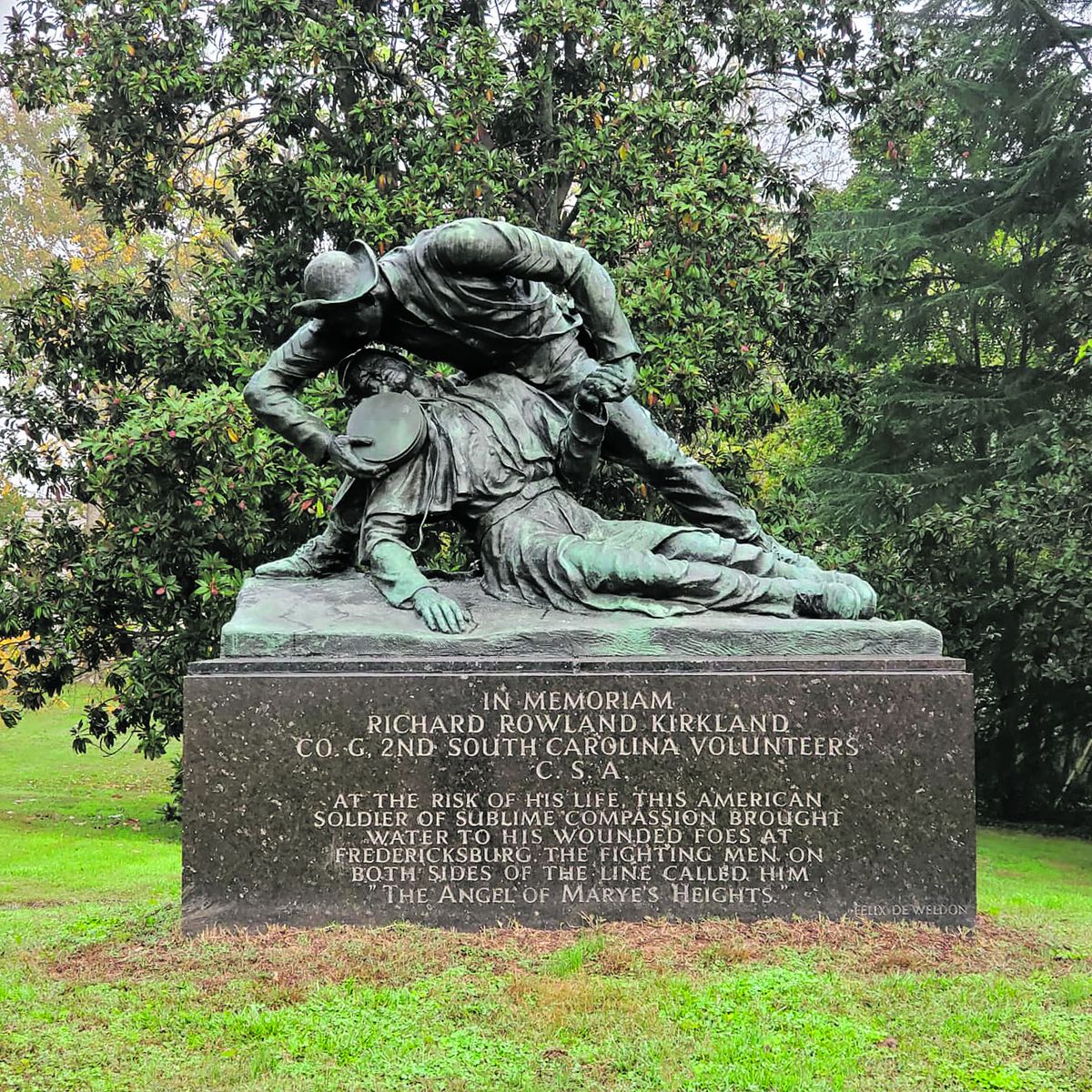
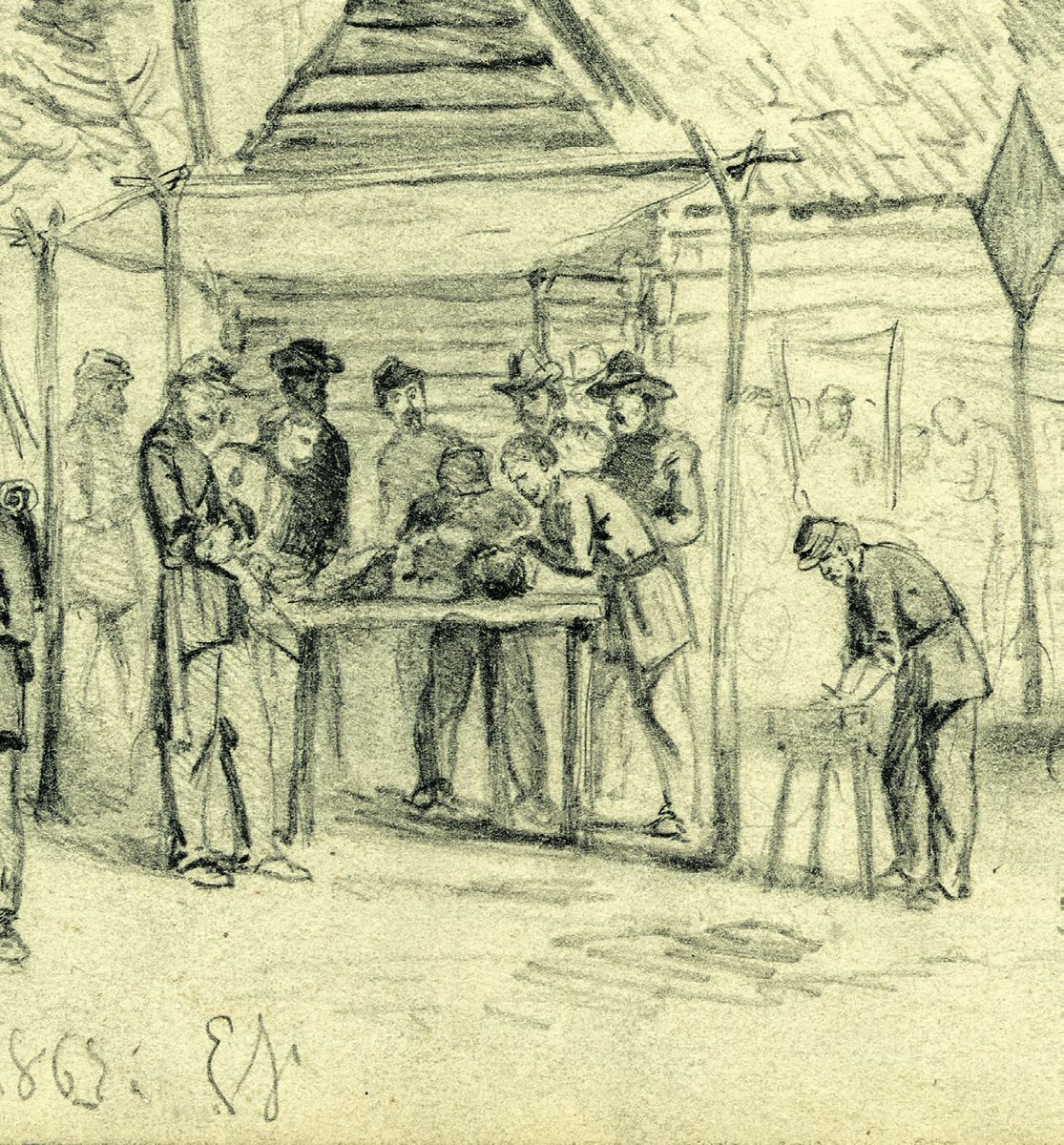
Virginia Infantry CSA. He had been an organizer of its predecessor unit, the Fredericksburg Grays, in 1859. Being an ardent “secessionist” at age 45, he went off to war with his unit. After much service, the 30th Virginia was pummeled near Dunker Church at Sharpsburg where he was wounded on September 17, 1862. Family lore has him saying “keep on a fight’n boys, my guts are dragging the ground.” He was absent on a surgeon’s certificate beginning March 3, 1863, and on July 30, 1863, he was declared unfit for active service for six months. On Sept. 5, 1863, he was assigned to duty at Camp Lee with prisoners. In 1864 he was ordered to command Virginia reserve forces near Fredericksburg and on Sept. 9, 1864, he was made provost marshal of the town. On March 14, 1865, he retired to the invalid corps. Though the effect of that wound clearly impacted the rest of his military service and life, Doggett probably survived through the efforts of surgeons and other medical personnel. The successful prognosis for gut wounds during the Civil War was rare, making Doggett’s survival notable and tying my ancestry and family’s story directly to a medical success story from the Civil War. In 1946, after the end of World War II, my dad, D. William Scott, Jr., moved back to Fredericksburg, Va., with his wife, Margaret, and his sons, David, age 5, and Paul, age 3. Dad had graduated from the University of Virginia Medical School and, thereafter, served an internship at the United States Marine Hospital in Baltimore. In 1942, he had been directed to the district coast guard officer and assigned as medical officer on the United States Coast Guard Cutter MODOC in the North Atlantic. The MODOC served on the Greenland Patrol as convoy escort, breaking and finding leads in the ice for convoys and rescuing survivors from torpedoed ships. With the war in the past, he returned to Fredericksburg to practice medicine, moving the family into the old home on Charles Street, the exact home that had once belonged to Captain Doggett. My youthful days were filled with exploring battlefields and camps with my brother, starting a life-long respect and understanding of the history that happened in Fredericksburg and the surrounding battlefields. After graduating from the University of Virginia in 1965, I entered military service and was commissioned a lieutenant in the United States Army Medical Service Corps through participation in ROTC. I received orders to report to the Medical Field Service School at Fort Sam Houston in San Antonio. After six weeks of intense training, I reported to the 1st Battalion of the 27th Infantry Regiment (the Wolfhounds) to assume the duties of a medical platoon leader in its forward aid station. This unit was part of the 25th Infantry Division at Schofield Barracks, Hawaii. In January 1966, the regiment deployed by troop ship to South Vietnam. As medics with all the medical advancements available in the 1960s, we were fortunate to have vaccinations, antibiotics to prevent infection, and helicopter evacuation from the battlefield for more serious medical treatment. Thinking of Civil War doctors, battlefield surgeons, and wound dressers, I couldn’t help but feel so badly for them. They could often stop the bleeding but had no ability to adequately treat infection. There was no quick exit for more advanced care, though ambulances did start pioneering a swifter evacuation during the Civil War. However, some of our 1960’s methodsarenowantiquatedcomparedtotechniquesusedinrecent wars. Medics now carry special tourniquets for upper legs and hips and other specialty instruments to deliver medicines rapidly that were unavailable to us in Vietnam; infantrymen also carry standard tourniquets allowing for quicker first aid. The changes are a solemn reminder how the medical field advances in times of conflict and crisis, with each generation learning more and building on what was pioneered in the previous times of trouble. As in the Civil War, there were wounds of unimaginable horror. There are so many images of that year in Vietnam still in my mind’s eye. So many are of the wounds and especially the faces of those we could not save. Another image I remember is of the unit being lifted out of the jungle by chopper after three days of fighting during the Battle of Attleboro in November 1966. I looked back at the scene and saw broken web gear, various military equipage, and used bandages strewn around. It instantly and eerily reminded me of photographs I had seen from pictures by Matthew Brady and Alexander Gardner of broken equipment lying around after a battle. Destruction of war and the lessons from the battlefield seem to linger for each generation to come to understand. The stories and lessons passed down through my family and added to the memory of my own service in military medicine deepen my respect for the doctors during the Civil War. Often working with limited supplies on the battlefields, sometimes under fire, and always learning and improvising with the goal to save lives, they are unsung heroes when we study battlefield land. These lesser-known stories are just as important to explore and remember. Dr. John Shaw Billings, a Union surgeon, treated wounded during the May 1863 Battle of Chancellorsville. In fact, he took care of injured from the battle lines that stretched across the land of First Day Chancellorsville, a large tract that CVBT helped American Battlefields Trust preserve in 2004. Billings wrote in a letter to wife about some of his experiences on the front line of medical care on that May 1:
At the battle of Chancellorsville there was a good deal of joking among some of our line officers about the doctors not getting up to the front, that they kept in a comfortable place about a mile back, etc. This was mostly chaff, but there was a little bit of earnest in it; so I said I would go up and see. yards from the Confederates, and I was, perhaps, 40 yards behind the firing line. I stopped behind a little frame house, giving notice to bring the wounded there. I soon found that the wounded who could walk would not stop where I was – it was entirely too close…. Finally a shell went through this wooden shanty…and that settled the question of the men stopping.
Billings moved back to another location about 200 yards to the rear and was then ordered to move again to the Chancellor House. I’m inspired to work for battlefield preservation here in Central Virginia because I see development taking over historic greenspace and to preserve the stories of the men in blue and gray who fought and served on these fields. In addition to the fighting men and officers in the ranks, I remember the surgeons, advancing medical medicine. They saved my ancestor’s life and started paving a path of American medical innovations that continues to this day. Their accounts, the locations of their field hospitals, and a deeper understanding of their commitment to saving lives are inspiring stories worth telling and preserving. Paul Scott serves on the board of Central Virginia Battlefields Trust, helping to save Civil War battleground and to preserve the memory and meaning, sacrifice, and stories of the men who fought at Fredericksburg, Chancellorsville, The Wilderness, and Spotsylvania. Learn more: www.cvbt.org. Sarah Kay Bierle serves on staff at Central Virginia Battlefields Trust. CVBT is dedicated to preserve hallowed ground at Fredericksburg, Chancellorsville, The Wilderness, and Spotsylvania Court House.