
American Battlefield Trust — March 2021
Originally published March 2021 · pp. 38–39
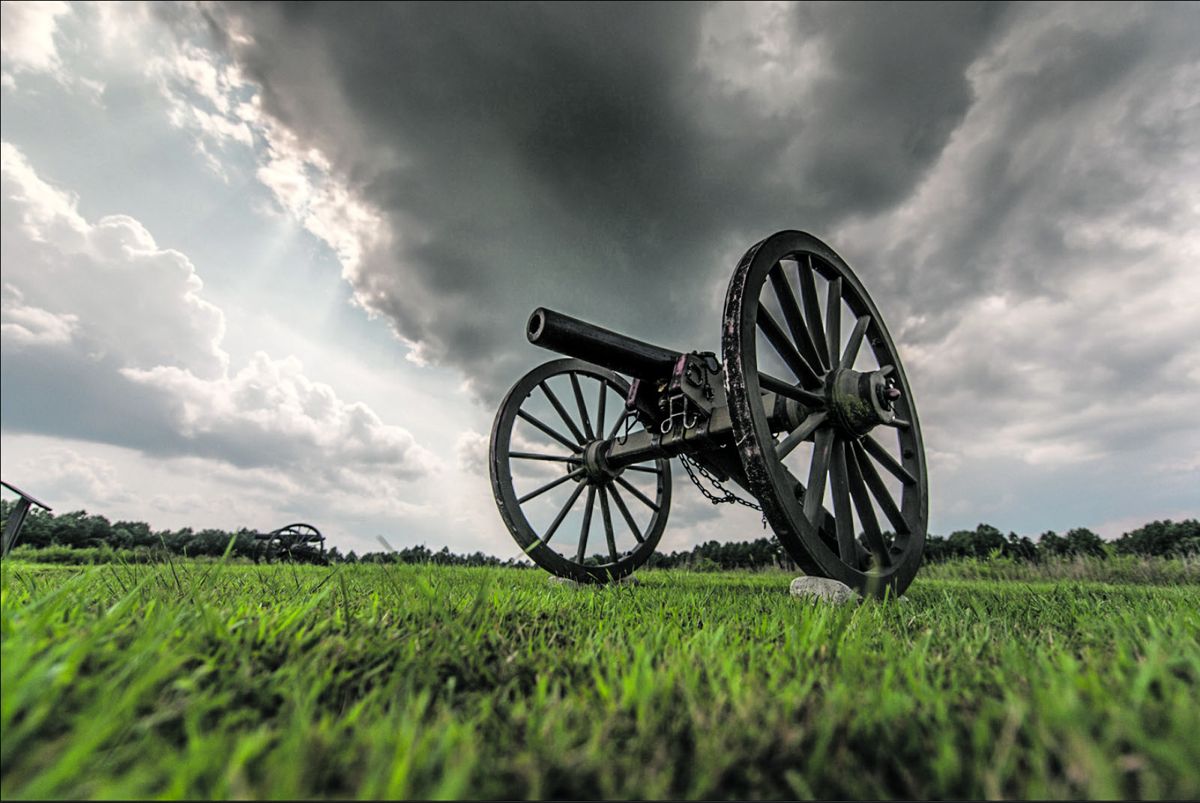
A Year Like No Other Yields Landmark Accomplishments for the Trust Despite a year that will go down in history for its unprecedented challenges, the American Battlefield Trust further cemented its status as the nation’s premier battlefield preservation and education organization in 2020. Working closely with landowners and preservation partners, the Trust completed 28 transactions at 22 battlefields in 10 states, amounting to 1,126.8 acres. This included projects at: Antietam, Md., Bennington, N.Y., Bentonville, N.C., Brice’s Cross Roads, Miss., Gettysburg, Penn., Cedar Creek, Va., Cedar Mountain, Va., Chattanooga, Tenn., Cold Harbor, Va.,
Fredericksburg, Va., Jackson, Tenn., New Market Heights, Va., Parker’s Cross Roads, Tenn., Perryville, Ky., Port Royal Island, S.C., Reams Station, Va., Shepherdstown, W.V., Shiloh, Tenn., Stones River, Tenn., Trevilian Station, Va., White Oak Road, Va., and Williamsburg, Va. Amidst this year’s preservation victories, numerous other transactions edged closer toward completion, setting the stage for a productive 2021. While protecting battlefield landscapes is central to the Trust’s mission, the organization also seeks to impart historical knowledge to both students and lifelong learners. Our educational tools found greater audiences than ever before, as the Trust welcomed some eleven million visits to www.battlefields.org, including more than eight million student visits. We launched more than 300 new or overhauled articles, created more than 300 videos, debuted two battlefield tour apps, introduced an inquirybased Civil War curriculum, and more. While our National Teacher Institute was forced to go virtual, the continuing education program saw a record attendance of 784 educators from 47 states, Washington, D.C., Puerto Rico, and three other countries. The organization also invested in the power of immersive and personal storytelling via a new augmented reality app. Gettysburg AR Experience entranced users with a new way to interact with historic events. Additional accomplishments included the launch of a partnership with Ancestry and Fold3, and the Warrior Legacy Initiative’s, which strives to connect the modern military and its historic counterparts.
Preservation Champion James Lighthizer Receives National Humanities Medal in White House Ceremony
In recognition of decades spent advocating for the protection of historic landscapes, American Battlefield Trust President Emeritus James Lighthizer was awarded the National Humanities Medal in a January 13 White James Lighthizer, president emeritus of the American Battlefield Trust. Buddy Secor.
House ceremony presided over by President Donald J. Trump, alongside fellow honorees Kay Coles James, president of The Heritage Foundation, and the National WWII Museum. Bestowed by the National Endowment for the Humanities, the medal honors individuals or groups whose work has deepened the nation’s understanding of the humanities and broadened our citizens’ engagement with history, literature, languages, philosophy, and other humanities subjects. In recognizing Lighthizer, NEH celebrated his feat in building the Trust into the nation’s most successful heritage land preservation organization, and saving more than 53,000 acres of hallowed ground for future generations of Americans. During his 20-year tenure Lighthizer led Trust efforts that raised nearly $235 million in private contributions to match an equal number of federal, state, local, and other grants to acquire and preserve critically endangered Revolutionary War, War of 1812, and Civil War battlefields in 24 states. He also expanded the Trust’s mission beyond land preservation to education and outreach efforts that reach millions of people annually through interactive online resources for students and teachers, as well as programs that have sent 35,000 students to visit historic sites firsthand. “History can be lost in an instant forever with a single pass of a bulldozer across a battlefield,” said Trust President David Duncan.“We are fortunate to have had a warrior in Jim Lighthizer so strategically focused on preserving America’s priceless battlefields as links to the past and unique educational resources to help Americans better understand the events that shaped our nation.”
National Endowment for the Humanities.
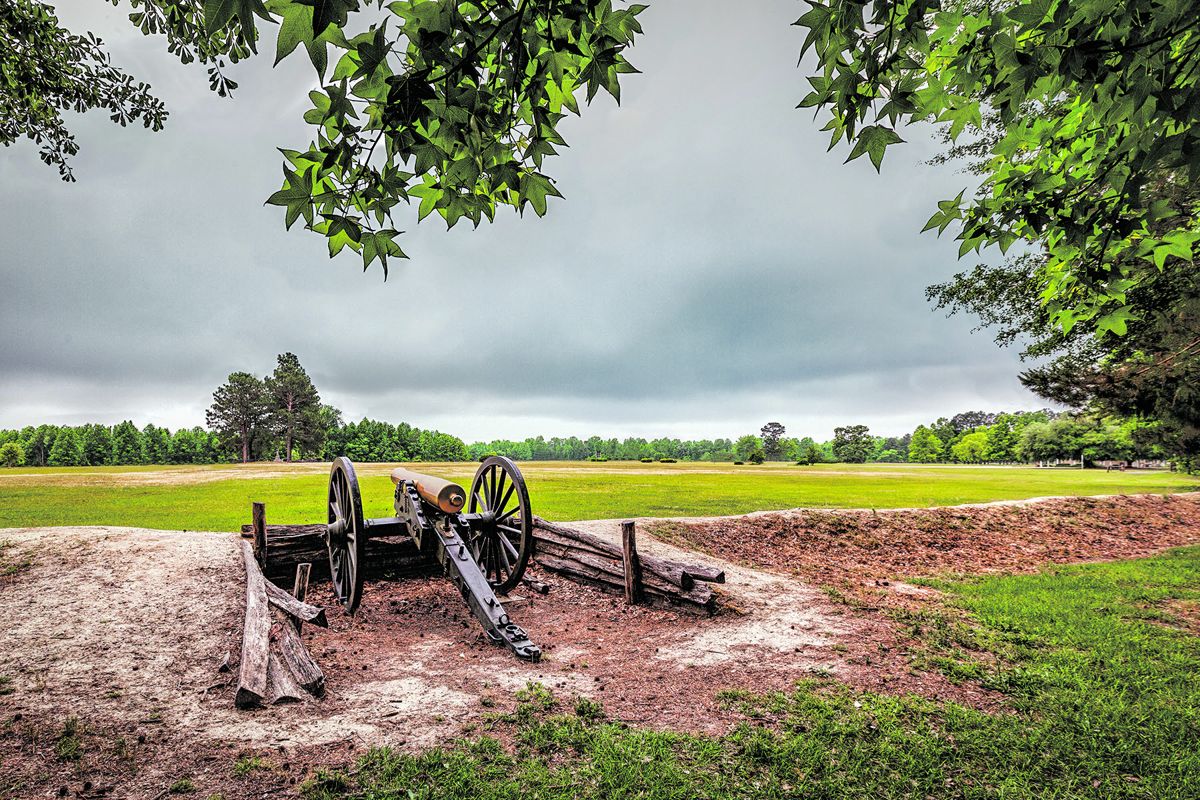
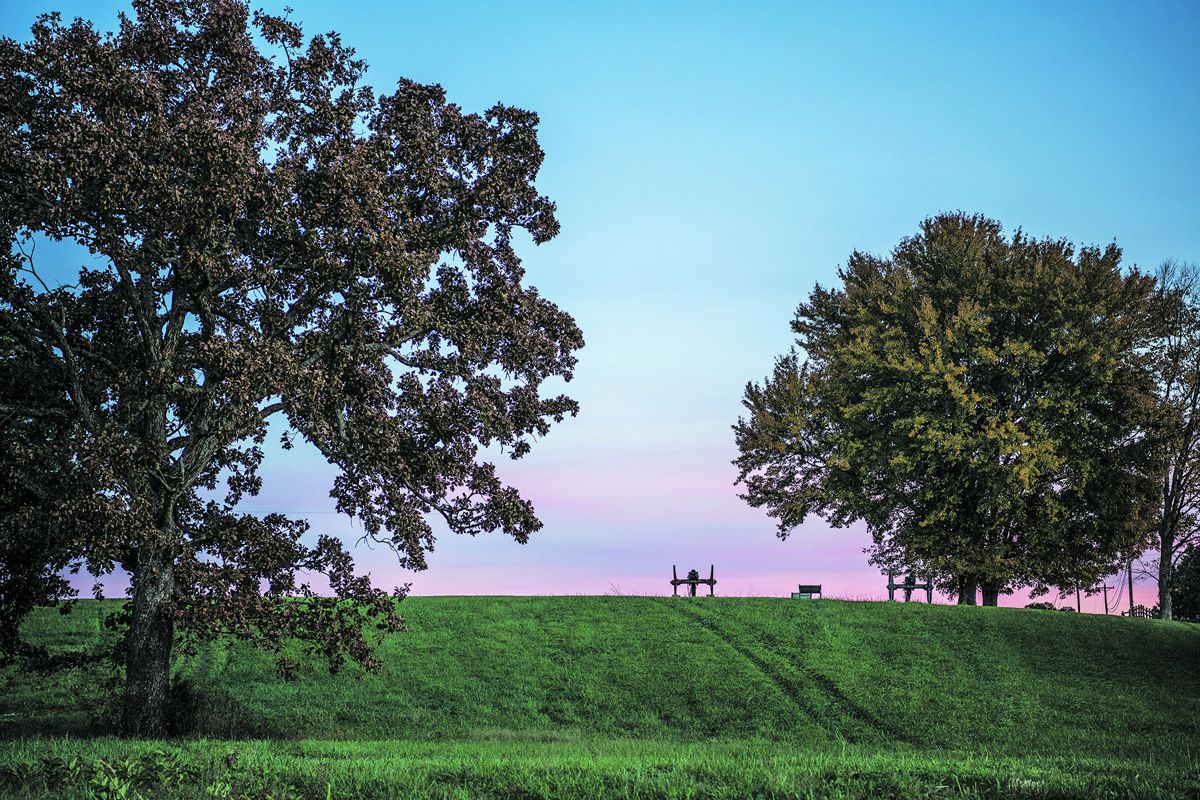
It’s Just the “Beginning” for the Trust’s Latest Fundraising Campaign With the start of a new year, the Trust turned its attention toward the theme of “beginnings” for a new fundraising campaign that launched in mid-January to save decisive pieces of hallowed ground at three notable sites: Mill Springs, Ky., Petersburg, Va., and Bentonville, N.C. As the Civil War’s second year began, all eyes turned to the Bluegrass State for, as Abraham Lincoln said, “I hope to have God on my side, but I must have Kentucky!” The January 1862 Battle of Mill Springs played a key role in the long-term effort to secure the important border Don Sniegowski.
state for the Union. Now, the Trust seeks to save an additional 94 acres at Mill Springs, a parcel that historians regard as some of the last core battlefield land that could be saved at Mill Springs. To date, the Trust has preserved 686 acres of the Mill Springs Battlefield. The Trust is now working to save 9 acres that witnessed the beginning of the game-changing Richmond-PetersburgCampaign. The fighting on June 17, 1864, was one of the earliest phases of the 292-day siege that ultimately led to the fall of Richmond. Notably, several units that fought in this area, the 1st Michigan Sharpshooters, the 37th and 38th Wisconsin, included full companies of Native American troops within their ranks. The preservation of this property will further bringtolighttheunder-appreciated role of American Indian tribes in the war. To date, the Trust has saved more than 4,000 acres at battlefields associated with the campaign for Petersburg. March 19, 1865, was the opening day of fighting at Bentonville, an engagement that marked the beginning of the final standoff between Union Maj. Gen. William Tecumseh Sherman and Gen. Joseph E. Johnston. To preserve this story, the Trust endeavors to save 7 acres at Bentonville, N.C. This acreage includes two parcels that s will help to finish the nearly complete preservation puzzle of the first day’s fighting. To date, theTrust has preserved more than 1,860 acres of the Bentonville Battlefield. In all, the campaign aims to save 110 Civil War acres across three states and four different tracts of battlefield land. With grant funding set to cover more than a million dollars of the totalneededto complete these projects, the Trust is left to raise the remaining $432,000 necessary for saving this impressive acreage forever. Thanks to a combination of federal and state grants, as well as substantial private donations, donations will be met at a $3.26to-$1 match, more than tripling the power of each dollar donated.
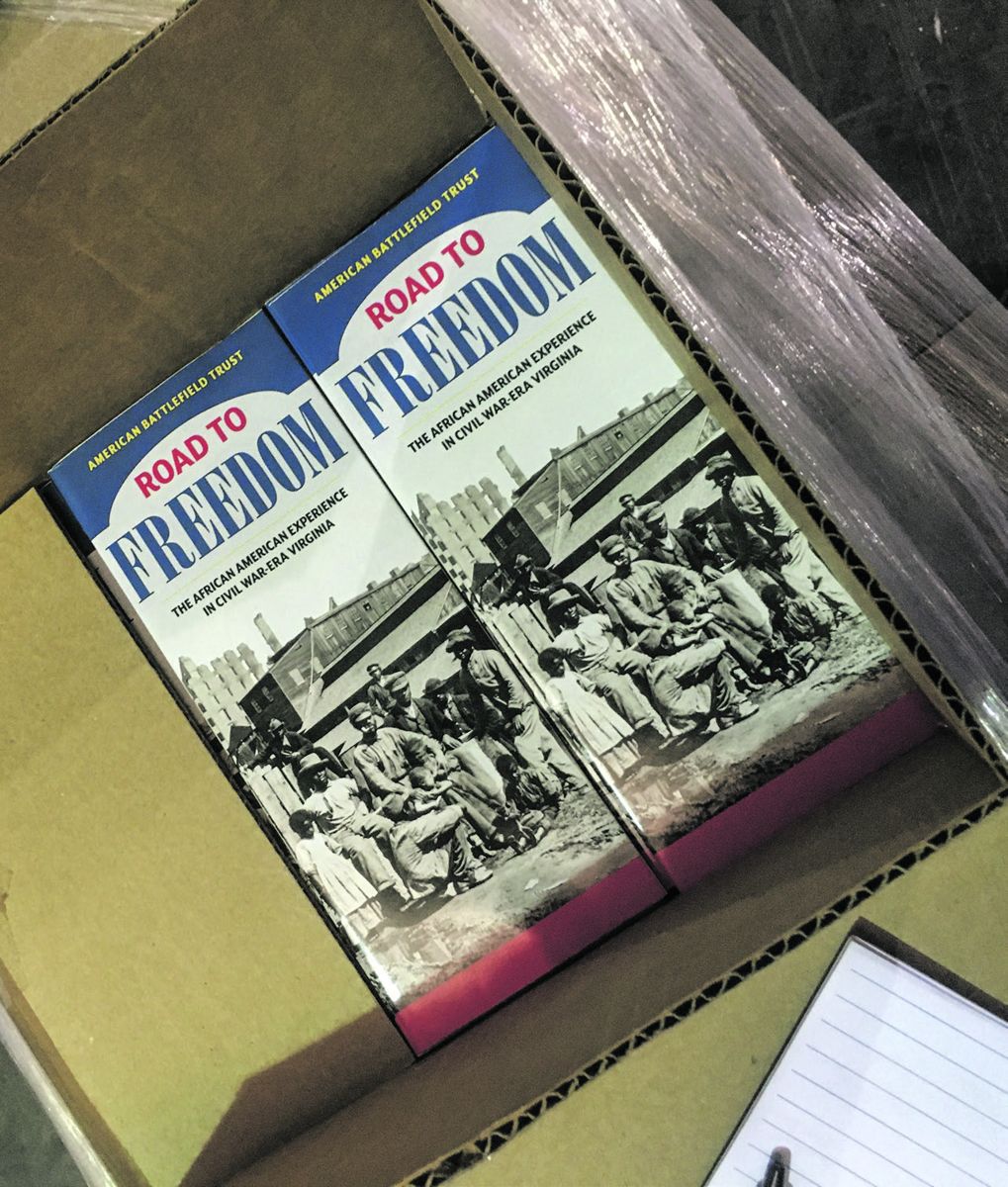
Trust Partners with Civil War Trails to Help Elevate African American History The contributions of African Americans during our nation’s first century are rarely heard. To help elevate this important history, the Trust has partnered with Civil War Trails on the Road to
Freedom, a new map guide and digital experience focused on the African American experience in Civil War-era Virginia. This network encourages visitors and Virginians alike to uncover stories of strife, growth, and community. It unleashes the power of place and draws upon the perspectives of historical figures once given little voice. By focusing on the Black experience during this tumultuous era, the Road to Freedom highlights concepts of self-emancipation and empowerment that have traditionally been lacking in historical interpretation. Between the map guide and free app, the Road to Freedom features more than 88 sites across Virginia, from Alexandria just outside the nation’s capital to Abingdon near the Tennessee border. Included locations range from Civil War Trails interpretive signs and historic highway markers to museums and battlefields with permanent installations pertaining to topics in African American history, including slavery, emancipation, the United States Colored Troops, and Reconstruction. Explore the Road to Freedom with a free map guide, available in Welcome Centers and cultural institutions across the state. The Road to Freedom app is GPSenabled, but images and historical content can be accessed from anywhere on the globe. The free app is now available for downloading via the App Store and Google Play, or online as a web app, available through any browser. Learn more about accessing the Road to Freedom network by visiting battlefields.org/ RoadtoFreedom.
Road to Freedom arrives.