This And That
A Pop Quiz
By Gould Hagler · Originally published March 2021 · pp. 14–34
A Pop Quiz I have written previously on Edward Porter Alexander and his two fine memoirs. The first one was published decades after the second one, but that story has already been told. I also included these two works among my favorites in CWN’s book issue last November. This month we will have a quiz based on Alexander’s comments about other officers— some of whom he fought with and some of whom he fought against. I will quote General Alexander and the readers will identify the officers commented upon. 1. “Nothing could exceed the kindness & real affection with which _______ urged these views on me. He was one of the most attractive & universally popular men whom I ever met. There was a gentleness & refinement about him which was almost feminine.” 2. “He was of medium size or a very trifle short, but compactly built, quick & alert, of fine carriage & aspect, & of unusual strength & activity…. His hair was black, but a few months afterward when some sorts of chemicals & such things became scarce it began to come out quite gray.” 3. Before one battle Alexander shared quarters with a general and a member of the general’s staff, “& while undressing we got talking of sabre exercises. _______partially undressed & with arms & chest nearly bare took a sabre & gave us some illustrations, & though I have seen many much more powerful cavalrymen…, yet I have never seen a sabre whistle & sing like that one.” 4. “Highly educated, refined, brave, & magnanimous he
was the very highest type of a naval officer…. His record is one of which the South may be proud in all her generations. He was the Stonewall Jackson of the sea.” “He reports that he could neither find Gen. Lee nor any place on the field where he could get with his guns. His report will convict him of having practically hidden himself out all day where nobody saw him, & no orders could find him.” “When a very young officer he had been stationed in Savannah, & there was extant a story that his conduct to some young lady had led to his having his face slapped & being tabooed in the society of the place.” “But there is one thing that may be said in _______’s favor. He was not afraid to fight his men, & when he did fight them he did his best apparently to get in all he had at the same time, And that is what McClellan never learned to do.” “The Lord had made him a splendid bishop & a great & good man. So all our pious people with one consent & with secret conviction that the Lord would surely favor a bishop turned in & made him a lieut. gen., which the Lord had not.” Alexander wrote that a certain general “was celebrated through all the Confederate armies as a stern disciplinarian.” When Alexander and his battalion staff noticed an infantry division standing in a three-sided formation, one asked its meaning. Another officer answered that “according to a rumor, _______ shot a man every day, & that this three sided formation seemed to indicate that this was his hour.” 10. “His greatest quality perhaps was the fearlessness with which he fought against all odds & discouragements. Yet no man in the army, in any corps, but loved & still loves the name & memory of good old _______ or that did not see him leave without regret. He was afterward put in charge of the local forces organised in Richmond among department clerks &tc.” 11. “In this battle, on our side was killed good old _______, of Geo., one of my old commandants at West Point; & whose frail, thin body had survived desperate wounds from Seminole rifle bullets & from Mexican grapeshot. 12. “He was taken to Gen. Longstreet, from whom he demanded a surrender. Longstreet explained that Lee was in communication with Gen. Grant upon that matter. _______ said, ‘Well, Sheridan & I are independent here today, & unless you surrender immediately we are going to pitch in.’”
Pop Quiz answers on page 32. Gould Hagler is a retired lobbyist living in Dunwoody, Ga. He is a past president of the Atlanta Civil War Round Table and the author of Georgia’s Confederate Monuments: In Honor of a Fallen Nation, published by Mercer University Press in 2014. Hagler speaks frequently on this topic and others related to different aspects of the Civil War and has been a regular contributor to CWN since 2016. He can be reached at [email protected]. Alexander was the officer in charge of the massive artillery bombardment preceding Pickett’s Charge, on the third day of the Battle of Gettysburg, and is also noted for his early use of signals and observation balloons during combat. After the Civil War, he taught mathematics at the University of South Carolina in Columbia, spent time in Nicaragua, and wrote extensive memoirs and analyses of the war, which have received much praise for their insight and objectivity. His Military Memoirs of a Confederate were published in 1907. An extensive personal account of his military training and his participation in the Civil War was rediscovered long after his death and published in 1989 as Fighting for the Confederacy. Text courtesy Wikipedia.
Answers to A Pop Quiz from page 14:
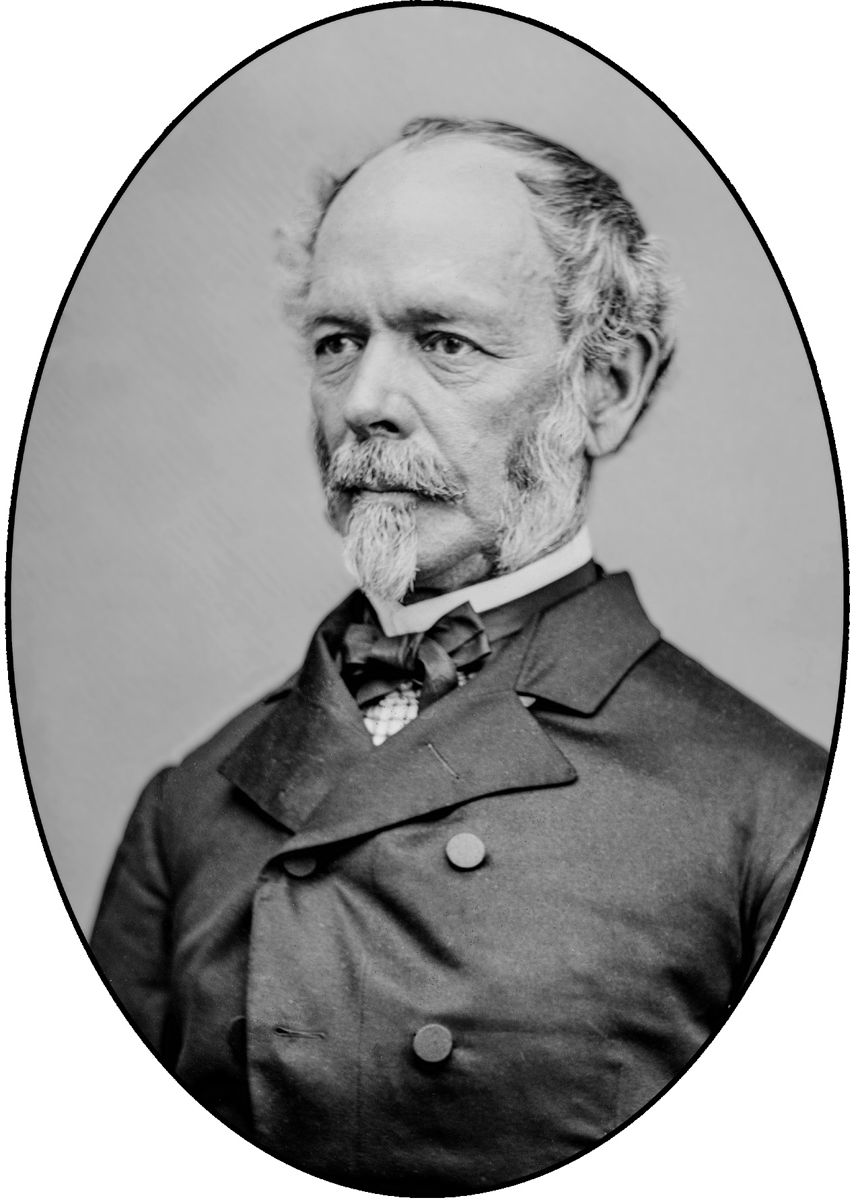
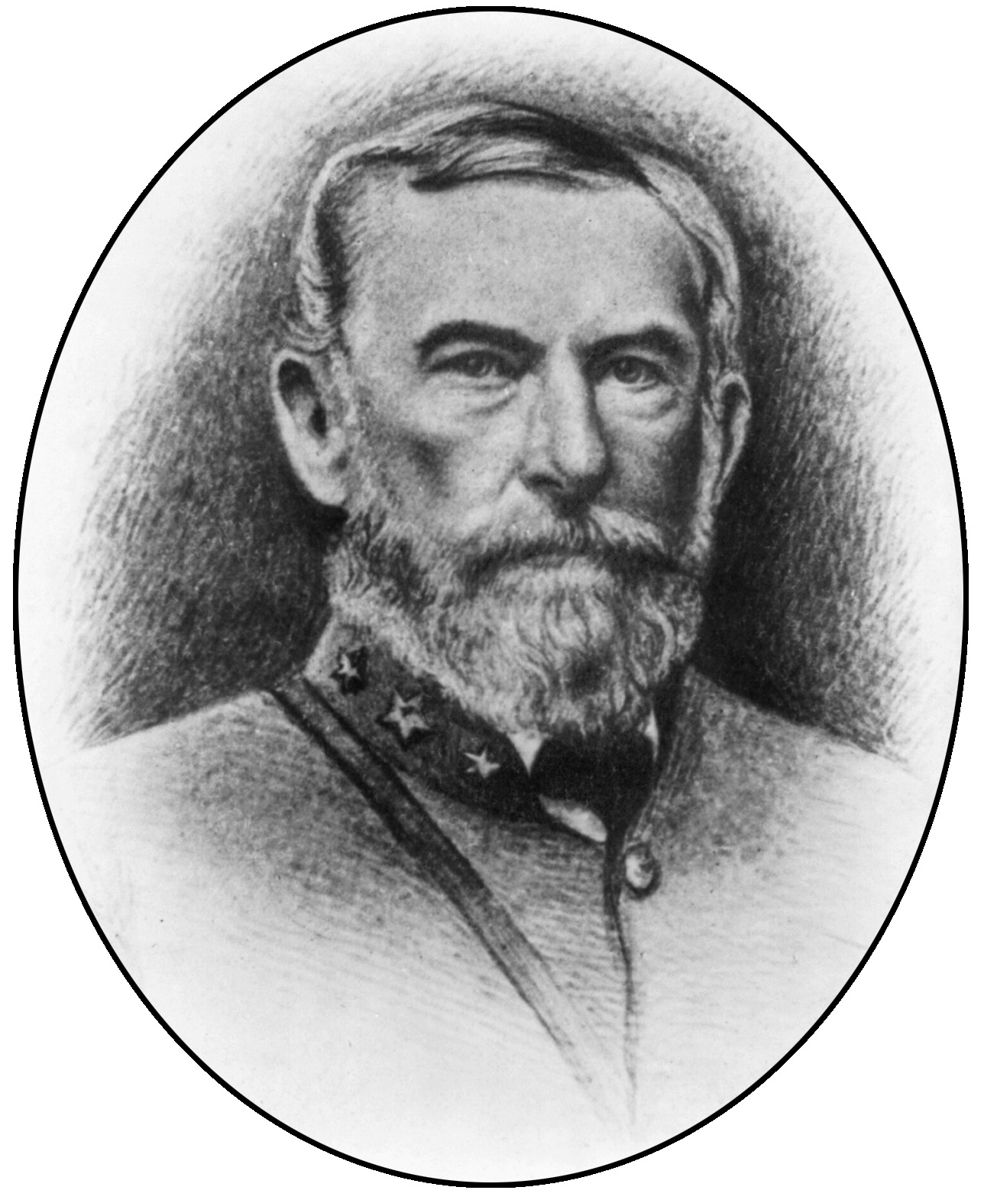
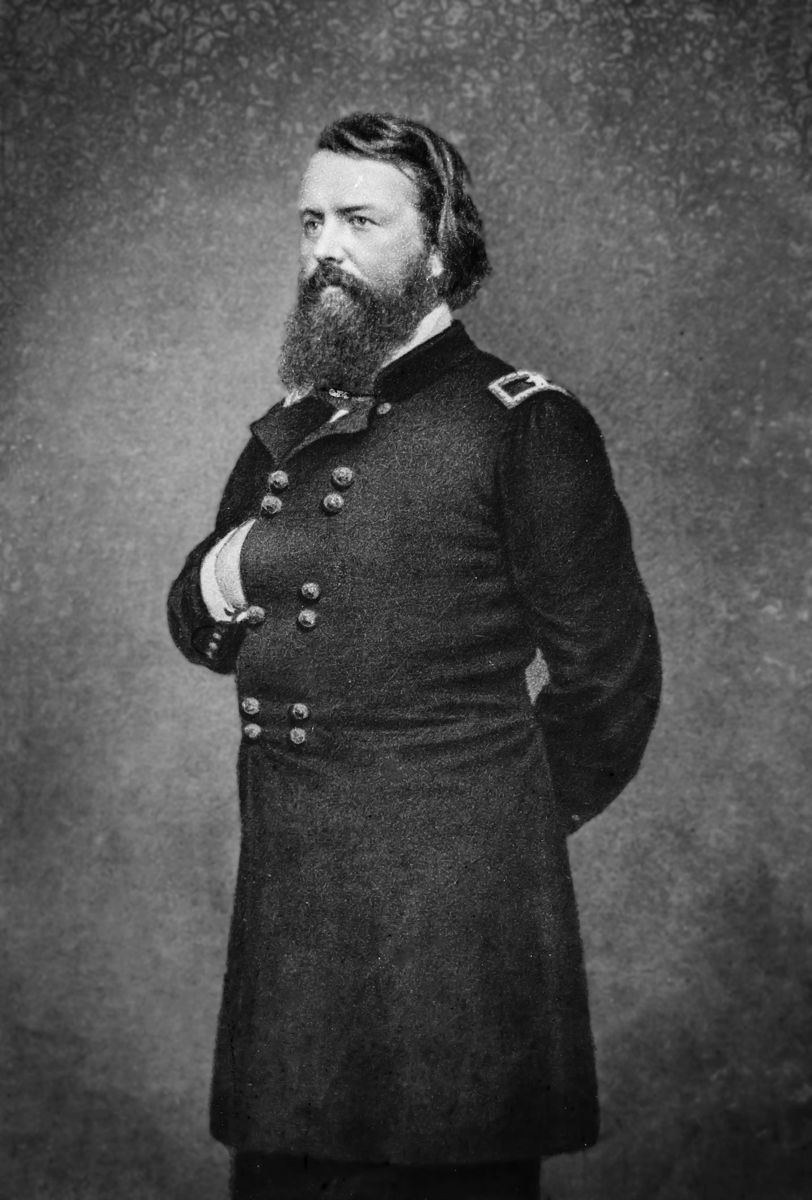
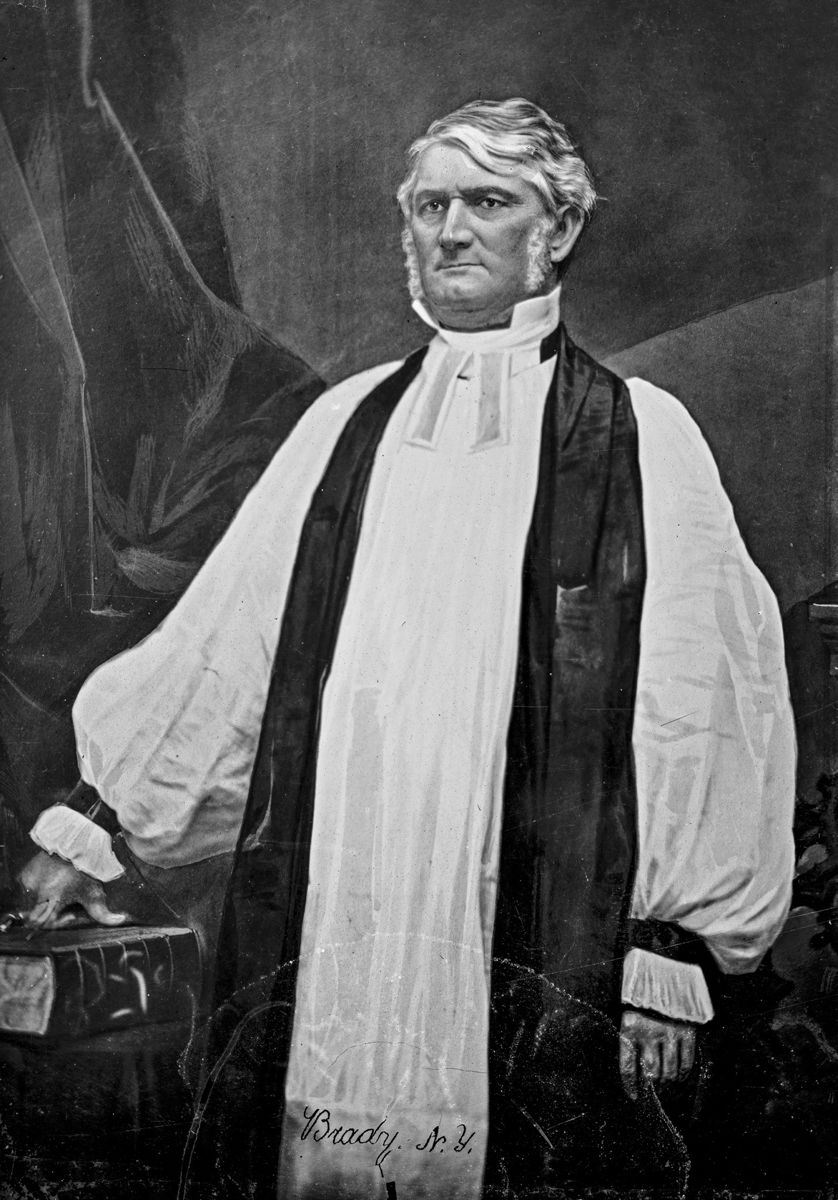
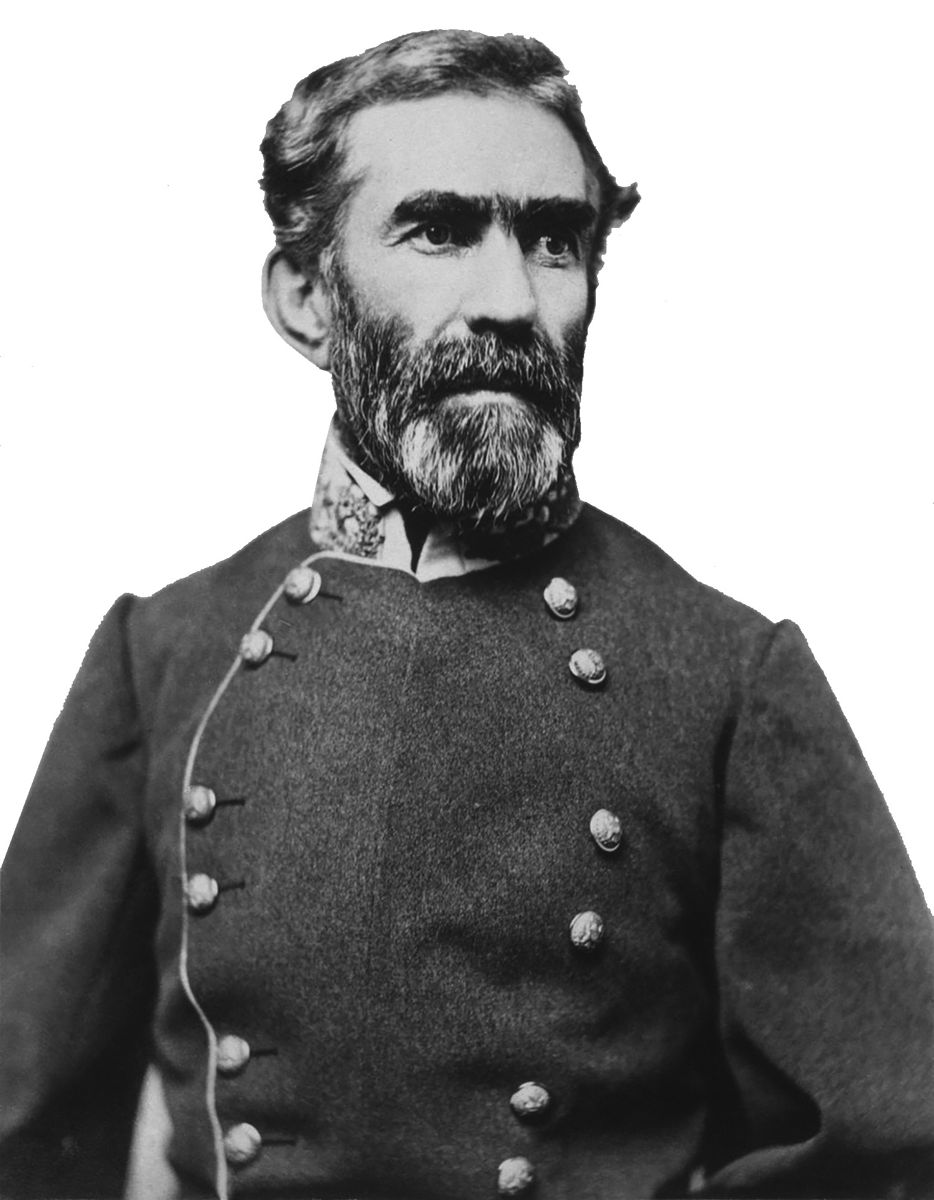
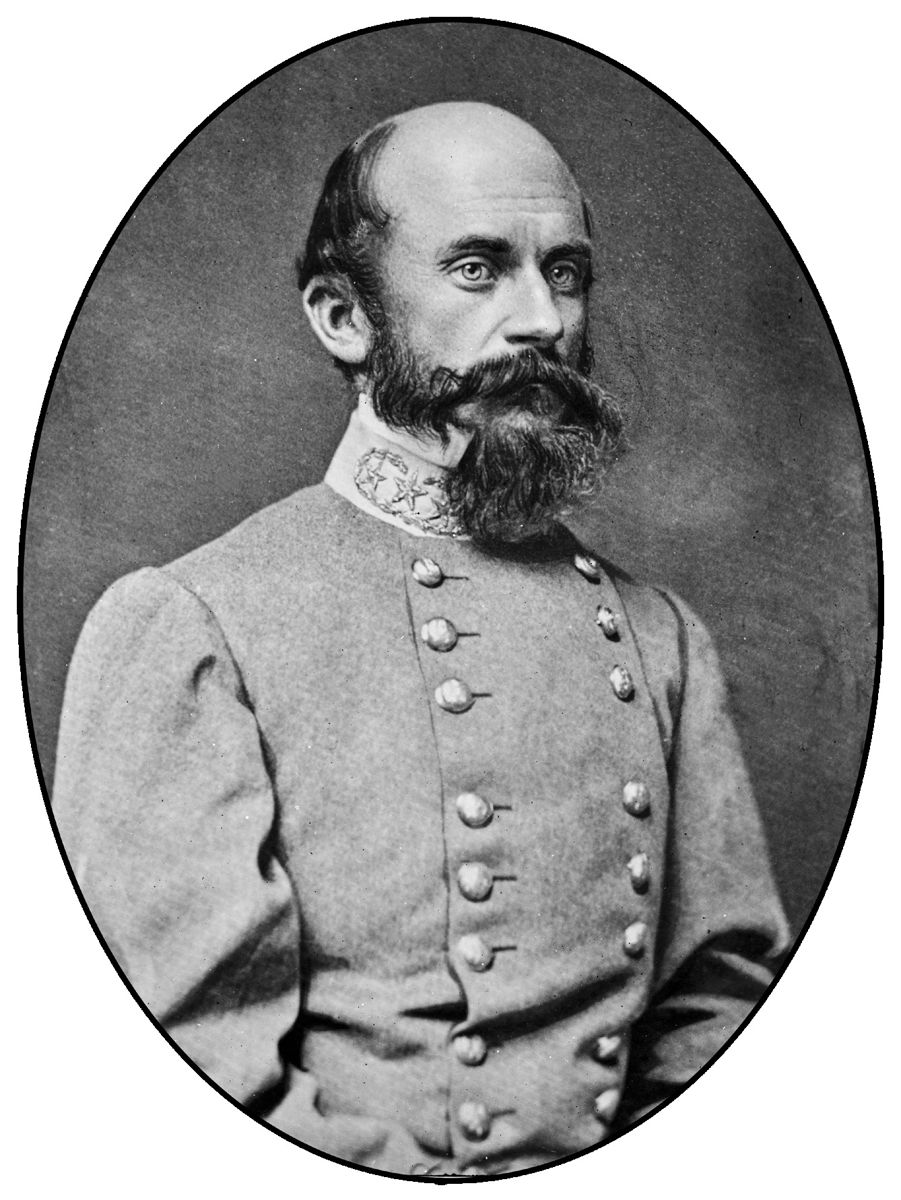
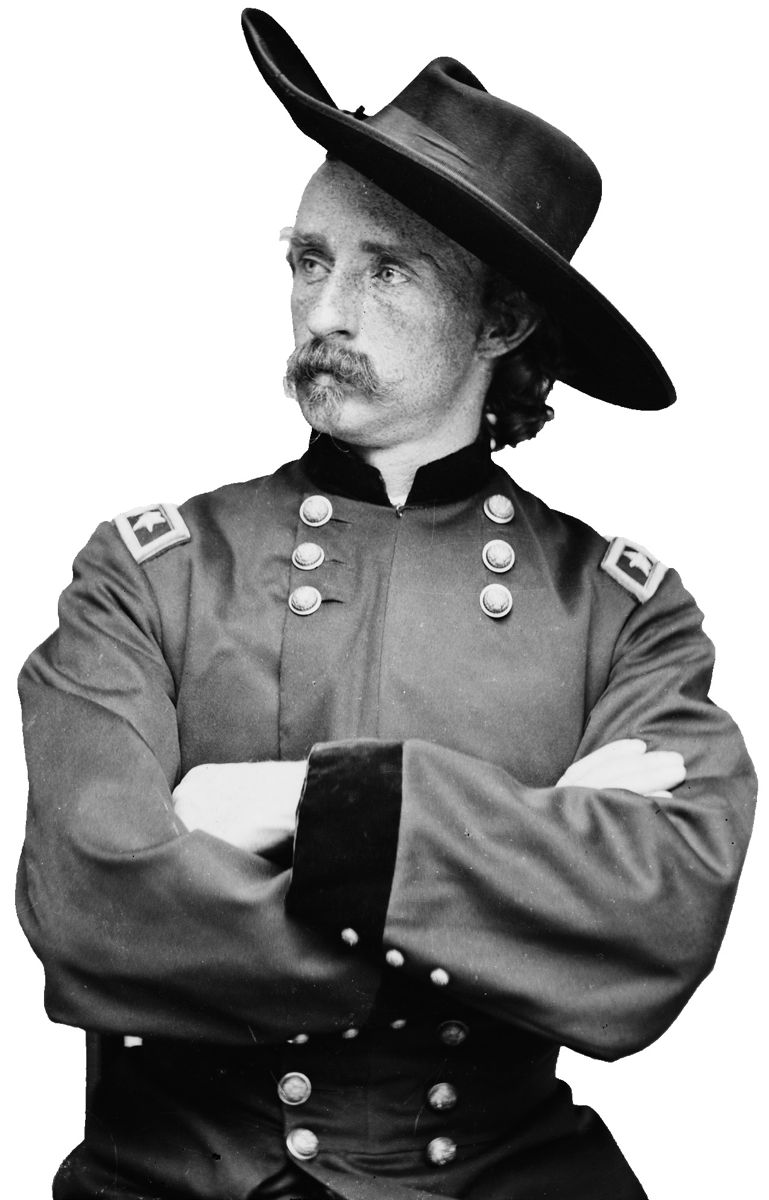
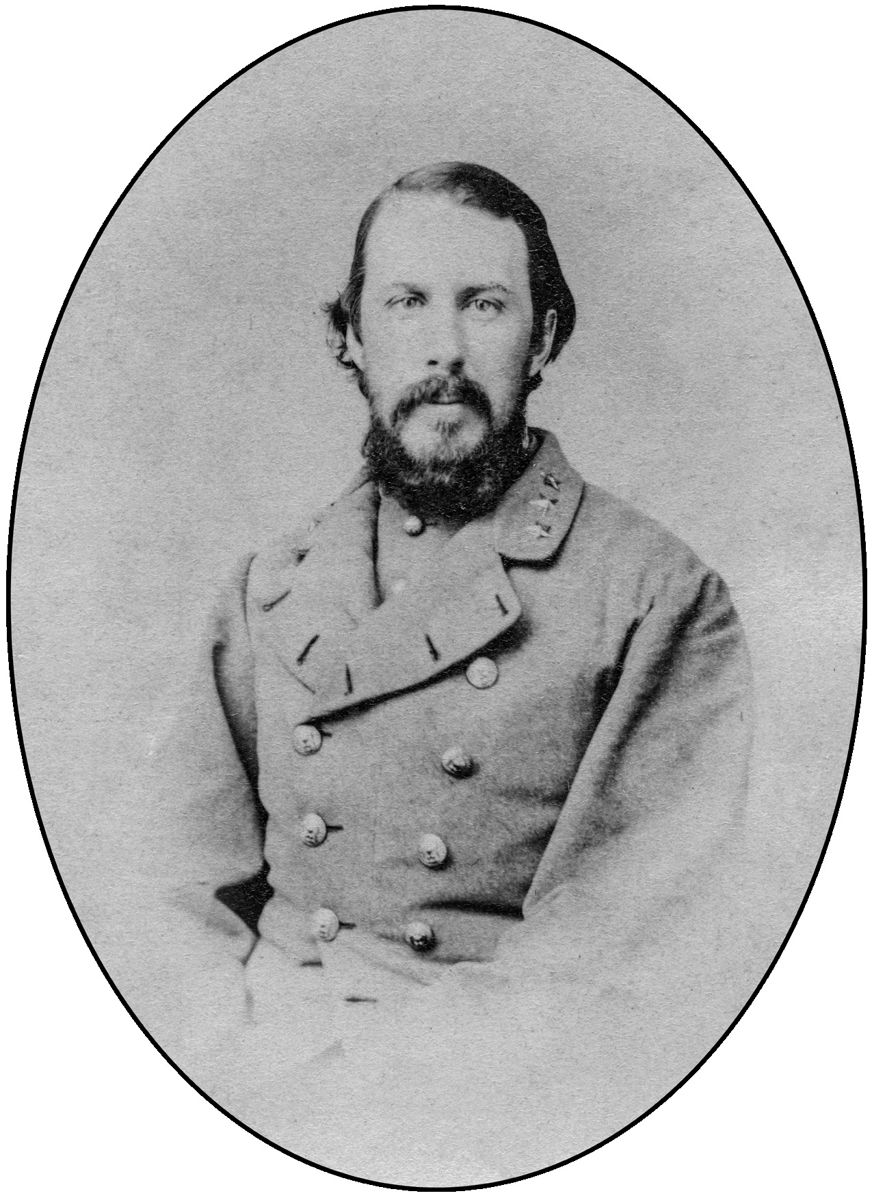
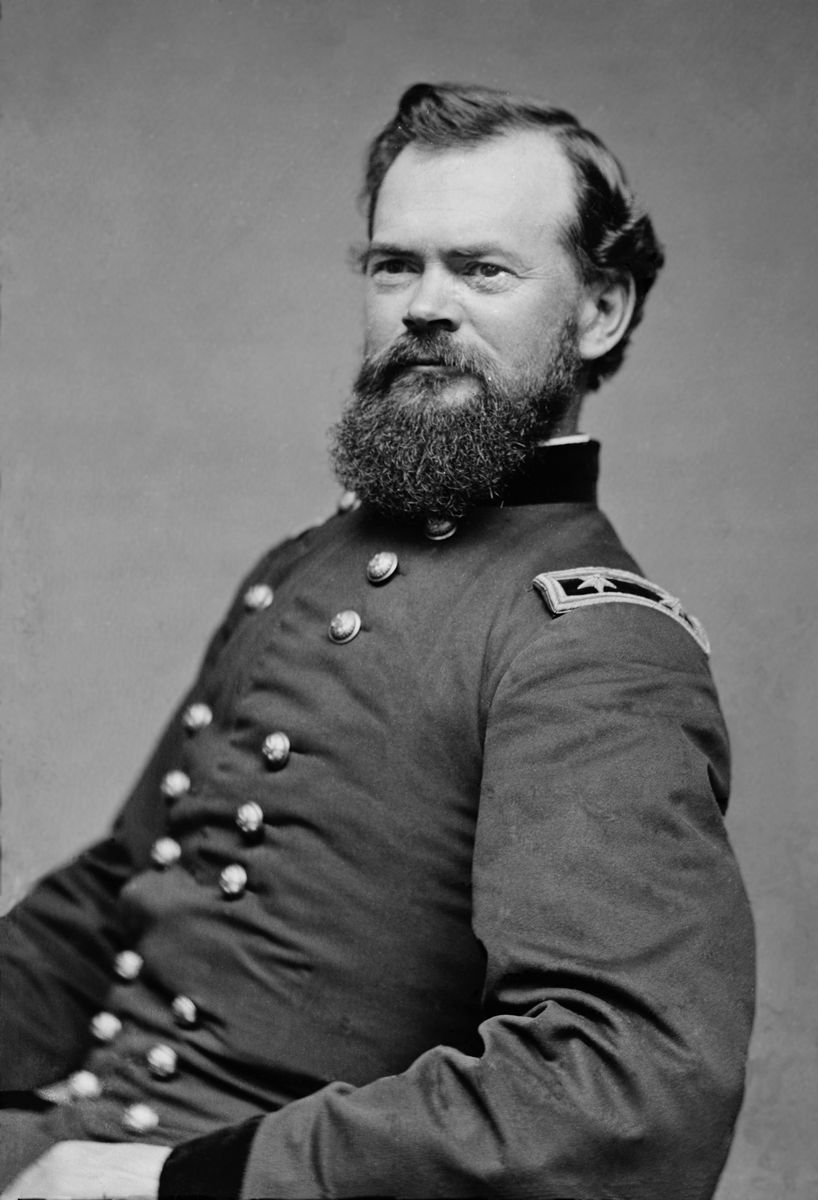
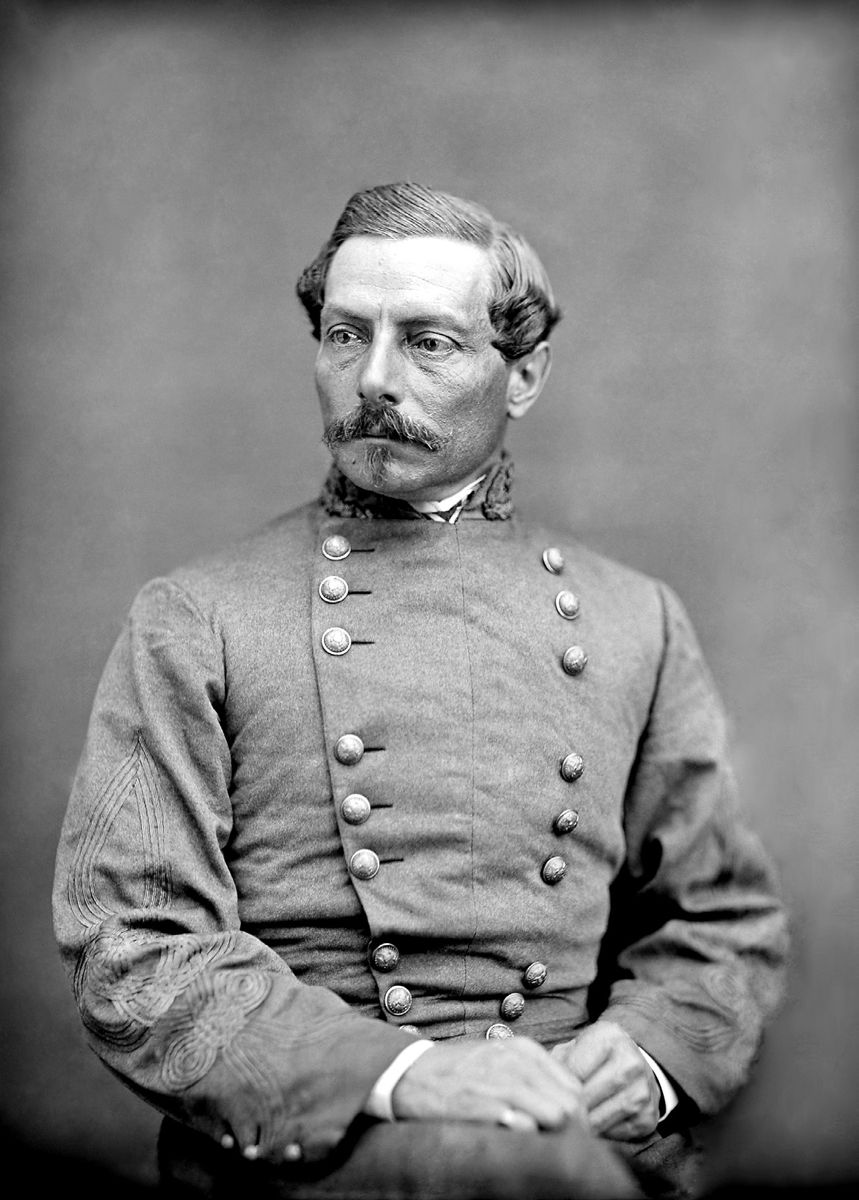
Photographs for A Pop Quiz
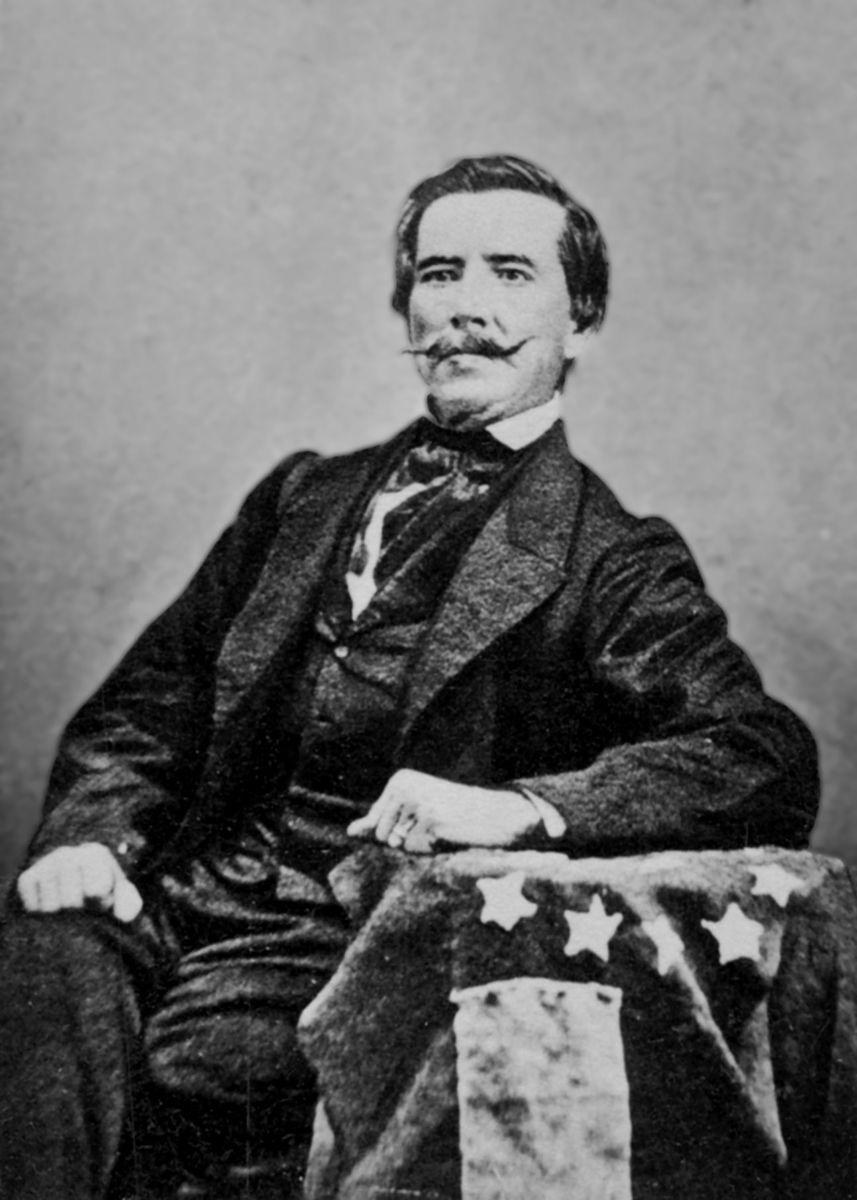
- James B. McPherson was a lieutenant stationed in California in 1861, as was Alexander, to whom he spoke in a most kindly manner, urging him not to resign his commission and join the Confederate army. 2. Gen. P.G.T. Beauregard was the officer whose hair suddenly turned gray. 3. The swordsman who so impressed Alexander was Gen. Joseph E. Johnston. 4. Here Alexander was praising Adm. Raphael Semmes, commander of the CSS Alabama. In the final days of the Confederacy, Semmes, as a temporary brigadier general, commanded a brigade of sailors-turned-infantrymen. 5. Brig. Gen. William N. Pendleton received these low marks from Alexander for his performance at Malvern Hill. 6. John Pope, later a major general, was the young officer who so offended Savannah society. 7. Pope again. Alexander also tells an amusing story about the flowery and lyrical reports Pope wrote during the Utah campaign. Everyone, of course, is familiar with the joke about Pope’s headquarters/hindquarters in the saddle. 8. This one is easy. Lieut. Gen. Leonidas Polk was the bishop/general. He was killed by an artillery projectile at Pine Mountain in 1864. 9. Gen. Braxton Bragg. 10. Lieut. Gen. Richard S. Ewell was superseded by Jubal Early as commander of Lee’s Second Corps and afterward commanded the defenses of Richmond. 11. Maj. Gen. W.H.T. Walker, given the rather cruel nickname “Shot Pouch” because of his propensity to attract enemy fire, was shot for the last time on July 22, 1864, as the Battle of Atlanta commenced. 12. Maj. Gen. George A. Custer demanded but did not get Longstreet’s surrender. Longstreet said “Pitch in as much as you like” then turned to his staff and said “Take this gentleman & conduct him back to his lines, & he may consider himself lucky to get back safely after his impertinent errand.”
Admiral Raphael Semmes. Maj. Gen. William Henry Talbot Walker. Library of Congress.