Federal City Brass Band Embraces Spirit of the Mid-19th Century
By Bob Ruegsegger · Originally published June 2021 · pp. 28–29
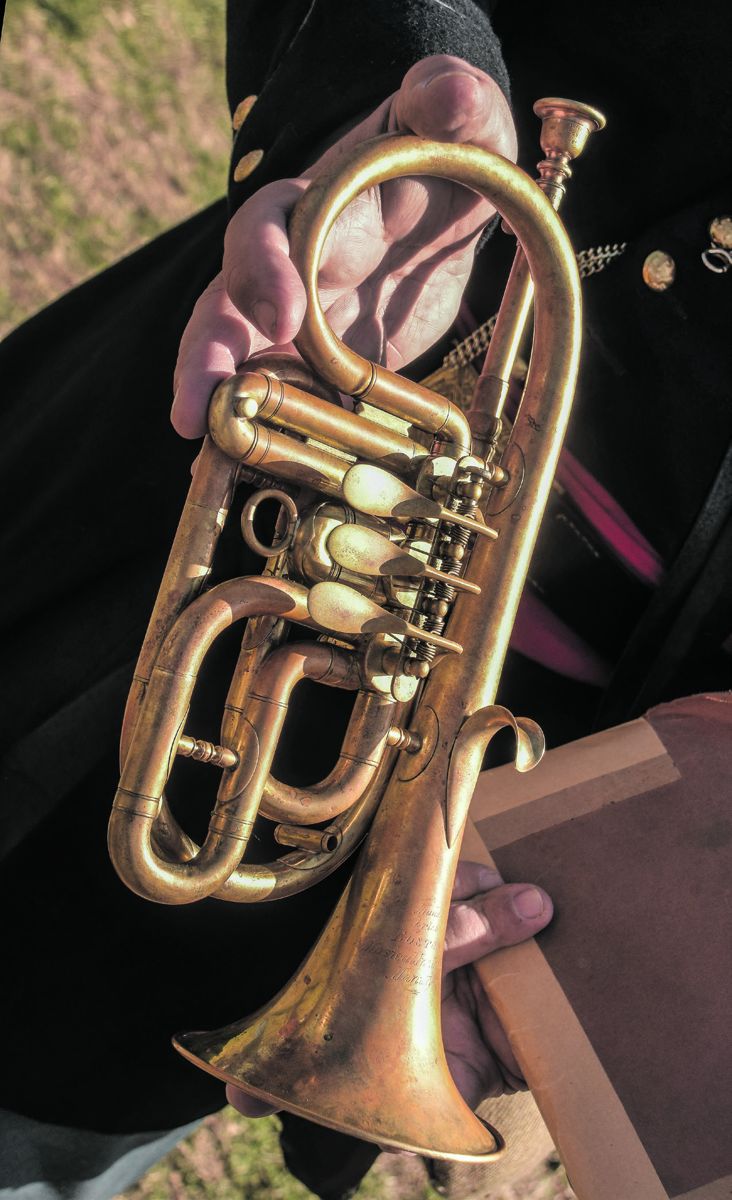
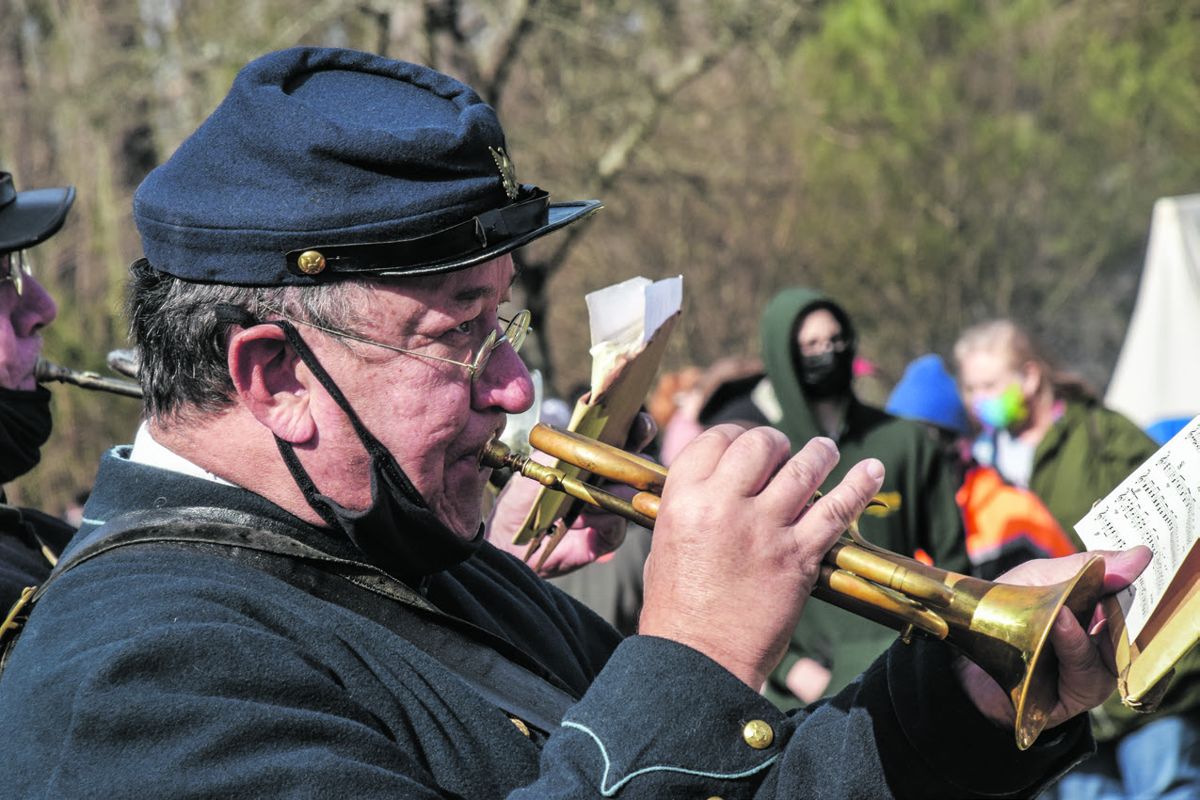
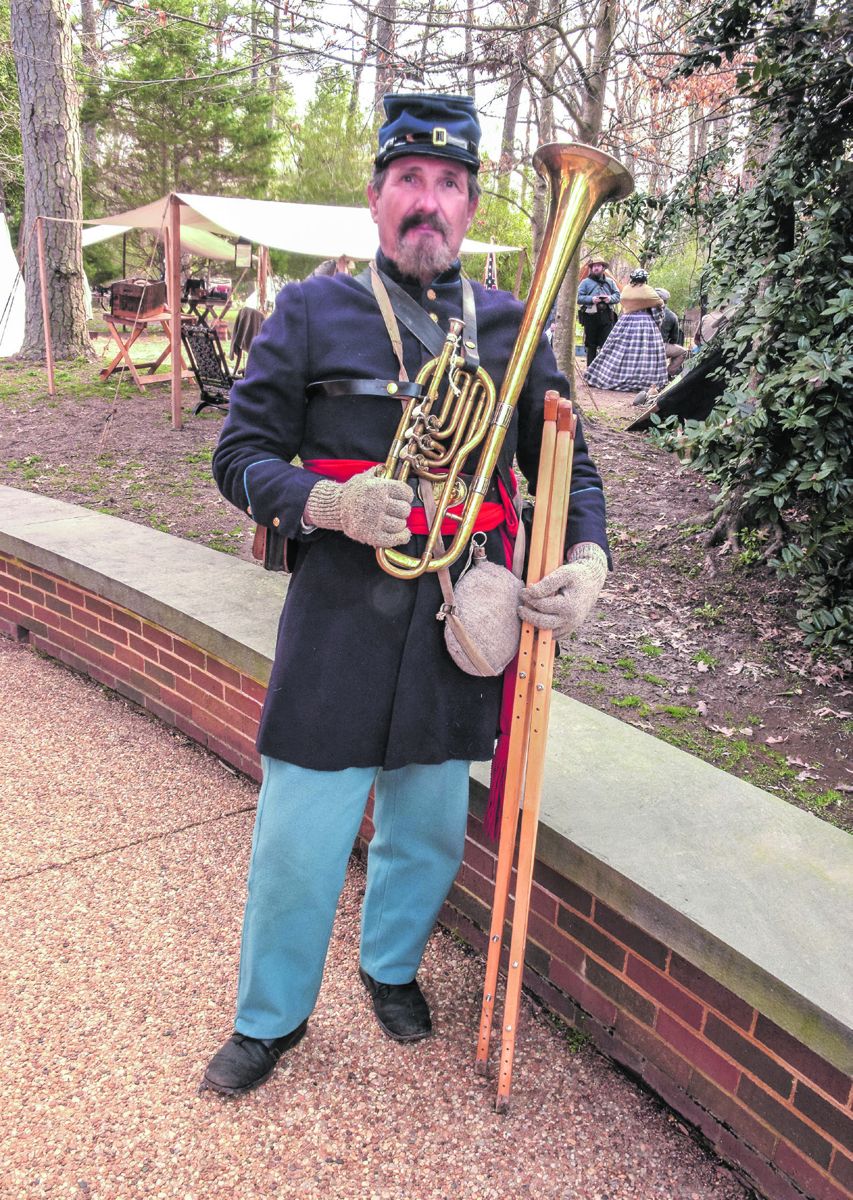
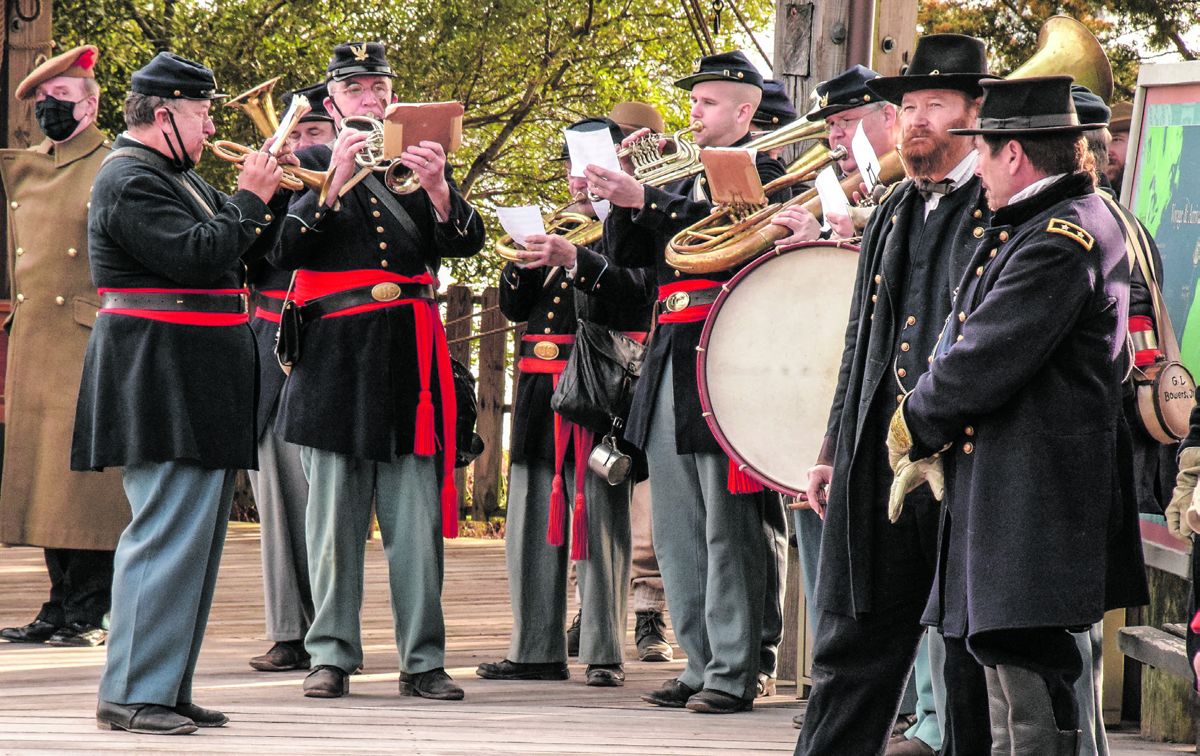
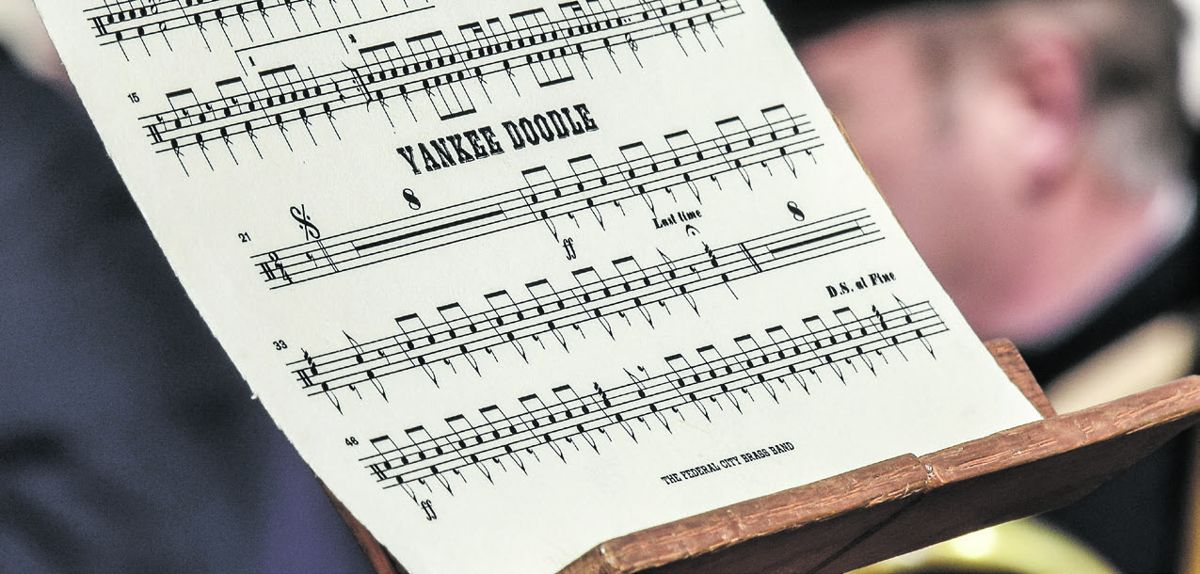
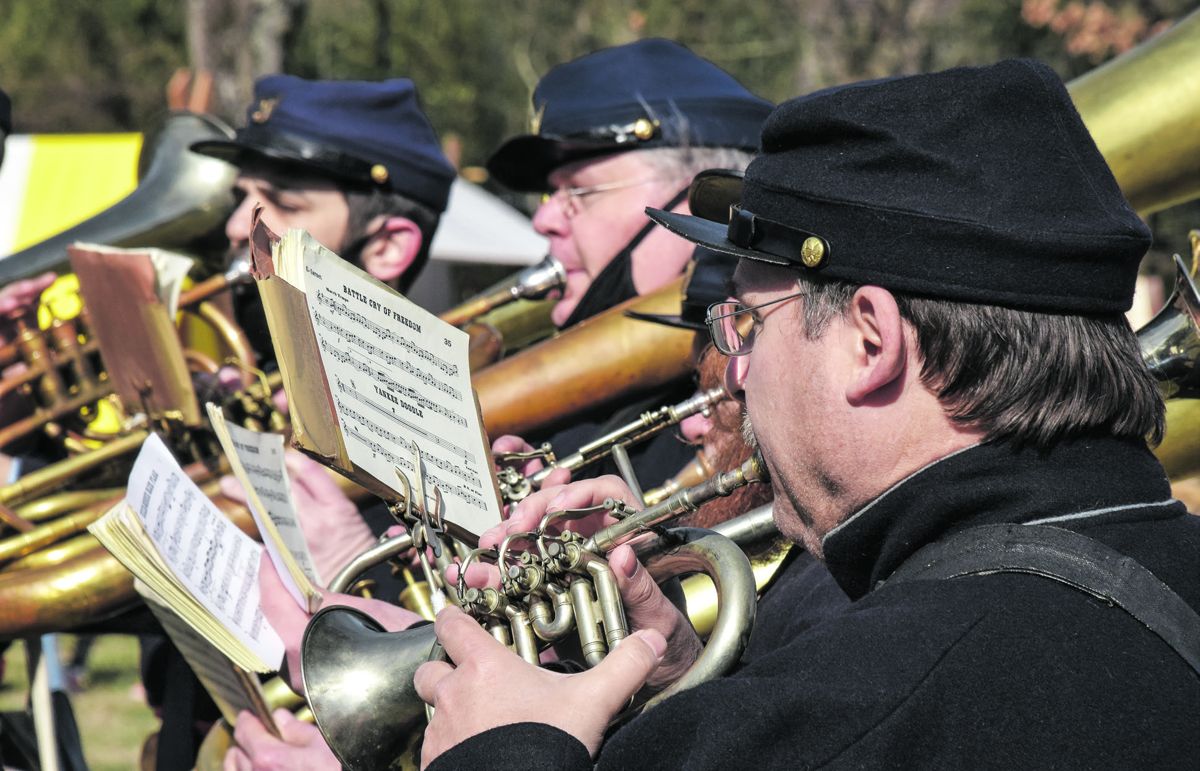
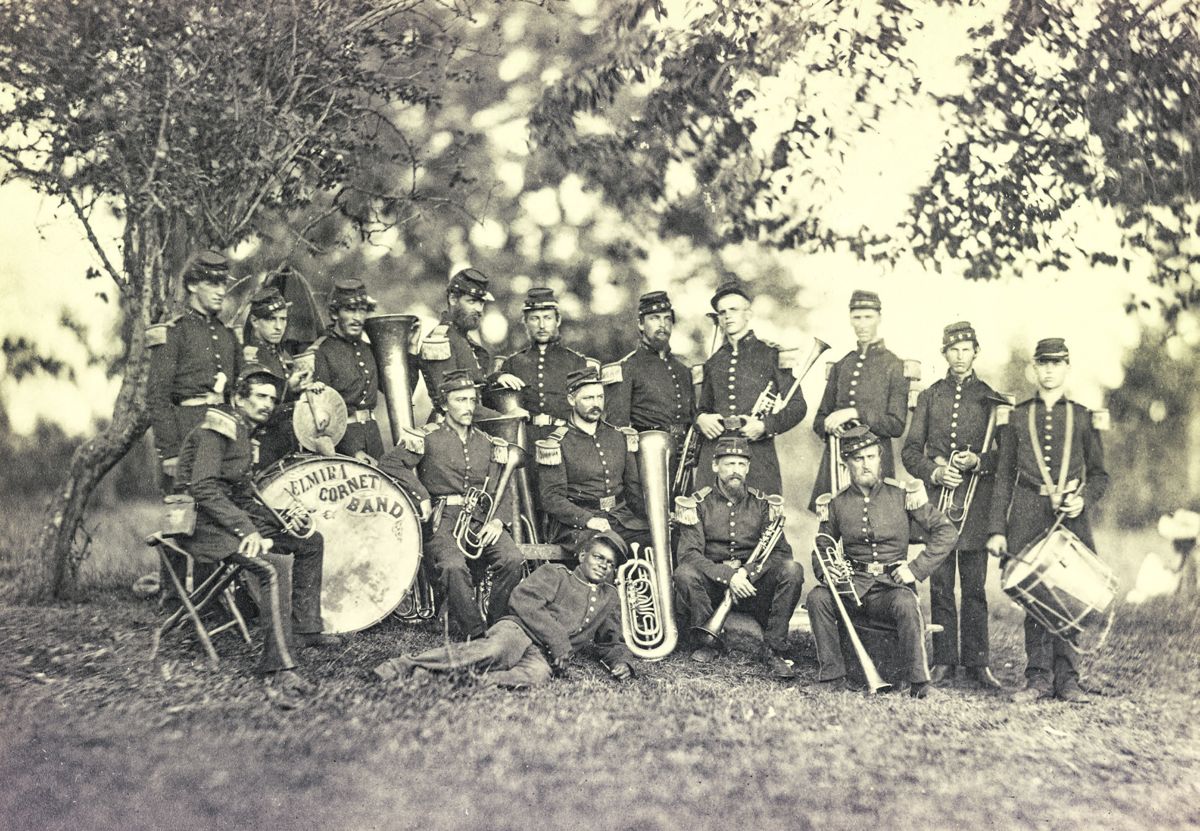
Federal City Brass Band Embraces Spirit of the Mid-19th Century by Bob Ruegsegger The Federal City Brass Band re-creates American music, playing original instruments in the 19th century style. They play tunes drawn from original sheet music. When modern audiences shut their eyes, they are hearing what the people heard, what Civil War soldiers actually heard. “The Federal City Brass Band was organized [in 2002] as a group that recreates what a regimental brass band would have sounded like in the Union army between 1860 and 1865,” said Jari Villanueva, founder and leader of the band. Back then, bands joined regiments. Town, or militia, bands were usually attached to regiments in state militias. During the Civil War when the militias became federalized and regiments were formed, the hometown bands would naturally connect with the locally raised regiments. Mid-19th century bands were brass bands. A big brass band movement emerged in the United States during the 1820’s and 1830’s. Brass bands continued until about 1880–1890 when composers and conductors such as John Phillip Sousa and Patrick Gilmore introduced large woodwind sections to their bands creating what we know today as a concert band. Band instrumentation in the mid-19th century was for a brass band; e-flat cornets, e-flat tenor horns, b-flat tenor horns, baritone horns, bass horns, and percussion. Companies that made brass instruments would sell them as sets. A single company could outfit an entire regimental band. Arrangers and composers wrote the music. Music was hand copied into regimental band books. Bandsmen would write out their parts on small paper. Villanueva and his associates have taken the handwritten parts and put them in modern notation so they can be printed out on computers. “We’re not bringing original music out here. We are bringing original instruments,” said Villanueva. “The instruments you hear us playing today are instruments that were in use in the mid-19th century.” Their vintage instruments are found at flea markets, in attics, on e-bay, and through other internet sources. “They’ve held up well. A lot of us are collectors so we know how to take care of these instruments,” said Villanueva. When the Federal City Brass Band plays today, their audiences actually hear how the music would have sounded to local citizens. “We take pride in that. We dress wearing uniforms bandsmen A side-action rotary valve cornet is Jari Villanueva’s instrument would’ve worn during the Civil of choice. It was manufactured by the Boston Musical Instrument War,” noted Villanueva. “Typical Manufactory about 1870. All photos by Bob Ruegsegger. militia bands would have worn very gaudy looking uniforms,” he were decorated a bit. Regimental Bandsmen were paid almost as said. “As these bands came into commanders allowed bandsmen much as non-commissioned offithe Union army, they wore the a little latitude in dressing up cers. Wearing red sashes showed dress of the typical Union soldier; their uniforms. They might add others that they were members of the frock uniform.” an eagle to their hats or wear the band. Union bandsmen’s uniforms sashes to distinguish themselves. The Federal City Brass Band most recently performed at Jamestown Settlement’s Military Through the Ages. “It’s great being back. This is a wonderful event. You can walk around and see a little slice of history from each era,” said Villanueva. “It’s just sad that this year they don’t have as many [units] as they did in years before. I’m missing some of my comrades who are in other groups.” Bob Ruegsegger is an American by birth and a Virginian. His assignments frequently take him to historic sites throughout Virginia, the Mid-Atlantic, and the Southeast. His favorite haunts include sites within Virginia’s Historic Triangle—Jamestown, Yorktown, and Williamsburg. Bob served briefly in the U.S. Navy. He is a retired educator and has been an active newspaper journalist for the last twenty years.