
Preservation News
Chinsegut Hill—A Preservation Success
By Bruce Allardice and Wayne L. Wolf · Originally published June 2021 · p. 16
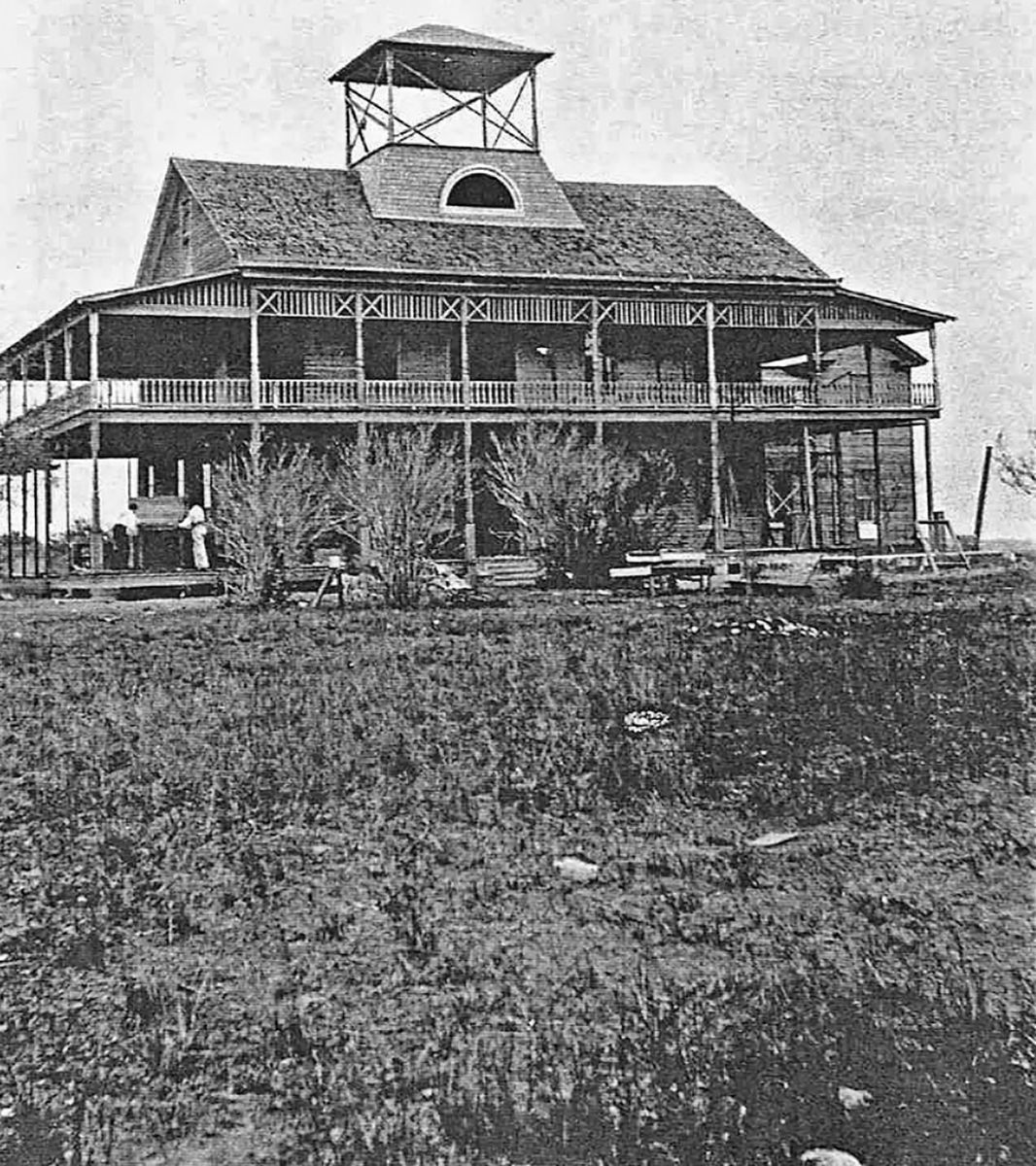
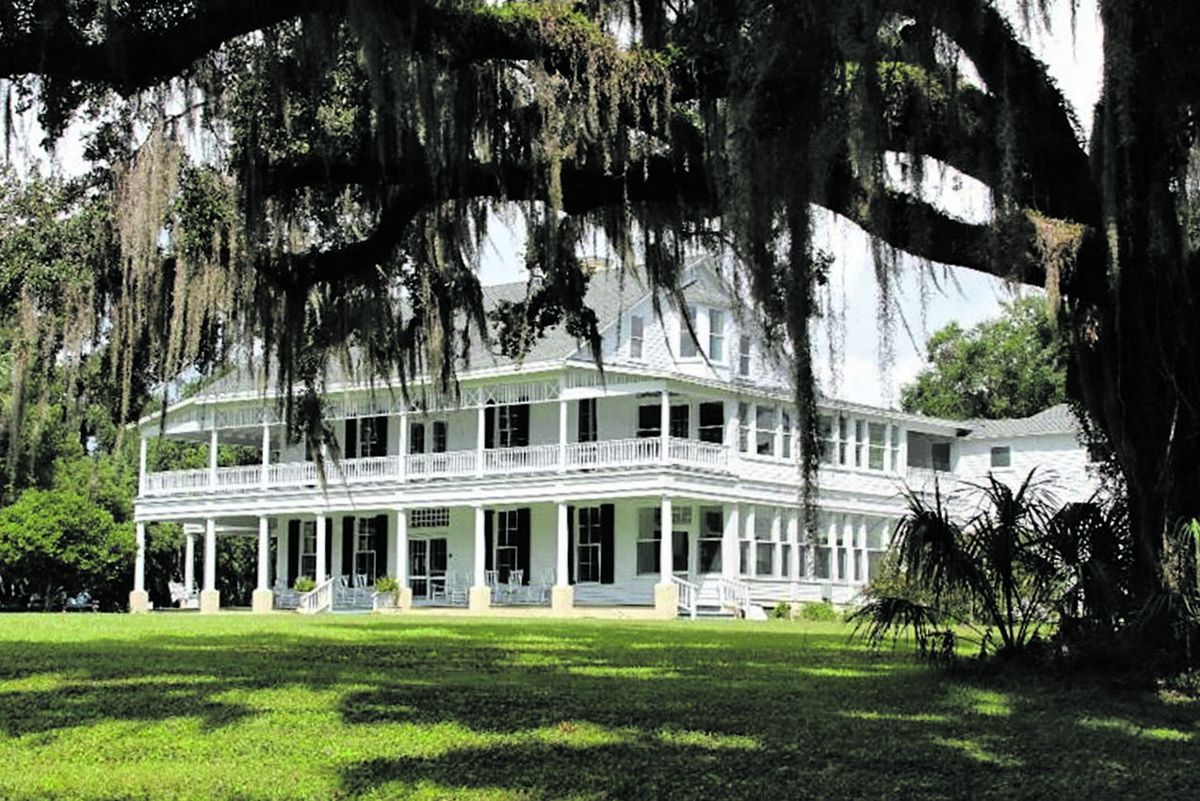
Chinsegut Hill—A Preservation Success by Bruce Allardice and Wayne L. Wolf As one approaches the stately white manor home of Chinsegut Hill it feels like walking backward in time, as little has changed here since 1860. Situated on the fifth highest point in Florida (admittedly, not exactly a mountainous state), the moss-laden, tree-lined roadway leading to the frame vernacular mansion recalls a setting right out of Gone With the Wind. Few original Civil Warera structures remain in central Florida. Nestled among 115 acres of magnificent oaks, magnolias, and cabbage palms, Chinsegut’s story needs preserving. Construction of the home began in 1847 with additions being added through 1925. Its origin was set in motion when the Second Seminole War ended in 1842 and the Armed Occupation Act of the same year began an influx of new residents to central Florida. Located five miles northeast of Brooksville, the 160 acres was originally acquired by Col. Bird Pearson of South Carolina (1803–1859), later Chief Justice of Florida, who named his new home Mt. Airy and began harvesting sugar cane with the help of enslaved people. His original cabin in now the east wing of the manor. In 1851 Pearson sold the property to another South Carolinian, Francis Higgins Ederington (1824–1866). Ederington renamed the estate Snow Hill. He converted the third-floor attic into three bedrooms and a sitting room,completing the antebellum manor house. The Ederingtons then proceeded to raise livestock that would be so important to feeding future Confederate soldiers, and began extensive farming of sugar cane, cotton, and corn. Francis Ederington raised seven daughters and two sons on the plantation and yet answered Jefferson Davis’s call for volunteers by joining the Old Guard Mounted Rangers, a home guard unit, mustered in March 29, 1862, for two month’s service. The brigade was sworn into Confederate service on the front steps of the manor house. Francis’s daughter Charlotte (1846–1898) married South-Carolina born James R. Snow (1842–1908) and he too enlisted, in Company C, the “Hernando County Wildcats,” of the 3rd Florida Infantry. Nearby Brooksville, the county seat, was the target of an 1864 Union army raid. The raiders marched up the Anclote River, seizing cotton and skirmishing with the Confederate “cow cavalry” who were in the area collecting cattle for the Confederate Army. After the war Dr. Snow practiced dentistry in the manor house. The family continued corn production, becoming fairly wealthy until the great freeze of 1895 killed the citrus crop. Not to be deterred, they utilized the few remaining bud trees to restart their citrus crop. In 1904 the Snows sold the plantation to Elizabeth and Raymond Robins. The new owners renamed the house Chinsegut Hill, an Inuit name meaning “the spirit of things lost and regained,” a name Robins brought back from his mining for gold in Alaska in 1898. The Robins’ added a kitchen to the east wing, a widow’s walk, or raised observation platform, and ventilator on the roof, a west chimney, and a music room. In 1911 they added four bathrooms, acquired additional acreage, added a porte-cochere, a grand doorway, a fifth bedroom, electricity, and a well,
Chinsegut Hill manor.
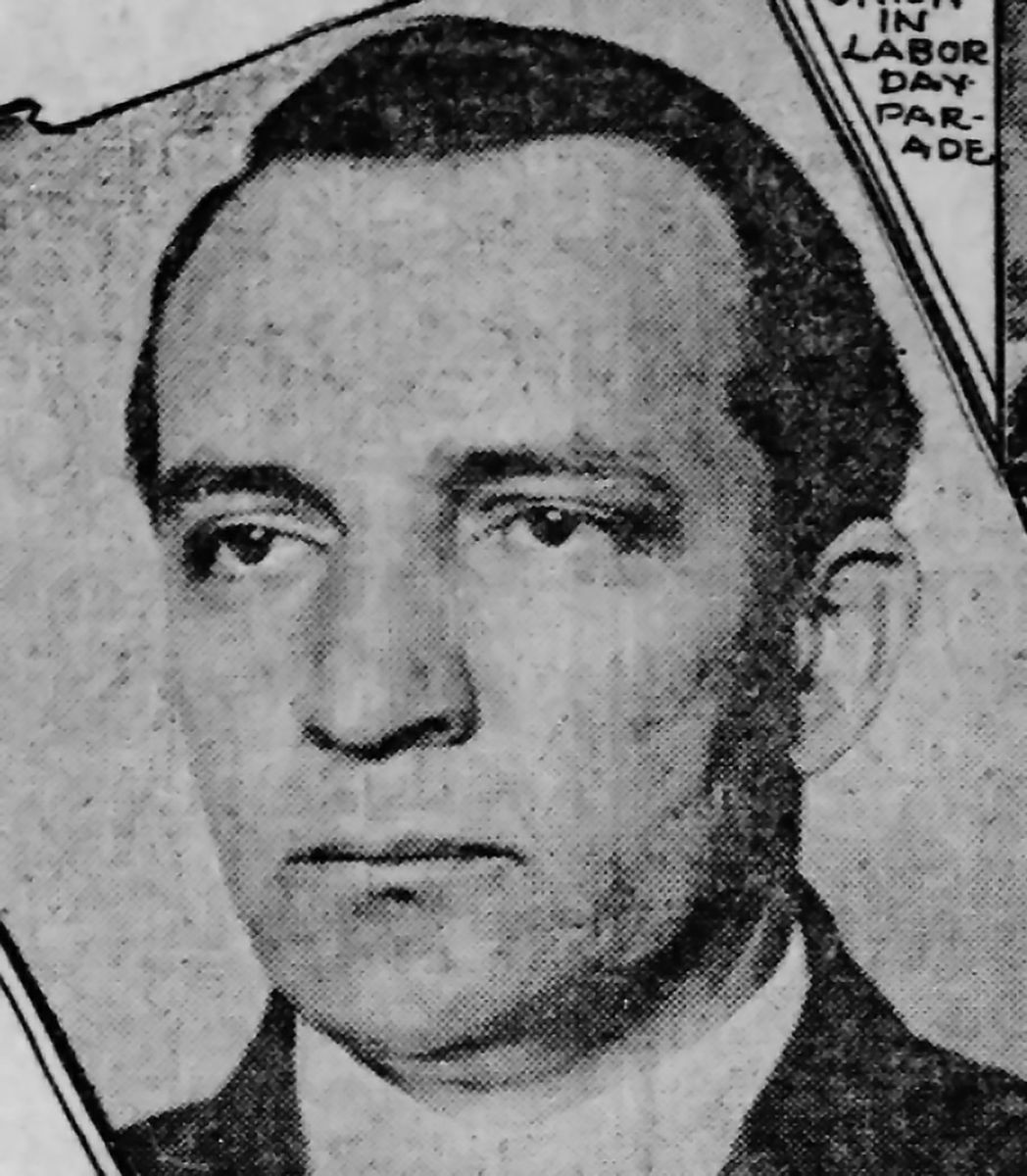
Raymond Robins (1873–1954), from the St. Louis PostDispatch, Sept. 10, 1909.
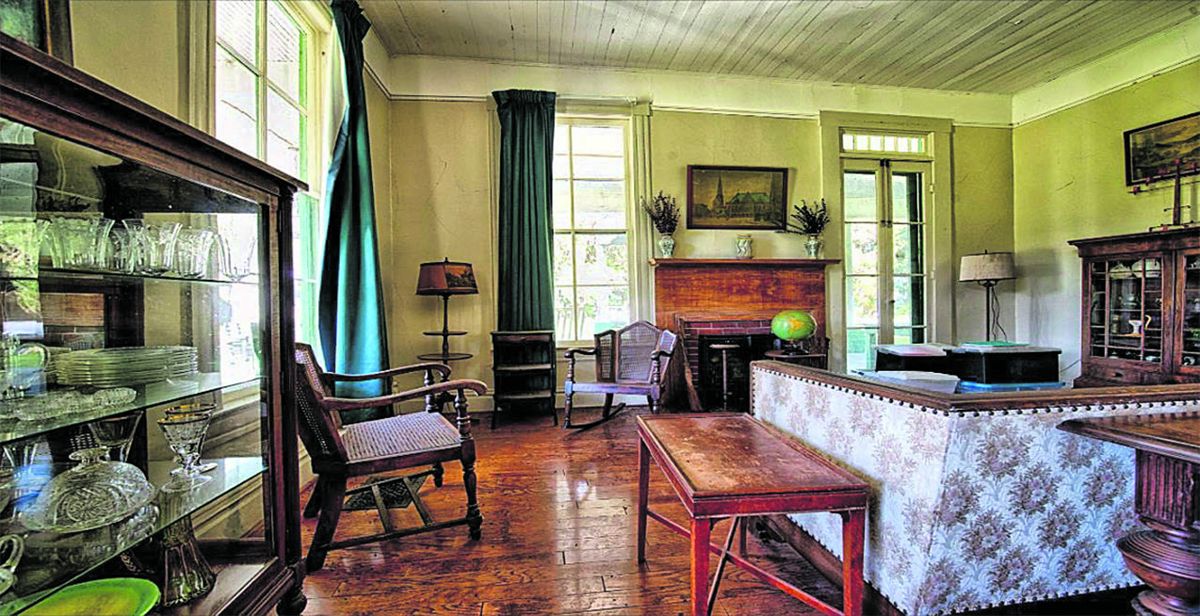
basically finishing the home to its present configuration. A nationally known economist and social service expert, Raymond gained additional prominence for Chinsegut Hill by becoming an advisor to seven presidents, from Theodore Roosevelt to Franklin Roosevelt. Among the many famous guests who visited Chinsegut were Helen Keller, William Jennings Bryan, Thomas Edison, J.C. Penney, Jane Addams, and Marjorie Kinnan Rawlings. During the 1929 Stock Market Crash he gave $250,000 to the First National Bank in Brooksville to prevent its collapse, gaining the everlasting thanks of the Brooksville community. After Robins died in 1954, the property was first leased to the University of Florida, then to the University of South Florida, the non-profit Friends of Chinsegut Hill, and finally to the Tampa Bay Historical Society. The Society is restoring and opening the home for tours under the watchful eye of manager Ross Lameraux. Ross does an excellent job of making visitors feel you are visiting the Ederingtons during the Civil War, talking politics, and fearing Union naval incursions from the river. Thanks to the current preservation efforts another witness to the Civil War has been preserved.
Bruce S. Allardice is Professor of History at South Suburban College in Illinois. He is a past president of the Civil War Round Table of Chicago.
Wayne L. Wolf is past president of the Lincoln-Davis Civil War Roundtable.