
McDonald, Pennsylvania, Emancipation Day Celebration
By John Punola · Originally published February 2021 · p. 36
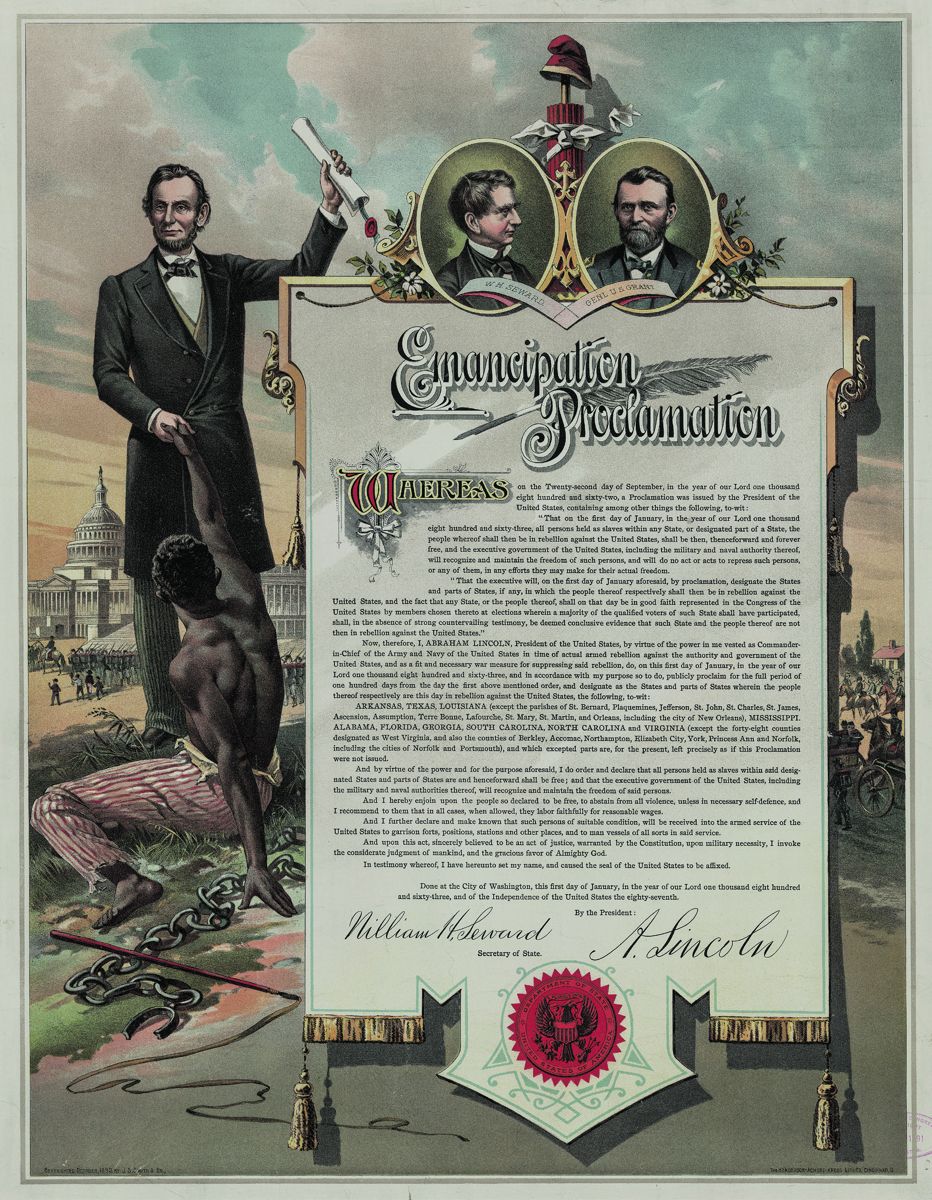
In 1862, the Civil War was going badly for General George McClellan and the Army of the Potomac; President Lincoln was impatiently waiting for good news and a major victory on an eastern battlefield. General Robert E Lee’s Army of Northern Virginia was winning battle after battle and Union casualties were mounting. Even worse, the Northern populace was getting war weary and many were clamoring for a peace treaty with the South. In Europe, Britain and France were closely watching the progress of the American Civil War and were considering open support of the South. Another major Confederate victory could have resulted in official recognition of the Confederacy and, possibly, entry into the war allied with the South.
President Lincoln had decided to issue a proclamation of Emancipation freeing all slaves in territories in the South under Union control. He wanted a major military victory before issuing the proclamation and was pressuring McClellan to take the offensive and defeat Lee, the sooner the better. Then word was received that Lee and his army had entered Maryland and could be moving north to threaten Washington, or perhaps turn due north and invade Pennsylvania. In mid-September 1862, Lee’s army crossed the Potomac River into Maryland; the Union army was alerted and moved to oppose the Confederates. After heavy fighting on South Mountain, a major battle occurred near the town of Sharpsburg, along Antietam Creek, on Sept. 17, 1862. The battle resulted in the heaviest casualties in American history with 23,500 soldiers left dead and dying on the battlefield. Both armies suffered a large number of killed, wounded, and captured, and despite superior numbers, the Union army could not dislodge the Confederates from their defensive positions. That evening General Lee decided to disengage and take his army back across the Potomac River into Virginia to regroup and resupply. The battle produced no winner, but since the Confederates left the battlefield, General McClellan declared victory and quickly sent a wire to Lincoln advising him of his success. Lincoln was hesitant to celebrate, but finally on September 22, 1862, he informed the North and also issued his famous Emancipation Proclamation. On January 1, 1863 President Lincoln signed the proclamation into law effective Jan. 1, 1863. However the Emancipation Proclamation did not produce the desired results and the war continued until April 9 1865 when General Lee surrendered his army at Appomattox, Va., effectively bringing the Civil War to a close even though other Confederate forces were still in the field. President Lincoln envisioned hordes of freed slaves leaving plantations, a movement that was expected to cripple the Southern war economy. Slaves in the Border States and Union occupied territory responded, but slaves in the deep South remained on the plantations. In 1897, the First Baptist Church of McDonald, Penn., initiated their first celebration of Emancipation Day; the tradition was to celebrate the date the Emancipation Proclamation was first issued, Sept. 22, or the Sunday closest to that date. The celebration rapidly grew into a major event with visitors arriving from many states including entertainers, athletes, and marching bands. McDonald, Penn., was now on the list of places to go and the Emancipation observance grew into a major family event. The Emancipation Day celebration continued for 112 years until 2009. At this time, there are no immediate plans to revive the festivities. For most years the McDonald First Baptist Church was the host and organizer; in later years they received valued assistance from the McDonald Pride of the West Lodge 196, the McDonald Elks, and the Good Fellows Club. All major newspapers covered the Emancipation celebration, and in 1916, a Pittsburgh newspaper ran this item on their front page. “One of the most impressive sights seen on Emancipation Day were the old veterans of the Civil War, in full military dress and in perfect step, leading the parade. Here we witnessed those men who had fought along side other Union troops, marching with Old Glory gently waving in the breeze. The old black troopers marched out of Lincoln Avenue to the ball park where comrade George Kimberly was the master of ceremonies. The first speaker up was Banks Holland, who spoke on the freeing of the colored race, what the war was all about and stood for and the ultimate results of the conflict. “Speaker Charles Briceland related some of his experiences during the war and his meeting of slaves in the South, comparing their lifestyles to the Northern black folks. Mr. John Vermillion was the last speaker and spoke of the privileges of present coloreds to those in place before the Civil War. “At the close of the remarks by the Old Veterans, a rising, emotional, vote of thanks was given for their services and excellent speeches, plus a rousing three cheers were given to Old Glory” Great baseball games were played at the Emancipation celebration, with such fabled stars as Satchel Paige from the Pittsburgh Crawfords and Josh Gibson of the Homestead Grays making numerous appearances as they thrilled the thousands of fans who came to see their heroes in action. The McDonald Lyceum baseball team was equally popular and on some occasions played against the visiting black stars. Superb entertainment was always presented as the biggest names in music; the theatre donated their time and talent to be in McDonald for the Emancipation event and such stars as Billy Eckstein, Fats Domino, Walt Harper, Harold Betters, and others displayed their talents to cheering crowds The Annual Emancipation Ball was a event featuring ladies dressed in the day’s finest garb and the men in formal wear. The attendees gaily danced to the music of Ray Charles, James Brown, and other notables. The ball was a high class event that was strongly supported by the public. The ball also selected and crowned Miss Emancipation for the year. Constant entertainment was the norm as the grand parade showcased prominent marching bands featuring talented, high stepping majorettes. The parade included many floats on Lincoln Avenue, the main street of McDonald. Sadly, the Emancipation Day event in McDonald came to an end in 2009. The First Baptist Church and its loyal supporters faced too many obstacles, but the 112 years of a continuous celebration was like a popular Broadway play; it was successful and lived a long and glorious life, but nothing is forever. Thanks are in order to Kelly Sturdivant, First Baptist Church, who provided valuable assistance to creating this historical story.