Blue and Gray Education Society Donates Historical Signage for Fort Branch
Originally published February 2021 · pp. 1–5
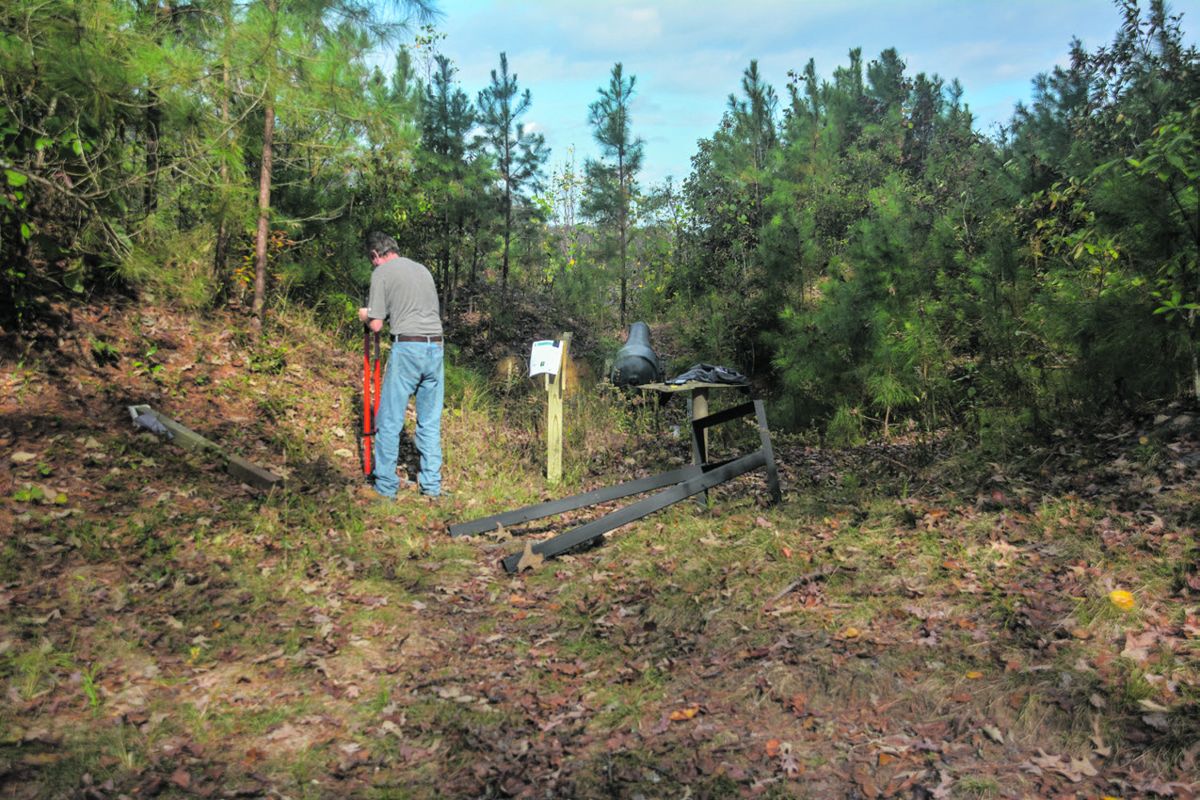
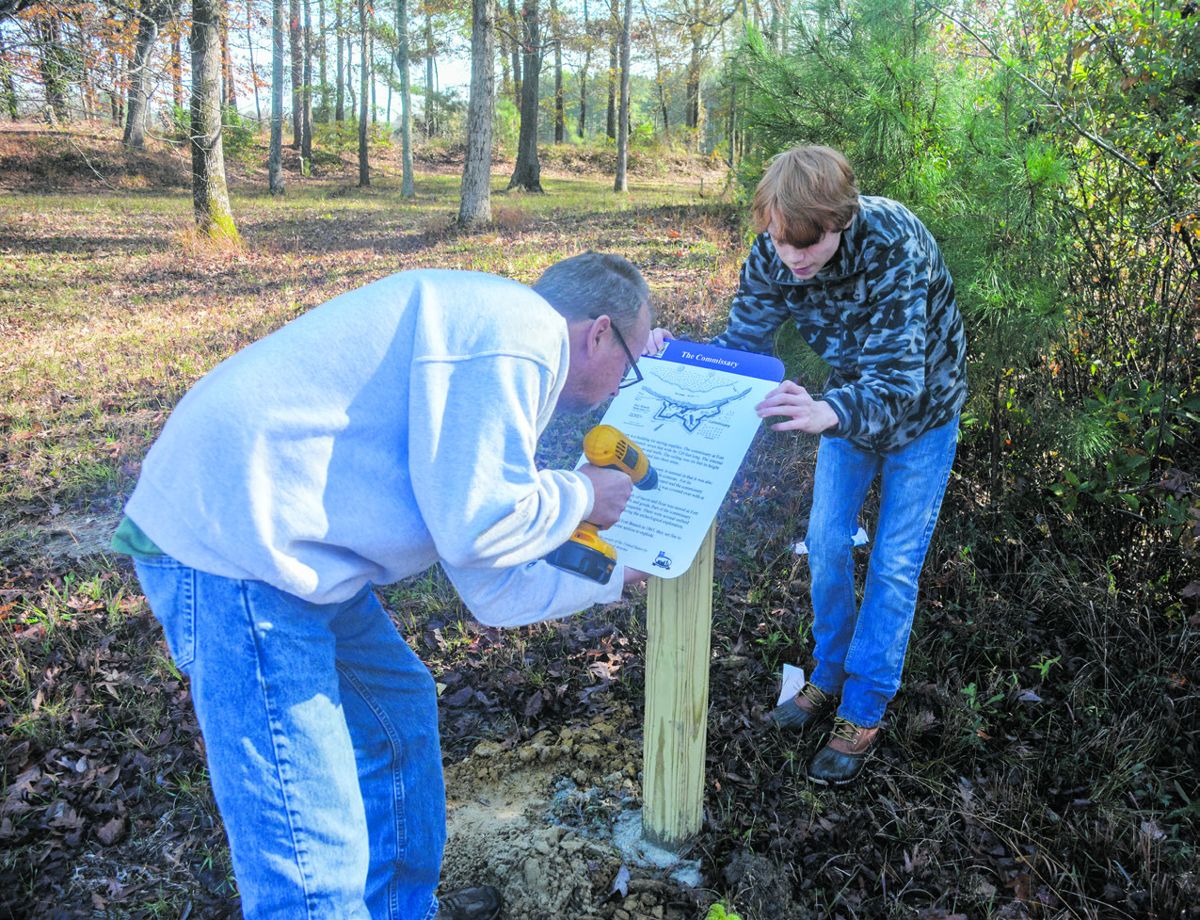
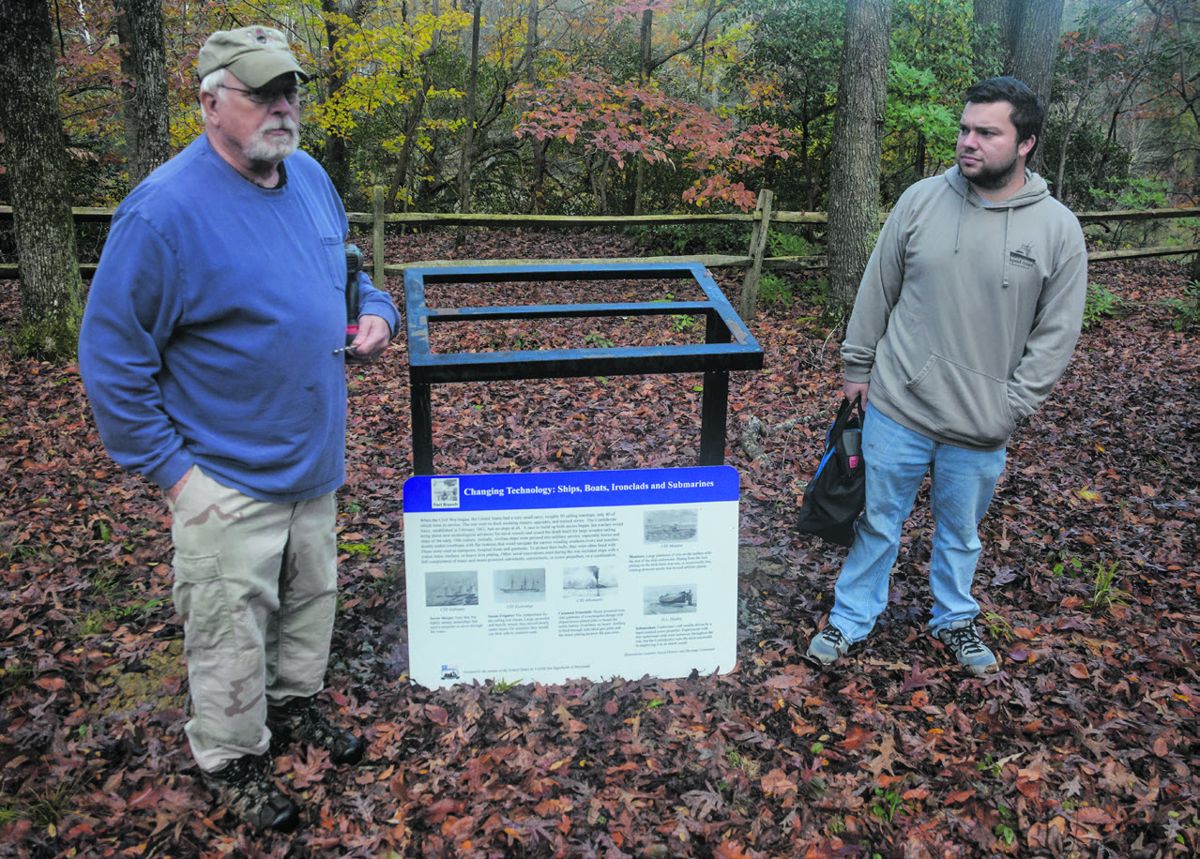
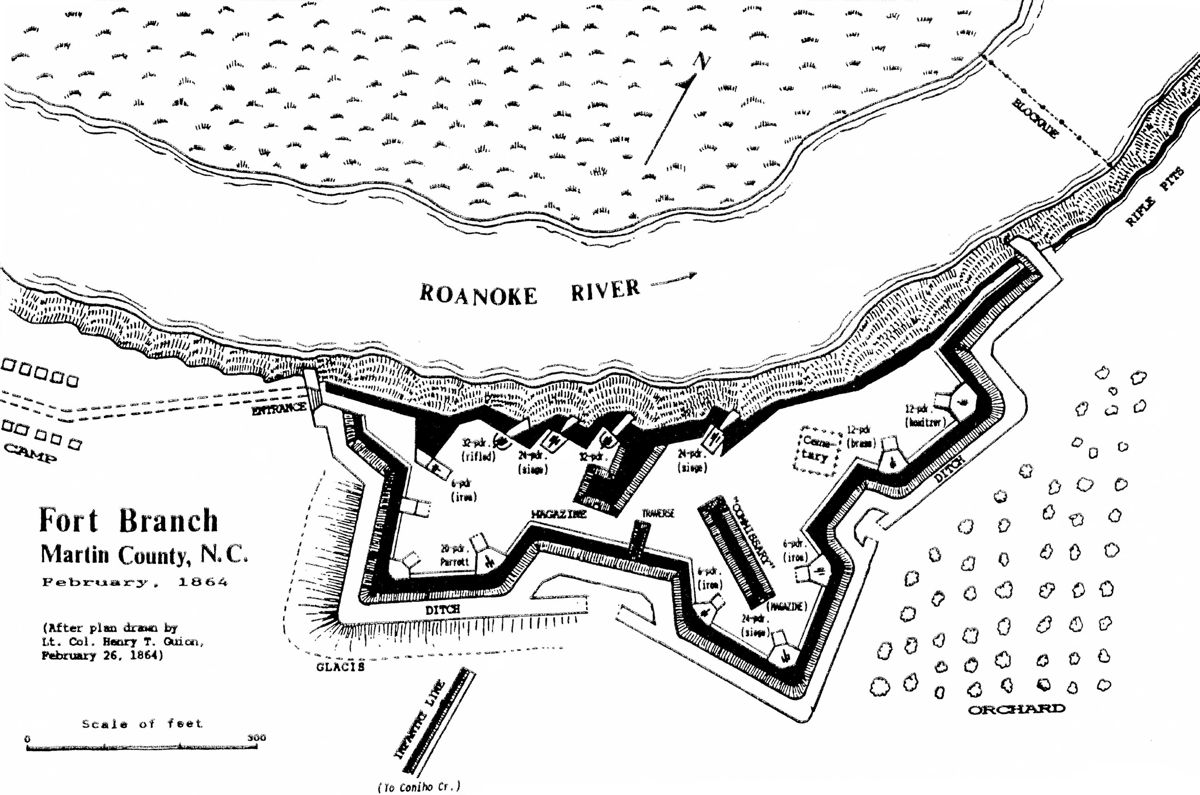
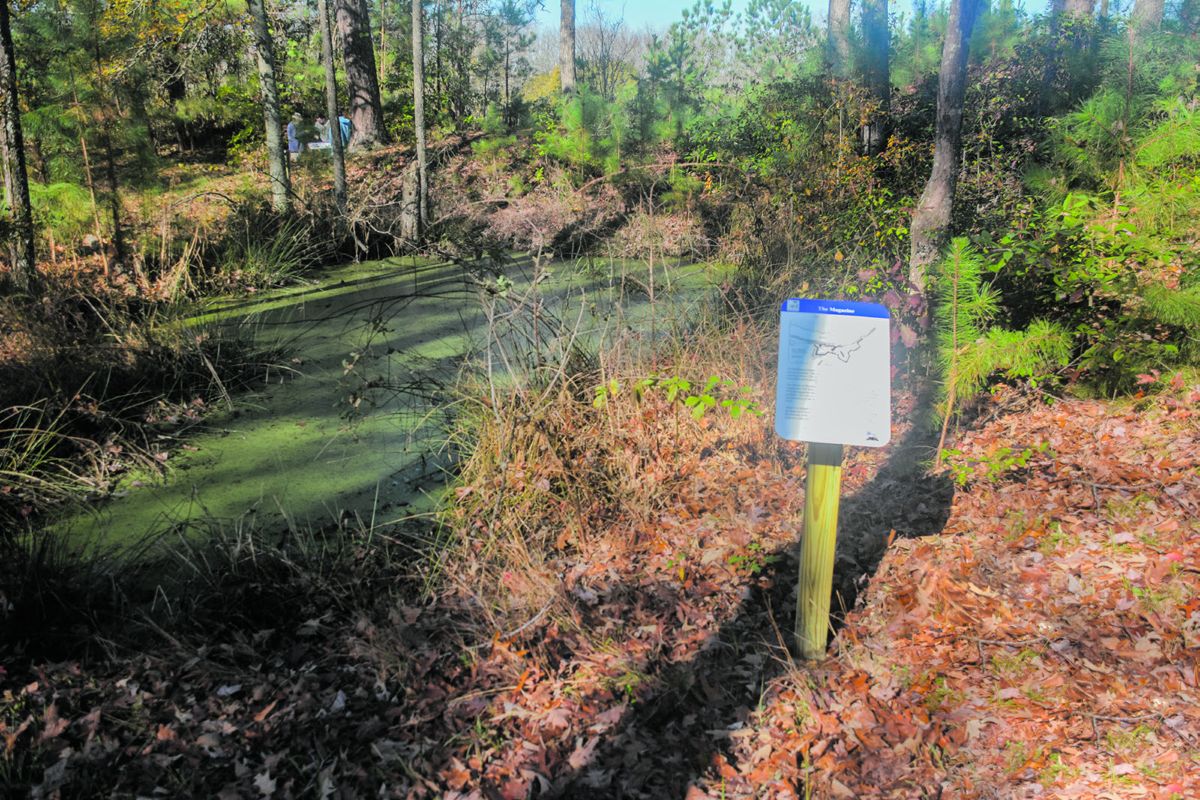
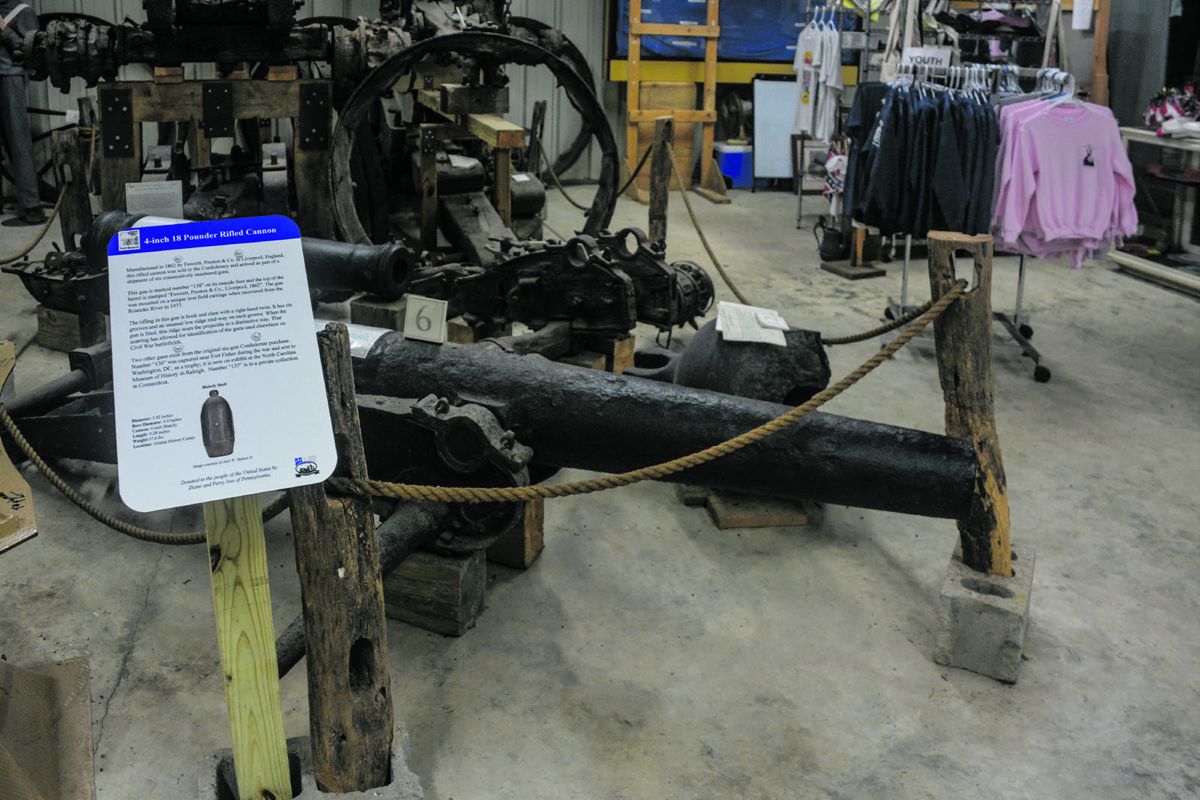
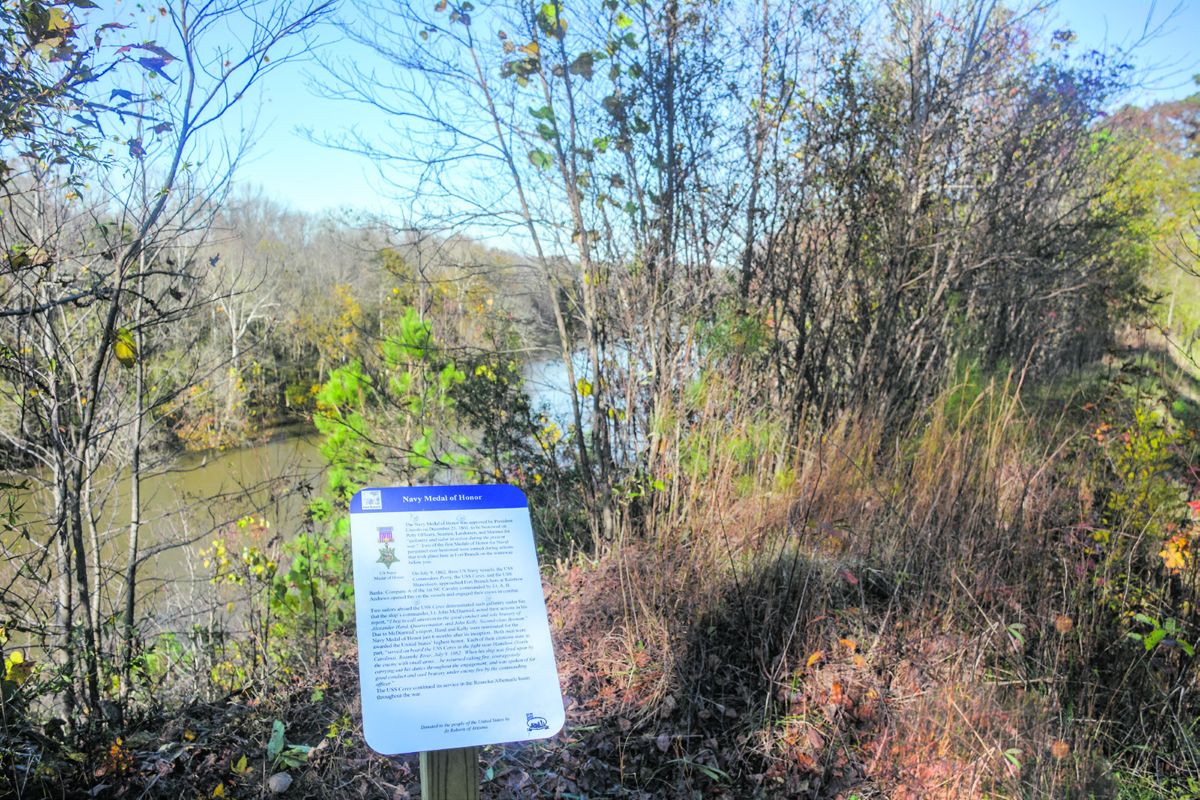
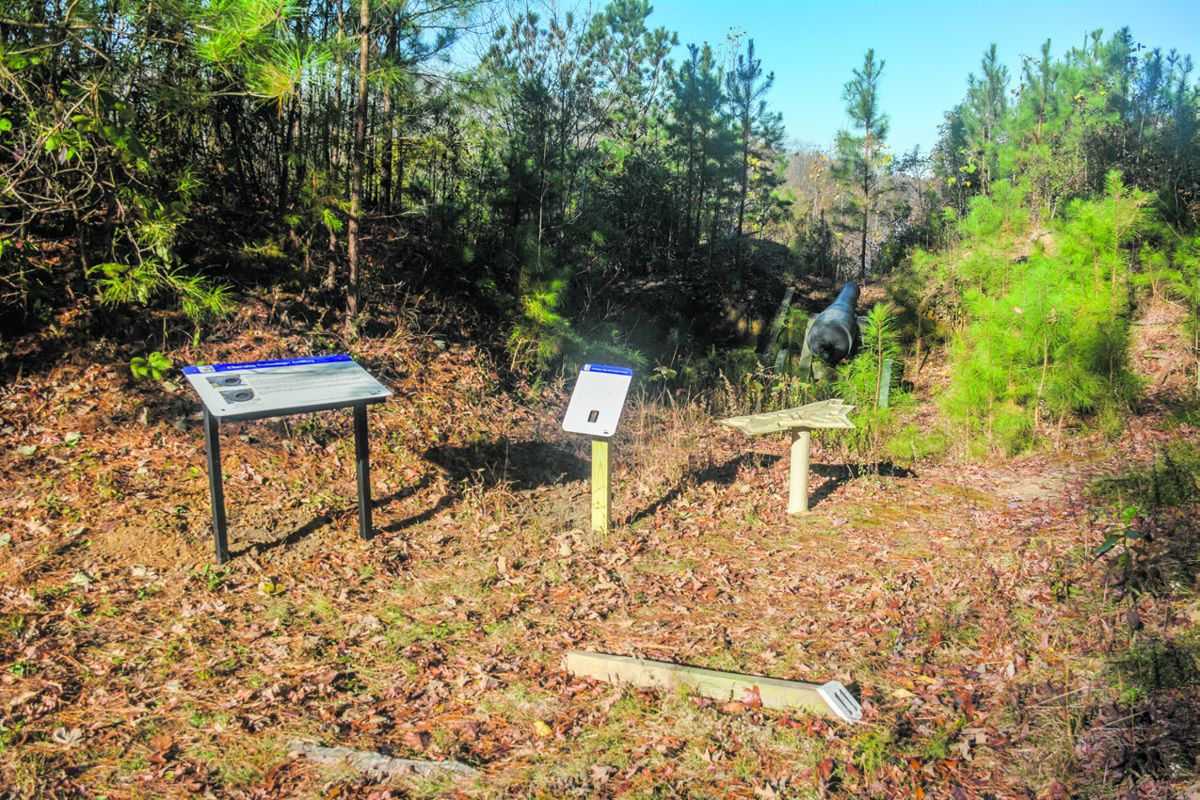
HAMILTON, N.C.—Saturday, November 28, saw the fulfillment of over two years of effort, running through the idea, then planning, and finally the installation of signage for Fort Branch, Hamilton, N.C. The project began with a 2017 Blue and Gray Education Society (BGES) tour’s side trip to the fort. The visitors noted the lack of adequate signs explaining the fort positions, artillery, and its history. The germ started with the visit, then a follow up to find out interest in new signage. Over the next two years, through research, job changes, the covid lockdown, and then more site visits, the final steps were in place. Individual sign sponsors generously stepped forward, the text and imagery were completed, posts were erected, and finally the signs were mounted. The Blue and Gray Education Society is a 501C-3 organization headquartered in Chatham, Va., that supports learning about our history. The Society’s mission is, among other things, to reveal our past for our future through facilitating the study and understanding of the American Civil War. They accomplish this by interpreting and preserving Civil War battlefields and other historically significant places and artifacts. Through the generosity of BGES members and other supporters, the Society focuses on several projects annually. The Society has prepared Preservation Reports for several threatened Civil War sites including the Mobile and Vicksburg Campaigns, as well as Price’s Missouri Raid of 1864. These reports were presented at BGESconducted conferences sponsored by the American Battlefield Protection Program, for concerned citizens and local governments affiliated with the respective campaigns. The report findings were subsequently published and used as definitive guidance for preservation and educational improvements in their locales. The Society has also created an artillery display for the Battle of Raymond, Miss., and helped the Friends of Raymond achieve their goal of being the first significant battlefield to have one restored cannon sited where every cannon was actually positioned during the May 12, 1863, battle. The Society has nearly 200 signs now posted at sites around the country. The BGES provided, in partnership with Chesterfield County, Va., over 40 interpretive markers related to the Bermuda Hundred Campaign. Other sites, supported by the generosity of BGES members, in conjunction with local supporters, include numerous battlefields such as North Anna and Cedar Creek, Va., South Mountain and Crampton’s Gap, Md., Van Dorn’s Holly Springs, Mississippi Raid, Perryville, Ky., and Grand Gulf, Miss. Doug Cumins noted that “We visited Fort Branch on a tour. The fort is in good condition and has most of the cannon originally mounted in the fort and that is very unusual.” Len Reidel, BGES Executive Director, mentioned that Fort Branch was “a target of opportunity. It is exactly what BGES exists for.” The Society felt, that “the Fort Branch volunteers are a small group that could use assistance, and BGES is a group able to provide that assistance.” We offered our assistance because the Fort Branch folks did not know we existed, so if we didn’t volunteer our services, they would likely have never asked. The 18 signs, 12 small, 5 large, and a very large entrance sign, have information about the fort’s history and relationship to the War, the half dozen different cannon types and their particular position in the fort, changing military and naval technology, and the Confederate efforts defending the Roanoke River valley. Not slighting the Federals who tried to eliminate the fort, there is a marker on the river face to two Union sailors who earned the Medal of Honor whilst attacking the fort July 9, 1862. The Medal of Honor sign represents a series of coincidental events. The sign’s origin was in a chance conversation, overheard at Fort Fisher, about an ancestor who earned the medal near Hamilton, North Carolina, the nearest town to the fort. Getting his name led to information about a Union sailor who fought at Rainbow Bluff July 9, 1862. Additional research found the medal’s citation. Other researchers then went through the Official Records and discovered that two sailors earned the medal that day.
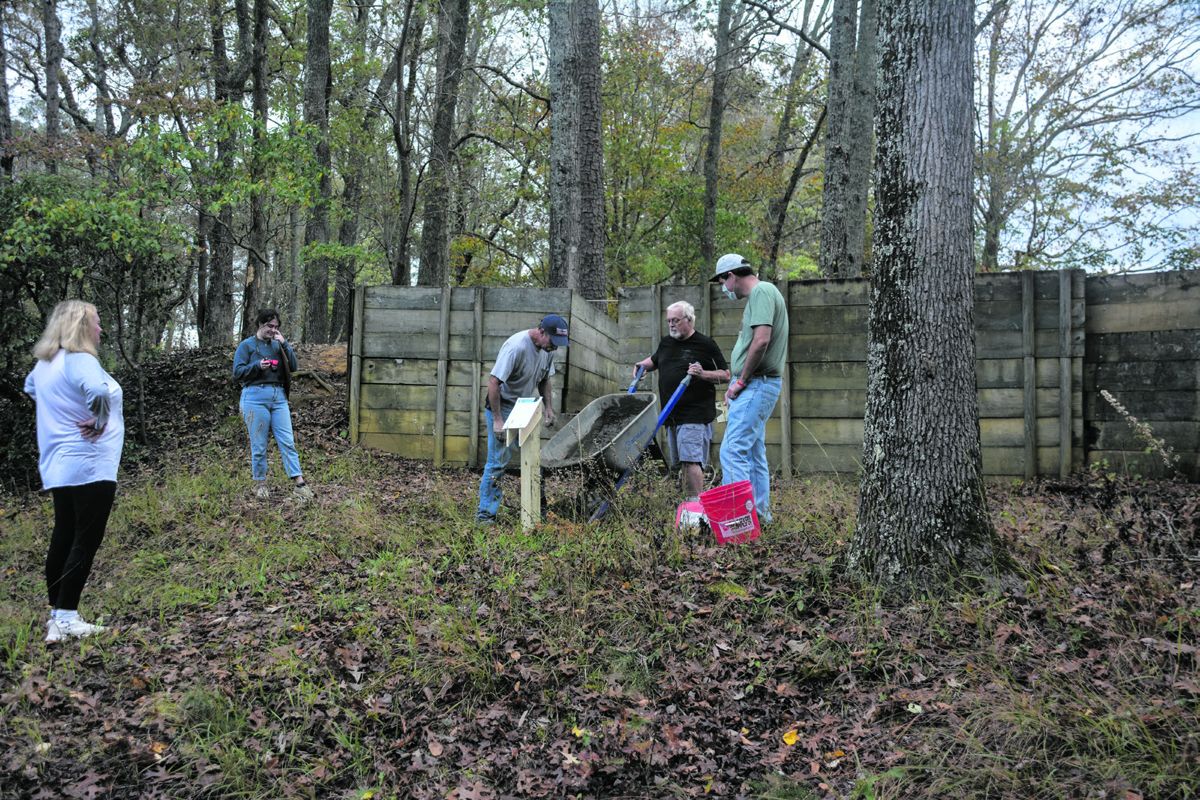
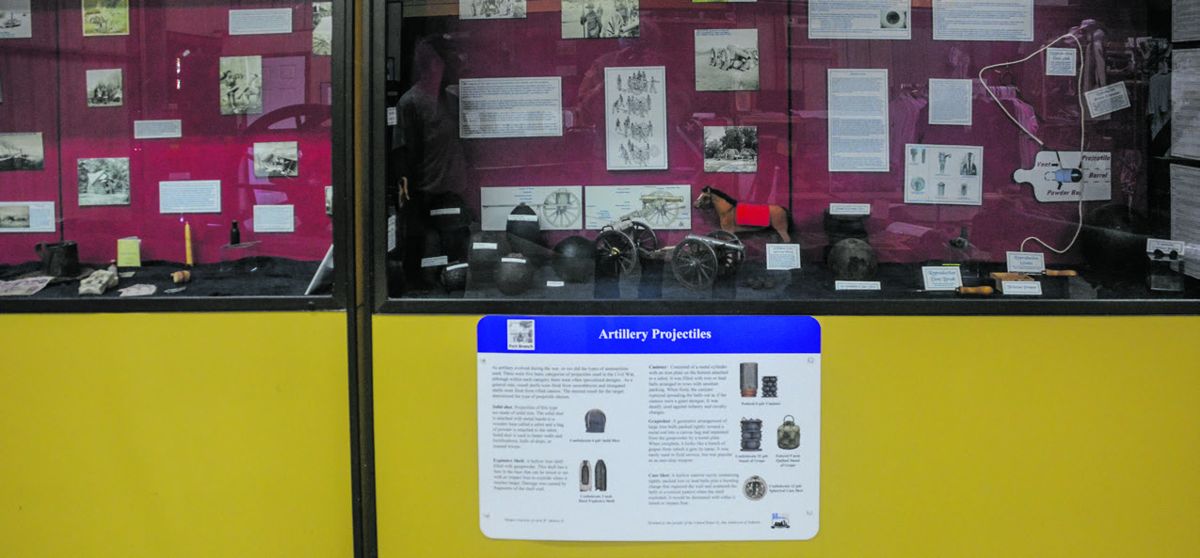
Quartermaster Alexander Hand, a Delaware native, was aboard USS Ceres when it came under fire. Hand was cited for his gallantry when he “courageously returned the raking enemy fire and was spoken of for ‘good conduct and cool bravery under enemy fire,’ by the commanding officer.” Hand survived the war as did the other hero, John Kelley, Fireman Second Class. Kelly, born in Ireland in 1841, also returned the Confederate fire and was cited for “courageously carrying out his duties through the engagement.” He too was spoken of for “good conduct and cool bravery under enemy fire.” Individual BGES donors funded the signs. The smaller signs were credited to individual donors who provided $250 for a specific sign. The larger signs were similarly funded at $500. The contributions represent a sizable contribution from folks who recognized the fort’s importance and wished to support its interpretive efforts. The sign donation represents the largest single monetary contribution to the fort’s operation since the 1970’s, when archaeological and conservation work was undertaken by the Department of Cultural Resources and the University of North Carolina-Wilmington. The fort has since seen additional archaeological work conducted by East Carolina University. The fort, one of the best preserved Confederate earthworks, still has most of its original of Cultural Resources and the Winslow Family, the FBHS society helped with conserving the guns when they were brought from the Roanoke River in 1973 and 1977. Today, assisted by a core group of reenactors (1st North Carolina Volunteers) and the Sons of Confederate Veterans (Bryan Grimes Camp), the society hosts the NPS Park Day every April, a Sunday open house most weekends, a reenactment the first weekend of November, and a Christmas camp in December. During work to erect the signs, an additional fort feature was discovered; at least some river face fortification had infantry positions adjacent to cannon embrasures. This terreplein was not seen before because of tree cover and erosion at other wall sections; the newly cleared area was covered by dense brush that made assessment of the position impossible. To ensure the viewscape known to the soldiers was available for visitors most brush was removed, revealing the infantry fighting position, a flat surface behind the bulwark’s parapet. Similar work at another sign location where no terreplein was observed indicates it underwent probable erosion due to age and foot traffic. Fort Branch has three projects in various states of planning and work. One is reroofing an 1840’s farm house moved to the site. Another is to raise funding for climate control in the museum display cases. A third is planning an archaeological excavation to document cannon positions including the embrasures, platforms, and fort wall components.
BGES contacts: https://blueandgrayeducation.org Email BGESExecutiveDirector@ yahoo.com 434-250-9921
Fort Branch contacts: Fortbranchcivilwarsite.com Email: [email protected]