
American Battlefield Trust
American Battlefield Trust — February 2021
Originally published February 2021 · pp. 38–39
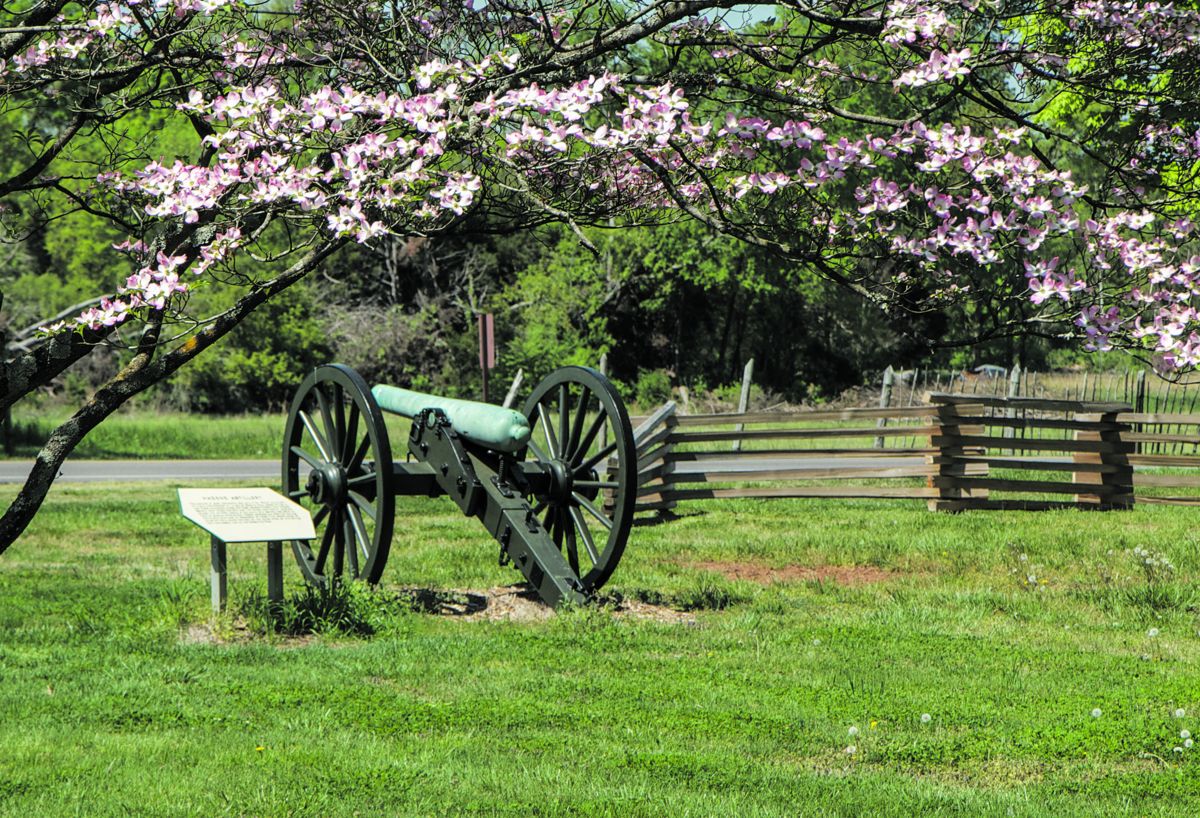
Humbled by Support, the Trust Reflects Upon a Year of Accomplishments Without a doubt, 2020 was a tumultuous year marked by uncertainty in many sectors. Despite having to shift some of our plans and divert emphasis into differing arenas, creating digital education content rather than sending classrooms on field trips, is one example, the Trust was able record a successful year on multiple fronts. For the 22nd consecutive year, the nation’s premier battlefield land preservation organization preserved more than 1,000 acres of precious hallowed ground. That momentum shows no sign of slowing, as we begin 2021 with another 1,000 acres in our preservation pipeline. The organization also experienced a historic volume of young and lifelong learners flocking to its array of educational resources. Our website set records for visitation, including more than 5 million sessions logged by students. Throughout the year we launched hundreds of new articles and videos, averaging more than one new piece of educational content every day, and eclipsed 125,000 subscribers to our YouTube channel. With such success, the Trust remains forever grateful to its supporters, without whom we would not be able save a single acre of land. You empower this organization to live out our creed: Preserve. Educate. Inspire.
Once Lost, 48 Acres in the Heart of the Stones River Battlefield Are Reclaimed In mid-December, the Trust announced that it had miraculously reclaimed 48 critical acres at the Stones River Battlefield in Murfreesboro, Tenn. At the center of the victory is a property that had once been home to a manufacturing plant, but will now unite two previously disconnected wings of the Stones River National Battlefield. With such interpretive value and historic significance, it is no surprise this tract had long been near the top of the Trust’s priority list. “Five years ago, protecting this site seemed an unachievable dream,” said Trust President David Duncan. “But sometimes miracles do happen, so we celebrate one today!” The Trust made its first inquiries into acquiring the site along Interstate 41 in 2014, when it was owned by General Electric. After the manufacturing plant was badly damaged in a storm, GE relocated its operations, tore down the structure, and put the property up for sale for potential industrial or commercial use. The Trust attempted to negotiate a purchase at that time, but the requested price was far outside our range. After languishing on the market, the site was purchased by “https://www.oreillyauto.com/” O’Reilly Auto Parts in 2016; the Trust then approached the new owner to explain the site’s incredible historic significance. “Having it within our power to see that such a piece of truly hallowed ground was protected forever, we decided to work with the Trust to find a win-win solution,” said O’Reilly Senior Vice President of Real Estate & Expansion Scott Kraus. “As a proud American company, it is our honor and our duty to be a good corporate citizen and work for the betterment of our communities.” A willing and generous seller did not negate that industrial land in a highly developed area carries a high price tag; the Trust faced a daunting challenge to meet the $4 million negotiated purchase price. Eligible for both federal and state historic preservation matching grants, the Trust prepared application packages for both the American Battlefield Protection Program (ABPP), administered by the National Park Service, and the Tennessee Civil War Sites Preservation Fund (TCWSPF), administered by the Tennessee Wars Commission under the auspices of the Tennessee Historical Commission. With grants in place, donors stepped in to finish the job; their contributions were matched $33.94-to$1. This work opened the door for protection of an adjacent six-acre parcel. The Battle of Stones River, fought in bitterly cold rain and sleet, resulted in 23,500 casualties and a much-needed, strategic Union victory. The Trustsaved property was witness to some of the fiercest fighting during the battle. It was there on December 31, 1862, that the final Confederate assault against the Union left spilled out of the famous Hell’s Half Acre and gave rise to a deadly contest. Despite the lethal conditions, Chaplain John Whitehead of the 15th Indiana seized the opportunity to provide spiritual and physical aid to his brethren in battle, a brave and selfless act that earned him the Medal of Honor.
Report Explores How to Balance Green Energy, Historic Preservation Goals Virginia is among the many states with a growing appetite for renewable energy resources, especially following the 2020 passage of the Virginia Clean Economy Act, which commits the Commonwealth to 100 percent carbon-free electricity by 2051. With so many eager to find homes for utility-scale solar energy facilities, preservationists in the Commonwealth have raised a very important question: Where will they go? Considering the state’s wealth of historic sites and cultural resources, and the hundreds of acres such facilities may require, the concern is a valid one. However, a new report from the Trust, Cultural Heritage Partners, and Preservation Virginia deems that green energy goals and historic preservation need not be mutually exclusive. The report, Siting Solar in Virginia, draws from real-world cases and offers a roadmap for how solar developers can thoughtfully address historic resources. Suggested methods include mechanisms to proactively engage with the State Historic Preservation Office and preservation advocates, with one case study also detailing a pioneering mitigation strategy for instances where adverse effects to battlefield lands cannot be avoided. Read the full report, Siting Solar in Virginia: Protecting Virginia’s Historic Landscapes While Meeting State’s Clean Energy Goals, at HYPERLINK “http://www.battlefields.org/solar”www.battlefields.org/solar. Read the full report, Siting Solar in Virginia: Protecting Virginia’s Historic Landscapes While Meeting State’s Clean Energy Goals, at www.battlefields.org/solar.
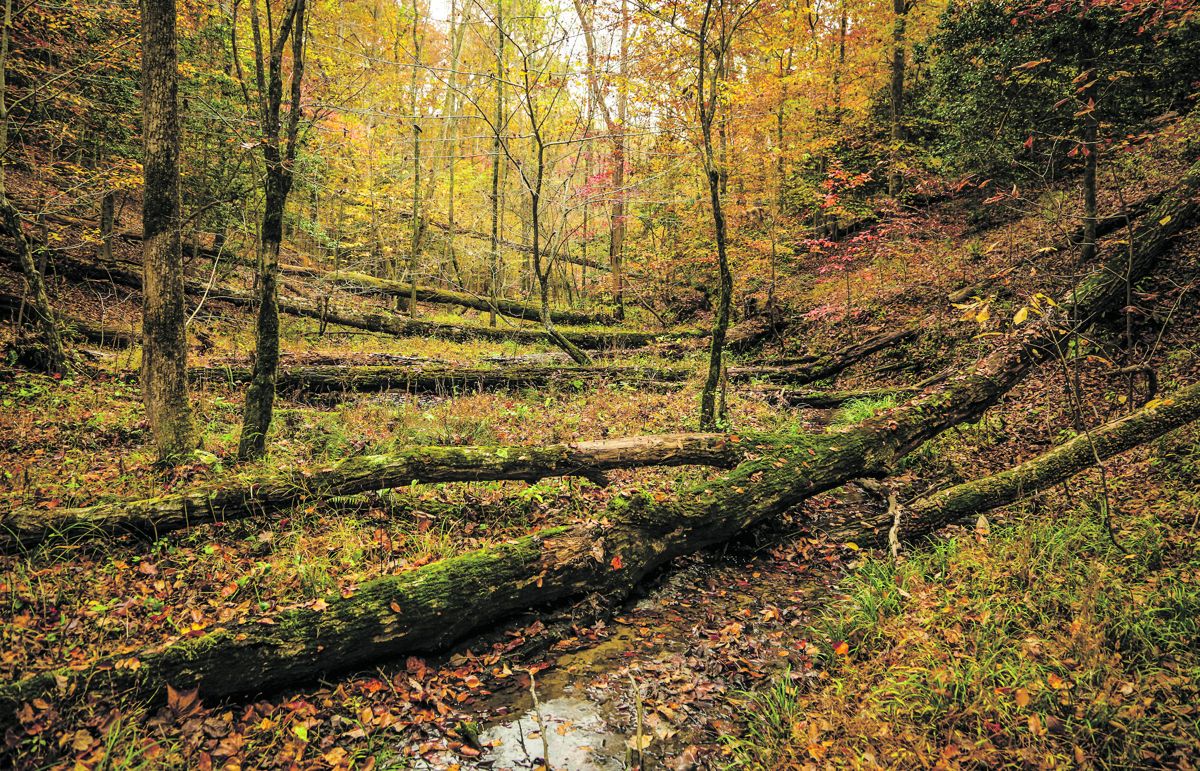
Working with The Colonial Williamsburg Foundation, 29 Acres Saved at the ‘Bloody Ravine’ Demonstrating the power of partnerships, the Trust joined forces with The Colonial Williamsburg Foundation to complete protection of 29 acres that played a critical role in a Civil War battle set amid an area more frequently associated with Revolutionary War history. The effort was largely supported by grant funding from the National Park Service’s American Battlefield Protection Program and the Commonwealth of Virginia. Fought on May 5, 1862, the Battle of Williamsburg was the largest engagement fought in Virginia up to that time. Acknowledging the Foundation’s important role, Colonial Williamsburg President and CEO Cliff Fleet said, “The story of America is dynamic, and Greater Williamsburg is rich with places that figure prominently in that story. It was our honor to ensure that this historic landscape is safeguarded by an organization uniquely situated to interpret it. The work of the American Battlefield Trust to preserve this important piece of Civil War history adds to the diversity of offerings for visitors interested in a more complete understanding of the Battle of Williamsburg and provides an economic boost to local businesses.” When announced in May 2020, the Trust emphasized the extraordinary investment that the opportunity represented. Between a seller donation and anticipated grants from federal and state governments, donor contributions were matched $220-to-$1. The large multiplication factor drew immediate attention and the Trust swiftly raised the amount needed to secure the property. Fundraising complete, the Trust awaited grant decisions and dispersals before completing the transaction shortly before Christmas. The project also has incredible potential to expand the historical narrative. Interpretation opportunities include the experiences of seven American soldiers who earned the Medal of Honor for their valor at Williamsburg, as well as important stories of often overlooked African American involvement in the Civil War. The outcome of the Battle of Williamsburg was greatly influenced when members of the enslaved community that built the Confederate fortifications offered the Union army intelligence about unoccupied positions, enabling them to gain a protected foothold on their opponent’s flank.