Wallace Diary
By Bob Ruegsegger · Originally published December 2021 · pp. 20–21
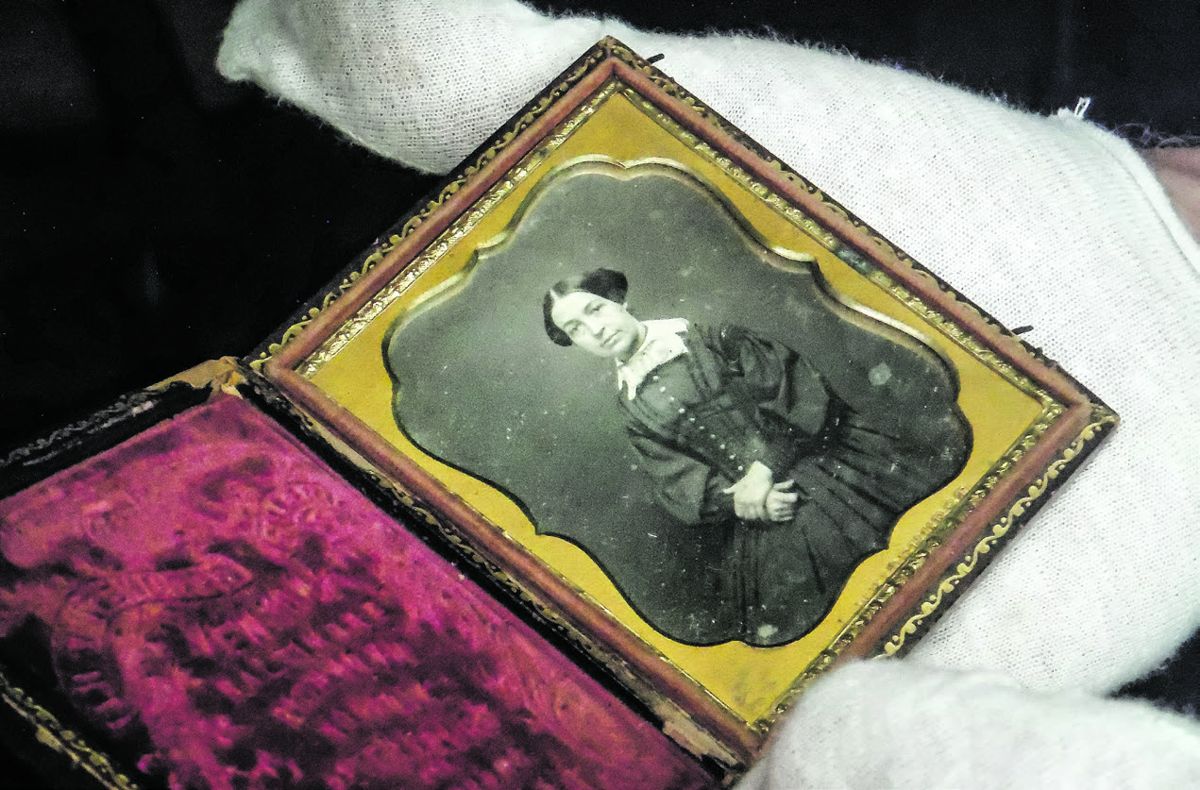
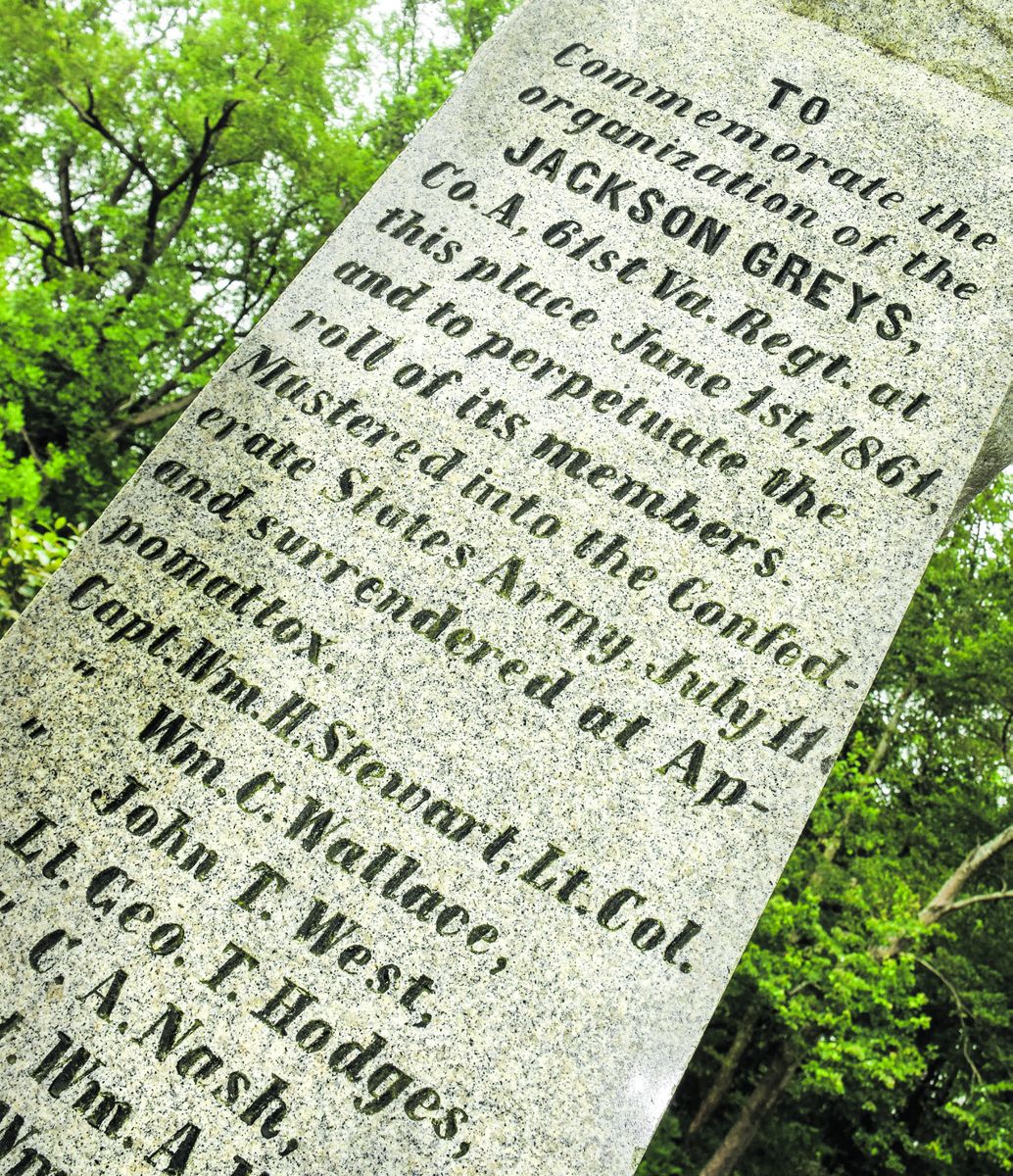
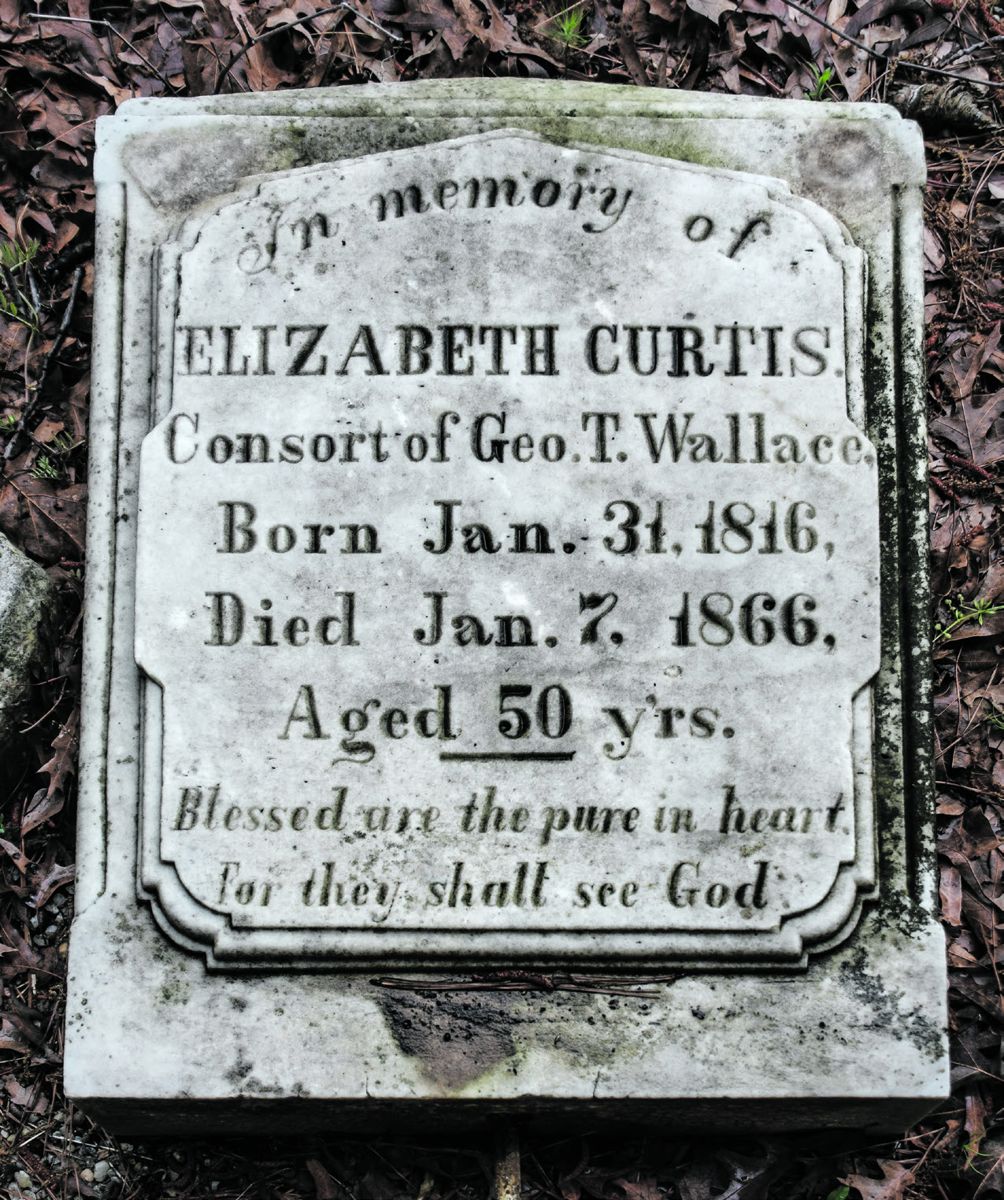
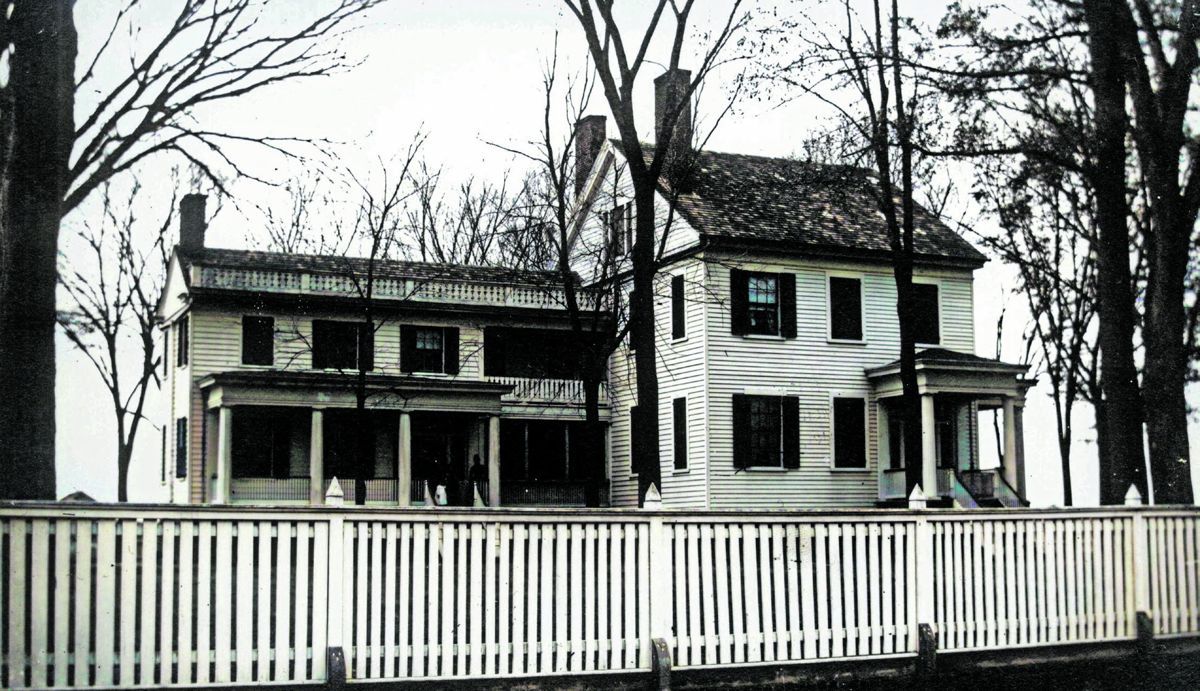
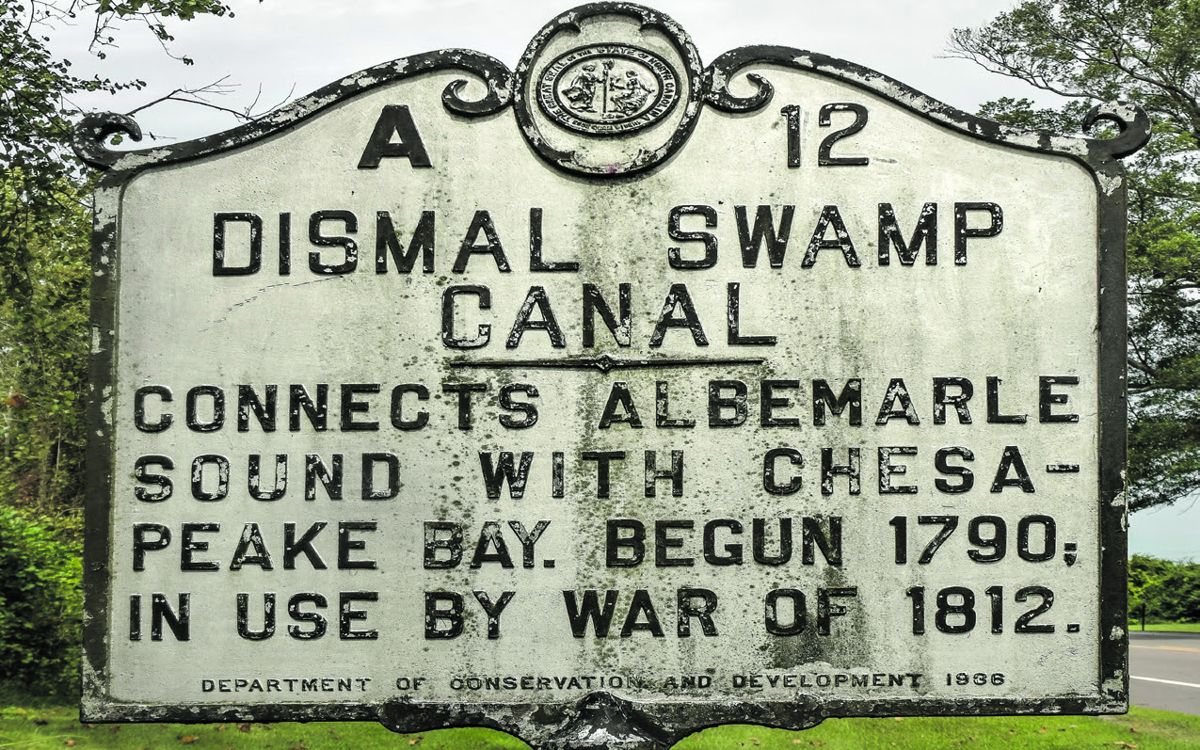
Before the Civil War, Elizabeth Curtis Wallace enjoyed a modest literary career. She wrote a host of articles for Norfolk, Suffolk, and Elizabeth City newspapers. Wallace contributed religious pieces to Presbyterian Magazine, submitted poems, and offered letters to other newspapers and magazines under her pseudonym, Allie Zandt. Glencoe Diary, her war-time journal, chronicles plantation life in Norfolk County, Va., from April 1863 through December 1864. Her log is a very intimate narrative of home and family life interwoven with Civil War events of significant historical importance to the people of Norfolk County. Elizabeth McIntosh (Curtis) Wallace was born Jan. 31, 1816, in Chillicothe, Ohio. She was educated at Cortland Female Seminary in Troy, N.Y., where her literary interest was cultivated and developed. When the Curtis family resided in Deep Creek, Norfolk County, Va., Elizabeth Curtis met George Wallace whose family had lived in the county prior to the American Revolution. They married in February 1835. By 1840, they had two children, Mary Elizabeth Wallace, and John G. Wallace. George Wallace possessed considerable vitality, tended to be domineering, and was quite ardent about his preferences and animosities. He was particularly absorbed in agriculture, lumbering, and improving his plantation on the banks of the Dismal Swamp Canal. In addition to her assorted literary pursuits, Elizabeth Curtis Wallace was particularly attracted to political and governmental topics of her day. She was not the least bit reluctant to express her personal thoughts on a range of evolving political issues. The Wallace’s began building the first section of their home, called Glencoe (circa 1841), on the Dismal Swamp Canal near the Northwest Canal Locks in Deep Creek. Over the next decade, they added four more children to their expanding household: William Curtis, George Walke, Nannie Curtis, and Kate Darling. Glencoe was a three-story frame structure built over a substantial brick basement. The Wallace plantation manor house was impressive in both size and elegance. The rooms were light, well-ventilated, and pleasantly designed. A curvilinear wooden staircase rose grandly for three floors. The residence was built for affluent living and splendid entertaining. Prior to the Civil War, Glencoe was a cheerful place filled with singing, laughter, and music by the Wallace children. While parties were occasional, Elizabeth Wallace welcomed them. She especially encouraged the small friendly gatherings to help young folks get acquainted. Elizabeth Wallace and her family at Glencoe, as with many other families throughout the nation, had disparate perspectives regarding the conflict that was rapidly developing. “It is supposed that Virginia passed the ordinance of secession this morning. God have mercy on us,” she wrote on April 17, 1861. “I hope that I shall not live to regret that I have a grown son.” Her sons, on the other hand, entertained visions of martial glory. Her son William and his neighbor William Henry Stewart met with other local men and formed a company called the Jackson Greys. William Stewart was chosen as captain and William Wallace was selected as first lieutenant. Twenty-one-yearold John Wallace was a major in the militia and engaged in raising a company of his own dubbed the Blanchard Greys, that became Company C, 61st Virginia Infantry Regiment with John Wallace as company commander. Youngest son George Wallace was conscripted into the army. His brother John bought a telescope for $100 in Richmond, gave it to him, and arranged for George to serve in the signal corps. Throughout her two-year diary, Elizabeth Curtis Wallace made an impressive adaptation from the “attended lady of the plantation” to one who must tend to the operation of her once prosperous estate and the well-being of its inhabitants. Her transition from being served to providing for the needs of her family and neighbors is impressive evidence of her self-reliant character. Following the Confederate evacuation of Norfolk and Portsmouth in May 1862, the Wallace family at Glencoe found itself stuck in a no-man’s land. Confederate forces frequently visited Glencoe, and Federal forces used the Wallace plantation as a Union campsite on other occasions. Wallace’s Glencoe Diary was written during the Union occupation and reflects the frequent havoc caused by oppressive Federal operations in the region. Her diary began on Wednesday, April 1, 1863. The weather was fair with a cold north wind. Her morning was dedicated to cleaning up the school house in preparation for the commencement of classes the next morning. Mr. Wallace traveled to South Mills and had not yet returned home. She wrote of a young waiting for a horse who made several unsuccessful attempts to procure one. While the soldier waited for the arrival of his steed, he played games with the children. It reminded the Wallaces of the times when their “own dear boys” were at home. It’s a typical journal entry documenting the weather and mentioning family activities. It also includes a passing reference to the war. Word reached Glencoe that fighting continued on the Peninsula; the Confederates were falling back from Suffolk and Hooker’s army had been “thrashed by Lee” on the Rappahannock River. “We feel very sure that our dear boys John and William are or have been in some of the engagements, either on the Rappahannock or on the Peninsula,” wrote Elizabeth on May 4, 1863, in her diary. “We long to hear from them. It seems so long since we last heard.” George and Elizabeth had “no doubt in our minds” that their sons had suffered greatly in the last battle and were perhaps killed. “We heard today that William’s Company suffered severely and all that were not killed were taken prisoners,” wrote Elizabeth. “O God how long? How long must this suspense continue?” Elizabeth managed to raise her spirits by trusting in the Lord’s mercy to protect her sons. Her spirit was assailed by a new burden when two Federal officers rode up in her yard and waited a half hour for her husband to return from visiting a neighbor. The soldiers arrested George Wallace politely. They waited patiently for him to pack a valise and set his domestic affairs in order. Wallace was told by the officers that he was being charged with “entertaining blockade runners.” “This we have never done by design, but could not turn them from our door,” wrote his spouse. “Well. He is gone. He may return in a day or two. He may be sent to hard labor for months in a dreary prison. May God have mercy on him and us. God give me patience and faith.” Her husband’s arrest inspired
An Unembellished Account of Home Front Family Life
Elizabeth to hide her diary. She suspected that the Yankees might soon search her home and that her daily journal might have some incriminating tales to tell. From a newspaper, Glencoe received the “sad intelligence” that the “beloved and brave Jackson” has died. “Stonewall Jackson was wounded in the late great Battle of Chancellorsville in the right hand and left arm. His arm was amputated, above the elbow,” wrote Elizabeth Wallace. “He died as soldiers like to die.” While George Wallace was imprisoned in Norfolk, news regarding the fighting and heavy casualties at Gettysburg arrived at Glencoe. Accompanied by relatives and friends, Elizabeth Wallace visited her incarcerated husband repeatedly in futile attempts to secure his release. After several months of imprisonment, George Wallace was convicted and summarily fined by a military court. Finally, he was released and allowed to return to his home near Deep Creek. “Poor George! His imprisonment has subdued and softened his character considerably,” wrote his wife upon his return. The presence of Union troops became ubiquitous as operations against Confederate guerillas and punitive strikes against their local sympathizers escalated.
Picket stations and guard posts were established on all bridges, primary roads, intersections, and railroads between Western Branch and Dismal Swamp. General Edward Wild commanded a brigade of Union troops and “adopted a more rigorous style of warfare.” He burned houses and barns, seized horses and mules, ate up livestock, and took civilian hostages. “It seems from all we can read and hear that Butler [General Benjamin “Beast” Butler] will force upon us the Oath of Allegiance or require us to abandon our property and go into the Confederacy,” wrote Elizabeth Wallace in her diary. “We are in a quandary. What shall we do?” George Wallace avoided the unsavory swearing of an oath of allegiance in exchange for his solemn promise to General Getty to act as a loyal citizen and engage in no proscribed activity. In March 1864, George Wallace was arrested again. The charges proved without merit; he was released and allowed to return to Glencoe. “We have determined to spend our days here if the enemy will allow us. If they take Virginia from us, then we will remain under their government for the sake of keeping Glencoe,” wrote Elizabeth Wallace. “So we really stand in neutral ground though our hearts are with the South.” Newspapers contained reports of terrible battles. The carnage described was awful. The Wallaces’ sons, in Mahone’s Brigade, were fighting valiantly and doing “terrible work against the foe.” ”Our darling John and William are there. Hardly less than fifty thousand have been killed and wounded,” Elizabeth Wallace wrote. “We continue to feel great anxiety about our boys.” Captain John G. Wallace was wounded at the Battle of the Crater near Petersburg. Wounded in the thigh, Captain Wallace refused to permit his men to remove him from the field until the battle was over. As the months passed in 1864, the fighting continued. O this is a fearful blow to our For Southerners, like the hopes and plans for the future,” Wallaces, the battle reports are wrote his mother in her journal. largely discouraging; but there “Our darling son, so young, so is still hope and an occasional promising. He was 22 years of Confederate victory, such as that age on the 23rd of last March. of the ironclad CSS Albemarle on Poor dear William.” the Roanoke River at Plymouth, George T. and Elizabeth Curtis N.C. Wallace and their children, except “Butler and his negro troops for their beloved son William, are stealing, devastating, and survived the war. murdering everything they can Elizabeth Curtis Wallace died up the James River, but have at age 50 on Jan. 7, 1866. Seeking not taken Fort Darling,” noted new feminine companionship, Elizabeth Wallace. “Our army her husband George T. Wallace in Louisiana has whipped the remarried at age 62. His young Yankees out and out.” bride was a girl of about 18. Captain William Curtis According to their eldest Wallace was wounded at the daughter, Elizabeth “Betty” Battle of Weldon Railroad. Wallace Ferebee, his children Wounded in both legs and left were vehemently opposed to him on the battlefield, William marrying anyone, particularly a Wallace was captured, taken to a young girl. They quickly, tongue Union field hospital, and treated in cheek, dubbed their father by Surgeon W.N. White. His “1862.” left leg was amputated. Three days later, he died “in the full Elizabeth Curtis Wallace’s enjoyment of Christian faith.” Glencoe Diary was edited by “Today we received the painful Eleanor P. Cross and Charles intelligence of the wounding and B. Cross Jr., then published by death of our dear son William. the Norfolk County Historical Society of Chesapeake in 1968.
Bob Ruegsegger is an American by birth and a Virginian. His assignments frequently take him to historic sites throughout Virginia, the Mid-Atlantic, and the Southeast. His favorite haunts include sites within Virginia’s Historic Triangle— Jamestown, Yorktown, and Williamsburg. Bob served briefly in the U.S. Navy. He is a retired educator and has been an active newspaper journalist for the last twenty years.