
From Gettysburg to the First Major Baseball League
By Carl L. Sell Jr. · Originally published December 2021 · pp. 14–15
After reading about the preservation of Baseball Hall of Famer Eddie Plank’s grandfather’s farm at Gettysburg in the July CWN, a group of Civil War and baseball fans from Missouri contacted the author and asked for a story about any Civil War veterans who played in the major leagues after the war. Ironically, the author had already begun research for such a story. by Carl L. Sell Jr. There were scores of Civil War veterans who played professional baseball at high levels after the war. A few made it to the “big leagues,” beginning with the National Association in 1871. Two who did were members of a New York infantry unit that gained fame at Gettysburg on July 2, 1863.
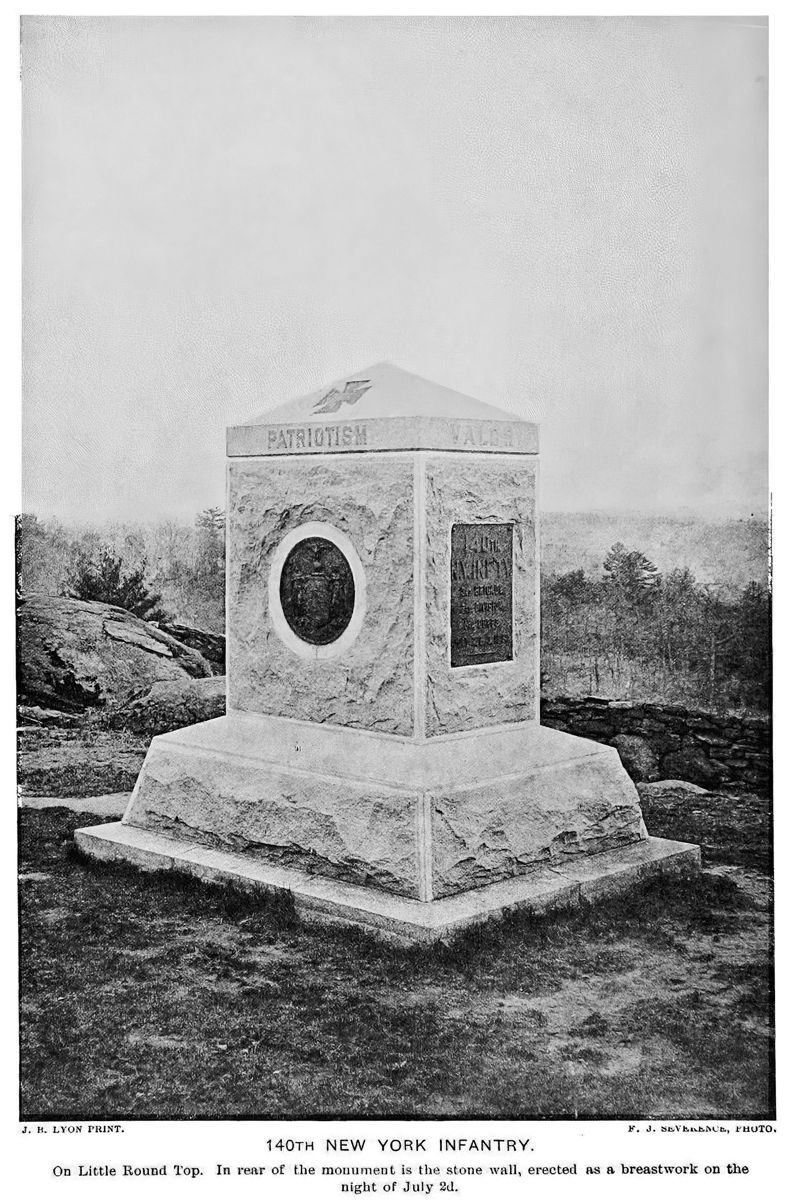
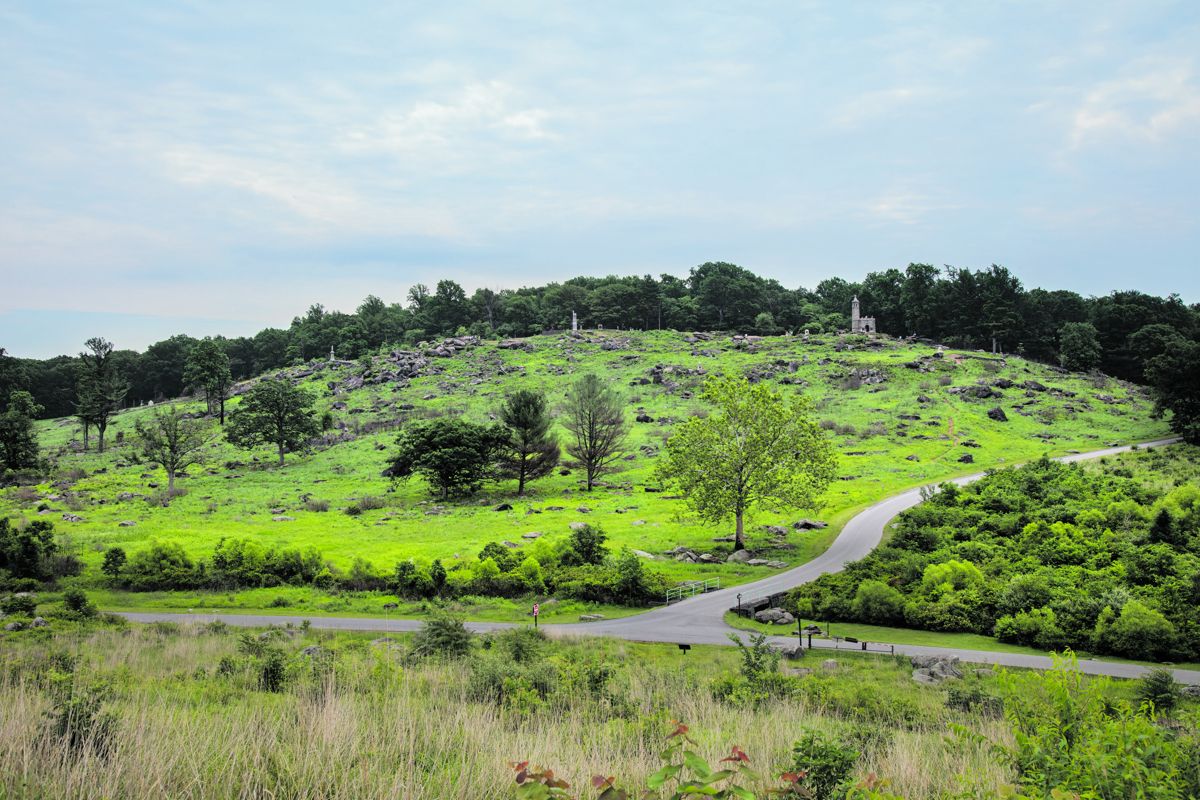
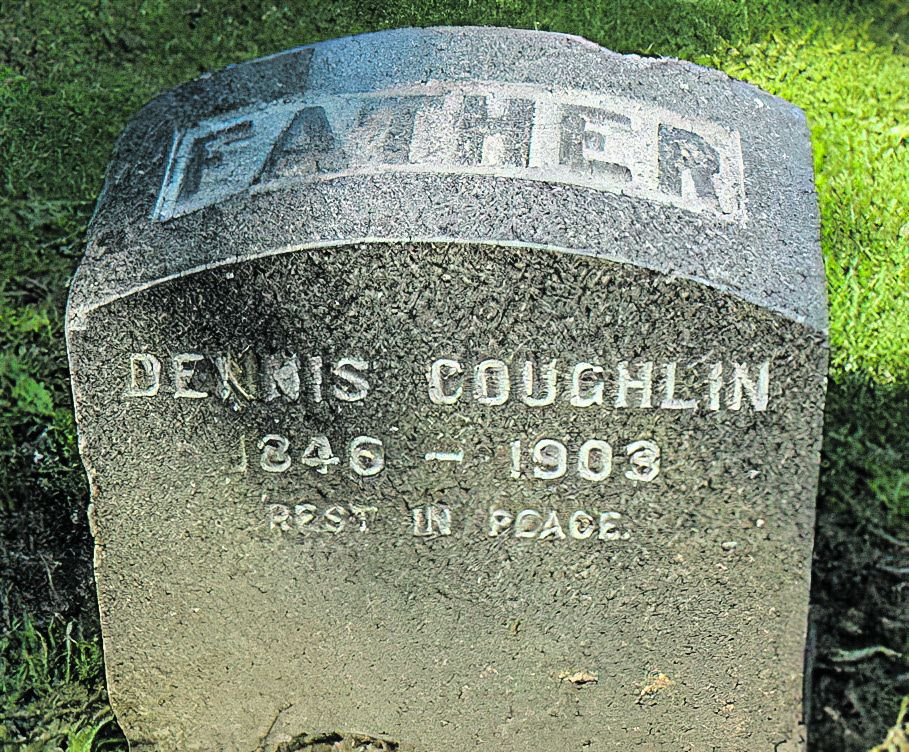
Harry Berthrong. Henry Washburn (Harry) Berthrong joined Company E, 140th New York Volunteers in August 1862. He later played for the Washington Olympics in 1871. He also had played for the team starting in 1865, when it was affiliated with a group of professional teams that had yet to achieve major league status. Berthrong was a man of many talents who excelled at portrait painting and music as well as sports. He once drew the attention of President Abraham Lincoln, who saw him working at his easel on the White House lawn. Lincoln admired the work and provided Berthrong with a handwritten extension of his army furlough so he could finish the painting on site. Dennis Coughlin was a member of the 1872 Nationals team that played only a handful of games that season. He was a member of the 140th who was wounded at Petersburg in 1864. He is believed to be the only wounded Civil War veteran who played major league baseball. He enlisted as a private, was promoted to corporal before Petersburg, and finally sergeant near the end of the war. The 140th was organized September 13, 1862, and included many soldiers from the Rochester area. It saw duty at Fredericksburg in December 1862, and Chancellorsville in May 1863, with limited losses in those engagements. The unit gained fame at Gettysburg, where a monument next to the castle on Little Round Top marks the New Yorkers’ role in thwarting a Confederate attack. Colonel Patrick O’Rorke, who led the 140th and was killed that day, is memorialized on the large stone. O’Rorke and his unit were marching across the north slope of Little Round Top when they were summoned to help comrades in danger of being overwhelmed by a Confederate assault that could have rolled up the left flank of the entire Union army. The colonel was shot in the neck and killed, but his troops forced the Confederates to fall back. Although the novel Gettysburg and the 1993 film based on it focuses on the 20th Maine and its commander Joshua Chamberlain, the decisive action by the New Yorkers was just as important to the Union victory at Little Round Top that day. Confederate veterans from Alabama and Texas, backed by sharpshooters in Devil’s Den across the valley below, almost succeeded in turning the Union flank before being forced to retreat. In 1864, the 140th was part of Lieutenant General Ulysses Grant’s Overland Campaign, fighting at the Wilderness, Spotsylvania Court House, and Cold Harbor. There is a marker for the unit at The Wilderness, where it suffered 23 killed, 118 wounded, and 114 captured or missing. The 140th fought on until the surrender at Appomattox April 9, 1865. Both Berthrong and Coughlin had played for the Rochester, New York, Race Horses baseball team before the war. They were recruited to play in Washington by Hugh McCullouch, the former Comptroller of the Currency in the Treasury Department, who used clerkships at the Treasury as an incentive to bring them to Washington. Like Berthrong, Coughlin came to Washington and played baseball with professionals until the first major league was formed in 1871. The following year, Coughlin was listed as an outfielder and playing all infield positions except first base. Although he played in only a few games, Coughlin amassed 37 hits for a .324 average. Little is known about Coughlin’s personal life other than he worked 40 years as a government clerk in the Treasury Department. Census records for 1870 and 1880 list him as having a wife named Mary. He died at age 69 at a rooming house on E Street in Washington and is buried in Arlington National Cemetery. The obituary in the Thursday, May 15, 1913, edition of the Washington Times lists heart attack as the cause of death and says a daughter, Mary Topham, of Rochester, N.Y., made arrangements for his burial.
Headstone Coughlin.
of
Dennis
Berthrong was flamboyant and a man of many talents in everything he did. He played baseball in an era where gloves were unknown, including the catcher, and was a renowned painter of portraits of presidents and famous actors. A sprinter, his obituary claims he was unbeaten in 26 100-yard dashes, frequently being timed in 10 seconds flat.
A rower, he pulled an oar with the famous Potomac Four, a team that won the U.S. championship in 1869. In addition, it says Berthrong was an accomplished bowler and a first-chair violinist for the Grand Army of the Potomac Post 36, a well-known orchestra. He married at least twice, to Anne Louise Thompson in 1864 and Hannah Boutwell in 1873. Berthrong died on April 24, 1928, at age 84 and is buried at Woodbrook Cemetery in Middlesex County, Mass. Carl Sell is a former newspaper sportswriter and news editor who enjoys writing about the Civil War. He has published two books about his ancestors as well as numerous pamphlets and articles for the Civil War News. He also is involved in the semiannual Both Sides Tour that focuses on the eastern campaigns. He can be reached at [email protected] or 703-971-4716.