2nd Corps Field Hospital Offered Wounded Soldiers Compassion and Comfort
By Bob Ruegsegger · Originally published August 2021 · pp. 14–15
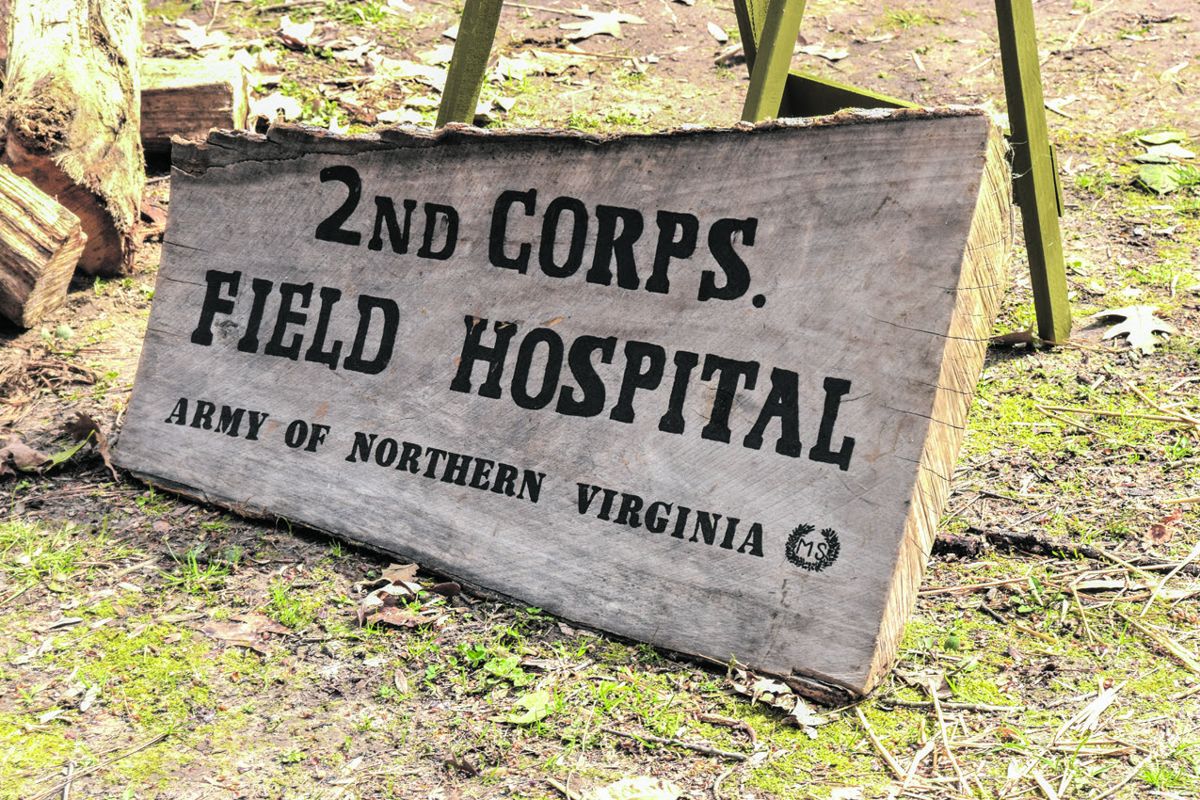
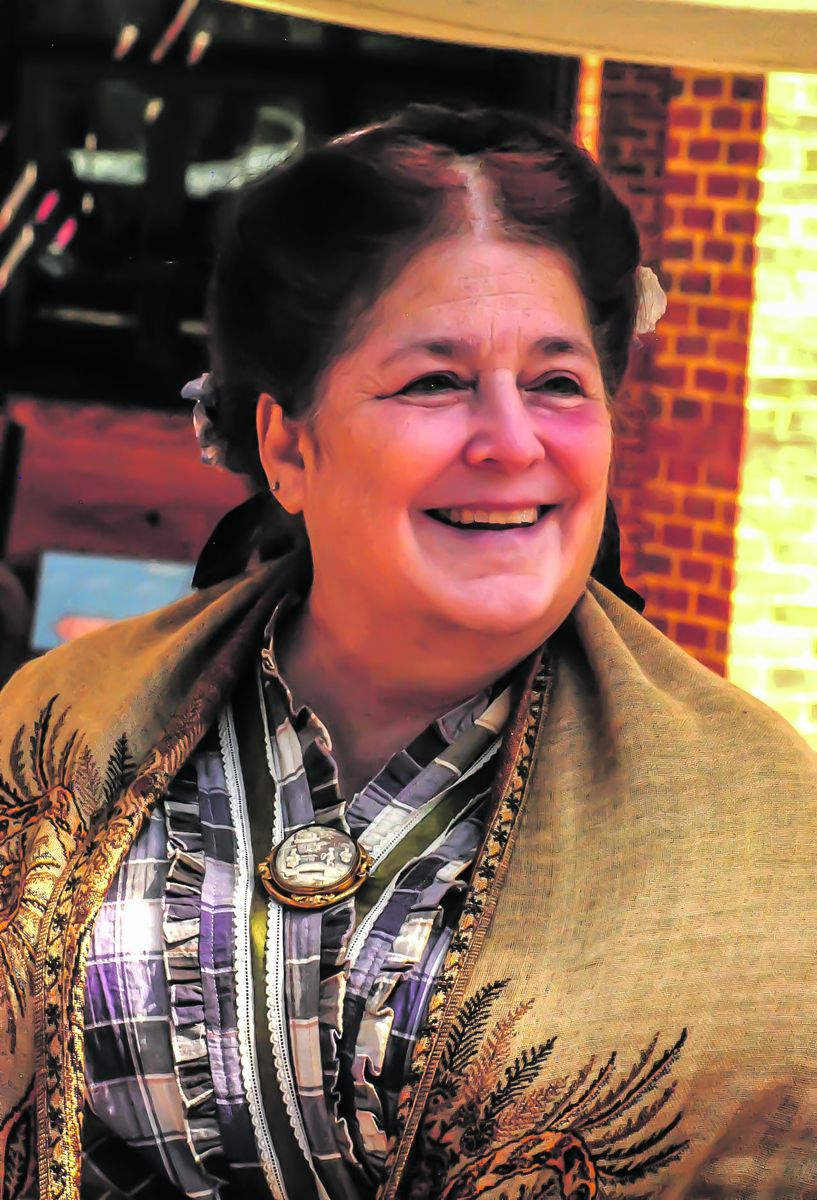
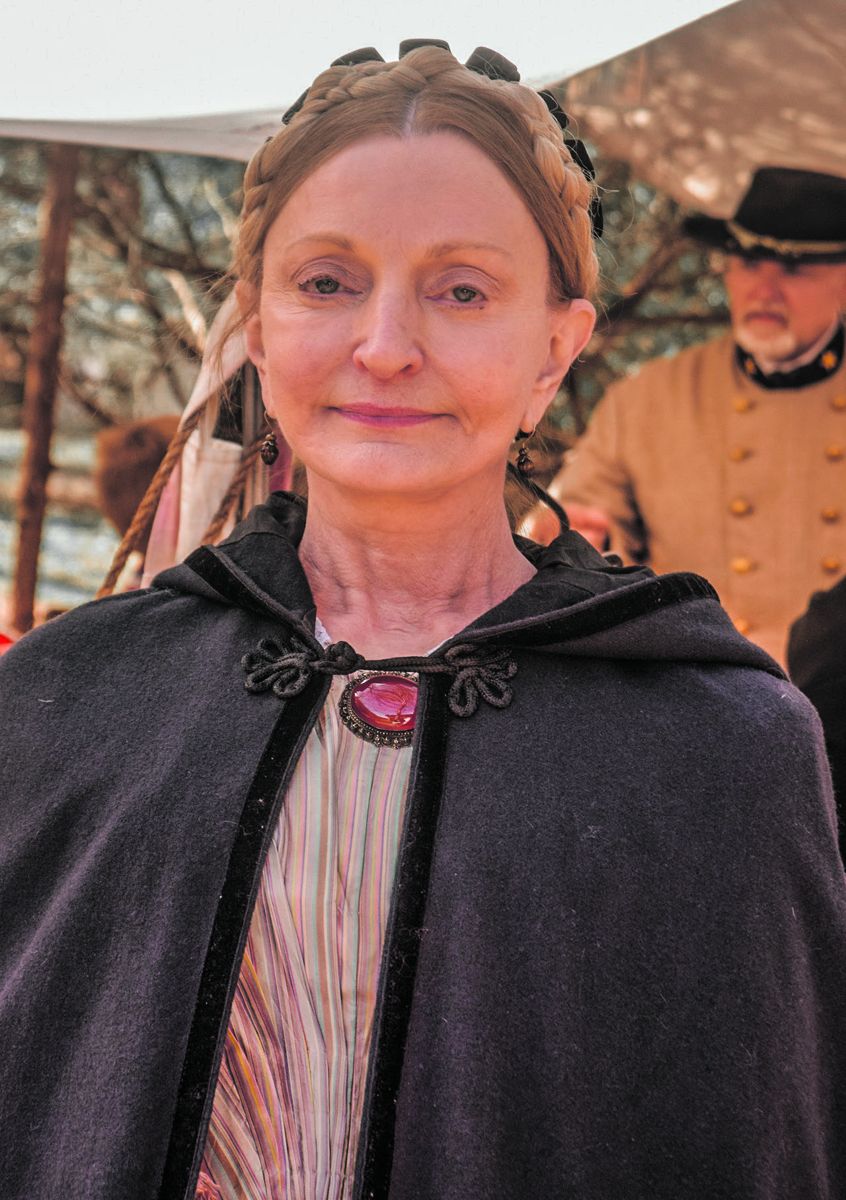
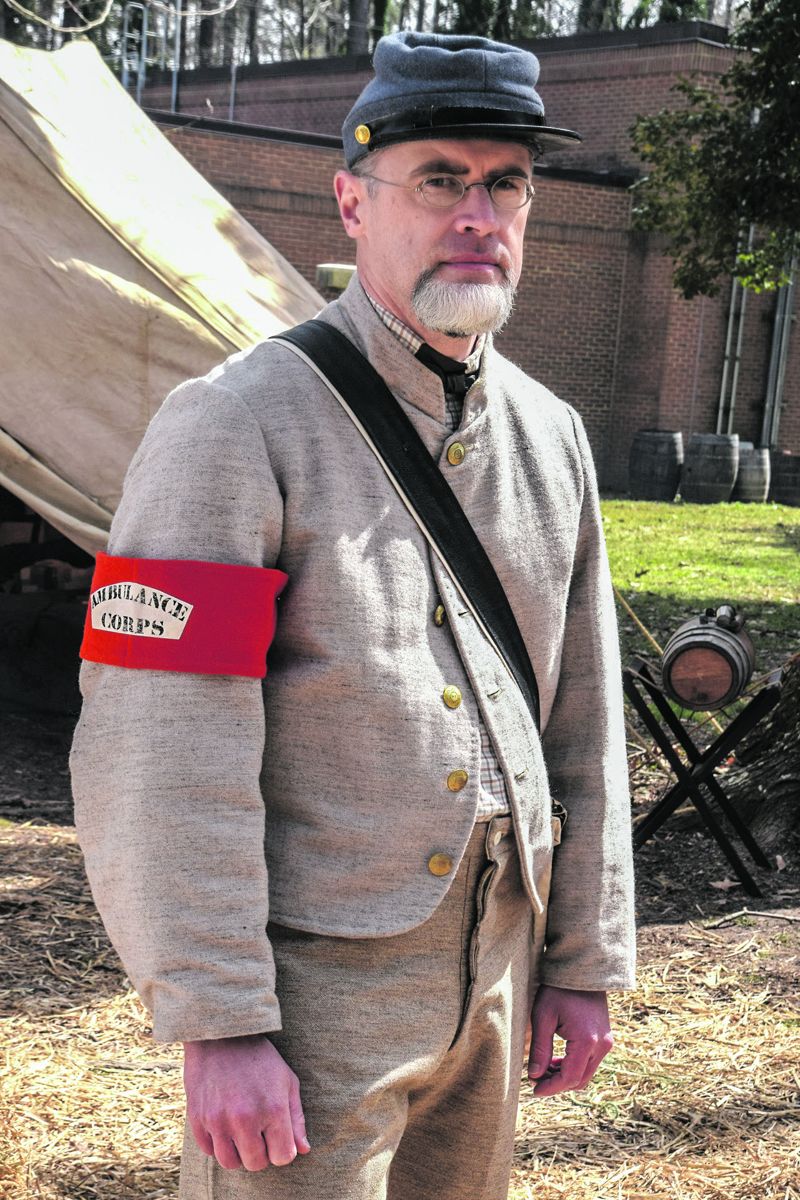
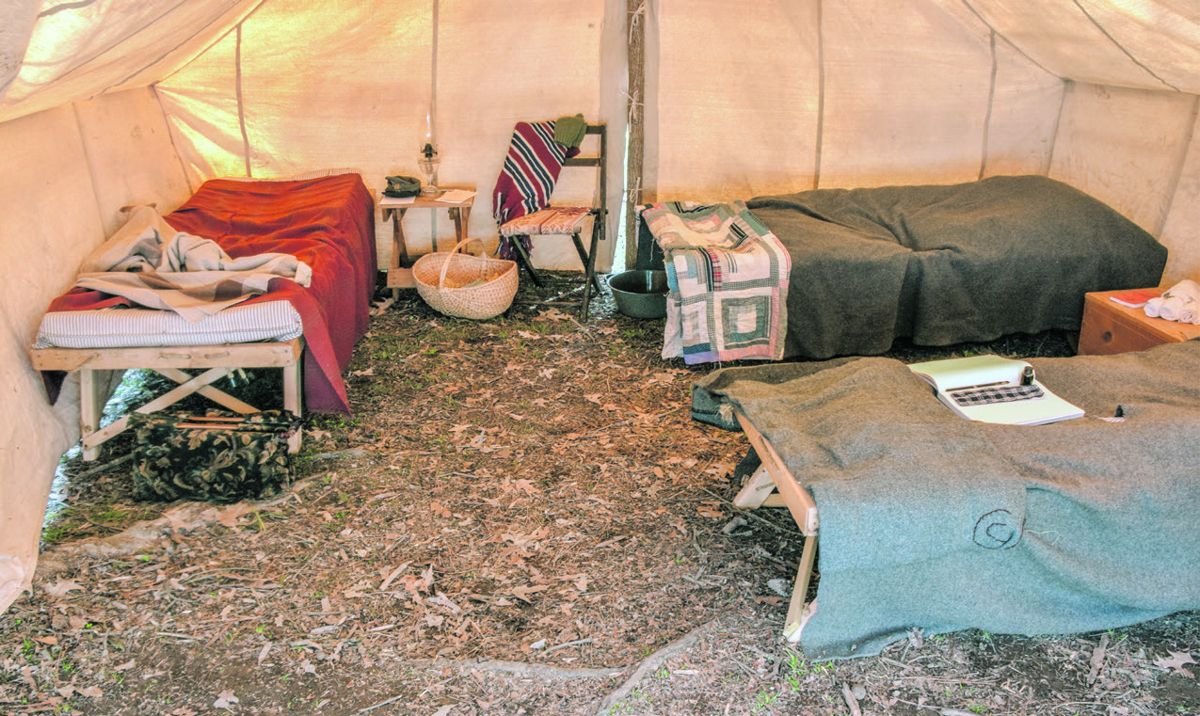
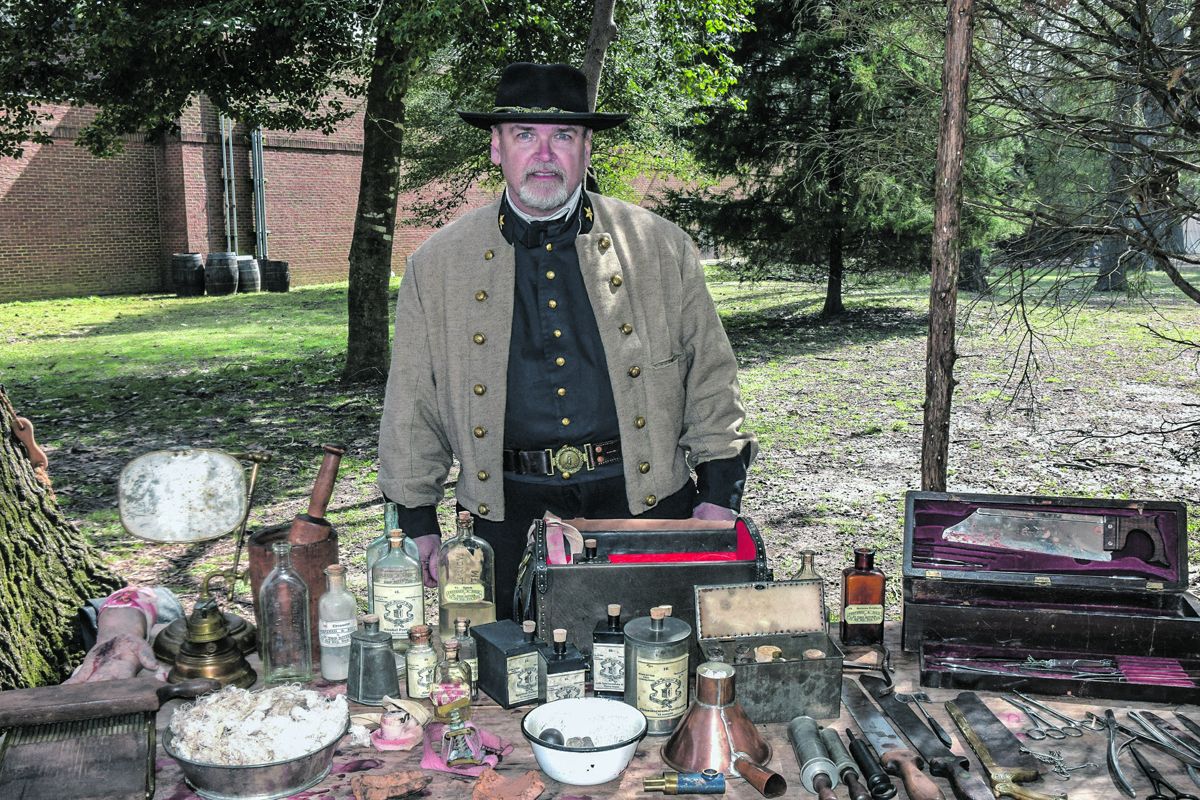
2nd Corps Field Hospital Offered Wounded Soldiers Compassion and Comfort by Bob Ruegsegger Casualties during battles such as Antietam, Spotsylvania, and Gettysburg were staggering. Although frequently overwhelmed, surgeons at field hospitals regularly treated both Confederate and Union casualties without prejudice. Ambulance drivers, surgeons, and volunteers with Dr. Hunter H. McGuire’s 2nd Corps Army of Northern Virginia Field Hospital saw the suffering of the soldiers and applied their respective trades to putting shattered lives back together. Ambulance corps members were the first responders on the battlefield. They went out under the direction of an assistant surgeon who had an aid station marked with a flag. Those soldiers with flesh wounds, the walking wounded, would look for the flag and walk to the aid station for help. Ambulance corps members would go out on the field to stabilize the wounded who couldn’t walk, load them onto the ambulances, and take them to the field hospital. Ambulances were equipped with standard medical supplies, splints, bandages of assorted sizes, and field tourniquets. A pint-sized flask of alcohol was used as a stimulant. Typical wagons didn’t have a suspension system. Every bump in the road could be felt. Wounded men would feel every move the wagon made. Ambulances had an elaborate spring suspension system that dampened the jolts as the ambulance traveled to the field hospital. Cushions lined the beds of the ambulances. Field hospitals were seen as temporary and generally located in large homes, churches, or barns. They were filthy places filled with suffering and disease. Infection was the biggest concern due to poor sanitary conditions. Surgeons did not wash their hands or surgical instruments between operations. Surgeons did not understand how disease was spread. Germ theory had not been developed and there were no antibiotics. “If you were shot in the abdomen your chance of survival wasn’t very good,” said Robert Hester who portrays a member of the ambulance corps. “They knew that your chances of living were probably slim to none. With a chest wound or an abdominal wound the soldier was probably not going to live.” Three-quarters of all Civil War surgeries were amputations and often done in a field hospital. Surgeons became so skilled at cutting off limbs that they were nicknamed “sawbones” by the soldiers. While a soldier’s chances of surviving an amputation were good, there was the possibility that an infection could develop into gangrene. “Surgeons applied their skills in these field hospitals. An amputation could be done within ten minutes. The surgeons got really good at amputating,” said Hester. “If it was a hand, one surgeon could be designated to do the job. They could do it for 36 hours,” he said. “Your best surgeons operated on an arm or a leg, a particular limb of the body.” “Triage really made a huge difference in the survivability of those men as the war progressed,” said Hester. “By the spring of ’62, Dr. McGuire had perfected that system in the Army of Northern Virginia,” said Hester. If wounded soldiers could be transported to a general hospital for long-term care, the survival rate for the sick and injured went up dramatically. The triage that was developed in the course of the war also produced a tremendous improvement in the survival rate. Chimborazo Hospital in Richmond was the largest hospital in the South. The survival rate there was 90% which was phenomenal and partially due to it being a clean, well-managed facility. Harry Sonntag portrays a surgeon in the 2nd Corps Army of Northern Virginia Field Hospital. Often Sonntag portrays Dr. Hunter H. McGuire. The characterization of Civil War surgeons as “butchers” was inaccurate and patently false according to Sonntag. “These men were very compassionate. They were highly educated. They cared about the sanctity of human life,” said Sonntag. “They used every means possible in their era to try to alleviate pain and suffering. They cared for both sides. Sonntag’s field hospital impression consists of shelters of several sizes, a fly where amputations are performed, an infirmary tent, and medical instruments and medicines. On a table under the surgical fly, Sonntag points out a bowl of fibrous linen material called sharpy that was used for packing wounds and a brass screw tourniquet. “They used chloroform or ether when they put the wounded soldiers to sleep for a surgical procedure,” said Sonntag. “They felt no pain during the amputations that lasted anywhere from ten to fifteen minutes. A good surgeon could remove an arm or leg in about that time.” Dr. McGuire was the medical director of the 2nd Corps. He was involved in caring for the wounded after every major engagement. McGuire was responsible for the entire 2nd Corps, some 20,000 men and 30 field hospitals. “He was a remarkable man for his age,” said Sonntag. “He is most well-known during the war for being Stonewall Jackson’s surgeon. He developed several surgical procedures. After the war, Dr. McGuire distinguished himself by establishing a hospital, nursing school, infirmary, and a nursing home for Confederate veterans in Richmond. Dr. McGuire also served as the president of the American Heart Association and the American Surgical Association. “All those things led him to become a wellknown, prominent surgeon in the Richmond area during his era,” said Sonntag. “He’s memorialized with a statue on the Virginia Capital grounds, next to Jackson.” Dr. McGuire, his surgeons, and ambulance corps had invaluable help in accomplishing their mission of stabilizing and caring for sick and wounded soldiers. Inestimable support came from women who volunteered their service on the battlefield and in field hospitals. Initially, Southern soldiers in the medical field did not want women in hospitals or nursing. They did not feel that women should be exposed to the sights, smells, and sounds of the suffering men. If there was a battle occurring nearby, women would usually wait until the fighting calmed down before they’d venture forth from their homes to offer succor. They would go out and offer assistance, anything to comfort injured soldiers. They’d often help transport them to the field hospitals,” said Ashley Sonntag, site manager for the Cedar Creek Battlefield Foundation in Middletown, Va. “In field hospital settings, officially, there were no female nurses, but women volunteers wrote letters and documented what was happening,” Sonntag observed. When women were finally allowed to come in, they introduced sanitary measures such as boiling, cleaning, and washing. Patients got better faster. “Women are clean. They made sure the hospital beds were clean and the sheets sterile,” said Denise Wierzbicki, historic interpreter with the 2nd Corps. “Allowing women to come in to make sure things were clean helped to make the recovery time of soldiers shorter,” she noted. “Southern women were very devoted to the cause. They were more devout, sometimes, than Southern soldiers. They did anything they could do to help.“ “The main role for women at the hospitals was providing comfort, changing bandages, and things of that nature.” Women often read the Bible to the wounded men in the field hospitals. They brewed herbal teas and concocted herbal remedies that offered comfort. They often cooked meals to feed the wounded and ill soldiers who had been left behind. Women documented the names of the dead and wounded. “They would write letters home, sometimes the last letter,” said Carol Porkinghorne, living history interpreter with the 2nd Corps Field Hospital. “These women took care of their families and they took care of the soldiers too. They hoped women on the other side would do the same,” she said. “The women really took care of the men, doing as much as they could do” Bob Ruegsegger is an American by birth and a Virginian. His assignments frequently take him to historic sites throughout
Virginia, the Mid-Atlantic, and the Southeast. His favorite haunts include sites within Virginia’s Historic Triangle—Jamestown, Yorktown, and Williamsburg. Bob served briefly in the U.S. Navy. He is a retired educator and has been an active newspaper journalist for the last twenty years.