Who was Cornelia Phillips Spencer?
By Joan Wenner, J.D. · Originally published April 2021 · p. 43
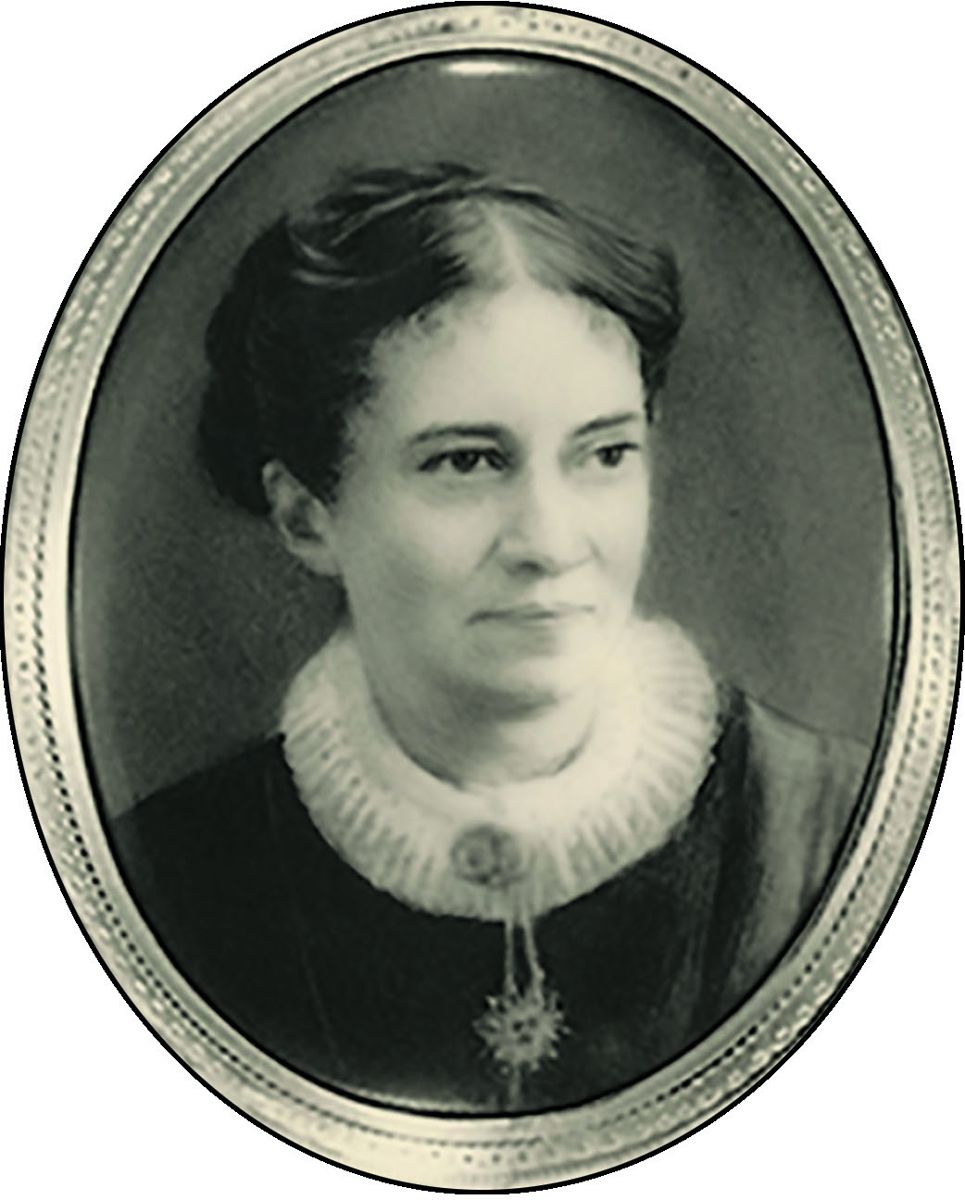
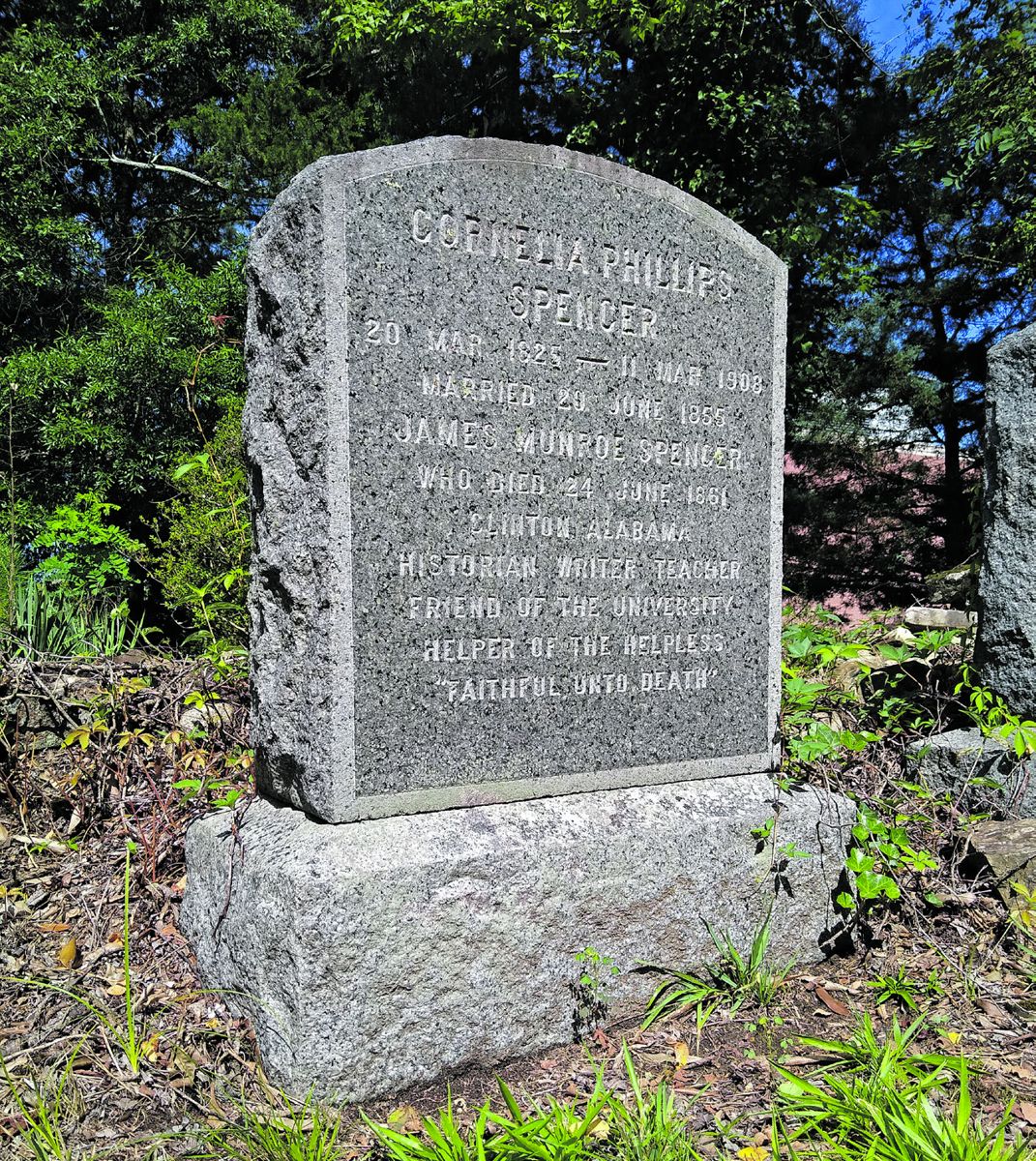
Part 1 of 2 “There is as yet too much to be forgotten—too much to be forgiven.” – Cornelia Phillips Spencer of North Carolina by Joan Wenner, J.D. We know from the Dictionary of North Carolina Biography that Cornelia Phillips Spencer’s father, James Phillips, was an English educator and immigrant. She married law student James Munroe Spencer at age 26 and, upon his early death, returned to her father was then living in Chapel Hill. She was a prominent journalist, social historian, poet, and prolific writer of bibliographies from 1853 to 1900; during her long life (1825–1908), she also penned what was published by C. Deems, editor of The Watchman in 1868 as The Last Ninety Days Of The War In North Carolina. (Digital edition: https://docsouth.unc.edu/true/spencer/menu.html) This article is as close as we may ever get to an extremely detailed glimpse of the Civil War in western North Carolina by a female whose world it was and as she writes: “That North-Carolina accepted a destiny which she was unable to control, when she ranged herself in the war for Southern independence, it is a fact which can not be disputed though none the less ardently did her sons spring to arms, and none the less generously and splendidly did her people have a great army that poured forth from her borders; though none the less patient endurance and obedience government was theirs; yet it is also a fact, indisputable and on record, that North-Carolina was never allowed her just weight in councils of the Southern Confederacy, nor were the opinions or advice of her leading men either solicited or regarded too lenient, and rebels must look out for consequences and ordered the torch to be applied.” “While the raiders were in the Yadkin river-bottom, they were detained three days by freshets. Small parties scoured the country, carrying off all the horses and mules, and burning the factories. There seemed to be no systematic plan of destruction while some mills and factories were burned, others in the same neighborhood and quite as easily accessible were spared and depended on the personal character and disposition of the commanding officer of these detachments. If he were simply a brute dressed in a little brief authority, even injury was inflicted, accompanied with true underbred insolence and malice. The privates always followed the lead of the commander.” She continues: “Leaving Wilkesboro on the thirty-first day of March, General Stoneman [Union cavalry comander] moved over into Surry County, in the direction of Airy, and thence into Virginia, aiming for Christiansburg, on the Tennessee Railroad. A portion of the command being at Wythville, was met near that place by General Duke’s cavalry, and repulsed, but rallying, took the town and destroyed supplies there. Having effectually destroyed the road above Wytheville, between the New River and Big Lick, General Stoneman turned back upon North-Carolina, reentering it from Patrick county [sic],
Virginia, and marching rapidly through stokes county [sic], suddenly in Salem and Winston on the tenth of April. Here he sent out various detachments to cut the North-Carolina and the Danville and Greensboro Road, destroy bridges, supplies, etc., etc. One of these parties, as I have said before, missed capturing the train conveying the whole Confederate government in its flight to Greensboro. They burned the bridge at Jamestown, and were about to fire the depot, but upon a sudden false alarm left precipitately without finishing their work. At High Point they burned the depot and large quantities of government stores and seventeen bales of cotton belonging to Francis Fries of Salem. The public buildings and stores at Lexington and Thomasville were saved by the arrival of a body of Ferguson’s cavalry [probably Samuel Wragg Ferguson], who chased the raiders back to Salem. The grand purpose of the whole raid seemed to contemplate the destruction of stores and the cutting off of communications without risking a battle. At Salem and Winston private property was protected, no pillage being permitted. This was probably owing to the inhabitants having had notice of the approach of the raiders, sent a deputation to meet them and make a formal surrender of the town. I am not aware that a demand for surrender was made of any place during the entire raid, or that any place besides Salem and Winston, which may be regarded as one, offered a surrender. The first notice of the presence of any enemy was given by the unlooked-for arrival of the advance-guard galloping in and taking possession. At Mocksville, a number of the citizens, supposing it was only a small squad that was hurrying through the country plundering, prepared to give them a warm reception, and a short distance from town fired upon the advancing column and realizing their mistake, they retreated. Threats of burning the village for this audacious thought of resistance were made, but as General Stoneman was pressing forward with all speed there was no time for any such exchange of compliments.” Joan Wenner, J.D. has contributed for many years to the Civil War News and The Artilleryman among other history publications and has a law degree. Comments are welcomed at [email protected]