News from Shenandoah University’s McCormick Civil War Institute
By Jonathan A. Noyalas · Originally published April 2021 · pp. 34–35
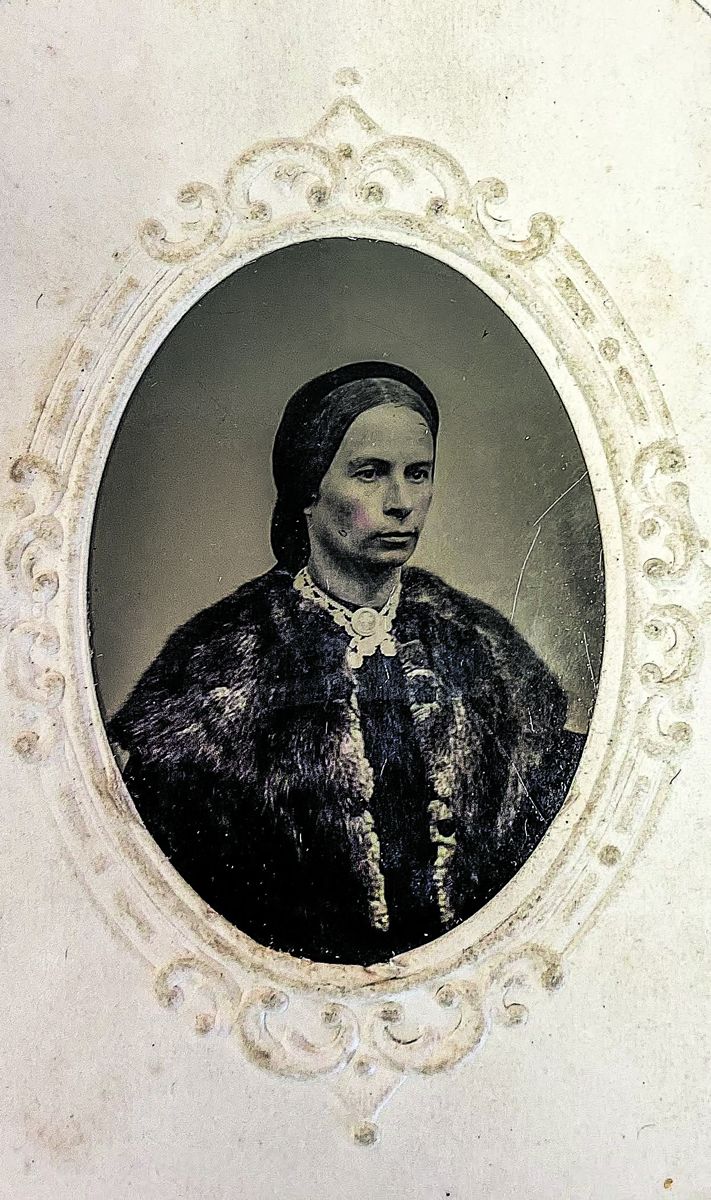
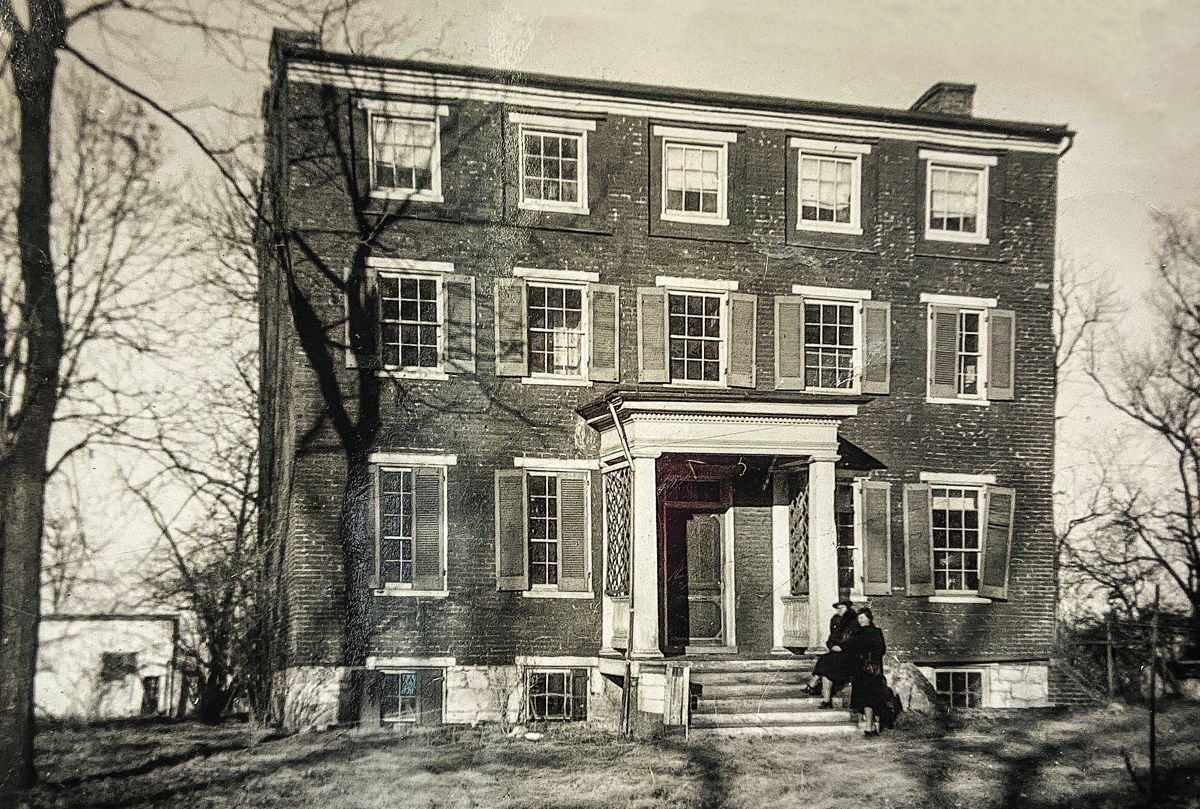
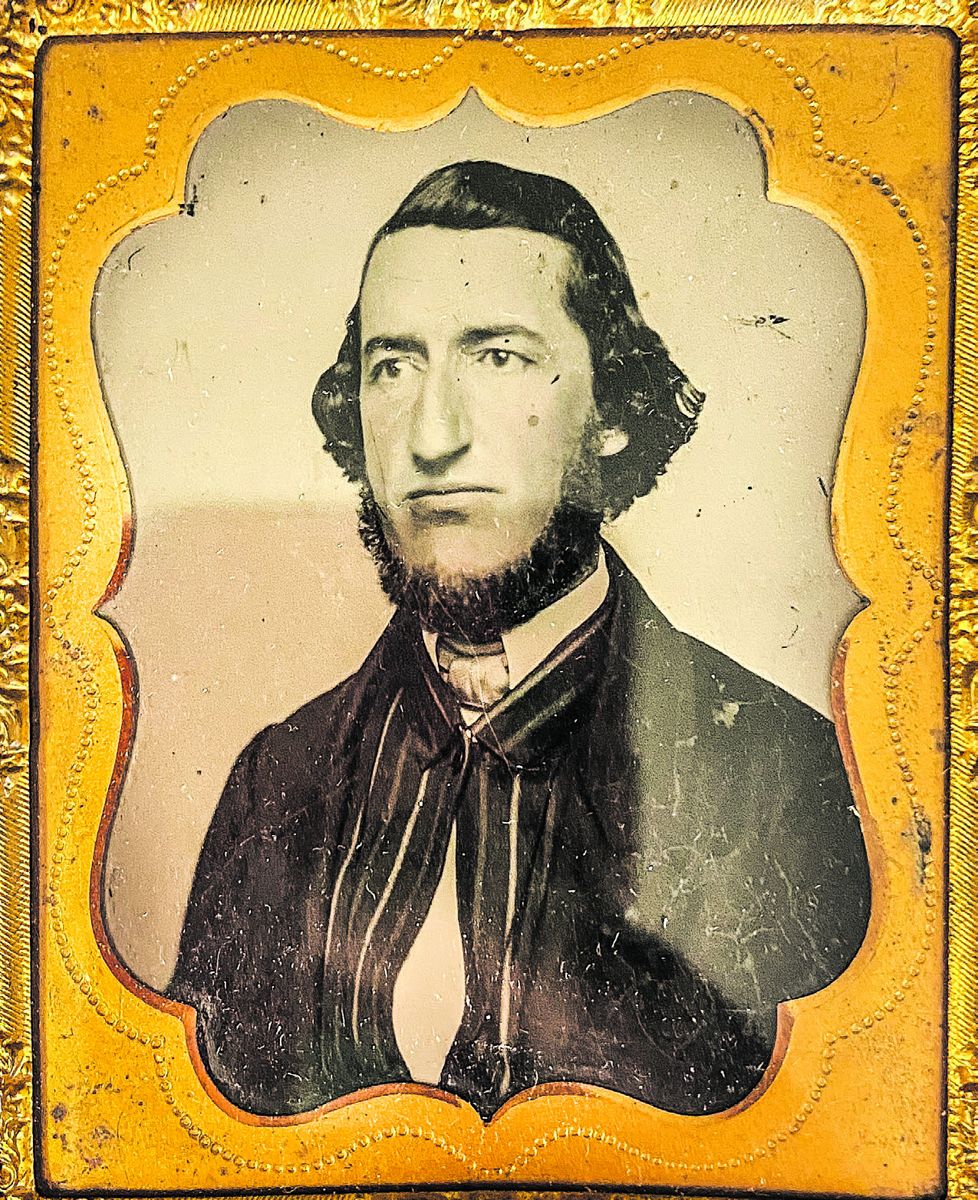
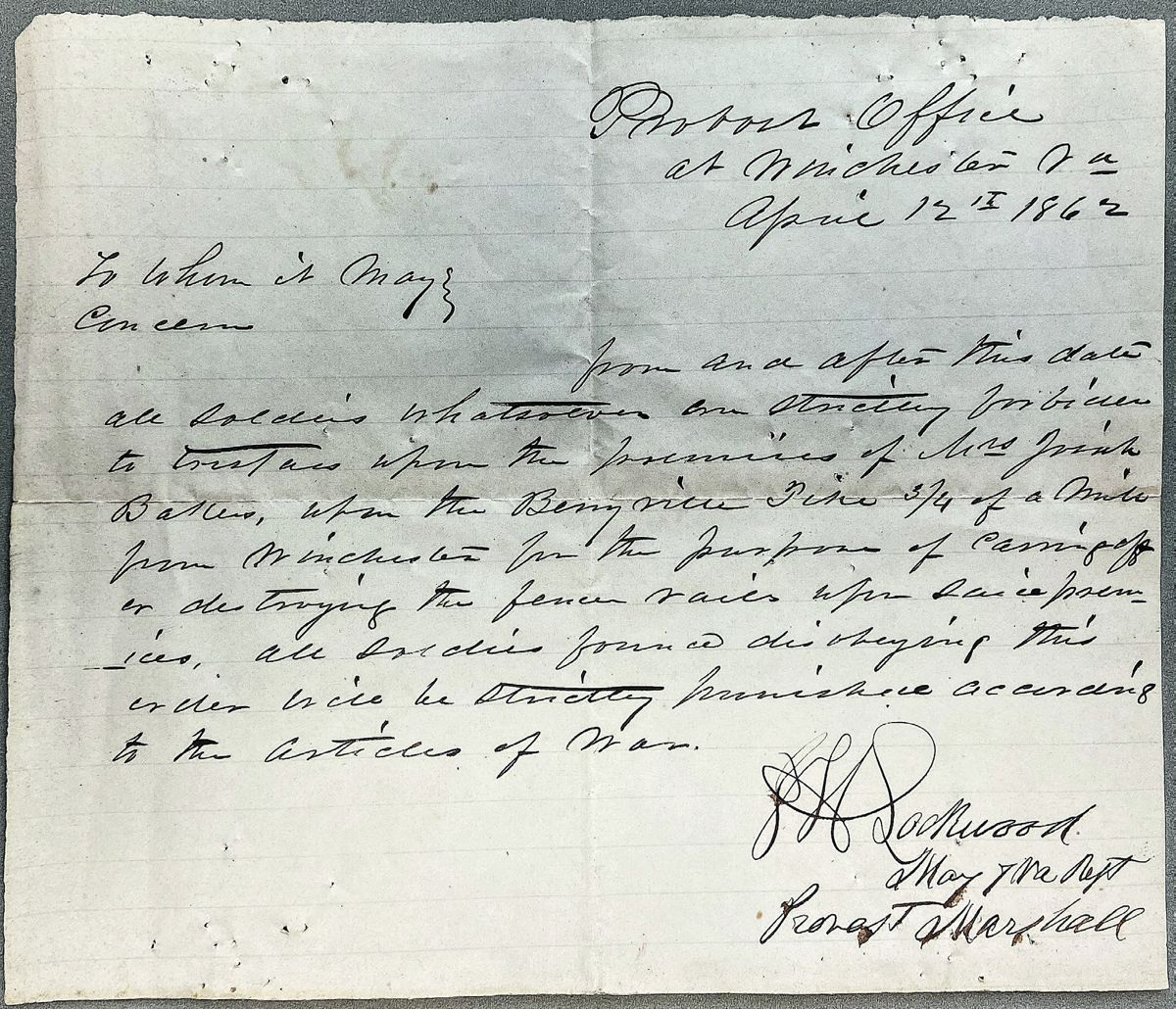
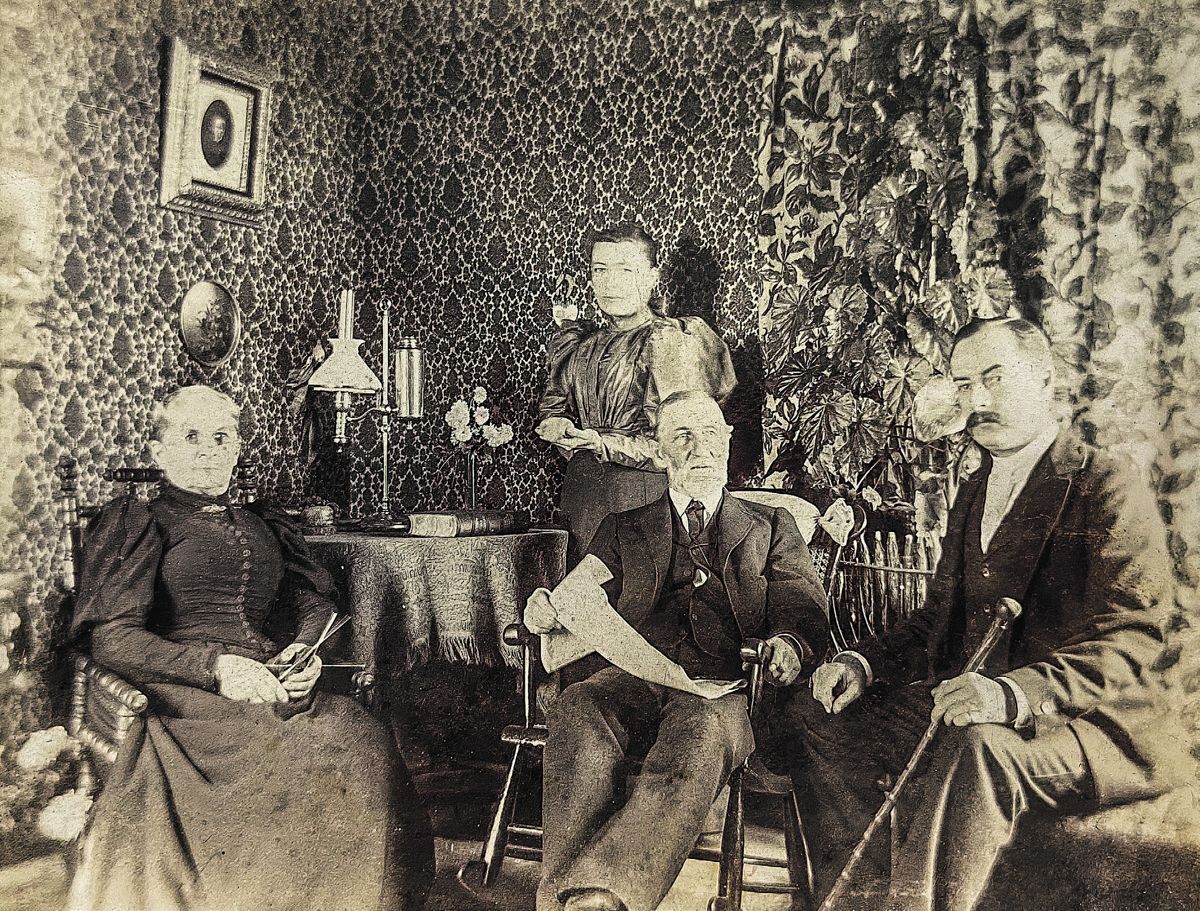
News from Shenandoah University’s McCormick Civil War Institute Jonathan A. Noyalas, Director Baker Family Collection Latest Addition to MCWI’s Collection Near the end of 2020, Shenandoah University’s McCormick Civil War Institute received a donation of items related to Winchester’s Baker family. During the Civil War, Josiah Lockhart Baker, his wife Alcinda, and their two children, George and Fannie, lived at Osburn, a brick home located near the Berryville Pike east of Winchester. On June 14, 1863, during the Second Battle of Winchester, Confederate sharpshooters occupied Baker’s home. Their fire proved so effective that Captain Charles Bowen, Company H, 18th Conn. Inf., charged the house. Evidence indicates that Bowen’s command killed six Confederates and captured nineteen others. More than one year later Osburn again stood in war’s track on Sept. 19, 1864, during the Third Battle of Winchester. Josiah Baker and his family experienced the Civil War, not sporadically but, as did all who lived in Winchester and surrounding areas, incessantly. Among the documents in the Baker collection are receipts given to Josiah Baker for items taken from his farm and orders signed by military officials prohibiting plunder on his farm. For example, on April 12, 1862, Major Jonathan Lockwood, 7th Virginia (U.S.) issued a directive forbidding “all soldiers… to trespass upon the premises of Mrs. Josiah Baker, upon the Berryville Pike… [and that] all soldiers found disobeying this order will be strictly punished according to the articles of war.” Despite various orders issued to protect Baker’s property, his farm suffered significantly. Baker reported the loss of “forty acres of timber and all the fencing on 200 acres besides other losses.” The damage compelled Baker to investigate whether or not he should attempt reimbursement from the Southern Claims Commission. Among letters in the collection is one Baker penned to an attorney on Jan. 26, 1876, inquiring whether or not it would be feasible to submit a claim. This letter not only provides insight into the damage done to Baker’s farm, but to his loyalty. Although a non-combatant during the conflict, Baker stated clearly his sympathies rested with the Confederacy. “The circumstances are that I was a non-combatant (but a sympathizer I do not deny).” Baker never filed a claim. Other items in the collection include a copy of Josiah Baker’s oath of allegiance to the United States, various Civil War era documents, photographs, and artifacts from Osburn including a box of nails salvaged when the house was razed in 1974. A complete inventory of the items in this collection, along with inventories of other items in the McCormick Civil War Institute’s growing collection, can be viewed at https://www.su.edu/mcwi/mccormick-civil-war-institute-archives. The items in this collection will form the nucleus of an article about the Baker family’s wartime experience in a future issue of Journal of the Shenandoah Valley During the Civil War Era which is published annually by the McCormick Civil War Institute. Donation from Trustee Fuels Additional Research at Cool Spring Since 2013, when Shenandoah University became custodian of 195 acres of the Cool Spring Battlefield in Clarke County, Va.,, the McCormick Civil War Institute has done much to interpret the battle fought there on July 18, 1864. These include regularly scheduled guided tours, installation of wayside interpretation, printed tour guides, and development of an exhibition. While additional tools, including an augmented reality experience slated for release later this spring, will enhance the battle’s interpretation, the site’s historical significance is not confined to the 1864 fighting that occurred there. The 195 acres that comprise Shenandoah University’s River Campus at Cool Spring Battlefield were once part of an approximately 1,100 acre plantation owned by Judge Richard Parker, the Retreat. Due to a generous donation from Diane Kearns, a member of Shenandoah University’s Board of Trustees, the McCormick Civil War Institute will now have the resources to begin an investigation into Parker’s time as the owner, including the lives of enslaved people who labored there during the Civil War era, and the manner in which enslaved people reacted to news of Brown’s attack on Harpers Ferry. Preliminary investigations reveal that some enslaved people at the Retreat burned various buildings after learning of Brown’s raid. Actions such as these proved typical in the wake of Brown’s raid. The funding will allow seven students in Civil War Era Studies at Shenandoah University. Caitlyn Graulau, Kim Oliveto, Mel Siebert, Aidan Steinly, James Hall, Brianna Jarvis, and Steven Stabler, to work on this project which will be supervised by MCWI’s director, Prof. Jonathan
A. Noyalas. A preliminary report will be completed by early June. The ultimate goal is to develop an immersive learning experience at the site.
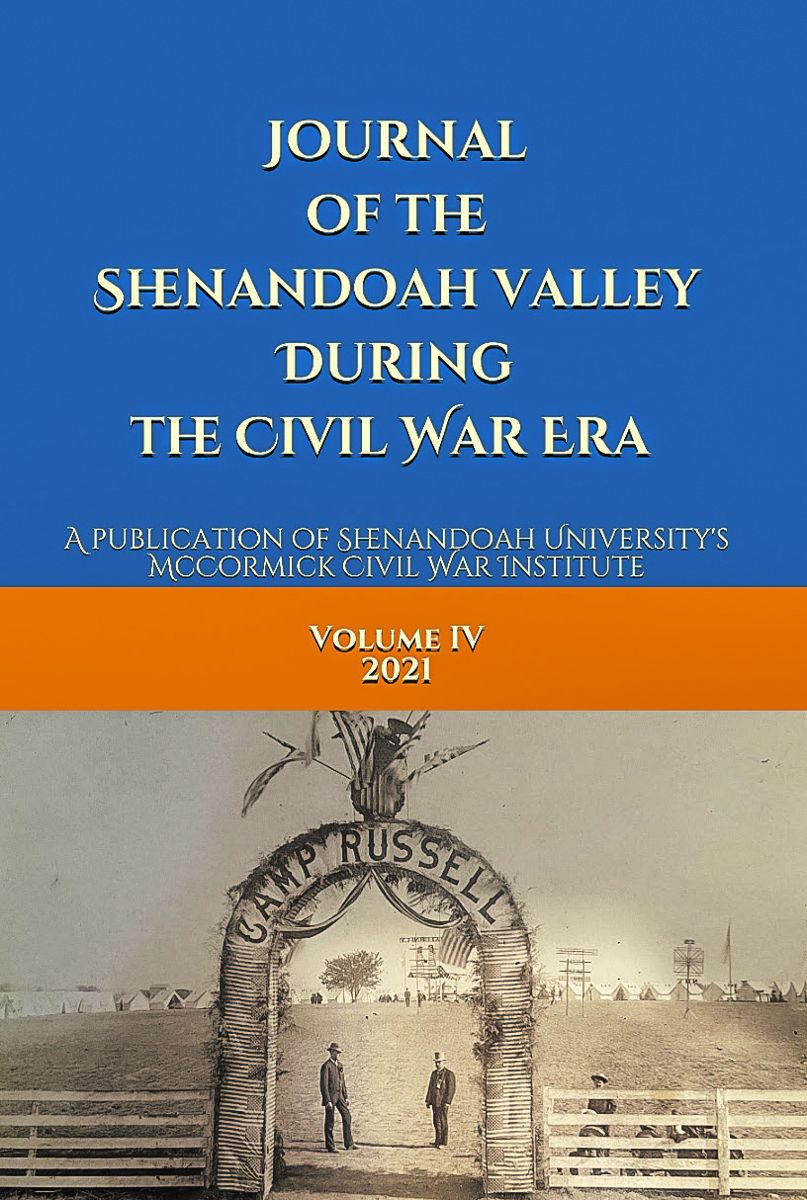
Volume 4 of Journal Released, Seeking Contributors for Future Volumes Each year, since 2017, the McCormick Civil War Institute has published an annual journal, Journal of the Shenandoah Valley During the Civil War Era. Volume 4 contains biographies of Confederate soldiers killed at Cool Spring; the 1862 diary of Ephraim Burket, a hospital steward in the 110th Penn.
Vol. Inf.; an essay on Battery G, First Rhode Island Light Arty. during the autumn 1864 campaign in the Shenandoah Valley; a contribution examining Union General William Woods Averell’s Cavalry Division during the Third Battle of Winchester; and an edited collection of documents from the Southern Claims Commission that reveal the War’s impact on African Americans in Clarke, Frederick, and Warren Counties. Volume 4 is now available for purchase at various book stores and historic sites in the Shenandoah Valley. Copies of the Journal can also be purchased online via Amazon. The Journal retails for $10 with all proceeds supporting the McCormick Civil War Institute’s myriad efforts.
The Journal, governed by an editorial board of fifteen historians, is always looking for contributions of original scholarship on the Civil War era in the Shenandoah Valley. Submissions should not exceed 10,000 words in length, including footnotes (Chicago Manual of Style). If interested in submitting an essay for consideration please email [email protected].
Jonathan A. Noyalas is director of Shenandoah University’s McCormick Civil War Institute and a professor in the history department at Shenandoah. He is the author or editor of fourteen books, including his latest volume Slavery and Freedom in the Shenandoah Valley during the Civil War Era.