How Far? A New Perspective on the Battle of Spotsylvania
By Terry Rensel · Originally published October 2020 · pp. 8–9
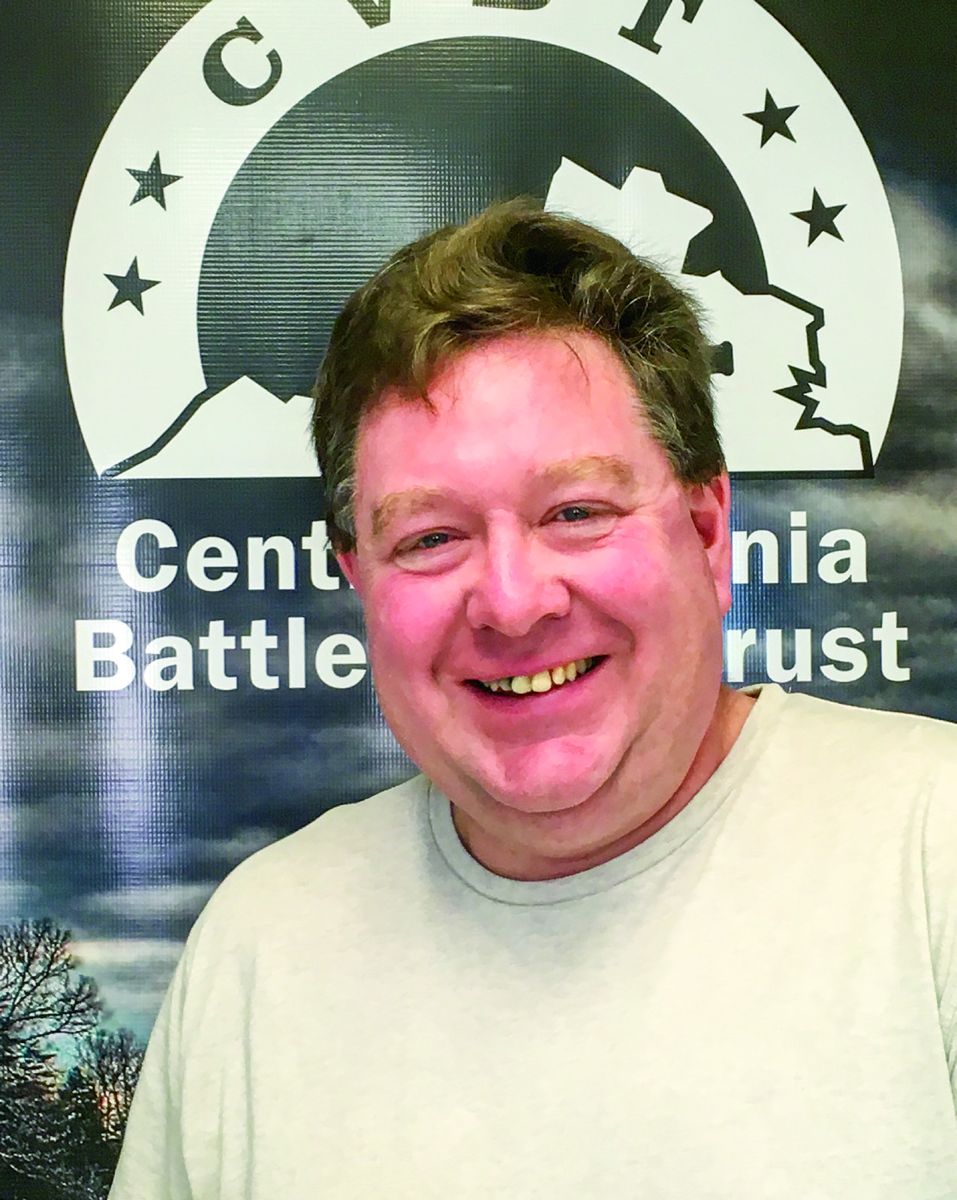
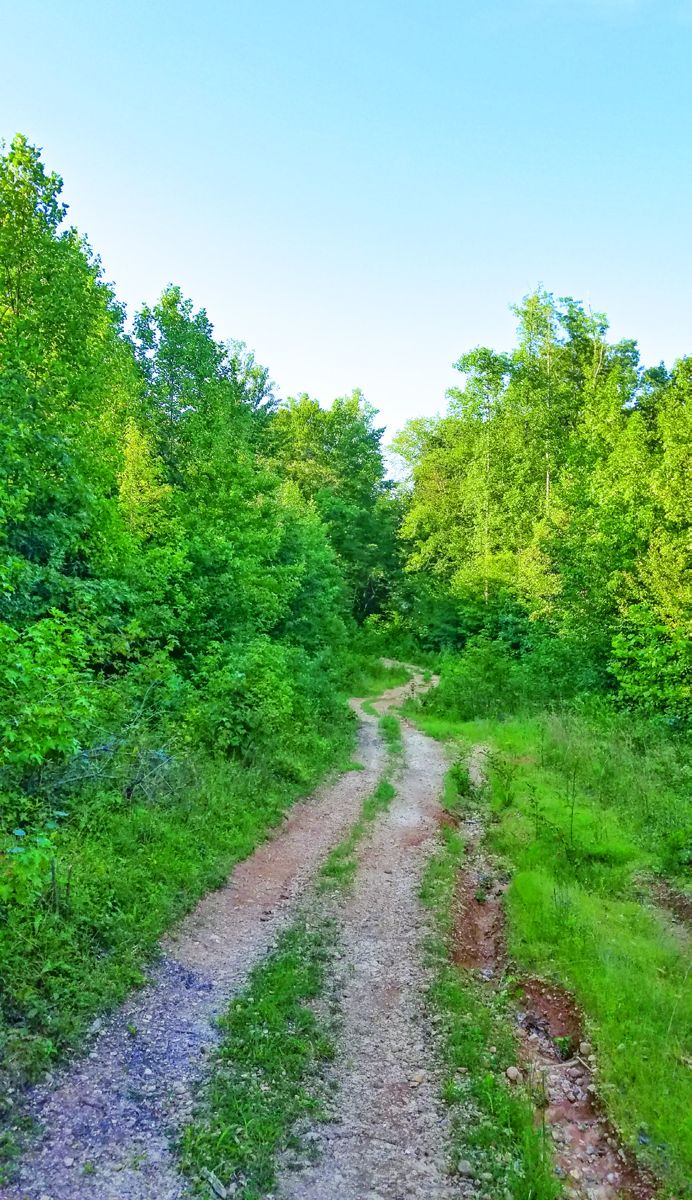
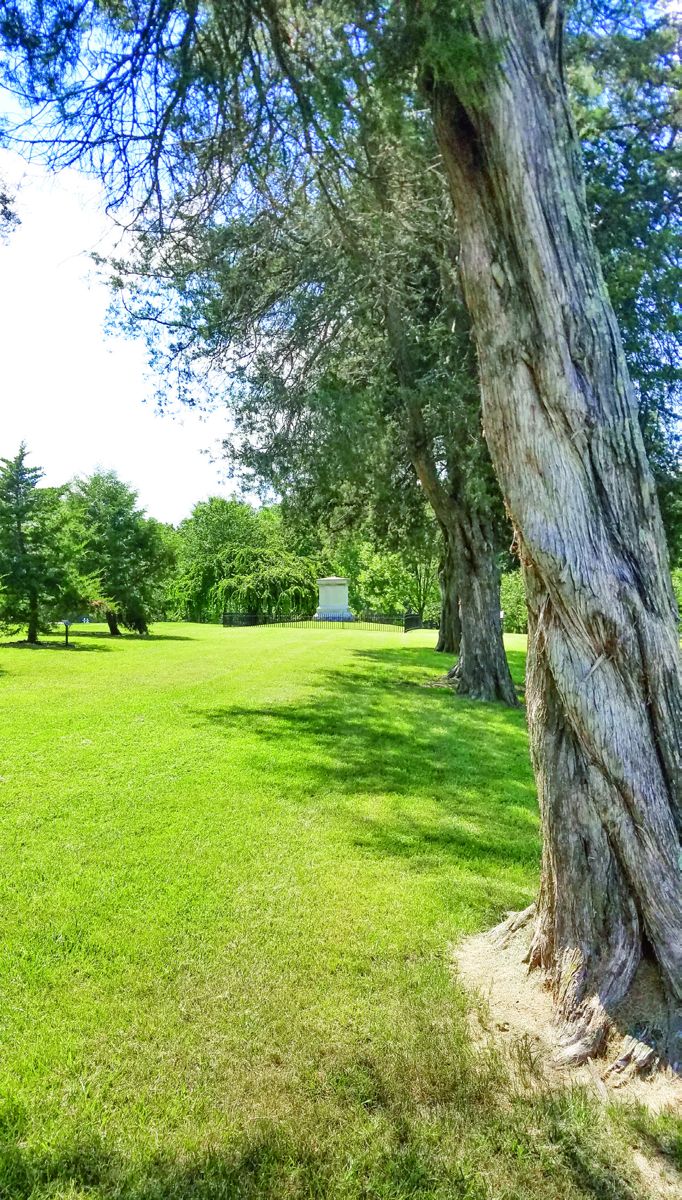
When I was eighteen and in basic training, we had a road march of 12-15 miles one day. Although I don’t walk those distances these days, I still remember and appreciate just how far that is. Those memories and walking battlefields today really help me gain a better perspective on the experience of Civil War soldiers getting to battle and puts the history on book pages into perspective, especially for the two week conflict around Spotsylvania Court House. While most Civil War buffs are familiar with the fierce combat at the Muleshoe Salient and the Bloody Angle at Spotsylvania on May 12, 1864, combat raged through that area for two weeks, May 8-21, 1864. The series of fights around the crossroads and courthouse caused the shifting of divisions and corps over significant distances: I’ve spent the last few months digging deeper into the history of maneuvering into battle positions, or rushing into the fight as reinforcements, and gaining a better appreciation for the distances infantry covered during those two weeks. Civil War soldiers endured plenty of hardships just to get into battle. The Battle of Spotsylvania started with a race from The Wilderness toward Spotsylvania Court House. Brock Road covered the six miles between Todd’s Tavern and Spotsylvania Court House and the narrow road was a highly contested and traveled highway that spring. A clash near Todd’s Tavern on May 7 allowed Confederate cavalry to delay Federal infantry, helping the Confederate infantry gain an advantage. By May 8, Confederate infantry started digging in around Spotsylvania Court House. As Union General Warren’s V Corps came down Brock Road fighting erupted at Laurel Hill and across Spindle’s Farm. Using the topography for the advantage of his road-weary men, Warren prepared for attacks and rallied his troops. Central Virginia Battlefields Trust has been fortunate to preserve some of that land, now known as the Fifth Corps/Brock Road Tract. The Confederate lines held, were reinforced, and extended. The Union Army moved into a position, facing southeast and confronting the main Confederate line at that time. On May 9, the Federal II Corps started on a detour to flank the Confederate defense. Swinging right at the Union flank, these divisions crossed the Po River, only to find the Confederates waiting there. After battling along the Po River, the II Corps withdrew the following day. Between the battle area at the river to their next combat position lay approximately five miles as the crow flies, not always the same distance as historic or modern roads. The night of May 11, the II Corps marched in the rain along a treacherously muddy road. The soldiers were so weary that some tumbled to ground to sleep whenever the column halted in the darkness. At dawn, they attacked the Confederate’s Mule Shoe Salient. In the aftermath of the attack, medical staff noted that wounded from the II Corps suffered more and had to struggle harder to survive their injuries since they were so exhausted and hungry from their series of fights and marches. Following the infamous and horrifying battle at the Bloody Angle on May 12, both Union and Confederate armies shifted their battle lines south and east, heading into the second week of combat around Spotsylvania Court House. Confederate General Heth’s salient was attacked by troops from Union General Burnside’s command. Between May 13-16, Grant and Meade started shifting the Union Corps around the Confederate’s right flank. On May 14, the Battle of Myer’s Hill occurred. The land at Myer’s Hill, including the 73 acres preserved by Central Virginia Battlefields Trust, has changed from open farm fields to woods and dense scrubby brush. The Ni River divided the armies, but Union troops plunged across, hoping to seize the high ground that would have given them access to the Confederate flank and an open approach to Massaponax Church Road, a key thoroughfare through the countryside. Unsurprisingly, the Confederates fought for the high ground, and the day progressed with both sides attacking and counter-attacking over the farm fields and homestead. The battle at Myer’s Hill effectively blocked the quick route for the Union army, forcing Grant and Meade to choose the “long way around,” but there was another countermarch first. Because they assumed the Confederates had pulled most of their troops out, Union Corps were ordered back to some of their original positions for another attack on the Mule Shoe. Yet another night march and more assaults on May 18 pushed the soldiers and officers to new limits, but their attacks did not succeed. By May 19, the Union troops were moving south and east again when the Confederates made a surprise march and attacked at Harris Farm. The attack caused orders that had troops march to the site and counter-attack. The Confederate surprise at Harris Farm prevented Grant from accomplishing the day’s objectives and delayed the Union army. It also had serious consequences for the Confederates, resulting in General Lee’s final loss of confidence in his Second Corps commander, General Richard Ewell. Despite over 31,000 casualties at Spotsylvania, neither army quit. The Overland Campaign shifted again toward the North Anna River, hammering the Army of Northern Virginia ever closer to Richmond. The battles around Spotsylvania Court House tested the tenacity of both sides as marches and counter-marches; attacks and counter-attacks moved corps and divisions over the landscape. The distances troops covered and road conditions just to get to the starting place for an attack add more to consider about the Civil War soldier’s combat experience. The movements around Spotsylvania offer a small, focused study on that subject. There is so much more to the battles at Spotsylvania than the rainy attacks at The Angle, particularly the second week of the fighting, with major struggles at Myer’s Hill and Harris Farm. The research and battlefield preservation challenge meets us today as we try to recollect and save the hallowed ground of the extended battles, marches, and rallying points. There is so much to explore as we continue advancing our understanding and appreciation of the experiences of soldiers in blue and gray. Gaining this deeper understanding of the routes to battle, the midnight marches, and the long evacuation routes for the wounded has added more inspiration as I work for battlefield preservation. Whether driving or walking over these historic battlegrounds, I’m constantly aware of the distances and how that is an often-overlooked part of the battles. There is so much more to explore through research and so many more tracts of land to preserve here in Central Virginia, especially around Spotsylvania Court House. Central Virginia Battlefields Trust has been privileged to save hallowed ground at some lesser known sites along Brock Road, Po River, Myer’s Hill, and Harris Farm. We continue to pursue these stories that teach powerful lessons of courage and U.S. history. With your interest, help, and support we’ll be able to save more land and reveal more “forgotten” stories and historic experiences. Terry Rensel serves as the Executive Director at Central Virginia Battlefields Trust. CVBT is dedicated to preserving hallowed ground at Fredericksburg, Chancellorsville, The Wilderness, and Spotsylvania Court House. To learn more about this grassroots preservation non-profit, please visit: www.cvbt.org.