More acreage added to Franklin Battlefield
By Gregory L. Wade · Originally published November 2020 · p. 31
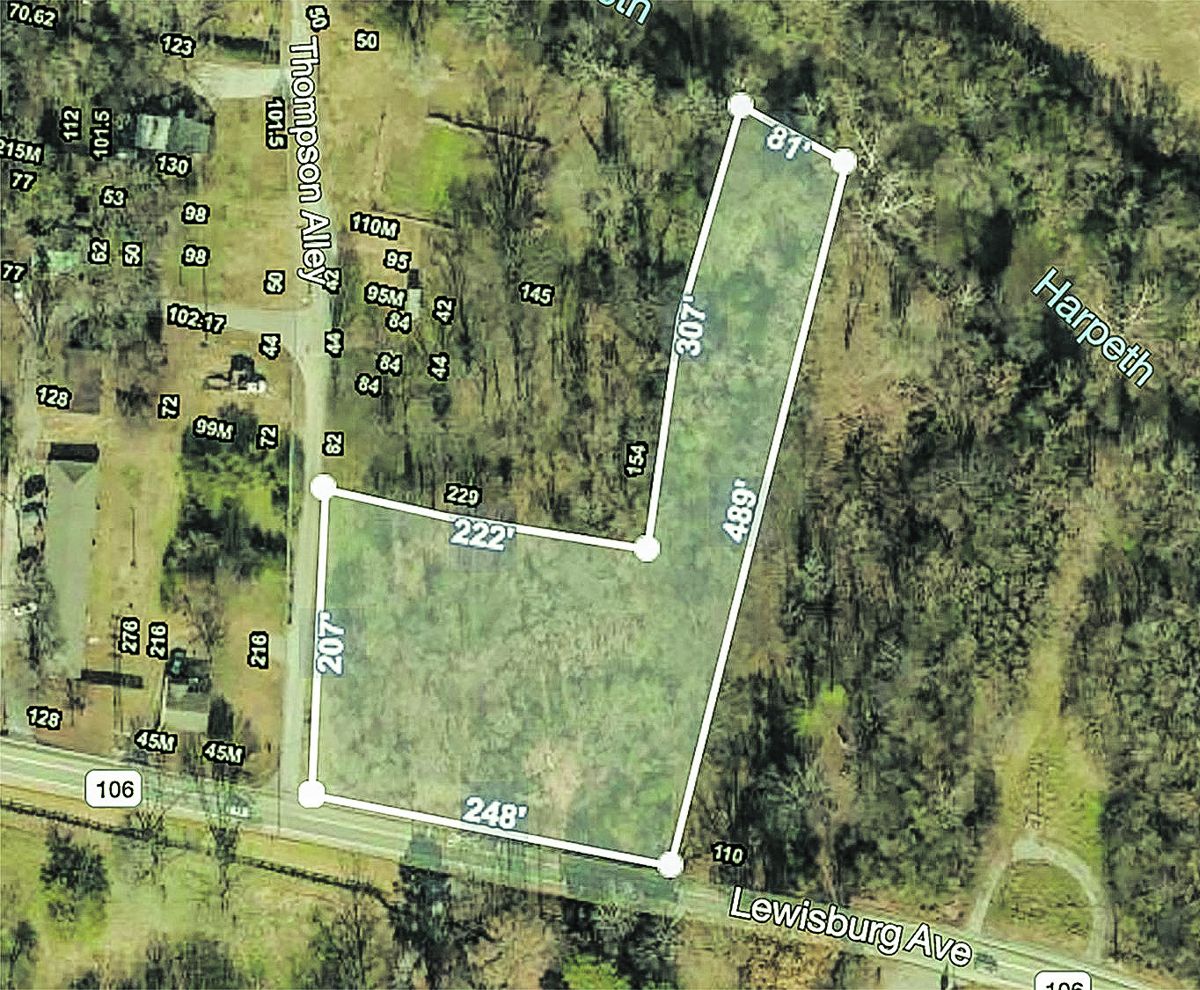
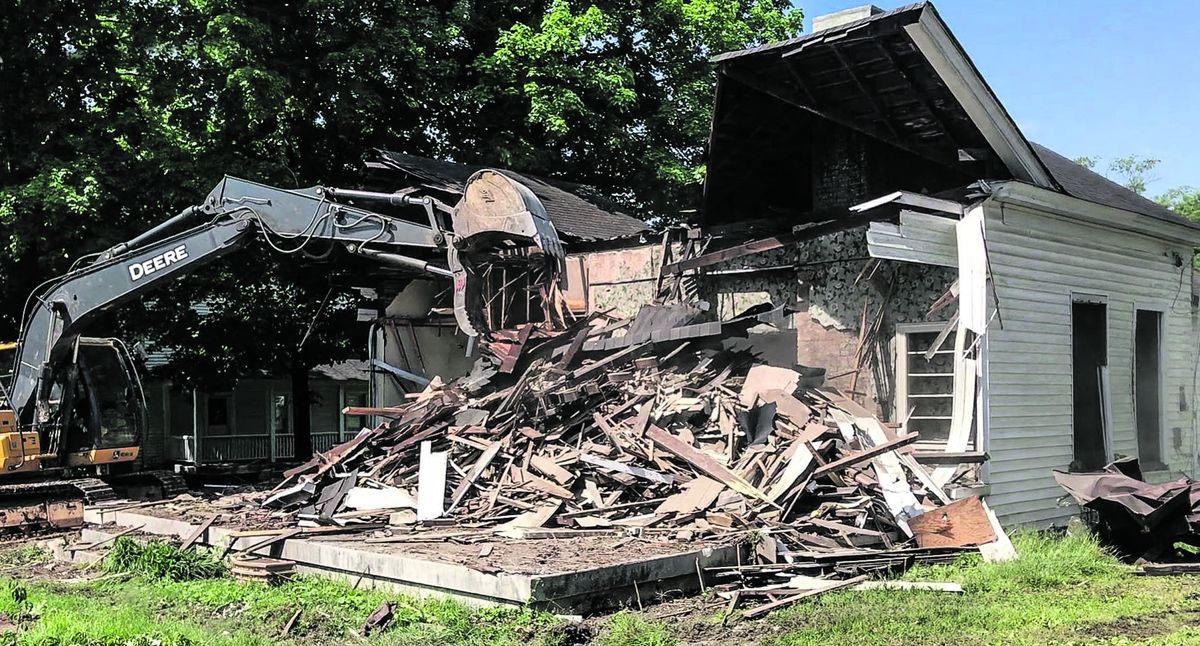
More acreage added to Franklin Battlefield by Gregory L. Wade FRANKLIN, Tenn.—Just months after “reclaiming” a critical battlefield acre near the center of the November 30, 1864, Battle of Franklin, preservation groups in this community south of Nashville obtained another piece of property furthering their interpretation of the battle’s history. Since 2005, Franklin battleground advocates have turned a once hopelessly lost bloody ground into a masterpiece of preservation by reclaiming nearly 150 acres, sometimes moving buildings in the process. This latest purchase, on the extreme Confederate right flank, was obtained at auction by several groups including Friends of Franklin Parks, The Battle of Franklin Trust, Save the Franklin Battlefield, Franklin’s Charge, and the American Battlefield Trust. The two and a third acres mostly lie in the Harpeth River floodplain and have been on the radar of preservationists who have long desired to add to the 110 acres of the battlefield park. “Obtaining land through an auction has been a lot easier than some of our earlier projects,” noted Ernie Bacon, a long time leader of Franklin’s Charge. Oftentimes property is purchased and the painstaking process of raising funds begins, but in this case the several groups combined resources on one of the less expensive acquisitions of their reclamation efforts. This ground bordered by the river forced Confederates under Brig. General Thomas Scott, to attack in a northwesterly direction toward the dug in Federal troops. “They were pummeled by Federal artillery from their flank and infantry to their front,” noted Eric Jacobson of the Battle of Franklin Trust. Over 1,500 Confederate soldiers killed in the battle were laid to rest at the Confederate Cemetery about a musket shot away from the new purchase. The cost of the property was $107,000 and along with part of the city’s trail system, will feature interpretative markers explaining the battle. It was once included in the northeast limits of the Carnton Plantation, according to Jacobson. Earlier this year, Franklin’s Charge removed a building known as the Spivey House from the battlefield. It stood just south of the Carter House on ground where some of the most intense fighting took place. Browns Division took heavy losses as they crossed the property moving north toward entrenched infantry and artillery in their attempt to break the Federal lines. Ultimately the line was broken, but Ohioans under Col. Emerson Opdycke’s Brigade came up from the rear, filled the gap, and stopped the breach, helping
Gregory L Wade has been involved in Franklin preservation since 2005. He is the founder of the Franklin Civil War Round Table, an author and speaker to many Civil War related groups. preserve the Union victory. The Spivey house had been used as a ceramic shop for almost fifty years. Seller Helen Spivey noted she was glad the land would be reverted back to the Carter Farm after the sale. The less than an acre parcel was purchased for $1,365,000 with Tennessee’s State Historical Commission providing a grant of $630,000, the National Park Services American Battlefield Protection Program $637,000, with the rest coming from private donations through Franklin’s Charge. The building was demolished in May; the ground is now an open lot soon to be restored and interpreted as part of the larger Carter Hill Battlefield Park.