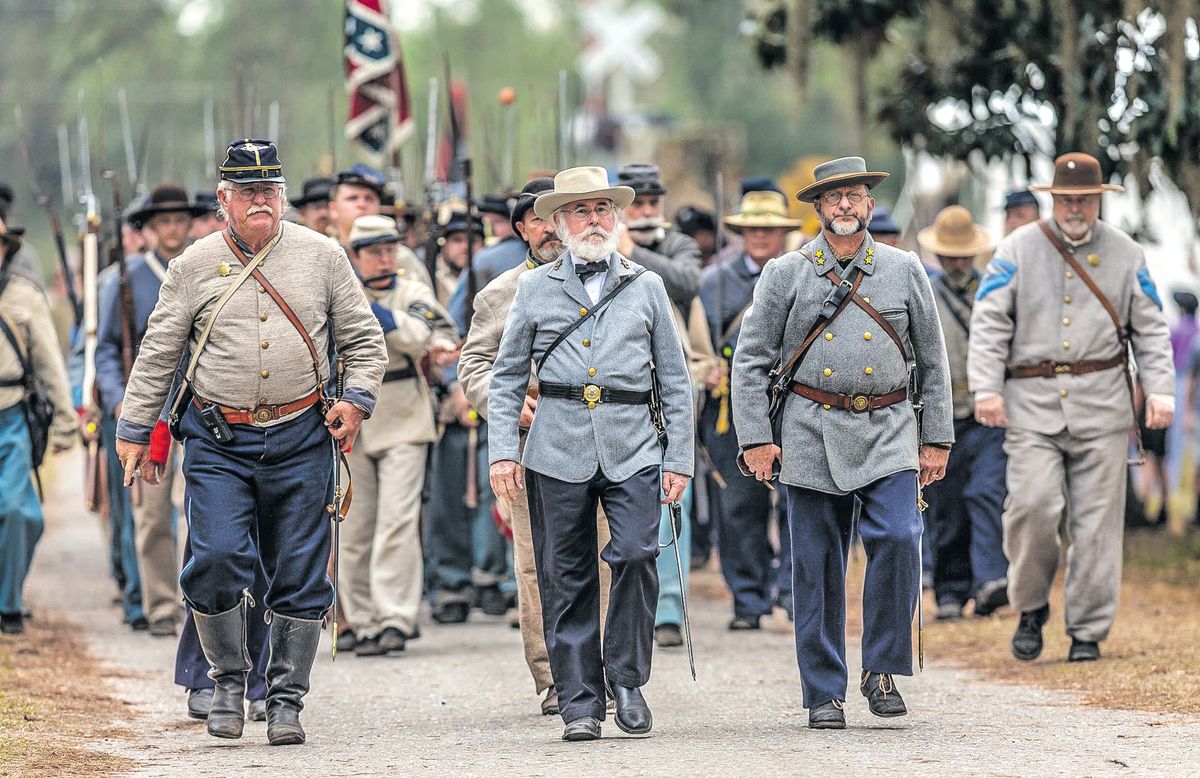
The 44th Battle of Olustee Reenactment at Olustee State Park, Florida
By Professor Earnest Veritas · Originally published May 2020 · pp. 18–19
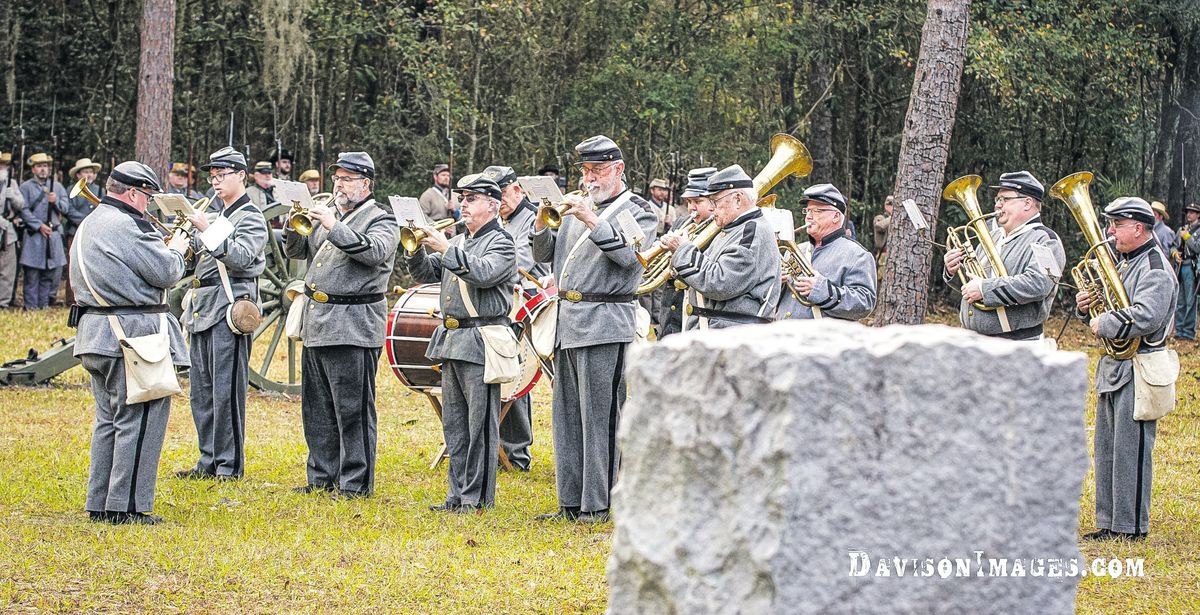
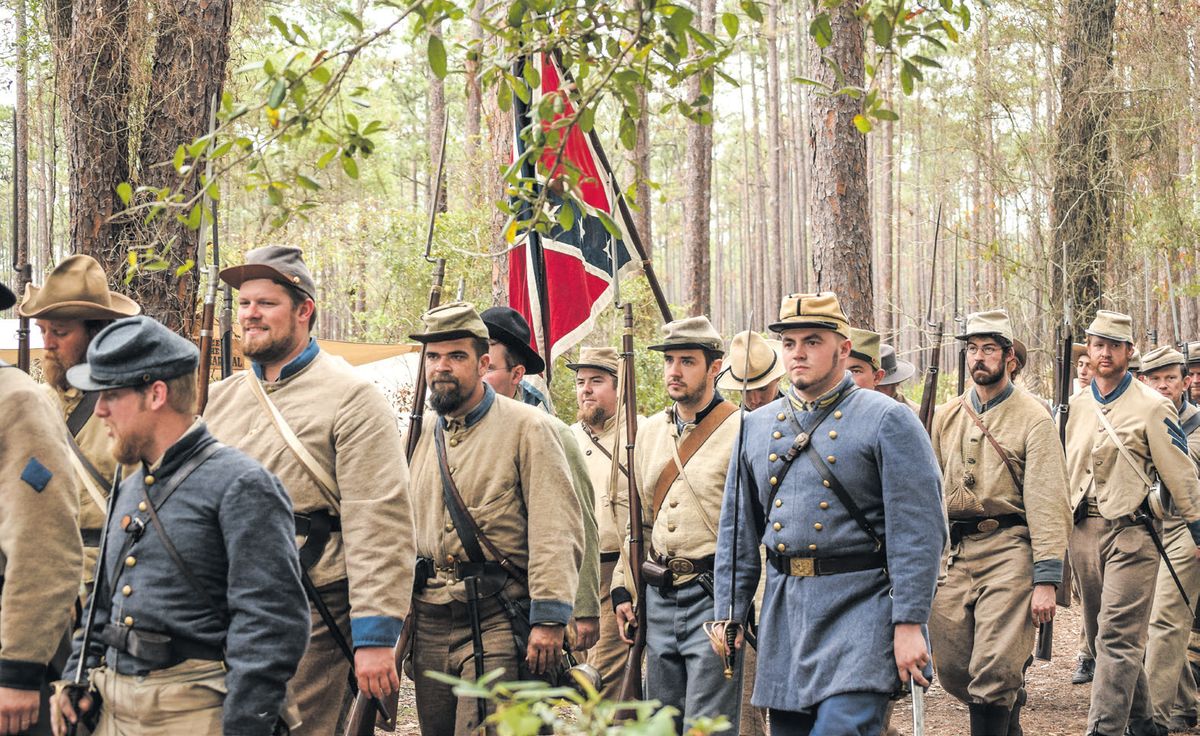
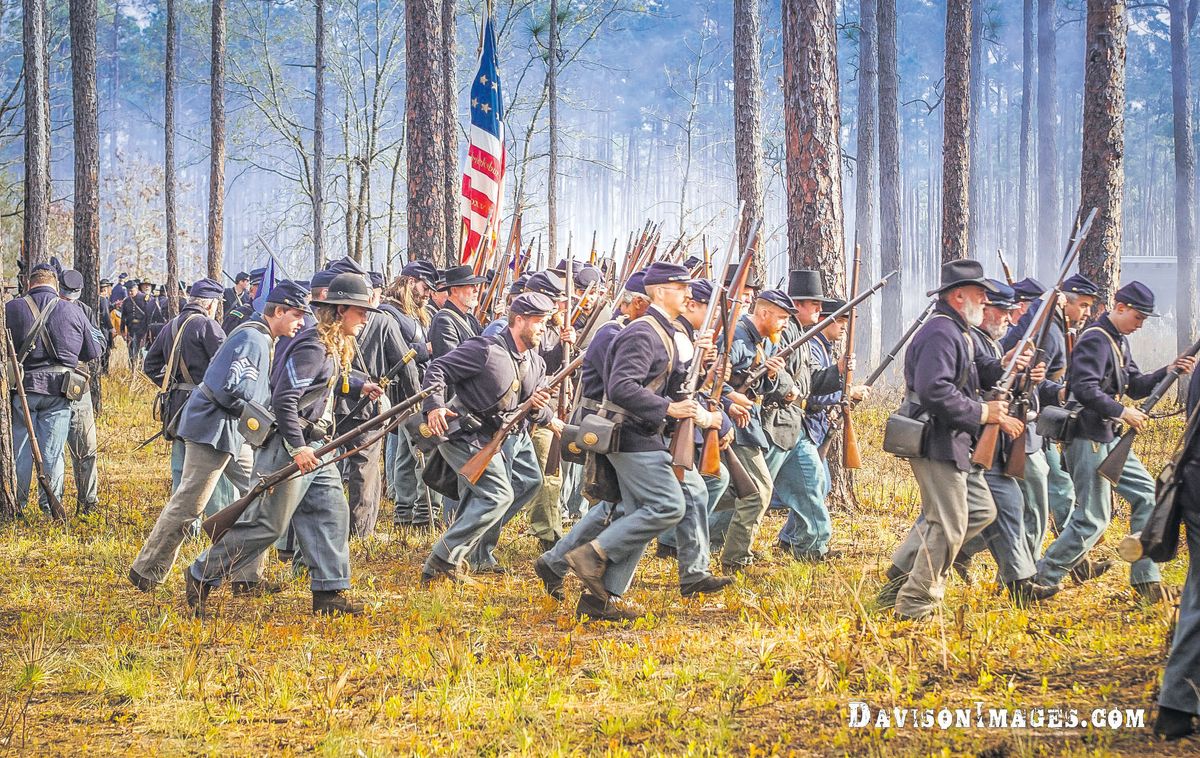
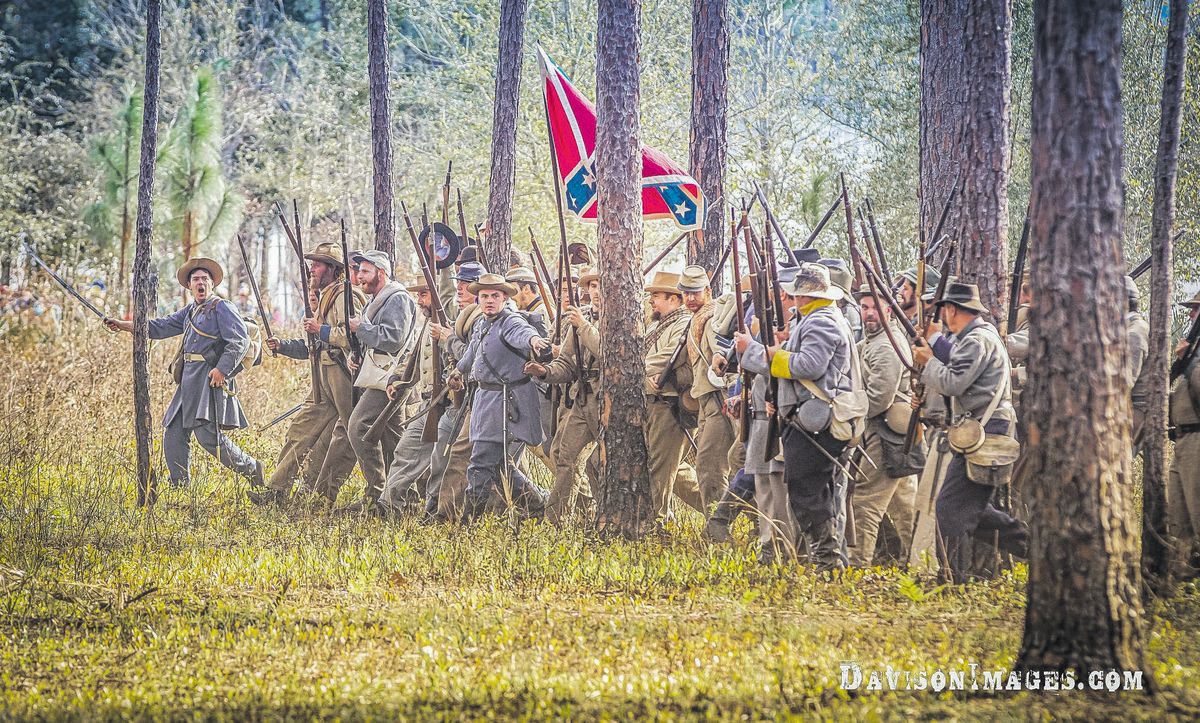
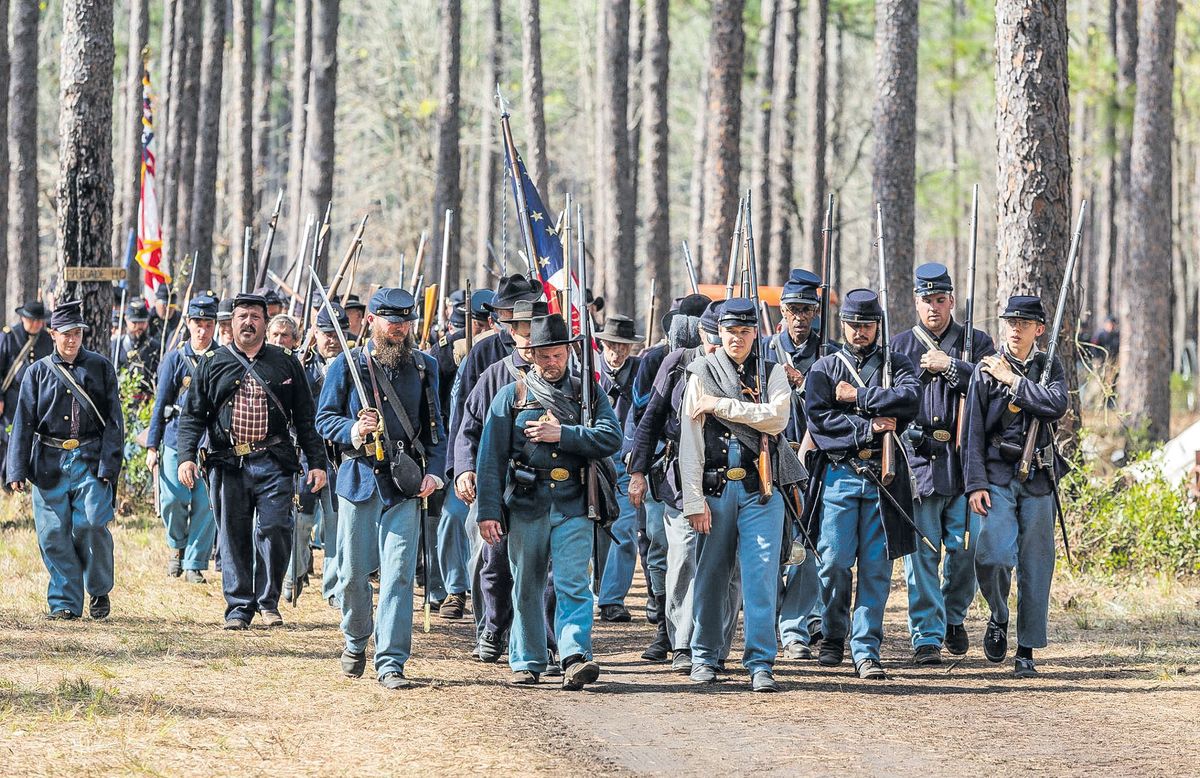
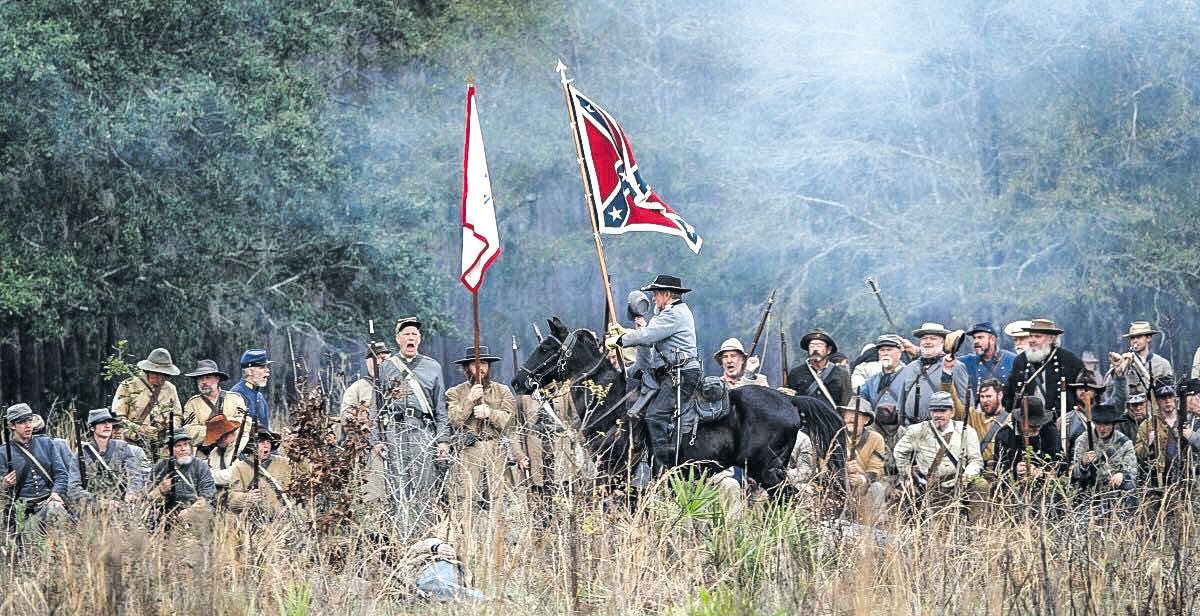
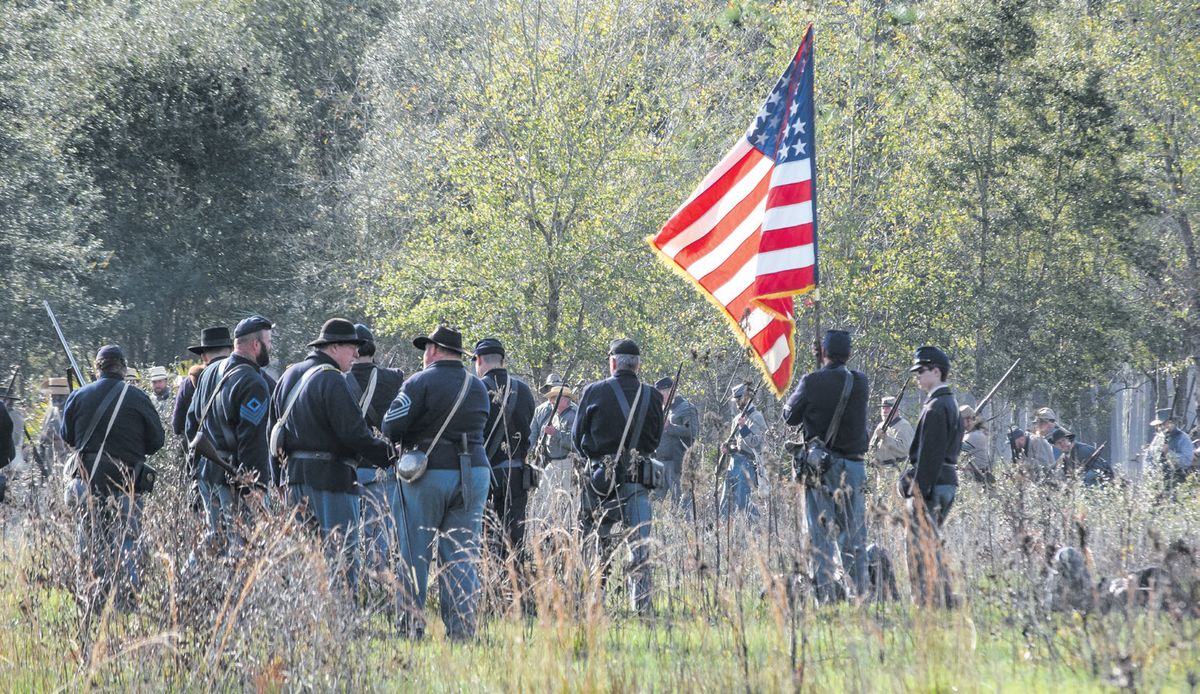
One of the bloodiest but least known battles of the Civil War, the Battle of Olustee (also known as the Battle of Ocean Pond), Florida, was fought on Feb. 20, 1864, in north central Florida, pretty much between Jacksonville and Tallahassee. It has been reenacted faithfully for the last 44 years on the same ground upon which it was fought. Now a Florida state park; it is the first Florida state park, organized in 1949. The event has become one of the largest reenactments in the country and arguably the most successful event of its kind in the southeastern United States, routinely drawing between 1,000 and 2,000 reenactors and several thousand spectators. The battle of Olustee has several features that make it unique in Civil War history. It was a savage bloodbath between approximately 5,500 Federal and 5,000 Confederate troops lasting about four hours. It should never have been fought; indeed, Federal commander General Truman Seymour marched and fought against orders from his superior General Gillmore. The Federals suffered 1861 casualties amounting to 34% losses, making it the second bloodiest of the War for the Federals, while the Confederates suffered 1,000 casualties amounting to a 19% casualty rate. Three USCT regiments were involved, including the veteran 54th Massachusetts, the 35th USCT, and the newly formed and inexperienced 8th USCT. It was the last gasp of the Federal effort to secure Florida for the Union before the 1864 presidential election. When Georgia infantry formed square to defend against cavalry attacks; the formation was broken with artillery fire. Department of the South Commander Major General Quincy Adams Gillmore had met with Brigadier General Truman Seymour (portrayed by James Permane), in Jacksonville, Fla., and decided there was no need for troops to go into the interior of Florida; securing the coastline would gain the supplies of food and materials, denying them to Confederate forces, and aid the naval blockading patrols. He then returned to his headquarters in Hilton Head, S.C. Seymour decided to try to march some fifty miles to the Suwanee River and burn a vital bridge there. He sent a telegram to General Gillmore telling him that he was moving. General Gillmore frantically tried to stop him but to no avail. Seymour advanced west out of Jacksonville with three brigades of infantry, a brigade of cavalry, and 16 guns, heading for the Suwanee river. On the morning of February 20, he left Barber’s Plantation, moving toward Lake City. Brigadier General Joseph Finnegan (portrayed by Thomas Jessee), commander of the area’s CSA troops, gathered his men to meet Seymour about 13 miles east of Lake City, Fla. It was a perfect place for an ambush; Federal forces had to march over a narrow neck of dry ground through long leaf pine forests with so much shade there was little undergrowth between Ocean Pond to the north and swamp lands to the south. Finnegan positioned his approximately 5,000 troops and engaged the Federals at Olustee, the afternoon of Feb. 20. The Federals drove the Confederate troops back several miles toward Lake City. The battle had significant artillery and cavalry involvement. Finnegan’s Georgians formed a square to fend off Federal cavalry but it was broken up by effective artillery fire. The Federal forces were poorly led, and some men were so inexperienced that they could not muster effective fire power. Moreover, they were committed piecemeal and garnered no significant momentum to carry the battle. Fighting was so heavy that the Confederates ran low on ammunition with some units standing in line of battle with empty weapons. With the slowed Confederate firing, the Federals thought they were falling back and advanced. Confederate runners had to go back about a half mile to get more ammunition and ran back with it while a Confederate officer, waving a flag, rode furiously up and down the line shouting encouragement to the troops as they got the new ammunition and began to advance once again. Confused orders caused the 7th New Hampshire to pivot its battle line; the resulting chaos and domino-like falling back doomed the Federals. The Union reserve force consisting of the 54th Massachusetts and the 35th USCT were ordered forward and held stead as the Federals fell back toward Jacksonville. They were highly praised for the stubborn resistance that gave their comrades the time and opportunity to extricate themselves from a devastating situation. They were assisted by Federal cavalry and the 7th Connecticut. General Finnegan pressed on until nightfall and in the falling darkness ceased the pursuit. The reenactment was held on the actual battlefield of Olustee. It is one of only a handful of reenactments still held on original battlefields. Florida has two other state parks that have reenactments fought on the original battle grounds. They are Natural Bridge (a Civil War battle) and the Seminole War’s Dade Battle. Spectators had a great demonstration for the hour-long reenactment on Sunday afternoon as more than 1,000 reenactors swayed back and forth across the battlefield. Bleachers are built so all the spectators had a good view of the fight. The pyrotechnical aspect of the battle was stunning as simulated artillery shells went off, blowing dirt, shrubs, and trees far into the air. A particularly impressive display came as “shells” exploded in the center of the infantry square the Georgian troops had formed. The running out of ammunition and runners going for more was well done by the Confederate troops. The officer riding his horse up and down the Confederate line was a stirring sight. The battle was well executed. It is well worth the effort of reenactors to come and participate and an excellent event for spectators. Sutlers were in abundance for soldier and civilian alike. Chaplain Alan Farley held services and had the Christian Commission coffee wagon serving gallons of coffee for the troops and civilians who were participating. A significant event for the park and the reenactment was held after the battle on Sunday afternoon. Ground was broken for the park’s new visitor center and museum. The Olustee Battlefield
Citizen Support Organization has been pushing for the new structure for a number of years and contributed $200,000 to the project. The benevolent HTR foundation (Hill Truck Rental) donated one million dollars to the effort. Representatives from both organizations were present as well as dignitaries from the Florida state park system, the Federal government, and elected officials. The effort to preserve Civil War History is alive and well in Florida. To help with the completing the new visitor center and museum, you may make a contribution at: battleofolustee.org/ donate-to-the-museum. For more information, please go to battleofolustee.org.
Olustee Battlefield Historic State Park
5815 Battlefield Trail Road Sanderson, FL 32087 Professor Veritas would like to thank: Gary Dickinson of the Olustee Battlefield Citizen Support Organization (CSO), Paul Duran of the Olustee Battlefield (CSO) Board of Directors, Thomas Jessee, and James Permane, for their