Lost Yankee Gold in Pennsylvania 1863
By John A. Punola · Originally published May 2020 · pp. 36–37
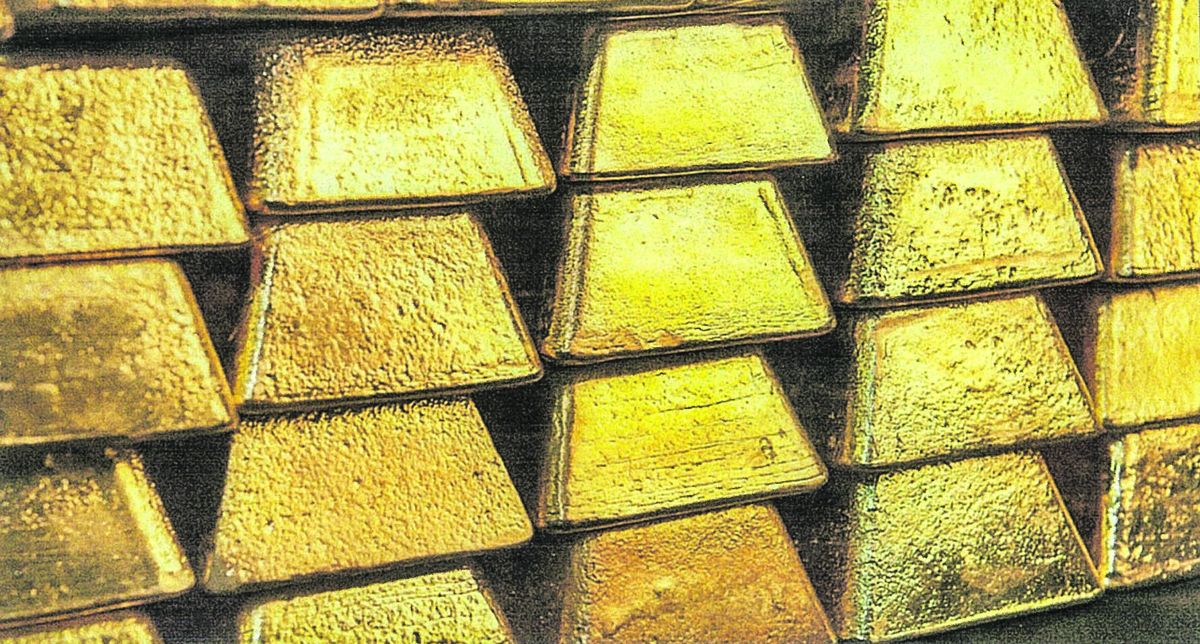
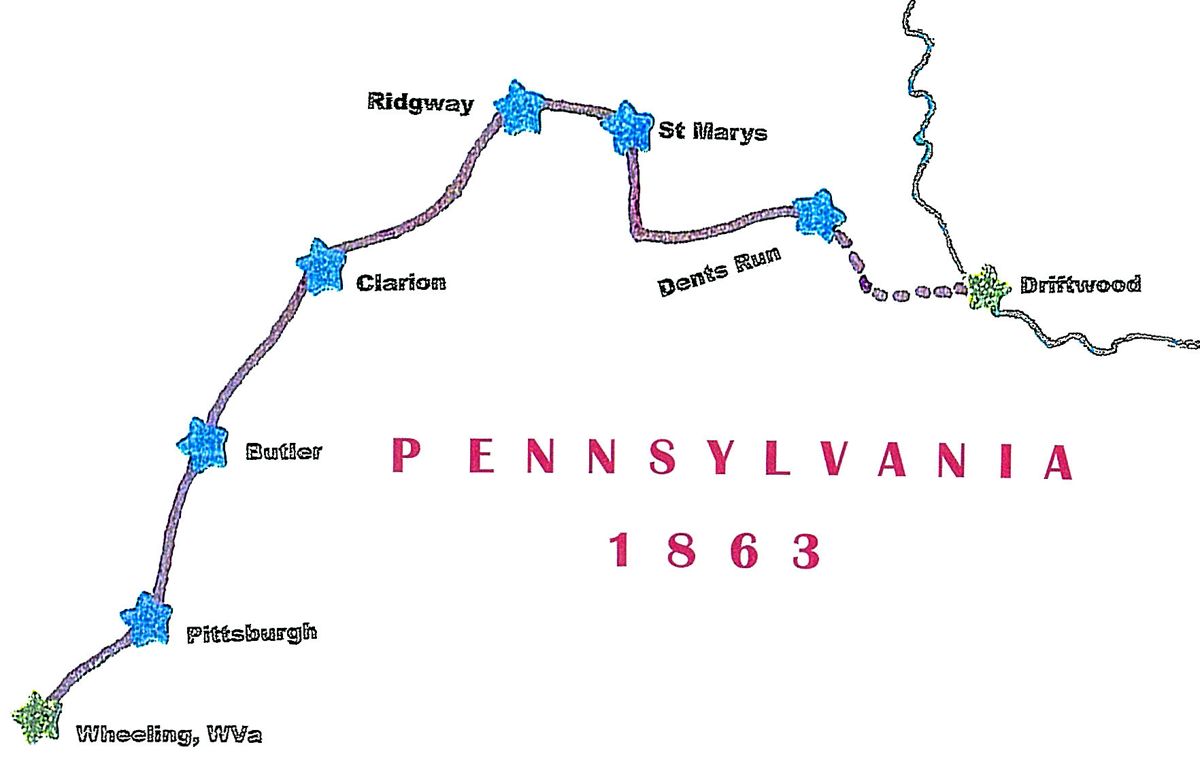
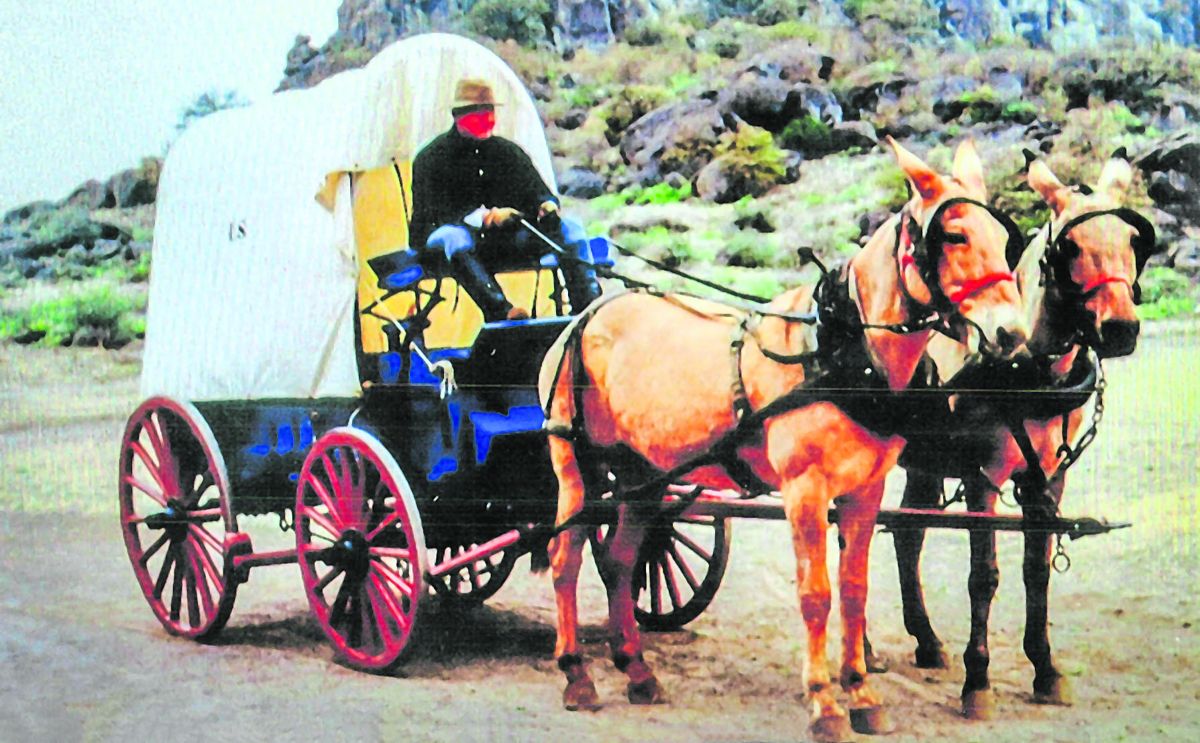
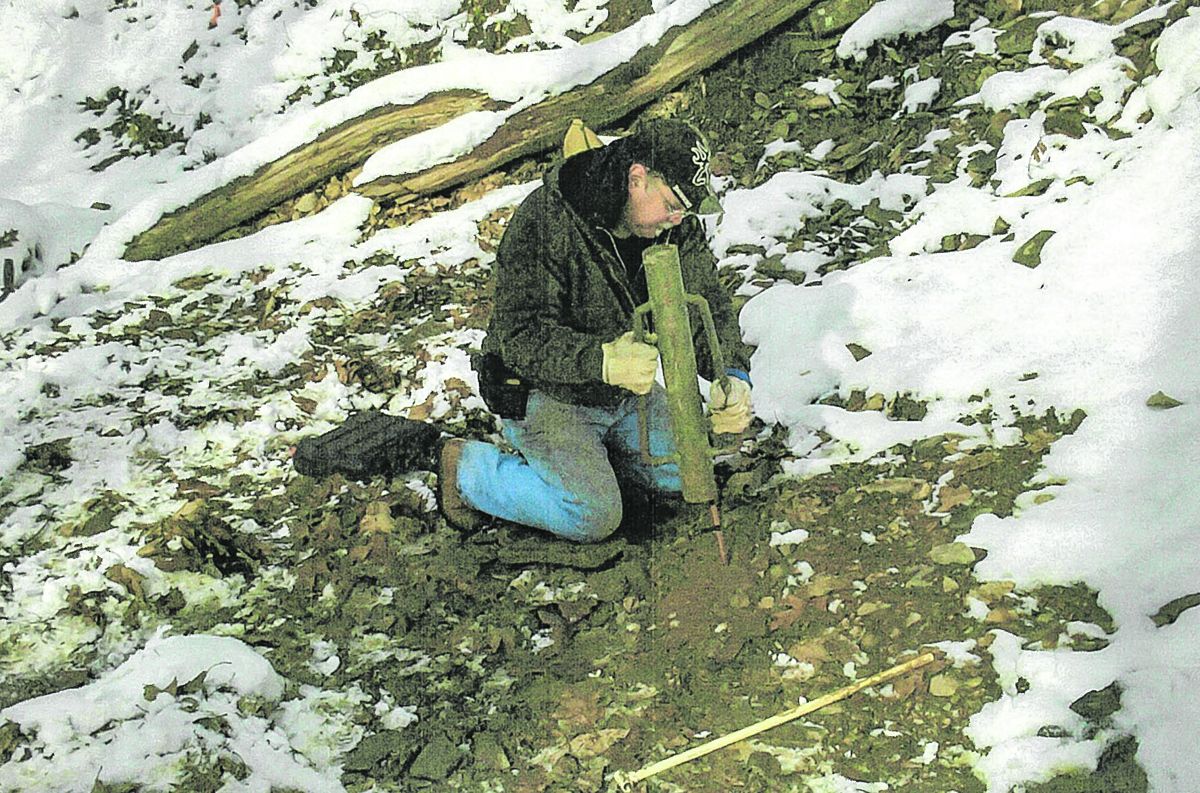
Legend has it that sometime in the latter part of June 1863, a pair of Union supply wagons departed Wheeling, W.Va., entered the state of Pennsylvania loaded with 50 bars of Union gold, destined for Harrisburg, Penn. From that juncture the gold bars were to be shipped to the Philadelphia Mint for conversion into gold coins for Union Army which had not been paid in several months. I do not believe that was the motive; the Union Army did not pay soldiers with gold coins. The summer of 1863 was a time of discontent in the North and the state of Pennsylvania had grown tired of a war that was producing horrendous casualties. Introduction of a military draft was facing strong opposition in central Pennsylvania with added concerns of Confederate raiders, the forerunners of Robert E Lee’s army, approaching southern Pennsylvania. This was the supposed reason for the gold shipment taking the long northern route to reach Harrisburg, Penn. I was born and raised in southwestern Pennsylvania and had an interest in learning more about this incident. I knew from the days of the 1792 Whiskey Rebellion in Washington County, a rebel attitude towards the American government had developed which persisted into 1863 and there were die hard Confederates in the area. As a youth living in Washington County, it was not uncommon to see a sprinkling of Rebel flags on holidays. In fact on Oct. 16, 2018, going to present a Civil War program, I counted four Confederate flags mixed among the American flags, one a very large one. As I continued my investigation, I studied numerous stories, versions, and accounts of the legendary gold shipment; there were a lot of questions and few answers. For instance, where did the gold bars in Wheeling, W.Va., come from? The region is rich in steel and coal, but not gold; there was no reason for the presence of a mint or coinage? Where did the Union military transport originate? A shipment of enormous value would require adequate security; the gold bars would have been too heavy for a single wagon. The gold probably was loaded twenty-five bars per two horse team, 1,375 pounds each wagon. The two-horse wagons were projected to travel 2.5 miles per hour, based on an eight hour day, depending upon road conditions and whether any obstacles were encountered. Remember, in 1863, roads required for the northern route were scarce as the region mostly undeveloped. A good scout was a must; a person named Connors was the civilian trail guide. His name appeared as the gold moves eastward but he was not identified as being with the wagons when they departed from Wheeling, W.Va. The logistics confronting the wagons, the guide, and ten soldiers was a serious concern. The Union Army’s logistics manual called for daily rations to equal 4.5 pounds of edible foods plus an adequate water supply per man; for horses, daily rations for two horses were 25-30 pounds of feed per horse, plus water. June and July are hot months in Pennsylvania and a quality water supply was critical to the health of the horses. This journey required a highly managed logistics team which I doubt was the case. The two wagons would have been an easy target should they encounter a Confederate scouting party, or well-armed outlaws. Standard colors for Union freight wagons were a colorful Union blue, large red wheels, covered with white canvas. The small group would have been visible the entire journey and an ambush by Confederates or outlaws could have been quick and deadly. Was this two wagon convoy a cleverly planned diversionary tactic to draw attention to a highly visible target while the actual shipment followed another, shorter route? The first leg of the trip from Wheeling, through Washington County, to Pittsburgh, Penn., was uneventful; after a brief stop the wagons resumed their mission. Their first stop was the thriving community of Butler, Penn., where the troops were surprised by the lukewarm reception. Antiwar residents contained some folks with Copperhead connections; the wagons quickly departed for Clarion, Penn. At this point, the commanding officer, Lt. Castleton, developed a severe fever and rode in one wagon. The trip to Clarion was uneventful, and the group was warmly greeted by the town’s people. Lt. Castleton was still suffering from fever when the wagons continued to the next destination; here he revealed their cargo and further travel plans to his men. When the group reached St. Marys, Penn., Lt. Castleton was unable to continue, and the civilian Connors was given control. His destination was Driftwood, Penn., located on the Sinnemahoning River. Rafts would be constructed so they could drift down the Susquehanna River, then float on to Harrisburg where they would make the final delivery to the mint. The wagons continued onward to Dents Run, Penn., where according to Connors, the group was ambushed and quickly killed, except Connors who hid and then managed to escape. He made his way back to St. Marys, where he reported the fate of the men and the contents of the wagons. In my research, I was not unable to find any military record of a Lt. Castleton, or Connors, his civilian guide, nor could I locate any Treasury Department officials who signed the order to move the gold that is still missing. Questions that remain are whether the alleged gold bars were in the missing military supply wagons, or was it a diversion? Did the ambush occur? Where is the report of the ambush? Eventually the bodies of the soldiers were found and buried but there is no record of this nor are their graves known. The Army had serious doubts about Connors’s statement, and Pinkerton detectives sent to interview him and find the missing gold were also unsuccessful. The legend of the lost gold remained quiet although there were occasional reports that treasure hunters were still looking for positive clues regarding the actual location of the gold bars. Then a father and son team from the town of Clearfield, Penn., Dennis Parada and son Kem, operating under the legal name of Finders Keepers founded in 2004, revived interest in the legendary lost gold. The Paradas told me they came into possession of a hand drawn map that was supposed to reveal the treasure’s location. Extensive searches were conducted that produced some Civil War era items, but the search failed to locate any gold bars or valuables. The lack of success working from the map did not curb the gold hunter’s dreams; they continued to search the area. When I interviewed Dennis and Kem, they still believed the map showed where the lost gold was located and secured improved tools they would use in the resumption of the gold search. The map included an area situated near Dents Run, located within Elk State Forest. Dennis and Kem were unaware that Dents Run was inside Elk State Forest until after their hunt. Knowing this, Dennis and Kem traveled to the Park Office to report their illegal search and recovery. They delivered all the recovered, presumed Civil War, artifacts to Elk State Forest District #13 so they could examine and classify the artifacts found and removed by Dennis and Kem. The final conclusion was that nothing of value was found, and the finds were returned to the Parada team. The worst news from the Elk Park District #13 was that NO DETECTING/SEARCHING will be PERMITTED in the state park. Dennis & Kem Parada could no longer pursue their dream of searching an area that their intuition told them was the location of the long missing gold bars. It was all very depressing but the Finders Keepers LLC had steadily grown, and other targets of opportunity now held their attention. In March 2018, the local Dents Run population witnessed a large group of personnel who established a base camp and various kinds of salvage equipment arrived. Preparations were made, and the workers began a physical search of the area. The group was identified as FBI employees who were conducting a “court authorized law enforcement activity”; the search area was off limits to all local residents and outsiders. Strict security regulations were enforced by the FBI, and no persons were permitted to enter the area while workers and heavy equipment was involved. Once the FBI was satisfied their activity was completed, they packed and quietly slipped away. With little hope of any change in the restrictions within Elk State Forest Park, Finders Keepers LLC moved toward building a list of target areas within Pennsylvania that will be actively searched the summer of 2020. They have an interesting variety of projects such as a Paleo-Indian site, a Knights of the Golden Circle site, an 1812 Spanish silver site, plus 1,500 gold coins from an 1812 fur trading site. These targets are undergoing research and will be activated as weather conditions permit. Dennis Parada said “it’s not always about what we find that keeps us going; it’s the hunt itself and the adventure of having a lot of fun; that folks, is the real treasure.” Not being content with Pennsylvania, Finders Keepers have established excellent relations with interested Canadians who have offered the opportunity of looking for and finding historic targets in Canada. The future looks very bright for Dennis Parada and his son, Kem. They will be on the road of adventure this summer. Getting back to the matter of “Yankee gold” in Pennsylvania, it’s been a long time since 1863, and still no official documentation of the alleged missing gold bars on their journey through Pennsylvania. It is my feeling that if there were a wagon load, or loads of gold, it probably had a safe boring journey via another route through Pennsylvania. I did search in some Confederate sources hoping to find some Confederate references to capturing this prize, but like the gold seekers in central Pennsylvania, I found nothing; still, it was enjoyable looking for the answers. The beautiful photo of what the 1863 Union Army supply wagon would have looked like was submitted by the National Park Service, Fort Davis, Texas. Thank you Bill Manhart.