Long Island Divers Find Wreck of Raider CSS Tallahassee's Biggest Prize
By Bill Bleyer · Originally published May 2020 · pp. 12–14
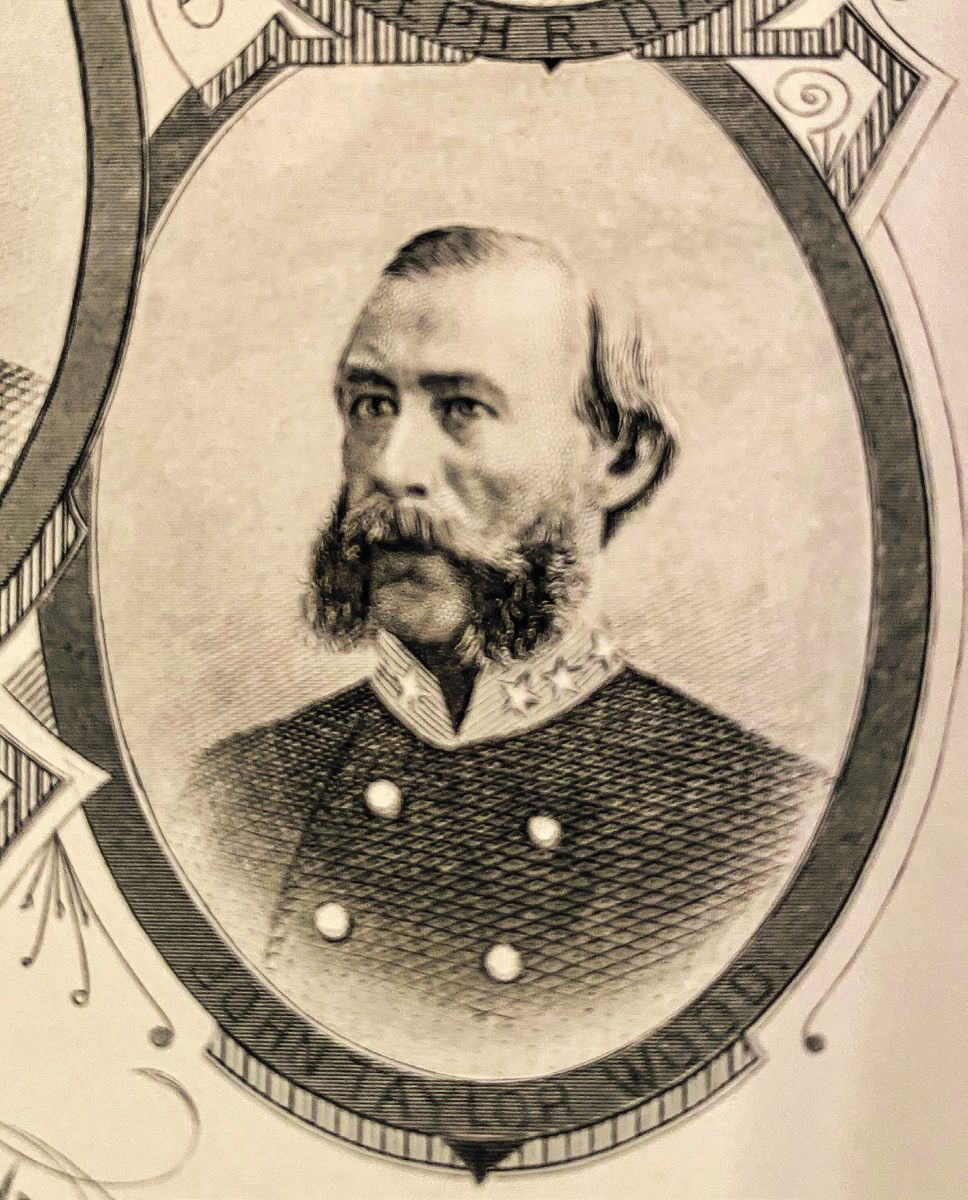
It was late in the Civil War, but Captain John Taylor Wood had a plan that might not change the course of the conflict for the South but could at least improve Confederate morale. The Confederate naval officer had been watching blockade runners coming and going at Wilmington, N.C., one of only two Southern ports still open, looking for the perfect vessel to create another commerce raider like CSS Alabama. His eventual choice became CSS Tallahassee, which made one of the last cruises of a Confederate raider into northern waters, capturing 33 Union vessels in a daring 19-day voyage during August 1864. Now, one of those captured vessels, the packet ship Adriatic, the largest and most valuable of all of the Tallahassee’s prizes, has been located 30 miles offshore by a group of Long Island divers. The 181-foot Adriatic was south of Montauk Point near the end of its regularly scheduled voyages from London to New York when it had a run-in with the Tallahassee almost 156 years ago. “Finding the wreck of Adriatic is an amazing discovery,” commented Harrison Hunt, a former Long Island museum supervisor who is co-author of the 2015
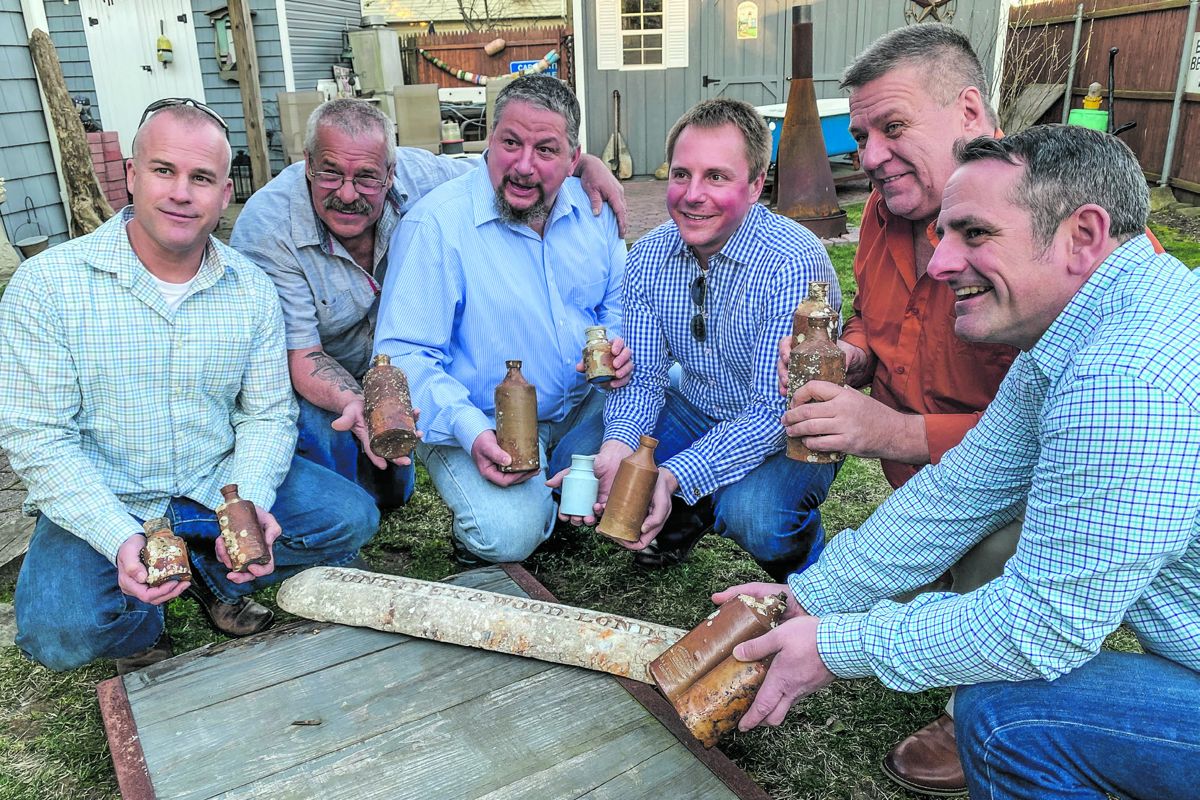
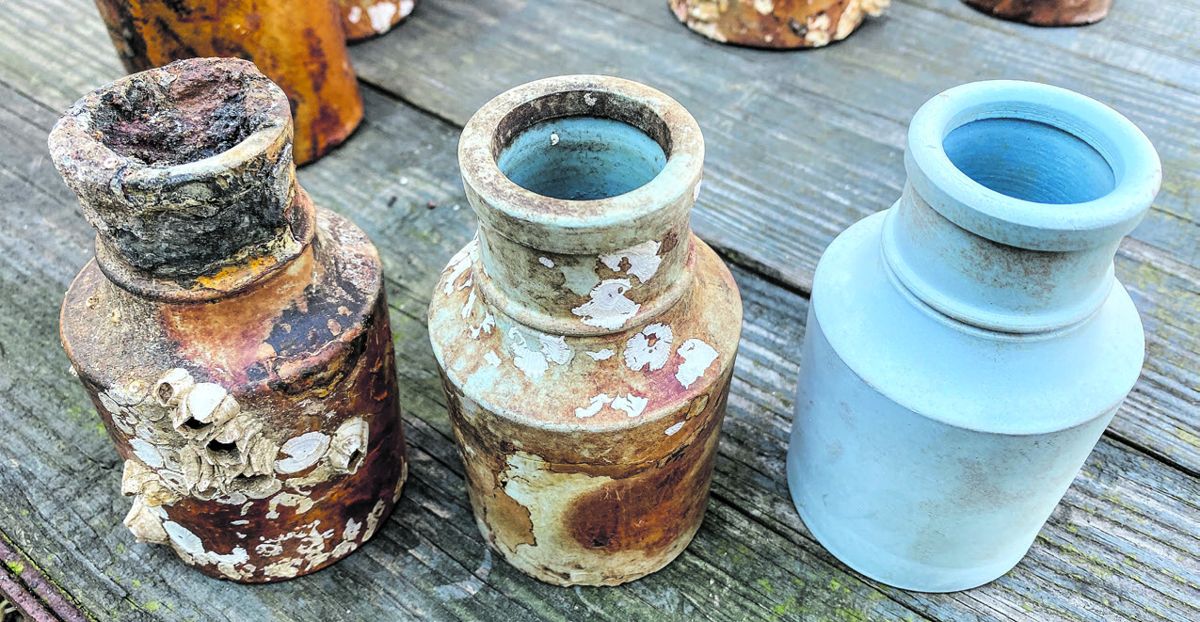
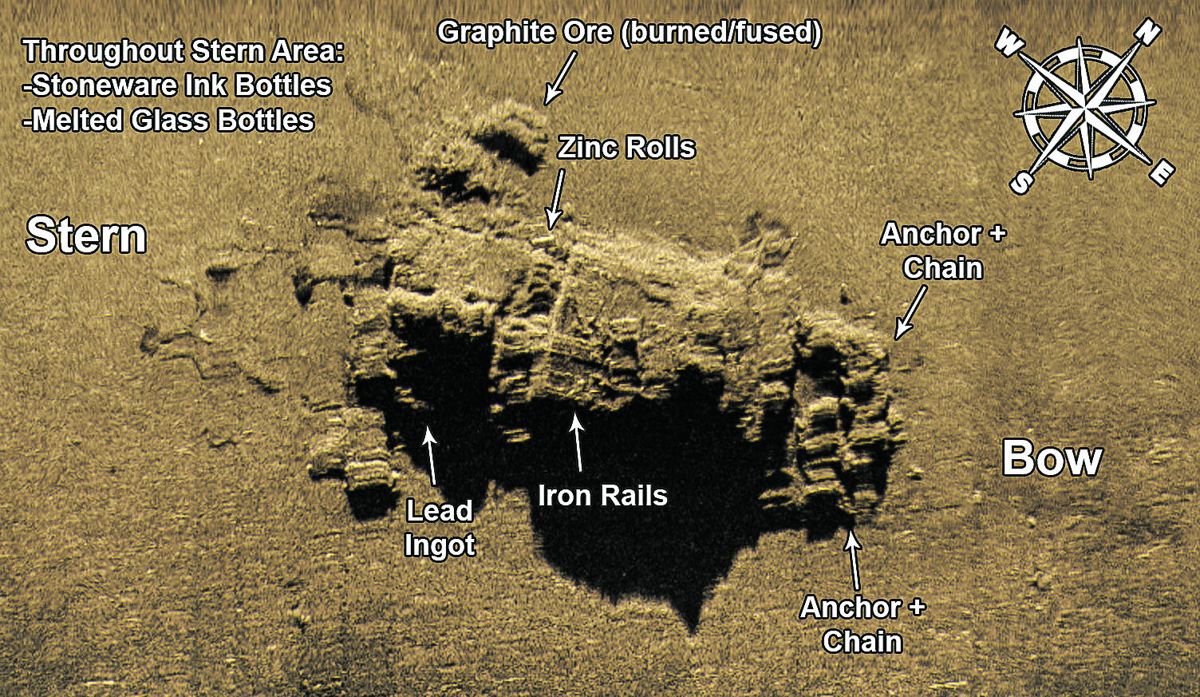
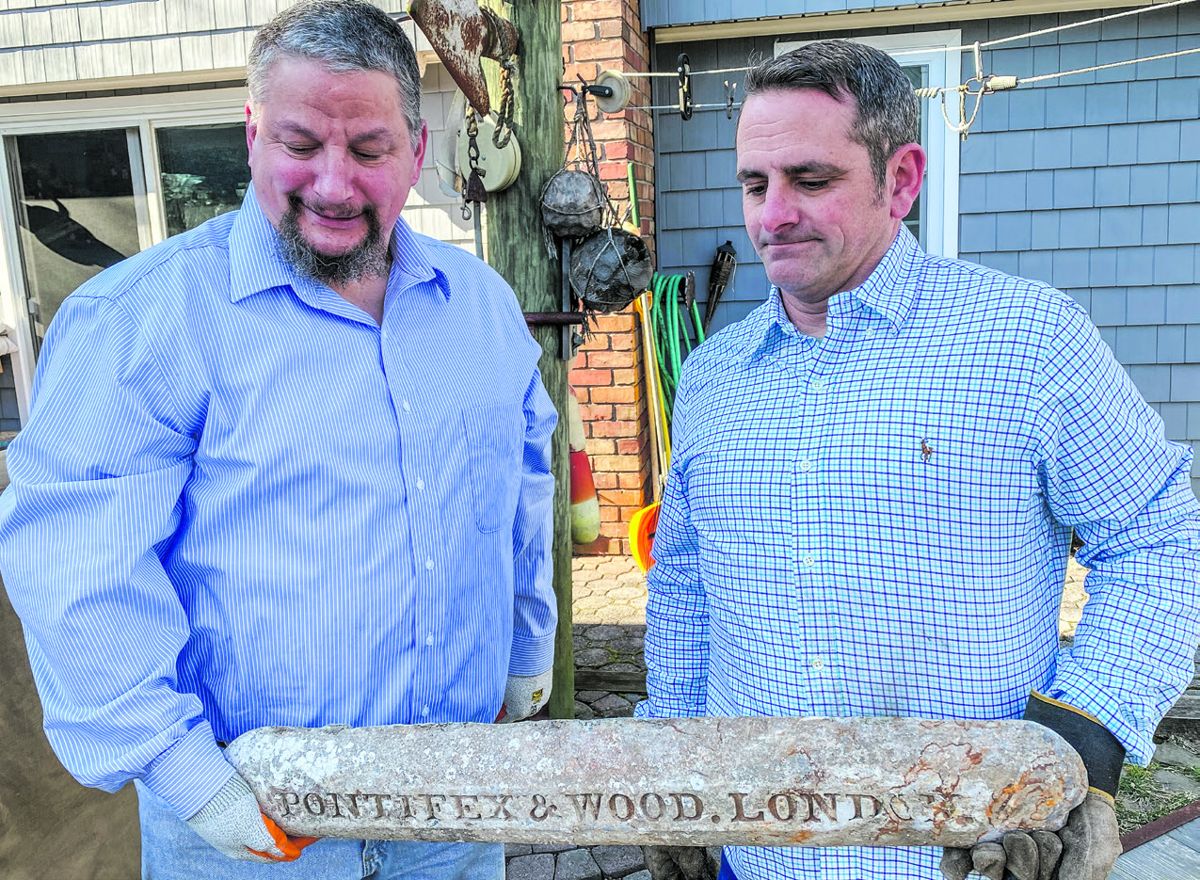
book Long Island and the Civil War. “It’s especially significant for Long Islanders as it highlights how close the Civil War came to home in the form of Confederate raiders. While several local ships were captured during the war, I don’t know of any taken as close to Long Island as Adriatic.” With its limited industrial resources, the Confederate States were hard-pressed to assemble a navy. To compensate, the southern government refitted commercial vessels powered by steam and sails with cannon and dispatched them in search of Union ships. The raiders usually burned or scuttled ships for which they had no use. The CSS Tallahassee encountered Adriatic, which had been launched in Boston on Aug. 12, 1864. After the Tallahassee’s crew removed the some 190 passengers and crew from the Adriatic, they set it ablaze and the ship sank in 220 feet of water. Over the subsequent years, commercial fishing boat captains discovered the site in an inopportune way when their nets hung up on the wreckage, and they recorded the location. John Noonan of Hampton Bays learned about the location from a commercial captain almost two decades ago but didn’t pursue it initially. Then 2016, after learning to scuba dive and years of gaining the necessary experience, he gathered his instructor and four other friends and began a series of five dives over two years on his private dive boat Storm Petrel to explore what was sitting on the bottom. The divers, all Coast-Guard licensed captains who have worked as mates on commercial dive boats, also include Ben Roberts, an investment consultant from Amagansett; John Bricker, a machinist from Bay Shore; Jim DiSciullo, a firefighter from of the Crestwood neighborhood in Yonkers; Andrew Favata: an elevator constructor from Brooklyn; and Patrick Rooney, a tile setter from Copiague. Between them they have 183 years of dive experience. “Murky water from the silty ocean floor, total darkness due to the depth, entanglement hazards from derelict nets, lengthy decompressions, and curious sharks made for challenging diving conditions,” said Noonan. “But it was worth the effort once we saw the mid-19th century cargo and realized the site had historical value.” They found artifacts including stoneware ink bottles, rolls of zinc, iron rails, and lead ingots. About a dozen artifacts, mostly ink bottles of different sizes but also a lead ingot and a piece of a broken Oriental bowl, were brought up as keepsakes and to help identify the ship. “There is a remarkable amount of material still present, considering this was a wooden ship that was burned and exposed to salt water, hurricanes, and trawlers’ nets for 155 years,” said Roberts, who conducted a side scan sonar scan of the wreck to aid the exploration. “Many coastal wrecks from that era are scattered, buried, disintegrated; literally lost to history.” The group suspected they had found the Adriatic based on its size and features, proximity to the recorded sinking location, age of the artifacts, and evidence of fire damage. But they had no proof. They had not found an “eureka” artifact such as the ship’s bell with the name of the vessel engraved on it. Before they felt comfortable going public with the discovery, Roberts made two visits to the National Archives facility in College Park, Md., trying to identify the wreck through historical records. Finally, in February he found insurance and damage claim records filed in 1864 detailing Adriatic’s cargo. The items matched what the divers had seen on the wreck.
The Largest Prize
The Tallahassee’s captain was Commander John Taylor Wood, grandson of President Zachary Taylor and nephew and adviser of Confederate President Jefferson Davis. The steamer selected by Wood was 220 feet long with a top speed of about 14 knots or 16
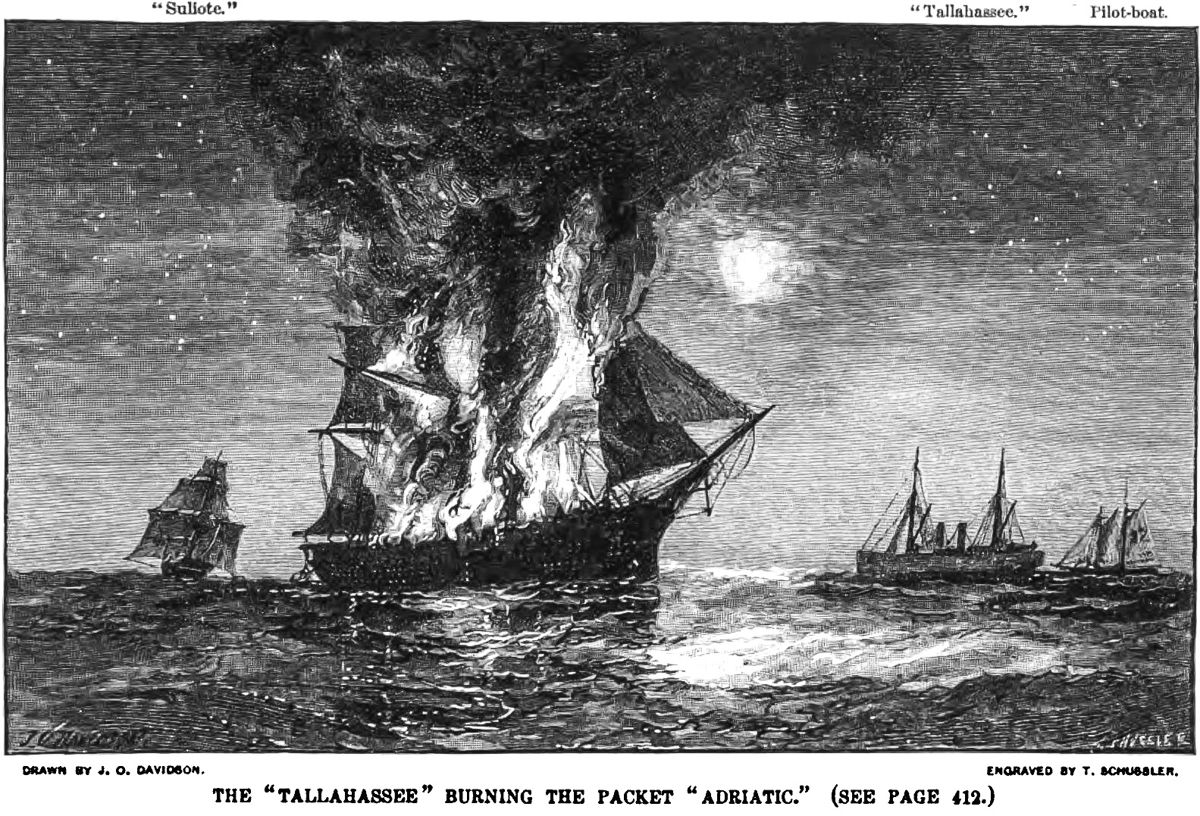
miles an hour, very fast for the era, and a crew of 120. After slipping through the Union Navy blockade off Wilmington on Aug. 6, 1864, Tallahassee sailed up the East Coast looking for targets as far as Maine before heading to Halifax, Nova Scotia, for repairs and then returning to Wilmington. Its exploits created widespread consternation for the Union government and shipping industry while buoying sinking morale in the South. The first prize was captured August 11 off New Jersey, six more were taken the same day, including a New York pilot boat that Wood turned into a scout vessel. The next day the Tallahassee seized six vessels off Long Island including the Adriatic. Thirty-four years later, Wood wrote an account of his raiding voyage in the Century magazine. “In all cases the prisoners were allowed to retain a bag of their clothes; nor were they asked for their money, watches, etc.,” he said. The Tallahassee made a point of capturing two pilot boats, small vessels that carried pilots who helped captains navigate into different ports, because he envisioned an audacious raid through New York City waters. “My object in capturing these vessels was, if possible, to secure a pilot who could either be paid or coerced to take the ship through Hell Gate into Long Island Sound.… It was my intention to run up the harbor just after dark… then go on up the East River, setting fire to the shipping on both sides, and once abreast of the [Brooklyn] navy-yard to open fire, hoping some of our shells might set fire to the buildings and any vessels that might be at the docks, and finally to steam through Hell Gate into the Sound.… But no pilot could be found who knew the road, or who was willing to undertake it, and I was forced to abandon the scheme.” In three days of cruising between the entrance to New York Harbor and Montauk Point, the Tallahassee captured 20 ships. “The most important was the packet-ship Adriatic, one thousand tons, from London, with a large and valuable cargo and one hundred and seventy passengers,” Wood wrote. “The passengers were nearly all Germans, and when told that their ship was to be burned were terribly alarmed; and it was sometime before they could comprehend that we did not intend to burn them also. Three hours were occupied in transferring them and their effects with our boats. After all was safely on board the [previously captured] Suliote, the Adriatic was fired; and as night came on the burning ship illumined the waters for miles, taking a picture of rare beauty.… We steamed slowly to the eastward towards Nantucket. The neighborhood of New York had been sufficiently worked, and the game was alarmed and scarce.” The Tallahassee made one more voyage, a short cruise under a different name with a different captain before returning to England. Later she was sold to the Japanese government to be used as a warship.
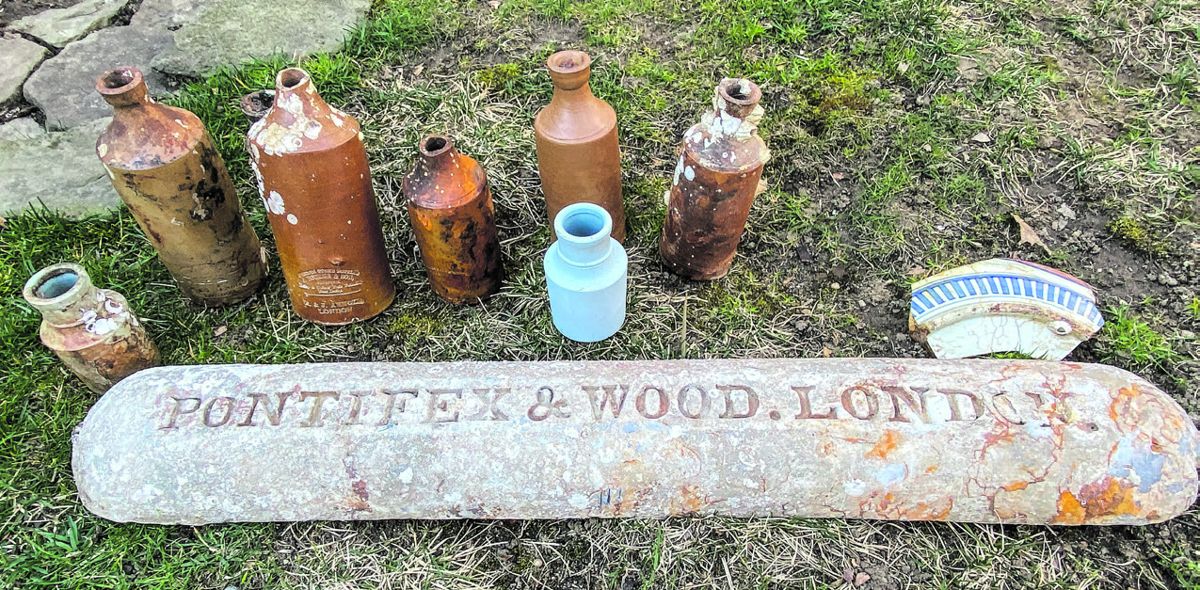
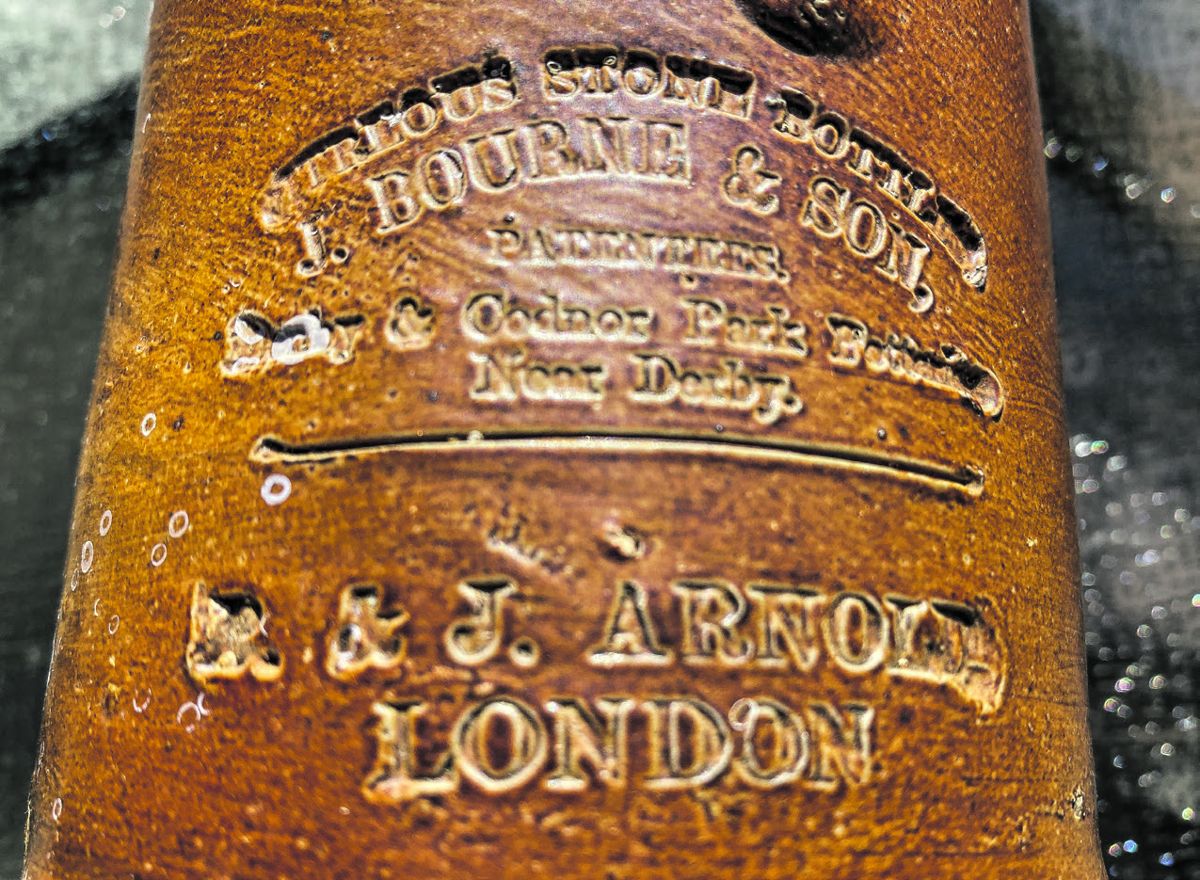
Records Solve the Puzzle In trying to identify the wreck, Noonan said, “we had a lot of circumstantial evidence, and we were pretty confident of what we had, but we didn’t feel we checked the archives of Lloyd’s of London when he was over there for cargo manifests, freight lists, and insurance paperwork. We came up blank on that. Then Ben did two trips to the archives” in Maryland. There he found what Bricker described as “the silver bullet.” “Because it was a wartime loss, everyone who had financial loss due to Confederate action, everyone who had suffered nautical financial damages during the war was invited to submit a claim to the U.S. government.” Roberts said. The government assembled all the claims and presented them to the British government in what became known as the Alabama Claims. The claims were paid because some commerce raiding ships had been built in Britain. The case generated a fantastic legal paper trail we were able to follow. We found the original records from 1864 submitted by a lot of these merchants as proof for their losses. We found a couple of smoking guns: an invoice for all the ink bottles that had the name of the merchant as well as invoices for other materials aboard the Adriatic that we saw on the wreck site.”
The Search Begins The group’s path to the Adriatic began almost two decades ago when Noonan bought a boat from an old commercial fisherman. The boat came with a notebook showing the coordinates of obstructions on the bottom that had snagged fishing nets over the years. “There was one particular set of numbers that seemed interesting, so I went out to the wreck in 2004. We caught a lot of fish and we figured not too many people had been fishing on it. At the time I wasn’t a certified diver so the next year I got certified and worked up to the point where I could do a dive that deep.” It took until September 2016 to get the group together and actually make a dive on the site. Noonah had met the other divers through Favata, his dive instructor. Since the ship burned to the waterline, much of the cargo is melted or fused together. There is still some wood framing, copper hull sheathing, an anchor, and pile of chain at the bow. The wreckage sits in a mound of cargo that rises about eight feet off the bottom. The visibility on the dives ranged from zero to up to 20 feet. The water temperature at the bottom is in the 40s so all the divers wore dry suits. Rather than scuba tanks, they used rebreathers, which recirculate breathing gases to extend the dive time, with specially mixed gases including helium to prevent decompression sickness. Roberts later surveyed the site with high-resolution side scan sonar to create a map with precise measurements to help orient the divers in the low visibility. As for the artifacts recovered to date and others that might be brought up in the future, “They’re not for sale,” Bricker said. “We’ll display them and give presentations where we can,” Rooney added. “We recover artifacts and preserve them, save history, and give it back to the public.” A controversy has been raging for years between sport divers and the museum-archaeological community about the wisdom of recovering artifacts from shipwrecks. The divers say they are making history available for the public and saving artifacts that will be destroyed in a harsh ocean environment. The scientific and museum community argues that artifacts should only be recovered as part of an archaeological excavation following strict protocols or be left onsite. The Adriatic divers, who so far have only brought up about a dozen artifacts, expect to recover more. “While we do not currently plan to actively seek the participation of archaeologists in the Adriatic project, we are happy to discuss the site, our work to date, and the possibility of partnering with any interested and qualified parties who contact us,” Roberts said. Whether they continue their exploration alone or with a scientific or academic partner, the Adriatic discovery group plans more dives on the wreck. “It still has a story to tell,” Bricker said.
Bill Bleyer was a Pulitzer Prizewinning staff writer for Newsday, the Long Island daily newspaper, for 33 years before retiring in 2014 to write books and freelance for magazines and Newsday. He is the author of Long Island and the Sea: A Maritime History (The History Press 2019), The Fire Island Lighthouse: Long Island’s Welcoming Beacon (The History Press 2017), Sagamore Hill: Theodore Roosevelt’s Summer White House (The History Press 2016) and co-author of Long Island and the Civil War (The History Press 2015). He has taught maritime history at Webb Institute, the Long Island naval architecture college.